
Roundtable Conference on Enhancing Gender Training for Police Institutions in India: Innovations and Lessons Learned | 27 October 2026
October 27, 2026
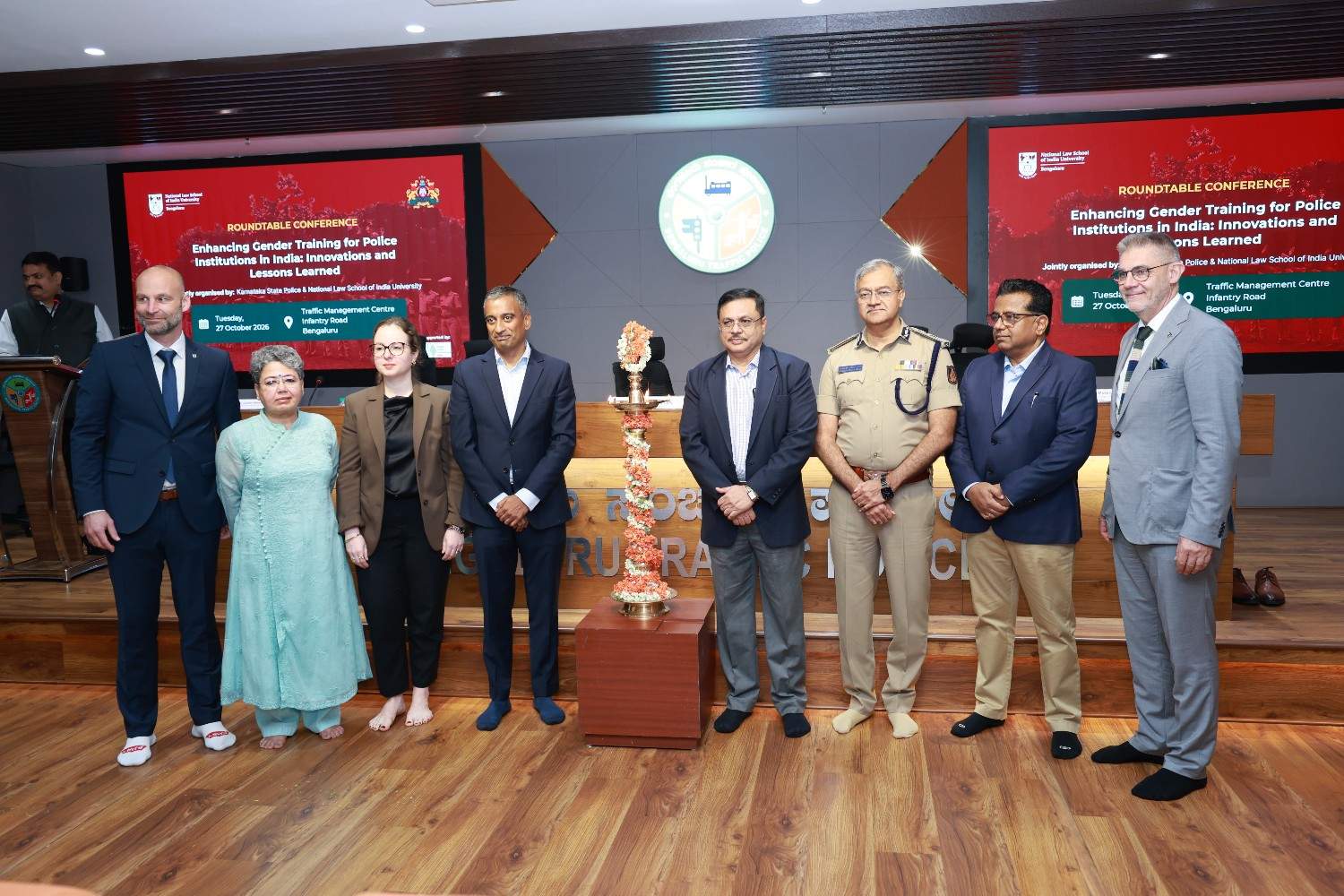
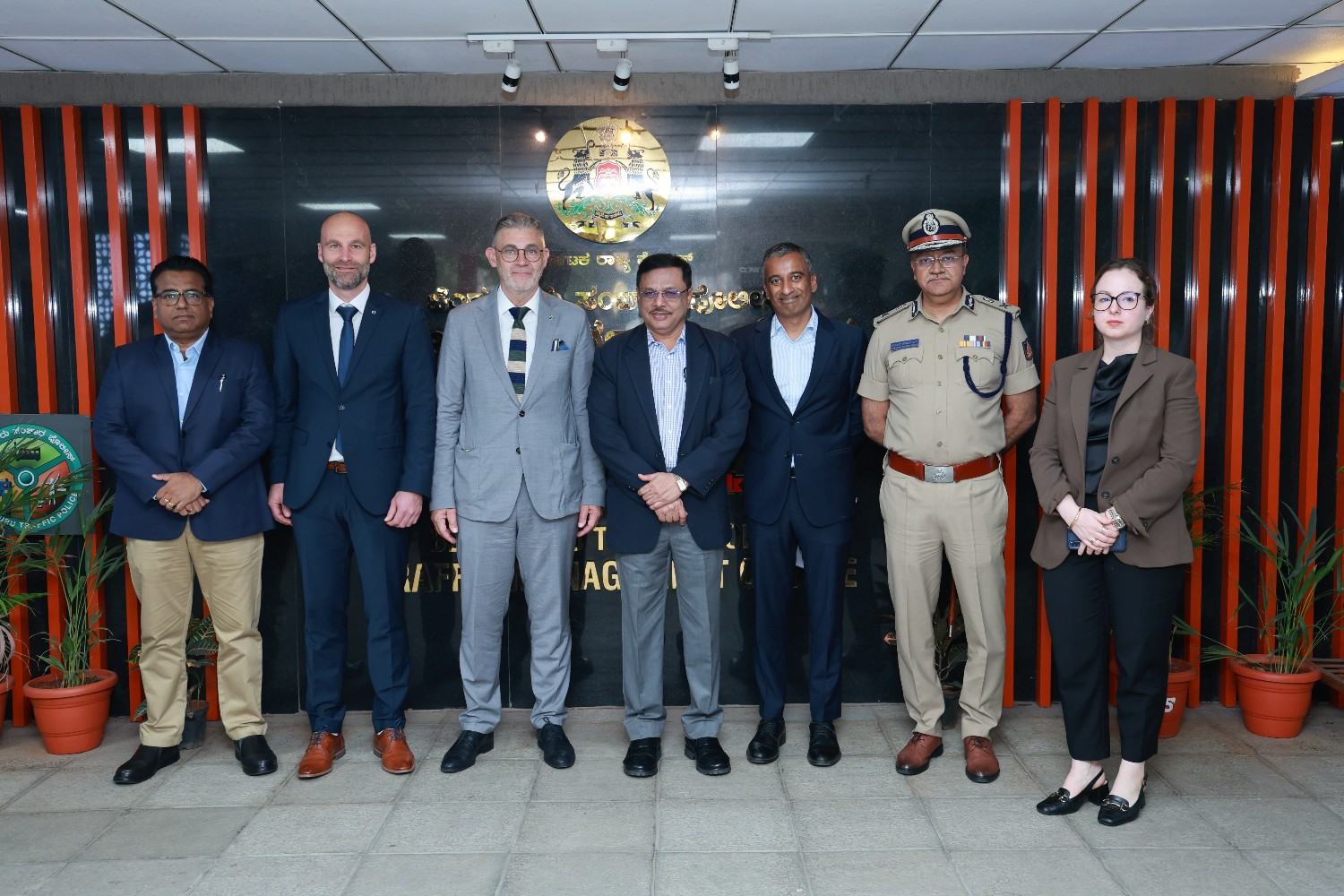
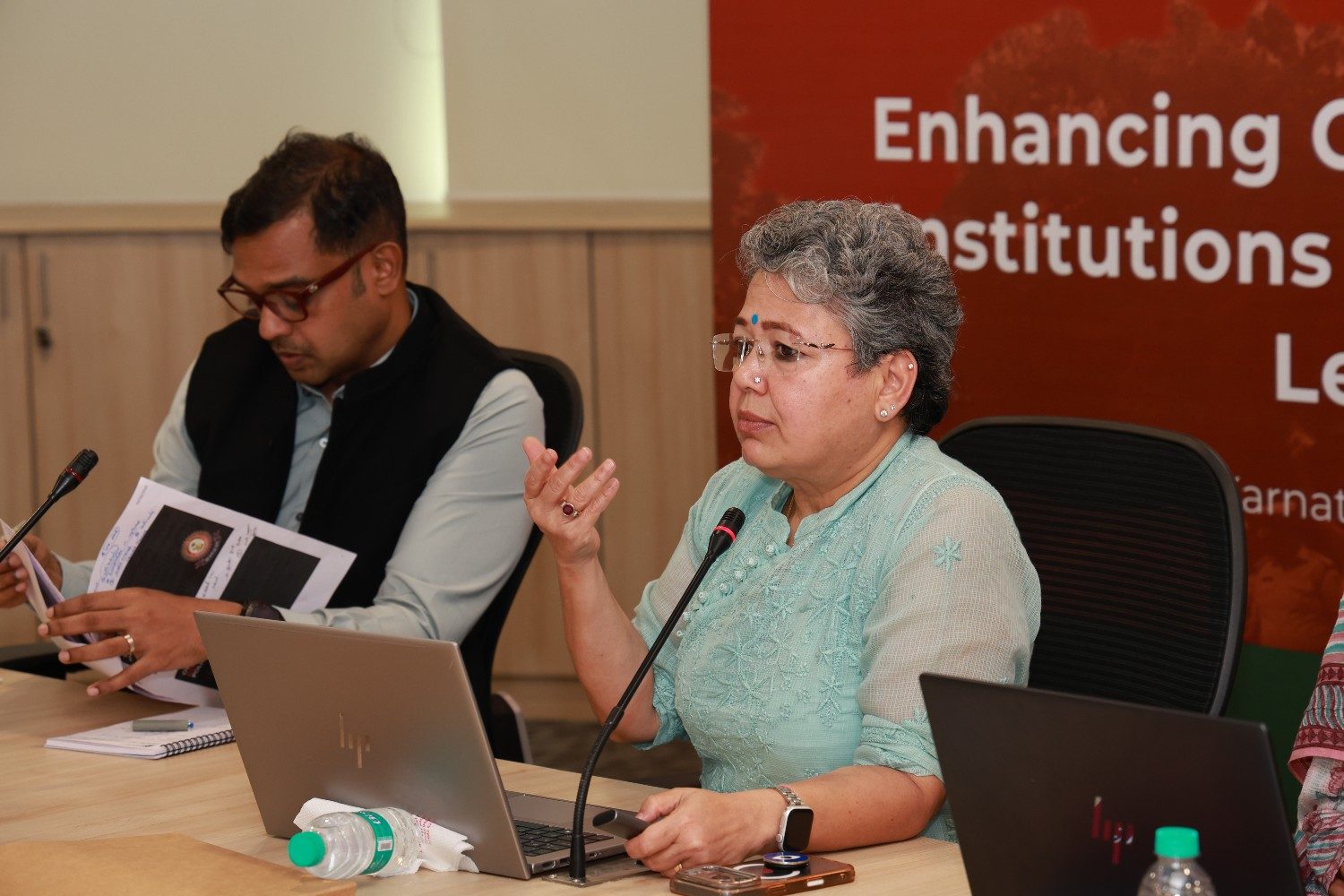
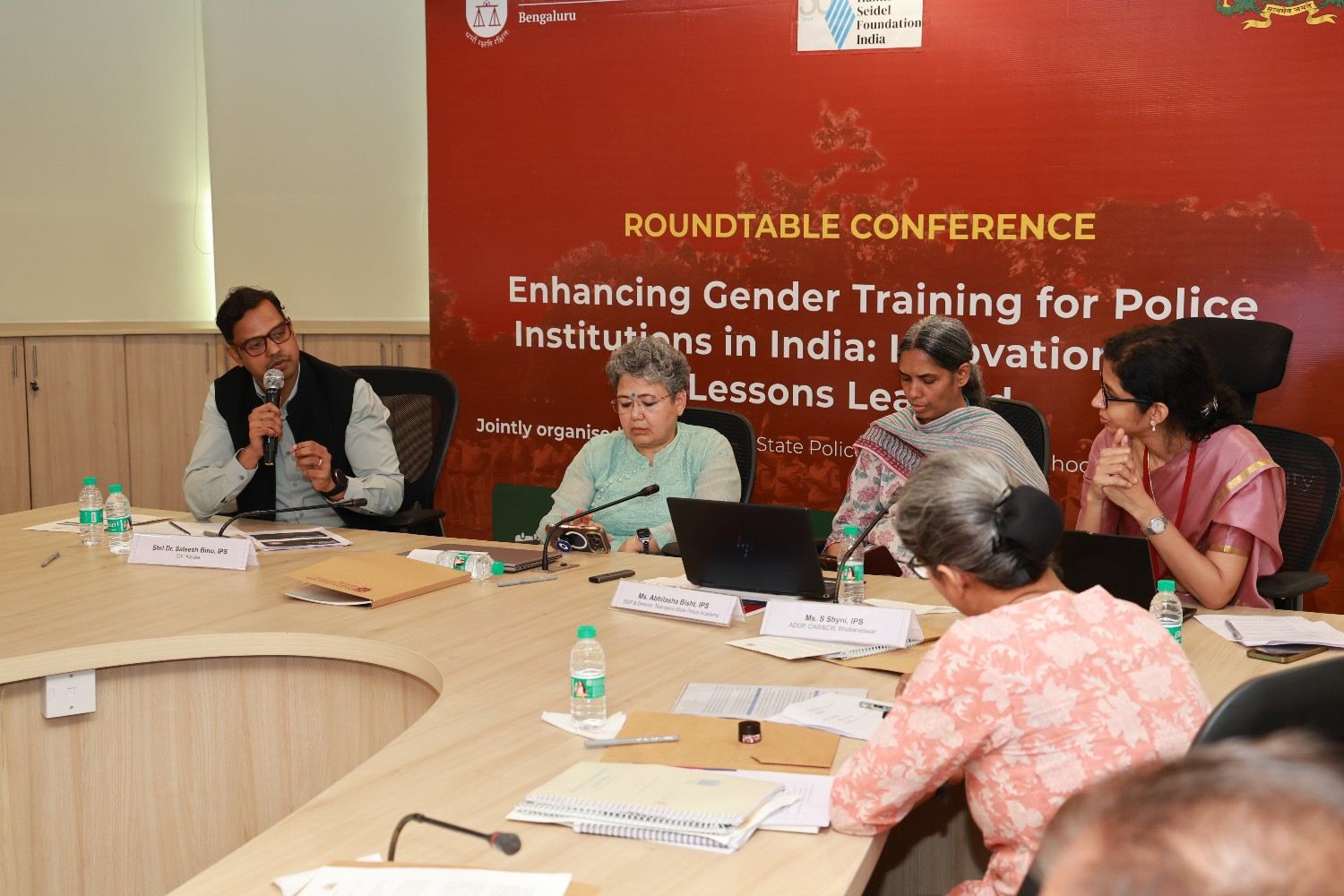
The National Law School of India University (NLSIU), Bengaluru, and Karnataka State Police convened a roundtable on ‘Enhancing Gender Training for Police Institutions in India: Innovations and Lessons Learned’ on 27 October 2026 at the Traffic Management Centre, Bengaluru, with support from Hanns Seidel Stiftung (HSS), India. The conference brought together police officials and experts on police training from six states, along with representatives of the Bavarian State Police, to discuss approaches to gender-responsive policing and police training reforms.
In his keynote address, Dr. M. A. Saleem, IPS, Director General and Inspector General of Police (DGIGP), Karnataka, emphasised the role of research, institutional cooperation and continuing training in strengthening police practice, including sensitising personnel to the marginalisation experienced by women and children. Mr. Seemant Kumar Singh, IPS, Commissioner of Police, Bengaluru City, stressed the importance of respecting different freedoms, sensitising police personnel and increasing women’s representation in the force. He also highlighted the need for refresher training.
Prof. (Dr.) Sudhir Krishnaswamy, Vice Chancellor, NLSIU, highlighted the university’s partnership with Karnataka State Police and its collaboration with HSS since 2021 on citizen-friendly policing and women in police. Ms Judith Weinberger-Singh, Resident Representative, HSS India, emphasised citizen-friendly policing and women’s participation, recognising NLSIU’s projects and training work as a basis for informing police training reforms and underscoring the importance of sustaining the partnership.
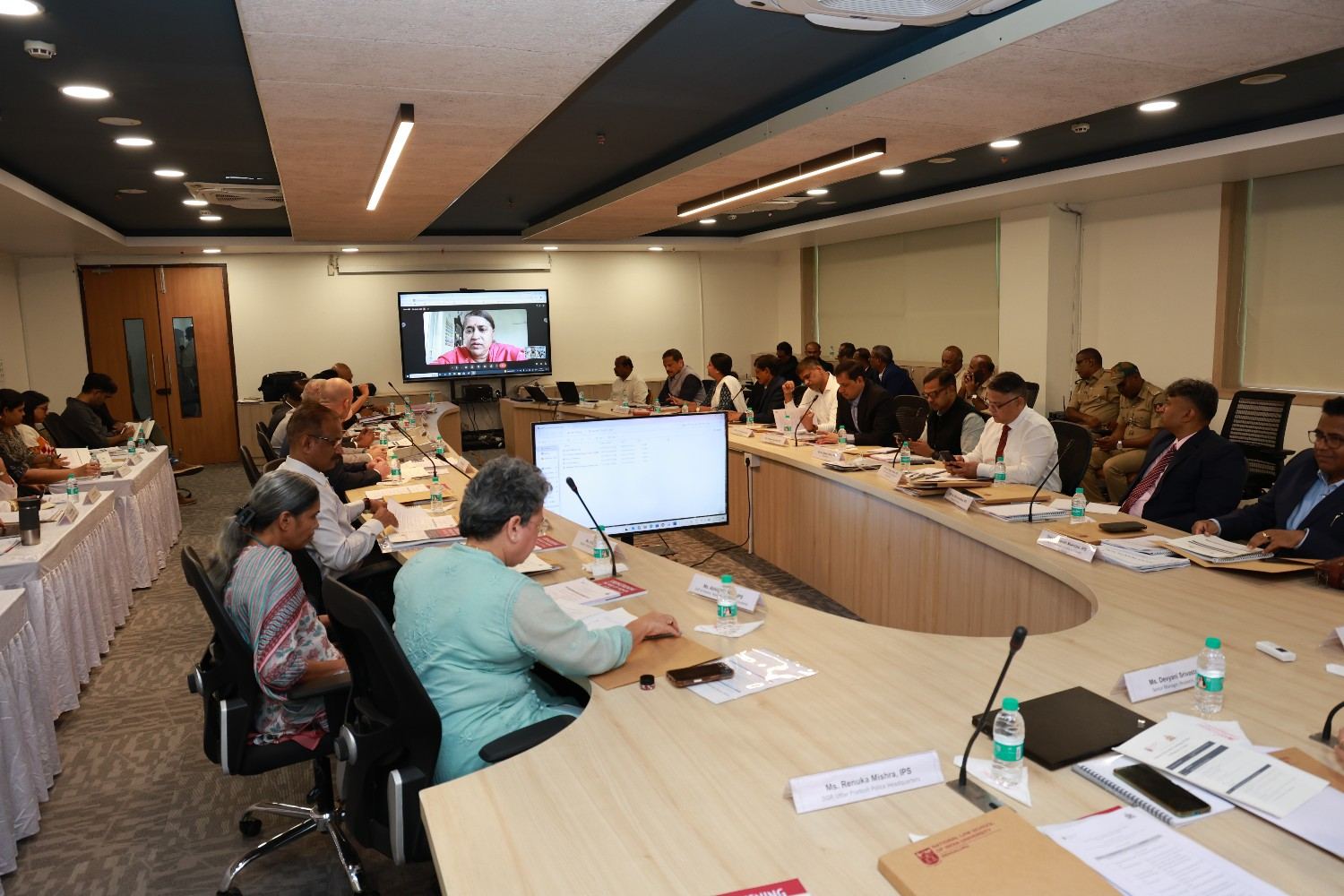
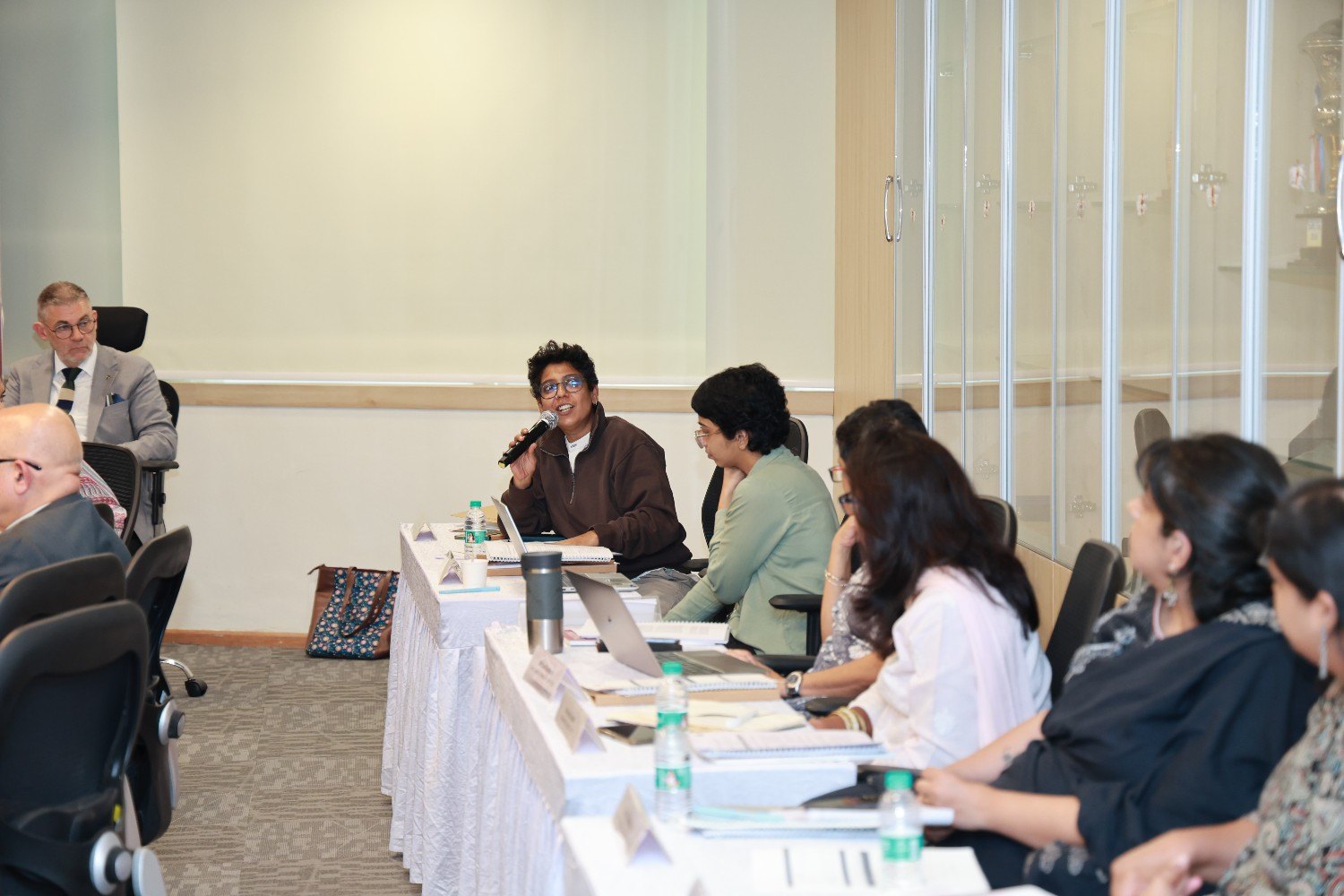
The roundtable was attended by police officials from seven states, including Karnataka, Kerala, Madhya Pradesh, Odisha, Rajasthan, Telangana and Uttar Pradesh, along with representatives of the Bavarian State Police and training experts to discuss gender-responsive training curricula, scenario-based learning, trainer development, workplace conditions, women’s participation and career progression, and measures to assess training outcomes.
Key takeaways include:
- The need to move beyond one-time gender sensitisation training to continuous training across an officer’s career, from induction to in-service and refresher programmes;
- States are encouraged to develop targeted gender training policies and integrate practical and survivor-centred approaches into training;
- States must establish mechanisms to assess impact and promote mixed-gender teams and inclusive workplace cultures.
The roundtable ended with an emphasis on the consensus that gender-responsive policing requires sustained institutional commitment and shared responsibility across ranks, with regular evaluation to ensure that training translates into everyday police practice, more inclusive and accountable.