
State, Citizenship and Mobilisations in Contemporary India
August 12, 2026
The National Law School of India University (NLSIU), Bengaluru, Saxena Center for Contemporary South Asia, Brown University, USA and Madras Institute of Development Studies (MIDS), Chennai, jointly organised two workshops from 8th to 11th August, 2026, at NLSIU, Bengaluru.
The workshops under the theme “State, Citizenship and Mobilisations in Contemporary India’ brought senior and emerging scholars into conversation with a new generation of doctoral researchers.
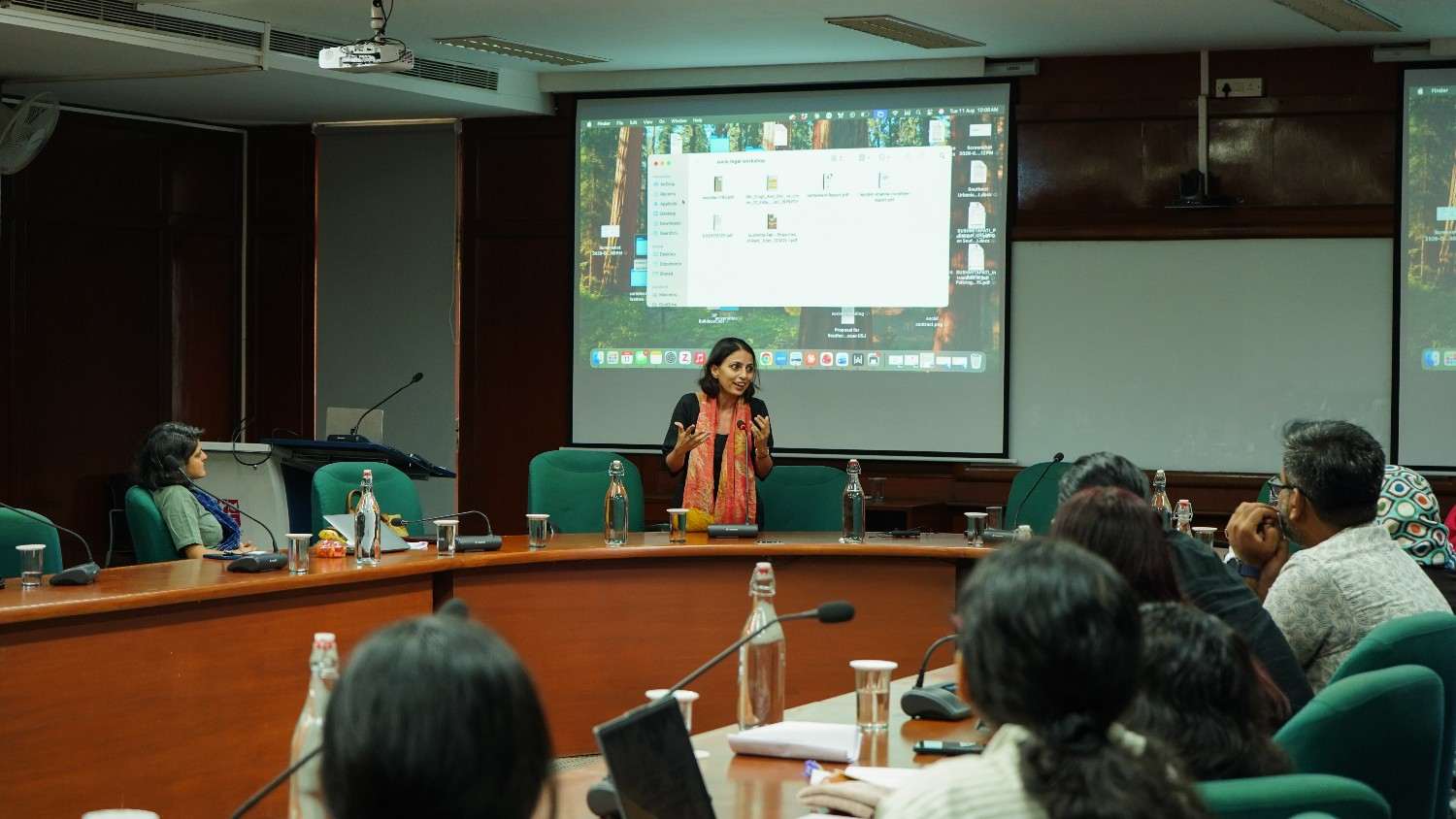
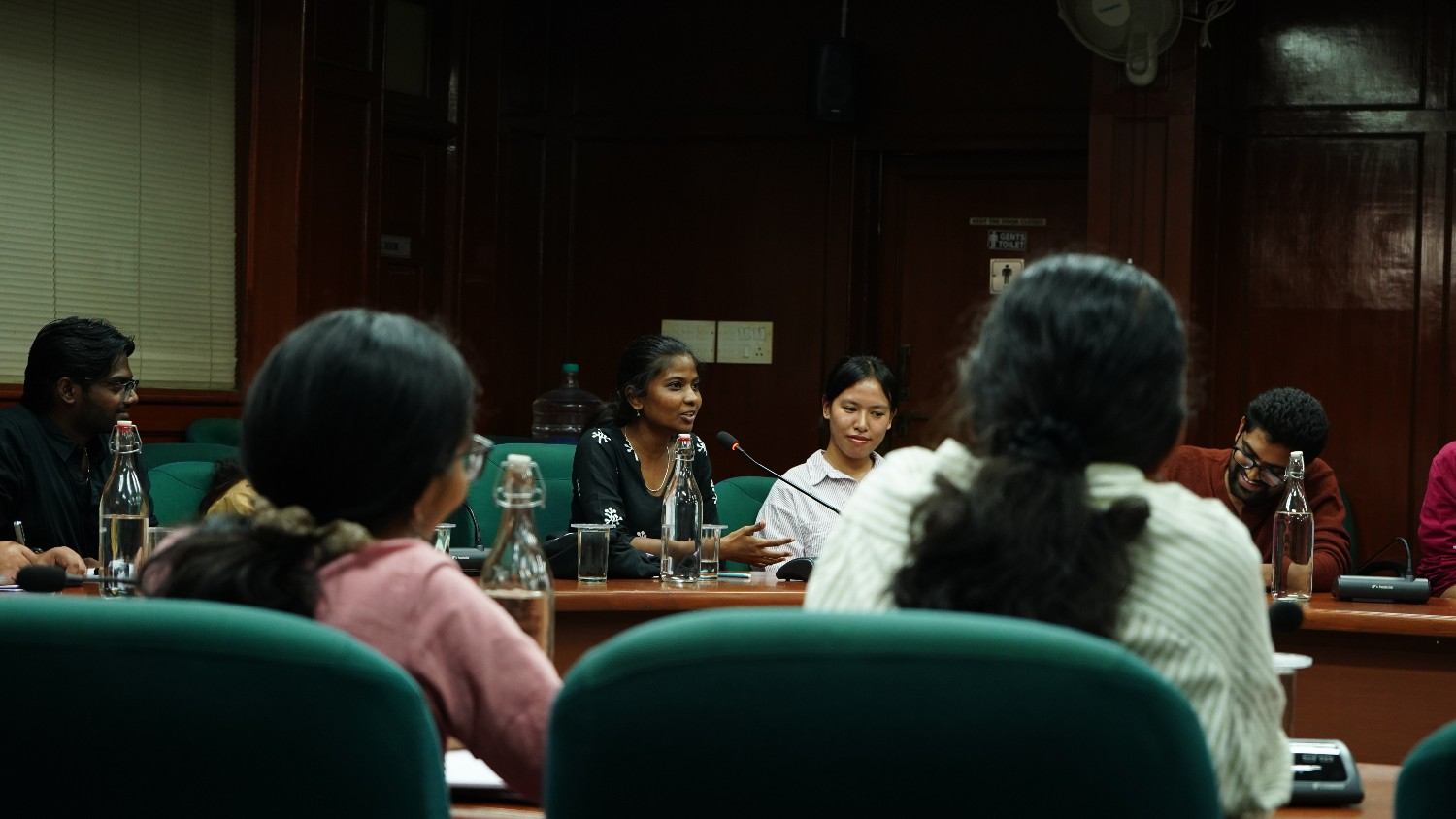
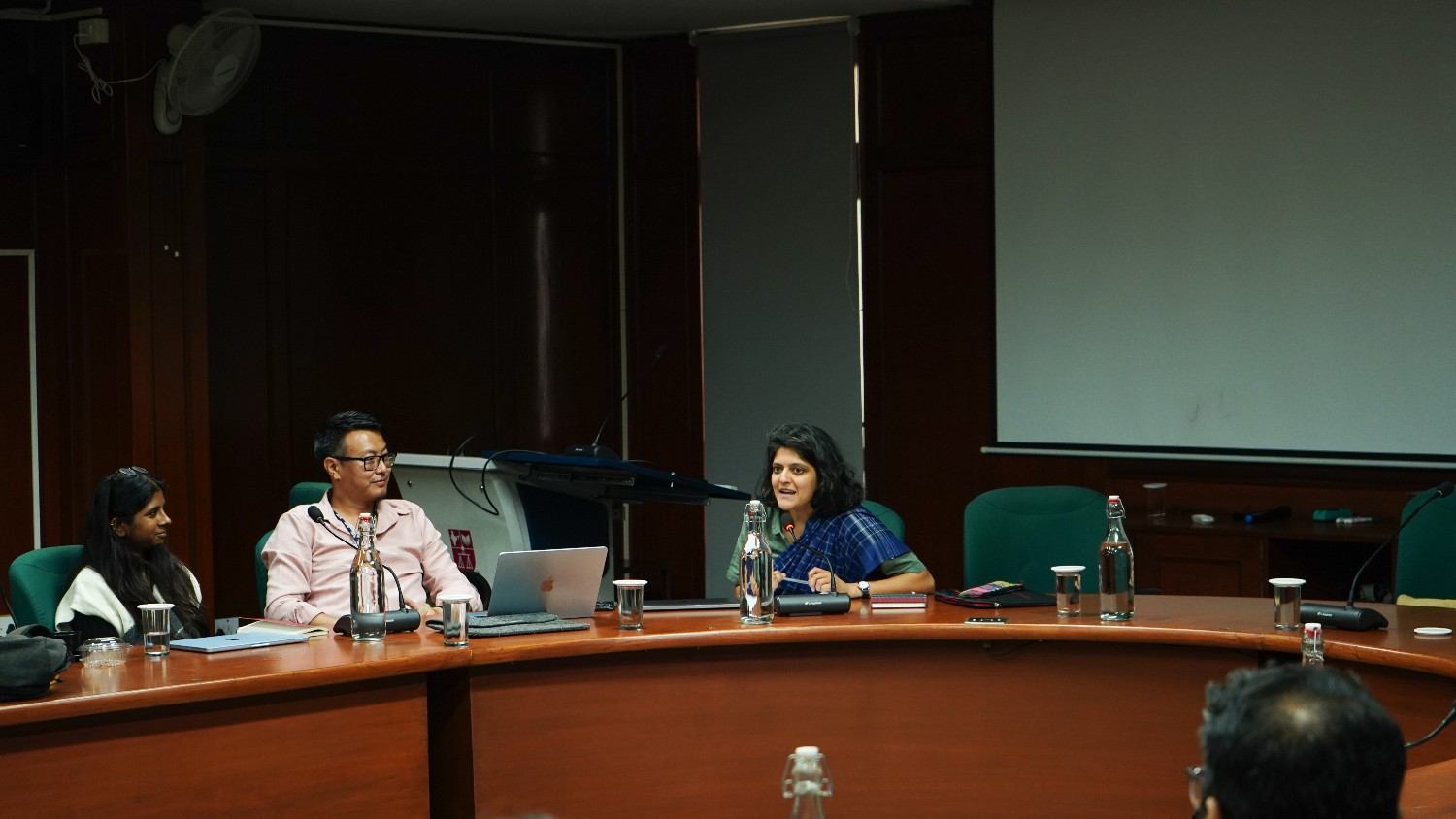
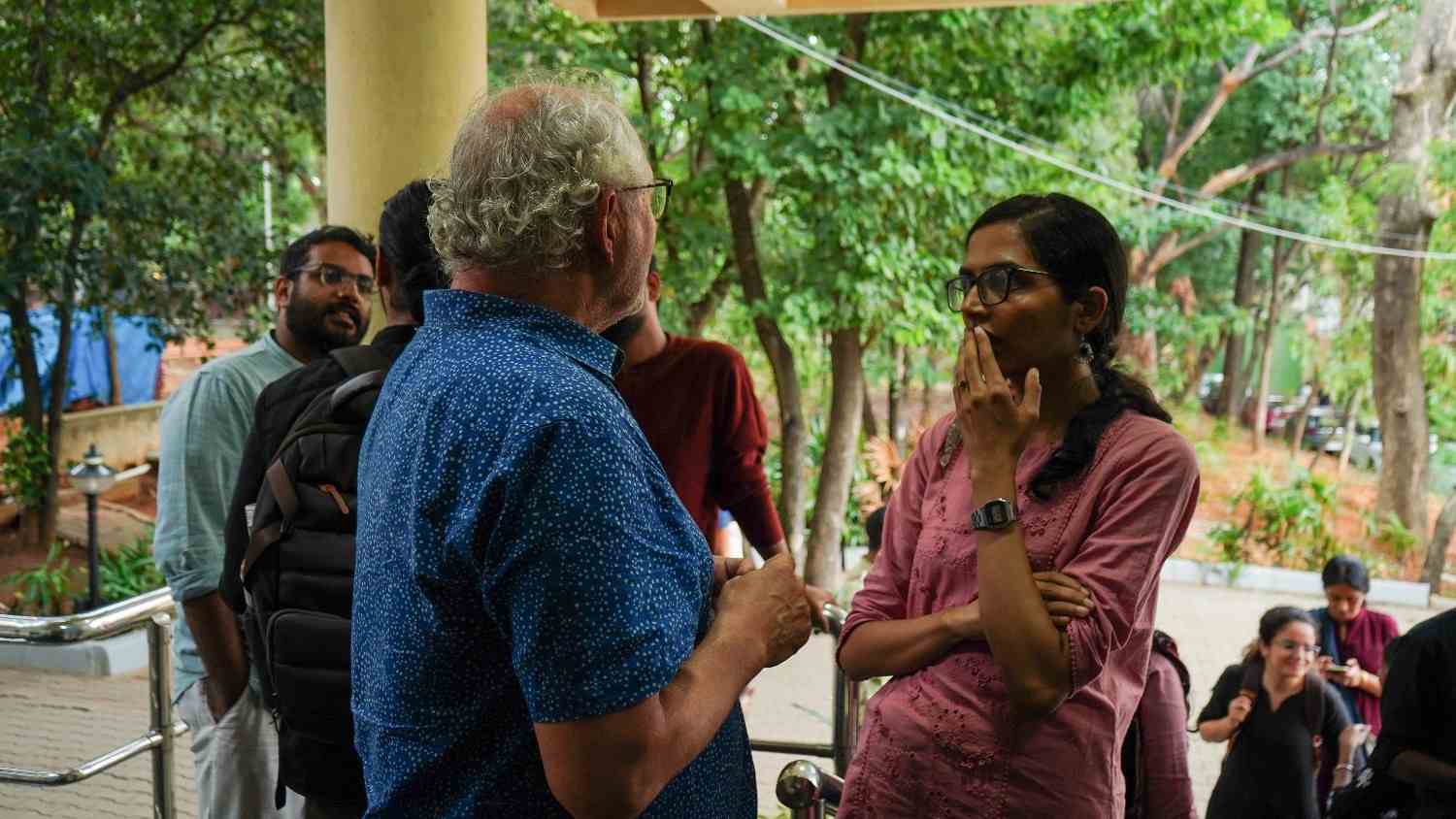
The Faculty Paper Workshop
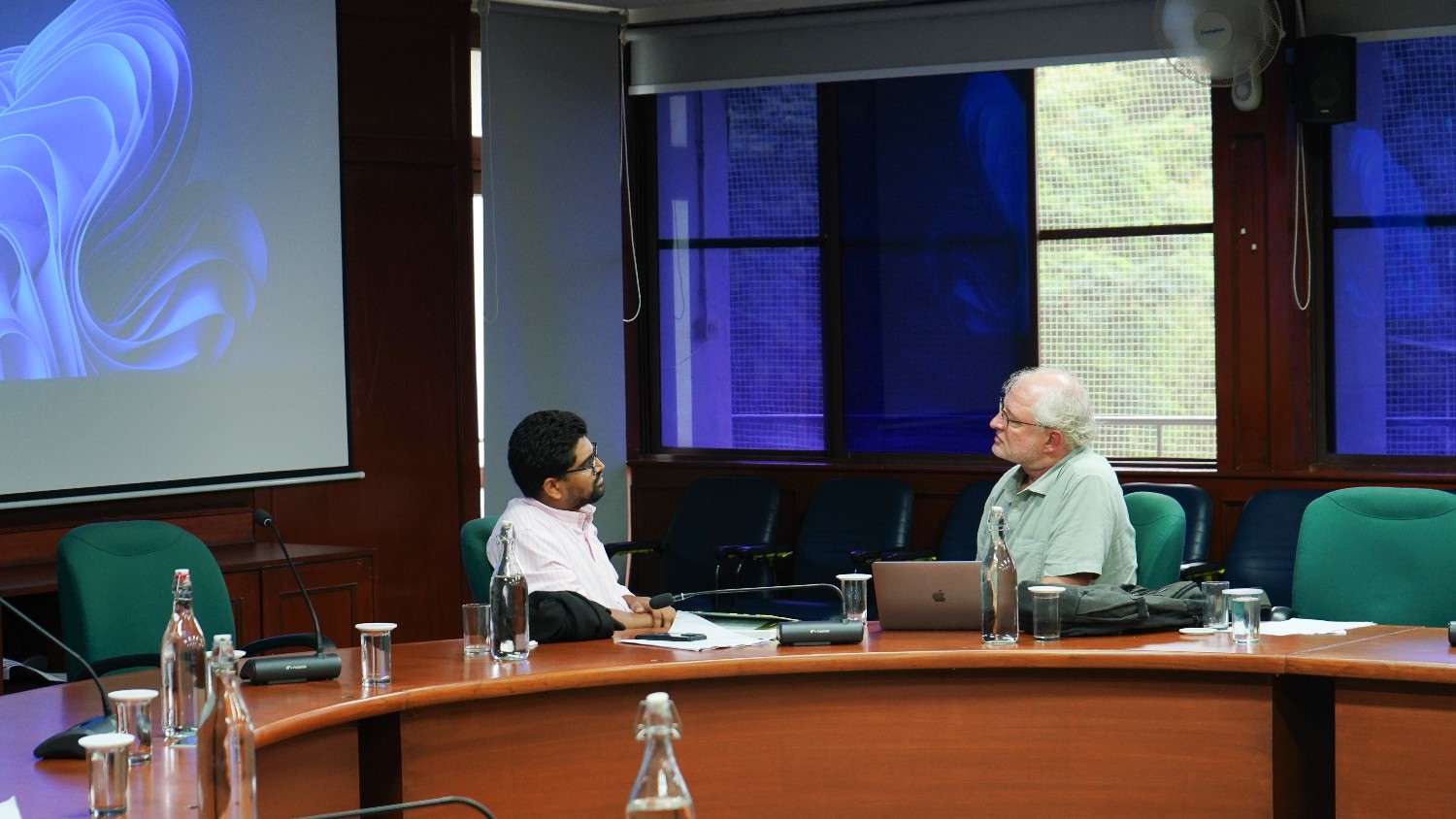
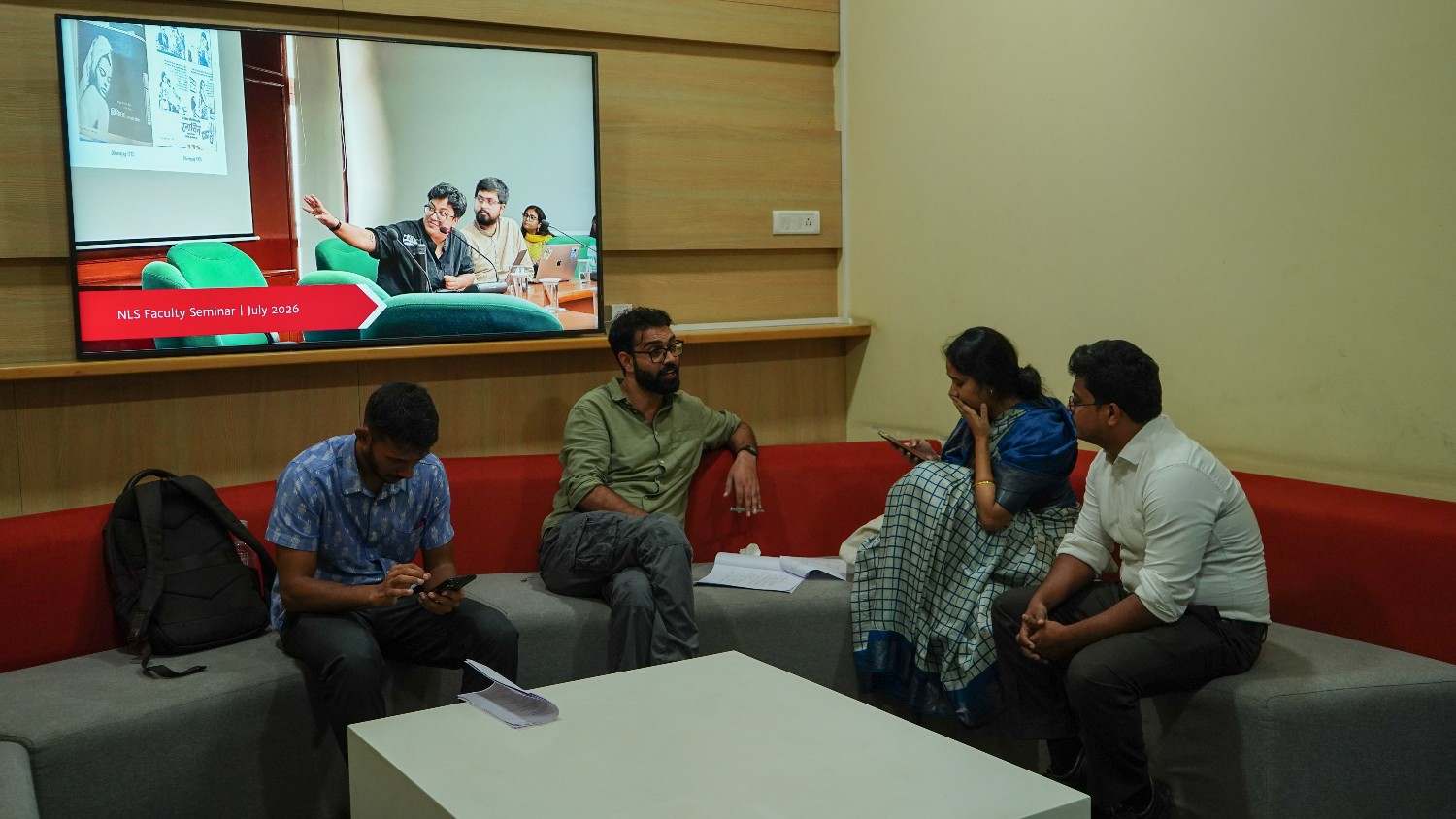
The first two days, August 8th-9th, convened scholars working on the changing relationship between state institutions, citizenship, and collective action in India. It was organised around five thematic panels:
- political economy
- movements and identities
- governance and citizenship
- governance and law
- inequality and mobilisation
The workshop opened with remarks from Suresh Babu (MIDS) and Patrick Heller (Brown University), setting the tone for two days of close, cross-disciplinary engagement.
Day One: Political Economy, Movements and Citizenship
The day’s first panel, on Political Economy, brought together Anush Kapadia (IIT Bombay), Srishty Yadav (Azim Premji University), Abhishek Shaw (Azim Premji University), and Angarika Rakshit (IIIT Hyderabad), whose papers ranged across questions of markets, regional development, and the political economy of the Indian state. Suresh Babu of MIDS was the discussant for the session.
It was followed by the panel on Movements and Identities, where Patrick Heller of Brown University was the discussant with presentations by Ankita Pandey (O.P. Jindal Global University), Dayal Paleri (NLSIU), Nikhil Kothakota and Isha Ahlawat (NLSIU), and Shireen Azam (NLSIU), which together took up questions of how identity and collective claims are organised and contested.
After lunch, the day moved to the panel on Governance and Citizenship. NLSIU VC Sudhir Krishnaswamy was the discussant for the session with presentations from Poulami Roychowdhury (Brown University), Mayur Suresh (SOAS/NLSIU), R. Vijayamba and Prajwal Nagesh (NLSIU and MIDS), and Darshana Mitra and Meenakshi Ramkumar (NLSIU). Their papers traced the shifting terrain between formal institutions, law, and citizenship claims.
Day Two: Governance, Law and Inequality
The second day opened with the panel on Governance and Law featuring Prerna Singh (Brown University), Rishabh Kachhroo (Affiliate Researcher, JSW Centre for the Future of Law, NLSIU), Anindita Adhikari and Meenakshi Ramkumar (NLSIU), and Manpreet Singh Dhillon (NLSIU), and Suraj Jacob (CDS) was the discussant.
After lunch, the workshop closed with the panel on Inequality and Mobilisation. Ashutosh Varshney of Brown University was the discussant. This final panel drew on perspectives beyond the academy as much as within it. Alongside Sarthak Bagchi (Ahmedabad University) and Kalaiyarasan (MIDS), it featured a presentation by Yamini Aiyar (Brown University). It brought journalist Roshan Kishore of the Hindustan Times into conversation with the workshop’s academic papers.
Across the two days, scholars from NLSIU, Brown, MIDS, and institutions including IIT Bombay, Azim Premji University, O.P. Jindal Global University, IIIT Hyderabad, and SOAS presented ongoing research, offering a good model of institutional collaboration in the social sciences. The workshop was not just about the eclectic set of papers but was significantly also about how seemingly disconnected papers conversed with each other.
The PhD Workshop
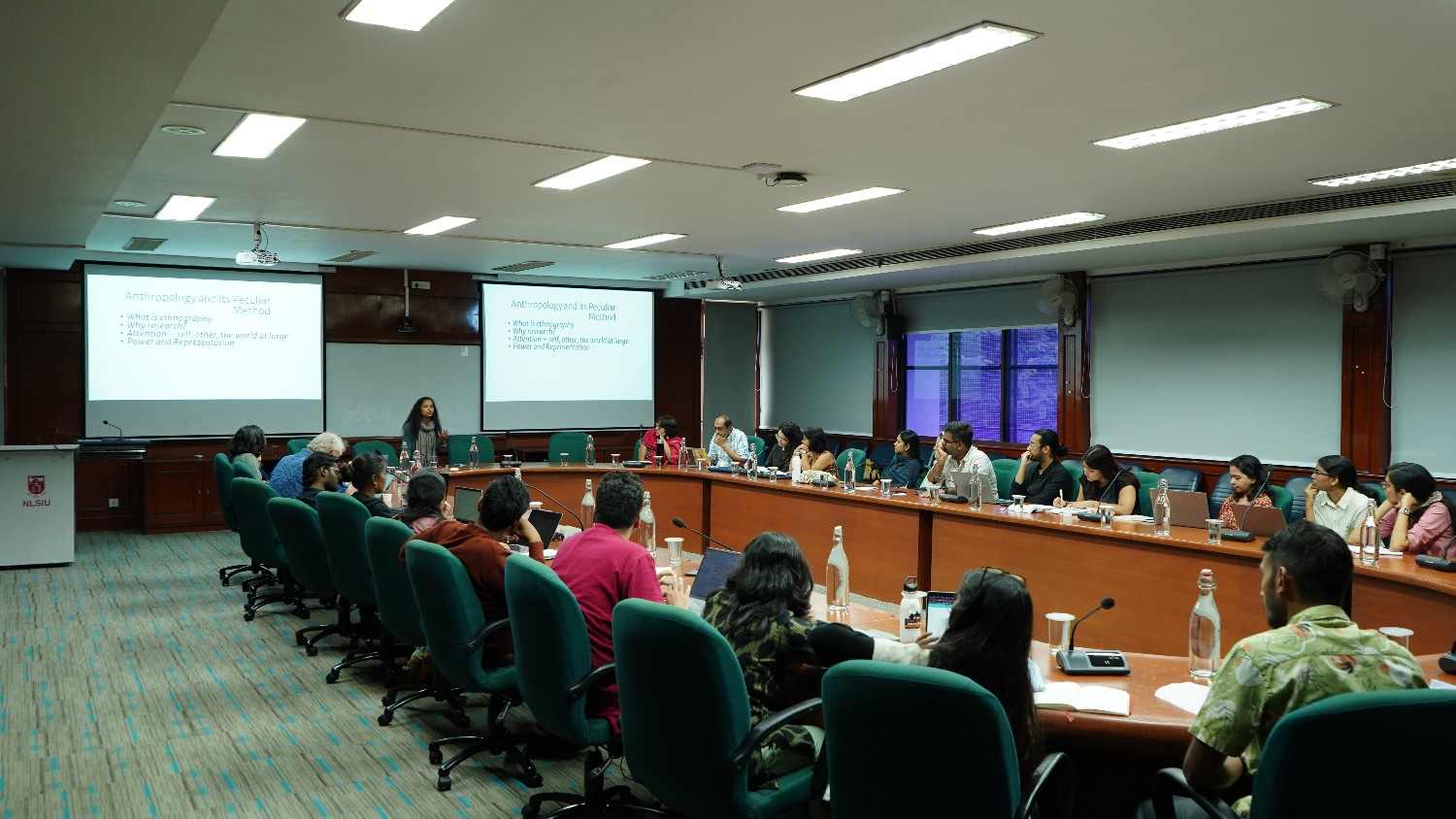
The energy of the Faculty Paper Workshop carried directly into the PhD Workshop that followed on 10-11th August. Designed as an interdisciplinary forum for doctoral researchers at different stages of their PhD journey, the workshop was structured around three components: common sessions on research design and methodology, small-group student presentations with faculty and peer feedback, and individual one-on-one mentoring sessions.
Where the faculty workshop brought established academics together to share ongoing papers, the PhD Workshop turned the same themes over to a new generation of scholars. Twenty-three doctoral researchers, drawn from universities and research centres across the country and beyond, presented dissertation work-in-progress and received close comment from senior faculty, several of whom — Patrick Heller, Suresh Babu, Suraj Jacob and A. Kalaiyarasan among them — carried straight over from the faculty workshop into mentoring roles.
The PhD workshop was built around a similar rhythm of common sessions and thematic panels, and masterclasses on method and craft. These included comparative framing and theory building on the first day, ethnographic writing and socio-legal research on the second, before moving into six thematically grouped panels of student presentations, each followed by an hour of one-on-one mentoring.
The six panels traced much of the same intellectual ground as the faculty workshop’s five themes. Scholars came from an equally wide institutional spread — Brown University, NLSIU, MIDS, IIT Delhi, IIT Madras, TISS Mumbai, IIM Bangalore, the University of Hyderabad, Savitribai Phule Pune University, the Centre for Development Studies, Dr B. R. Ambedkar University Delhi, the National Institute of Advanced Studies, National Law University Delhi, Jawaharlal Nehru University, ISEC, and Ahmedabad University.
The two days closed with a reflective wrap-up session, this one led jointly by Patrick Heller and Anindita Adhikari. In it, participants shared how the workshop had shifted their thinking—about their frameworks, their questions, and in some cases the direction of their research itself. For many, the value of the workshop lay as much in this sense of collective reflection as in the individual feedback received.
As one participant put it, “I hope I will be able to revisit the framework and give it a better analytical weight, considering the suggestions and the comments from various teachers. The workshop was a wonderful and compassionate space to be part of.”
Another, reflecting on the workshop’s lasting impact, stated, “The past two days have been an incredibly meaningful experience for me. I am truly grateful for the conversations, learning, and the opportunity to meet and engage with such wonderful scholars and academics. I learned and unlearned so much during these two days, and I am sure this experience will stay with me throughout my PhD journey.”