
Panel Discussion | Between Thought and Practice: The Humanities and Social Sciences in Contemporary India
India International Centre, Delhi | Conference Room II
Sunday, March 15, 2026, 2:00 pm
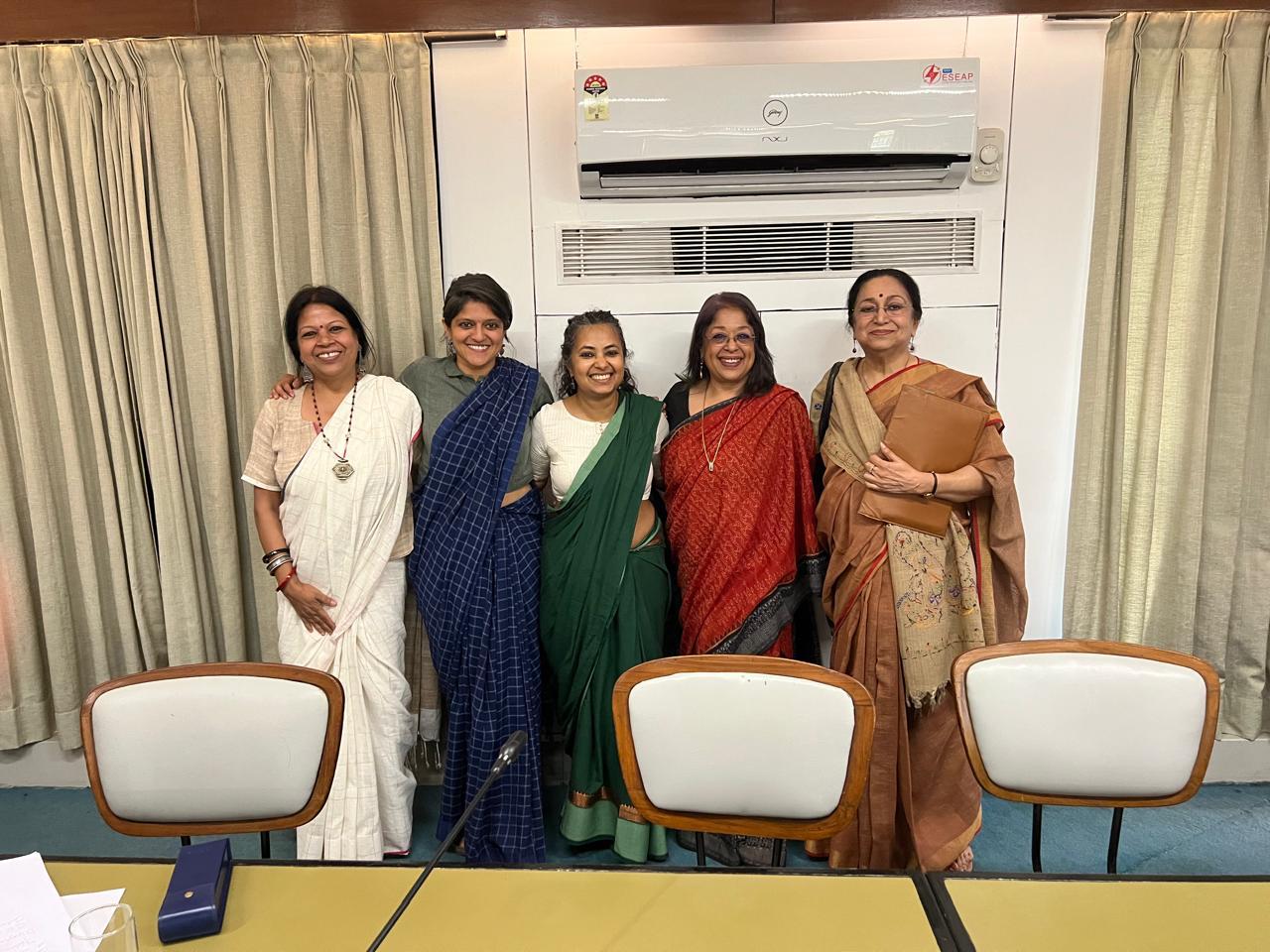
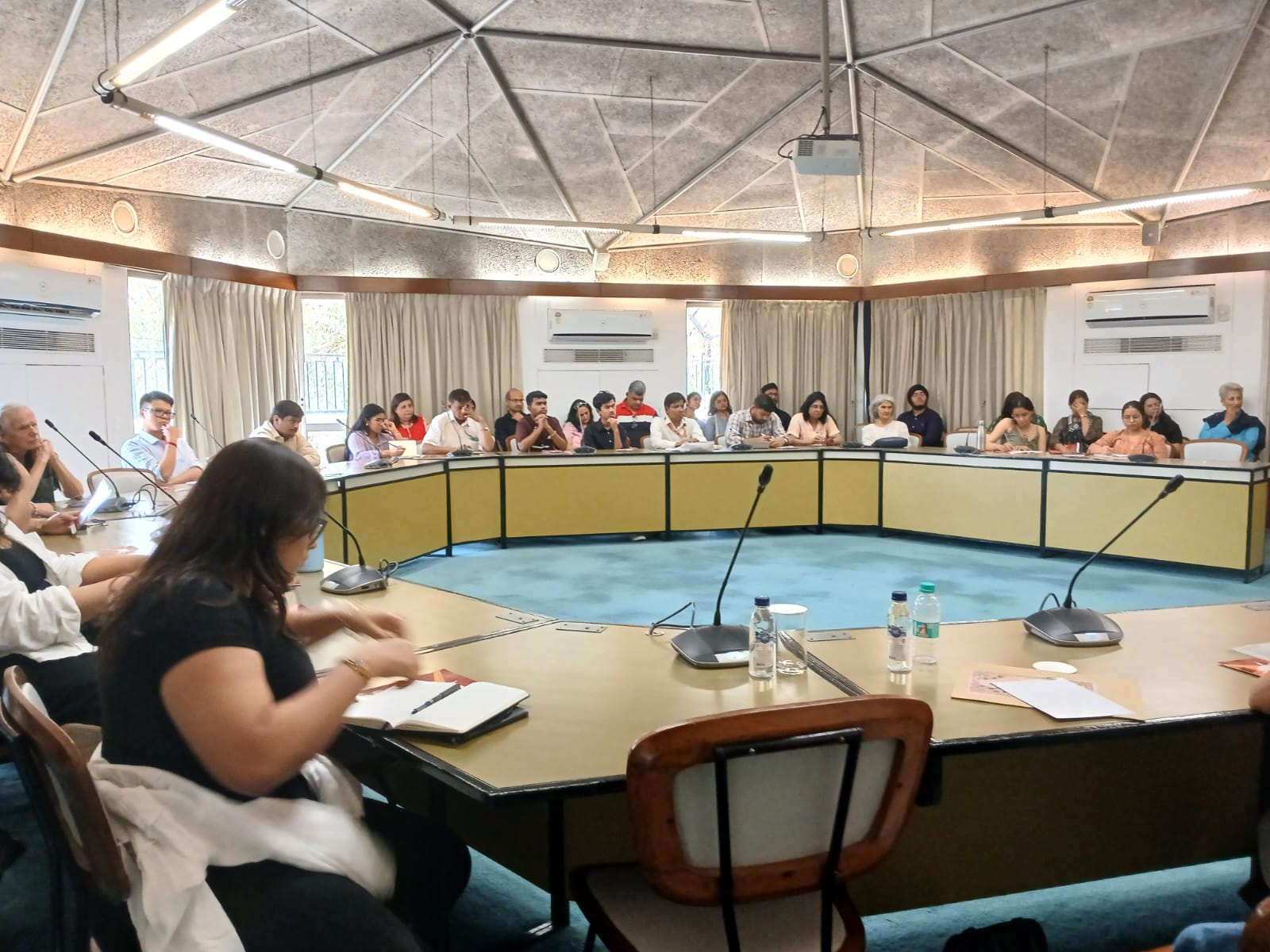
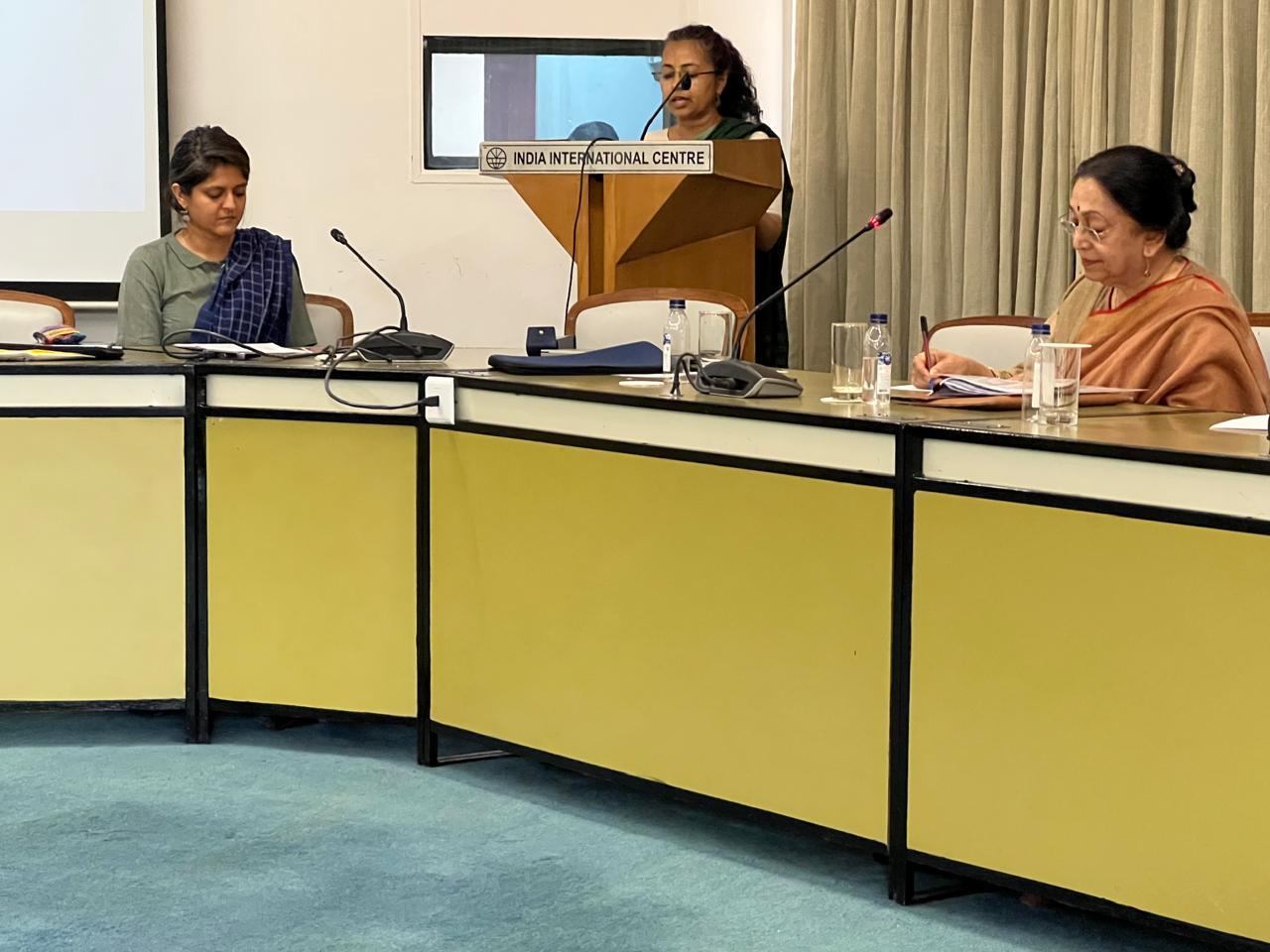
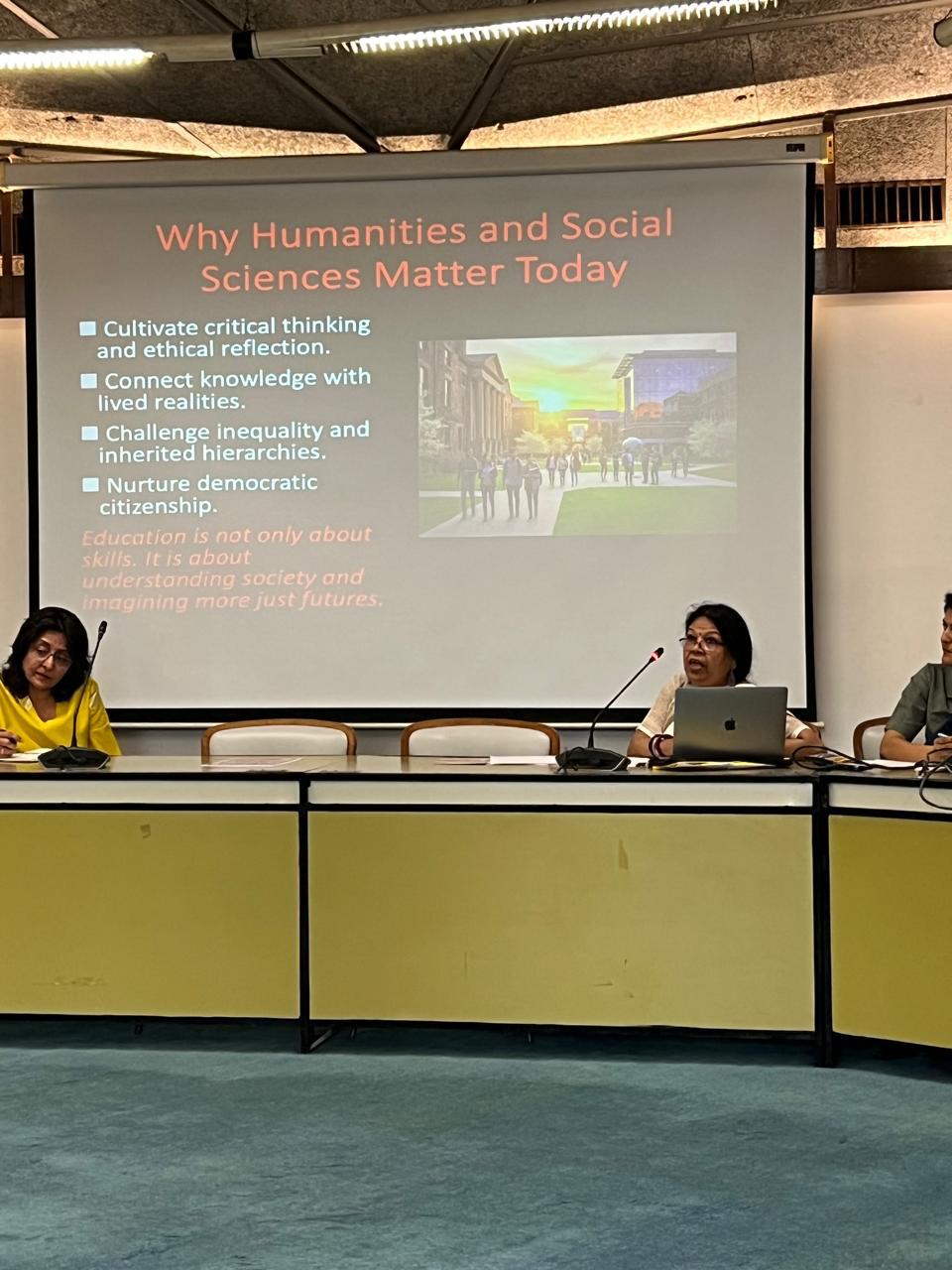
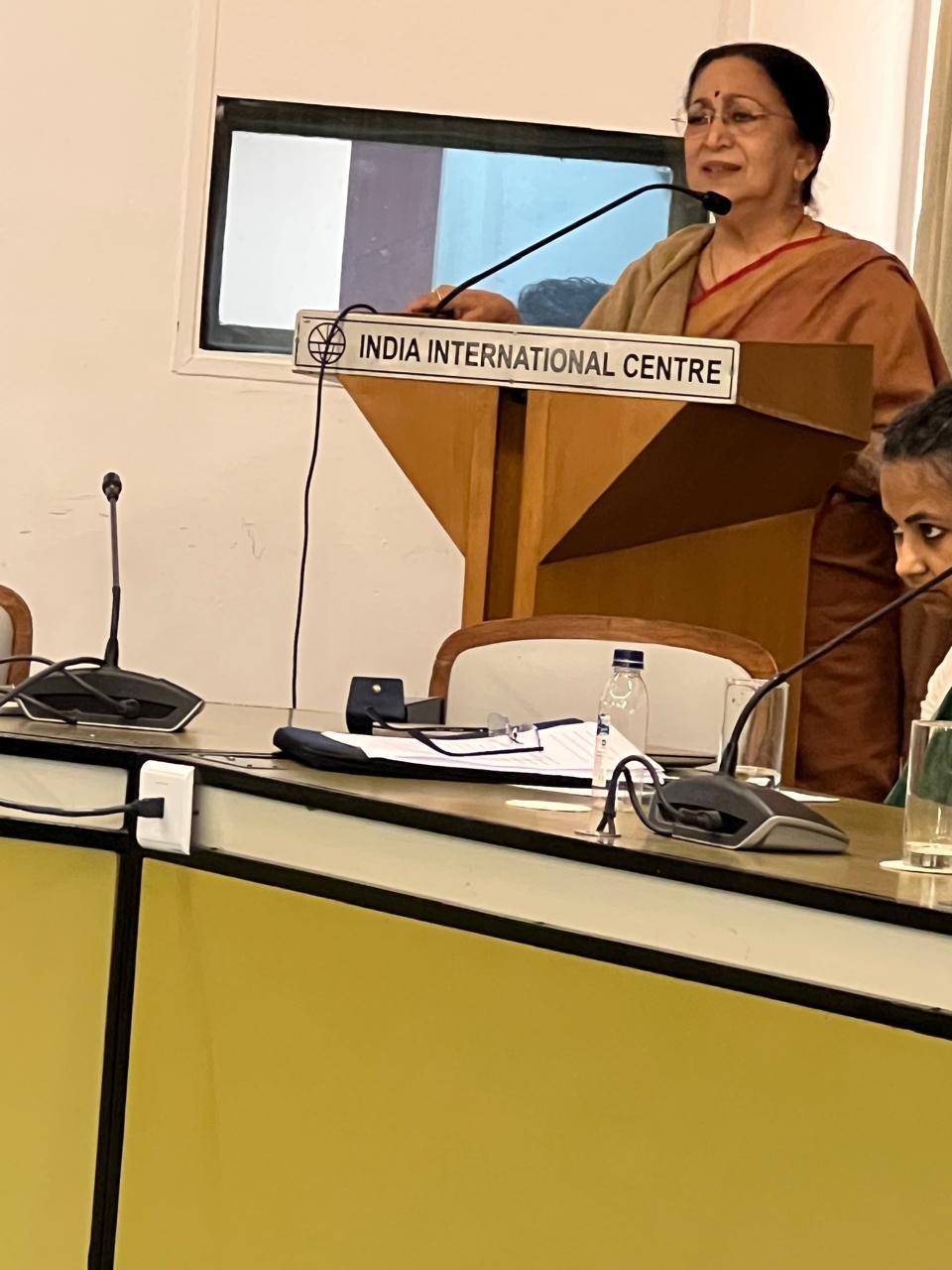
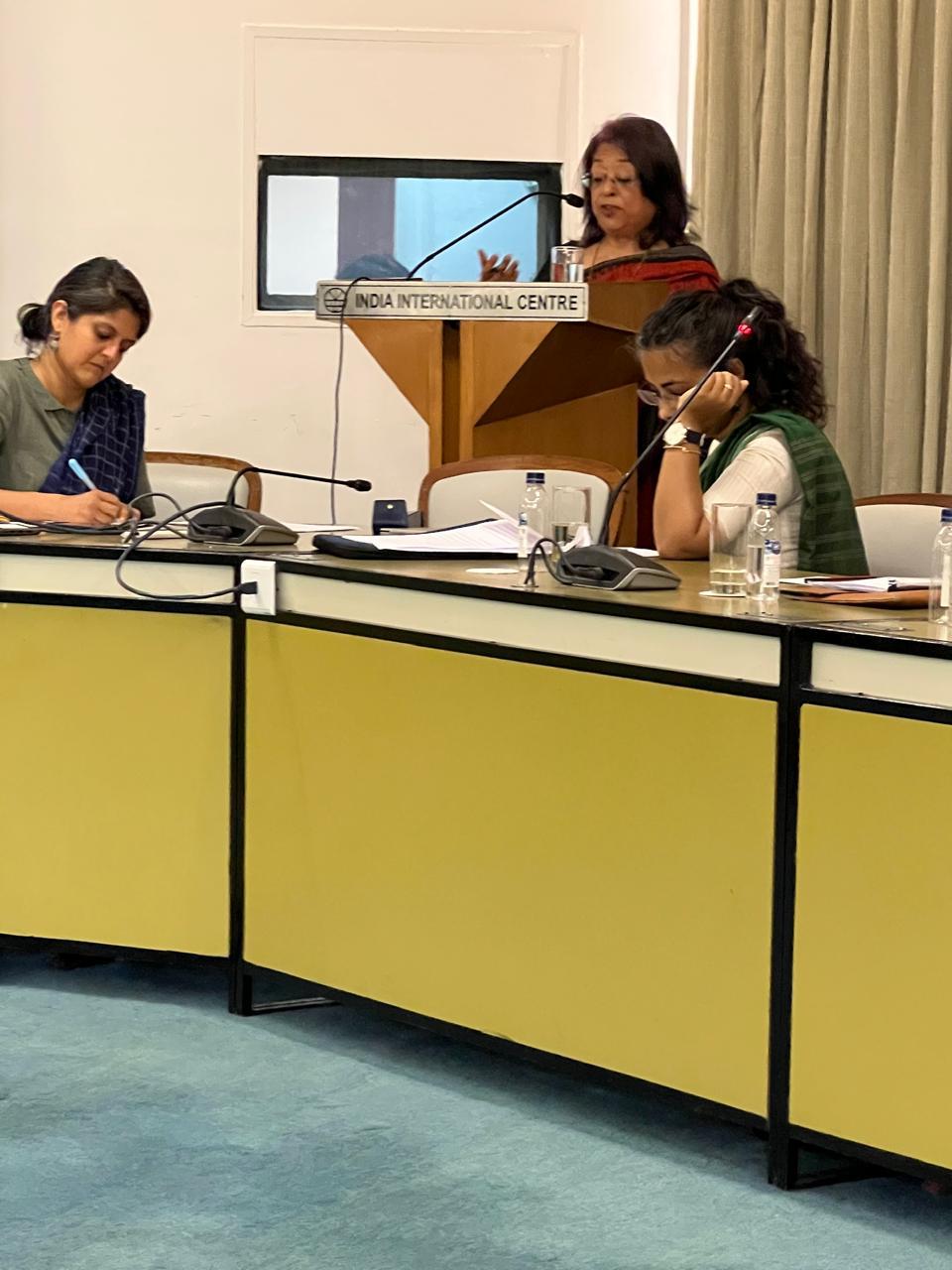
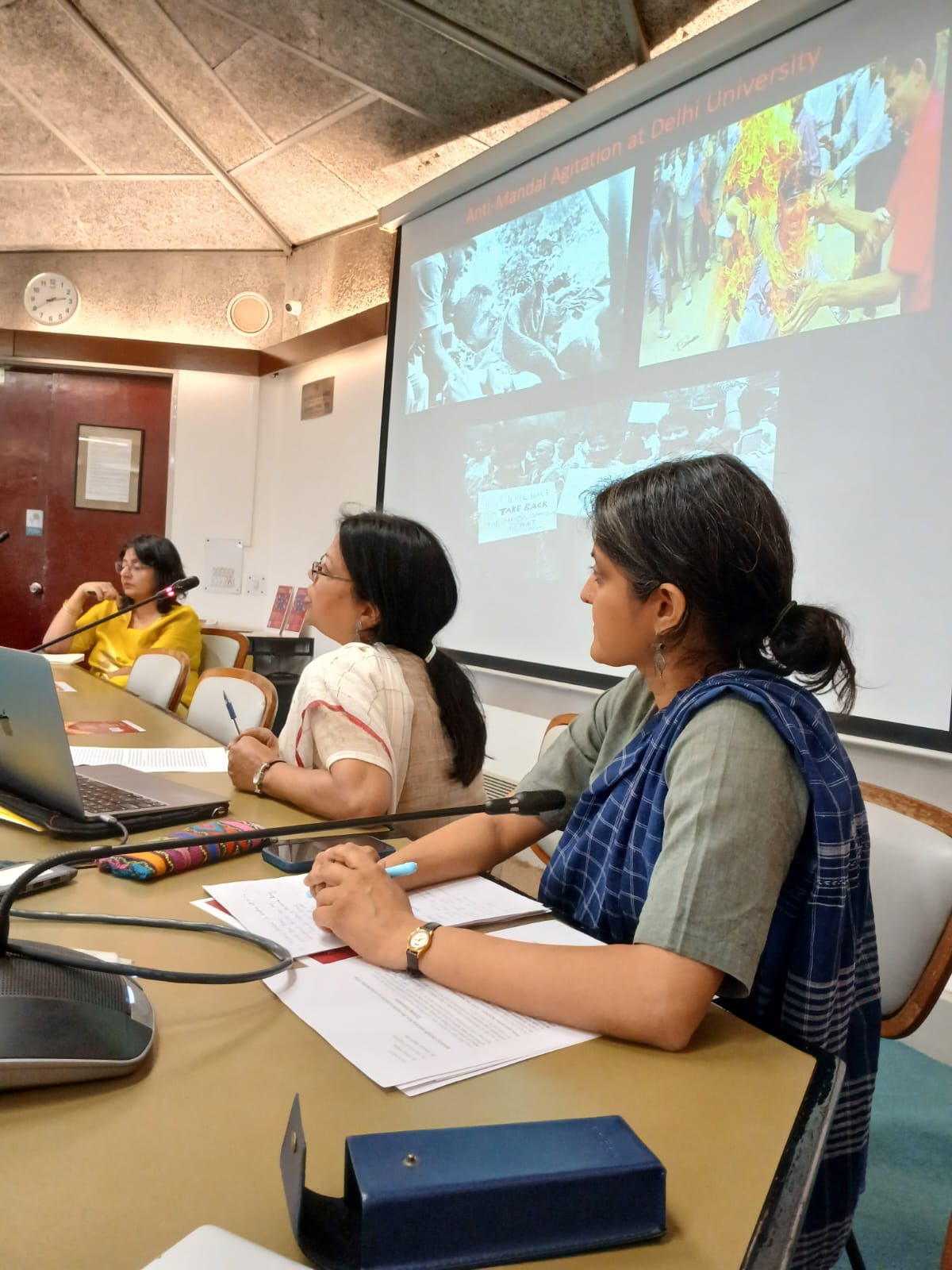
NLSIU organised a panel discussion on March 15, 2026, at the India International Centre (IIC, Conference Room II), Delhi. This event was organised under the larger theme of ‘Between Thought and Practice: The Humanities and Social Sciences in Contemporary India’ and included individual presentations by panellists followed by a moderated Q&A session.
Programme Schedule
1:30 – 2:00 PM | Registration
2:00 – 2:15 PM | Welcome Address
2:15 – 4:15 PM | Panel Discussion: Between Thought and Practice: The Humanities and Social Sciences in Contemporary India
4:15 – 4:45 PM | Tea Break
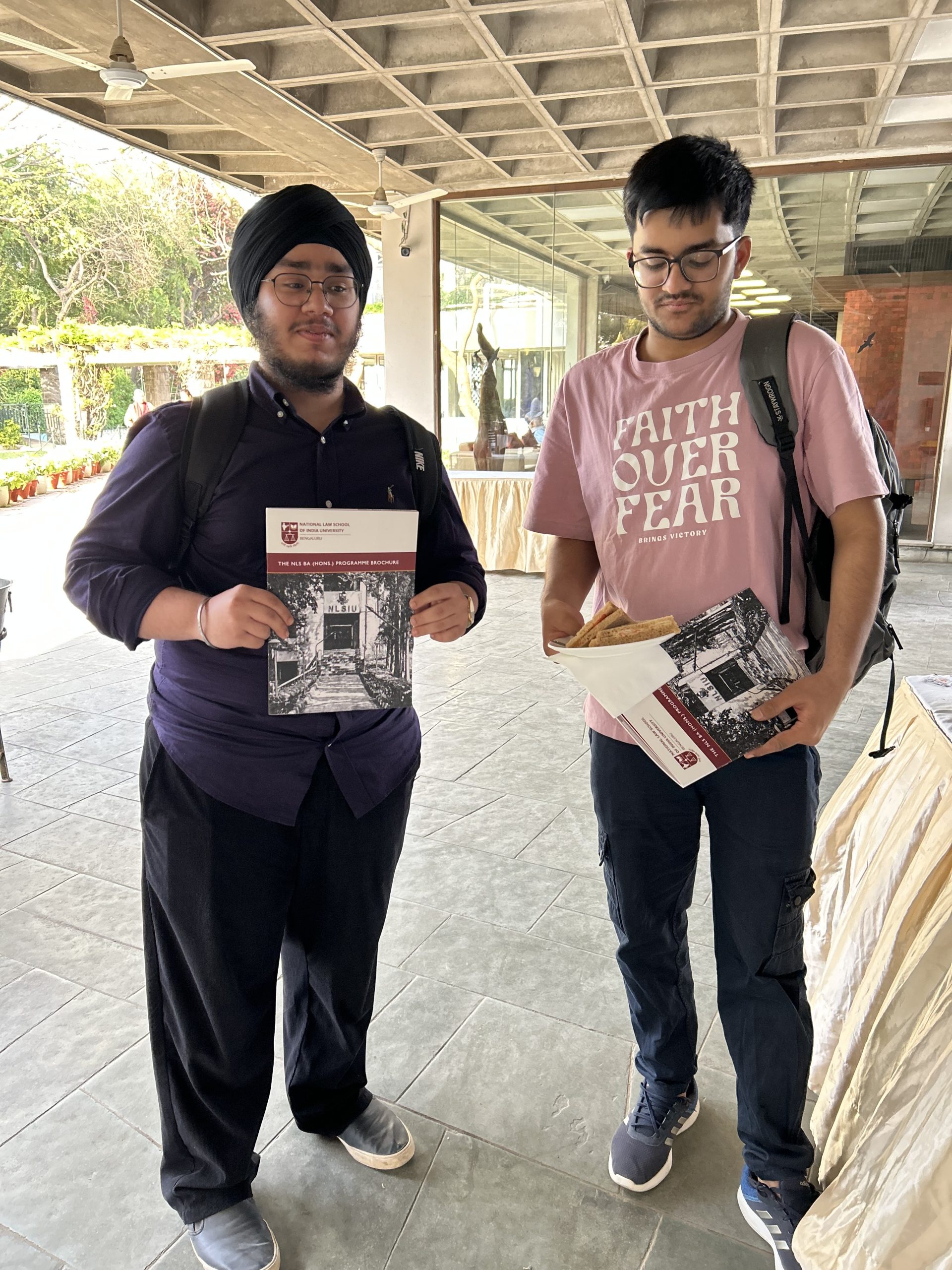
4:45 – 5:30 PM: Faculty Interaction session – An open interaction with members of the audience who would like to know more about the NLS BA (Hons.) programme
Panellists | The Humanities and Social Sciences in Contemporary India:
- Prof. Charu Gupta – Senior Professor, University of Delhi
- Dr. Meenakshi Gopinath – Indian educationist and former Principal, Lady Shri Ram College for Women
- Ms. Abha Adams – Former Founding Director, The Shri Ram Schools and Adviser
- Dr. Atreyee Majumder, Associate Professor (Social Sciences), NLSIU
- Dr. Anindita Adhikari, Assistant Professor (Social Sciences), NLSIU (Chair/Discussant)
Faculty interaction session Speakers:
- Dr. Atreyee Majumder, Associate Professor (Social Sciences), NLSIU
- Dr. Anindita Adhikari, Assistant Professor (Social Sciences), NLSIU
Talk Summary
A summary of the talks from the Panel discussion are added below:
Prof. Charu Gupta
Often seen as inhabiting a world of ideas and being abstract, social sciences actually illuminate lived realities. In an age obsessed with quick results and skills, they cultivate critical inquiry, historical perspective and ethical reflection, helping us understand how societies function, power operates and inequalities persist. In this sense, equitable thought and ethical practice remain closely intertwined and pedagogy itself often needs to be imagined through a language of ethics and care. Click here for the full text.
Dr. Meenakshi Gopinath
Does our education aim to free our learners from the shackles of prejudice, ignorance and hubris and set them on a path of self-discovery, of mental and spiritual abundance? Does it encourage them to see the linkages between the local and the global and reveal how every considered choice and act of agency has the power to impact many worlds, and to become socially engaged citizens. Global Citizen. Does it seek to cultivate a genuine recognition of the interconnectedness of all things. Can it harness values drawn from the world’s diverse cultural, civilizational (indigenous) and ethical traditions to nurture our needs for ecological balance, and can it adopt pedagogies with a social purpose to facilitate cultures of Peace ……within the academy and society at large. Can it craft an affirmative discourse that can make despair unconvincing and hope practical? Click here for the full text.
Ms. Abha Adams
The intersection of the Humanities and Social Sciences with professional fields, such as medicine, law, engineering and business – is increasingly vital for addressing complex, real-world challenges. This intersection focuses on the human element within technical systems. The humanities provide the framework for moral reasoning. In medicine, this manifests as “Bioethics”; in technology, it drives the “Ethics of AI,” ensuring that efficiency does not override human rights. It heightens contextual understanding: Social sciences (sociology, anthropology) help professionals understand the cultural and systemic environments in which they operate. A civil engineer, for instance, uses social data to ensure infrastructure serves diverse community needs rather than just solving a physics problem. Critically, it enriches Communication & Narrative: Professional success relies on the ability to translate complex data into persuasive narratives. Law and business depend heavily on rhetoric and linguistic precision—skills rooted in literary and linguistic studies. Human-Centered Design: Fields like UX (User Experience) design bridge the gap between computer science and psychology, ensuring technology is intuitive and accessible based on human behaviour patterns. Click here for the full text.
Dr. Atreyee Majumder
Moral and/or metaphysical and political education offered at universities must also train future leaders and citizens to confront their own self-image with a radical candour. They must be able to live with an acknowledgement of our collective complicities in global histories of injustice and violence. Young citizens must be trained in the art of citizenship beyond festivals of voting and occasional protest. Young citizens must also be schooled into developing empathy for problems and structural and situational violences which are not of their own familiar variety. To do that, they must appreciate contexts that their own neighbourhood, town, village, caste, community, religion, but also, and crucially, the larger, wider contexts of nation, region, and globe. I find some solace in turning to Tagore on education, whose propensity in establishing the Visva Bharati University, was purely to concentrate on the arts (both visual and performing) and related disciplines that centrally took up questions of aesthetics. This was not an entirely naïve act, but one that was radically politically alive to the task of creating of generation of doer-thinkers for a new and emerging nation-state that needed language, art, dams, factories, murals, farming, but most of all, strong faith in their infinite capabilities. Click here for the full text.
Photo Gallery