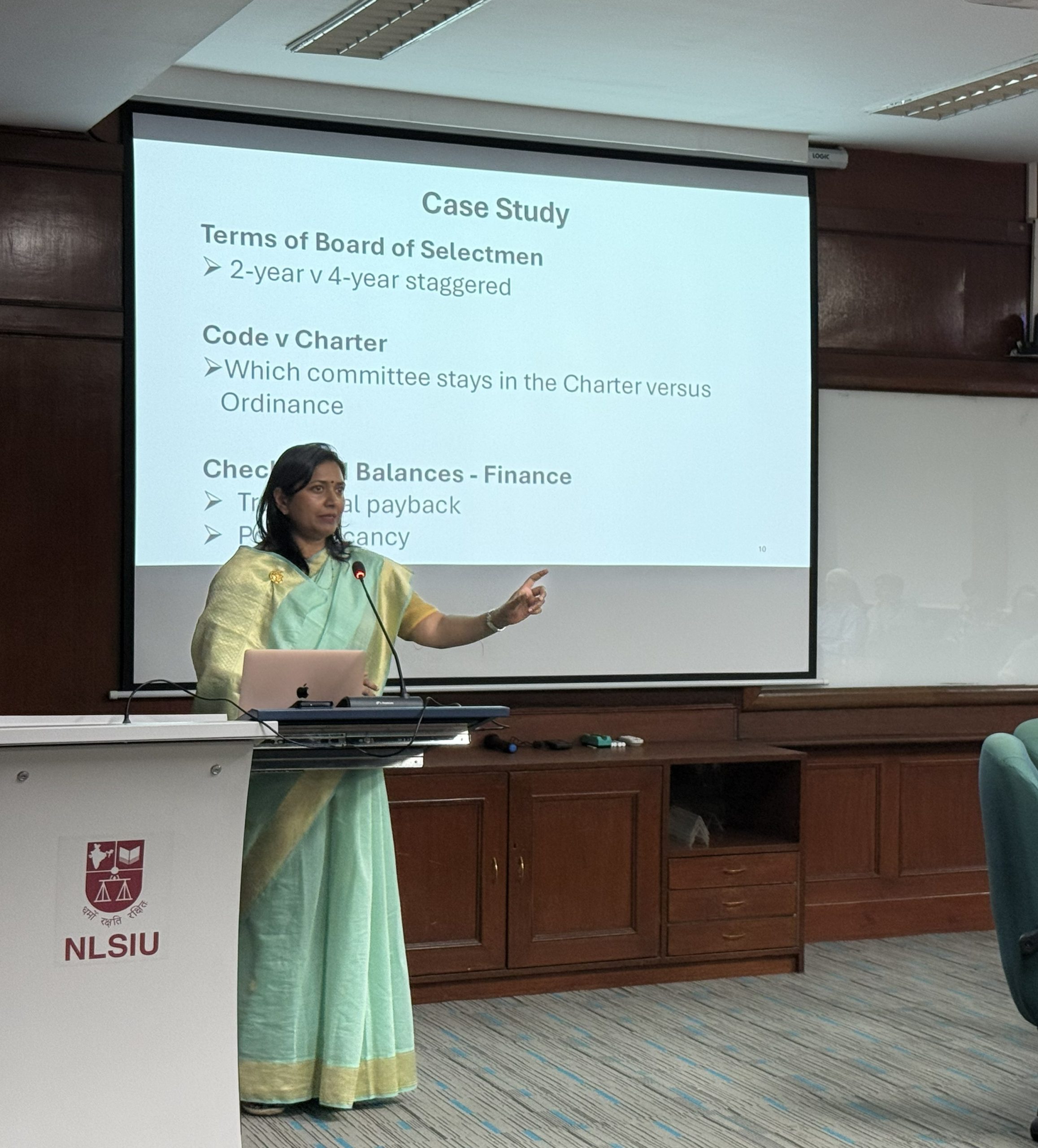

Guest Lecture | ‘The Evolving Challenge of Antimicrobial Resistance and Opportunities for International Law to Address It’ | By Steven J. Hoffman, York University, Canada

The Centre for Health Law Policy and Ethics, NLSIU, is hosting a talk on ‘The Evolving Challenge of Antimicrobial Resistance and Opportunities for International Law to Address It’ by Steven J. Hoffman, Professor of Global Health, Law, and Political Science at York University, Canada, on January 15, 2026.

About the Talk

Antimicrobial resistance is associated with 1 million deaths in India each year and 4.95 million deaths worldwide – yet this global health challenge is only getting worse. In his talk, Professor Steven J. Hoffman from York University in Canada will unpack the root social causes driving the spread of drug-resistant infections and explore opportunities for using public international law to address the collective action problems that currently disincentivize governmental action.

About the Speaker

Steven J. Hoffman is a Professor of Global Health, Law, and Political Science, York University, Canada and a Founder / Investigator at Global Strategy Lab. His research has recently focussed on the international legal dimensions of antimicrobial resistance, for which he works closely with the World Health Organization as Co-Director of their WHO Collaborating Centre on Global Governance of Antimicrobial Resistance.

Guest Lecture | ‘Elections, the Rule of Law, and Democratic Governance’ | By Mr. A.S. Ponnanna, Senior Advocate, Member of the Karnataka Legislative Assembly, and Legal Advisor to the Hon’ble Chief Minister of Karnataka

We are delighted to host Mr. A.S. Ponnanna, Senior Advocate, Member of the Karnataka Legislative Assembly, and Legal Advisor to the Hon’ble Chief Minister of Karnataka, at the NLS campus on Monday, January 12, 2026.

His talk, titled “Elections, the Rule of Law, and Democratic Governance,” will be held from 2 to 4 pm at NAB 101, and is being facilitated by Prof. Muhammad Ali Khan, who teaches the elective Introduction to Election Law at the University.

Abstract

Governance today is shaped by the growing convergence of law and public policy, with lawyers increasingly engaging as advisors, drafters, and institutional actors alongside policymakers. Drawing on his experience as a senior advocate, legislator, and legal advisor to the Chief Minister, Mr. Ponnanna will reflect on the expanding role of public policy professionals and the new professional pathways this creates for lawyers.

The lecture will also examine the evolution of Indian election law over the past decade, highlighting key judicial and regulatory developments and their impact on democratic governance. The talk will also address the emerging roles for lawyers and public policy minded professionals in election-related litigation, advisory work, policy formulation, and institutional reform.

Panel Discussion@NLS Library | ‘Where The Postcolonial Left Meets The Hindu Right’

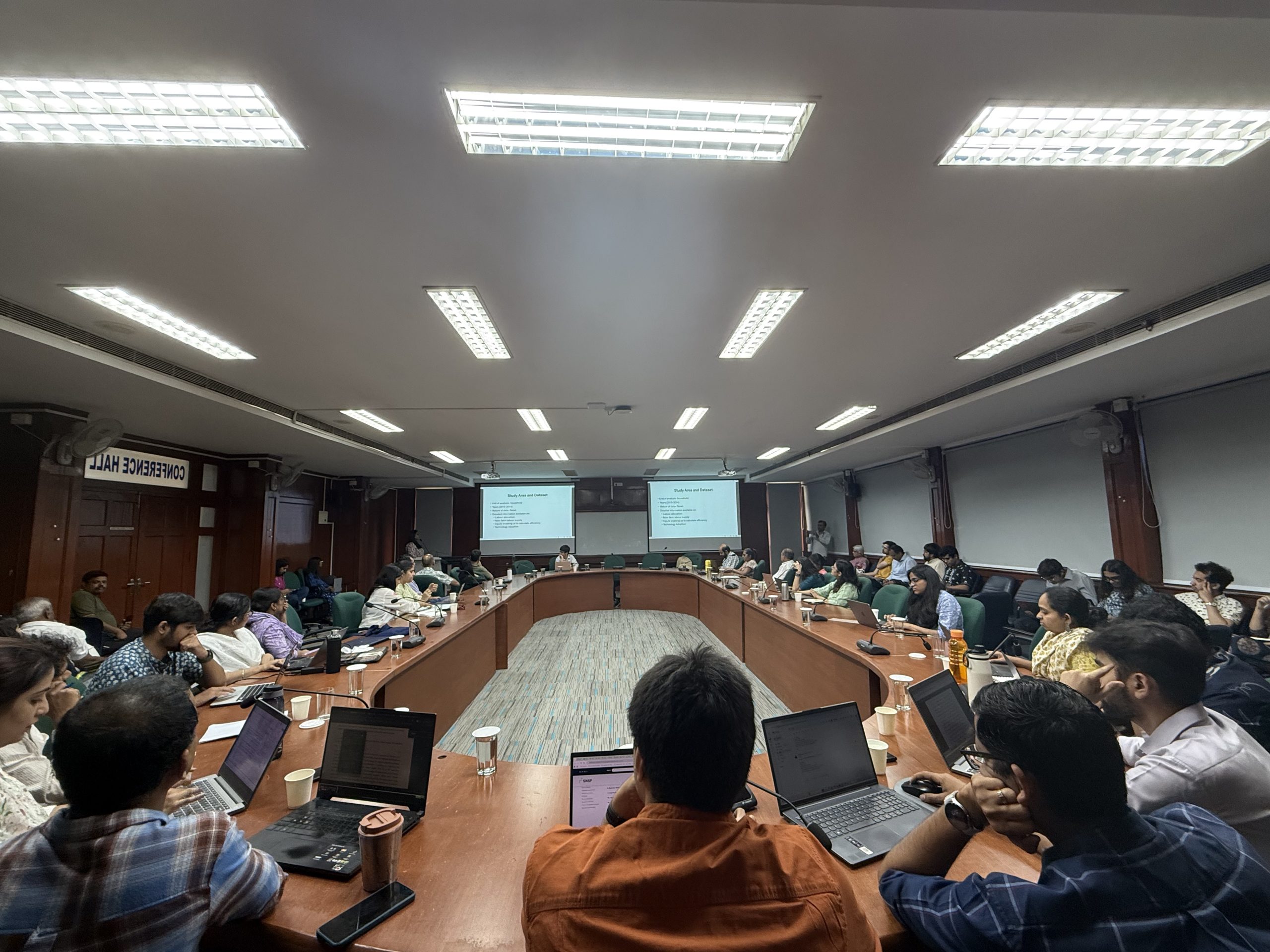
The NLSIU Library Committee organised a panel discussion with Prof. (Dr.) Meera Nanda on January 13, 2026. The discussion focussed on Dr. Nanda’s recent work on the convergences between Hindu nationalism and postcolonial theory.

Panellists: Prof. (Dr.) Meera Nanda, Prof. (Dr.) Nigam Nuggehalli, Prof. (Dr.) V S Elizabeth, and Dr. Dayal Paleri

Moderator: Dr. Parashar Kulkarni

About The Panellists and Moderator

Prof. (Dr.) Meera Nanda is a historian of science and the author of several works critiquing the influence of Hindutva, postcolonialism and postmodernism on science, and the rising trends of pseudoscience and vedic science. Prof. Nanda taught History of Science at the Indian Institute of Science Education and Research (IISER) Mohali from 2009 to 2017. Her best known books are Breaking the Spell of Dharma and Other Essays (2002), Prophets Facing Backward: Postmodern Critiques of Science and Hindu Nationalism in India (2004), The God Market (2010), and Science in Saffron: Skeptical Essays on History of Science (2016) and most recently A Field Guide to Post-Truth India (Three Essays Collective, 2024) and Postcolonial Theory and the Making of Hindu Nationalism: The Wages of Unreason (Routledge, 2025).

Prof. (Dr.) Nigam Nuggehalli is a Professor of Law at the National Law School of India University, Bengaluru. Prof. Nigam was appointed as Chair Professor, Department of Revenue Chair in September 2025. Prior to this appointment, he served as the Registrar of NLSIU since August 2021, where he was responsible for the administration of the University. He brings with him nearly three decades of academic and professional experience as a taxation law specialist. Before joining academia, he worked as a tax lawyer in New York and is a member of the New York Bar and the India Bar (Karnataka).

Prof. (Dr.) V. S. Elizabeth is a Professor of History at the National Law School of India University, Bengaluru. Prof. Elizabeth has taught core courses in history and elective courses on understanding sexual violence against women and state responses to it through feminist lenses, among others. Between December 2019 and June 2023, she served as the Vice-Chancellor of the Tamil Nadu National Law University, Tiruchirappalli. Prof. Elizabeth’s research interest in history is the socio-economic changes that took place in the early medieval kingdoms of South India. Since joining NLSIU however, she has researched and published on legal issues that have affected women, particularly on violence against women, both domestic and sexual violence.

Dr. Dayal Paleri is an Assistant Professor, Social Sciences at the National Law School of India University, Bengaluru. Dr. Paleri was previously a Commonwealth Split-site PhD fellow at the Department of Religious Studies, University of Edinburgh, UK, and a recipient of the Institute Research (IR) Award for Excellence in PhD Research by the Dean Academic Research at IIT Madras. His research interests include Indian Politics and Governance, Political Sociology of Religion and Nonreligion, Peace Studies, New Atheism, and State and Civil Society in Postcolonial Kerala.

Dr. Parashar Kulkarni is an Associate Professor, Centre for the Study of Social Inclusion (CSSI) at the National Law School of India University, Bengaluru. Dr. Kulkarni studies religion, political economy, and utopias in colonial and contemporary India and the British Empire. His work has appeared in literary and academic journals such as Granta, Boston Review, The Sociological Review Magazine, Labor History, Explorations in Economic History and Social Science History. Prior to joining NLSIU, he was Visiting Fellow at the Institute of Advanced and Legal Studies, University College London, and an Assistant Professor at Yale-NUS College, Singapore where he taught for nine years. He was also an Adjunct Instructor at the New York University.

Gallery

Justice Zakeria Mohammed Yacoob, Retd. Judge, Constitutional Court of South Africa Visits NLSIU

We are pleased to host Justice Zakeria Mohammed Yacoob, Retired Judge, Constitutional Court of South Africa, and Mrs. Anuradha Yacoob from January 5-11, 2026. He served as a Judge in the Constitutional Court from 1998-2013, earning distinction as one of the Court’s most principled voices on equality, human dignity and social justice. Justice Yacoob, who self identifies as blind since childhood, stands as a powerful testament to intellectual resilience and moral courage. He played a direct role in shaping South Africa’s constitutional future and was an active participant in the anti-apartheid struggle.

During his stay at NLS, he will be interacting with various members of the NLS community through the following events:

Schedule

January 6, 2026 | 11.10 am – 1 pm
OAB 101

Session with LLM Students (Open to the NLS community only)
Comparative Public Law and Governance
Instructor: NLS faculty Mr. Sidharth Chauhan.

Justice Yacoob will address the postgraduate students about his experiences on the Constitutional Court of South Africa, with a special emphasis on how they engaged with foreign legal materials in their reasoning and decision-making.

January 6, 2026 | 6 pm – 7.30 pm
Bangalore International Centre (BIC), Domlur

Public Meeting – An informal interaction between Justice Yacoob and city-based lawyers, researchers and students. Organised by the Centre for Law and Policy Research. (Open to the public)  

January 7, 2026 | 2-3.30 pm
Conference room, Training Centre (TC)

Interaction with NLSIU faculty members across law, social sciences and public policy clusters. (Open to NLS faculty only)  

January 8, 2026 | 9 am to 10.50 am
OAB 201, Krishnappa Hall

Session with 3rd year BA LLB (Hons) Students (Open to the NLS community only)
Human Rights Law and Practice Course
Instructors: NLS faculty Dr. Sanjay Jain, Dr. Siddharth Narrain and Mr. Arvind Narrain.

Abstract

Justice Yacoob delivered the landmark Government of South Africa v Grootboom decision, in which the Court laid down that policy on housing can be tested for its constitutionality based on whether it conformed to the requirement of having taken ‘reasonable legislative and other measures, within its available resources, to achieve the progressive realisation of this right.’

Based on this, the Court struck down the housing policy of the Cape Metropolitan Council on the ground that failed to make & ‘reasonable provision’ for those with ‘no access to land, no roof over their heads and who were living in intolerable conditions or crisis situations.’

What happened at the ground level post the delivery of the judgment? How can we evaluate the status of the right to housing in South African twenty-five years after Grootboom? How does the trajectory in South African with its constitutionally guaranteed right to housing compare with India where there is no such recognition? To facilitate a point of comparison, Dr. Sanjay Jain will discuss the judgment of Justice Murlidhar in Ajay Maken v Union of India (2019) to facilitate a comparison.

January 10, 2026

Off-campus visits and interactions with interested faculty, students and research staff.

For more information on these sessions, please write to  


Play Reading | The Coffin is Too Big for the Hole by Kuo Pao Kun | The Green Room

The Green Room invites you to a play reading of The Coffin is Too Big for the Hole by Kuo Pao Kun (a short one-act play) on January 7, 2026. The session will take place from 5 –7 pm and take the form of a table read followed by a discussion.

Joining this discussion will be Ms. Mayura Baweja, an NLS alumna (BALLB ’95), theatre director (Fernando and His Grandmother) and actor (Queen Mother in Girish Karnad’s Bali: The Sacrifice).

About the Play

The Coffin is Too Big for the Hole is a sharp, darkly comic play that centres on a seemingly mundane problem: a coffin that does not fit the government’s standard-sized grave. As officials argue over procedure and responsibility, the play unfolds into a critique of institutional rigidity, indifference, and the erosion of human dignity beneath rules and paperwork.

The play features multiple characters, and we will be holding a table read during the session. We are looking for volunteers to read the roles—no prior experience required.  Those interested may reach out to the student coordinator, Aaditi [].

About the Playwright

Kuo Pao Kun (1939–2002) is widely regarded as the father of modern Singaporean theatre. Writing across languages and theatrical traditions, his work engages deeply with questions of identity, migration, memory, and the quiet violences of bureaucracy and modern life. His plays often blend the personal with the political, employing minimalism, symbolism, and irony to reflect on belonging and displacement in postcolonial societies.

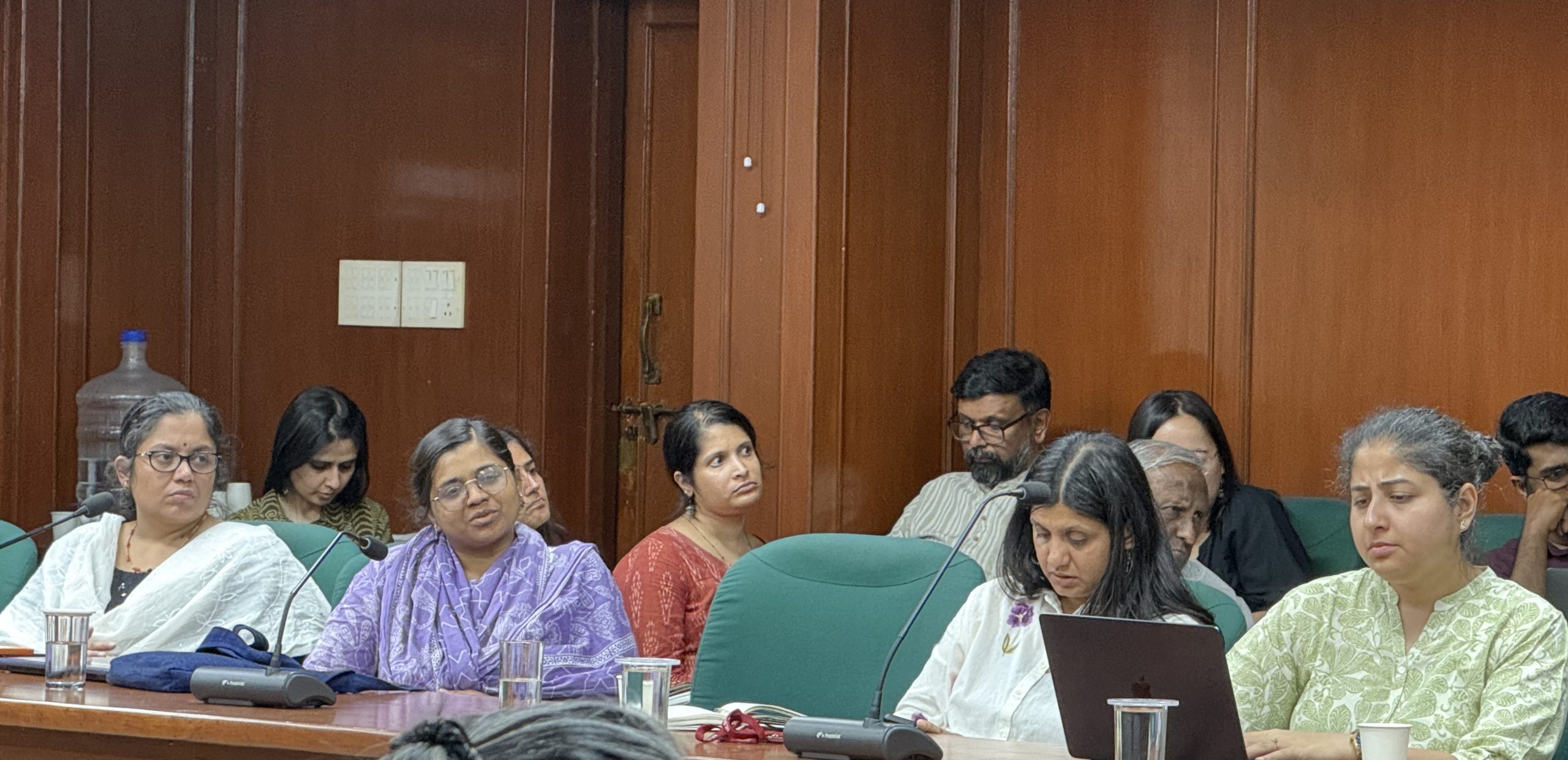
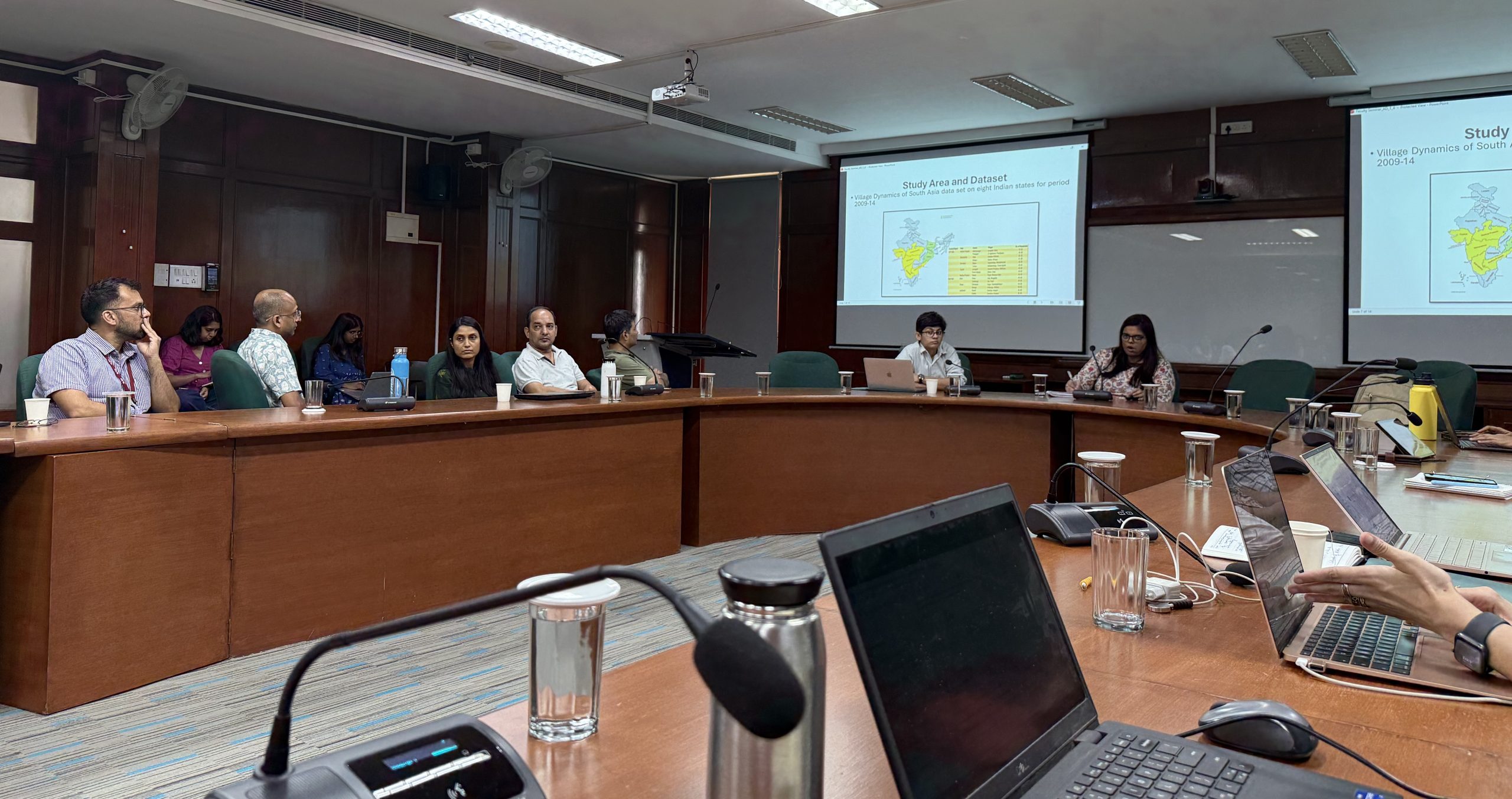
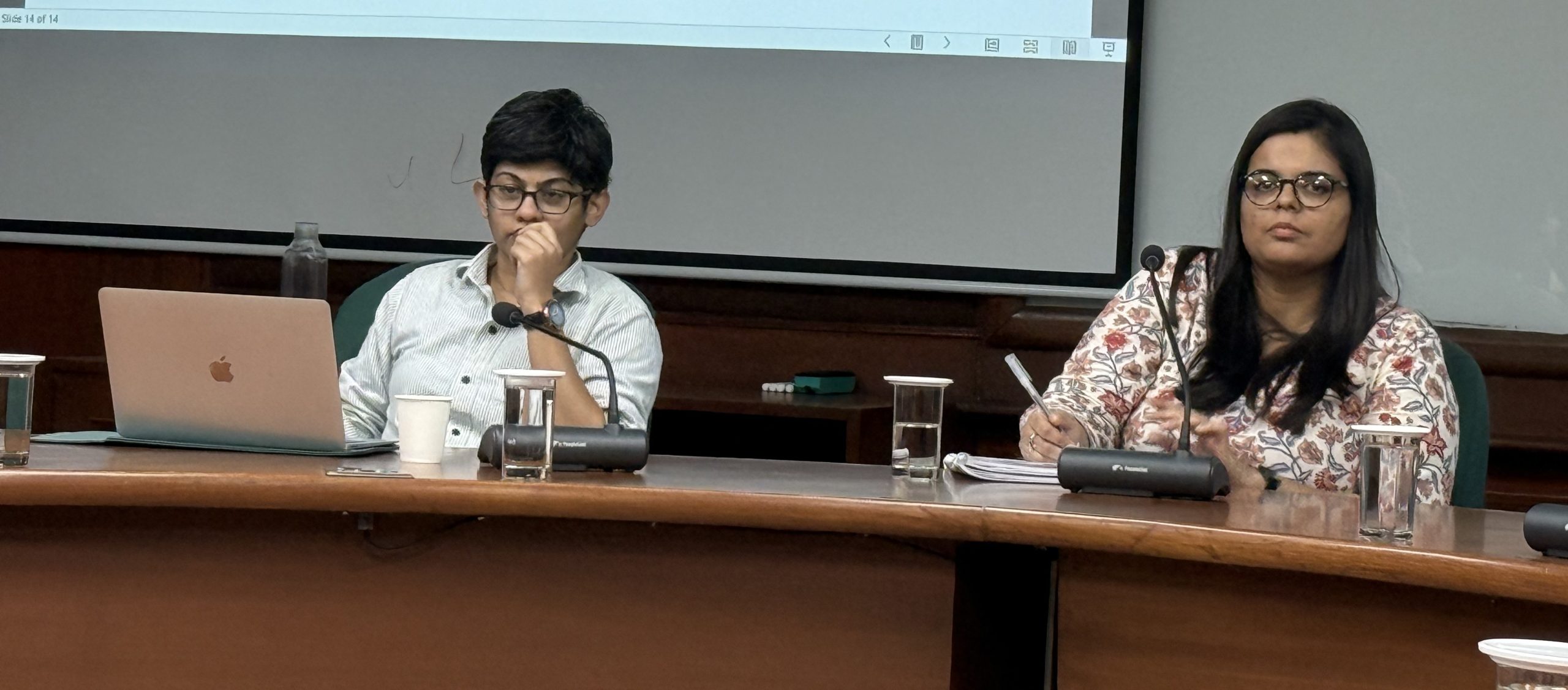
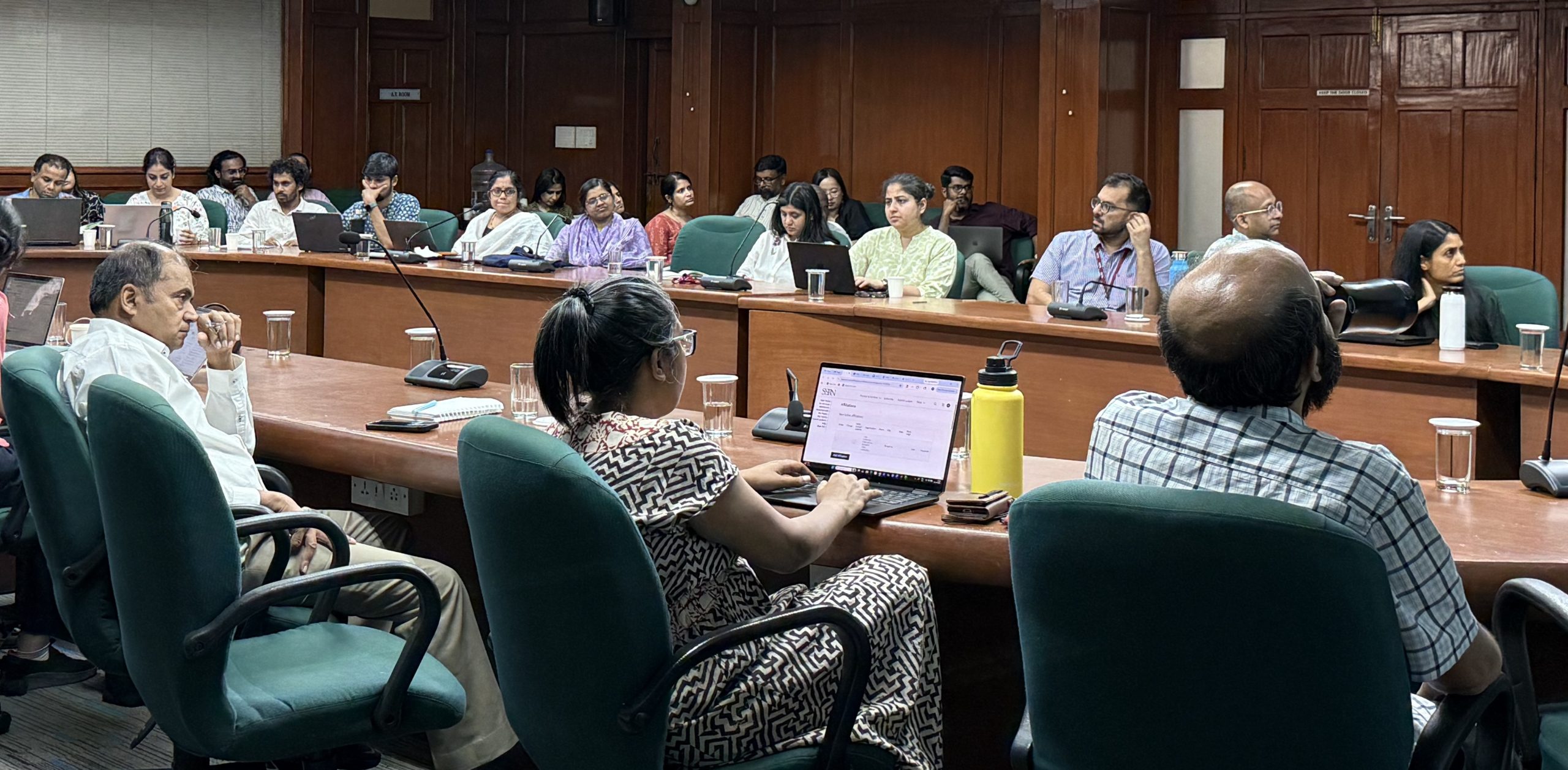
Faculty Seminar | ‘Devolution after Empire’

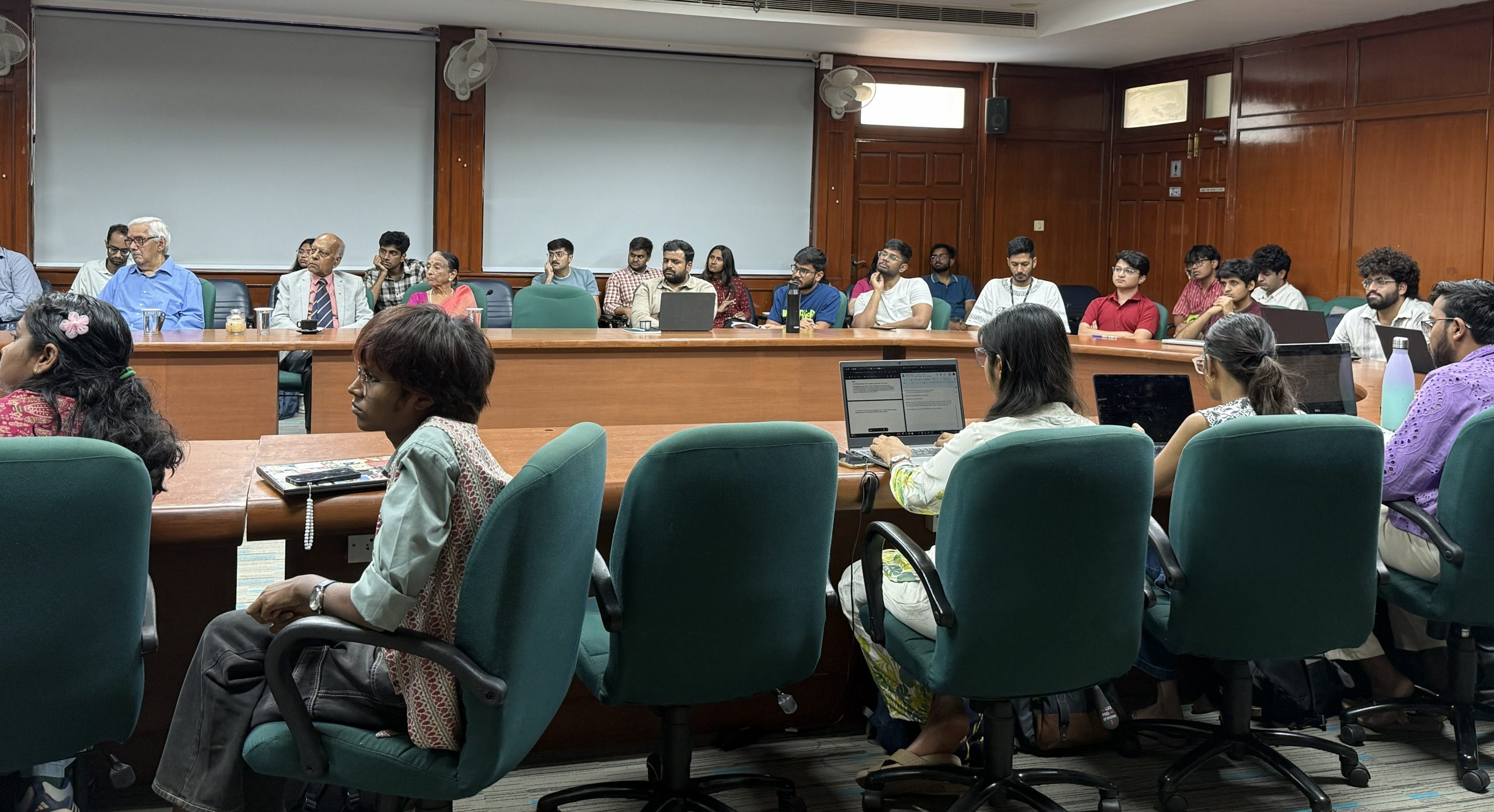
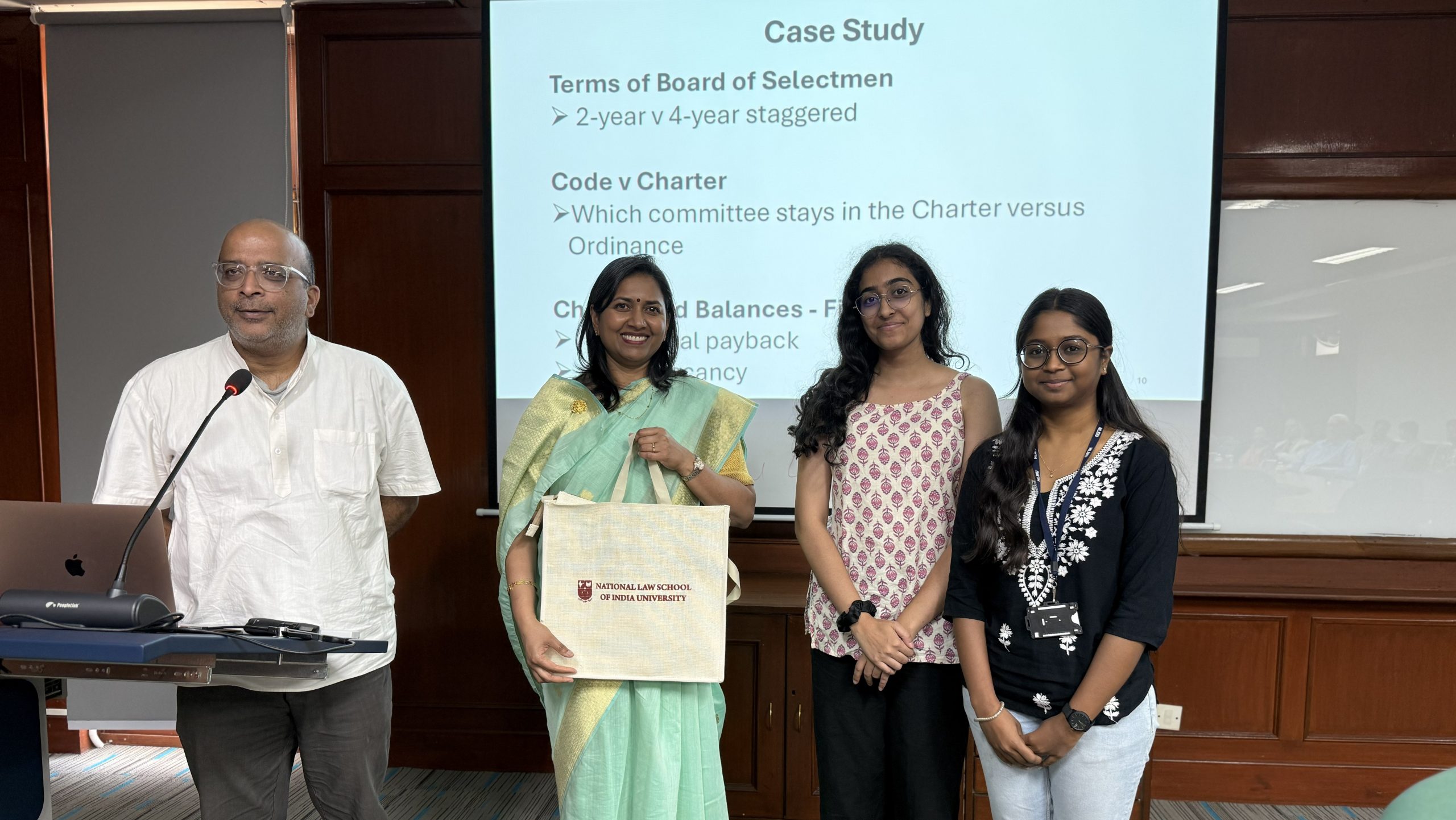
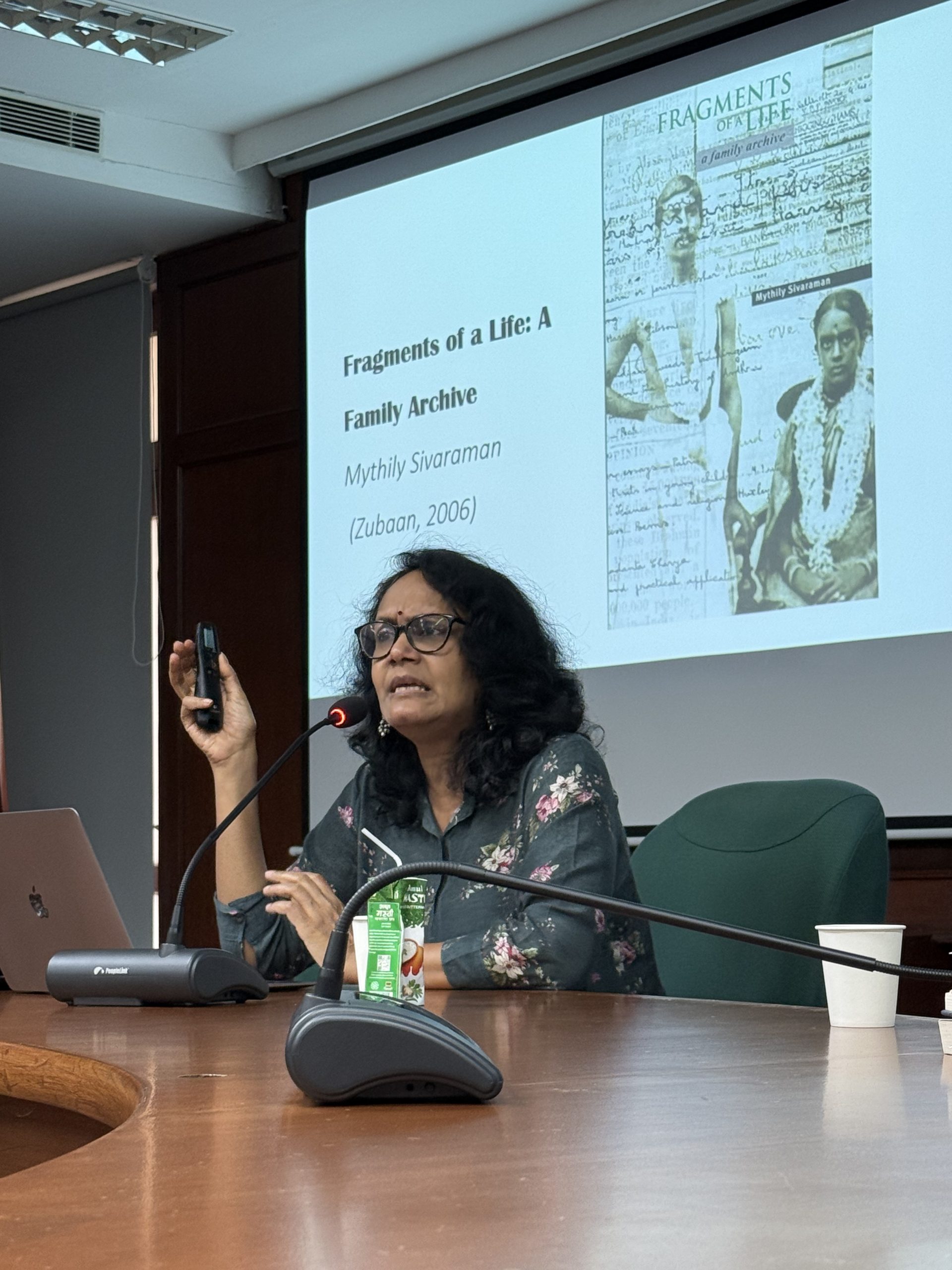
We ended this term’s faculty seminars with a special lecture by Dr. Ewan Smith, Associate Professor of Public Law at UCL on the ‘Devolution after Empire.’

About the Article

This article questions the claim that the UK is a unitary state. It argues that the UK was, and perhaps is, an Empire. Empires are states in which questions of subsidiarity are inescapable and ongoing. Like unitary states, they have a supreme central government. Unlike unitary states, Empires are not governed as a single entity. The United Kingdom is not a state where all parts bear a singular relationship to the centre. Instead, it embraces a multiplicity of constitutional relationships, overlaid by sovereignty and the Crown. The nature of the UK territory was ambiguous under Empire. It still is, and the article explores how imperial structures continue to influence our devolution settlement. The British constitution ultimately managed to resolve very-large-scale questions of subsidiarity in a global Empire. It remains to be seen whether that same structure can resolve small-scale questions of subsidiarity in a supposedly unitary state.

About the Speaker

Dr. Ewan Smith joined UCL Laws as Associate Professor of Public Law in 2022. Prior to that he was a Fellow of Christ Church, Oxford, the Shaw Foundation Junior Research Fellow at Jesus College, Oxford, and an Early Career Fellow at the Bonavero Institute of Human Rights. Ewan read law at Oxford, at the University of Paris and at Harvard Law School. In 2023 Ewan was a Hauser Fellow at New York University Law School and in 2024 he was a Visiting Professor at Faculty of Law of the University of Bologna. In 2026 he will be a visiting professor at the National University of Singapore. He has previously worked at Peking, Tsinghua and Renmin Universities in China and between 2005 and 2015 he worked for the UK Foreign Office. Ewan’s work considers how political rules govern powerful institutions, how law shapes foreign relations, and compares the constitutional orders of China, the UK and the United States. He is admitted to practice in New York

NLS BA (Hons) Masterclasses | Jan 22 & 23, 2026

NLSIU is conducting online Masterclasses during January 2026 to give wider audiences a glimpse into an NLS BA (Hons) classroom. These online sessions will dive deeper into the subject matter and showcase our pedagogy and approach to the social sciences and humanities.

The series of two Masterclasses, being held on January 22 and 23, 2026, will be anchored by our faculty Dr. Atreyee Majumder, NLS BA (Hons) Co-Chair and Dr. Sneha Thapliyal, Associate Professor of Economics.

Session I: ‘The Nourishment of Slow Research: Evaluating Ethnography with the Long Walk of Paul Salopek’ with Dr. Atreyee Majumder, NLS BA (Hons) Co-Chair 

January 22, 2026 | 6-7 PM

Paul Salopek, in the practice of “slow journalism”, has been on a 38,000km walk across the globe since 2013. You can find out about the various legs of Salopek’s journey already completed on the National Geographic website here. In an interview to the Emergence Magazine, he says “I think that this sense of well-being that comes with timelessness, the sense of being at peace – it must be very, very old. And it must be like a stylus dropping into a groove on the surface of a planet and making this music. And we are, our bodies are, that stylus, and we’re meant to move at this RPM that comes with the movement of our body.”

Dr. Majumder, in this talk, asks: What does Salopek’s 38000km walk teach us about our current condition? How do we use slow research techniques, and uncertainty of goals of research, to push the boundaries of what is knowable about our human condition? Is it useful to use “slow research” techniques in the professional world? In the world periled by climate change, the policy push to make lifestyle changes – say no to fossil fuel, active use of non-fueled transport, to slow down our hungry modernity, to make legal and moral claims on the more appropriate definitions of well-being, can “slow research” be meaningful? In this talk, Dr. Majumder gives a primer on the ethnographic method, calling it “slow research”, attempting to disclose its potential to push in the direction of moral and legal advocacy for other ways of occupying the modern, at this time that is plagued by climate change.

Click Here To Register

Session II: ‘Counting the Heat: How Numbers Shape Our Understanding of India’s Heat Waves’ with Dr. Sneha Thapliyal, Associate Professor of Economics

January 23, 2026 | 6-7 PM

The world is getting hotter – but how much hotter? In the last year? In the last decade? In the last century? For instance, there has been an increase of 0.68 degrees in average temperatures in India since 1901. Sounds trivial, right? A closer look tells us that the rate of temperature increase has more than doubled since 1986. That temperatures during the night are rising 4.5 times faster than the day temperatures. That 37 cities in the country recorded temperatures >45 degrees in May 2024. Such heat waves are likely to affect us all equally, right? Socially and economically disadvantaged individuals are exposed to far greater durations of outdoor heat. And informal workers lose income at a rate that is 17 times higher than formal sector workers. Yet, emissions from consumption of the richest 10% of the country is 10 times as much as the emissions from the bottom 50%.

These questions about scientific facts and justice in climate change need us to think in numbers. Using the context of heat waves in India, we will discuss how numbers tell stories. What can numbers hide and what can numbers reveal. In this primer to the Numbers course in the BA programme at NLSIU, we will think about numbers not just as quantitative literacy but also as evidence for value-laden advocacy, policy critique, and democratic citizenship.

Click Here To Register

‘Crafting Careers’ – Conversation Series | Session with Ms. Astha Kapoor, Co-founder and Director, Aapti Institute

NLSIU recently launched a new conversation series by eminent speakers titled ‘Crafting Careers’.  our next session in this series features Ms. Astha Kapoor, Co-founder and Director, Aapti Institute
on January 7, 2026, from 5 pm to 6 pm at the NLS campus.

Crafting Careers

Crafting Careers is a new conversation series at the University under the NLS BA (Hons) programme, designed to help students navigate the world of work. Each session in the series brings leading professionals from fields such as media, government, public policy, business, finance, and the creative arts to campus for candid conversations about their journeys. These experts will share insights and advice from their professional experiences and offer reflections on how social science majors may relate to different career pathways. These dialogues will offer students a chance to learn from diverse experiences, gain practical insights, and reflect on how to build careers that align with their own interests, skills, and values.

About the Speaker

Astha has over a decade of public policy and strategy consulting experience, with a focus on the use of technology for welfare. At Aapti, Astha leads the Data Economy Lab, a vertical established to research and test new methods of data sharing, data stewardship and governance. Her recent work is focused on participative governance of data, and its use for building collaborative AI, through collective governance methods such as cooperatives. She serves on the advisory boards of the Data Trust Initiative (Cambridge University) and Indian Urban Data Exchange (IUDEX). Prior to Aapti, Astha worked with Future State, Azim Premji’s Philanthropic Initiatives, Dalberg Global Development Advisors, the Planning Commission, the Government of India and the Self-Employed Women’s Association. She’s a visiting fellow at the Ostrom Workshop (Indiana University), a two-time TEDx speaker, and a Global Governance Futures Fellow 2018-19. Astha’s writing has been published in the Mint, Hindu, and Deccan Herald among others.


Related Video – Watch the Crafting Careers Session with Mr. Vikram Bhat, Director, BIC, here: 


The NLS Public Lecture Series | ‘The Art and Litigious Life of K. Venkatappa’ | By Pushpamala N and Deeptha Achar

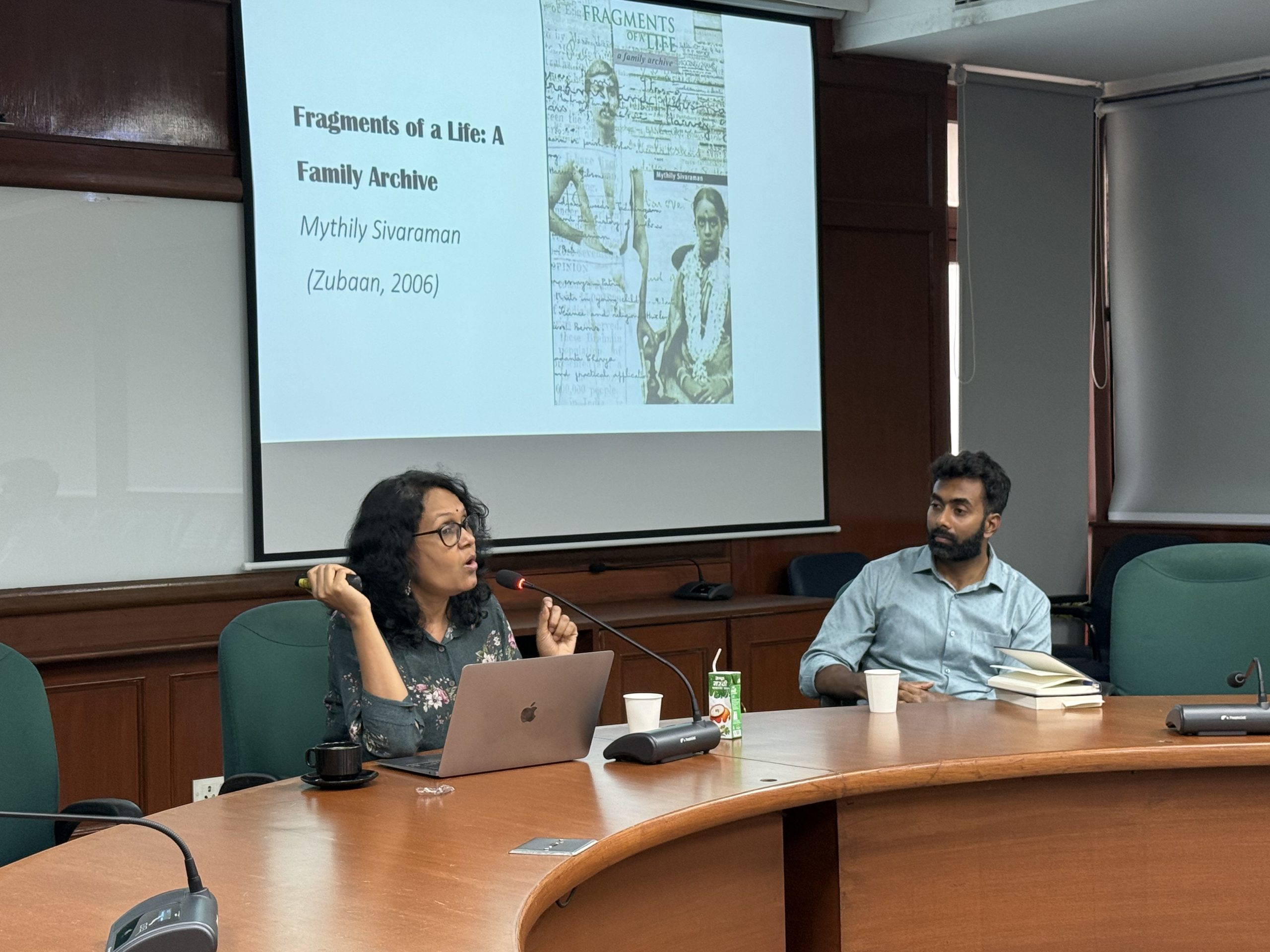
The National Law School of India University (NLSIU) was delighted to host artist Pushpamala N and scholar Deeptha Achar on January 7, 2026 as part of our Public Lectures series.

About the Lecture

‘Looking at Karnataka’s First Modern Artist K. Venkatappa’ by Pushpamala N

In her illustrated discussion of K. Venkatappa (after whom the Venkatappa Art Gallery in Bengaluru is named), artist Pushpamala N framed him as a crucial regional modernist shaped by Mysore court patronage who deviated from the colonial aesthetic of oil painting and the Bengal School’s spiritualised art. Patronised by Krishnaraja Wodeyar IV in Mysore and trained at the Madras School of Art and Crafts, Venkatappa absorbed Western academic techniques and familiar with anti-materialist, pan-Asian aesthetic debates associated with a figure like Abanindranath Tagore under whom he studied. Pushpamala highlighted how his practice, seen in series such as the Ramayana illustrations, Mad after Veena, charcoal drawings, bas-reliefs, and later landscapes, privileged colour, wash, or sculptural solidity over the Bengal School’s ethereal line. His muscular, grounded bodies, use of industrial materials like plaster, and mythic-classical themes reflected both a working-class sensibility and Mysore’s distinctive modernity. Overall, Venkatappa emerges as a “lost ancestor” in Karnataka, an artist who forged a regional aesthetic modernism that negotiated courtly patronage, nationalism, and experimentation without replicating Calcutta’s cultural hierarchy.

‘National Art, Regional Modernity, and the Litigious Life of K. Venkatappa’ by Deeptha Achar

Deeptha Achar read K. Venkatappa’s litigious life as central to understanding both his contradictory personality and the nexus between law, art, and Indian modernity. Moving between Mysore, Calcutta, and Bangalore, Venkatappa repeatedly turned to law as a mode of self-fashioning and public engagement, even as he cultivated the persona of an unworldly, inward-looking artist. Achar argues that his court cases—including disputes with institutions like the Indian Oriental Society and the dramatic but ultimately unsuccessful suit against the Mysore king—were not merely personal grievances but assertions of artistic worth, property, and dignity by someone marked by artisanal caste origins within a hierarchical courtly order. His insistence on litigation, even when compromise was offered, dramatised the radical promise of legal equality under modern law, while also revealing its social and material costs. Through his diaries written in English over many decades, law appears as a lived social space in which Venkatappa negotiated being “an artist rather than an artisan,” exposing the tensions between caste, profession, nationalism, and the fragile democratisation promised by modern legal institutions.

About the Speakers

Pushpamala N

Pushpamala N has been called “the most entertaining artist-iconoclast of contemporary Indian art”. In her sharp and witty work as a photo- and video-performance artist, sculptor, writer, and curator, and in her collaborations with writers, theatre directors and filmmakers, she seeks to subvert the dominant discourse. She is known for her strong feminist work, informed by cultural theory, feminist studies and social science. Her work is shown worldwide and is in the collections of major museums like the Museum of Modern Art New York, Tate Modern London, Centre Charles Pompidou Paris, Art Gallery of New South Wales Sydney, NGMA and KNMA Delhi and MAP Bangalore. She created a fictional platform for discourse, ‘Somberikatte’ (Idler’s Platform) in 1996 through which she organises talks and conferences. To celebrate 20 years of Somberikatte, she organised an international conference of the early modern artist K Venkatappa in Bangalore in 2016. Based on the papers presented at this conference, her co-edited volume: Nation, Region, Modernity: The Art of K. Venkatappa has been published by Routledge ( 2025). She was the Artistic Director of the Chennai Photo Biennale , ‘Fauna Of Mirrors’ , for which she also organised an international conference on photography, Light Writing (2019). Recently she curated the print retrospective exhibition of Gulammohammed Sheikh: ‘Hand Prints/ Mind Prints’ and is now working on the book. She lives and works in Bangalore.

Deeptha Achar

Deeptha Achar has just retired as Professor, Department of English, Faculty of Arts, Maharaja Sayajirao University of Baroda, Gujarat. Among the books she has co-edited are Towards New Art History: Studies in Indian Art (2003), and Articulating Resistance: Art and Activism (2012) apart from catalogue essays. Her most recent co-edited volume is Nation, Region, Modernity: The Art of K. Venkatappa (2025). She is the series editor of the Different Tales, a multilanguage series of illustrated children’s books that thematise marginalised childhoods. She has co-curated an archival show entitled Enlightenment from an Unlikely Envelope: Archives of Adil Jussawalla currently running at the Kerala Museum, Kochi. Her research interests include visual culture studies and childhood studies.

MEA Distinguished Lecture Series | Evolution and the Future of the Indo–US Strategic Partnership | By Ambassador Ashok Sajjanhar

We were delighted to host Ambassador Ashok Sajjanhar, IFS (Retd), Former Ambassador of India to Kazakhstan, Sweden, and Latvia, at the NLS campus on January 6, 2026. Ambassador Sajjanhar delivered a talk as part of the ‘MEA Distinguished Lecture Series’ by the Ministry of External Affairs, Government of India.

His talk, titled ‘Evolution and the Future of the Indo–US Strategic Partnership: With Emphasis on Trade Policy and Geopolitics in the Indo-Pacific Region,’ was held at the NLSIU Conference Hall, Training Centre.

Ahead of the talk Ambassador Sajjanhar met with NLSIU Vice-Chancellor Prof. (Dr.) Sudhir Krishnaswamy; Registrar In-Charge Dr. Nigam Nuggehalli; Dean-Academics & Associate Professor of Law Dr. Saurabh Bhattacharjee; Assistant Professor of Social Science Dr. Debangana Chatterjee; Associate Professor of Law Dr. Harisankar K Sathyapalan; and Ms. Deepti Soni, Director, Communications and External Relations.

The programme commenced with inaugural remarks by Ms. Deepti Soni, introducing the speaker and the talk. Dr. Harisankar K Sathyapalan moderated the ensuing Q&A session, and Dr. Debangana Chatterjee concluded the event with the Vote of Thanks.

Abstract

Relations between India and USA have experienced many ups and downs since India’s independence 78 years ago. Relations sank to their nadir in 1971 and 1998. However, ties between the two countries witnessed a steady upward trend since 2000. Addressing the Joint Session of the US Congress in 2016, PM Narendra Modi declared that India ‘’has overcome the hesitations of history.’’ In 2022, speaking with the then US President Joe Biden, PM Modi stated that India-US partnership is based on ‘’trust.’’ This trust received a huge jolt in 2025 with the assumption of power by Donald Trump as the President of USA. This is evident not only in the area of trade in which US actions are totally violative of International Trade Rules as enshrined in the WTO but also in areas of political, security and strategic affairs. What is likely to be the future state of India-US relations? Can the mutual trust be restored or will the relations revert to the period of the Cold War?

About the Speaker

Ambassador Ashok Sajjanhar, IFS (Retd), was Former Ambassador of India to Kazakhstan, Sweden, and Latvia. He has also worked in senior diplomatic positions in Indian Embassies/Missions in Washington DC, Brussels, Moscow, Geneva, Tehran, Dhaka and Bangkok, and at Headquarters in India.

He negotiated for India in the Uruguay Round of Multilateral Trade Negotiations and in India-EU, India-ASEAN and India-Thailand Free Trade Agreements. He contributed significantly to strengthening strategic and economic ties and promoting cultural cooperation between India and USA, EU, Russia and other countries.

Ambassador Sajjanhar worked as Head of the National Foundation for Communal Harmony to promote amity and understanding between different religions, faiths and beliefs. He has been decorated by Governments of Kazakhstan and Latvia with their National Awards and by Universal Peace Federation, New York (a body in special, consultative status with the United Nations) with Title of “Ambassador of Peace.”

Presently he is the Executive Council Member, at the Manohar Parrikar Institute for Defence Studies and Analyses; President of the Institute of Global Studies; and a Distinguished Fellow at Ananta Aspen Centre.

He writes, travels and speaks extensively on issues relating to international relations, foreign policy and themes of contemporary relevance and significance.

Gallery