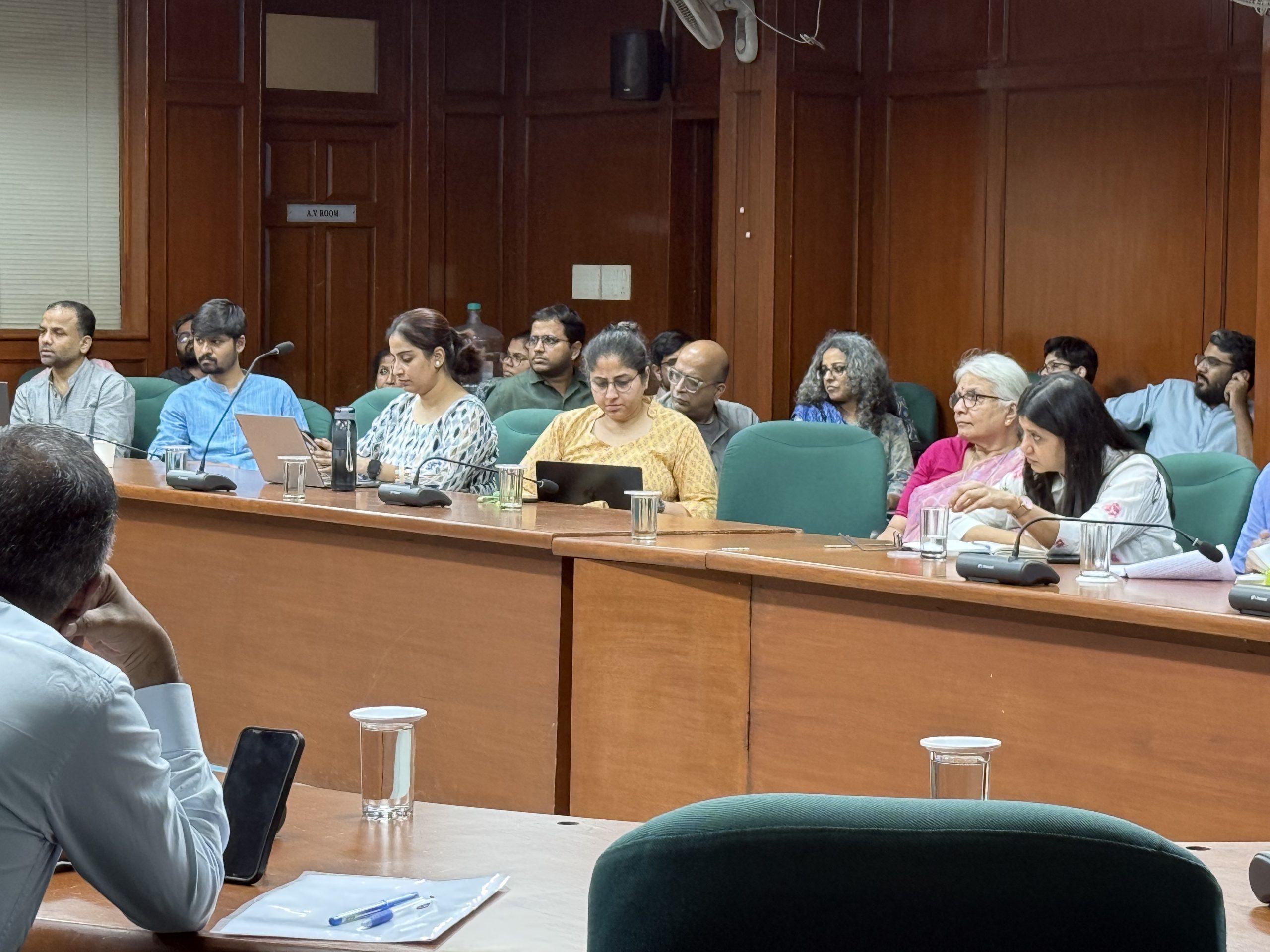

NLS Faculty Seminar | Government Liability for Fundamental Rights Breaches in India: An Examination of the Writ Monetary Remedy
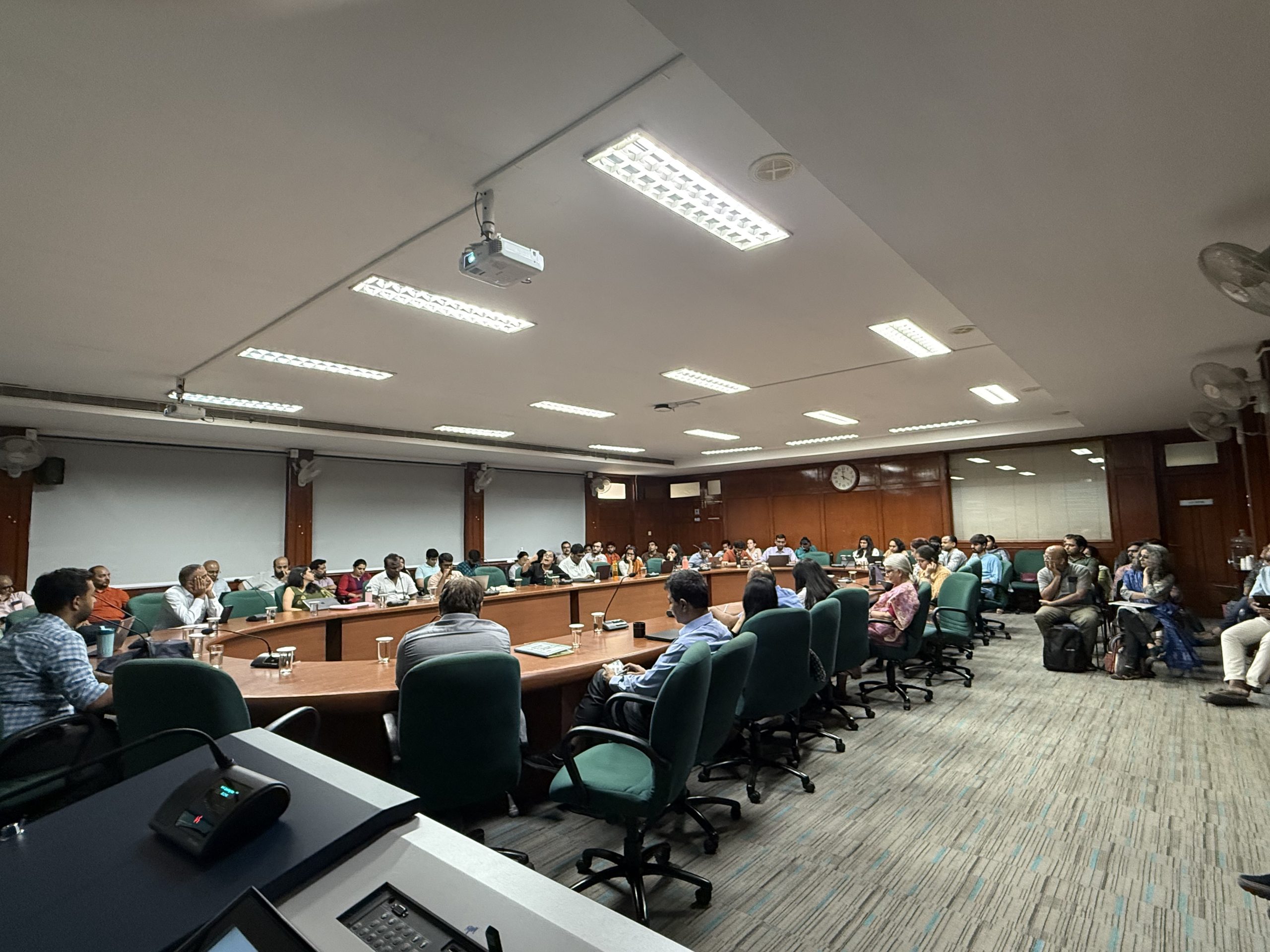
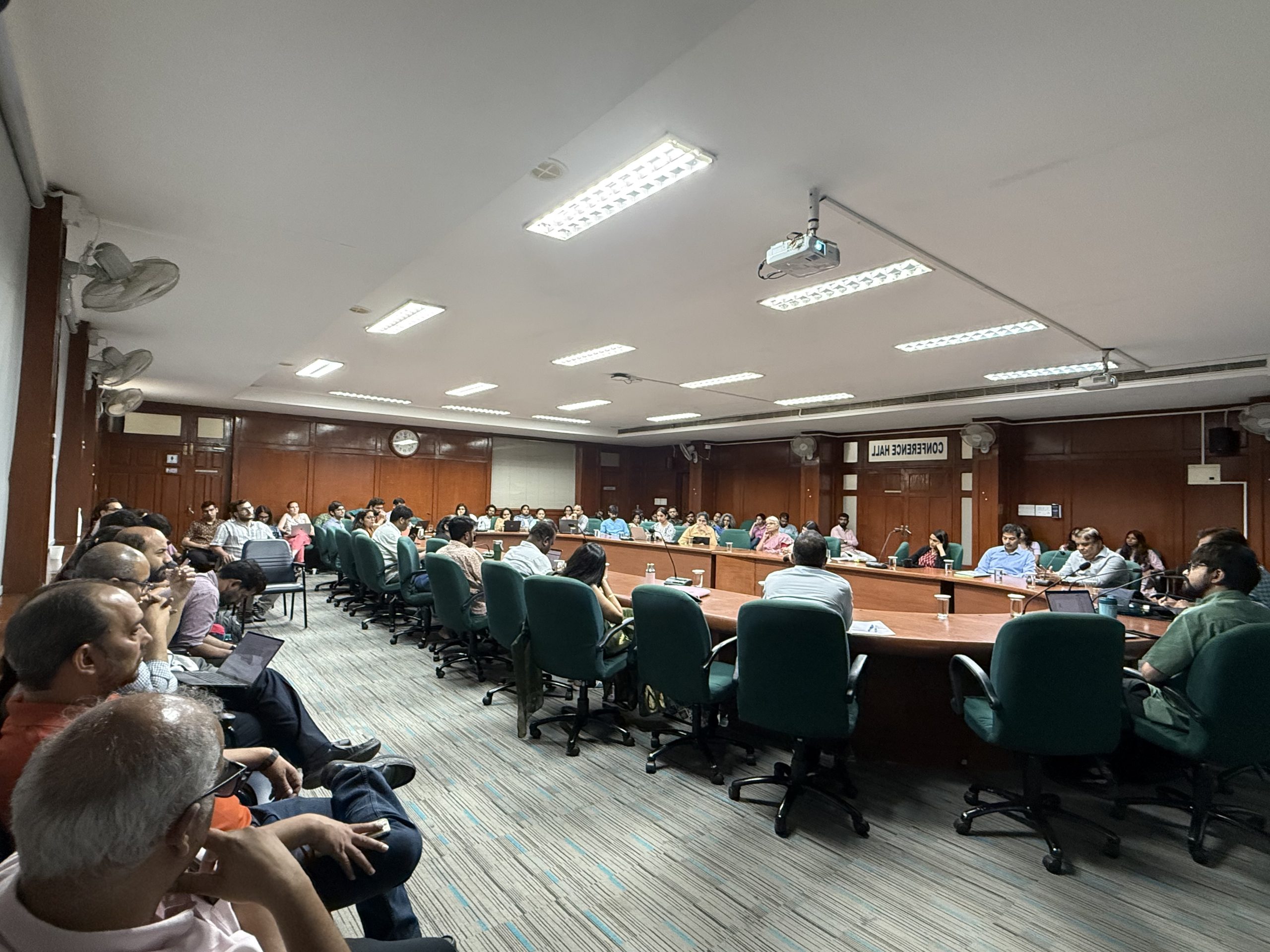
Ground Floor Conference Hall, Training Centre
Wednesday, March 18, 2026, 3:30 pm
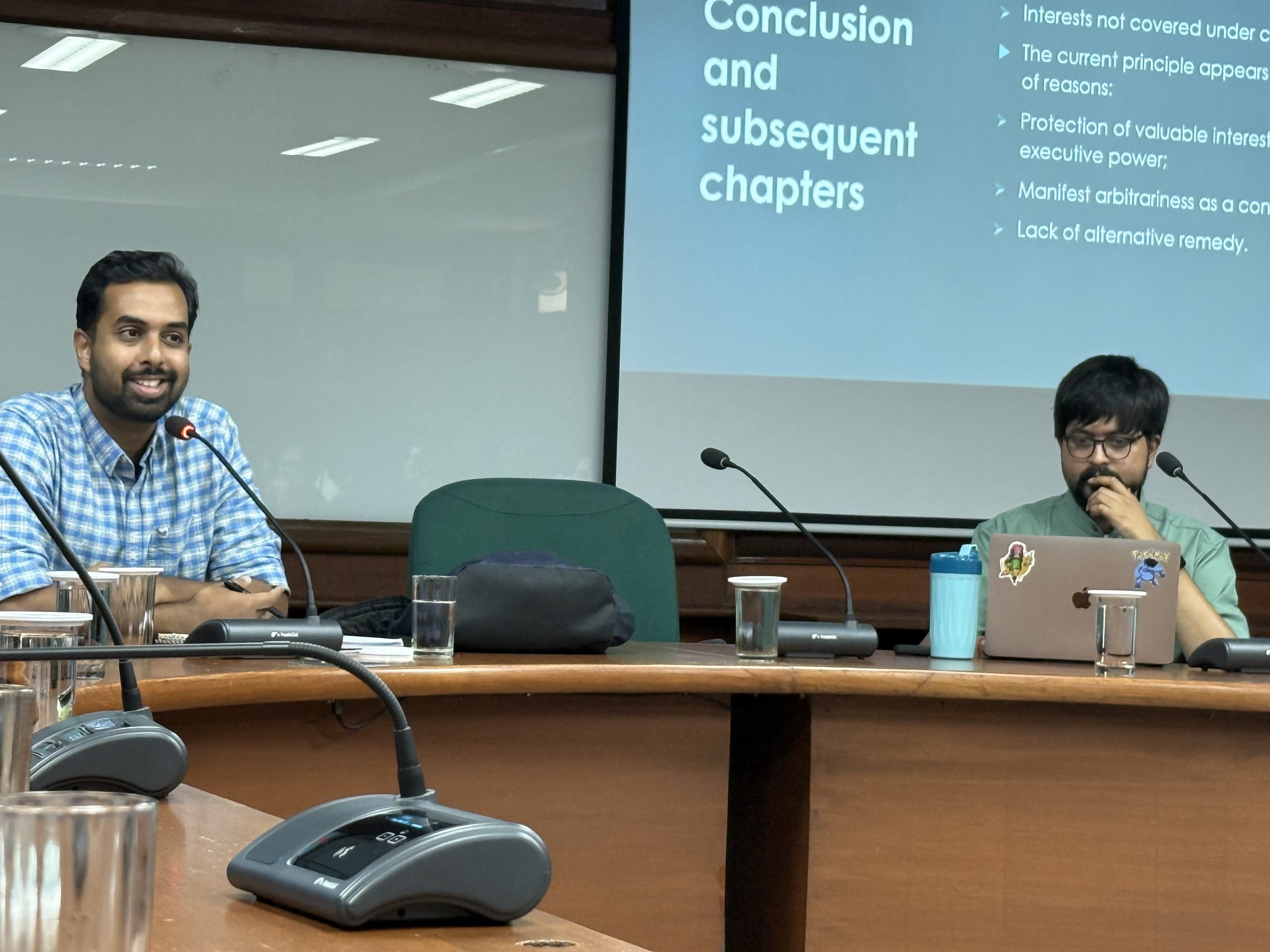
This week’s faculty seminar featured presentation by Balu G. Nair, Assistant Professor of Law, NLSIU on his PhD research paper titled ‘Government Liability for Fundamental Rights Breaches in India: An Examination of the Writ Monetary Remedy.’ He presented on ‘Chapter 3: Interpretive Principle: Fit With Case Law.’
 Abstract
Since the early 1980s, the Supreme Court of India, under its writ jurisdiction, has been awarding compensation for the breach of constitutionally guaranteed fundamental rights by government actors. This was made possible by the Court reading in such a power despite the text of Article 32 (which, among other things, provides for Court’s writ jurisdiction) not explicitly providing for it. The use of this power is also considered extraordinary as monetary compensation is usually to be recovered from trial courts through a civil suit.
Even after the passage of more than forty years since it was first awarded by the Supreme Court, the elements which make up a successful cause of action for this monetary remedy remain unclear. The judicial uncertainty has not been helped by the near complete absence of comprehensive scholarly accounts which attempt to make sense of this remedy, which he calls the ‘writ monetary remedy’.
Balu’s doctoral project, of which this chapter forms a central part of, attempts to derive a principle which could make sense of the Supreme Court’s case law on writ monetary remedy. While the thesis further attempts to defend the principle on the ground that it coheres with Indian constitutional law and established principles of remedial theory, in this chapter, he introduces the principle and tries to demonstrate how it fits with the case law on writ monetary remedy. In doing so, he argues that writ monetary remedy may be (and has been) awarded for the breach of any fundamental right and not just the violation of right to life and personal liberty in Article 21. Additionally, he also seeks to show that, despite the Court’s occasional suggestions that the remedy is available on a strict liability basis, i.e., without any fault on the part of the alleged wrongdoer, it has only been awarded when the breach is committed with manifest arbitrariness. Finally, he argues that the quantum of the award will primarily depend on the consequential pecuniary and non-pecuniary losses incurred by the rights-holder.
Photo Gallery