A Life in Teaching, A Legacy in Learning | In Conversation with Dr. V. S. Elizabeth
March 31, 2026
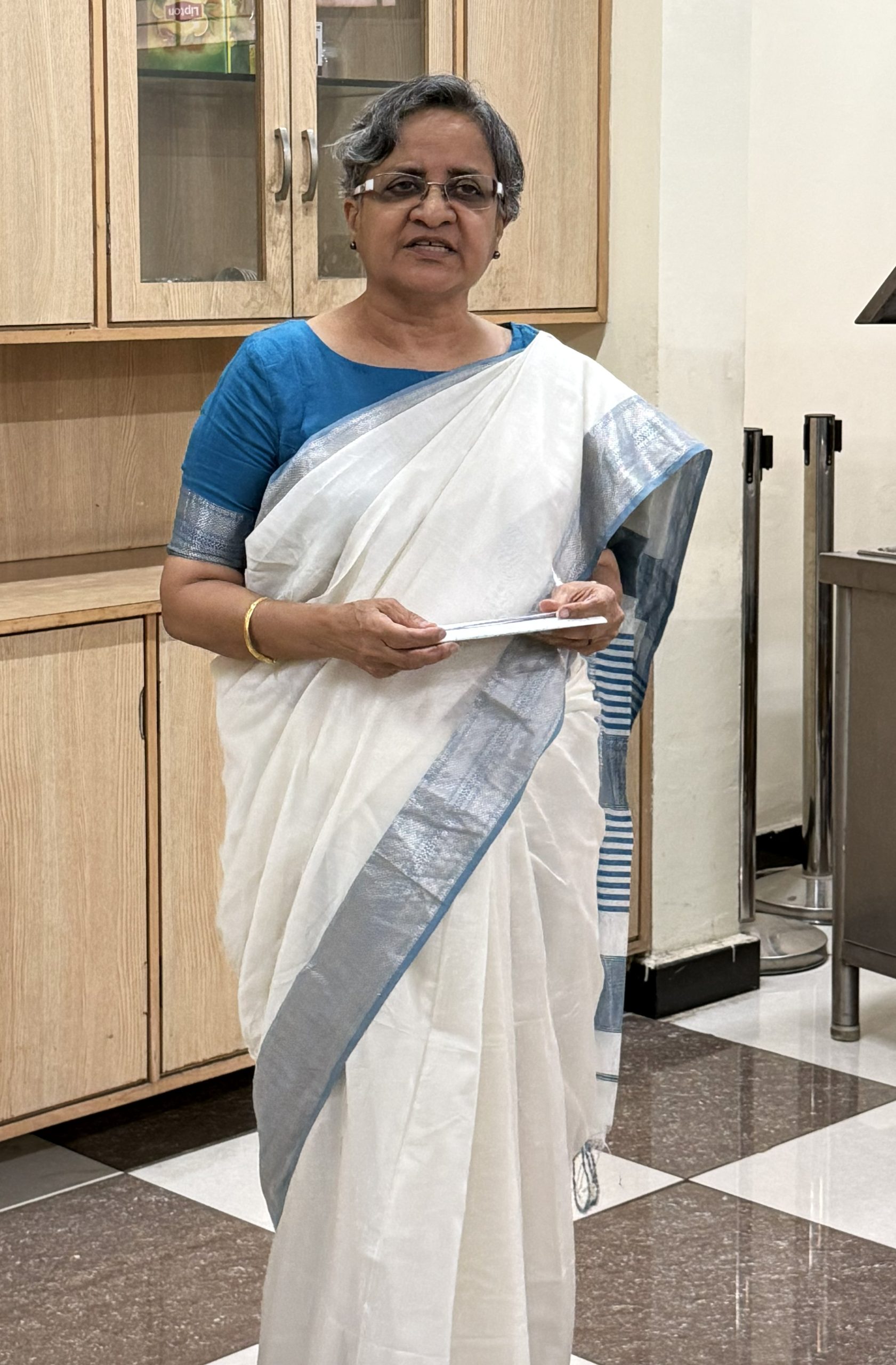
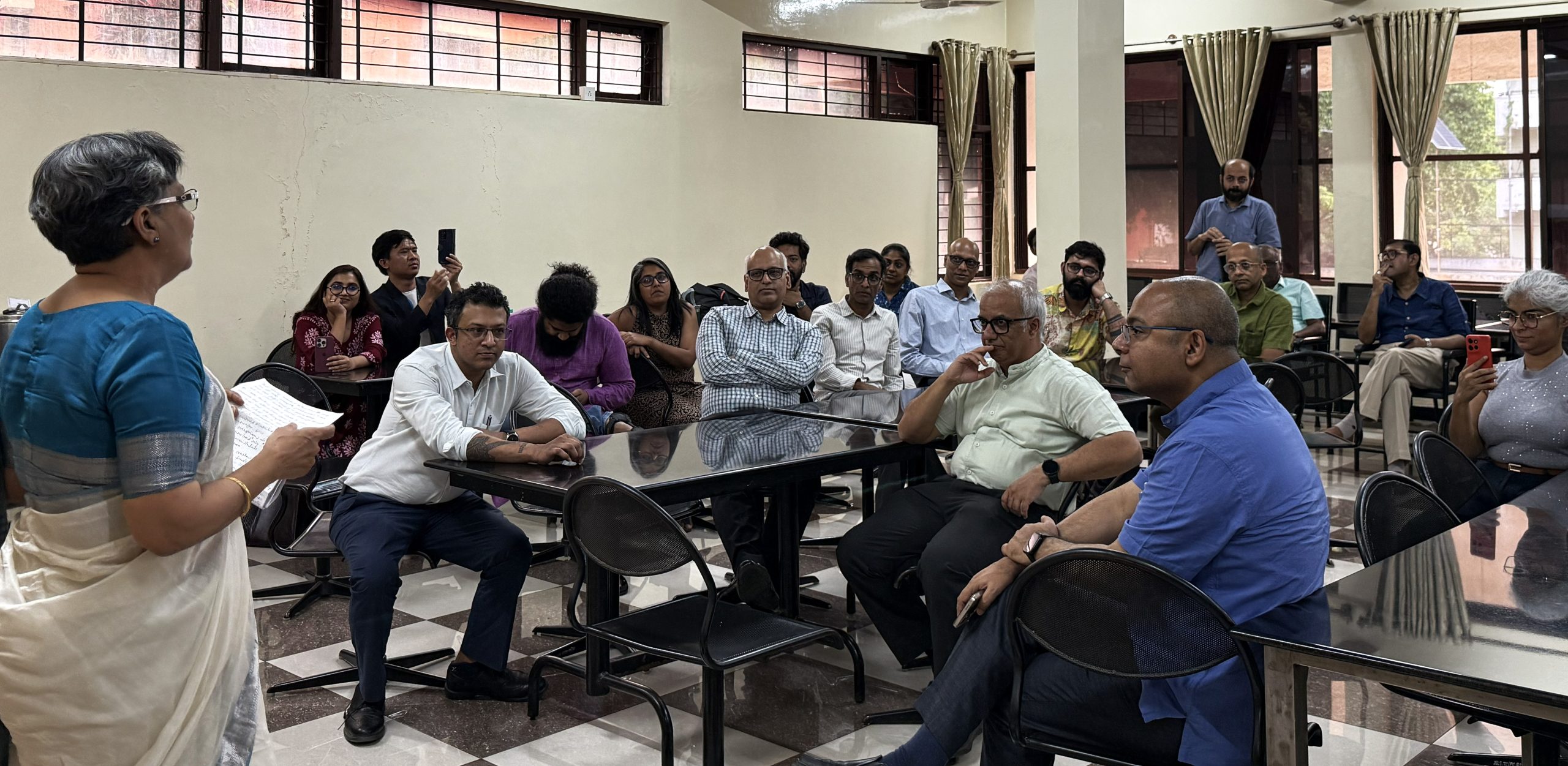
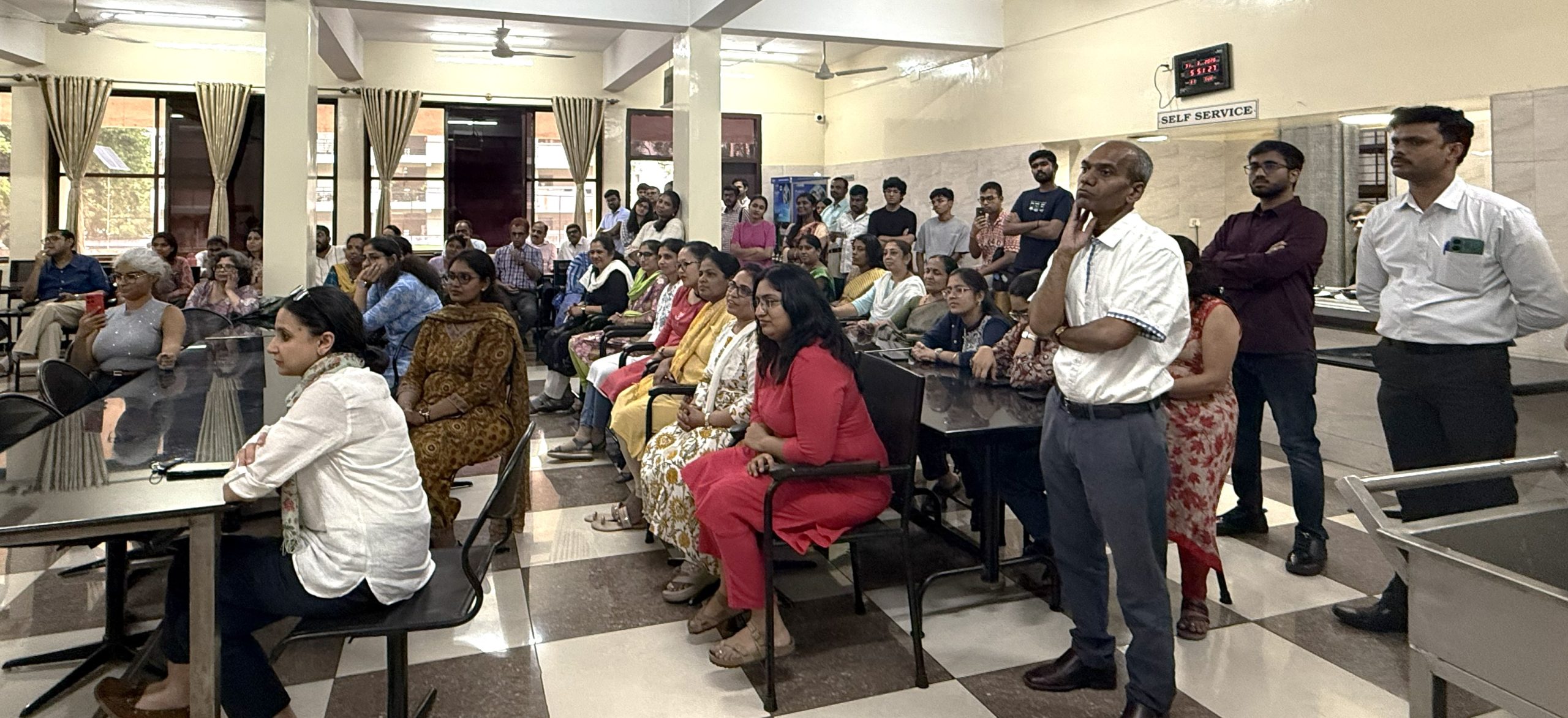
As she retires after more than three decades at National Law School of India University (NLSIU), Dr. V. S. Elizabeth looks back not just on a career, but on a life intertwined with the University. She joined at a time when NLSIU was still finding its feet, and stayed on to witness, and shape, its evolution into a leading institution. Her reflections are not only about teaching and scholarship, but about people, relationships, and a deeply held sense of purpose. In her words, NLSIU was never just a workplace, it was a shared project, built with care, conviction, and a belief in what legal education could become. Dr. Elizabeth, Professor of History, NLSIU in conversation with Deepti Soni, Director, Communications & External Relations, NLSIU.
“It never felt like a workplace. It felt like building something that was ours.”
Please tell us about your journey at NLSIU.
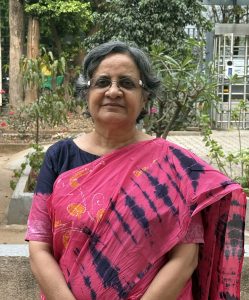 I joined NLSIU in 1991, when everything was still new, uncertain, and full of possibility. We were a small group of faculty, guided by Professor N. R. Madhava Menon, the Founding Director. I began with a modest salary of ₹2,000 a month while finishing my Ph.D. and was regularised as Assistant Professor in 1995.
But what stands out is not the designation or the timeline, it is the spirit of those years.
There was a remarkable sense of togetherness. There was very little hierarchy, faculty, administrative staff, drivers, support staff, everyone worked as one unit. We knew each other, we relied on each other, and we respected each other.
I still remember the entrance examinations, faculty travelling across the country, staff staying up through the night packing question papers, carrying heavy suitcases to airports at odd hours. Nobody asked about working hours or overtime. We simply did what needed to be done.
And then there were the long nights of evaluation, finishing classes, gathering in a room, working through the night, sharing meals, and returning to class the next morning. It sounds exhausting now, but at that time, it felt purposeful. It felt like we were building something meaningful.
What made this possible was the sense that this institution belonged to us. Faculty meetings were spaces where ideas were debated openly. Even when decisions did not go your way, you knew you had been heard. Over time, that created a deep emotional investment, this was not just a job, it was our university.
“Teaching, for me, was never static. It was a journey of learning alongside my students.”
How did your academic journey evolve over the years?
I came to NLSIU as a historian, and to be honest, I was not very enthusiastic about teaching in a law school. Legal history, as it was then framed, felt narrow and descriptive. I struggled initially to find my place.
But over time, that changed.
I began to reimagine my courses, not as a recounting of statutes, but as an exploration of historical context, ideas, and lived realities. My engagement with the Centre for Women and the Law was particularly transformative. It introduced me to feminist thought and feminist legal theory, which reshaped both my teaching and my own understanding of the world.
Gradually, my courses began to reflect these shifts, bringing together history, law, gender, and society.
And in many ways, my students were my teachers. Their questions, their disagreements, the materials they brought into discussions, they constantly pushed me to think differently. Teaching became a space of mutual intellectual growth, not one-way instruction.
“We did not just teach courses. We built an institution and we stood by our students.”
What distinguished NLSIU in its early years?
One of the defining features was the emphasis on research and writing. The system of continuous evaluation, especially project work, ensured that students learned how to think, analyse, and articulate ideas clearly. Over five years, this created graduates who were not just knowledgeable, but thoughtful and independent.
But equally important, perhaps even more so, was the mentorship culture.
This was a fully residential programme. Students came in at 18, at a very formative stage in their lives. They were navigating academic pressure, personal challenges, relationships, identity. As faculty, we were present, not just in classrooms, but in their lives.
Students came to us with everything, from academic doubts to deeply personal struggles. And we listened. We guided. We supported.
Looking back, I would say we were, in many ways, surrogate families to our students. That closeness created bonds that have lasted decades.
“The classroom was my anchor. No matter how I felt, it always lifted me.”
What has been the most fulfilling part of your time here?
Without a doubt – the classroom.
I could walk into class feeling tired, low, or distracted, and walk out completely energised. There was something deeply fulfilling about that space, the exchange of ideas, the questions, the debates.
When students engage, when they challenge you, when they think for themselves, you can see learning happening. And that is incredibly rewarding.
Those moments, of connection, curiosity, and shared thinking, have been the most meaningful part of my 34.5 years here.
“I would like to be remembered as someone who walked the talk.”
What would you like to be remembered for?
For integrity.
It was always important to me that my students saw me as fair and objective, not influenced by bias or personal preference. I tried, as far as I could, to practice what I spoke about in class.
I remember a student once telling me that he saw me as a person of integrity. It stayed with me, because it meant that what I was trying to live by was visible to them.
If my students remember me as someone who walked the talk, that would be enough.
“These five years can shape your life. Don’t take them lightly.”
What message would you like to leave for faculty and students?
For faculty, teaching is not just about delivering lectures. It is about being present, as mentors, as listeners, as guides. Students need more than instruction; they need engagement and care.
For students, these five years are incredibly important. This is a time of growth, intellectual, personal, emotional. NLSIU offers you opportunities you may not even fully recognise right now.
Use them well.
There will be distractions, there will be moments of doubt, but what you do with these years will shape the course of your life. Invest in them with sincerity and purpose.
As Dr. Elizabeth steps away from the classroom, her legacy endures in the generations of students she has taught, mentored, and shaped. Her journey is inseparable from the story of NLSIU itself, of building an institution with care, conviction, and integrity. In her words and work, she leaves behind not just memories, but a standard: of teaching with purpose, engaging with empathy, and remaining steadfast to one’s values.
Photo gallery