
Book Launch ‘Transforming Rights: How the Law Shapes Transgender Lives, Identity and Community’ | By QAMRA
NLSIU Library
Please register here.
Monday, March 16, 2026, 5:30 pm
Open to Public
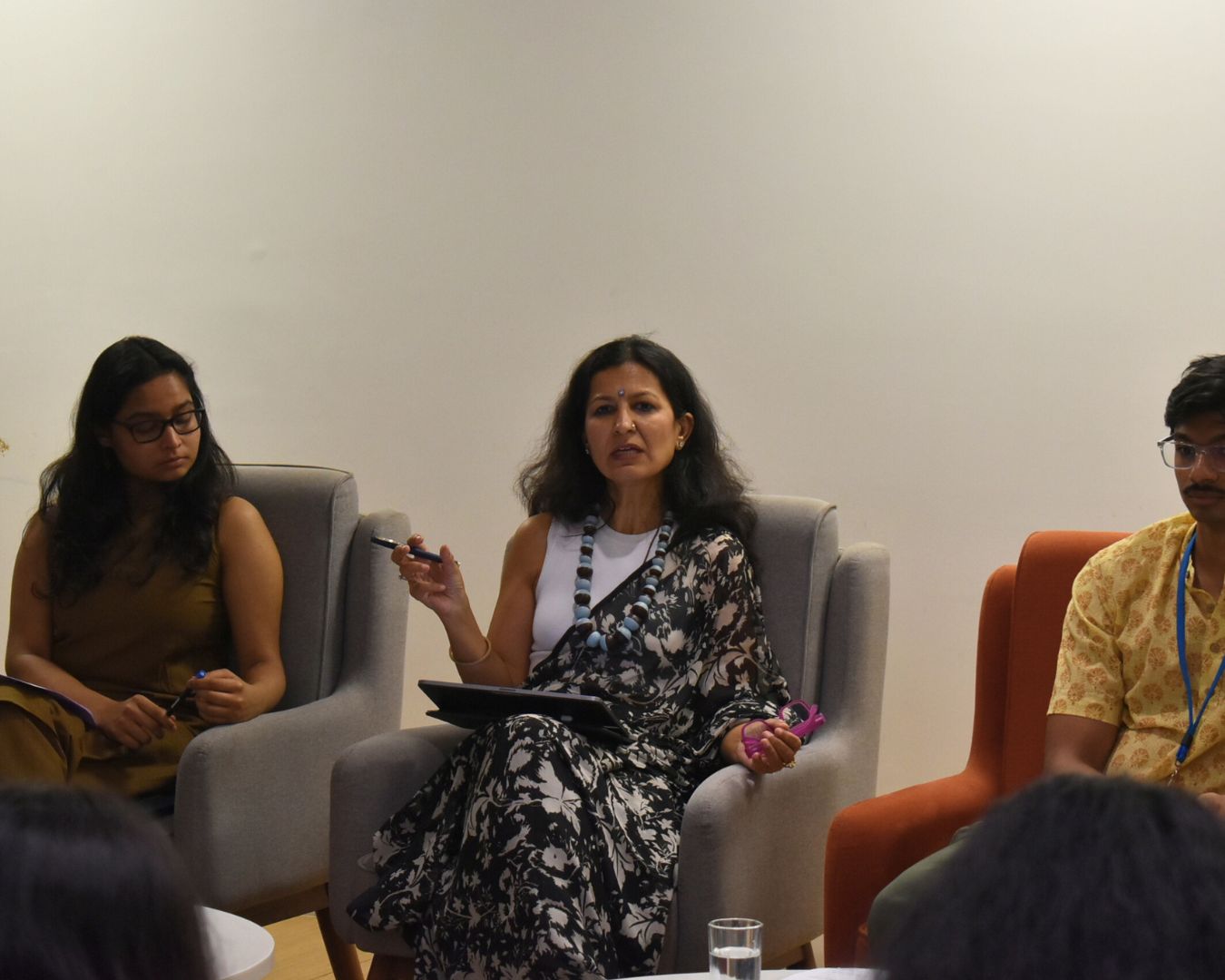
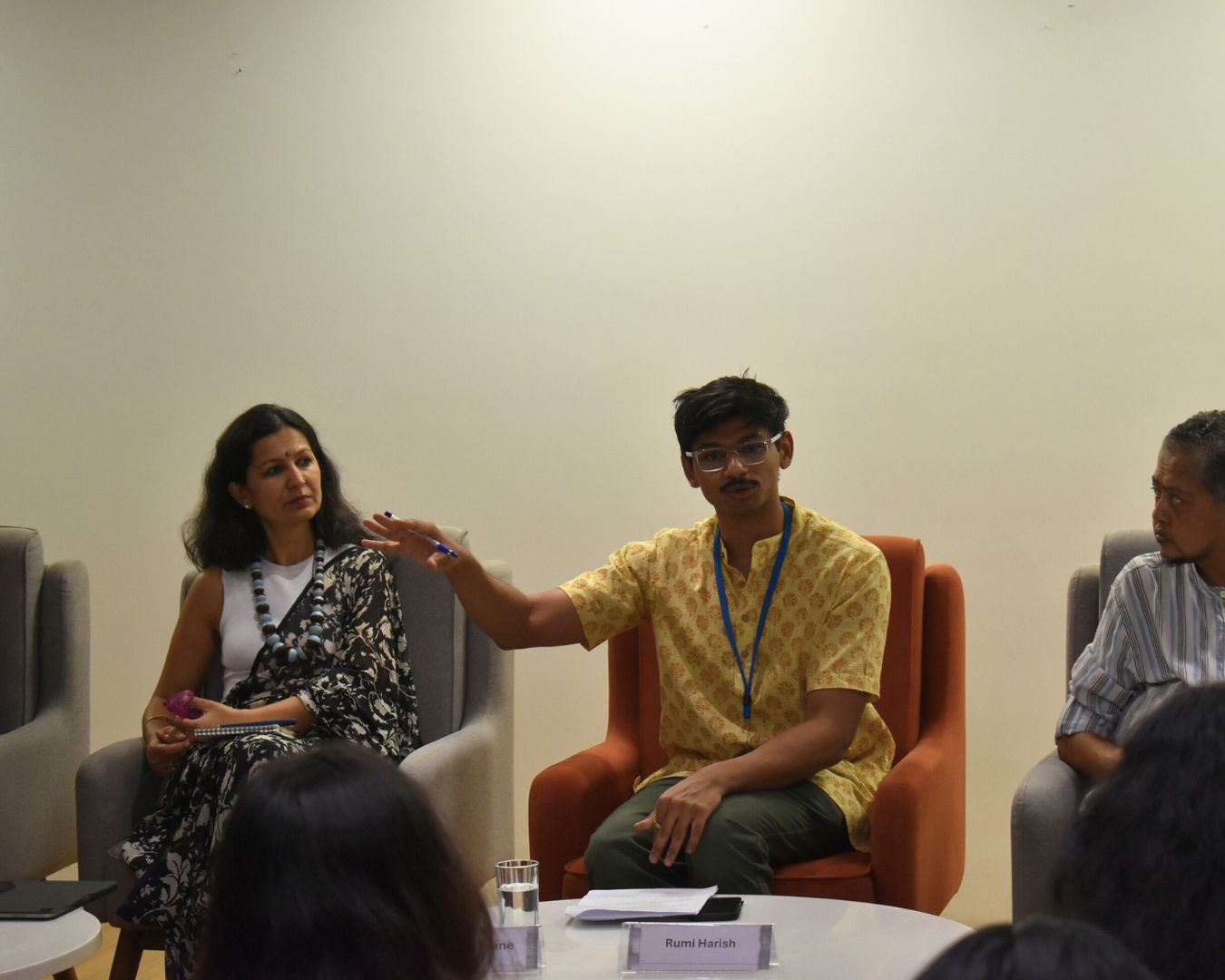
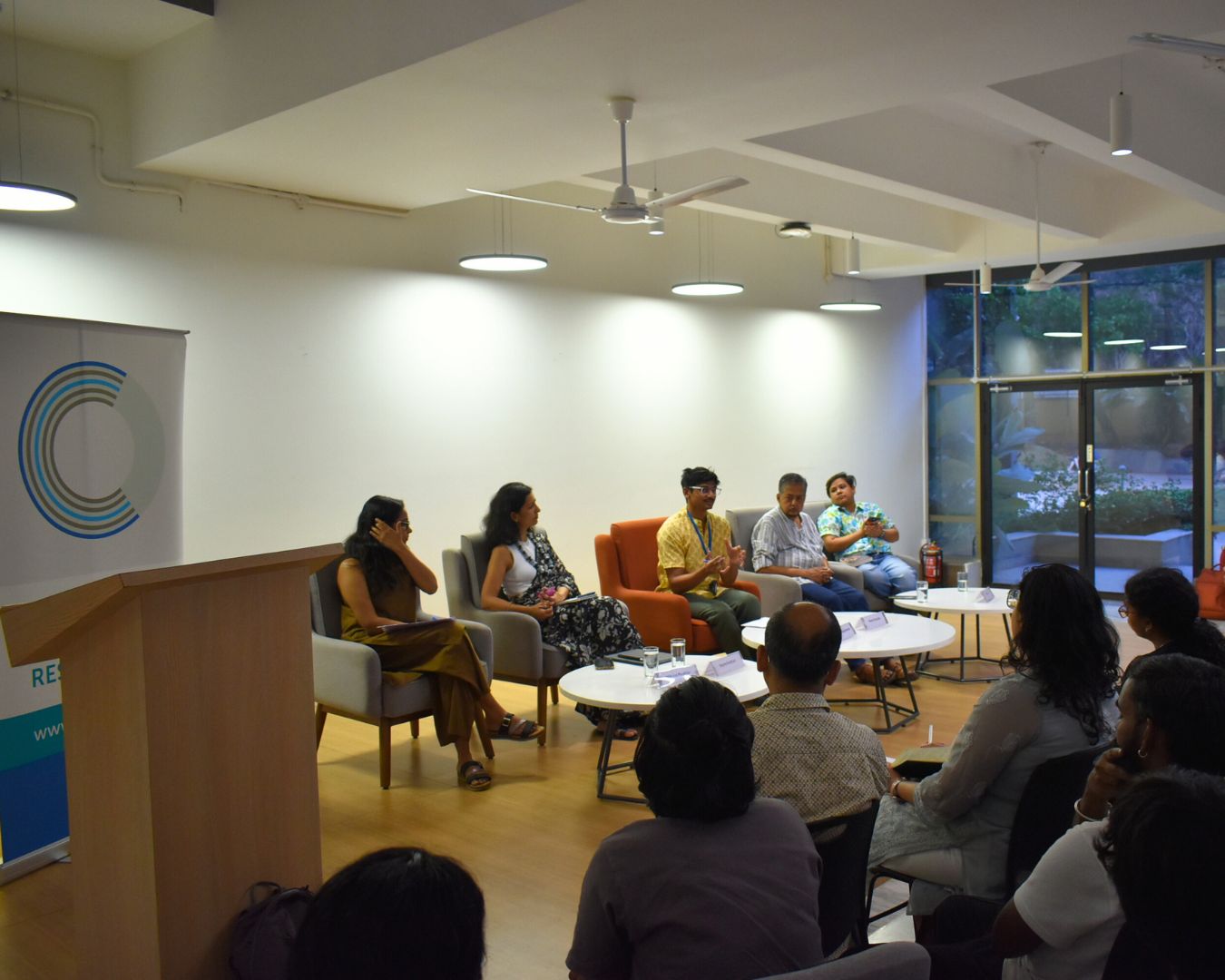
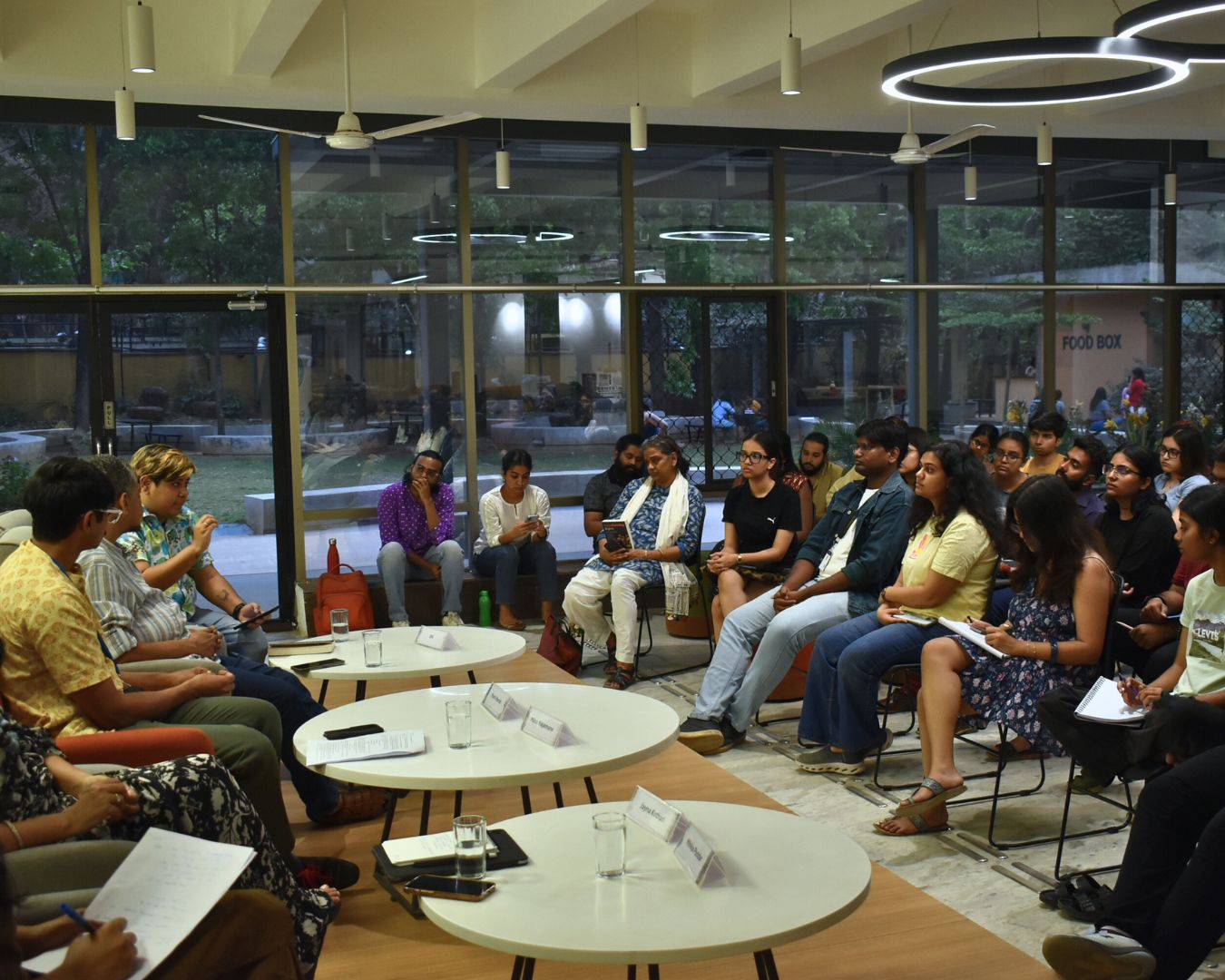
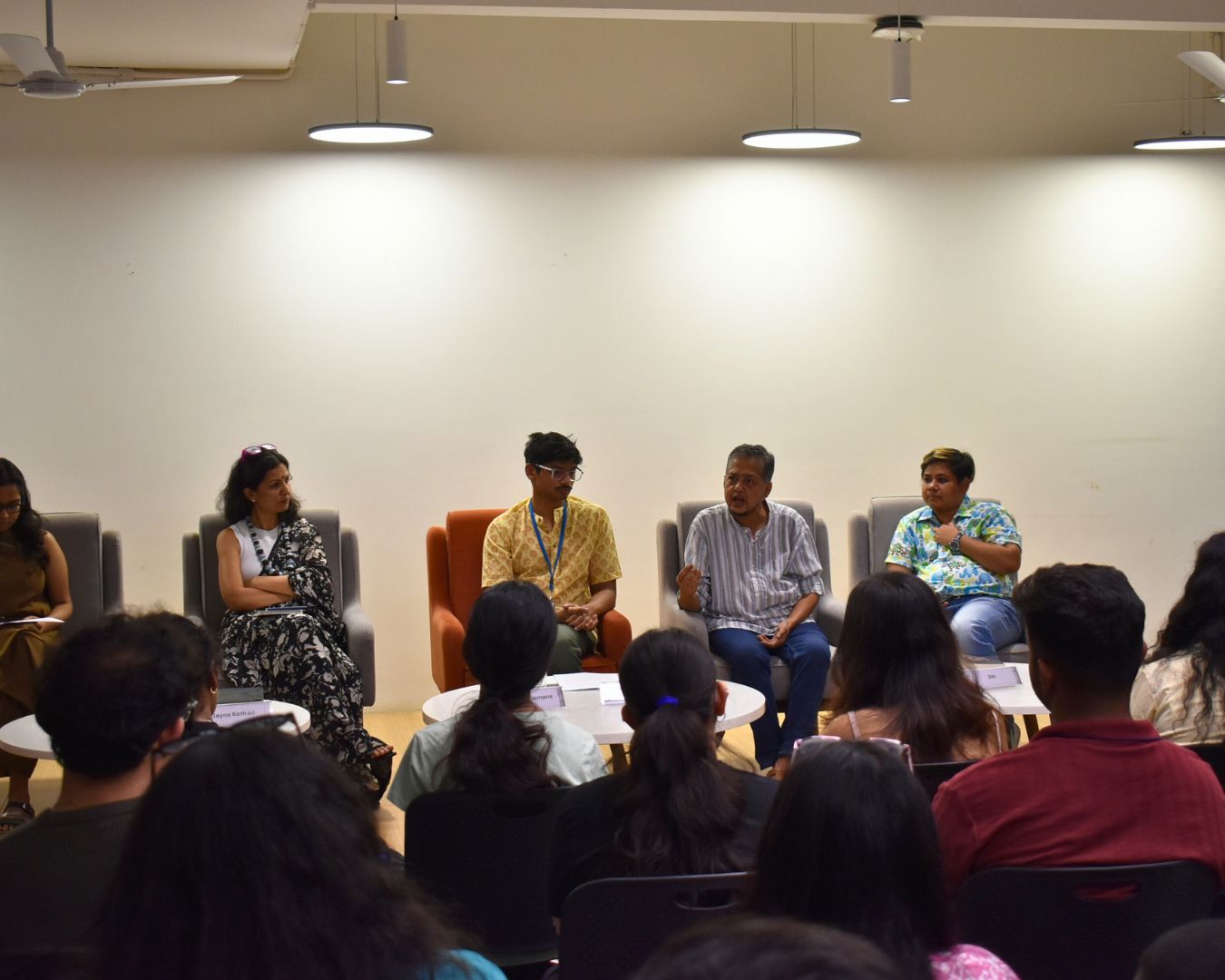
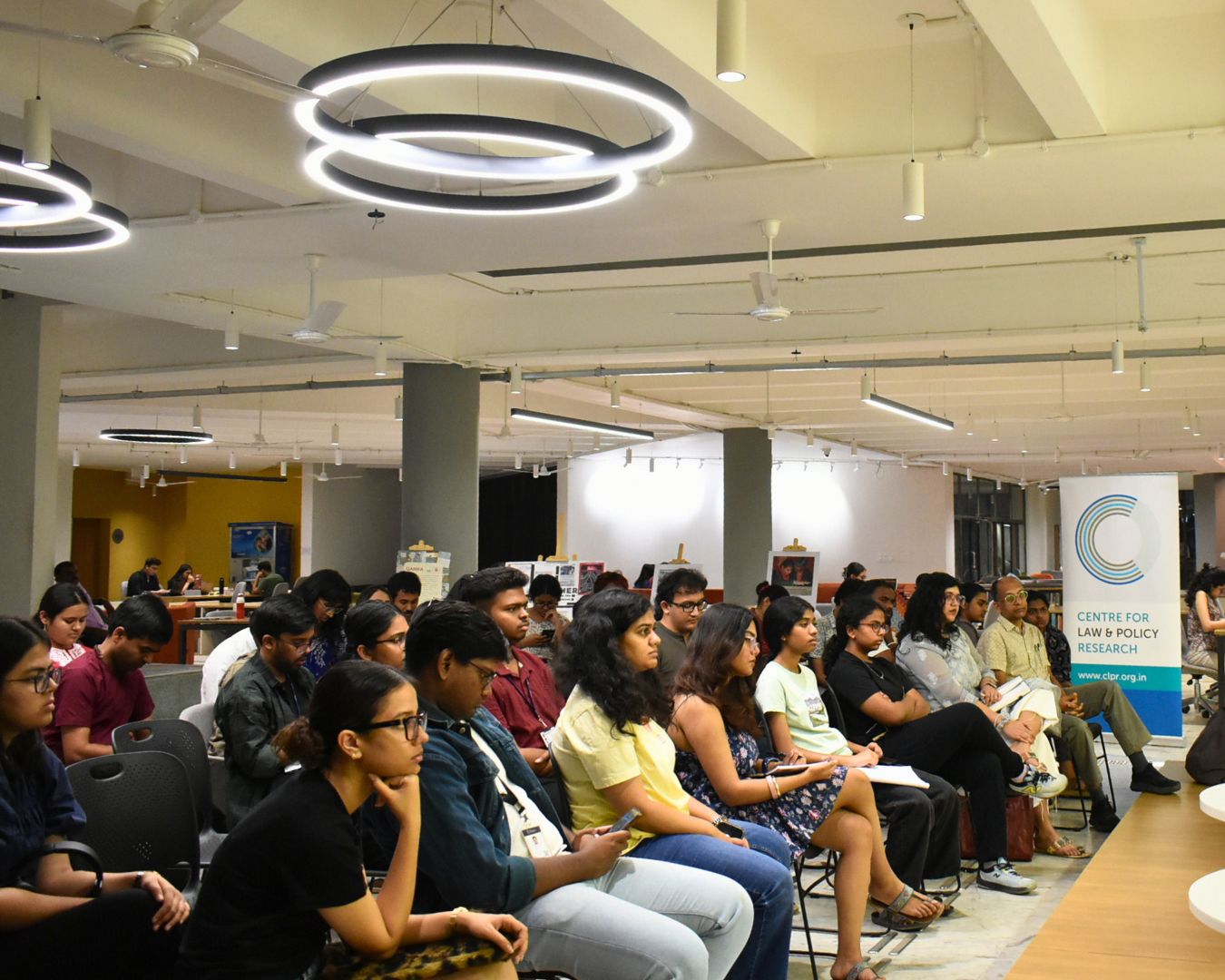
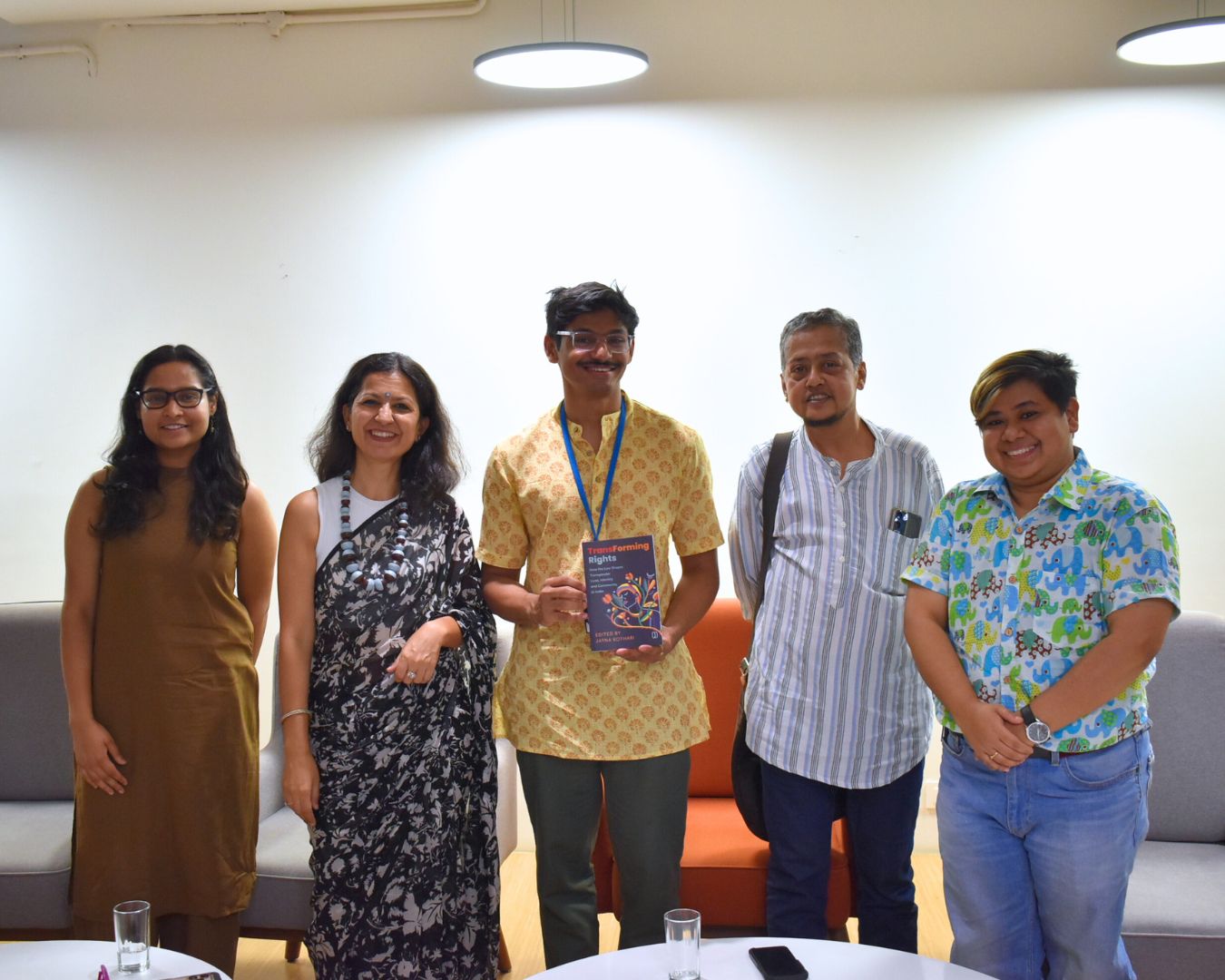
The Queer Archive for Memory, Reflection and Activism (QAMRA), along with the Centre for Law & Policy Research (CLPR), organised a Book Launch for “Transforming Rights: How the Law Shapes Transgender Lives, Identity and Community,” edited by Jayna Kothari. The talk took place on Monday, March 16, 2026, at 5:30 pm in the library on the University campus. The event was open to the public.
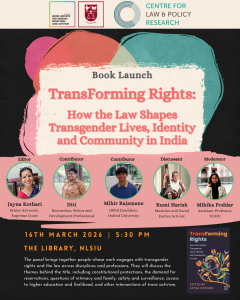 Panellists
- Jayna Kothari, Senior Advocate, Supreme Court (Editor)
- Diti, Writer, Researcher and Development Professional (Contributor)
- Mihir Rajamane, DPhil Candidate, University of Oxford (Contributor)
- Rumi Harish, Musician and Social Justice Activist (Discussant)
- Mihika Poddar, Assistant Professor, NLSIU (Moderator)
The panel particularly discussed the constitutional trajectory of equality in transgender rights cases, the implementation of reservations for transgender persons, the impact of increasing surveillance and safety measures on trans lives and the right to care and intimacy among other issues, informed by the panellists’ experience in activism, representation and research on trans rights.
About the book
India has had a rapid transformation in transgender rights from the recognition of gender self-determination to the decriminalisation of same-sex relations, and courts have set out a framework that guarantees dignity, autonomy and equal protection under the law. Yet the lived reality of the trans community continues to be marked by exclusion, discrimination, violence and the daily fight for even basic rights like access to education, healthcare, employment and shelter. Transforming Rights confronts this contradiction head-on.
This volume brings together scholars, activists, lawyers, policy researchers and community members whose work engages directly with transgender rights and the wider LGBTQIA+ community. The chapters explore constitutional protections, the demand for reservations, questions of intimacy and family, public attitudes, access to higher education and livelihood, structural exclusion and the intersection of trans activism with caste and indigeneity. Drawing on legal, social and community-based perspectives, the collection identifies the progress made, the challenges that persist and the reforms necessary to realise equal protection for transgender persons in India.
Photo Gallery