
NLS Faculty Seminar | The Myth of Judicial Primacy: An Empirical Analysis of Appointments in India’s Constitutional Courts
Ground Floor Conference Hall, Training Centre
Wednesday, March 11, 2026, 3:30 pm
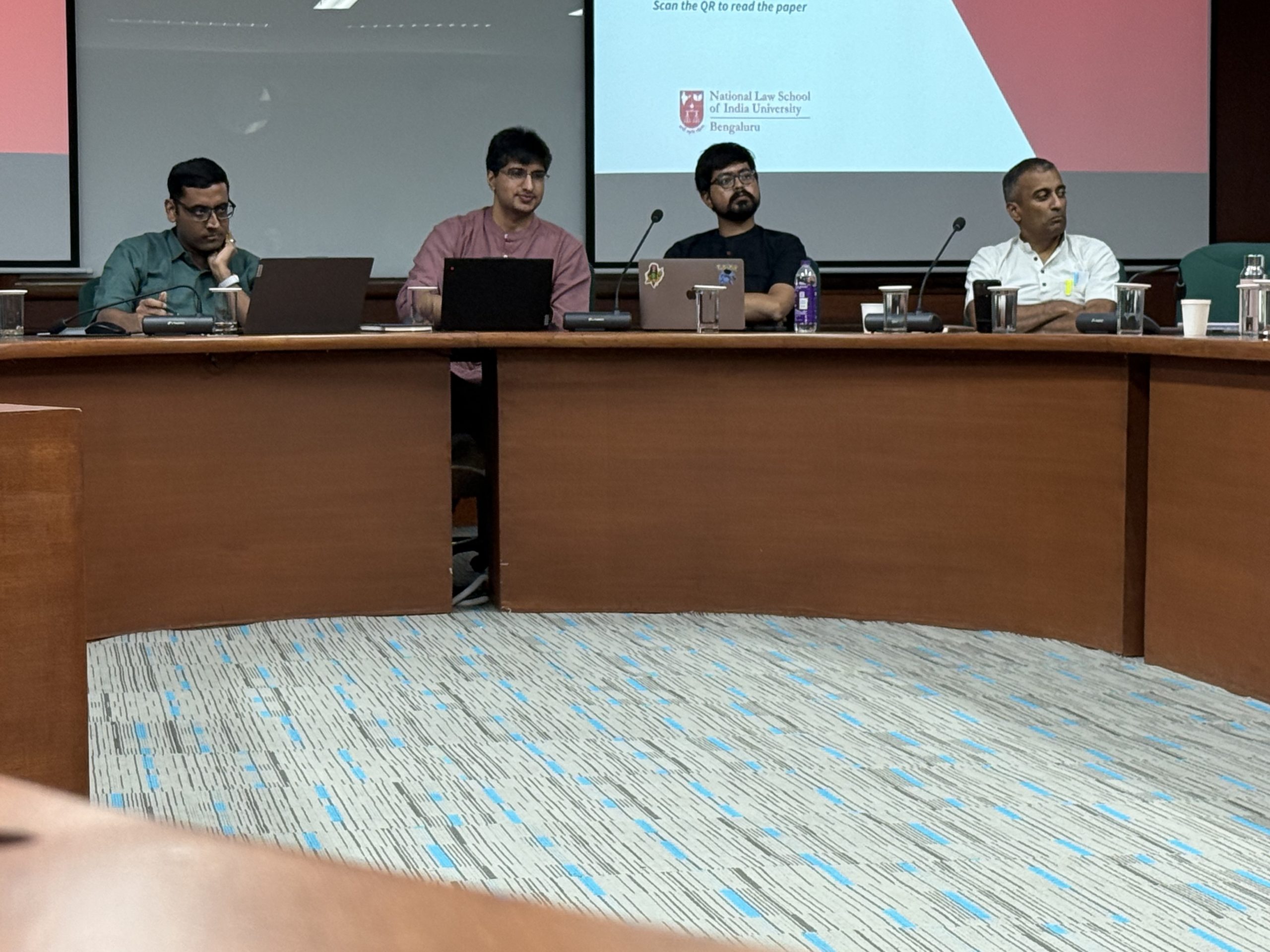
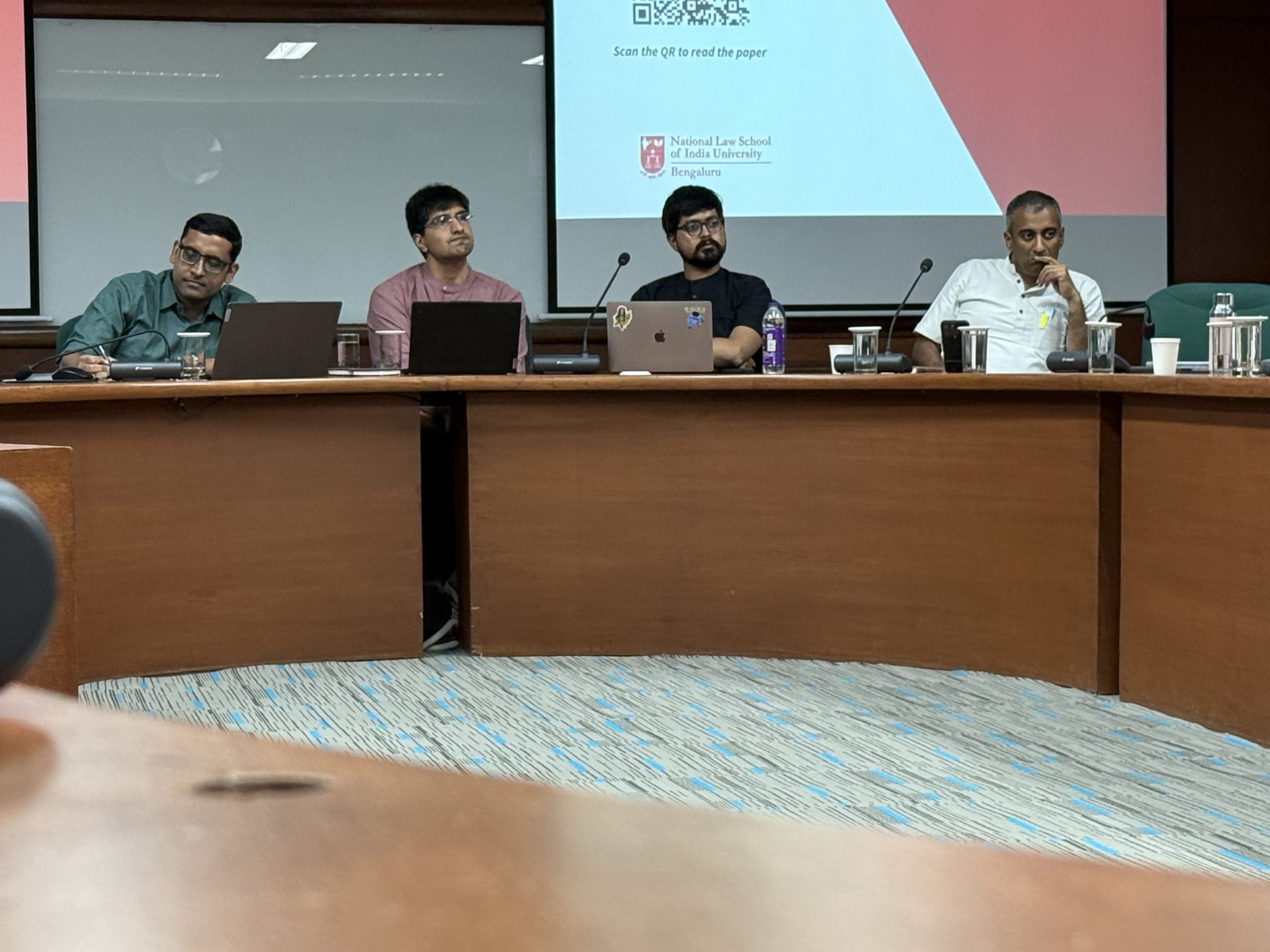
This week’s faculty seminar featured presentations by Pranav Verma, Assistant Professor of Law and Dr. Rahul Hemrajani, Assistant Professor of Law, on their paper titled ‘The Myth of Judicial Primacy: An Empirical Analysis of Appointments in India’s Constitutional Courts.’
 Abstract
The Supreme Court of India’s ‘collegium’ system was institutionalised to insulate judicial appointments from executive influence. The principal justification of the system is that it secures judicial “primacy” in appointments and thereby preserves judicial independence. This is acutely reflected in what the court’s successive judgments have laid down – an unanimously reiterated collegium recommendation binds the executive to make the appointment. They test that doctrinal claim against institutional reality. Drawing on an original empirical dataset of 2,117 collegium recommendations and 2,390 executive notifications, apart from contextual media coverage, between October 2017 and December 2025, the faculty members examine whether judicial primacy prevails in practice.
They argue that the true measure of “primacy” must be found in moments of executive disagreements with the collegium, and by that measure, the executive is able to effectively assert its influence in the appointments process. They develop a typology of ‘executive primacy’, where the executive effectively influences the appointments process through four recurring mechanisms: de facto pocket vetoes; strategic delays in notifying appointments; batch segregation; and anticipatory accommodation of executive preferences within the collegium recommendations. These findings underscore the need to ground debates on judicial appointments in empirical realities rather than doctrine alone.
Photo Gallery