
Reflections from the ‘PPEL in the Global South’ Conference | Dec 11-14, 2025
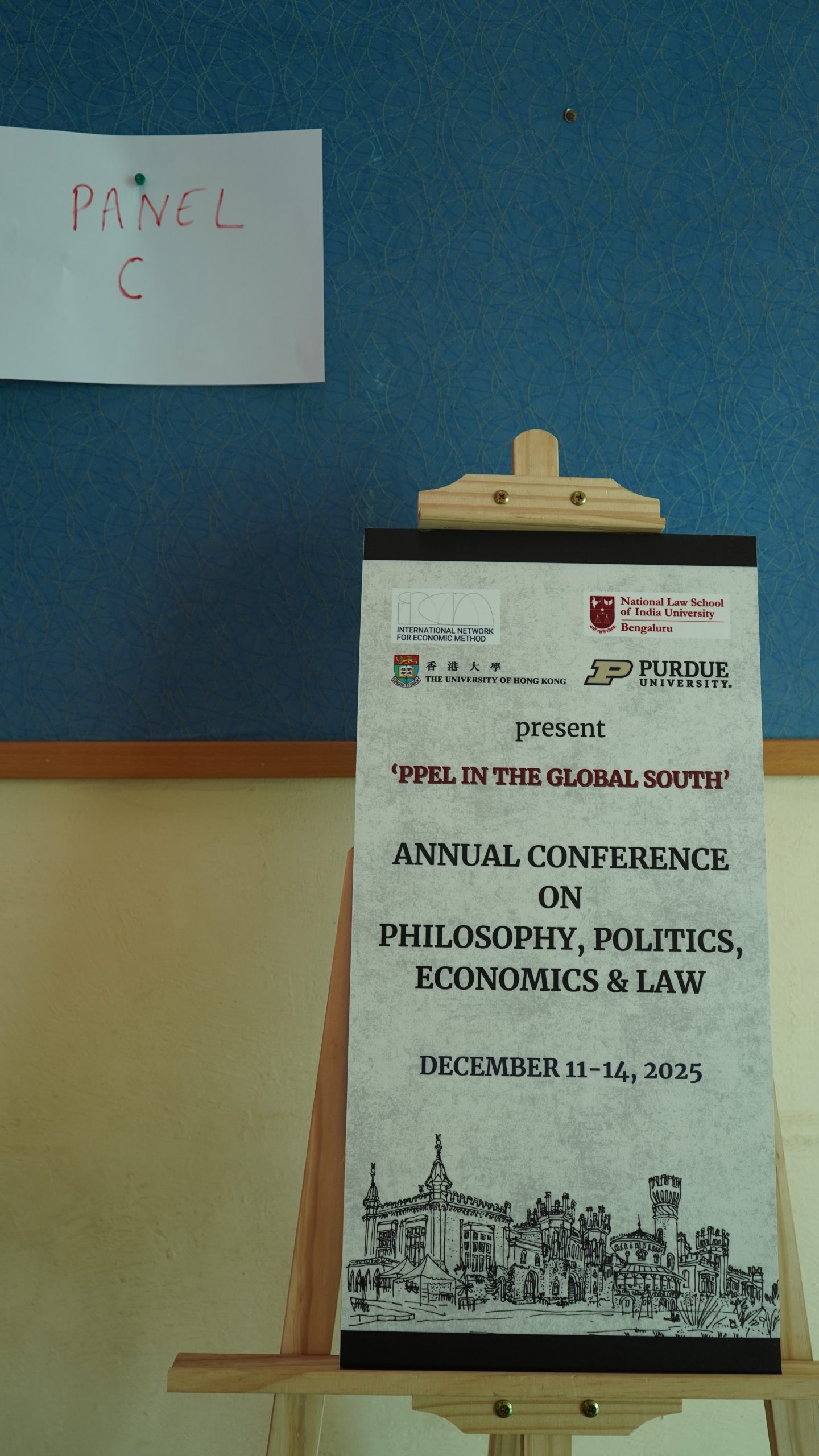
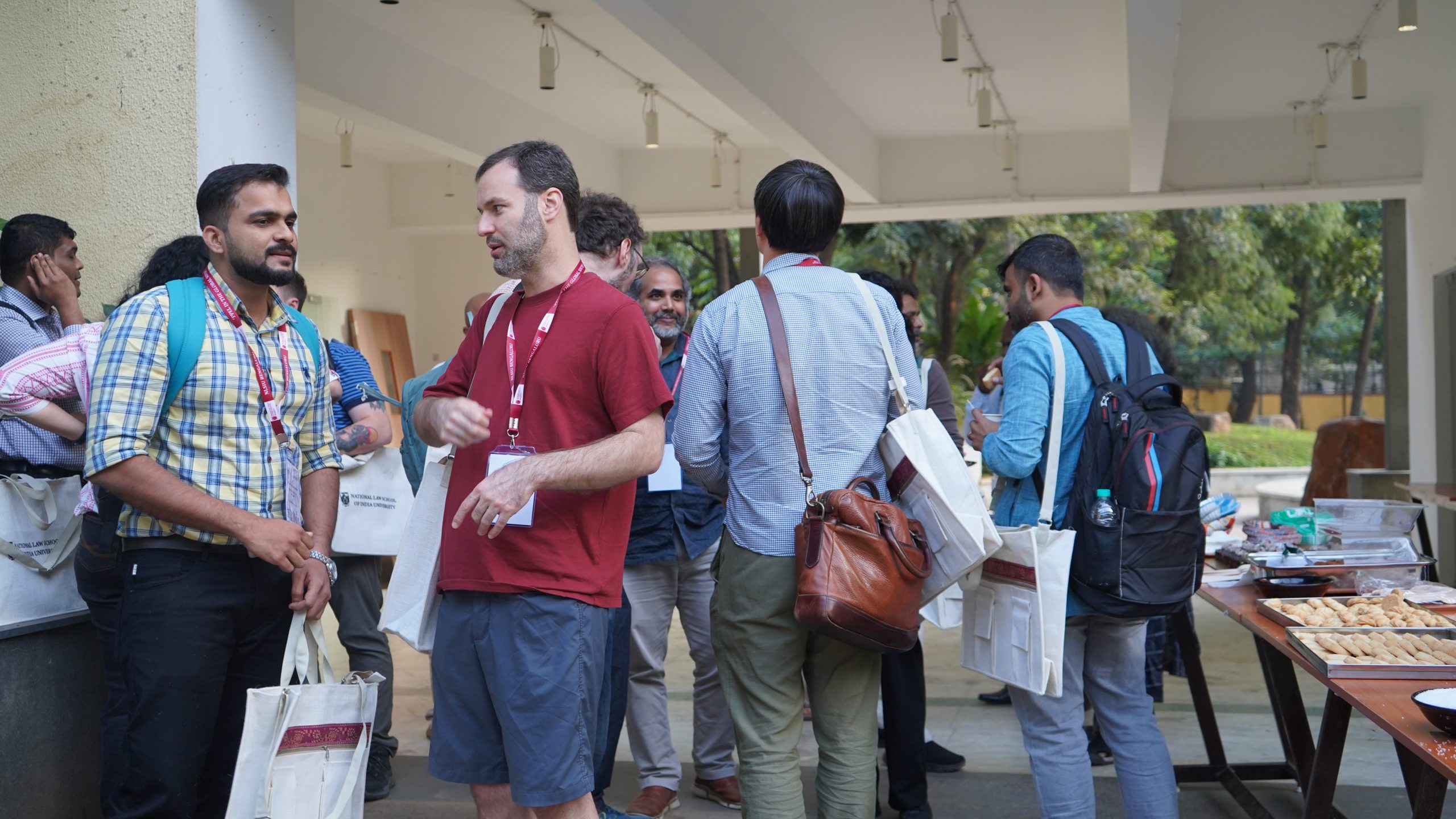
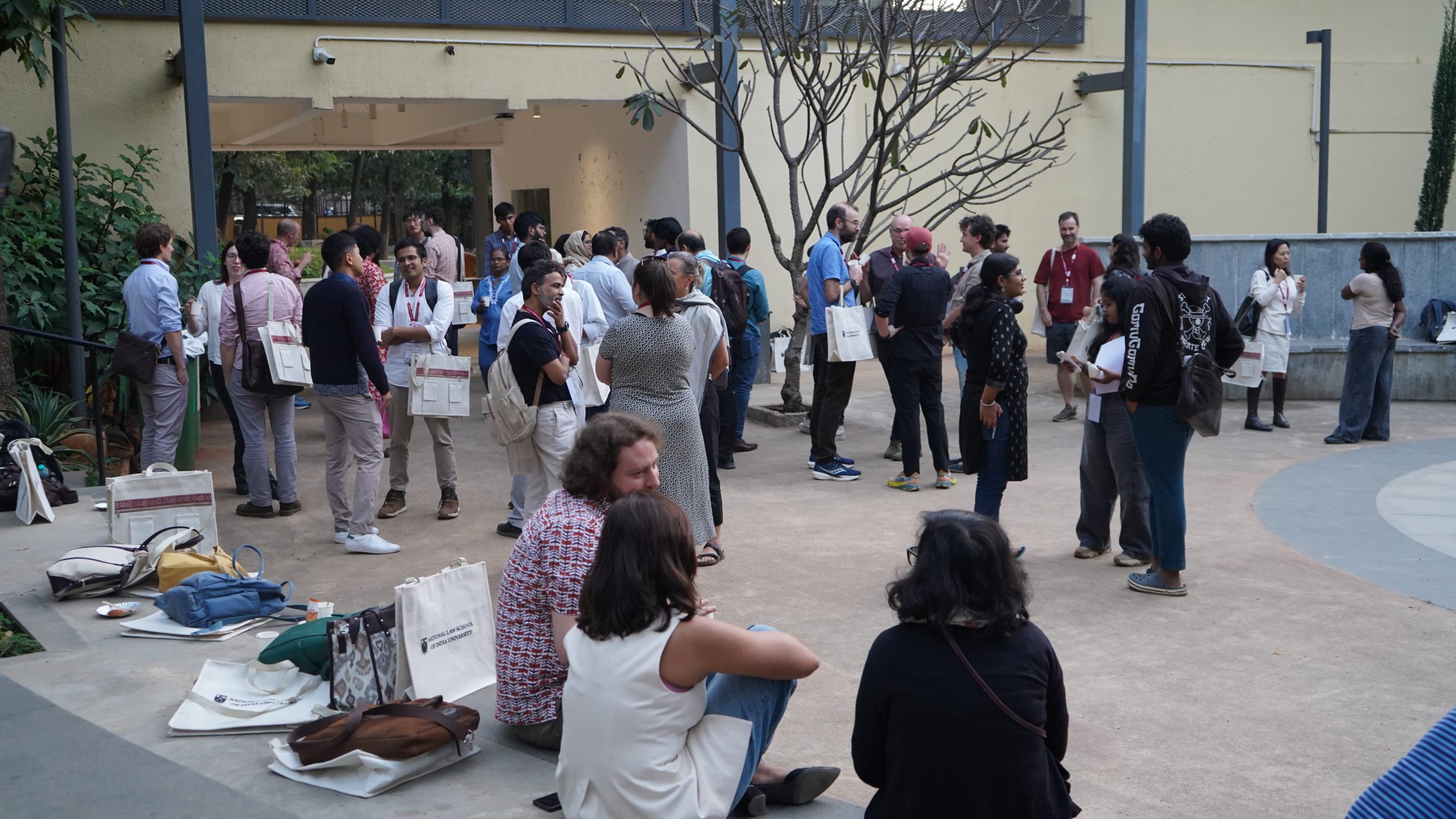
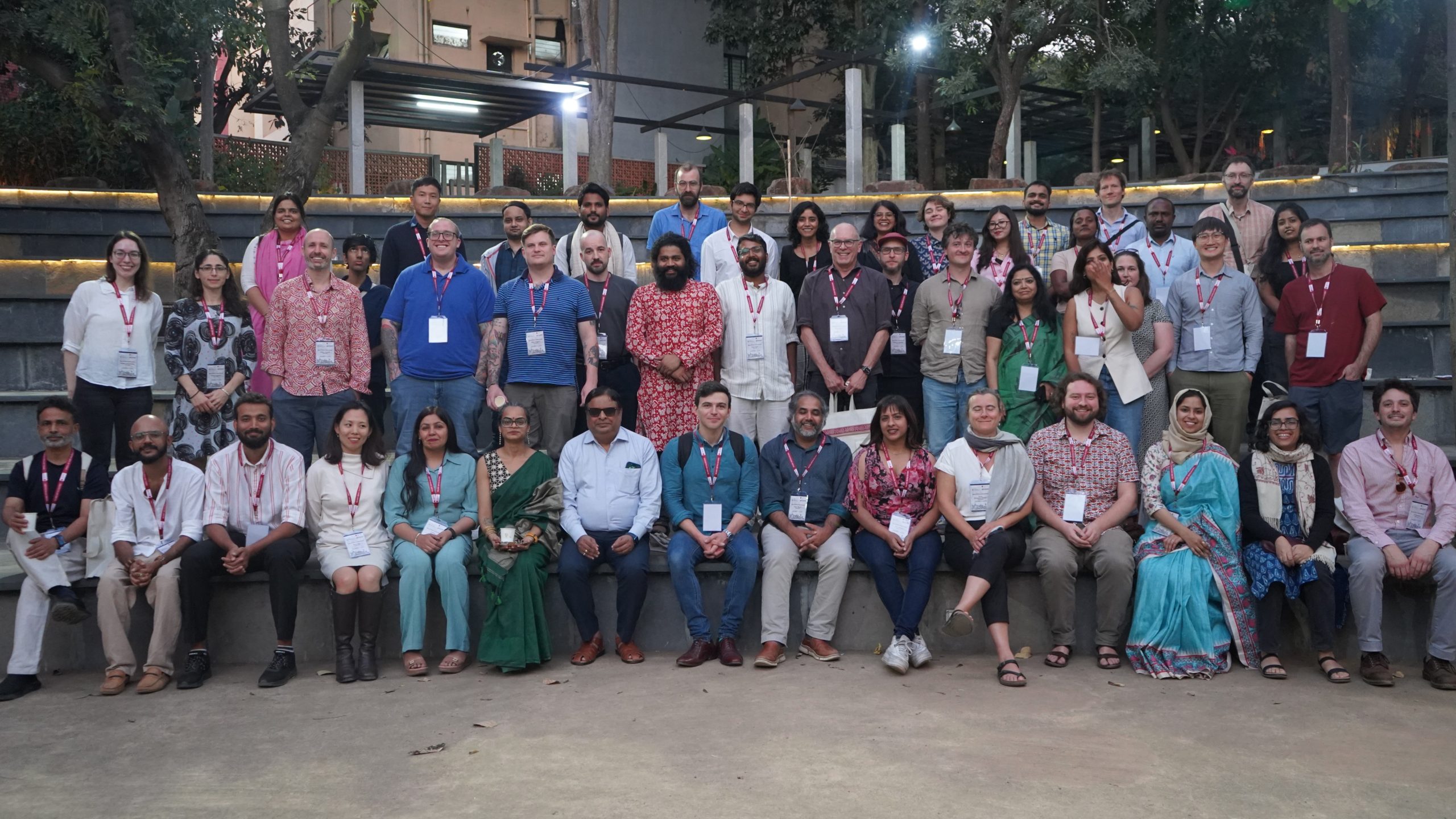
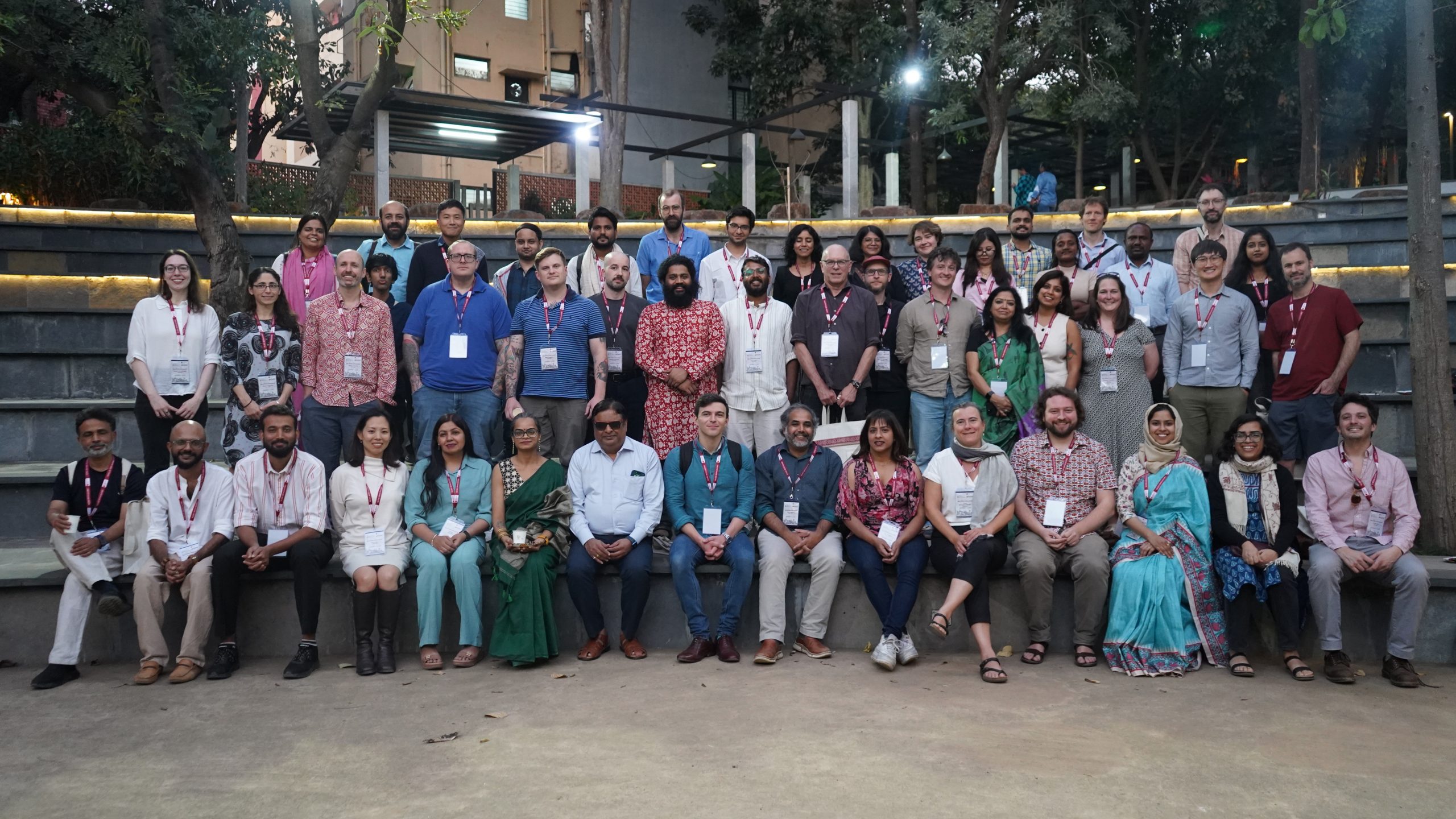
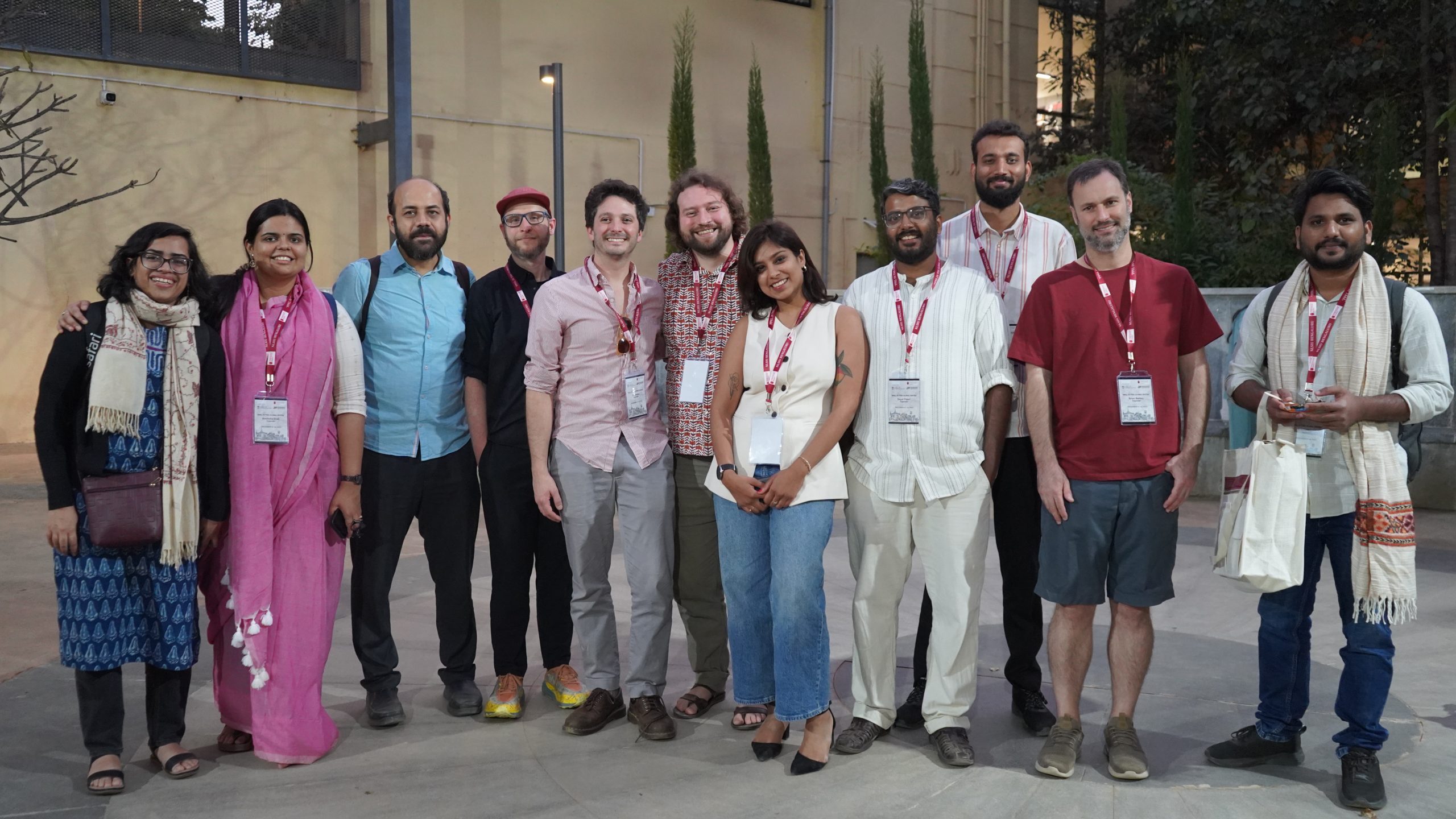
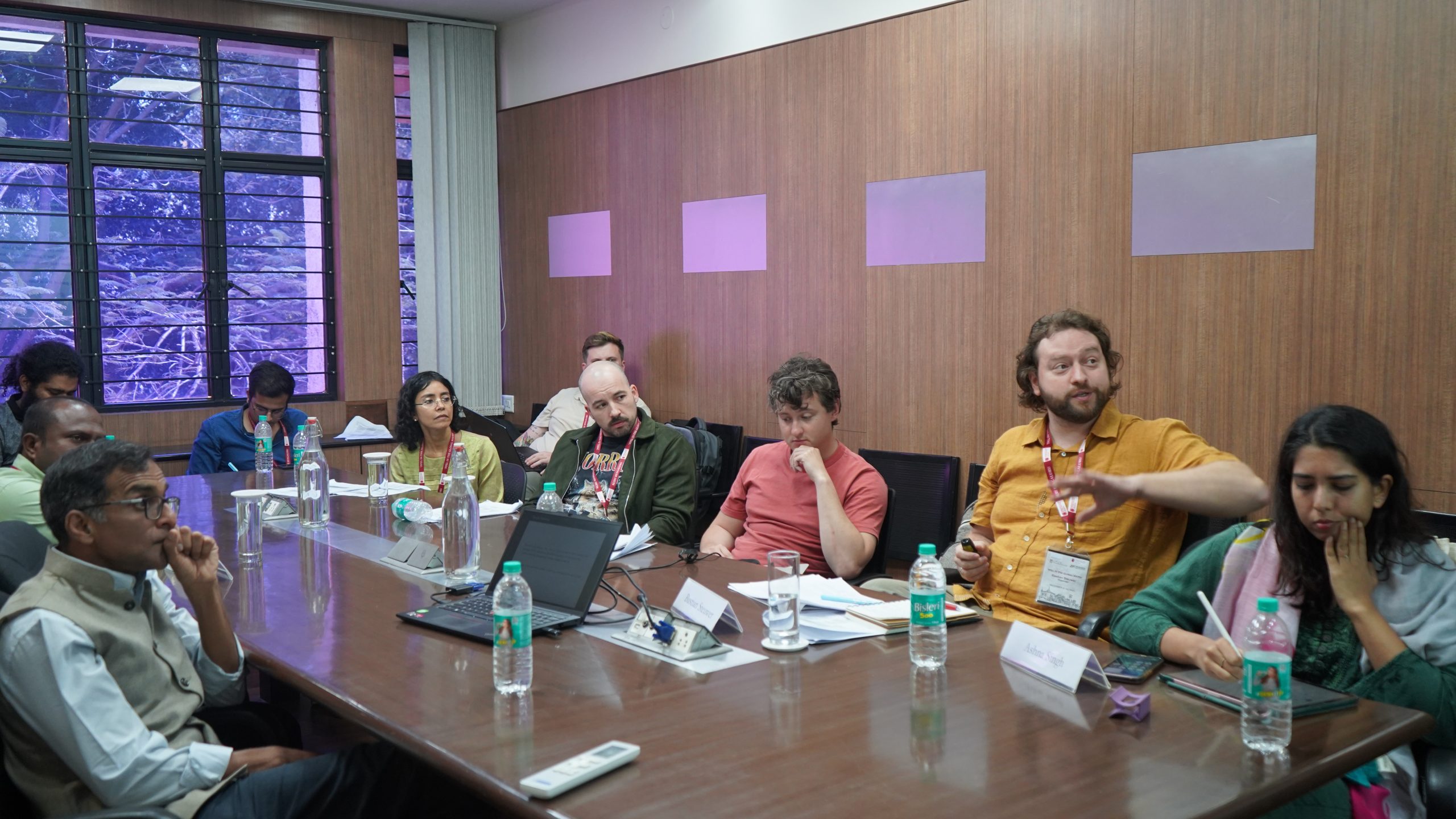
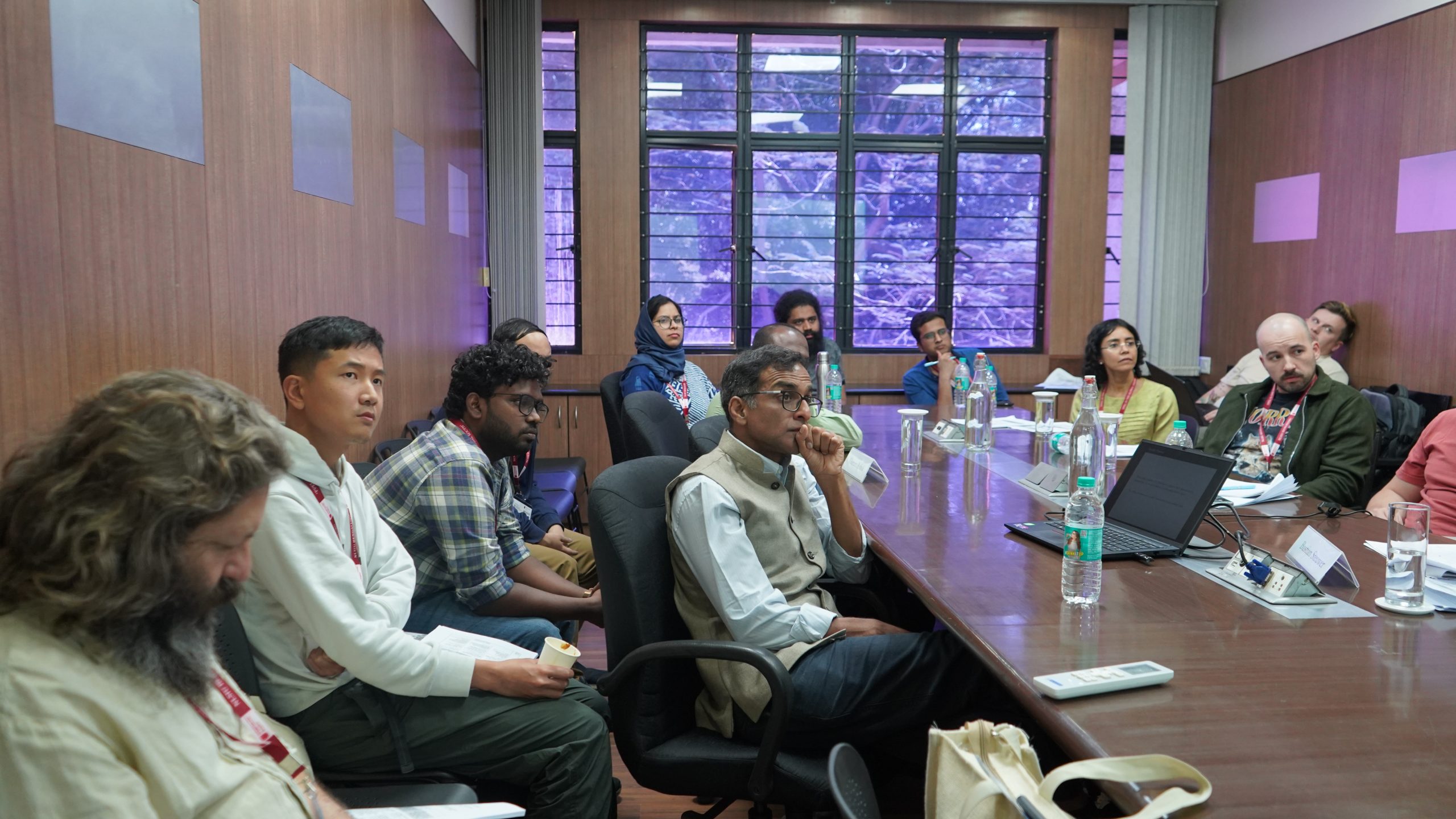
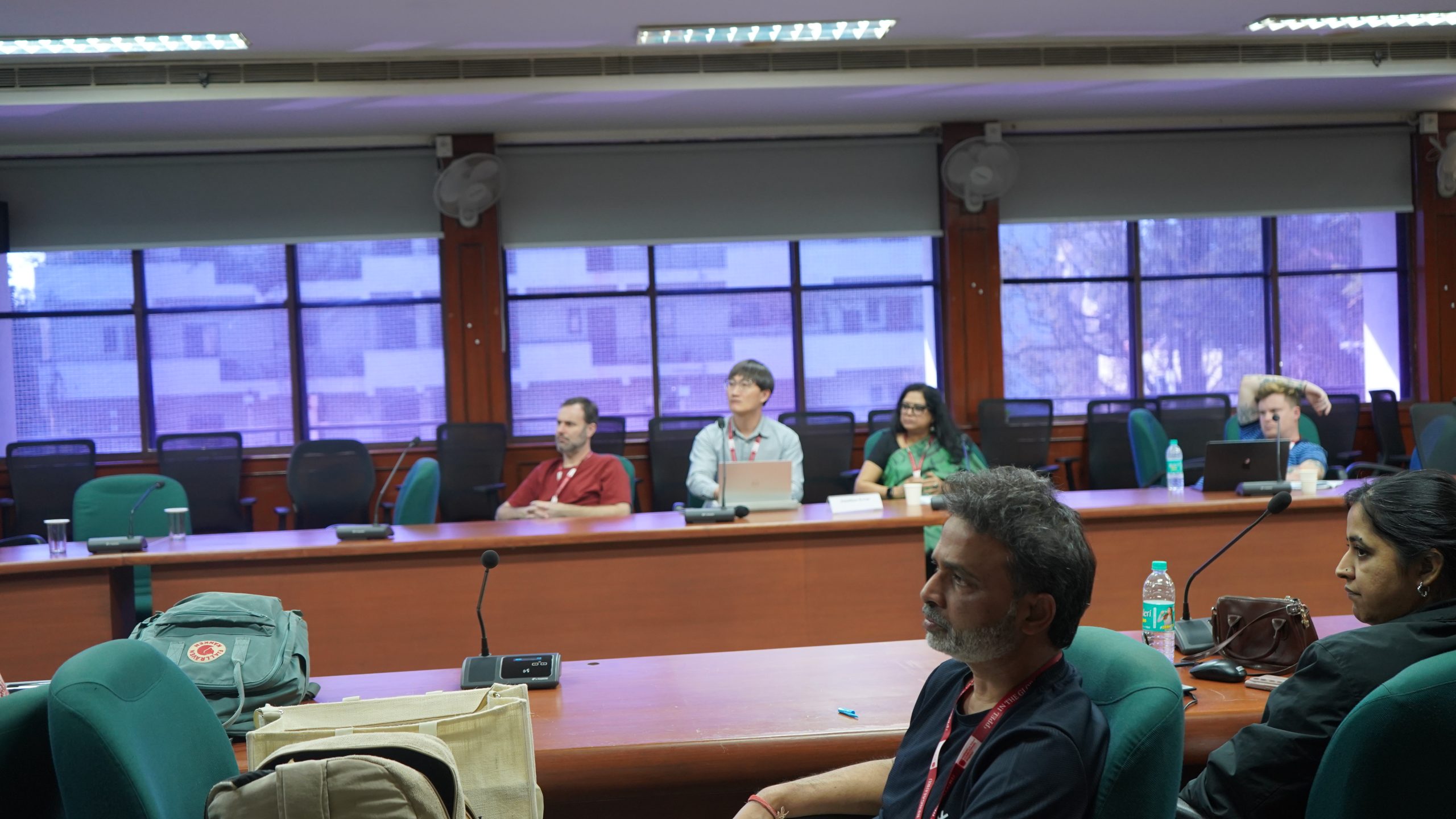
 The annual conference ‘PPEL in the Global South,’ focussed on Philosophy, Politics, Economics, and Law, was held from December 11-14, 2025, at the NLSIU campus. The primary objective of the conference was to provide a visible platform for scholars from India and other regions of the Global South to engage in sustained dialogue with peers from across the world. It also aimed to contribute to building a coherent intellectual community in India across philosophy, law, political theory, economics, and related disciplines.
About the Conference
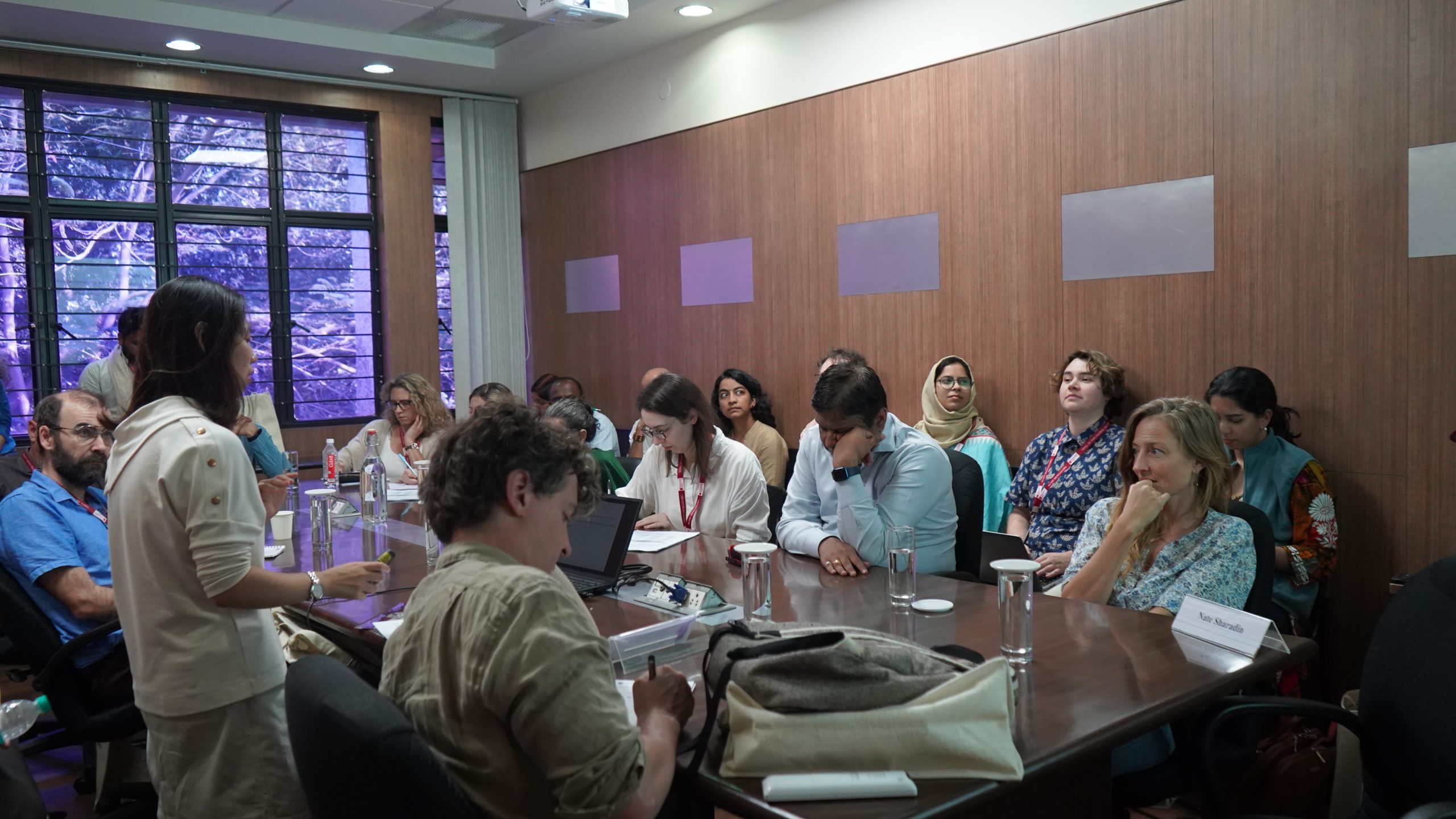
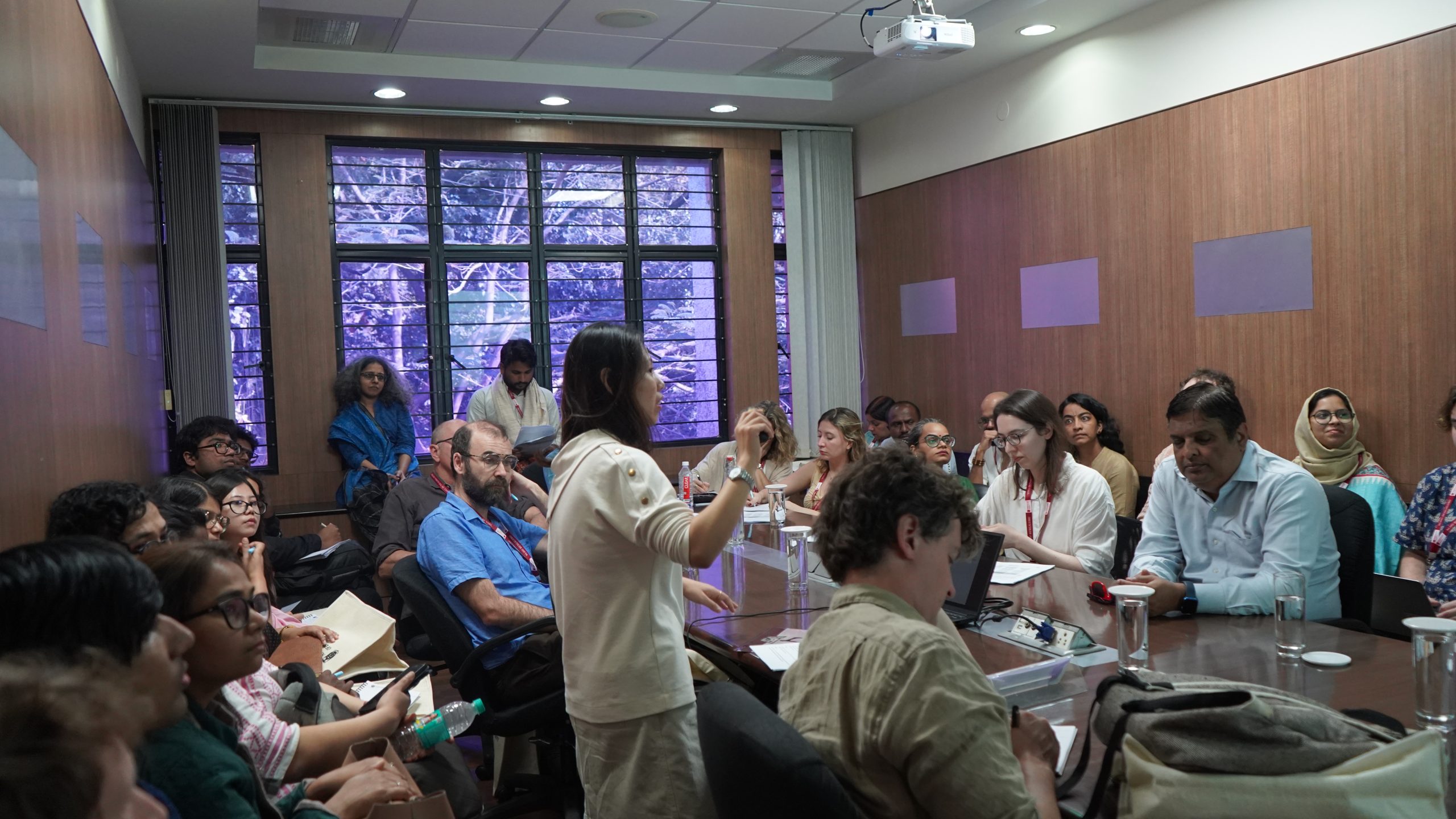
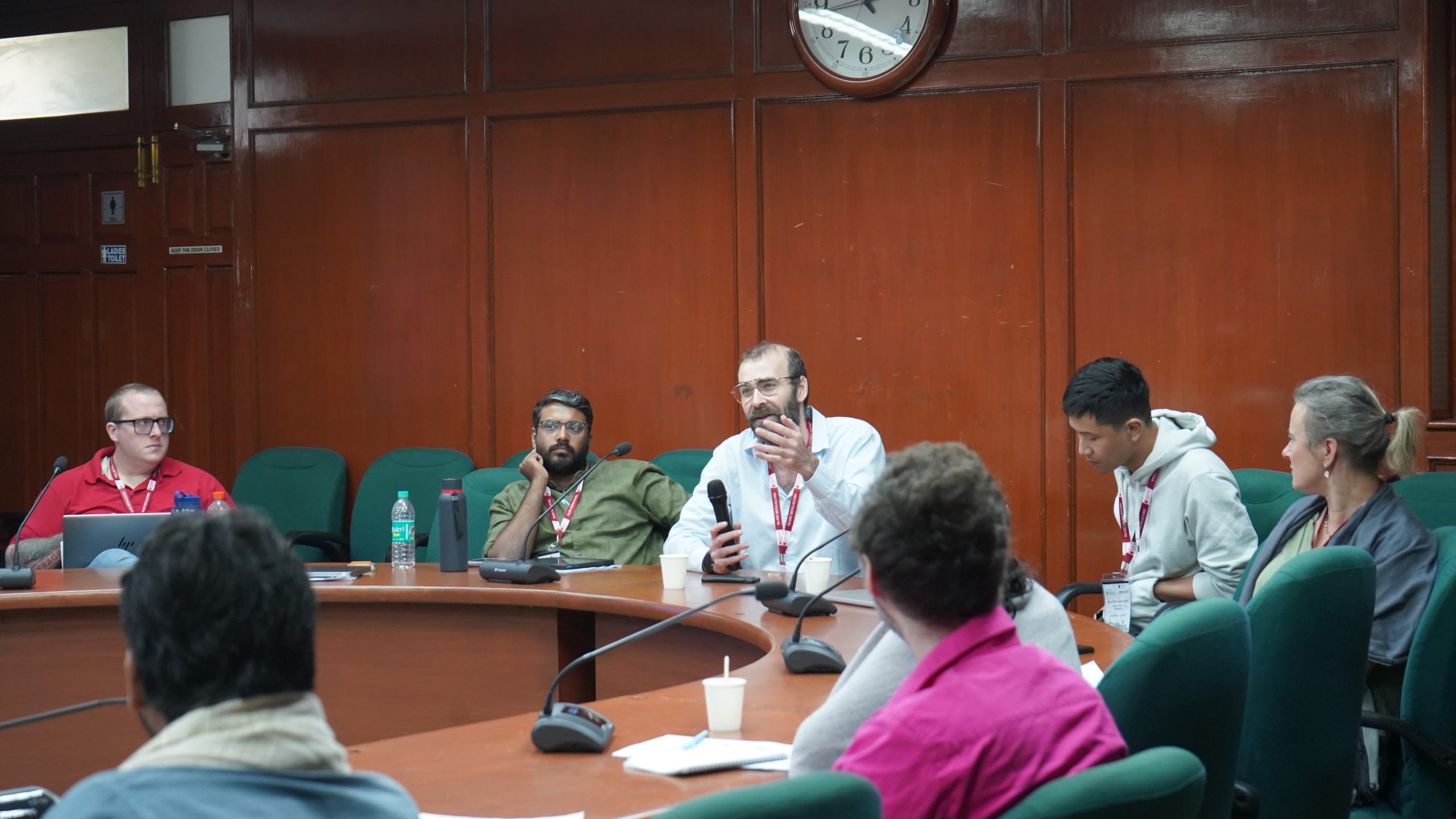
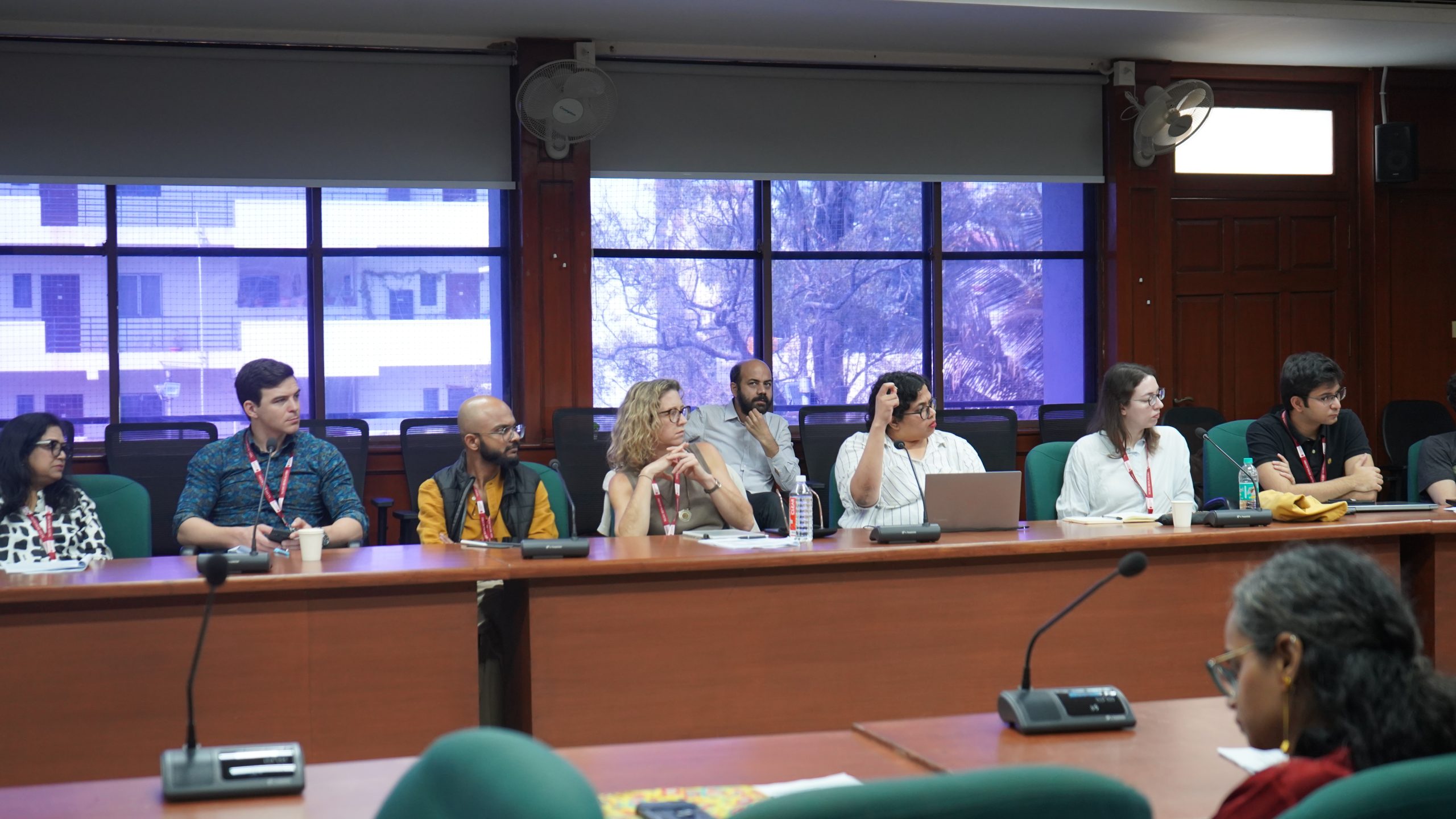
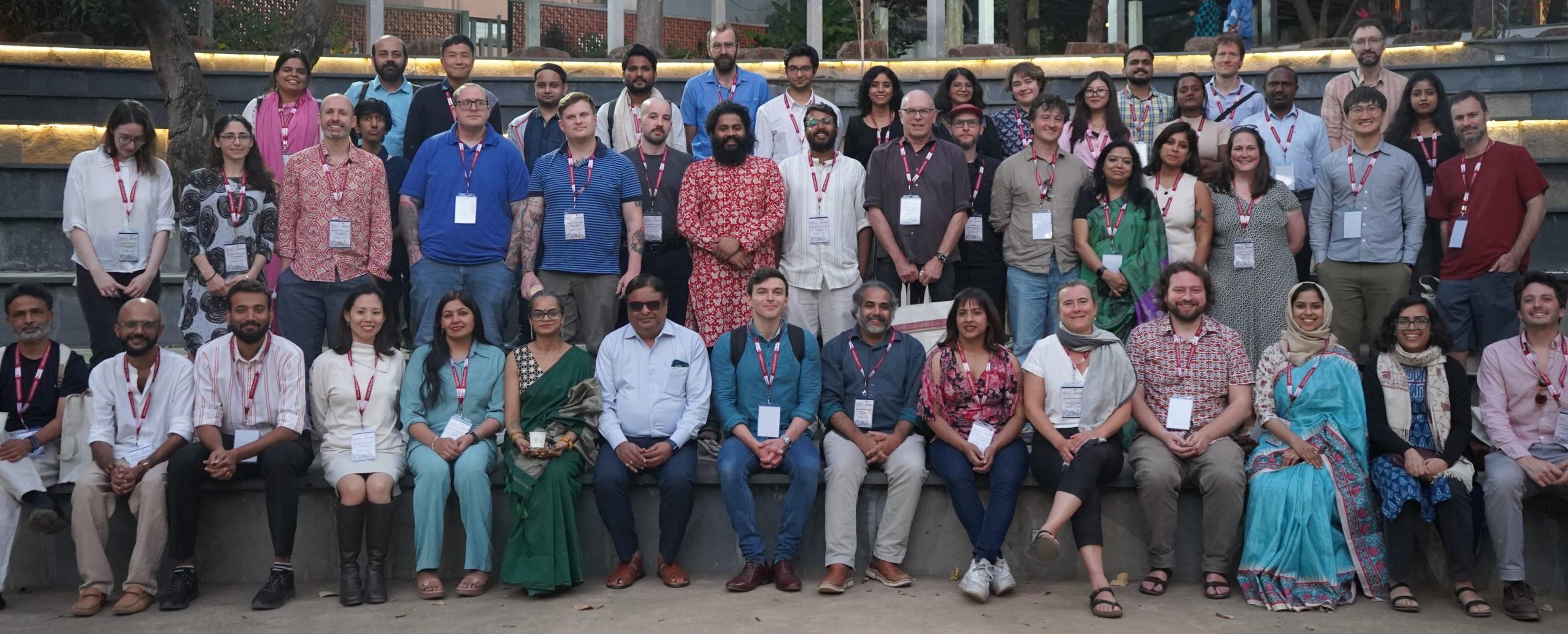
The conference brought together 65 participants from universities across India, South Asia, Southeast Asia, North America, Europe, the UK, and Australia. A total of 59 papers were presented across 22 thematically organised panels. Panel themes included, among others, AI and Ethics, Free Speech, Structural Wrongs and Power, New Directions in Law, Constitutional Law in the Global South, Economic Competition and Exploitation, and Rethinking Political Theory in India.
Reflecting the objectives of the conference, participants represented diverse career stages as well as institutional and disciplinary backgrounds. The conference included 15 PhD scholars and participants from 23 Indian universities and 28 universities abroad, spanning the Global North and South. In addition, two special sessions were organised for NLSIU students on Navigating Academic Careers and Writing and Publishing in philosophy, the social sciences, and law. Several NLSIU faculty members participated as presenters and moderators, alongside students, particularly from the NLS BA (Hons.) and BA LL.B. (Hons.) programmes, who were actively involved as student organisers.
The final day of the conference featured an open roundtable discussion on the outcomes and future directions of the PPEL network. Participants agreed to establish a formal mailing list to sustain the network, organise a series of smaller workshops in both online and offline formats, and initiate a mentorship programme involving early-career and senior scholars. The possibility of special journal issues based on thematic groupings of conference papers was also discussed.
Overall, the philosophical anchoring of the conference enabled dialogue among participants from diverse disciplinary backgrounds and affirmed the importance of collaborative and interdisciplinary research across philosophy, politics, economics, and law.
Here is the full schedule.
Reflections from the Organisers
Kritika Maheshwari
Assistant Professor, TU Delft
The idea of the PPEL in the Global South Conference stemmed from a form of frustration that I felt while having an academic career in Europe for more than 10 years now, where I felt there was a missing space for people to talk about real philosophical and political issues about the Global South with Global South scholars. And I transferred my frustration to many of my other colleagues, including Bastian, and pitched this idea of hosting a conference of this nature somewhere in India.
I would like to thank our main collaborators at NLS, Dr. Dayal Paleri and Sidharth Chauhan, who have been our biggest support in helping us not just plan the entire conference, but also help us so smoothly execute over the last couple of months together.
And besides that, we also managed to find a lot of support outside of India with institutions like International Network for Economic Method (INEM), the University of Hong Kong and Purdue University. They supported us financially, ensuring that we were able to help scholars and students from across India to come here and participate.
Bastian Steuwer
Assistant Professor of Political Science, Ashoka University
I’ve found that often when I talk to people in Europe, people are interested in talking about issues of the Global South and they’re interested to learn more. There is goodwill but there aren’t many opportunities for people to engage and to learn and to understand more about issues as they would arise from the Global South. And so, we were hoping to get some of the people that have the goodwill and that are interested in trying to change the status quo a little bit and facilitate a step forward in those conversations for those people who are interested and willing.
One of the things we quickly agreed upon was that we wanted to make it about a 50-50 split between people from outside of India and people from within India, and that worked out quite well. We also tried to find a good mix between more established and junior academics. The idea was to have early career academics along with those with more established careers and reputations, so that they could connect and learn from each other.
We decided to focus on PPEL to look at disciplines that engage in some form of normative reasoning. We had a lot of moral and political philosophy talks. We also had political theory talks, talks about Indian political theory, and what it means to do Indian political theory in the first place. We had talks by normative economists. We also obviously, at a law university, had talks by legal scholars.
Reflections from Participants
David Estlund
Lombardo Family Professor of Philosophy, Brown University
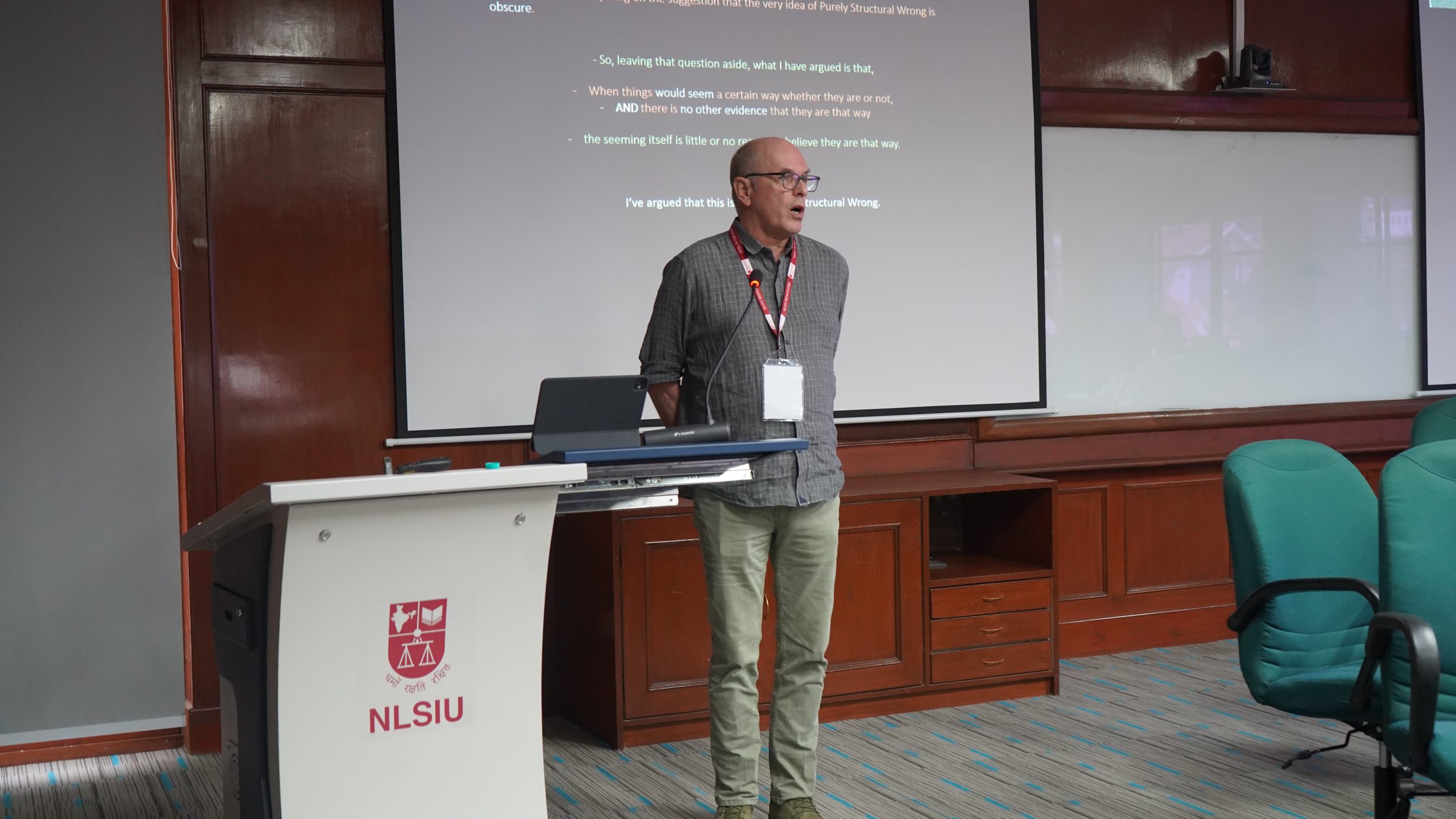
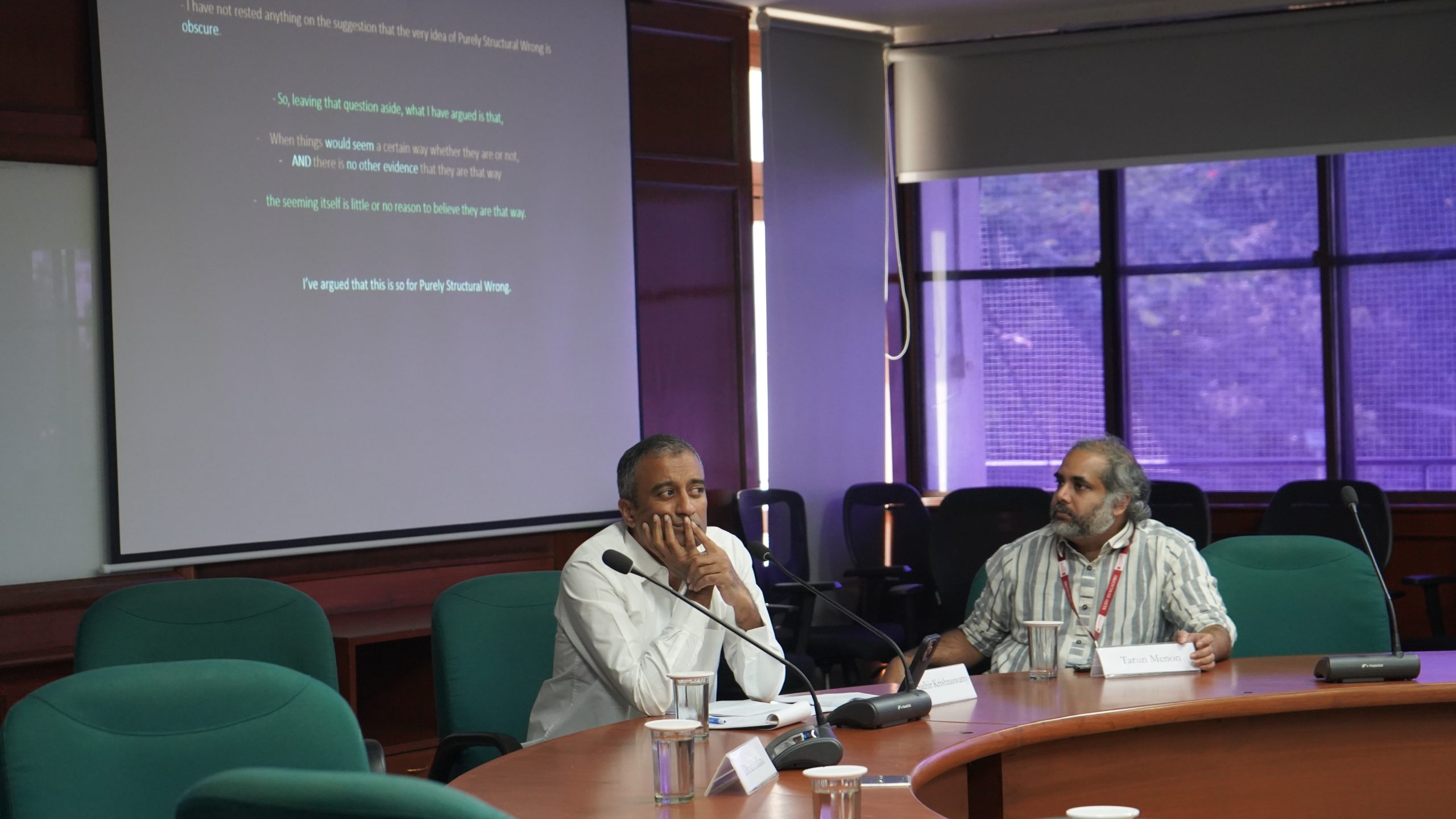
I was delighted to attend the PPEL conference. I gave a talk which led to a fantastic discussion which was very useful to me. The title of my talk was ‘Is Purely Structural Wrong an Illusion?’ The basic problem that I talked about was this somewhat mysterious idea that’s very influential. That social structure itself can be wrong, irrespective of any individual wrongdoing. On one hand, that’s a little bit of an obscure idea, but on the other hand, there’s something funny about the cases that we’re invited to think are ‘wrong’ in this way. Even though the ‘wrong’ is not supposed to be by agents, the cases that look a lot like cases would look if they were by agents. And so, I argued that’s why they seem ‘wrong.’ And it was a very useful discussion, and the whole conference has been extremely useful with fascinating discussions. And I’ve always wanted to get to India, and this is the perfect way to do it, so I’m glad to have been here.
Heng Ying
PhD Fellow, University of Hong Kong
It was a great honour to be here and present at the first PPEL Global South Conference. My talk was on ‘Moral Progress as a Discourse.’ I challenge how philosophers prescribe how we should make progress from this perspective of thinking. I think the kind of style philosophers promote in their works has some problems that we should be aware of. So that’s a part of my ongoing research. I think what matters more is how we preserve our ethical freedom, the freedom to think about alternative forms of society and be able to pursue that. I really enjoyed the conversation at the session. People raised great questions, some which really helped me think about the image I had in my head about improving society. The people here were really nice and supportive. I really enjoyed being here and thank you so much.
Jaya Ray
Associate Professor of Philosophy, Lakshmibai College, University of Delhi
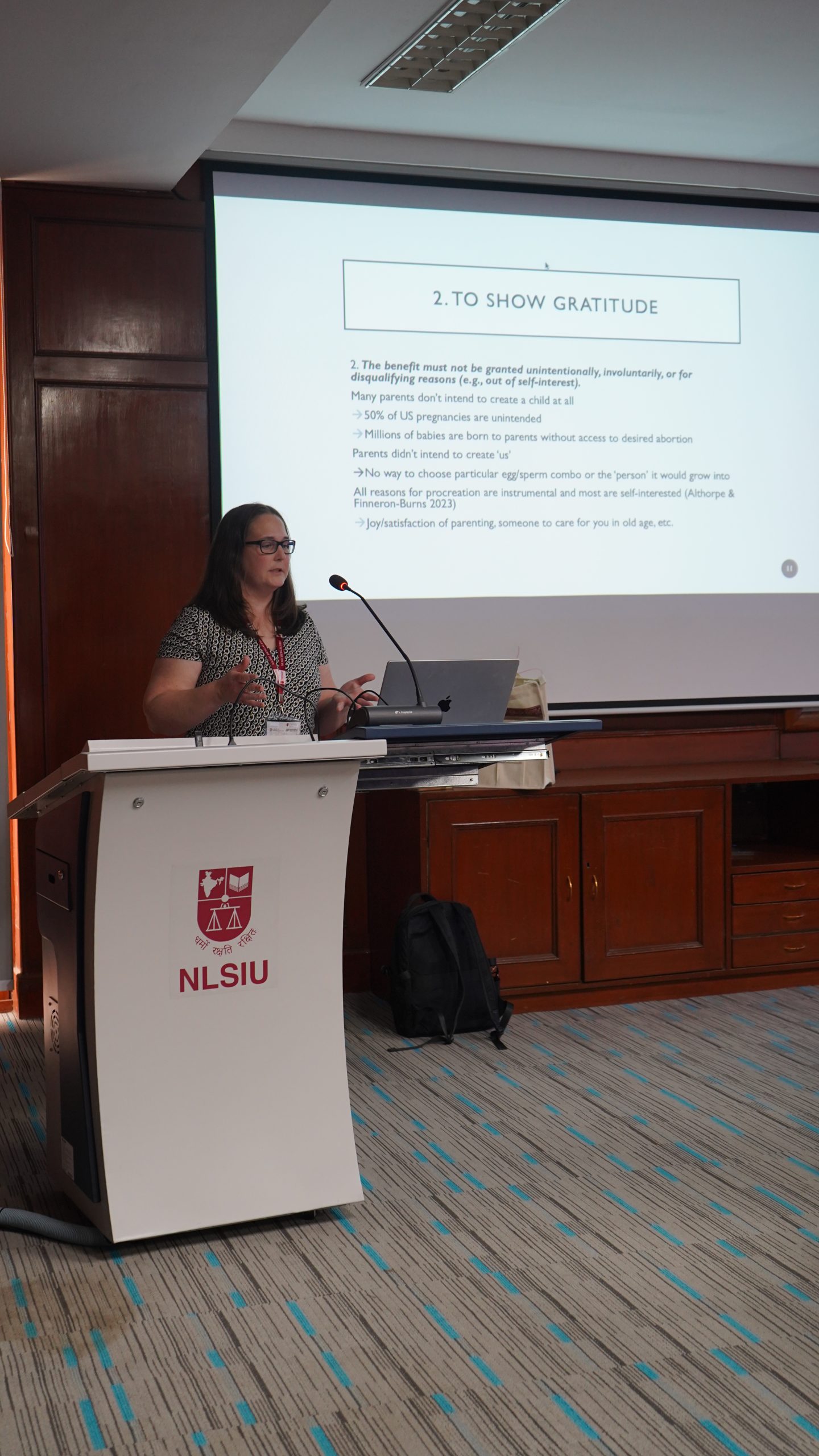
I discussed my paper ‘Too Many People: Ethics of Procreation and Population Control.’ In my paper, I try to see the problem of overpopulation and over consumption as an ethical issue in population ethics. I base my argument on the ethics of procreation, and I try to give a philosophical foundation for the debate between procreative autonomy and intergenerational justice. I explore how they interplay with each other with a lot of philosophical arguments as both are very strong, intuitive fundamental values. I ask: is there any solution we can reach?
Nicole Hassoun
Professor, Indiana University
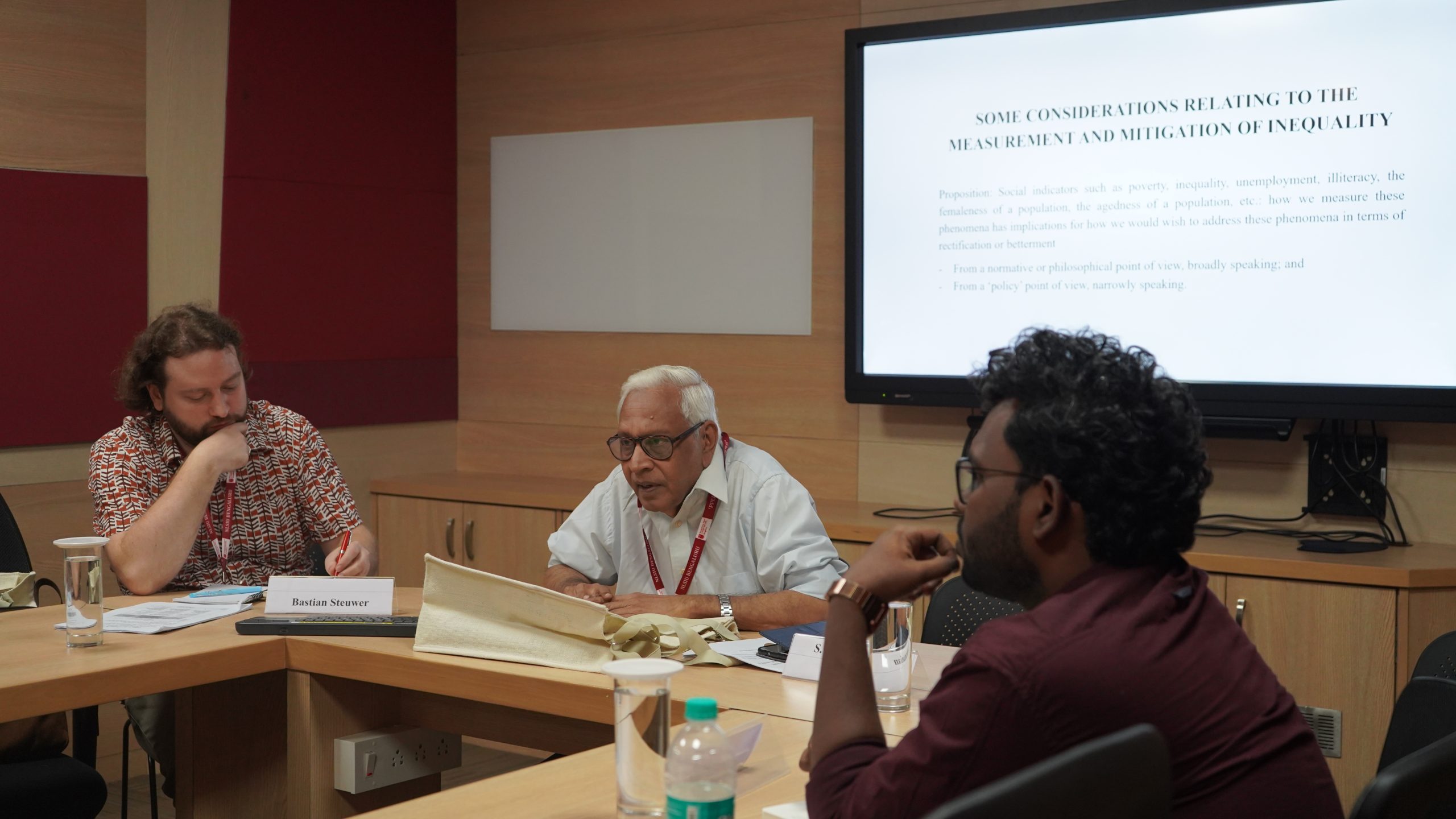
I was excited to be at the PPEL Conference in Bengaluru. I presented on inequality measurement in a talk titled ‘Measuring and Mitigating Inequality: A New Sufficiency and Equity Based Approach.’ I have a new measure that looks at how much people have over an income distribution and how inequalities matter more when people are less well-off below some threshold. And so, I’m hoping it’ll be useful to other academics, researchers. I had a great time at the conference meeting all kinds of interesting people doing really good work. So, thanks for having me!
Tarun Menon
Faculty, Azim Premji University
I presented my work related to power, trying to understand how power structures work and how one can use empirical data to infer whether or not there’s a power structure in some part of society. I was very happy with the response to the talk, the questions and the way people talked about it. It’s really great to have people from a variety of disciplines, to get feedback on your work from them. I really think the way the conference has been shaping up has been extremely encouraging. It’s been extremely successful so far. All of the talks have been really insightful and I’m grateful to the University and to the organisers for putting together such a smooth and intellectually stimulating conference.
Hin Sing Yuen
PhD Candidate, TU Delft
I was very happy to be here at the PPEL Conference in Bengaluru. My presentation was titled ‘Becoming Humanity: Reconceiving Humanity and Existential Risk through a Buddhist Lens.’ In this talk, I explored the concept of humanity in the context of extinction ethics and population ethics. I really enjoyed my time here in Bengaluru. The arrangements were amazing. Everything ran very smoothly. The lunch here was amazing and yeah, I’m enjoying some tea and snacks here. Thank you so much for organising this.
Gallery