
Two-Day State-Level Training Workshop on ‘Social Justice Leadership’ | By CSSI, NLSIU & Karnataka Bhovi Development Corporation Social Welfare Department, Karnataka
February 2, 2026
 The Bhovi community in Karnataka continues to experience historical social exclusion, educational backwardness, economic vulnerability, and limited access to legal and constitutional awareness. Despite constitutional safeguards and multiple welfare legislations, the benefits of social justice laws and government schemes often fail to reach the community due to lack of awareness, legal literacy, and leadership capacity at the grassroots level.
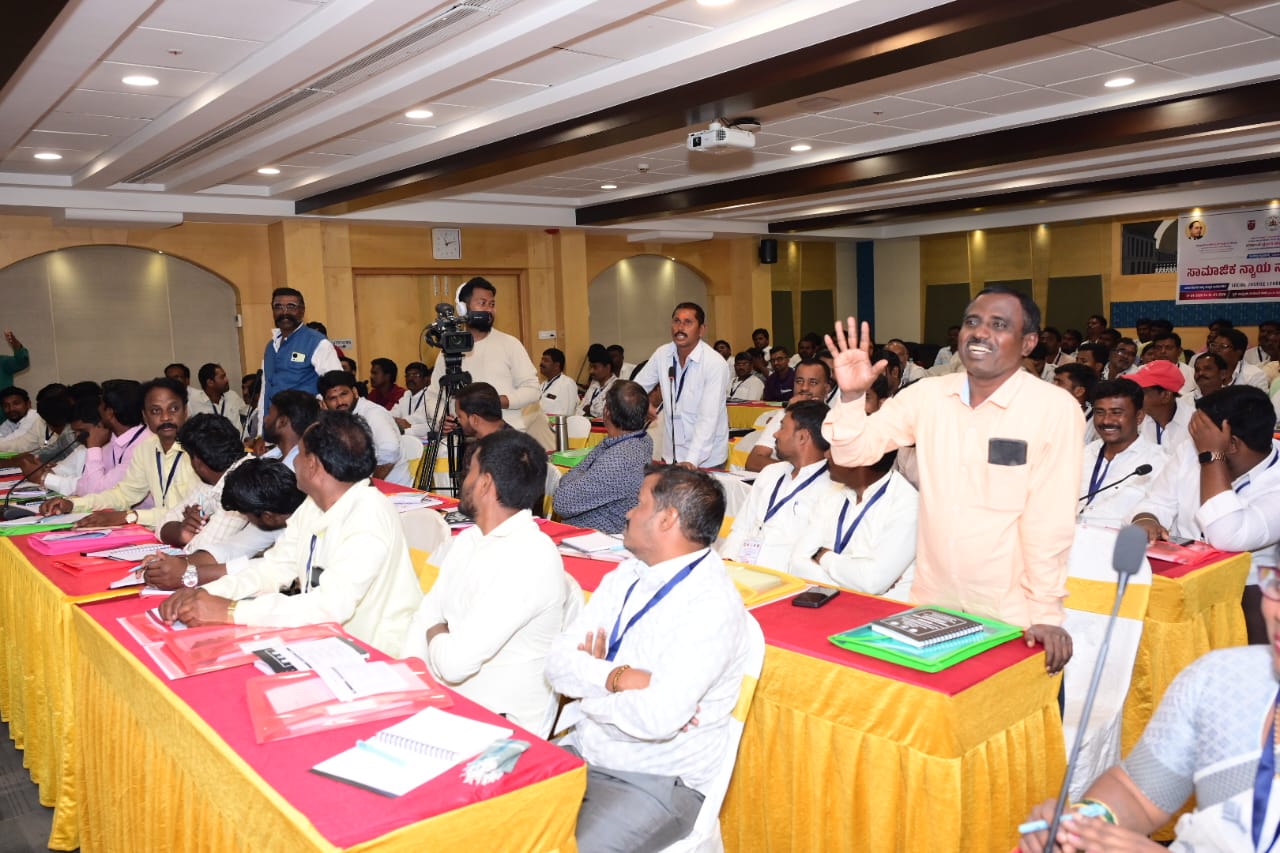
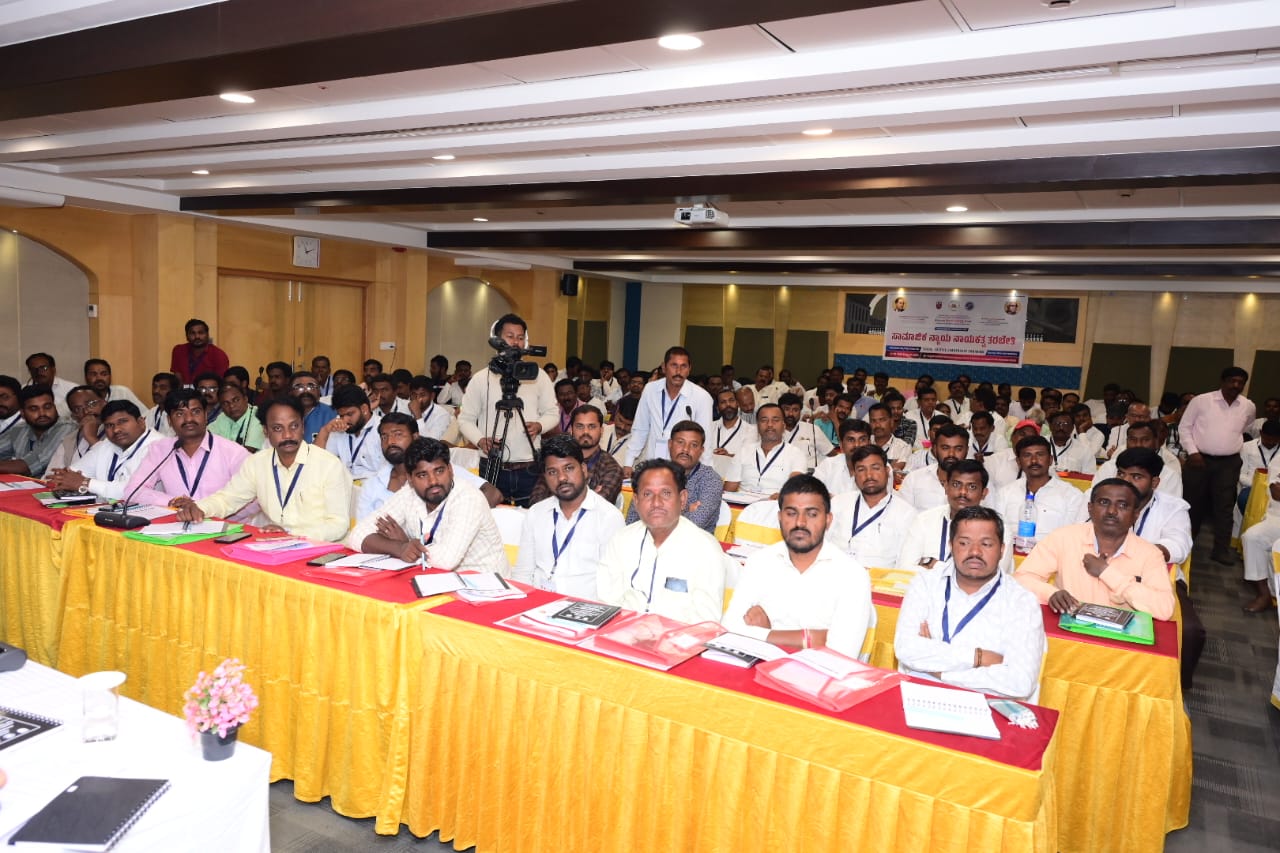
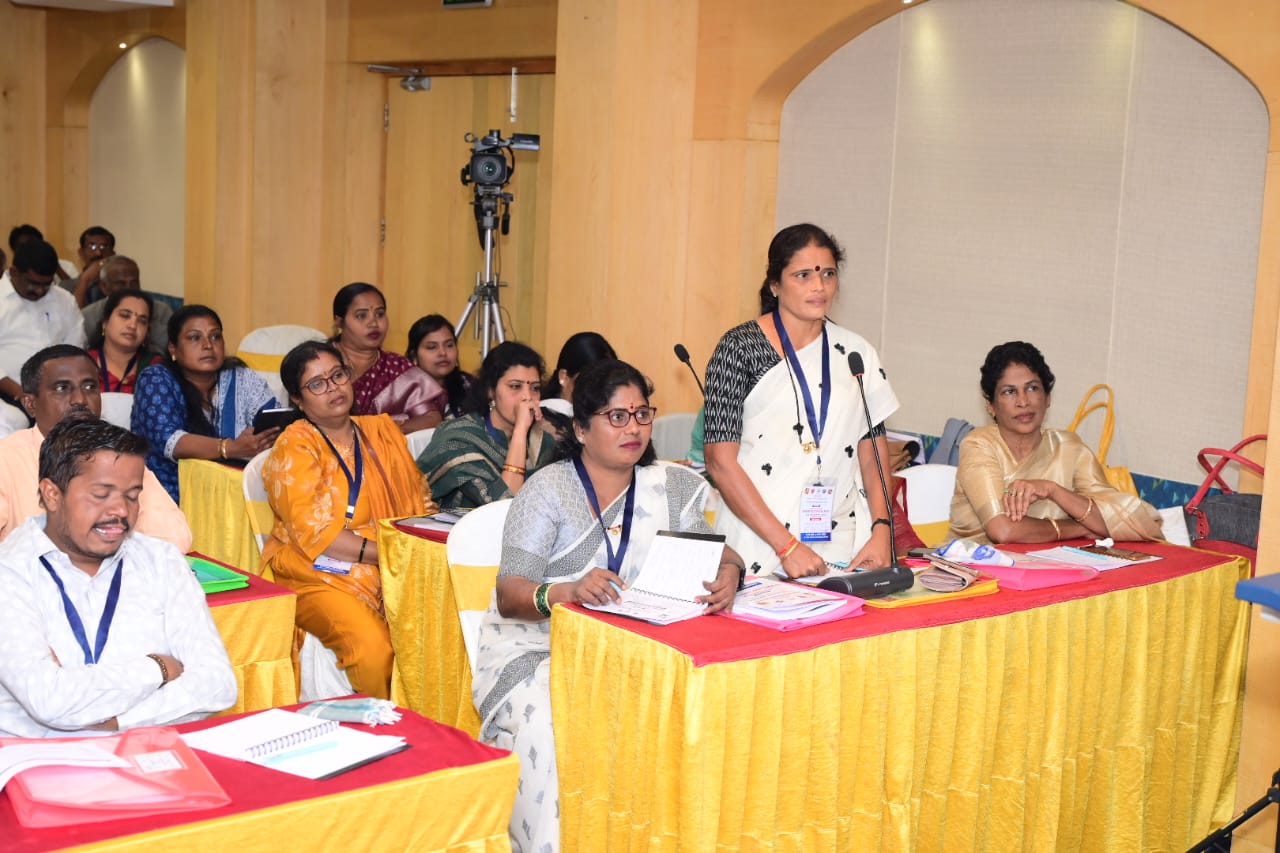
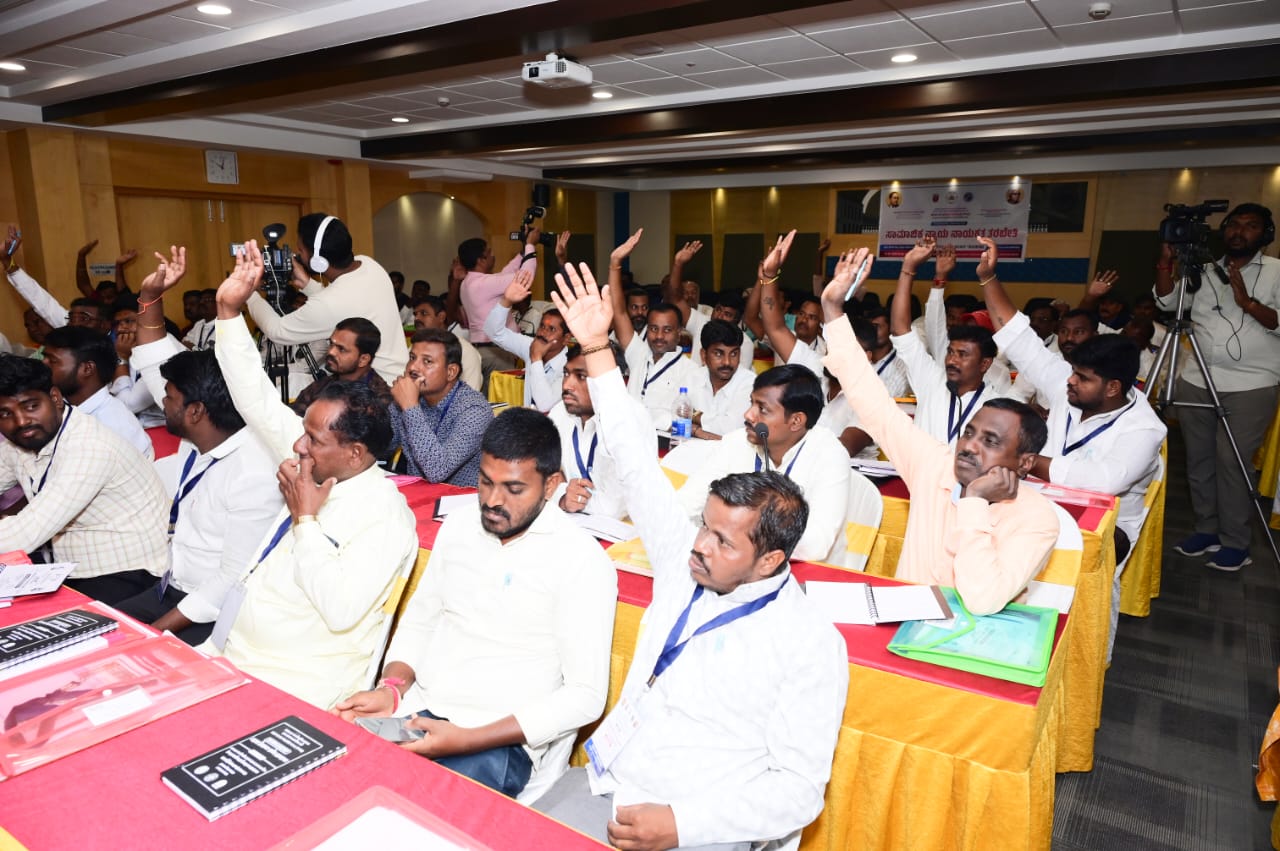
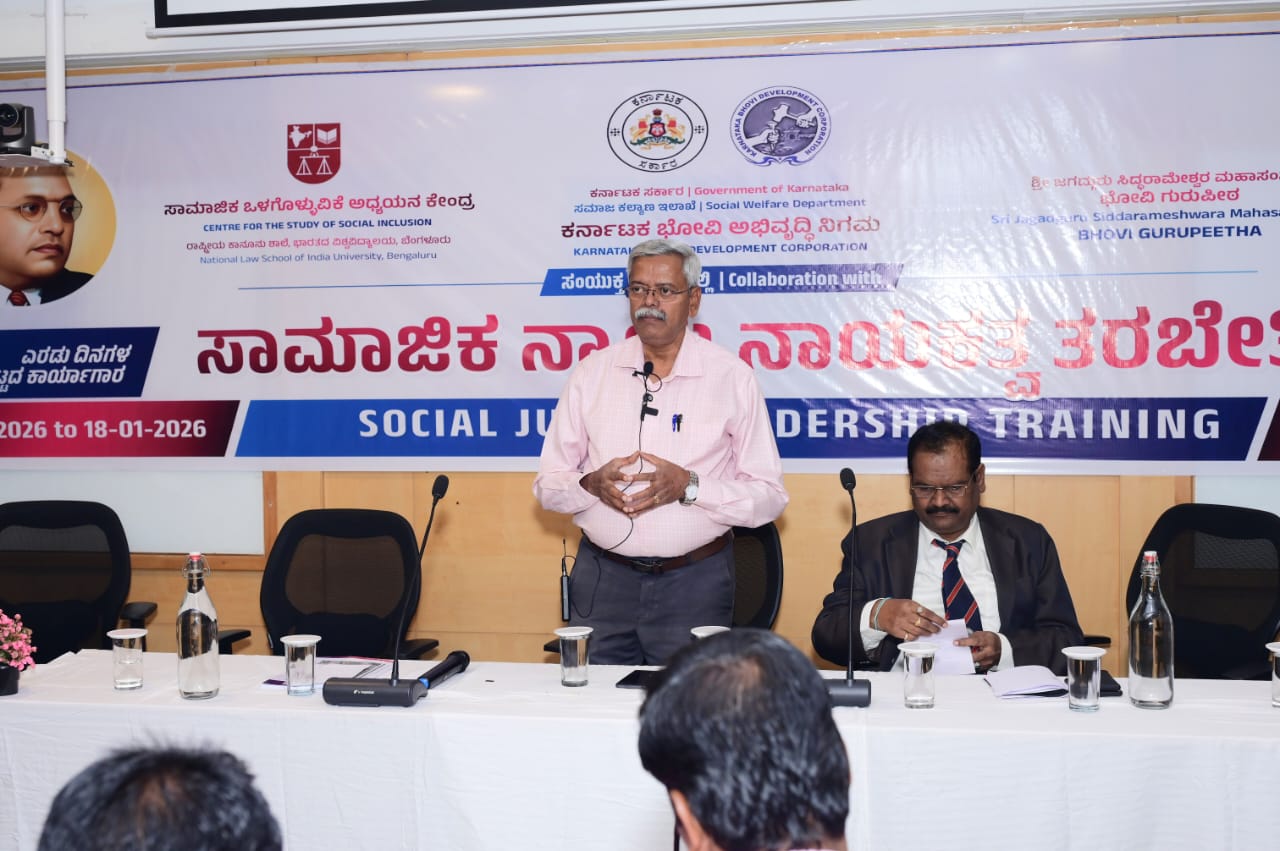
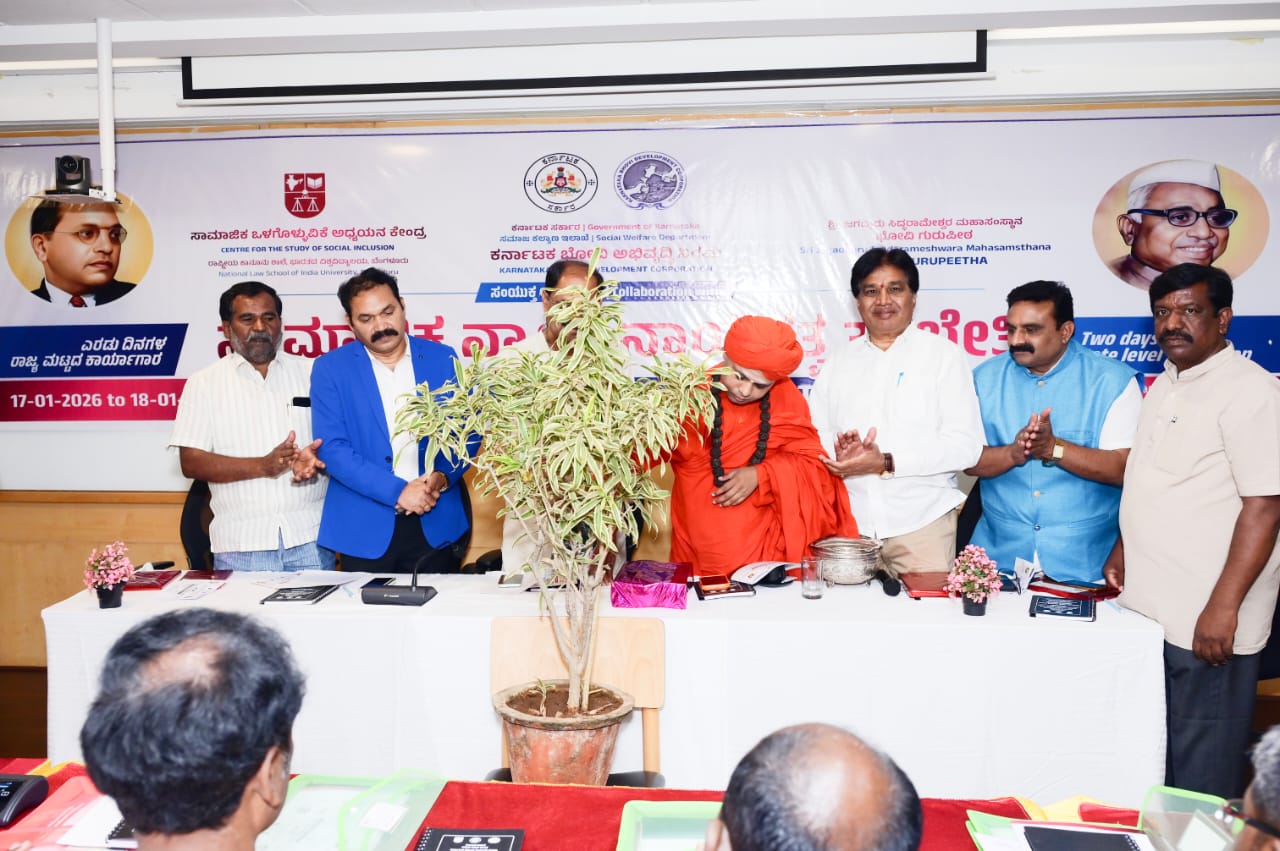
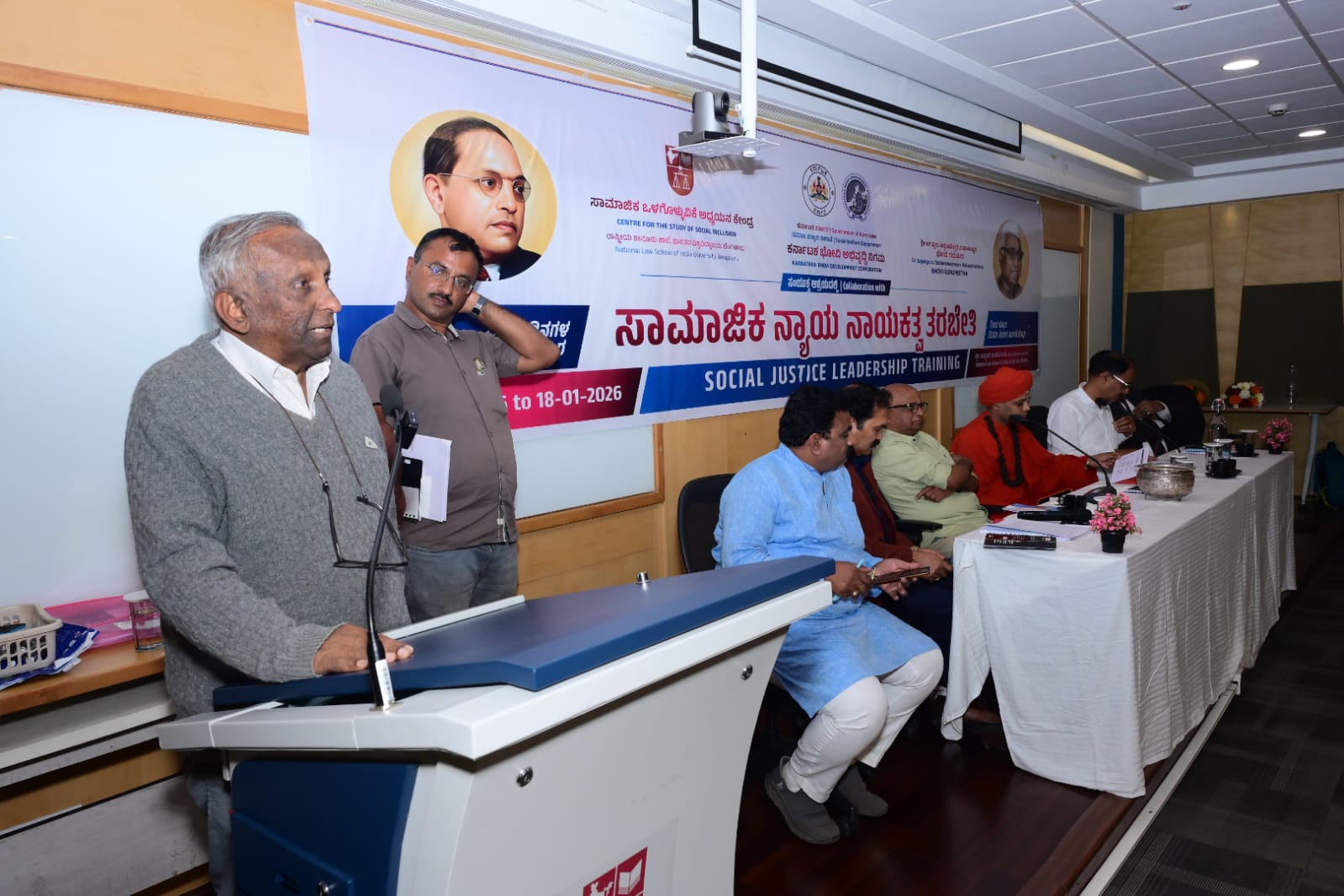
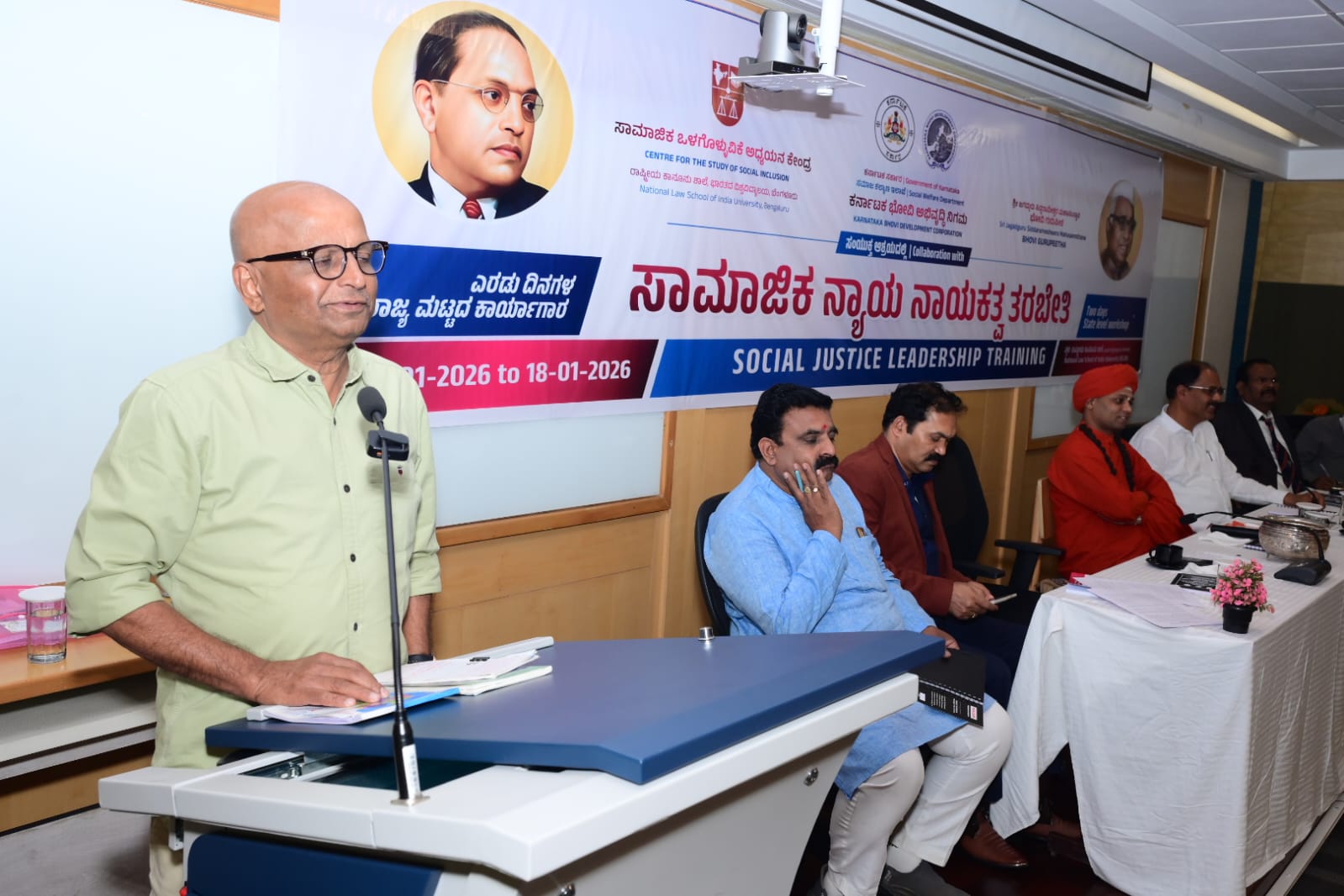
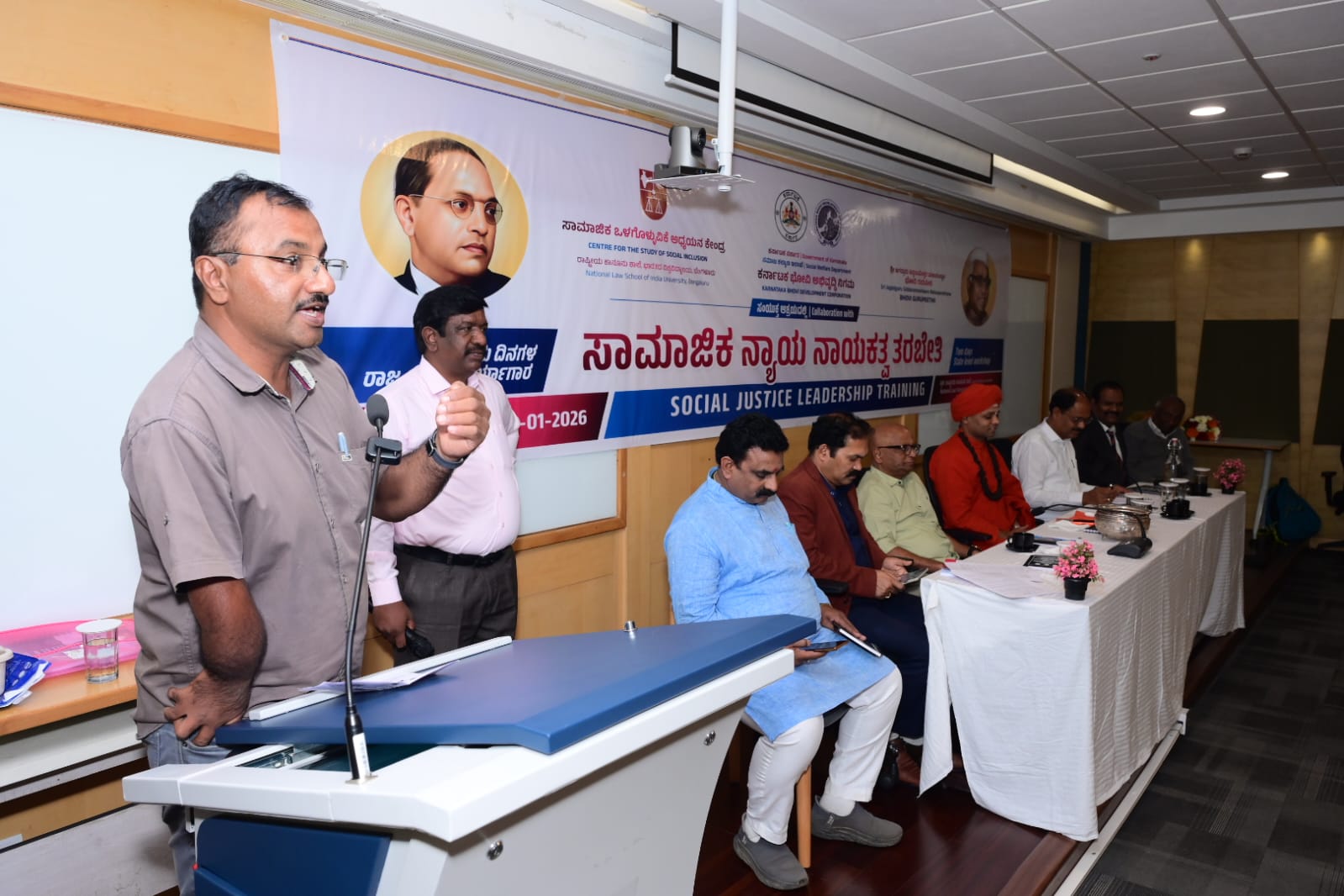
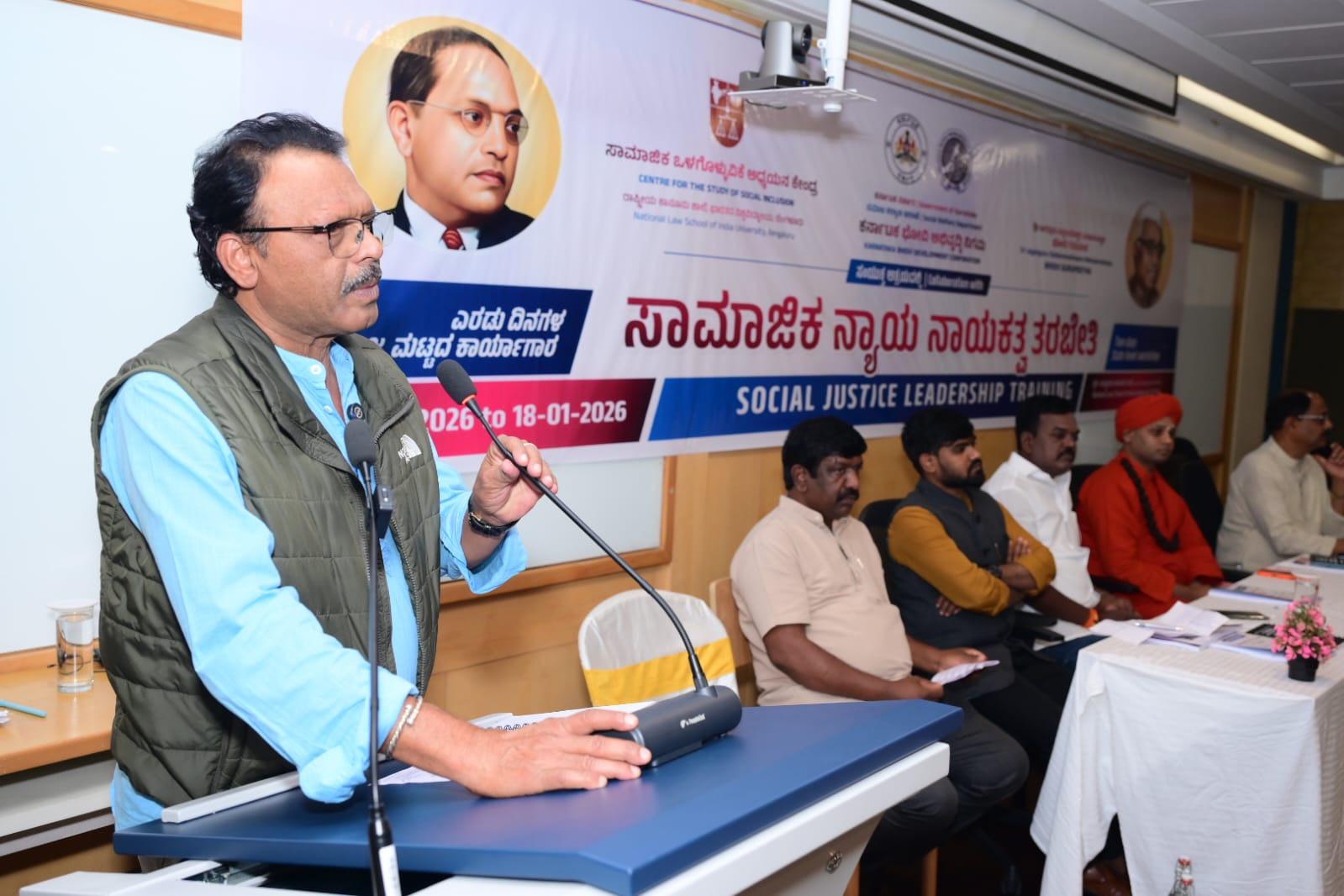
Recognising this critical gap, the Karnataka Bhovi Development Corporation, in collaboration with the Centre for the Study of Social Inclusion, National Law School of India University, conceived and implemented a state-level leadership training programme aimed at empowering Bhovi youth and community leaders with constitutional knowledge, legal awareness, and leadership skills. The workshop was held on January 17 and 18, 2026, at the NLSIU campus.
It is significant to note that even after 75 years of Independence, this was the first structured and comprehensive training programme focussed exclusively on the Constitution and social justice laws for the Bhovi community, marking it as a landmark and historic initiative.
Objectives of the Programme
The key objectives of the training programme were:
- To create awareness among Bhovi community youth regarding constitutional values, fundamental rights, and social justice legislations.
- To enhance understanding of education, health, economic and social development from a constitutional and rights-based perspective.
- To disseminate information on government welfare schemes and development programmes relevant to Scheduled Castes.
- To explain implementation challenges of social justice laws and identify practical remedies at the local level.
- To develop community-level social justice leadership capable of guiding and supporting vulnerable groups.
- To promote grassroots dissemination of legal awareness through trained youth leaders.
Participants:
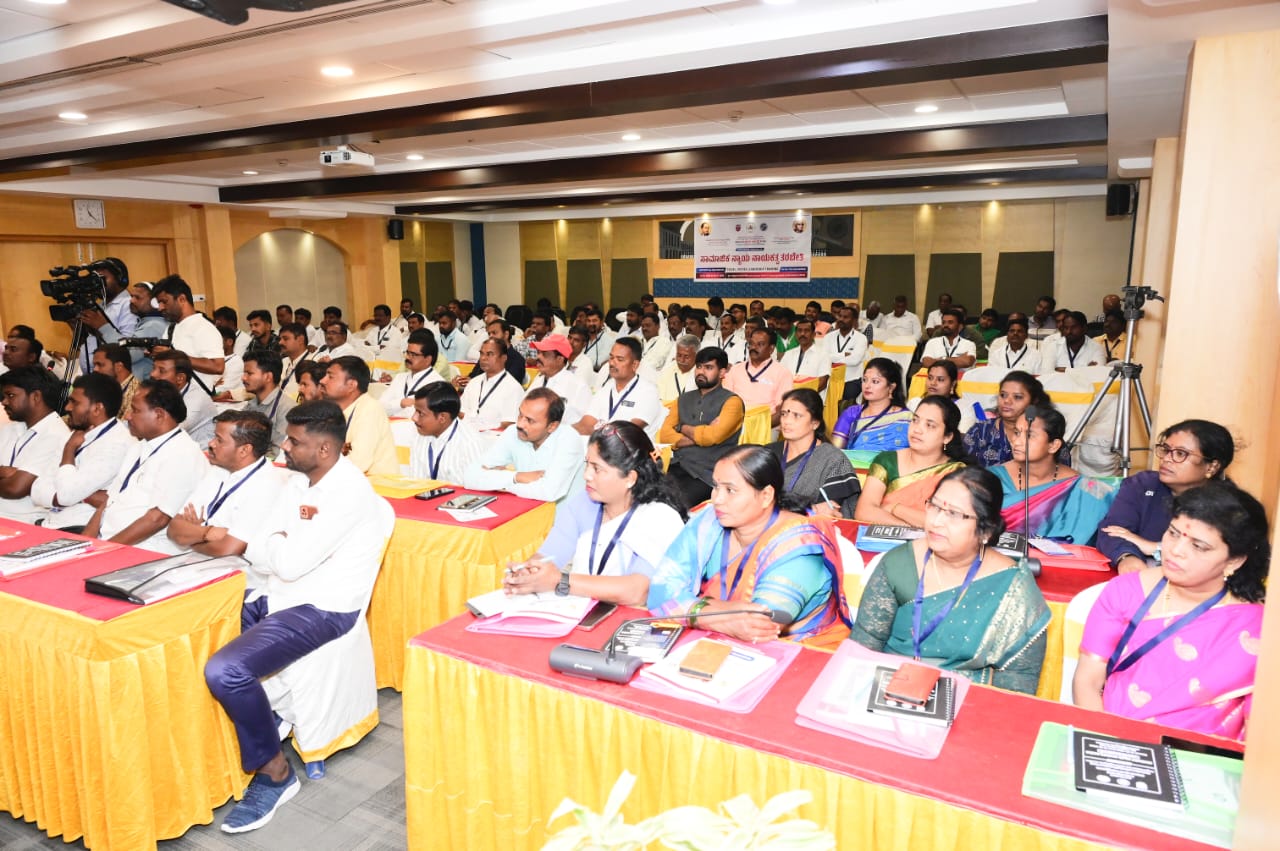
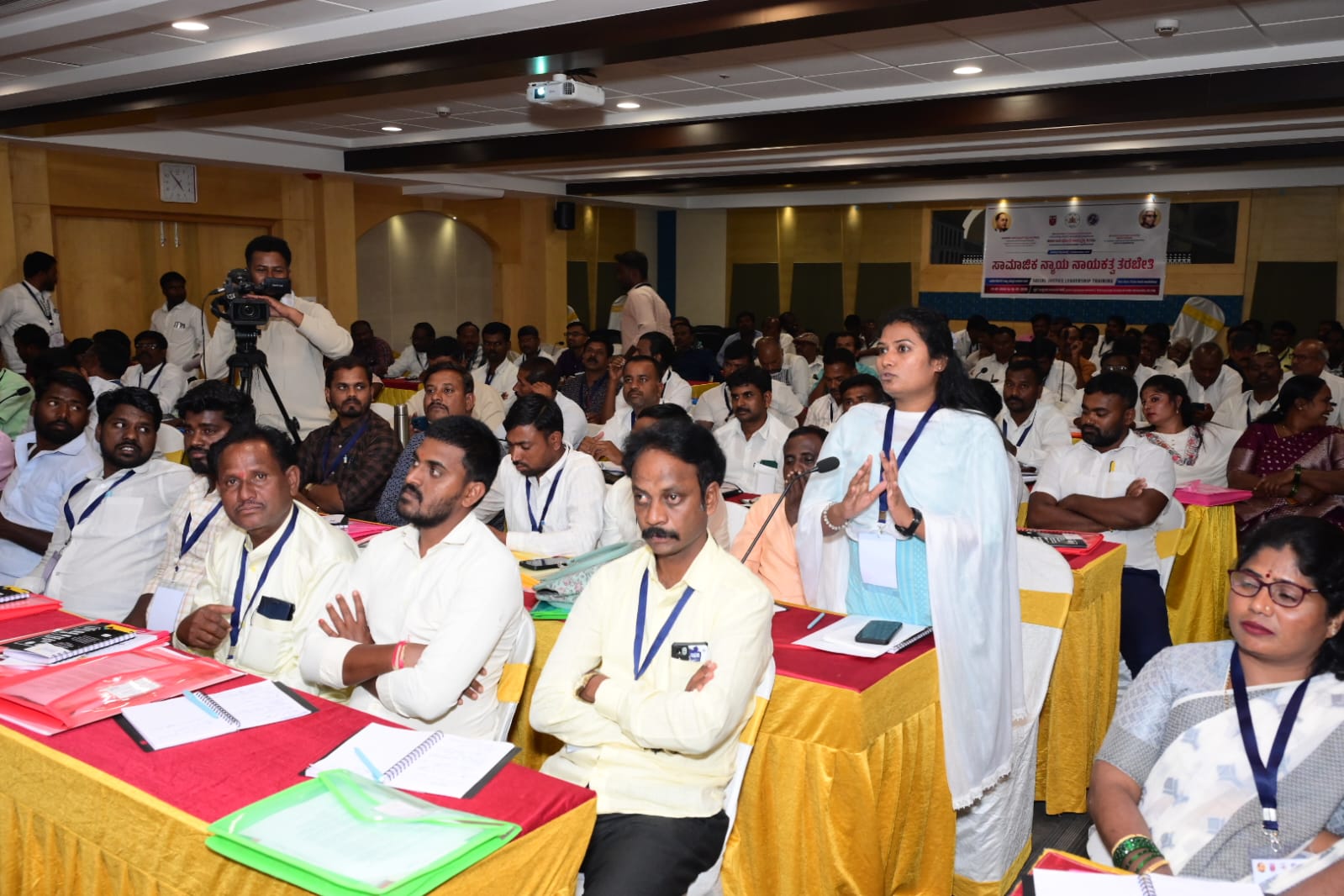
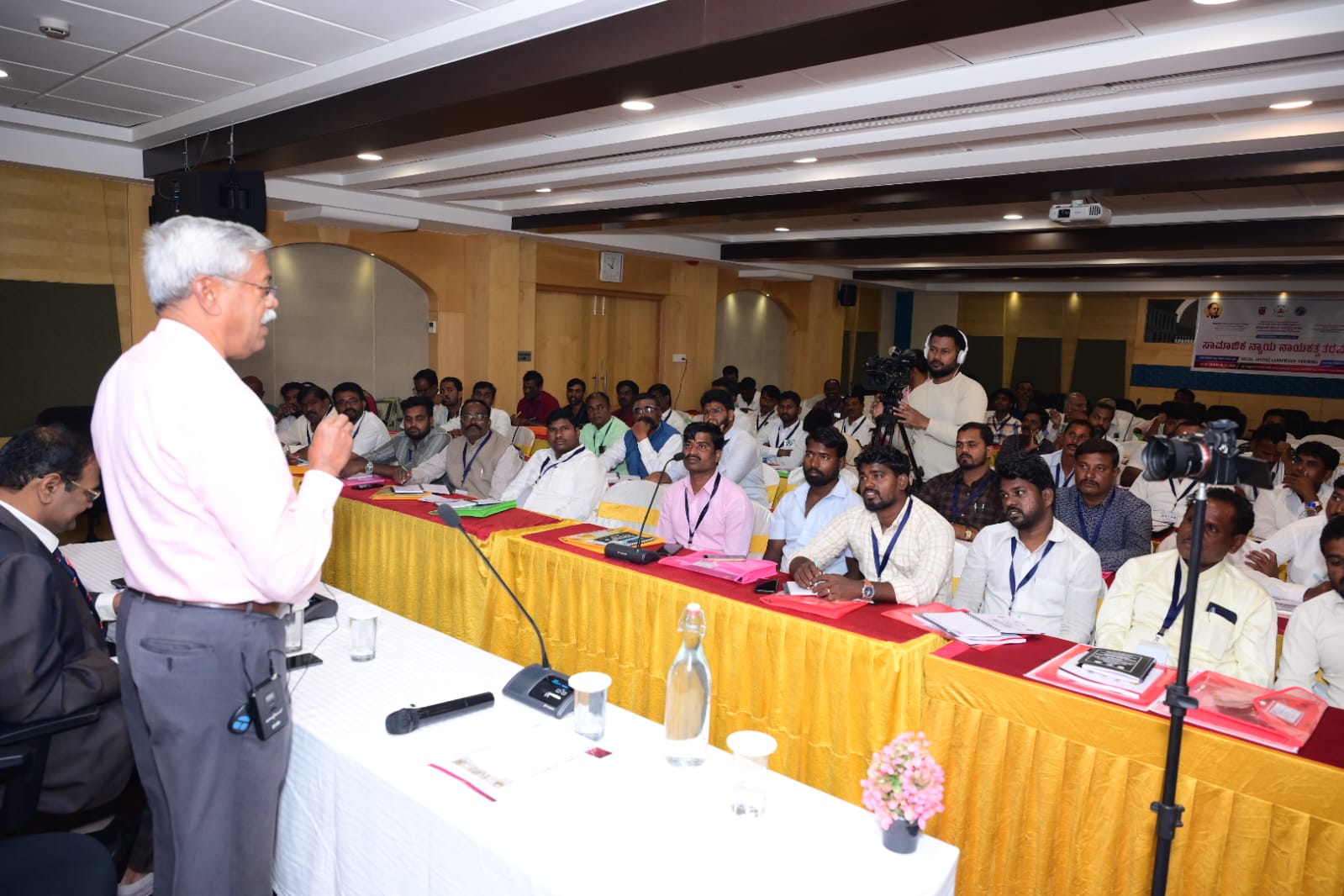
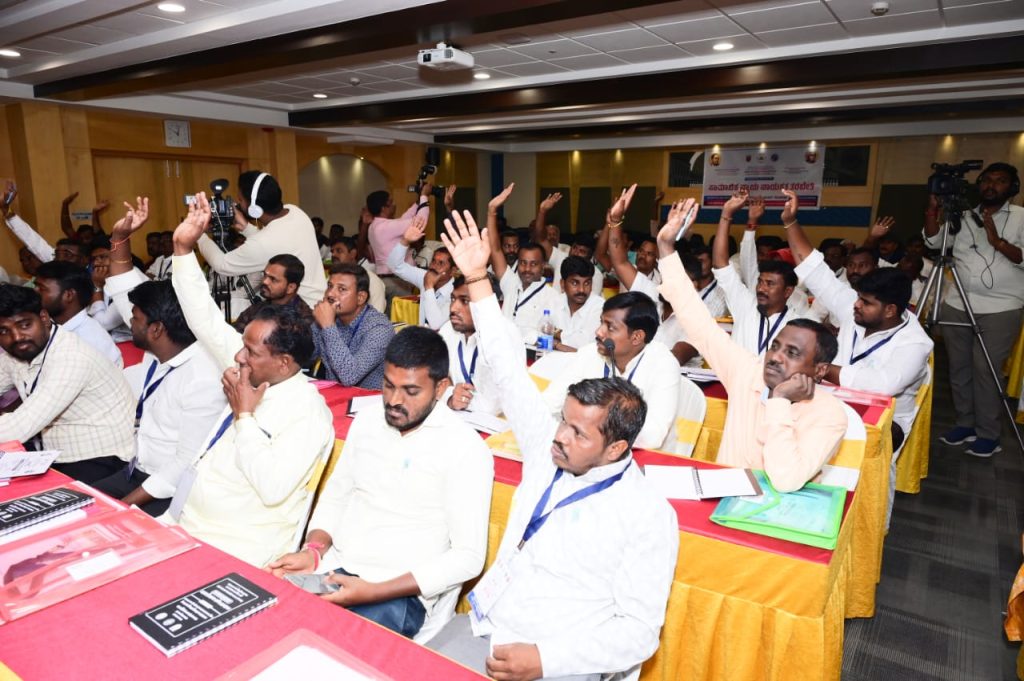
- Total Participants: 180 Bhovi community youth, community leaders, social workers and advocates.
- Geographical Coverage: Participants represented multiple districts across Karnataka, ensuring statewide representation.
Training Sessions and Resource Persons
The training programme comprised structured, theme-based sessions delivered by eminent subject experts drawn from the judiciary, academia, civil society, and legal practice. Each session combined conceptual grounding, statutory interpretation, and practical guidance, enabling participants to understand both the intent and implementation of social justice legislations.
Reservation Policy and Milestones of Social Justice
This session provided a historical and constitutional overview of reservation policy in India, tracing its evolution from pre-Independence social reform movements to post-Constitutional jurisprudence. The focus was on the role of reservation as an instrument of substantive equality, social inclusion, and redistribution of opportunity, rather than as a welfare concession.
- Dr. Banjagere Jayaprakash, Cultural Thinker, elaborated on the philosophical foundations of social justice, the contributions of social reformers, and the ethical imperatives underlying affirmative action.
- Mr. Dinesh Amin Mattu, Senior Journalist, examined contemporary debates on reservation, media narratives, and the importance of safeguarding constitutional guarantees for historically marginalised communities.
The session enabled participants to critically understand reservation as a constitutional right linked to dignity and social transformation.
Karnataka Scheduled Castes and Scheduled Tribes (Prohibition of Transfer of Certain Lands) Act, 1978
This session addressed one of the most critical issues affecting Scheduled Caste communities—alienation of granted lands and the legal remedies available for restoration.
- Sri Mohan Kumar, Advocate, High Court of Karnataka, explained the objectives, key provisions, and judicial interpretations of the Act, including procedures for filing applications, limitation issues, and common implementation challenges.
- Sri Venkatesh Varse, District Judge and Arbitrator, provided insights into adjudicatory processes, evidentiary requirements, and the role of revenue and judicial authorities in ensuring effective enforcement.
Participants gained practical clarity on land rights protection and legal recourse mechanisms under the Act.
Prohibition of Child Marriage Act, 2006 and Child Labour Laws
This session focused on the intersection of social customs, poverty, and child rights violations, with specific reference to child marriage and child labour.
- Mr. Venkatesh T., Director, Spandana Women and Child Development Organisation, outlined the statutory framework, preventive and punitive provisions, and the roles of Child Marriage Prohibition Officers, labour departments, and local administration.
The session sensitised participants to early identification, reporting mechanisms, and community-based prevention strategies, emphasising the role of trained youth leaders in safeguarding children’s rights.
Karnataka Scheduled Castes Sub-Plan (SCSP) and Tribal Sub-Plan (TSP) Act, 2013
This session addressed the policy and fiscal dimensions of social justice through an in-depth discussion on targeted planning and resource allocation.
- Dr. Pradeep Ramavath J., Associate Professor, Centre for Livelihood and Social Entrepreneurship, Tata Institute of Social Sciences (TISS), Guwahati, explained the objectives of the SCSP/TSP framework, statutory obligations of departments, budgeting processes, and monitoring mechanisms.
Participants were trained to understand how public resources are planned, allocated, and utilised, enabling them to engage with district and departmental authorities for effective implementation.
Bonded Labour System (Abolition) Act, 1976 and Human Trafficking
This session focused on forced labour, debt bondage, and human trafficking, which continue to affect vulnerable sections despite legal prohibitions.
- Mr. William Christopher, Member, State High-Power Committee on Bonded Labour and Human Trafficking, explained the legal definitions, identification processes, rescue and rehabilitation protocols, and inter-departmental coordination mechanisms.
The session equipped participants with knowledge to identify cases of bonded labour and trafficking, facilitate reporting, and support rehabilitation measures at the grassroots level.
Scheduled Castes and Scheduled Tribes (Prevention of Atrocities) Act, 1989
This session dealt with one of the most significant protective legislations for Scheduled Castes, focussing on prevention, prosecution, and victim rehabilitation.
- Mr. Shivamani, Advocate, elaborated on the scope of offences, procedural safeguards, and the importance of timely registration of cases.
- Mr. Sriram, Advocate, discussed recent judicial interpretations, victim compensation schemes, and the responsibilities of police and district administrations.
Participants were sensitised to rights-based enforcement, legal remedies, and the importance of collective action in addressing caste-based violence and discrimination.
Labour Laws and Workers’ Rights
This session addressed the rights of workers in both organised and unorganised sectors, with particular relevance to migrant and informal labourers.
- Prof. Babu Mathew, Director, Centre for Labour Studies, NLSIU, provided an overview of key labour legislations, wage protection, social security entitlements, and dispute resolution mechanisms.
The session enhanced participants’ understanding of labour rights as social justice issues, linking employment, dignity, and constitutional protections.
Overall Training Approach
Across all sessions, emphasis was placed on:
- Translating law into practice
- Encouraging community-level leadership and intervention
- Strengthening the role of trained youth as local social justice facilitators
- The comprehensive and interdisciplinary nature of the sessions significantly contributed to the capacity building and empowerment objectives of the programme.
Programme Coordination
The programme was coordinated by Dr. R. V. Chandrashekar, Centre for the Study of Inclusion Policy National Law School of India University, Bengaluru
Outcomes of the Programme
The following outcomes were achieved:
- Enhanced legal and constitutional awareness among participants.
- Improved understanding of social justice laws and welfare schemes.
- Development of a cadre of trained youth leaders capable of community-level intervention.
- Strengthened collaboration between government, academia, and community
Resolutions and Way Forward
Participants resolved to:
- Conduct local-level awareness programmes in their villages and districts.
- Assist community members in accessing legal remedies and government schemes.
- Promote constitutional values and social justice principles at the grassroots.
- Support victims of injustice through collective, organised action.
The Two-Day State-Level Social Justice Leadership Training Workshop stands as a model capacity-building initiative that effectively combined government support, academic expertise, and community participation. The programme has laid a strong foundation for grassroots leadership, legal empowerment, and social justice advocacy within the Bhovi community across Karnataka.
Gallery