
NLS Faculty Seminar | ‘Confused Constitutional Morality: Evaluating the Supreme Court’s Equality Doctrine in a post-Anuj Garg Era’
Ground Floor Conference Hall, Training Centre
Wednesday, April 22, 2026, 3:30 pm
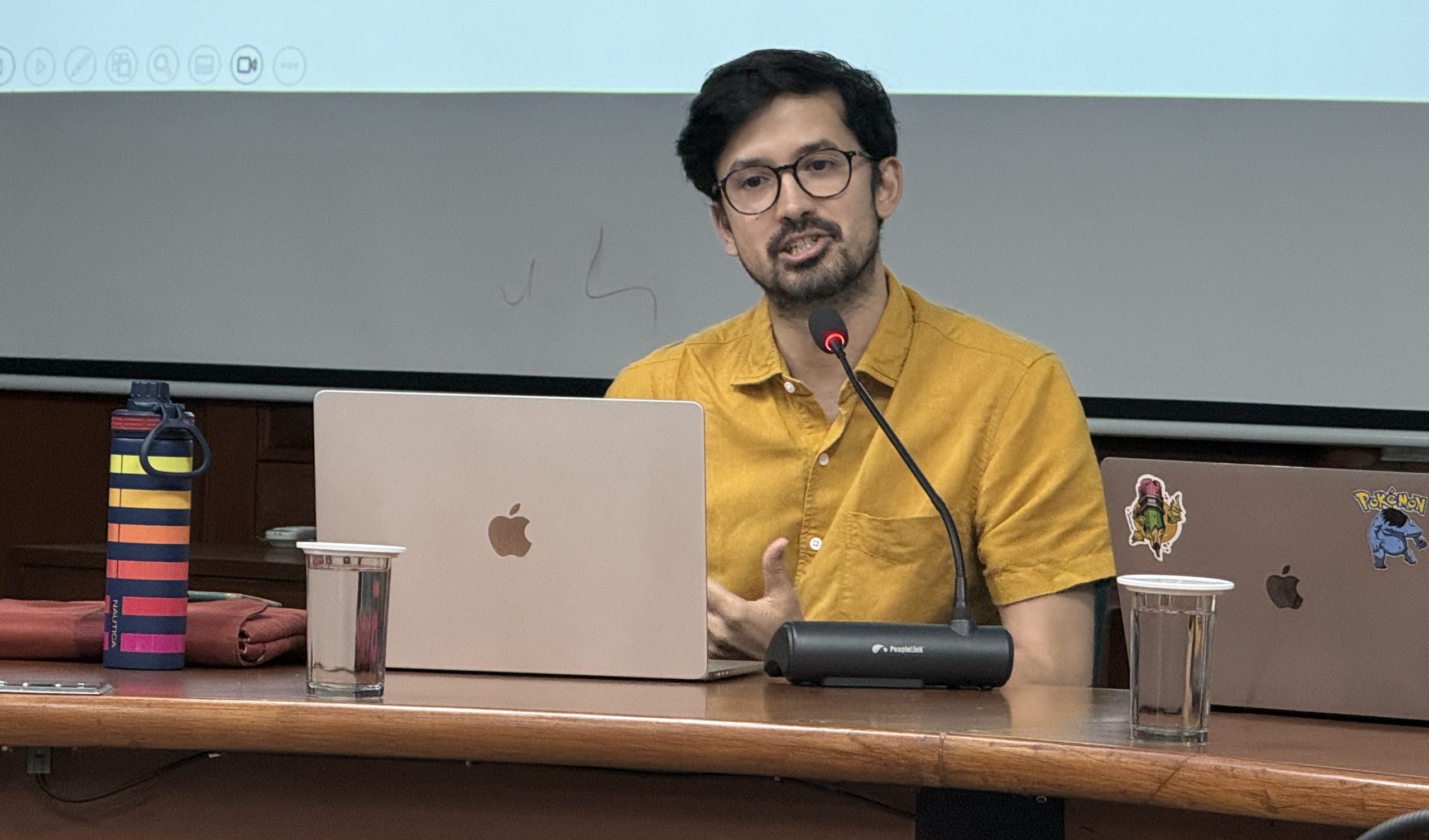
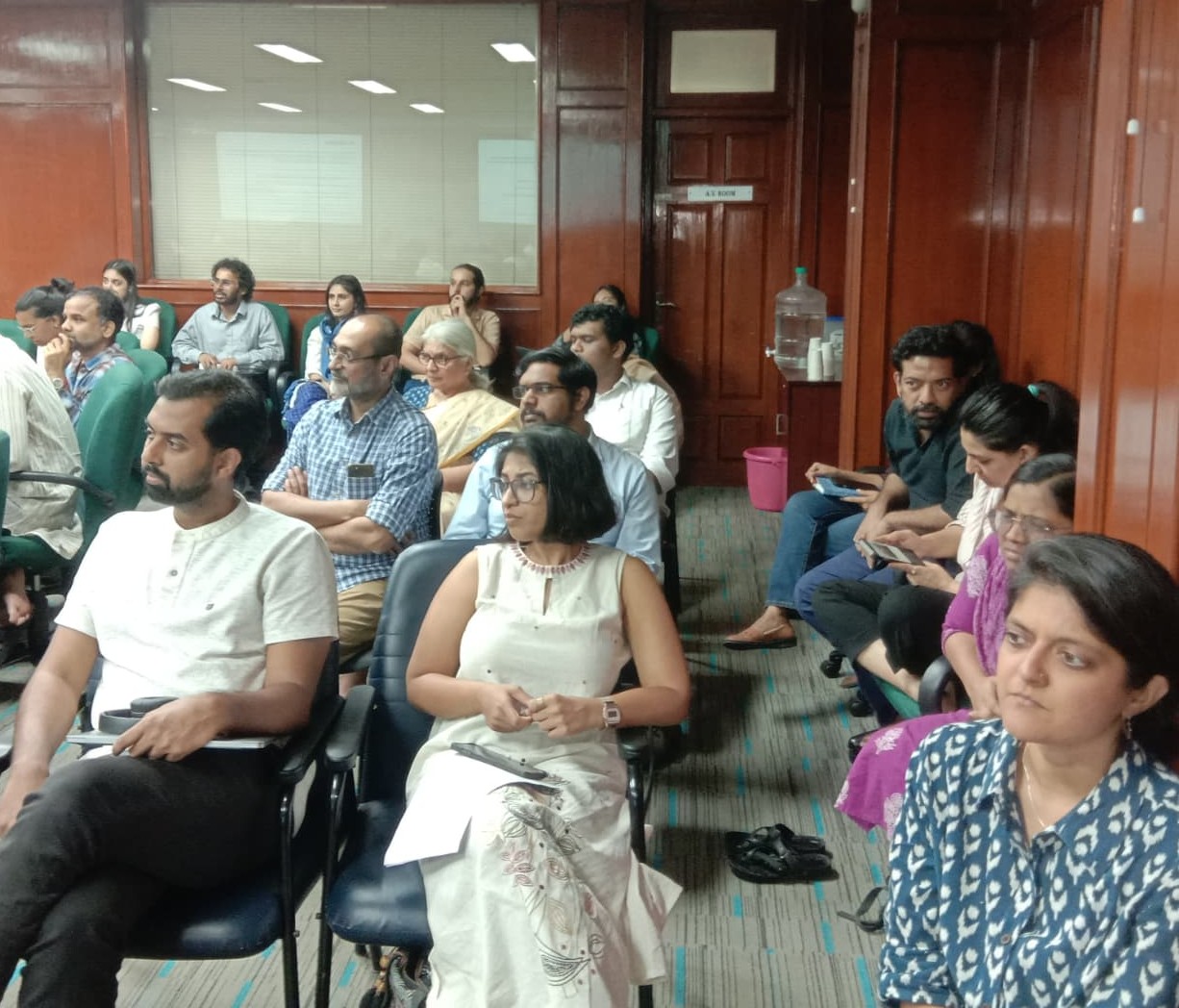
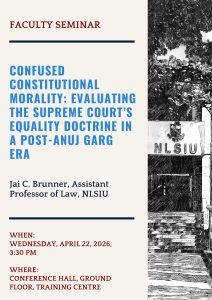 This week’s faculty seminar featured presentation by Jai Chander Brunner, Assistant Professor of Law, NLSIU on ‘Confused Constitutional Morality: Evaluating the Supreme Court’s Equality Doctrine in a post-Anuj Garg Era.’
Abstract
During the hearings in the Sabarimala review matter, Solicitor General Tushar Mehta questioned how Navtej Johar could have struck down Section 377 IPC on the basis of constitutional morality.
Tushar Mehta reasoned that constitutional morality is not defined by the Constitution, leaving judges with vast discretion to give it any meaning. The concept is vague. Writing in 2023, Aparna Chandra foreshadowed that judicially evolved concepts such as constitutional morality and transformative constitutionalism were underspecified, and formed an unsound basis for the Court’s progressive judgments in cases such as Navtej Johar and Joseph Shine. Chandra cautioned that the Court had neither precisely defined these concepts nor articulated a method for defining these concepts. They are excessively open-textured and can be misused to serve unconstitutional ends. Though it is true that the Court has yet to specify the general boundaries of constitutional morality and transformative constitutionalism in all cases, this paper contends that they have acquired a specific usage in gender and sex equality cases — in particular, in cases where a law disadvantages a woman or a sexual and gender minority (“WSGM”).
Examining judgments that develop Anuj Garg, this paper reveals how the Court has referred to constitutional morality to invoke a higher degree of scrutiny. The Court has established a coherent method for invoking constitutional morality and transformative constitutionalism in a relatively consistent manner in cases where the impugned law disadvantages WSGM claimant groups: if the State justifies an exclusionary statute on the basis of popular morality, then the Court will lower the degree of deference to the State, even as far as reversing the presumption of constitutionality.
Photo gallery