
Roundtable on ‘Two Decades of Product Patents in India’ | By the Centre for Health Law, Policy and Ethics and CIPRA, NLSIU
NLSIU Training Centre
Saturday, January 10, 2026
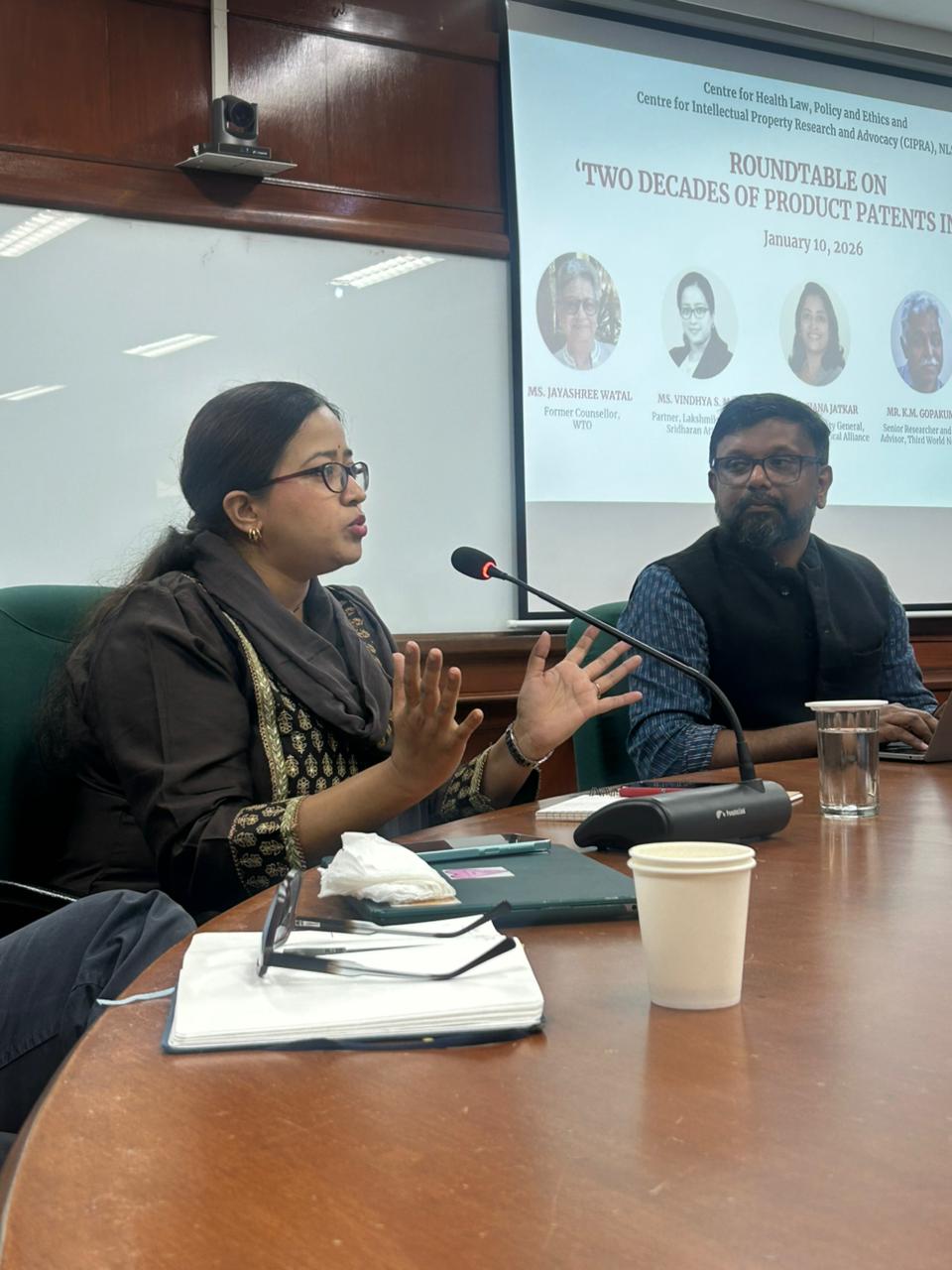
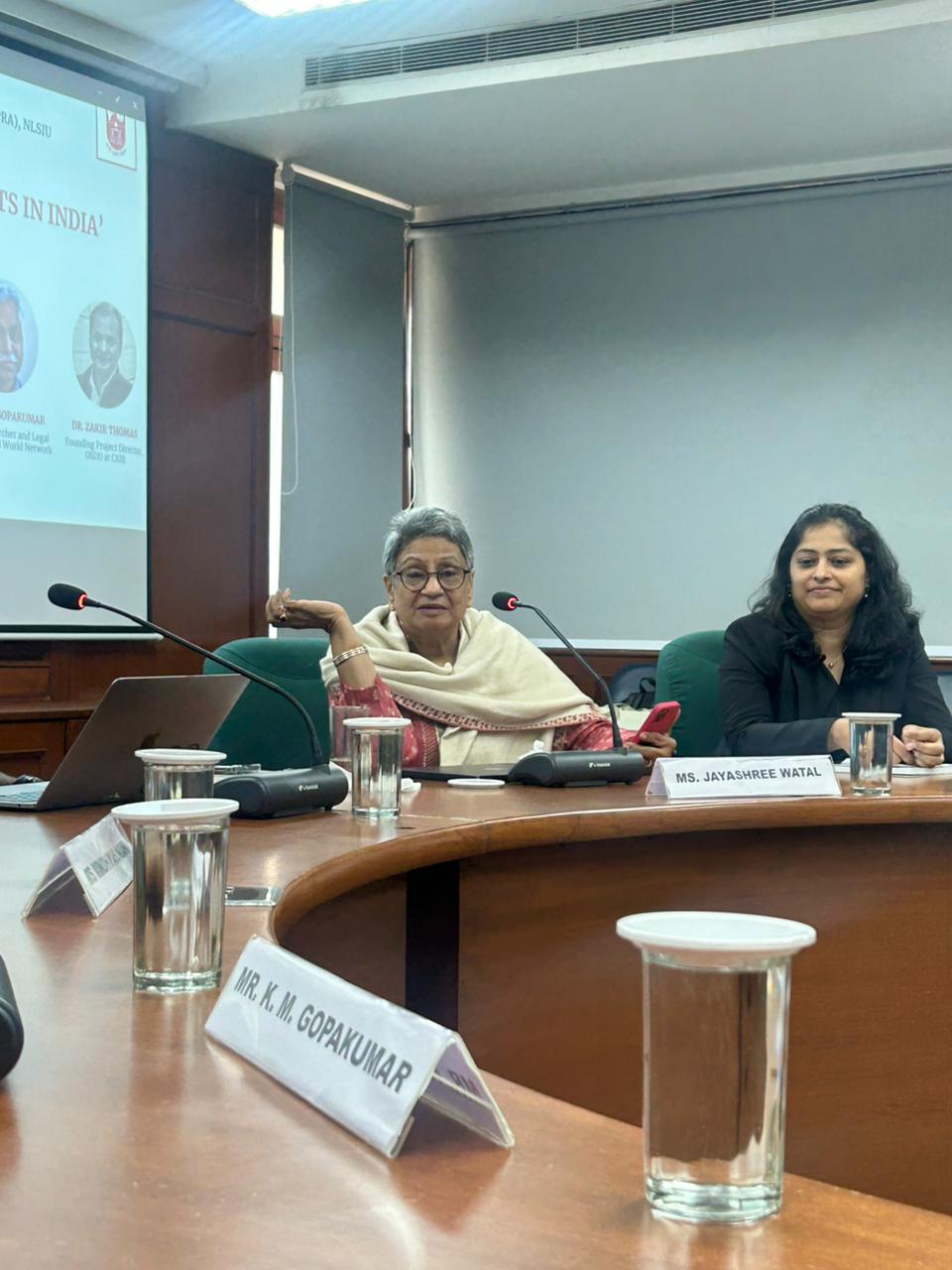
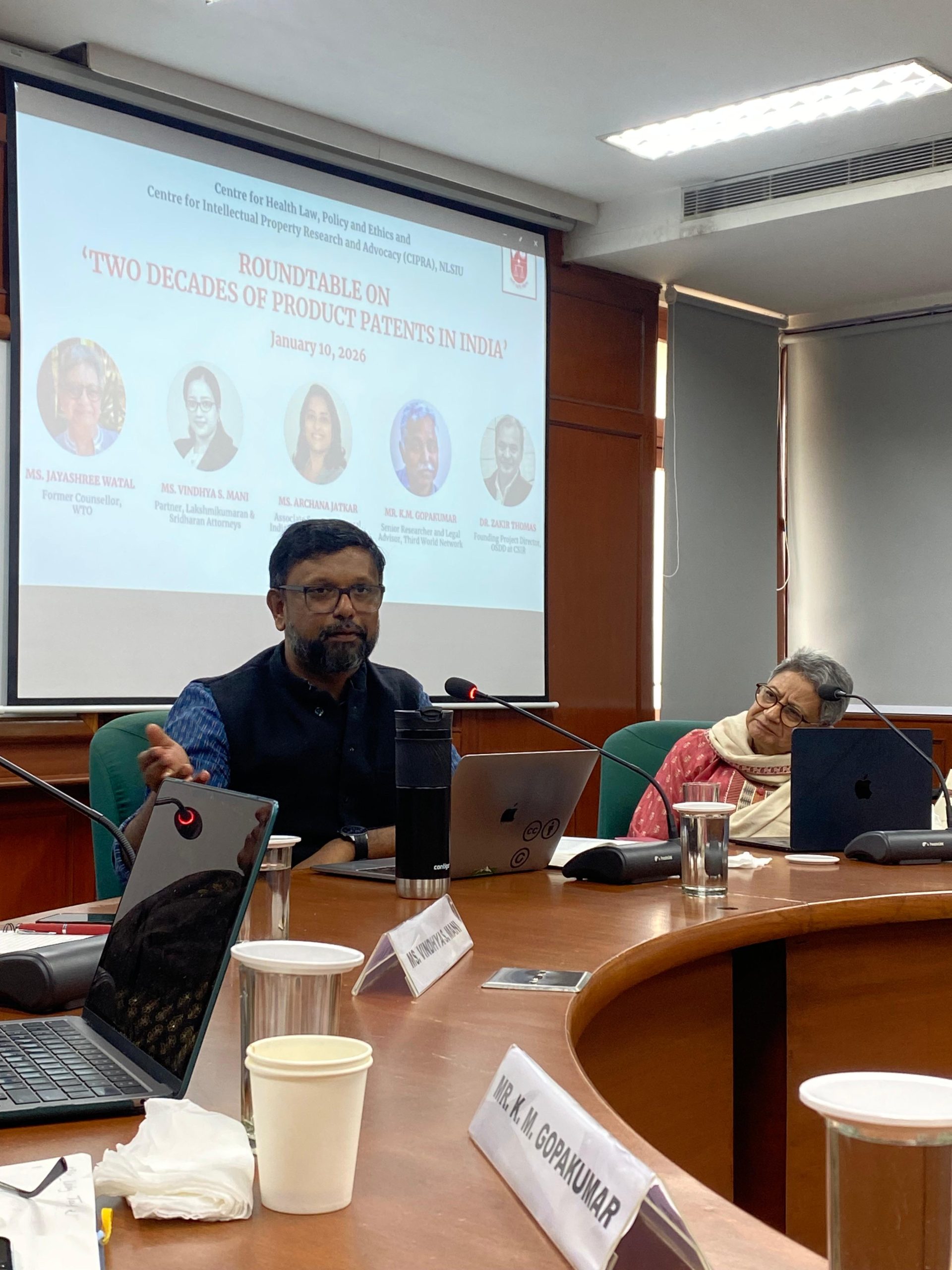
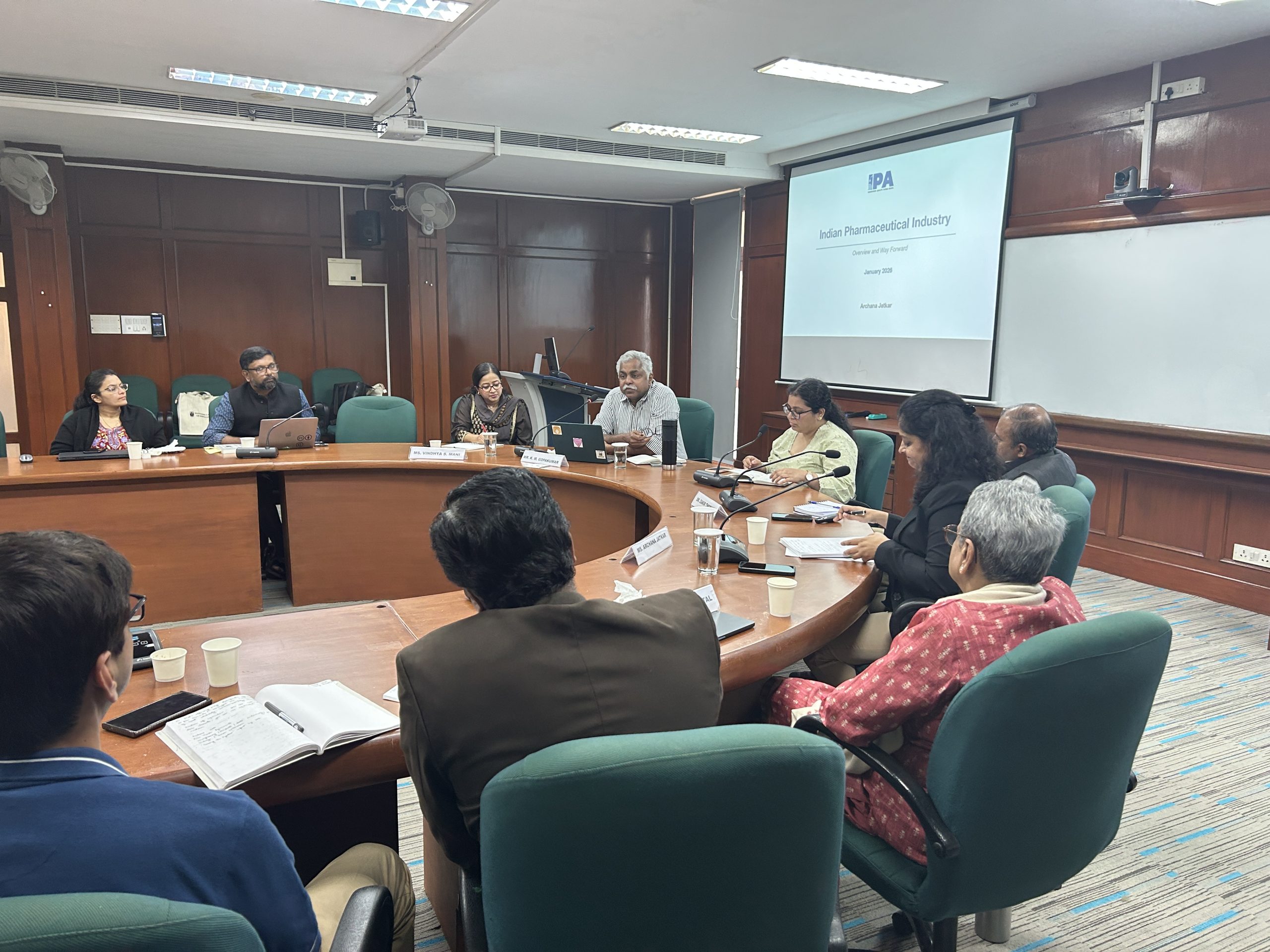
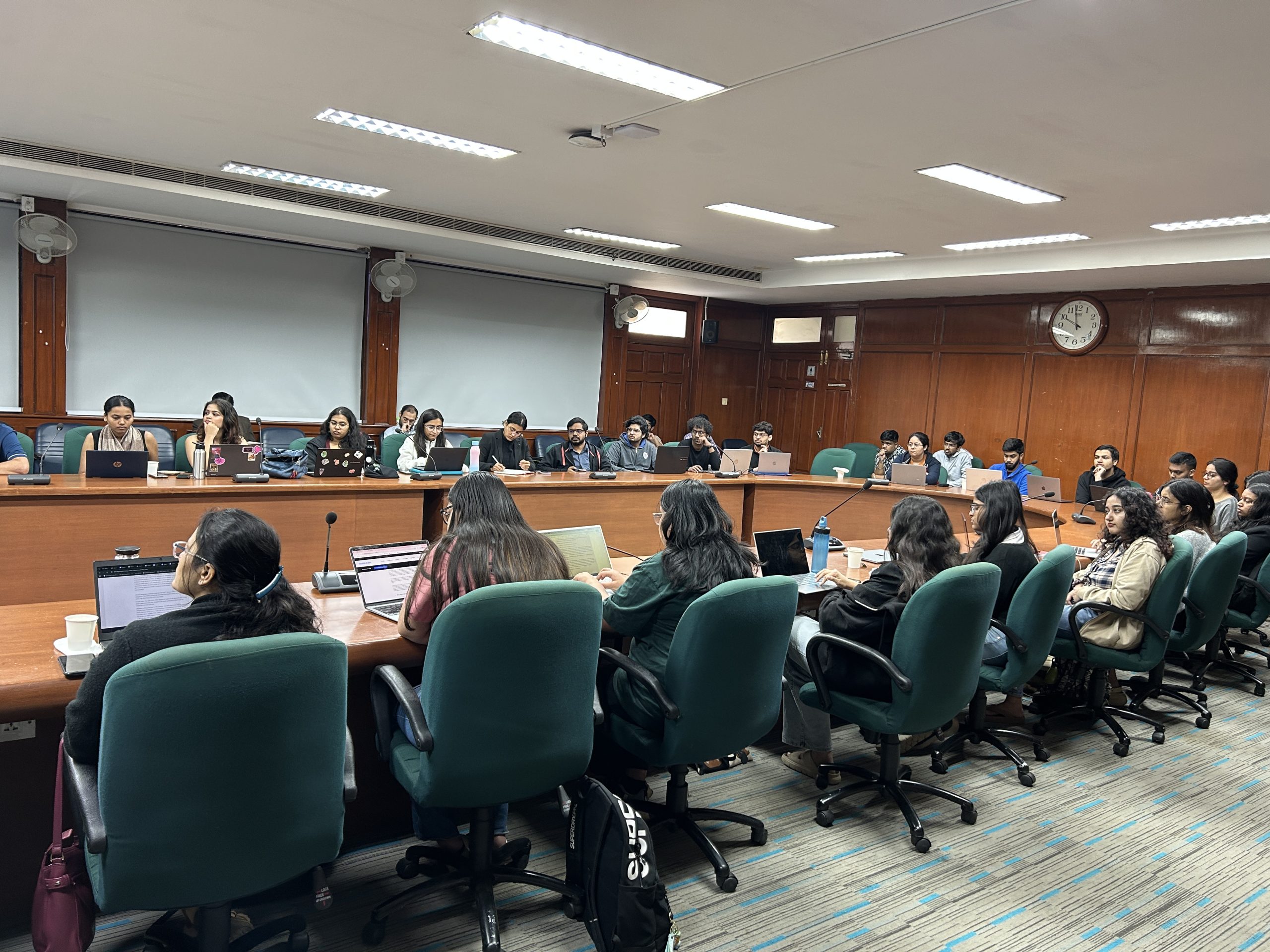
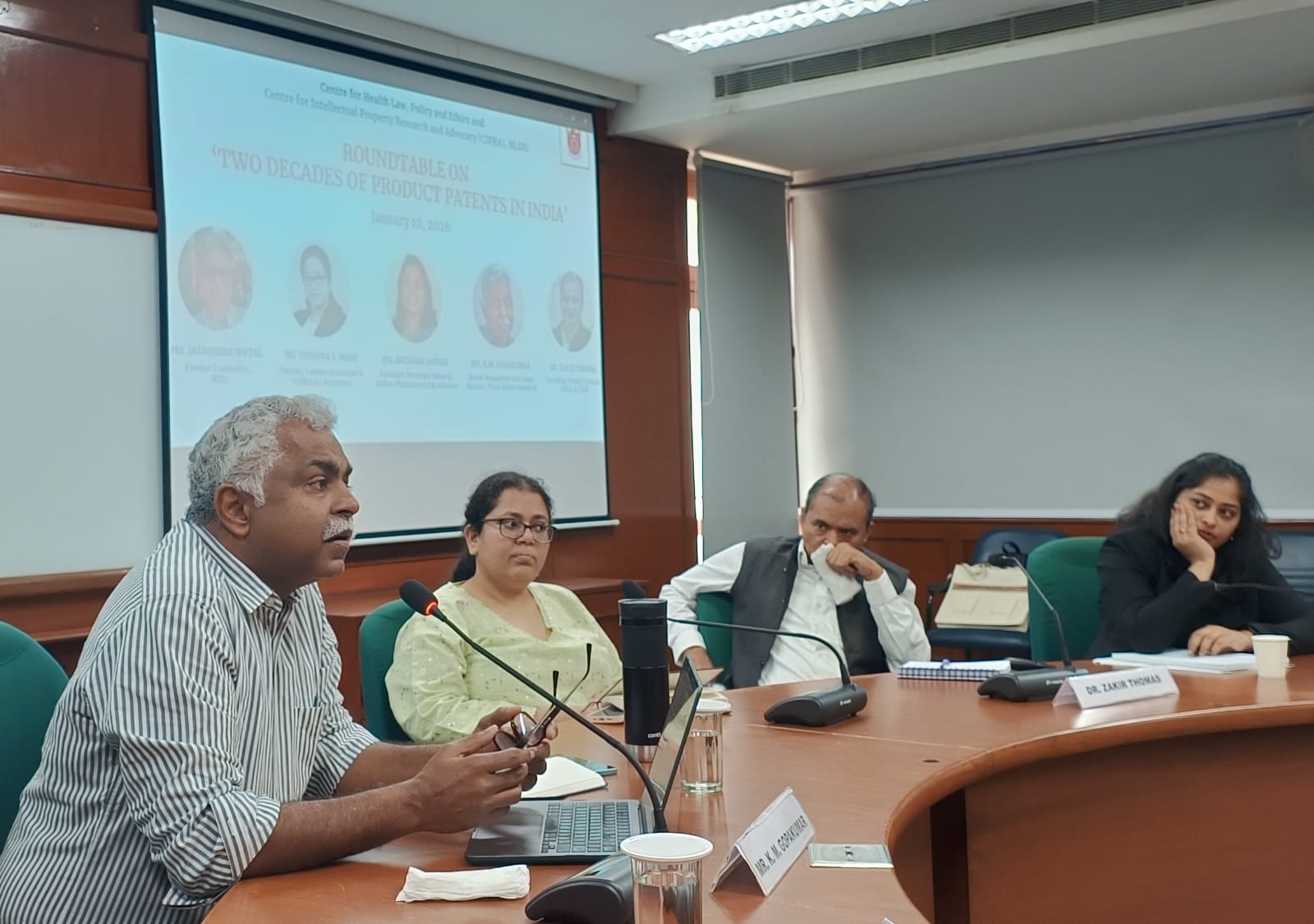
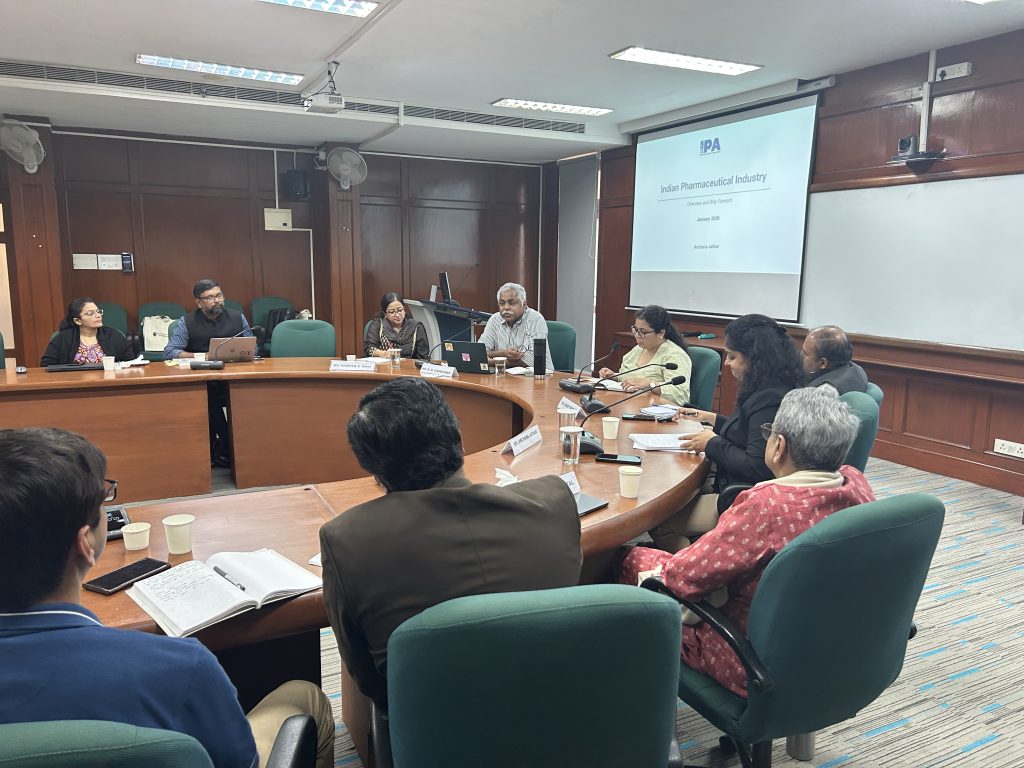 A roundtable on ‘Two Decades of Product Patents in India’ was organised by the Centre for Health Law, Policy and Ethics and the Centre for Intellectual Property Research and Advocacy (CIPRA), National Law School of India University, Bengaluru. The roundtable was held on January 10, 2026, at the National Law School of India University.
Background
The WTO Agreement on Trade Related Aspects of Intellectual Property Rights (TRIPS) came into effect on January 1, 1995. As per Article 27 of the TRIPS Agreement, patents shall be available for any inventions, whether products or processes, in all fields of technology, provided that they are new, involve an inventive step and are capable of industrial application. Some of the developing countries, including India, were not granting product patents in some areas like pharmaceuticals and agrochemicals, at the time of signing of the agreement. In fact, many scholars have pointed out that the specific exclusion of product patents in the area of pharmaceuticals in the Patents Act 1970 has contributed substantially to the blooming of generic pharmaceutical companies in India, and thereby also making India a pharmacy of the world. However, as a signatory to the TRIPS Agreement, India was forced to reintroduce product patents in the area of pharmaceuticals. By virtue of Article 65.4, India got 10 years to comply with the TRIPS requirements in this regard, and the Patents (Amendment) Act, 2005, India made the necessary changes in this area.
About the Roundtable
The roundtable focussed on the historical dimensions and the key changes that have happened in the area of pharmaceutical patents in India over the last 20 years. The panel included Ms. Jayashree Watal (Former Counsellor, WTO), Ms. Vindhya S. Mani (Partner, Technology Law Division, Lakshmikumaran & Sridharan, Attorneys, Bengaluru), Ms. Archana Jatkar (Associate Secretary General, Indian Pharmaceutical Alliance), Mr. K. M. Gopakumar (Senior Researcher and Legal Advisor, Third World Network) and Dr. Zakir Thomas (Founding Project Director, OSDD). The sessions were moderated by Dr. Arul George Scaria, Professor of Law and Co-Director, Centre for IP Research and Advocacy (CIPRA) and Ms. Bhanu Tanwar, Assistant Professor of Law and Co-Director, Centre for Health Law and Ethics (CHLPE).
Ms. Jayashree Watal began her presentation with a discussion on the historical dimensions of the treaty negotiations and the position of India during the negotiations. She also discussed how before the 1970 Patents Act, India relied heavily on expensive imports that favored foreign manufacturers. To foster self-reliance, the government moved toward a regime that protected process patents only, however this was a strategy used by several developed nations to develop their domestic industries as well, and therefore contrary to popular belief, India’s position was not unusual. She credited the growth of the Indian pharmaceutical generic industry to not just the patent law, but also to other external factors like the 1978 Drug Policy and the Foreign Exchange Regulation law. The discussion highlighted the approaches taken by India at different stages of the TRIPS negotiations, the victory in getting in terms of securing a flexible compulsory licensing provision, and the need for strengthening international negotiations by including the participation of more subject matter experts and consultations in the subject area.
Discussing the approach of the Indian judiciary, Ms. Vindhya S. Mani discussed the balancing role being played by the Indian judiciary to protect patents on one hand and the public interest on the other, particularly in light of Section 3(d). She highlighted how India is characterised as an interim injunction-oriented jurisdiction, where courts often grant early relief in patent cases. She argued that while legal tools like pre-grant oppositions exist to filter frivolous patent filings, they are often under-utilised or misused by third parties.
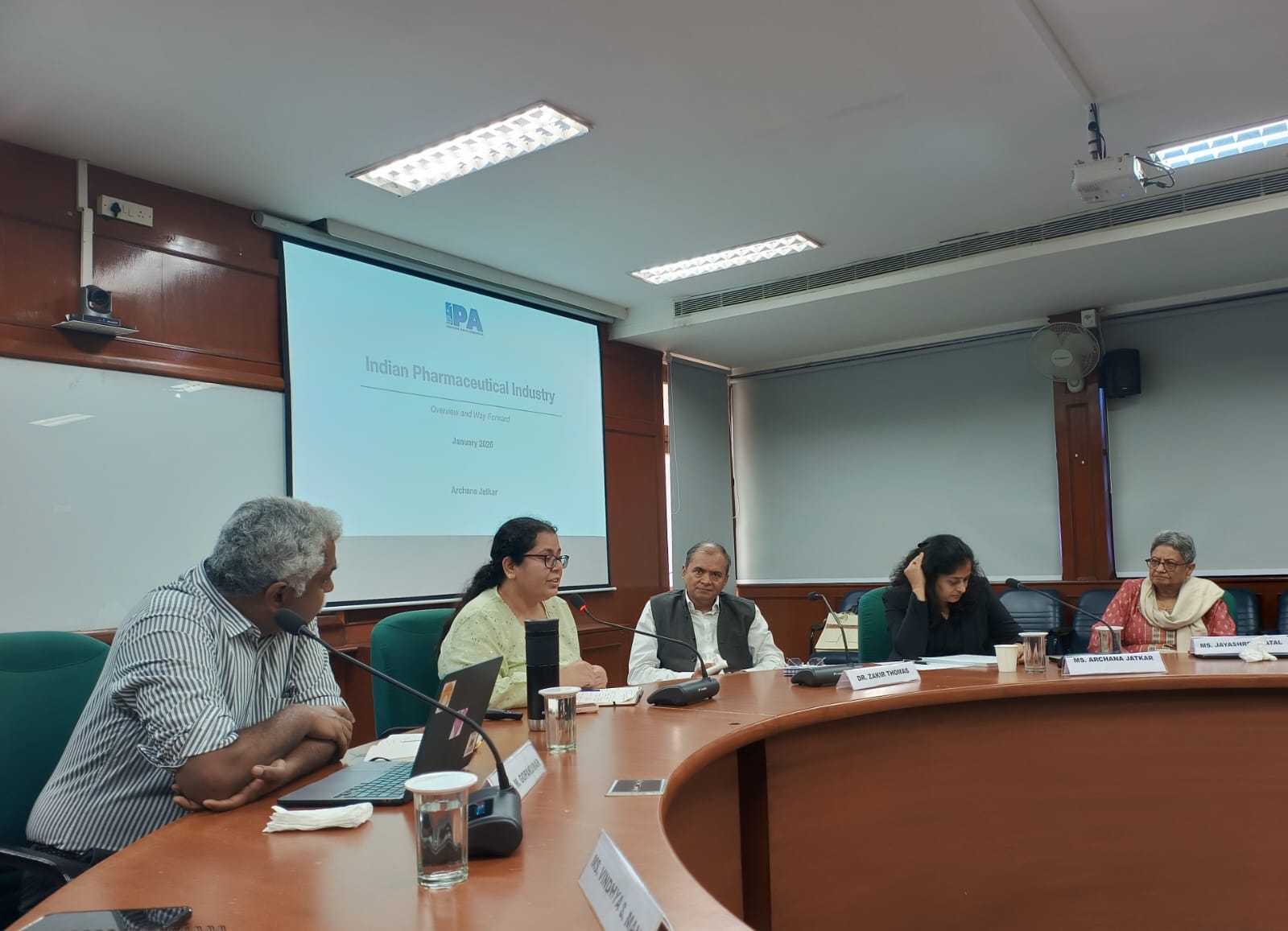
Ms. Archana Jatkar shared the perspectives of the Indian pharmaceutical industry, particularly with the help of data on the economic and public health contributions of the industry. She highlighted that the Indian pharmaceutical industry has evolved from import dependence to becoming a global export powerhouse, supplying 40% of US generic demand. However, according to her, the industry still faces significant hurdles relating to “evergreening” strategies adopted by big pharmaceutical companies through diverse pathways such as patent thickets and data exclusivity. She highlighted that over the years litigations in the area have moved from ideological battles towards more technical disputes.
Mr. KM Gopakumar shared the civil society perspectives and flagged many concerns. This included the lack of robust expert consultations and institutional decision-making within India before representing India’s position at international fora. He also highlighted instances wherein the patent office in India granted a high volume of patents relating to existing drugs and argued that the increasing patent grant rate in India might be illustrating the increasingly weak patent examination process. Furthermore, he also argued that the government and judiciary are reluctant to use compulsory licensing due to fears of international political repercussions. According to him, this negatively impacts the right to life guaranteed under the Indian Constitution.
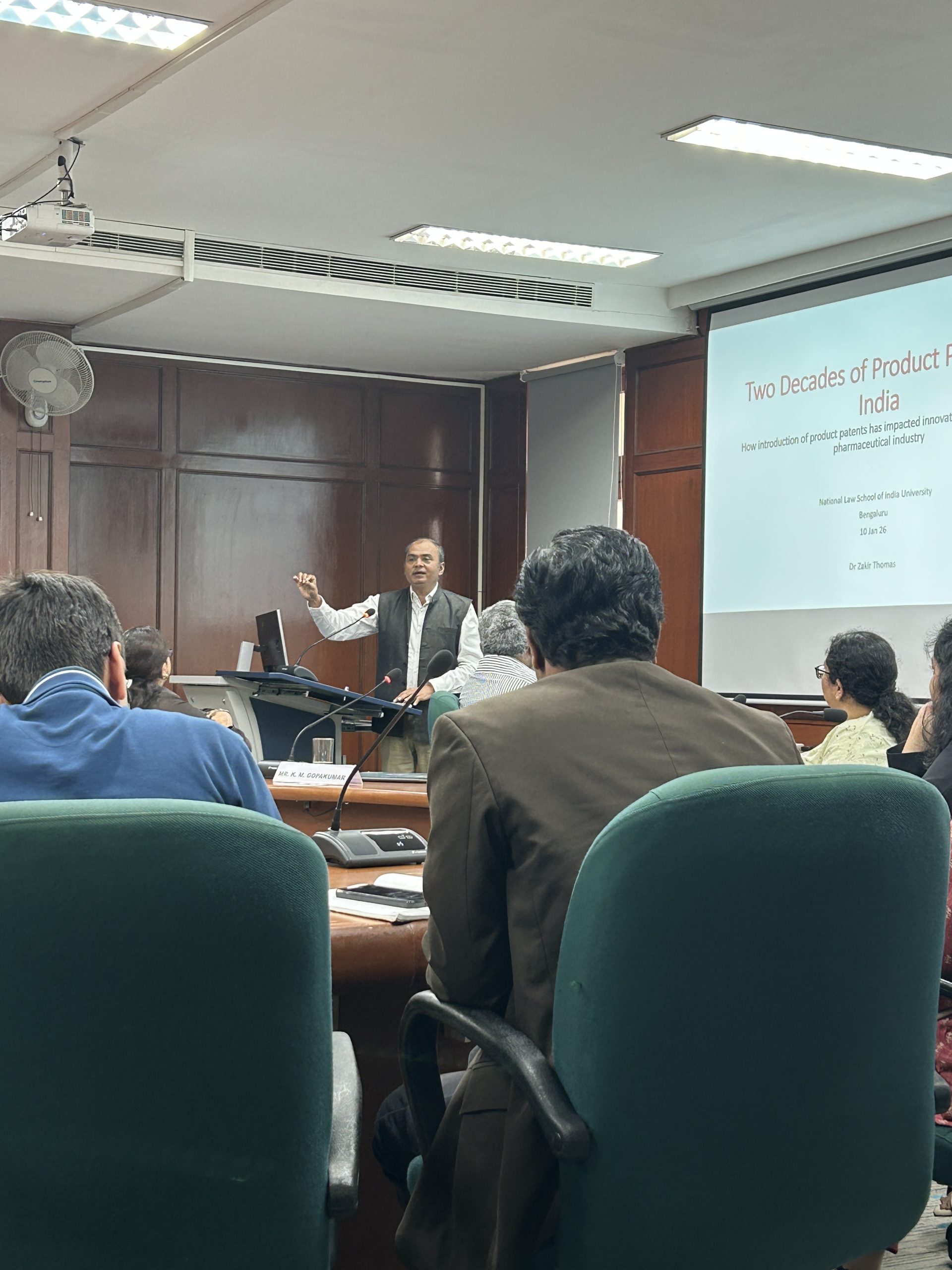
With the help of data from some of the recent reports, Dr. Zakir Thomas discussed how despite claims of global dominance, India’s pharmaceutical sector remains obsessed with volumes, and not the global value in research. He highlighted that most of the Global Capability Centers (GCCs) in India focus on peripheral areas, and not the much-required core area of invention of new molecules. He also pointed out that unlike China’s state-backed innovation agenda, India risks a “middle-income trap” due to a lack of significant R&D investment by the state and the domestic firms. He argued that the government must implement “carrot and stick” policies, such as specific tax breaks, to promote innovations in the sector.
Schedule
I. Introduction by Dr. Arul George Scaria (Professor of Law, NLSIU) | 9.30-9.35 am
II. Session 1 | 9:40-11:00 am
Moderator: Dr. Arul George Scaria
Panellists:
(i) Ms. Jayashree Watal (Former Counsellor, WTO) – Historical Perspectives
(ii) Ms. Vindhya S. Mani (Partner, Technology Law Division, Lakshmikumaran & Sridharan, Attorneys, Bengaluru) – Approach of the Judiciary
III. Tea Break | 11.00-11.30 am
IV. Session 2 | 11:30 am – 13:30 pm
Moderator: Bhanu Tanwar (Assistant Professor of Law and Co-Director, Centre for Health Law and Ethics, NLSIU)
Panellists:
(i) Ms. Archana Jatkar (Associate Secretary General, Indian Pharmaceutical Alliance) – Industry Perspectives
(ii) Mr. K. M. Gopakumar (Senior Researcher and Legal Advisor, Third World Network) – Civil Society Perspectives
(iii)Dr. Zakir Thomas (Founding Project Director, OSDD) – Innovation within the Indian Pharmaceutical Industry
V. Vote of thanks by Bhanu Tanwar
Gallery