The Second Annual SLR Workshop | Socio-Legal Review (SLR)

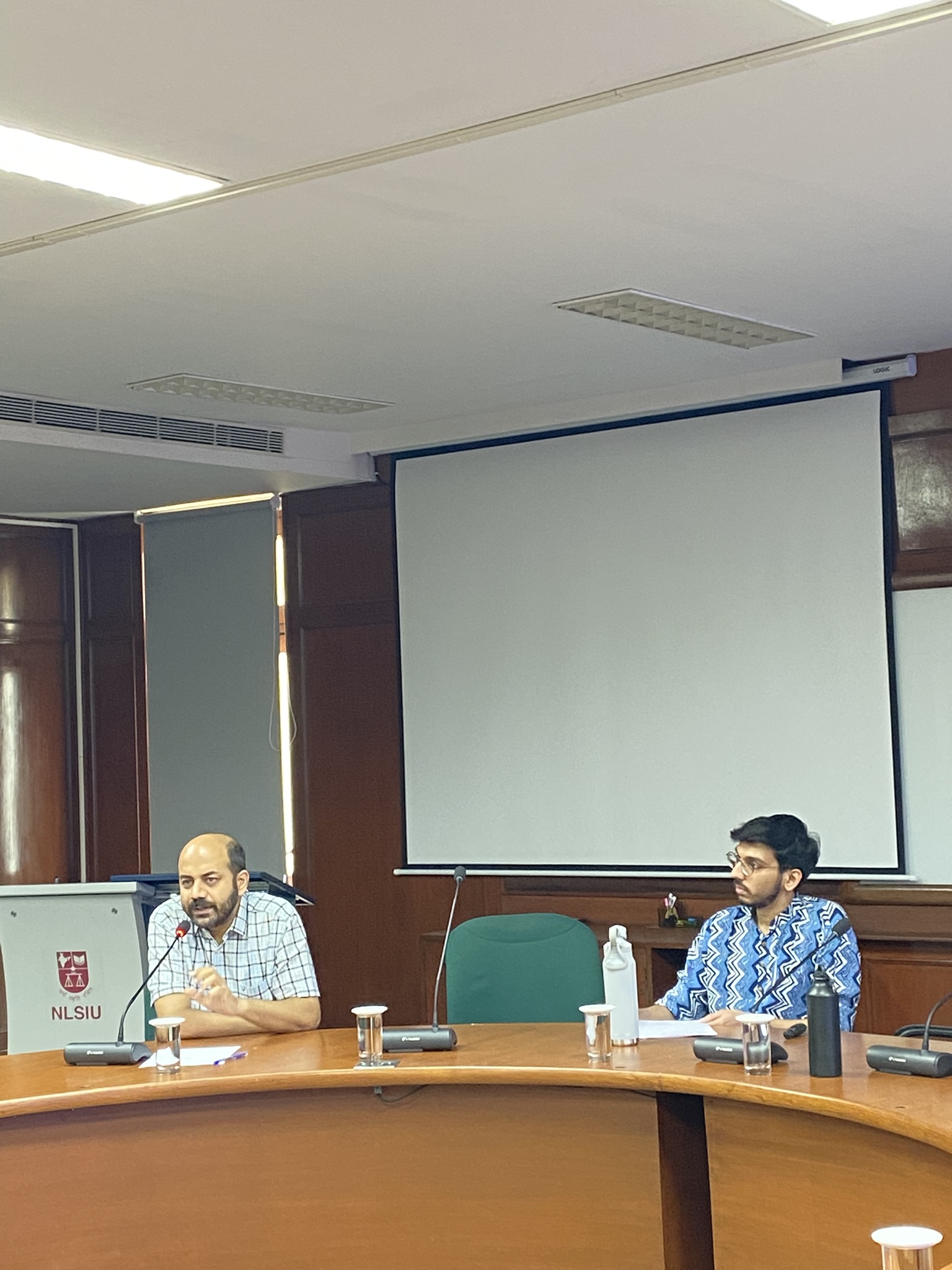
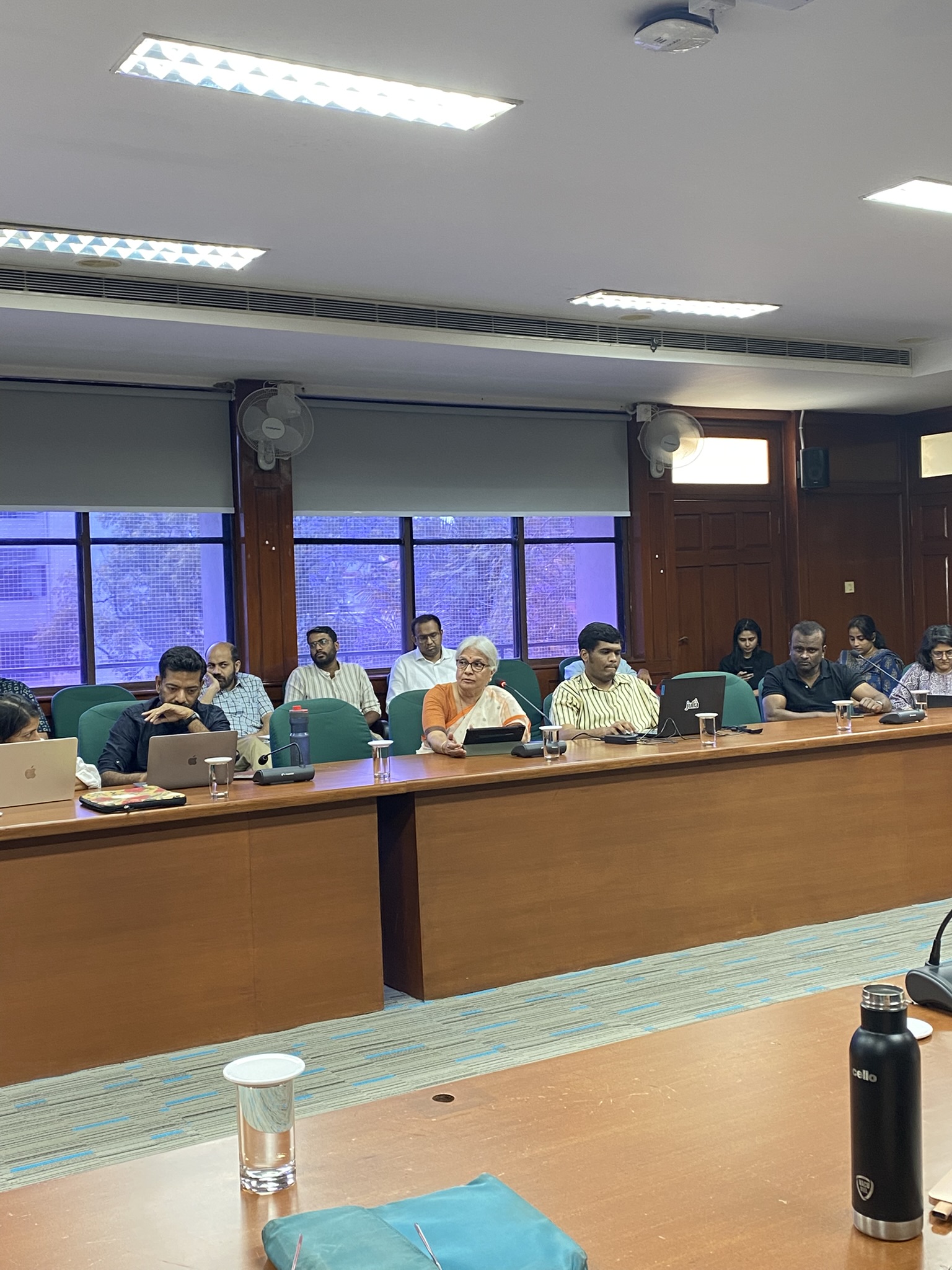
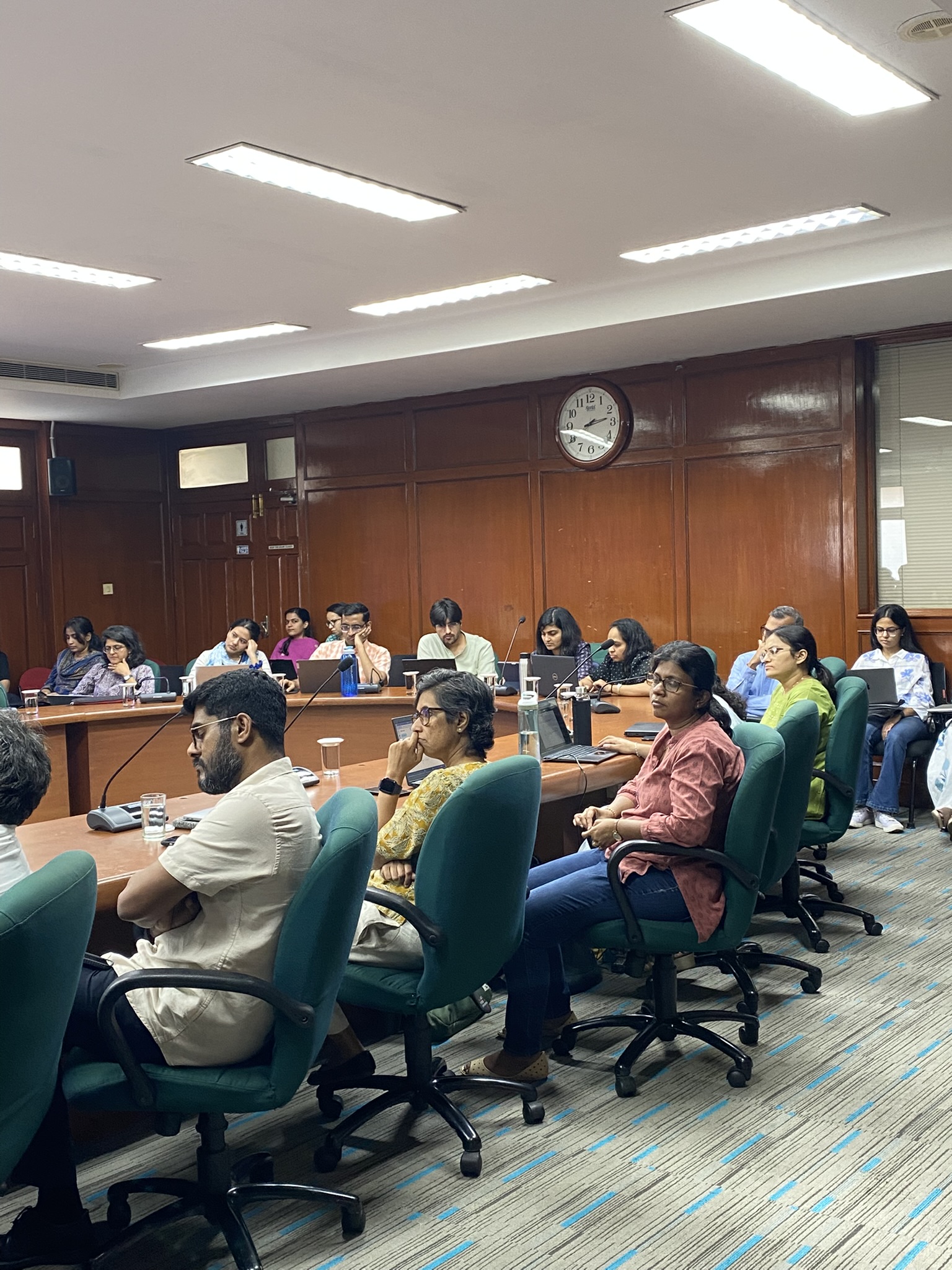
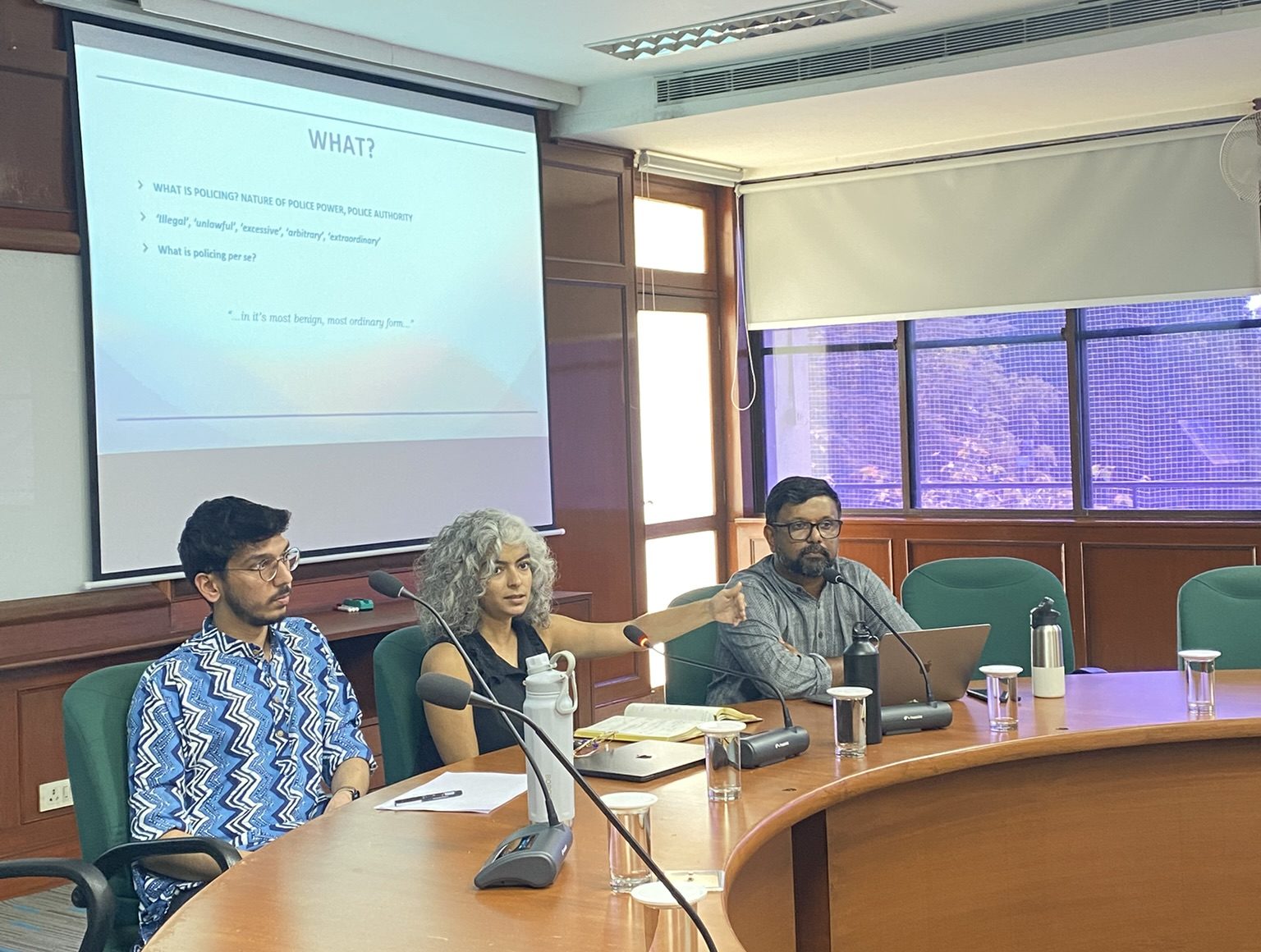
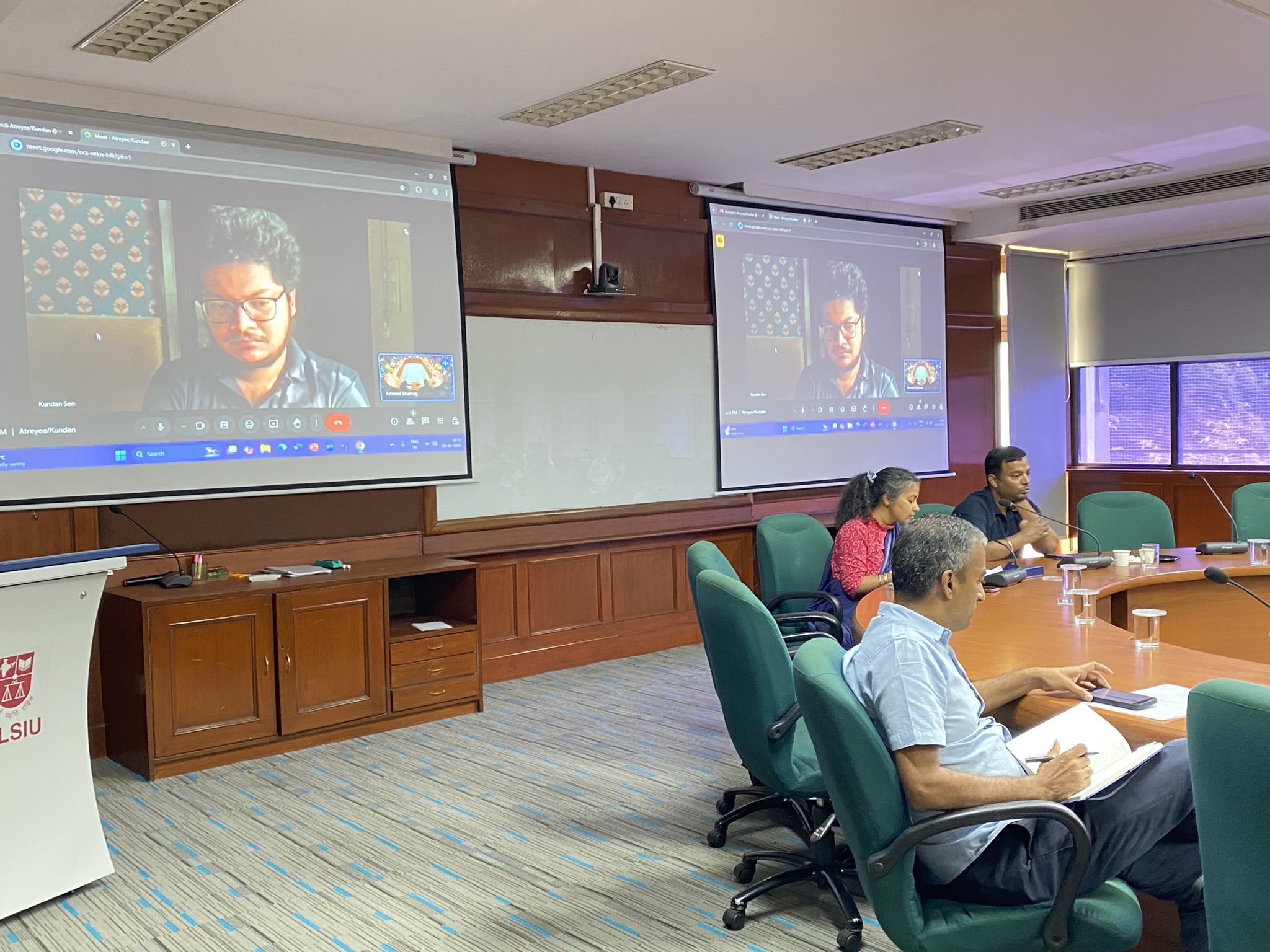
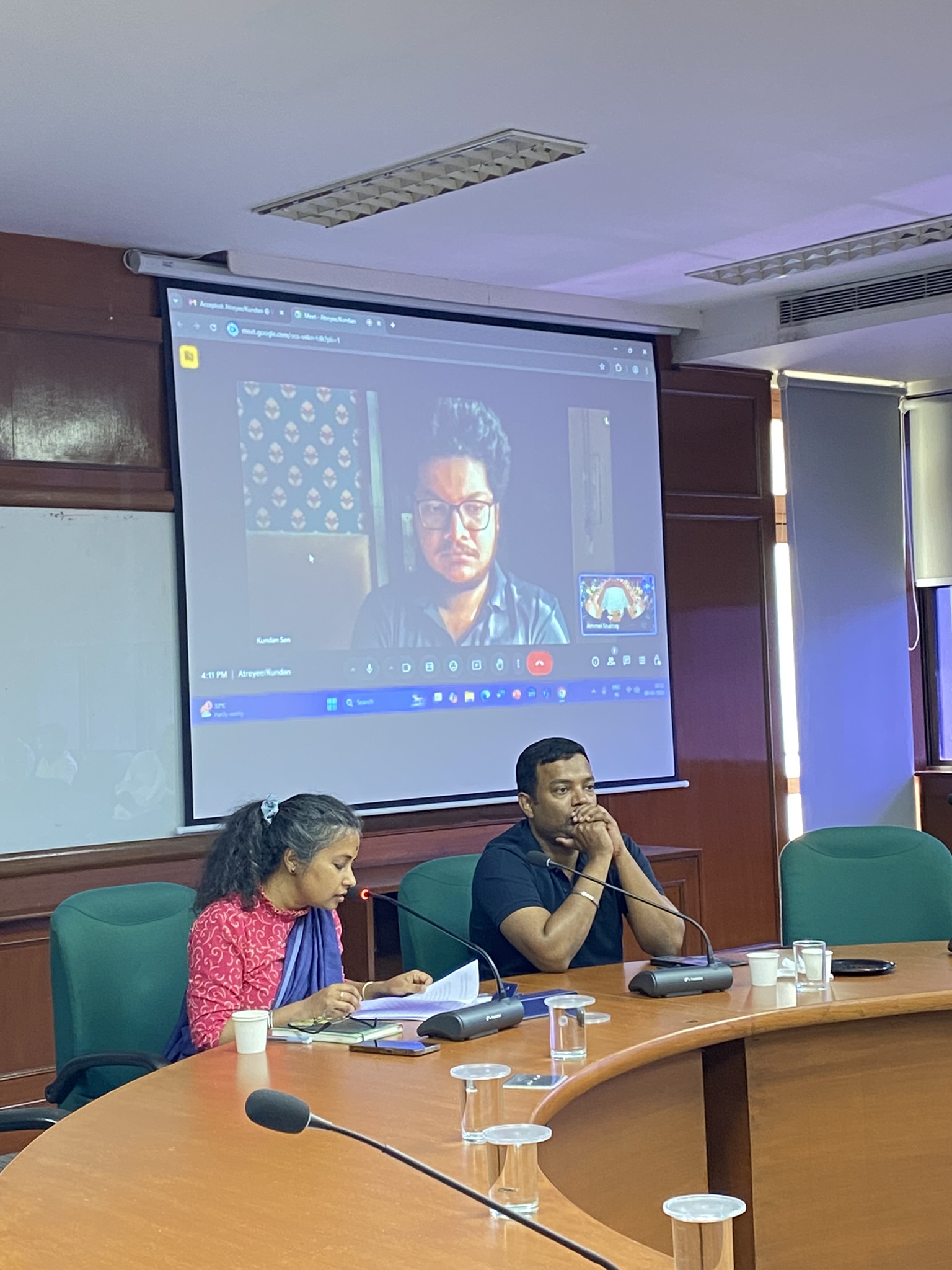
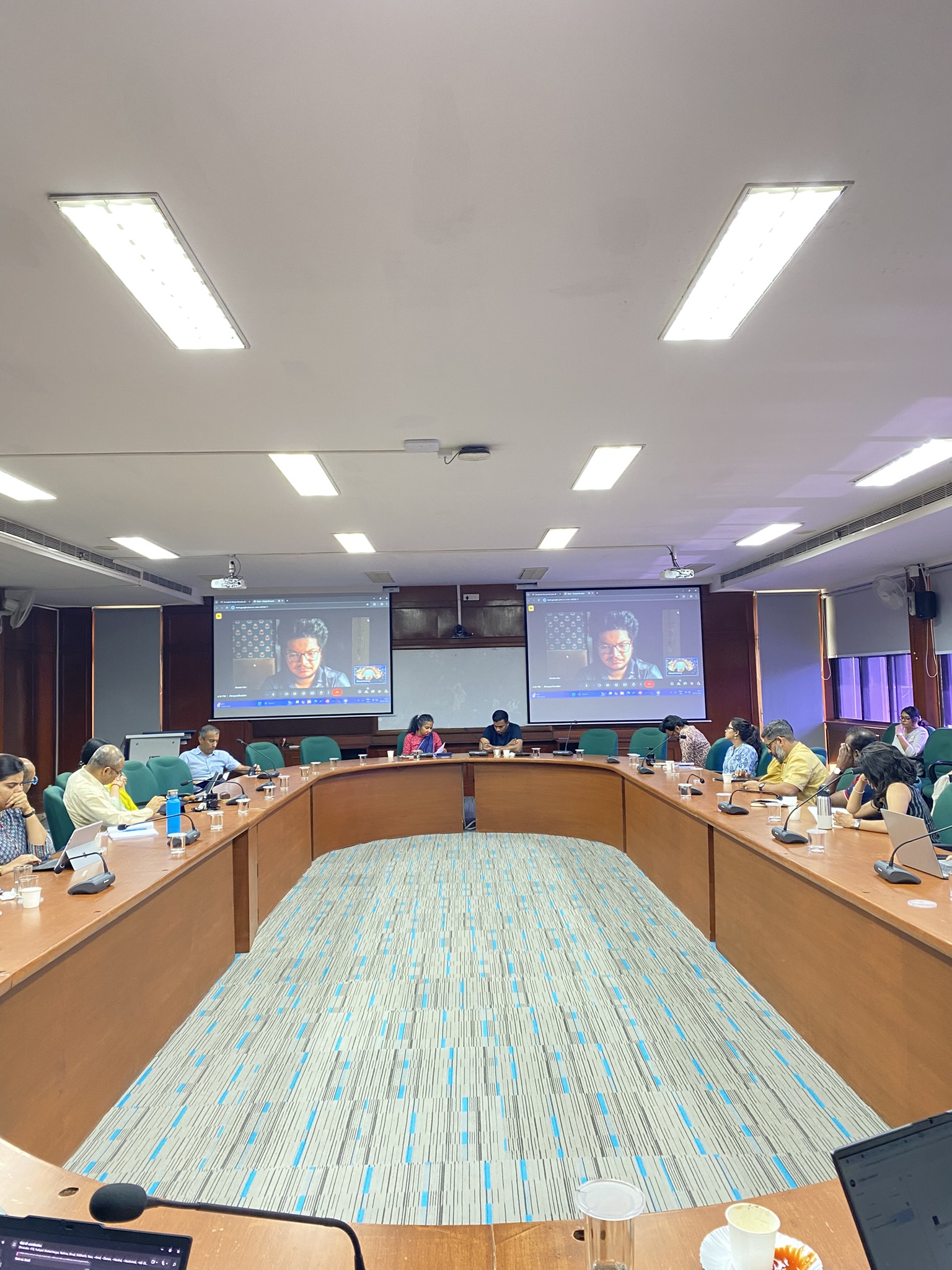
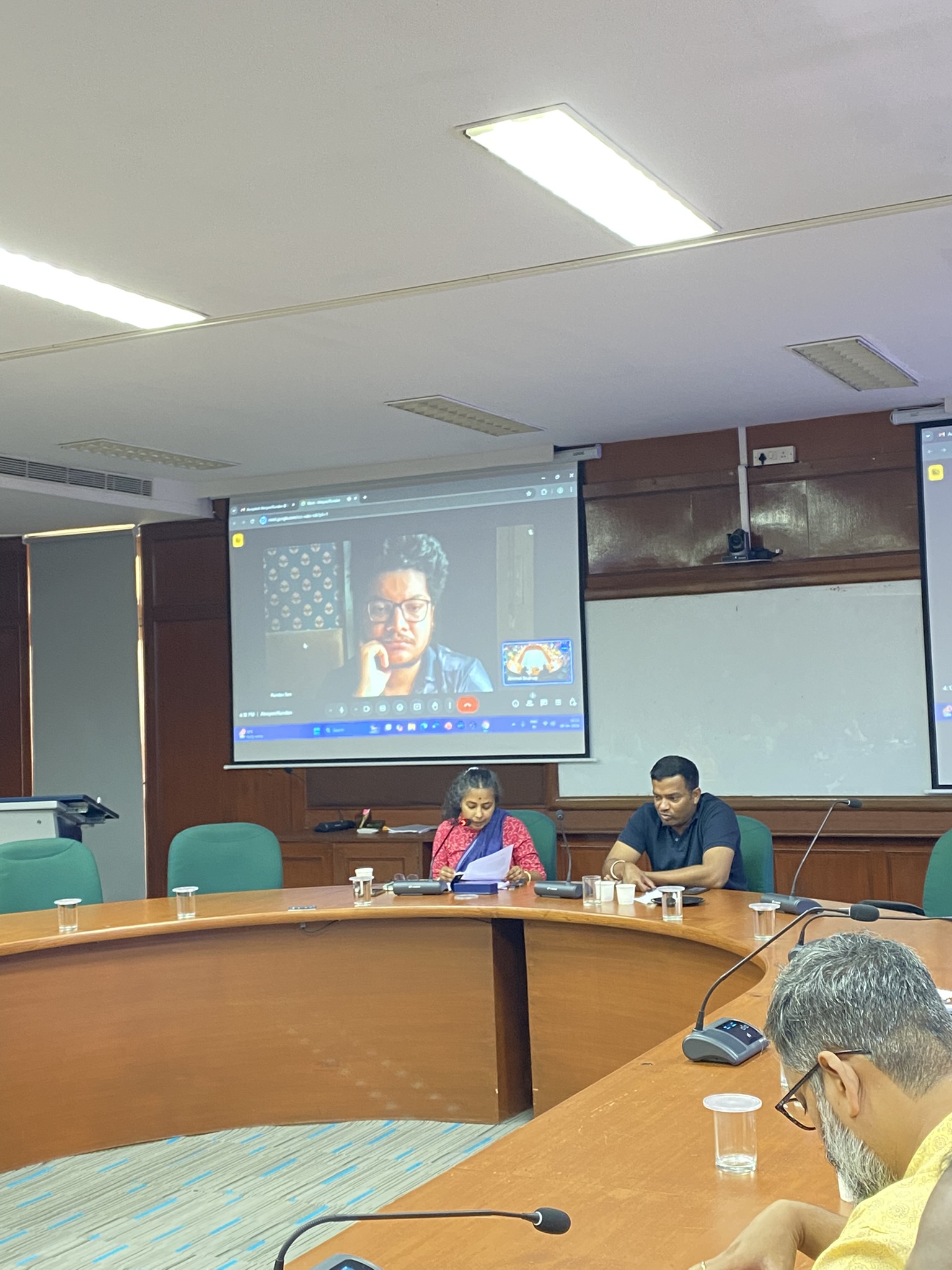
The Socio-Legal Review is thrilled to announce the 2nd Annual SLR Workshop. The SLR is a peer-reviewed, bi-annual journal that encourages interdisciplinary research at the intersection of law and social sciences. SLR is an open-access, student-run journal published by the National Law School of India University (NLSIU), Bengaluru.

About the Workshop

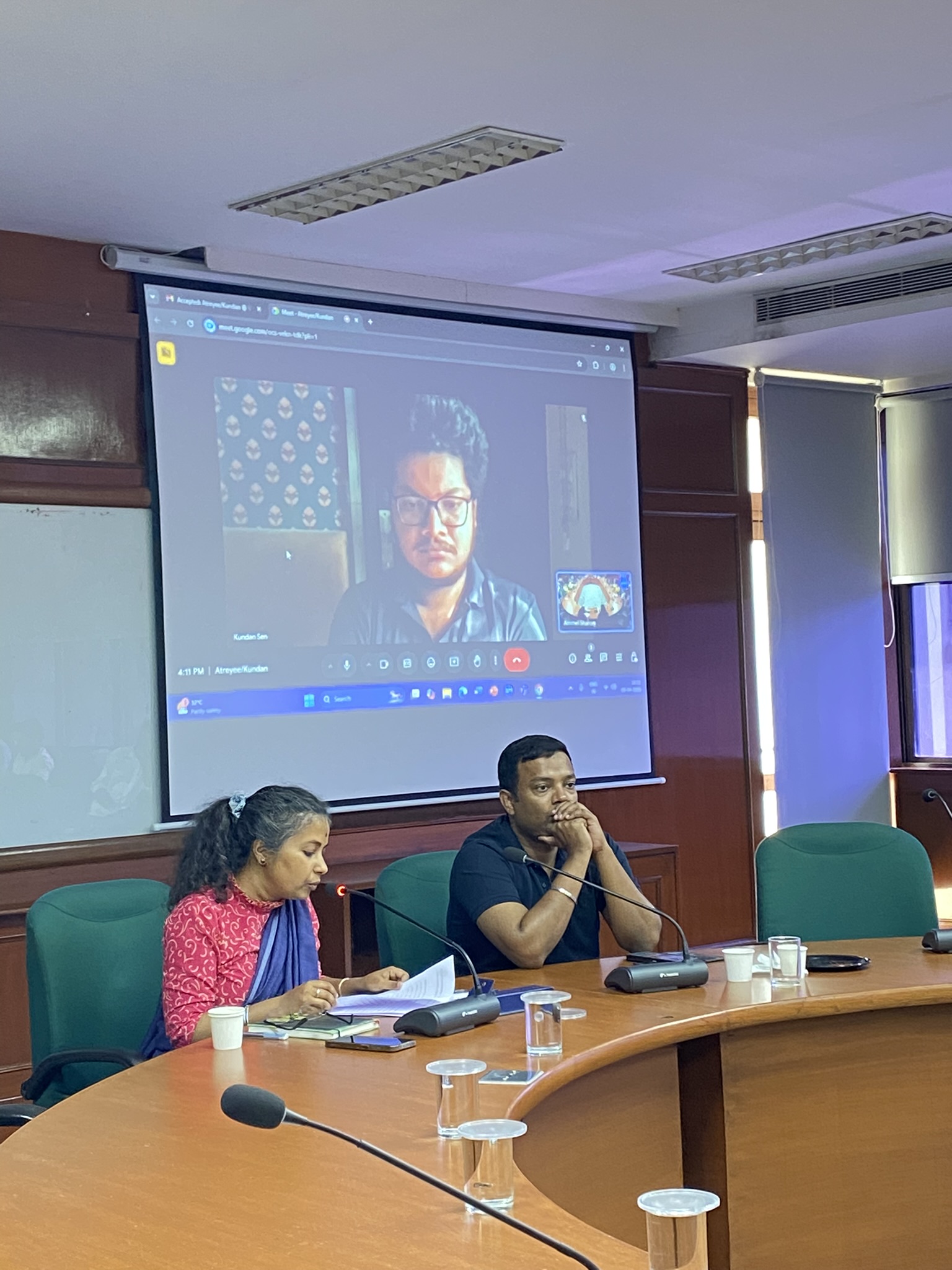
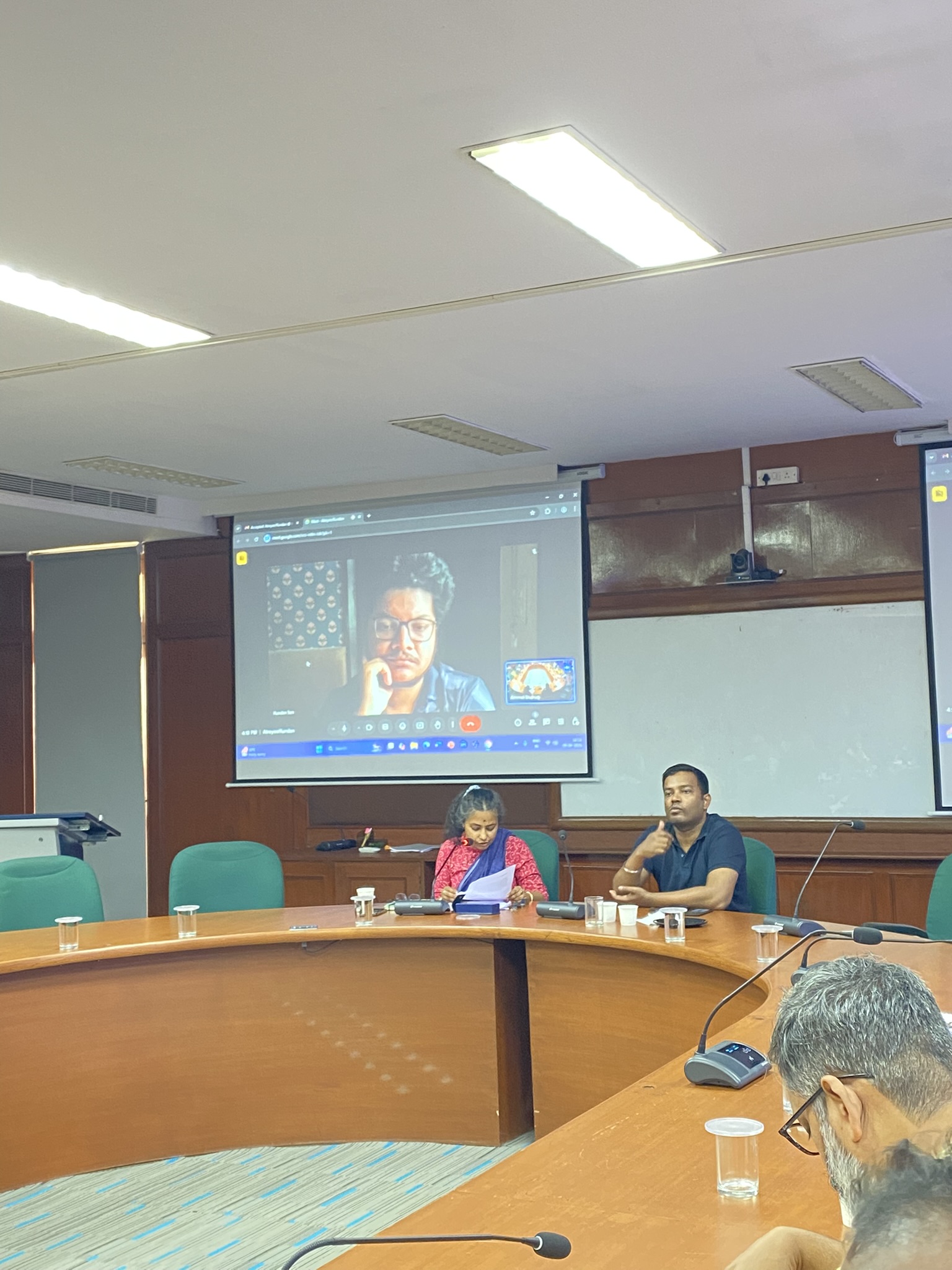
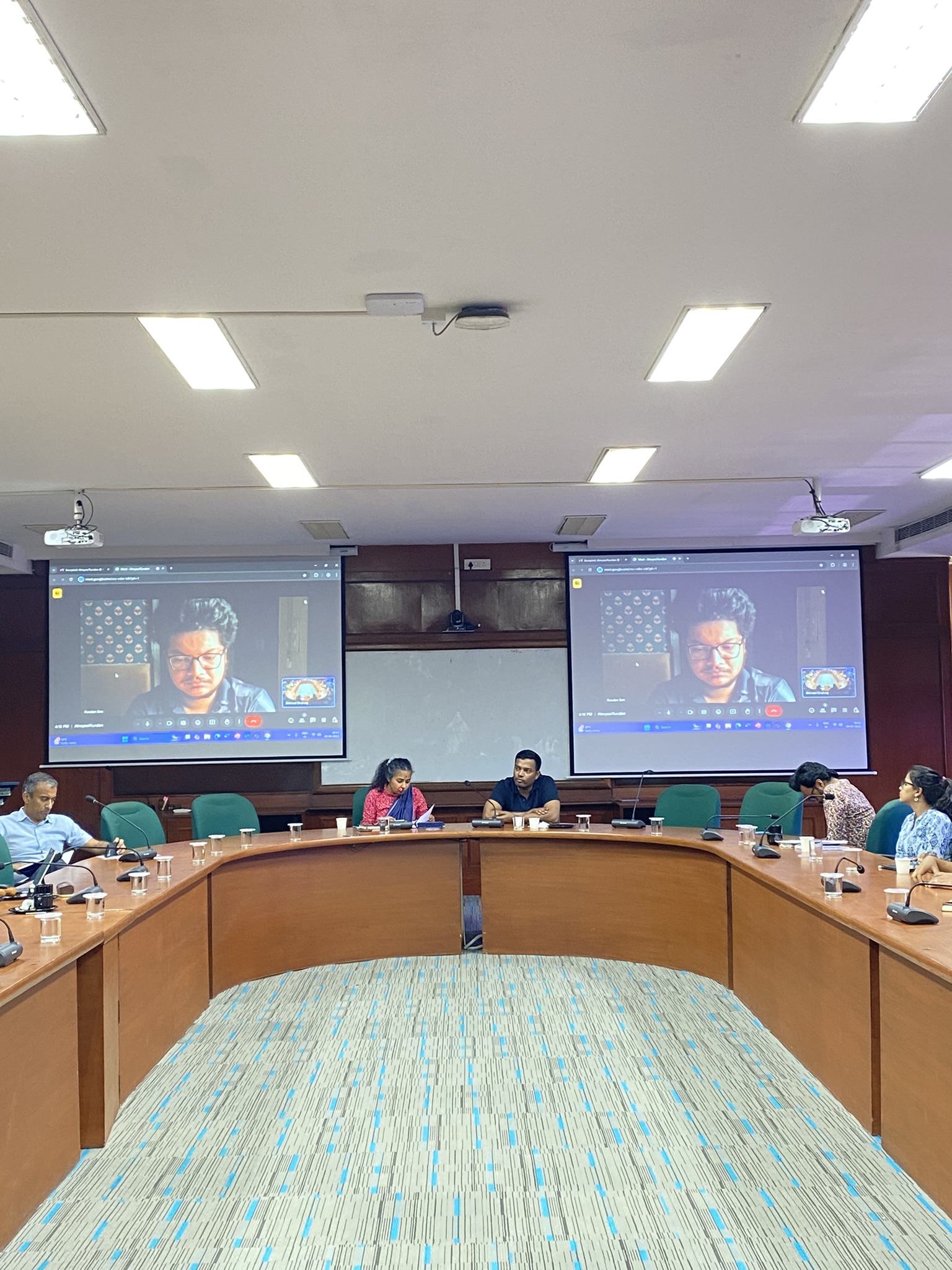
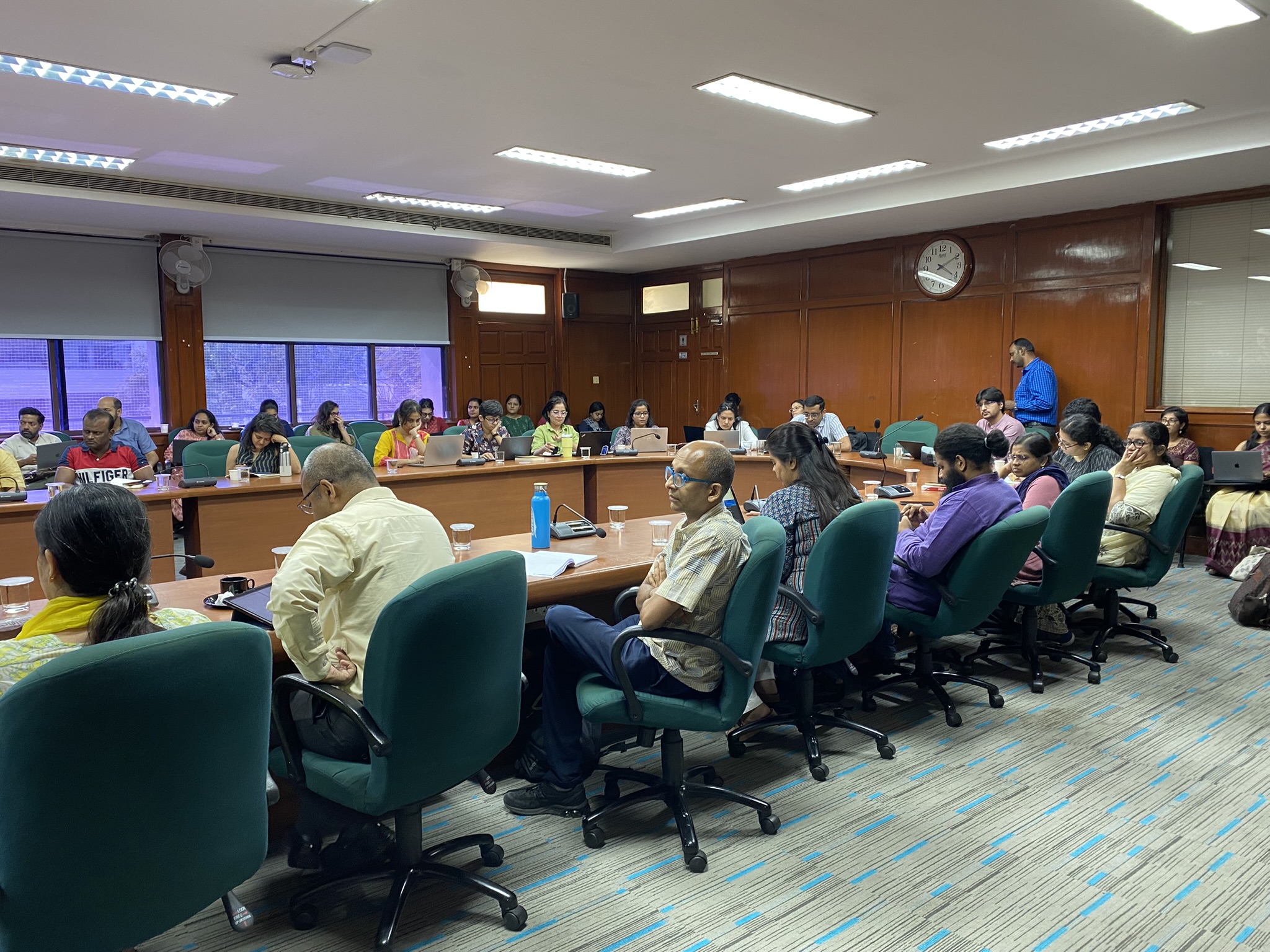
The speaker for this edition will be Dr. Siddharth Narrain. The workshop will begin with a discussion on the scope of socio-legal scholarship generally, its role in the current moment and its place within the larger movement of legal scholarship in India. This will be followed by a discussion on a pre-circulated paper that closely relates to the discipline and a Q&A Round. Finally, Editors from our Board will give a brief overview of the Editorial Policies of SLR. Through this initiative, we wish to introduce students and young scholars to socio-legal scholarship in South Asia and beyond.

The Workshop will be conducted virtually on 28th December, 2024 (Saturday) from 11AM – 1 PM. Registration is mandatory; please fill the form here to register and receive updates on the Workshop.

For any queries, please reach out to .

Alumni Reunion | BA LLB Class of 2004

The National Law School of India University is excited to host a campus reunion for the batch of 2004 this Saturday, December 21, 2024 as they celebrate 20 years of their graduation from law school.

Our alumni will be spending the day on campus re-connecting with batchmates, faculty, and other members of the NLS community, and celebrating their friendships and connections over two decades.

Schedule

  • Arrival of Alumni: 12:00pm – 1:00pm
  • Interaction over lunch and meeting with the Registrar: 1:00pm – 2:00pm
  • Assembly at the NAB Quad (NAB proposed drawings on display): 2:00pm – 2:45pm
  • Campus walk and session close: 2:45pm – 3:30pm


Alumni Speak

Aravind Balajee
Head – Legal and Compliance Department, Lodha Ventures, Mumbai

“It was, of course, very nostalgic. It was a fantastic experience. Very nice to go back to the old haunts and also fascinating to see all the interesting changes that have happened here. Very happy to see all these wonderful developments and changes that have taken place here and really looking forward to seeing our institution go to greater heights. It was really wonderful to see all the new developments.”

Pallavi Gopinath Aney
Partner, A&O Shearman, Singapore

“I haven’t been back in 20 years. So last time I came was 2004, for my convocation. So this is the first time I’m coming back properly. I’ve obviously been in touch with faculty and others. So it’s like a whole new campus. It’s lovely seeing the old buildings and everything, but I think what they’ve done with the new facilities is just incredible. I feel like I left for too long, but now that I’ve been back, I’d love to come again in the future.”

Ritvik Lukose
Co-Founder, Vahura and Counselect, India

“It’s wonderful to be back. The greenery and the trees are very much the same and the nostalgic feeling. Very happy to see the quad and the old academic block. It brings back a lot of memories. I’m so jealous that we didn’t get the facilities that the students have now. The library is out of the world. Love the atmosphere of the library. Just the feeling, like you want to stay there and just read and spend time there. That is beautiful. And in the new academic block, the classrooms are ultra modern. I would love to sit in on a class sometime.”

Vikarm Jeet Singh
Partner, BTG Advaya, New Delhi

“I think the alumni network is quite strong, with our batch and also other batches. It’s one of the great strengths of this institution. I’m sure we’ll be back not only for various, anniversaries but also for trainings, other events that the college organises. If there is something that the student body can organise as well, in terms of interaction between alumni and students, I’m sure a bunch of us would love to come back.”

Gallery


Stakeholder Consultations | The NLS BA (Hons) Programme 2025

The National Law School of India University, Bengaluru is launching a new BA (Hons.) programme for the upcoming Academic Year 2025-26. This is a 3-year programme with the option of an additional 4th year for a research track. Ahead of the programme launch, the University organised an extensive stakeholder consultation for the NLS BA (Hons) Programme on December 4&5, 2024. The stakeholder consultation saw participation from eminent academics as well as industry experts from various fields, including academia, film, publishing, architecture, politics and more. The aim of the consultation was to enhance the quality of the planned programme structure and syllabi through their inputs and advice on the curriculum. The curriculum of the NLS BA will be further refined based on the feedback received through these consultations.

The programme schedule of the stakeholder consultations is provided below.

DAY 1
December 4, 2024

9:00 AM:
Welcome remarks by Prof. (Dr.) Sudhir Krishnaswamy, Vice Chancellor, NLSIU

9:15 AM – 10:45 AM:
Economics | Roundtable 1
Vijayamba R, NLS (Moderator)
Reetika Khera, IIT- Delhi
Arjun Jayadev, Azim Premji University
Jayan Jose Thomas, IIT-Delhi
Sneha Thapliyal, NLS

10:45 AM – 11:15 AM:
Tea

11:15 AM – 12:45 PM:
Sociology & Anthropology | Roundtable 2
Atreyee Majumder, NLS (Moderator)
Deepak Mehta, Ashoka University
Rowena Robinson, IIT- Bombay
Farhana Ibrahim, IIT-Delhi
Gayatri Menon, Public Health Foundation of India
Satish Deshpande, ISEC
Ammel Sharon, NLS
Anindita Adhikari, NLS

12:45 PM – 2:00 PM:
Lunch

2:00 PM – 3:30 PM:
History | Roundtable 3
Anwesha Ghosh, NLS (Moderator)
Mahesh Rangarajan, Ashoka University
Pratyay Nath, Ashoka University
Manu Devadevan, IIT-Mandi
Prashant Keshavmurthy, McGill University
Janaki Nair, formerly JNU
Gitanjali Surendran, O P Jindal Global University
Chandrabhan Yadav, NLS

3:30 PM – 4:00 PM:
Tea

4:00 PM – 5:30 PM:
Politics | Roundtable 4
Dayal Paleri, NLS (Moderator)
Sunalini Kumar, BITS Law
Pooja Satyogi, AUD
Gurpreet Mahajan, formerly JNU
Rinku Lamba, NLS
Debangana Chatterjee, NLS

DAY 2
December 5, 2024

9:30 AM – 11 AM:
Career-facing Arts and Letters | Roundtable 5
Sneha Thapliyal, NLS (Moderator)
Karthik Venkatesh, Penguin Random House
Praveen Krishnan, The Ken
Nandan Kamath, Boundary Lab
Prasad Khanolkar, School of Environment and Architecture
Jaydeep Sarkar, Filmmaker
Anindita Adhikari, NLS

11:00 AM – 11.30AM:
Tea

11:30 AM -12.30PM:
Closing Remarks
Parvati Sharma, Fiction-writer
Rajeev Bhargava, Political Theorist (CSDS)
Sudhir Krishnaswamy, Vice Chancellor (NLS)

Reflections from the Panelists

Janaki Nair, Formerly JNU

“NLSIU has embarked on an ambitious new BA programme, put together by an extremely talented and innovative faculty in the humanities and social sciences. The programme hopes to cultivate skills and dispositions that are critical to the times in which we live. These will range from critical and innovative thinking, to greater empathy and tolerance, and increased sensitivity to the absolute imperative of creating a more just, equal and free society. The location of such a course in a Law School that has earned an excellent reputation nationally and internationally, and the rich interactions between these domains, will further enhance the experience, the training and inputs that students can expect to receive.”

Karthik Venkatesh, Executive Editor, Penguin Random House India

“The NLS BA Programme is very promising indeed. I see in it a perfect blend of academics and real-world practice that would prepare students for different kinds of careers, based on their interests and aptitude.”

Rowena Robinson, Professor of Sociology, Department of Humanities and Social Sciences, IIT-Bombay

“It is exciting to hear that NLSIU, building on its sound reputation and its well-established BA LLB program, proposes to expand with a new BA (Hons) programme built around disciplines such as Economics, Sociology and Anthropology, Political Science and History. This greater attention to humanities and the social sciences is timely, particularly as their importance for inculcating critical thinking and reasoning abilities, promoting the appreciation and analysis of social and cultural diversity, attaining a broad comparative and historical comprehension of the world, and enhancing communication capacities and ethical awareness is being increasingly emphasized globally. The programme, as envisaged by the School, also has components of Indian language learning and the development of career and professional competencies. Moreover, students will benefit from the already existing expertise in law and public policy at the School. With its excellent faculty and emphasis on rigour, NLSIU is well placed to run such a programme that can broaden students’ intellectual foundations, nurture them as informed citizens, and prepare them for today’s challenging and changing world of work.”

Reetika Khera, Professor (Economics), IIT-Delhi

“I am excited to hear that NLSIU will begin a BA in Economics that allows students to take courses in history, law, political science and sociology too. Economics is done best, when it is done with a broader understanding of the society we live in, and the NLS BA (Hons) programme is striving to give students that opportunity.”

Pratyay Nath, Associate Professor of History, Ashoka University

I think the great thing about the new curriculum is that the history faculty (at NLSIU) has come up with a variety of electives that they’re offering, and how well they go with the core courses being offered. The core courses give a very sound understanding of South Asian history within the larger global context, while the electives help students explore a variety of themes related to history, caste, gender, law, society, culture, etc. And these courses exist as pathways for students to explore these very broad categories of the past. And the great thing is that the faculty includes a bunch of young historians who are at the cutting edge of historical research. They’re constantly researching, publishing, mentoring students, and they bring all of that expertise into teaching these excellent set of courses in the classroom. So I’m really excited to see how the programme unfolds in the future, and I think, great things are awaiting!” 

Follow this page for further updates.

M.K. Nambyar Chair | Talk on ‘Constitutionalism as the Language of Politics in India: Fraternity as the Key to Democracy’

The MK Nambyar Chair on Constitutional Law is pleased to announce that Dr. Shaunna Rodrigues, Core Lecturer in Contemporary Civilization at Columbia University’s Middle Eastern, South Asian, and African Studies, will be delivering a lecture based on her paper titled ‘Constitutionalism as the Language of Politics in India: Fraternity as the Key to Democracy.’ The lecture is scheduled for 19th December from 3:50 pm-5:00 pm.

If you are interested in attending this event, please fill out this form.

Abstract of the Paper

Across elite and popular sites of democratic constitutionalism’s moment of creation in India, democracy was viewed as a mode of participation in shaping common laws, norms, and the life of a political community. However, there was also an understanding that this practice of democracy could progress in a postcolonial democracy like India if and when its diverse participants actively knew one another.

Political thinkers like B.R. Ambedkar and Abul Kalam Azad captured this principle of knowing others in order to enable greater participation in democracy through the concept of fraternity. In addition to identifying communication and association as valuable tools for building fraternity in India, they also systematically reflected on the moral and ethical frameworks needed in Indian public life to enable the deepening of knowledge of others in Indian democracy. These moral and ethical frameworks did not operate through secular conceptions of toleration. Instead, they employed non-secular yet plural frameworks, driven by a reconstruction of Buddhist and Islamic conceptions of fraternity, which emphasized identifying one’s own good in the good of others by sharing in and understanding the vital processes of their lives.

This paper outlines how their ideas of fraternity contribute to both elite and popular interpretations of constitutionalism as democracy unfolds in India to justify why knowledge of one another enables greater participation, and thus progress, in postcolonial Indian democracy. Further, it compares their conception of fraternity to Hindutva’s conceptions of the political community to assess the effectiveness of the former as a democratic counter to the latter’s majoritarianism in constitutionalism’s current moment of crisis in India. Finally, it assesses if and how overlaps and divergences between epistemically different non-secular conceptions of fraternity have implications for a pluralist conception of democracy in India.

About the Speaker

Dr. Shaunna Rodrigues is a Core Lecturer at the Core Curriculum in Contemporary Civilization, and the Department of Middle Eastern, South Asian, and African Studies at Columbia University, New York. She is a political theorist who uses historical methods to study how anticolonial ideas shape constitutionalism and the trajectories of democracy in postcolonial societies. She is currently working on her upcoming book, Anticolonial Constitutionalism: Fraternity, Progress, and Self-Respect in Indian Democracy. She has a BA in Economics from St.Stephens College, New Delhi, an M.A. in Political Studies from Jawaharlal Nehru University, New Delhi, and a Ph.D. in Middle Eastern, South Asian, and African Studies from Columbia University, New York.

Excerpts from the talk

On Constitutionalism in India

“Why and how does constitutionalism sustain itself as the primary language of politics in democratic India? I will argue that it does so because it is constantly being reconstructed in and through Indian democracy while grounding itself in sustained justifications produced for it during India’s anti colonial movement. Other scholars have argued that justifications for constitutionalism in India have relied on ideas of nationalism, secularism, freedom, and rights. In contrast, I will argue that secularism, freedom, and rights, while important, have, more often than not, been justifications employed by the Indian state to further its interpretation of constitutionalism in India. Unlike the Indian state, justifications for constitutionalism emerging from India’s people have not necessarily always employed secularism, freedom, or even nationalism as normative goals or realistic grounds for popular understandings of constitutionalism. Instead, justifications for constitutionalism emerging from the people in India have been shaped by ideas of self respect, progress, and fraternity. My presentation today will focus on fraternity as a major justification for constitutionalism in Indian democracy.”

On Abul Kalam Azad and Bhimrao Ambedkar conceptualization of ‘fraternity’

“I will proceed to show how figures like Abul Kalam Azad and Bhimrao Ambedkar conceptualized fraternity as an anti colonial response to representative secularism. Both Azad and Ambedkar’s systematic and anti colonial reflections on fraternity provide Indian democracy with enduringly relevant answers to how and why fraternity acts as an important justification of constitutionalism. I use their overlapping but distinct conceptions of fraternity to explore why fraternity is important for progress in India, where progress is imagined as a deepening of accumulated learning between and of different groups of people in Indian society. Simply put, fraternity as knowing the other has enabled progress in India because it deepens democracy by sustaining a pluralist political imaginary.”

“Abul Kalam Azad strongly believed that laws and the founding principles that laws would be grounded in ought to be substantiated by universal ideas so that they would appeal to a wide diversity of people. However, he critiqued the construction of universality by and around principles of liberalism alone and argued instead that universal principles could be drawn from other sources, including those that thrived in India prior to British imperial rule… According to him, fraternity comprised two things. First, it referred to social solidarity that allowed people to reach out to the other, understand the other, and side with the other despite their differences. Second, fraternity referred to the familiarity that different people felt with each other because of the assumptions they share about important involvements in common life despite their differences.”

“Ambedkar identified Buddhism’s emphasis on learning about others who shared one’s world as a practice of fraternity. Ambedkar defined fraternity using J.S. Mill who wrote of fraternity as a natural sentiment when an individual came to identify himself with the good of others. But he also added an additional meaning to this liberal utilitarian conception of fraternity. He asserted that fraternity is not preaching that we are children of god or the realization that one’s life is dependent on mothers. Two ideals that Ambedkar’s political rival, Mahatma Gandhi, consistently preached. Instead, the condition for growth of the sentiment of fraternity lies in sharing the vital processes of life. So I’m going to quote him here: “Fraternity strengthens social ties and gives to each individual a stronger personal interest in practically consulting the welfare of others. It leads him to identify his feelings more and more with their good or at least with any, you know, with an even greater degree of practical consideration for it. With the disposition to fraternity, he comes as to instructively to be conscious of himself as being one who, of course, pays regard to others.””

“I want to put forward a critical conception of progress that emerges from these two ideas of fraternity. Such a conception of progress is marked by the deepening of democracy that is aided in many moments by technological innovation and material expansion, but not defined by these indicators. What is central to this second conception of progress is the deepening of democracy within a polity through its enablement of emancipation from hierarchy. Such a conception of progress upholds the promise of inclusive participation, not only by making political institutions more representative of particularly diverse identities, but also by empowering a form of social learning across diverse groups within a polity. Progress driven by collective learning across different groups of each other’s norms, interests, pasts, and aspirations allows for diverse world views to be brought into the public domain and employed in the articulation of common political principles…  This critical conception of progress grounding in learning from each other could produce an antidote to majoritarian conceptions of fraternity that also influence democracy in India.”

“For majoritarian conceptions of fraternity, loyalty is of utmost importance. Loyalty to what? Predominantly to a conception of the nation. However, Ambedkar’s argument, when combined with Azad’s argument, gives us a counter conception of fraternity where fraternity enables progressing together by associating with the goods of others who are different from others because we are part of a political community.”

Gallery

Faculty Seminar | Horizontality and Hohfeld: Locating the Right to Freedom of Expression in the Analytical Framework

In this week’s faculty seminar, Keertana Venkatesh, Assistant Professor of Law at NLSIU will be presenting on “Horizontality and Hohfeld: Locating the Right to Freedom of Expression in the Analytical Framework.”

Abstract

The right to freedom of speech and expression ensured under Article 19(1)(a) of the Constitution of India has been viewed traditionally as a vertical right, i.e., a right enforceable in cases of unreasonable interference of the State. In early 2023, however, the Supreme Court of India in Kaushal Kishor v. State of Uttar Pradesh recognised the horizontal effect of this right. Although constitutional rights have been enforced against private actors in different ways in various jurisdictions, including the United States of America, South Africa, and Ireland, the Supreme Court of India seemingly adopted an approach of direct horizontality in its decision, attracting widespread criticism.

Hohfeld’s widely influential analytical framework seeks to disambiguate the notion of a “right”, through the identification of eight legal positions and their jural relationships. In respect of constitutional fundamental rights, vertical rights are immunities held by citizens in the Hohfeldian sense, that are entrenched against deprivation through State action. Consequently, according to the analytical framework, a vertical right would involve the imposition of disabilities upon actions of legal governmental officials in respect of exercising their powers on behalf of the State to enact any piece of legislation. The recognition of the horizontal effect complicates the location of the right to freedom of speech and expression within the Hohfeldian framework.

Constitutional rights involving multifarious Hohfeldian entitlements and correlates are not unusual, given that the protection of these rights is both complex and content specific. This paper analyses three such legal relationships involved in the protection of the right under Article 19(1)(a), to discern whether the broad-brushed recognition of horizontality by the Supreme Court is firmly grounded in theory. First, it will explicate the traditional vertical relationship placing citizens as holders of Hohfeldian immunities, and legal governmental officials as bearers of Hohfeldian disabilities, to question whether direct horizontality can be accommodated within this legal relationship. Second, it will examine direct horizontality through the constitutional structure placing citizens as holders of Hohfeldian claim-rights and relevant private actors as Hohfeldian duty-bearers, wherein the latter actors ought not engage in conduct that disturbs the enjoyment of rights of citizens. Third, by construing the right under Article 19(1)(a) as a Hohfeldian liberty, the paper will study whether direct horizontality results in limiting this liberty owing to the co-existence of the duty of non-interference. The second and third inquiries are tailored to investigate if direct horizontality has the effect of diluting existing rights and increasing the scope of impermissible conduct by private actors. Overall, the three inquiries seek to understand the philosophical foundations of the horizontal effect of the right to freedom of expression, which is critical to determine the legal obligations of both State and private actors, if any, with respect to the right.

Talk on ‘Urban Governance in Brazil, India and South Africa: Can Mega Cities be more Inclusive?’ | Patrick Heller, Brown University

NLSIU’s HUPA Chair on Urban Poor and the Law is organising a talk titled ‘Urban Governance in Brazil, India and South Africa: Can Mega Cities be more Inclusive?’ by Patrick Heller of Watson Institute for International and Public Affairs at Brown University.

Abstract

In the age of globalisation, megacities in the developing world have emerged as the most contested sites of the socio-spatial contradictions of capitalism. In contrast to deterministic accounts that have dominated the literature, Patrick Heller combines insights from the developmental state and the urban governance literatures to show that political and institutional factors at the national and local level can shape divergent trajectories of urban transformation. Comparing the modal megacity in three democratic, highly unequal, globally integrated and rapidly transforming countries, he focuses on service delivery and slum-rehabilitation to show that there is significant variation in the capacity of cities to coordinate growth and inclusion.  These varied outcomes are explained on the one hand by centre-local state relations that configure the degree of city capacity and governance autonomy, and on the other hand by the degree to which the local state is embedded in civil society.

About the speaker

Patrick Heller is the Lyn Crost Professor of Social Sciences, Professor of International and Public Affairs and Sociology, and the Interim Director of Graduate Program in Development at the Watson Institute for International and Public Affairs at Brown University.

Excerpts from the Talk

On Brazilian cities

“So in 1988, Brazil gets the most progressive constitution. Most legal scholars think it’s the most progressive constitution. Among other things, it has a long list of social rights. These are actionable social rights. You can go to the courts and sue government if the state doesn’t deliver on these rights.

The rights also include the right to participation. So they introduce sectoral councils, participatory budgeting, all sorts of mechanisms to empower citizens to be part of governance as it were. And the movements themselves celebrate the sort of politics of what they call new citizenship. So explicitly rejecting the patronage and the populism of the past in favor of active citizen engagement.”

On Indian cities

“I wanna argue that Indian cities are cities without a real state, they’re run from the outside, they’re run through bureaucratic agencies and commissioners. There’s not a lot of coordination. In fact, a lot of coordination failure. The rent seeking interests tend to dominate. The incentives to local politicians are really perverse. They can’t do legislation. They can’t do policy, so they do patronage. They can get you a tanker truck. They can’t get you piped water. Right? And it creates all sorts of perverse incentives.”

On South African cities

“South Africa is well placed to actually address the legacies of racial exclusion. The ANC comes to power with 65% of the vote. It inherits a high capacity local state. Apartheid was national legislation that existed, which passed in 48, but the apartheid system was built at the city level. These were all white colonial cities, and they built apartheid, to separate themselves from the population but also to maintain them in a state of servitude and cheap labor, etc. And so they developed tremendous capacity, you know, enforcing systemic racial segregation.

You need a lot of data, a lot of policing. You need to be able to segregate the workplace, neighborhoods, social relations, public spaces, etc. So these are high capacity states that are inherited by the post apartheid government. They have a massive political mandate, 65% of the vote, to deracialize the city. The South African constitution is one that, you know, has some of the most enumerated social rights of any constitution in the world… Plus, it does constitute cities as constitutionally recognized third spheres of government with full autonomy and legislative powers and the power to tax, including voluntary taxes, etcetera.”

Gallery

The NLS Public Lecture Series | Book Discussion | Labour Justice: A Constitutional Evaluation of Labour Law

In our upcoming public lecture on December 18, 2024, NLSIU will host a book discussion with Supriya Routh, Associate Professor at the University of British Columbia, Canada. The discussion is on his book titled ‘Labour Justice: A Constitutional Evaluation of Labour Law.’ NLS faculty member Dr. Saurabh Bhattacharjee will be the discussant.

About the Speaker

Supriya Routh is an Associate Professor and Canada Research Chair in Labour Law & Social Justice at the Peter A. Allard School of Law at the University of British Columbia, Canada.

Abstract

This book argues that the imagination of the worker-citizen, inherent in citizens’ constitutional duty to work, is the very foundation of constitutional citizenship and its social justice agenda. The design of social justice in the constitution takes labour as its core ideological and political commitment, seeking to treat workers fairly for their social contribution through work. Employing this constitutional design, this book evaluates the recently repealed labour law against the constitutional metric of social justice. Drawing on the components of social justice, the book evaluates the new labour law in its capacity to promote market-based distribution, respecting basic individual liberties; the complementary redistribution of public goods, upholding the principle of solidarity; and worker participation in decisions about the operation of the market and the state. In offering such evaluation, the book conceives of work in its wider social relationship in contrast to its narrower private exchange rationale.

Excerpts from the Lecture:

“Indian labor law is unique to the Indian context, and it’s not based on contract. When I’m talking about labor law, there are two components of it. One is individual employment relationship and the other one is collective labor law wherein you have trade unions bargaining with employers. So, I’m arguing that Indian labor law has its own very unique approach to labor regulation that is not there in other countries, especially the West’s labor law, which is based on contract, private individual exchange relationship.”

“I am arguing that the Indian Constitution’s social justice framework is based on its understanding of worker citizen, and work is central to the understanding of Indian citizenship. And I’m sure you all know that many political theorists would argue that political citizenship is the primary holder of citizenship rights. But I am contending that the Indian Constitution makes worker citizenship as the core of the citizenship ideal.”

Gallery

AILET 2025 | Latest Updates and Instructions

AILET (All India Law Entrance Test) is a national level examination conducted by the National Law University Delhi every year for admission to B.A. LL.B.(Hons.), LL.M. and Ph.D. Programmes offered by the National Law University Delhi.

Instructions for Candidates

  • AILET 2025 examination will be held on December 8, 2024 (2:00 P.M- 4:P.M). The duration of the test is two hours. PWD Candidates will have extra 40 minutes.
  • Candidates shall be allowed to leave the Test Centre only after the test.
  • Candidates shall not be permitted to enter into the examination hall after 2:15 P.M.
  • Candidates writing the test at NLSIU must enter the University campus only through Gate 1.
  • Only the Candidates shall be allowed to enter the NLS campus. Parents/guardians of candidates shall not be allowed to enter the University campus.
  • No parking facility for vehicles is available.
  • No vehicle shall be allowed entry into the campus.
  • Please note, parking outside Gate 1 is not allowed to avoid traffic congestion in front of the test centre.
  • Candidates must show their Admit Card to enter the Test Centre.
  • Candidate’s Admit card and Photo ID proof will be verified at the verification desk.
  • Candidates are requested to follow the queue and the markings outside the gate.
  • Candidates are allowed to carry only the following items to the Examination Hall/Room:
    a) Blue/ Black Ball Point Pen
    b) Admit Card
    c) Any valid Photo I.D. Proof and photographs
    d) Transparent Water Bottle
    No other items will be allowed inside the exam hall.

For other test related instructions, candidates may check the following page – https://nationallawuniversitydelhi.in/.

How to get to NLSIU?

If you need help in reaching our campus, please click here.

Workshop on Proposed Volume “Politics of Waiting and an Expanding Gender Horizon: The Social, Political, and Legal Discourses in India” | Organised By Centre for Women and the Law

The Centre for Women and the Law (CWL) is organising an in-person workshop on December 14, 2024, on the NLSIU campus for a proposed volume titled ‘Politics of Waiting and an Expanding Gender Horizon: The Social, Political, and Legal Discourses in India.’

Overview

The proposed volume aims to reimagine ‘gender’ through the conceptual framework of the ‘politics of waiting’. As we explore the social and legal discourses shaping and transforming ‘gender’ as an analytical category, we intend to push our thinking to examine the intersection between gender and waiting. This one-day workshop, designed to deliver constructive feedback to the contributors, is instrumental for manuscript preparation. Twelve chapters with contributors from all over the country are invited to the NLSIU campus. The volume is currently under contract with Routledge (Taylor & Francis).

The editors of the volume are Dr. Debangana Chatterjee and Dr. Sarasu Thomas.

Here is the detailed concept note and the abstracts of the chapters of the volume.


Schedule

  • Session I | 9.30 am – 11.15 am | Breaching the Wait: The Discourses on Rights and Legal Phallocentrism
  • Session II | 11.30 am – 12.30 pm | ‘Labour’ of Love: Waiting as Neoliberal Subjects
  • Session III | 12.30 pm – 2 pm | Instrumentalising the Wait: A Site of Resistance and Tool for Oppression
  • Session IV | 3 pm – 4 pm | The Caged Bodies in Waiting
  • Session V | 4 pm – 5 pm | Waiting Amidst Humanitarian Crises: Juxtaposing the Global and Local

The workshop will commence at 9:30 am and conclude at 6 pm. Here is the full schedule.

Mode: Hybrid

Join in on Zoom here: https://nls-ac-in.zoom.us/j/93692575998?pwd=dU0QlIrlaGFD1ttn43xNeWcRDaE8Qo.1

Meeting ID: 936 9257 5998
Passcode: 701444

Gallery

The NLS Public Lecture Series | Book Discussion | ‘The Making of Subalterns across History’

In our upcoming public lecture on December 11, 2024, NLSIU will host a talk on ‘The Making of Subalterns across History’ with Prof. Ishita Banerjee-Dube, Professor-Researcher at the Centre for Gender Studies, El Colegio de Mexico, Mexico City. Prof. Dube will discuss the volume titled ‘The Routledge Handbook of Subalterns across History’, Saurabh Dube and Ishita Banerjee-Dube (eds), (Oxon and New York: Routledge, forthcoming 2025) with NLS faculty member Dr. Anwesha Ghosh.

About the Speaker

Ishita Banerjee-Dube is Professor-Researcher (Distinguished category) at the Centre for Gender Studies, El Colegio de Mexico, Mexico City and a member of the National System of Researchers, (SNII-CONAHCYT, Mexico at the highest level). A historian by training, her research combines ethnographic-history, and perspectives of gender, subaltern and postcolonial studies, to address themes of empire, nation, gender, citizenship in India and Mexico, religion, law and power, caste and politics, food and emotion, time and temporality, and democracy and social justice in India over the 19th to the 21st centuries.

Banerjee-Dube has authored six books including A History of Modern India (Cambridge University Press, 2015); Religion, Law, and Power (Anthem Press, 2007); and Divine Affairs (IIAS, 2001); edited over a dozen volumes among whom feature On Modern Indian Sensibilities (Routledge, 2018); Cooking Cultures (Cambridge University Press, 2016); and Caste in History (Oxford University Press, 2008); published articles in a wide range of acclaimed English and Spanish journals and anthologies such as Subaltern Studies; edited the series ‘Hinduism’ with DeGruyter open, and has held Visiting Professorship and invited Fellowships at institutions in Ecuador, Germany,
India and the US.

Abstract

The brief intervention will offer glimpses of how the project of The Routledge Handbook of Subalterns across History took shape and lay out the key concerns and critical contributions of the Introduction, the forty chapters and the Afterword written by Gayatri Chakravorty Spivak. Not intended as an exegesis of the South Asian Subalterns Studies project, which is taken as a point of reference, the volume explores the critical import of setting to work the study of the subaltern in our vastly transformed, rapidly shifting social worlds. It examines the  varied understandings of the subaltern within history and historiography, the critical humanities and the human sciences, and method and theory, grounding the queries in studies that span the parts and slivers of the Antipodes and the Americas, Diasporas and Oceanic worlds, Africa and the Middle East, apart from Europe and many South Asias – “areas” in which the notion of the subaltern continues to find distinct yet substantive articulations. The work also seeks to meaningfully juxtapose the optics of distinct subalterns and the perspectives of overlapping subjects. It traces practices and processes of indigeneity and indenture; gender and caste; slavery and apartheid; age and sexuality; settler- colonialisms and race; the Adivasi and the Dalit; nature and environment; diaspora and blackness; capital and property; science and technology; media and cinema; the body and the embodied; heteronormativity and queerness; dance and literature; theatre and state; nations and migrants; politics and justice; and of course the far-reaching interplay between these (analytical-experiential-affective) arenas.