The National Law School of India, Bengaluru (“NLSIU/University”) is a University established under the National Law School of India Act, 1986, imparting legal education. Sealed quotations for the provision of “Facilities Management Services at NLSIU” are hereby invited from eligible Service Providers, subject to the terms and conditions enumerated in the documents hereunder.
Date of Issue of Quotation: March 26, 2026
Revised date of submission of RFP proposal: April 15, 2026 (5 PM IST)
Revised Quotation Opening Date (if applicable): April 17, 2026 (Tentative)
Please refer to the detailed RFP in the official notification here along with the annexures below. Read the addendum notification here.
The National Law School of India University (NLSIU) invites applications for the NLSIU Litigation Fellowships. The Fellowships will be awarded to early-career lawyers already engaged in a litigation career and who demonstrate a commitment to advancing the rule of law and constitutional values.
About the Fellowship
There are several hindrances that young lawyers face as they begin their professional careers. First-generation lawyers, lawyers from marginalised communities, and women confront significant hurdles to earn a reasonable fee and receive adequate mentorship and guidance as they find their bearings in the profession and the courts. Continuous learning and developing professional skills are essential for further growth and these are currently lacking in early litigation careers. The NLSIU Litigation Fellowships will support a cohort of 30 early-career litigators with a monthly stipend of Rs. 30,000/-, professional mentorship and continuous learning opportunities for a period of two years.
The fellowships will foster a peer network that will act as a learning base. Initially, the project will support lawyers from Bengaluru, Delhi, Mumbai, Chennai and Kolkata.
Eligibility criteria:
Graduate of a three (3) or five (5) year law degree with a minimum of 55% or equivalent CGPA, who has enrolled in the State Bar Council, and passed the All India Bar Examination;
Candidates who are in the final year of their law degree and scheduled to graduate in 2026 are eligible to apply. Prior to commencing the Fellowship, they should have graduated with a minimum of 55% or equivalent CGPA, enrolled in the State Bar Council and have passed the All India Bar Examination;
Candidates must be 30 years of age or below on the last day of application and should not have completed more than 5 years from the date of graduation;
Candidates will need to furnish proof that they have secured a position with a practising lawyer / law office and submit a statement of purpose articulating how their litigation careers will advance the rule of law and constitutional values.
Note:
Candidates who are first generation lawyers, and from marginalised groups will be preferred.
Women litigators are encouraged to apply. Women fellows will have opportunities to participate in the University’s broader efforts/programmes aimed at enhancing professional skills and networking opportunities for early-career women lawyers.
The last date for submission of applications is April 19, 2026 (5 PM IST).
Corrigendum to the Call for NLSIU Litigation Fellowships
NLSIU had made a call for Litigation Fellowships on March 26, 2026. In the said call, the fellowships were restricted to persons from Bengaluru, Delhi, Mumbai, Chennai and Kolkata.
Upon review and reconsideration, the University has decided to broaden the call for litigation fellowships nationwide. There is no geographical restriction for those who wish to apply for the litigation fellowships. The last date for submission of the application has been extended to April 19, 2026, at 5:00 PM IST.
The National Law School of India University (NLSIU) invites applications for four (04) positions of Clinic Co-Directors for the Labour Law Clinic, Criminal Justice Clinic, Caste Justice Clinic, Citizenship and Immigration Law Clinic (one for each clinic). Read more about the Clinics down below.
Clinic Co-Directors will be appointed on contract for an initial period of twelve (12) months, and this may be extended for a further period based on mutual agreement. This role is based at the University campus, Bengaluru.
About the Role
We seek candidates committed to delivering an exceptional clinical education programme, integrating rigorous clinic-based research with impactful litigation and reflective teaching. The role involves identifying litigation partnerships, supervising students in live client work, contributing to strategic litigation and policy-oriented research.
Key Responsibilities
Clinical Teaching
Co-developing and teaching a credit-bearing clinical course with a focus on how to integrate litigation work and strategies into academic curricula.
Coordinating training and supervision of students engaged in Clinic work.
Litigation
Designing, delivering, and managing the respective Clinic.
Developing the Clinic’s strategy, work plans, and operational frameworks.
Building a roster of litigation and legal aid cases that the clinic can take up for representation, and focus on setting up a practice from within the Clinic.
Supervising legal aid initiatives undertaken by the Clinic.
Expanding experiential learning opportunities through fieldwork and outreach.
Mentoring and monitoring the work of fellows selected under the fellowship programme who may be assigned.
Programme Management and Outreach
Supervise the Clinic’s team, including researchers, lawyers, and paralegals.
Identifying and sustaining partnerships with various stakeholders, legal services authorities, and civil society organisations.
Developing standard operating procedures and clinical guidelines.
Expanding experiential learning opportunities through fieldwork and outreach.
Research Engagement
In collaboration with the Clinic Faculty Director and Clinic researchers, guide the clinic’s research outputs, including designing and executing a comprehensive research plan for the Clinic in the relevant area of the clinic’s work.
Ensuring and contributing to annual research outputs individually or collaboratively.
Reporting Structure:
The Clinic Co-Directors will report to the Director, Clinics and Fellowships, NLSIU. They will work in close collaboration with the faculty and staff at the Clinics and the University at large.
Selection Criteria
Qualifications for the role:
Essential:
Graduate degree in Law, with valid enrollment in any State Bar Council.
Minimum six (06) years of post-qualification combined experience in litigation, legal research, or clinical legal education.
Demonstrated practical experience in the relevant field, having worked in various courts across the country.
Proficiency in speaking, reading and writing English.
Desirable:
A postgraduate degree in law or a related discipline is desirable.
Prior experience in clinical legal education, participatory teaching, or programme development is preferred.
Demonstrated experience in the specific area of law of the clinic.
Proficiency in speaking, and/or reading and writing any Indian languages fluently.
Proficiency in reading, writing and speaking Kannada.
Key Attributes:
Commitment to delivering high-quality clinical legal education and litigation outputs
Strong analytical ability and attention to detail.
The disposition and willingness to work collaboratively.
Proven team management and interpersonal skills.
Excellent oral and written communication skills.
Ability to engage with civil society organisations, government authorities, and other stakeholders.
Compensation
Commensurate with demonstrated skills and experience. The University has approved a consultancy fee band of between Rs. 1,00,000/- to 1,50,000/- per month.
How to Apply
Please use the Google form, and include the following documents:
An updated CV
A statement of purpose (500 words) outlining your vision for the Clinic and suitability for the role
Contact details of two professional referees
For any queries, please write to .
Deadline
The last date for submission of applications is April 15, 2026 (5 PM IST).
About the Clinics
Labour Law Clinic, NLSIU
The Labour Law Clinic at the National Law School of India University (NLSIU), Bangalore, seeks to strengthen access to justice for workers, particularly those who are engaged in precarious work, and have lesser access to organised representation. Through sustained legal representation and support, and community outreach, the Clinic will enhance access to legal services for workers. The Clinic will engage in litigation, and research in labour law, with special emphasis on informal workers and emerging forms of employment.
The Clinic aims to supplement the efforts of legal aid and legal representation for workers initially in Karnataka and gradually across India. Together with the Centre for Labour Studies at NLSIU, the Clinic will engage in policy research and assist policy implementation – across state and national levels. The Clinic will adopt a multi-stakeholder approach to the field and collaborate with trade unions, worker collectives, employer associations, legal services authorities, and civil society organisations.
The Labour Law Clinic will deliver academic courses for credit at NLSIU, where students will work on litigation, legal aid, research, and policy outputs under close faculty and legal supervision.
Criminal Justice Clinic, NLSIU
The Criminal Justice Clinic at the National Law School of India University (NLSIU), Bangalore will be a vital bridge between rigorous classroom education and real-world advocacy, empowering students to engage directly with the complexities of India’s criminal justice system. Under the guidance of experienced faculty and practitioners, the clinic will immerse students in hands-on work addressing wrongful arrests, custodial violence, bail reform, and rehabilitation for accused individuals. The Clinic will collaborate with legal aid organisations, prisons, and courts across Karnataka and beyond, and give students the opportunity to translate classroom knowledge of substantive criminal law into practical legal strategies and action, fostering a commitment to justice.
The Clinic will deliver academic courses for credit where students will under close faculty and professional legal supervision, interview clients, conduct legal research, draft legal submissions and support legal representation of litigants in trial courts and High Courts. Over time, the Clinic will contribute to policy research and support amicus curiae briefs on various concerns in the criminal justice system. These engagements will sharpen drafting, negotiation, and courtroom advocacy skills and expose students to ethical dilemmas, cultural sensitivities, and the socio-economic realities shaping criminal law litigation.
Caste Justice Clinic, NLSIU
The Caste Justice Clinic at the National Law School of India University (NLSIU), Bangalore will provide students with practical experience in developing robust legal responses to caste-based discrimination. Led by faculty and legal professionals, the clinic will develop legal strategies to respond to everyday challenges for marginalized caste groups including access to public services, workplace bias, and community disputes. The Clinic will begin by working with local legal aid groups in Karnataka and gradually expand its work nation-wide. Students will have the opportunity to apply various areas of law to concrete cases and gain hands-on exposure by responding to individual and community needs.
The Clinic will deliver academic courses for credit where students will learn effective legal practice in caste-related matters, thereby improving access to justice for marginalized communities. Students will, under close faculty and professional supervision conduct client interviews, prepare legal documents such as complaints and representations, assist with court matters. The initial work of the Clinic will focus on representation in securing caste certificates and interventions in cases under The Scheduled Castes and Scheduled Tribes (Prevention of Atrocities Act), 1989.
Citizenship and Immigration Law Clinic
The Citizenship and Immigration Law Clinic seeks to provide legal assistance in cases under the Citizenship Act, 1955, and the Immigration and Foreigners Act, 2025, and allied legislations, and conduct law and policy research in this area. The clinic will be led by faculty and legal professionals experienced in research and practice in the fields of citizenship and immigration law. The clinic will focus on expanding legal aid to cases of citizenship and immigration law by providing legal representation and advice to individuals in cases of citizenship determination, asylum/refugee status, deportation, and detention. Wherever possible, the clinic will work closely with authorities under the Legal Services Authorities Act, 1987.
The Clinic will deliver academic courses for credit where students will learn effective legal practice in the area, thereby improving access to justice. The Clinic will also conduct research on citizenship and immigration law in India, in order to identify areas of policy reform. Students in the clinic will work on assigned cases under close supervision of consultant advocates and clinic leadership, and learn about litigation strategy, drafting, and legal research, in addition to becoming experts in specific laws. The Clinic’s activities will begin in the states of Karnataka and Assam in the first year, and expand to other states thereafter.
Moving from high school to law school is challenging for students – and NLSIU’s Foundations for a Legal Education can set you on the path to acquire the skills and intellectual abilities you need to make this journey easy and effective.
In a dynamic four-week curriculum, the FLE Course will introduce you to:
• Read critically and analyse complex materials
• Understand and analyse quantitative information in context
• Write persuasively
• Argue effectively
• Think like a lawyer!
The study of law demands specialised skill sets that young individuals may not have exposure to, or training in, and the FLE aims to bridge this gap. This course is open to high-school students, graduates and professionals keen to improve their comprehension, articulation, and reasoning abilities.
If you’re curious about studying law, this course, from NIRF-ranked #1 Law School is for you! The FLE will help you develop life-long skills that will:
Boost your ability to succeed at law school
Enhance your comprehension, articulation, and reasoning abilities
Springboard your journey into the world of academia and the profession
Applications for the FLE Course are now open! To know more and apply, visit our FLE Course page on the PACE website.
The deadline for application submission is April 30, 2026, by 11:59 pm (IST).
We are happy to announce that NLS graduate Akshat Baldwa, BA LLB (Hons) 2025, has secured an All-India Rank of 173 in the Civil Services Examination 2025. This was his very first attempt. The Union Public Service Commission (UPSC) announced the results of the 2025 examination on March 6, 2026.
Akshat joins a growing list of alumni who have joined the Civil Services and served with distinction. We spoke to Akshat to find out about his journey so far, and his plans for the future.
Akshat Baldwa NLS BA LLB (Hons) 2025
What motivated you to pursue the Civil Services?
Within the blind community, career options are often confined to a narrow band such as Group D positions or clerical roles in banks. I was clear that I did not want to remain within these conventional boundaries or become part of that pattern. I wanted to pursue a path that was both distinct and socially meaningful.
At the same time, I have always been inclined towards the advancement of marginalised sections. Civil Services appealed to me because it offers a rare combination of policy formulation and on-ground implementation. This ability to influence both the design and delivery of public policy made it a convincing choice.
How did your time at NLSIU shape your interest in public service or governance?
My time at NLSIU played a very important role in shaping my thinking. In constitutional law, we study the rights that every citizen is supposed to have, but in reality, many of these rights are not actually accessible. This gap between what the law promises and what people experience stayed with me. During my time there, I went to court to enforce accessibility standards in films through cases like Akshat Baldwa v. Yashraj Films and Akshat Baldwa v. Maddock Pictures. These cases did bring real change, which showed me that intervention can make a difference. At the same time, I felt that Civil Services would give me a much wider platform to work on such issues in a more sustained manner.
How did you approach preparation for the UPSC examination, and what kept you motivated during the process?
I began my preparation in the fifth year of law school, with very limited time at my disposal. As a result, I could not cover all standard textbooks in depth. I, therefore, focussed primarily on past years question papers and a lot of mock tests for the preliminary examination. Since my graduation and prelims were scheduled close together, I had almost no time to prepare for mains in advance. After the prelims result, I had approximately seventy days to prepare for mains. During this period, structured answer writing in a peer group proved particularly effective. I followed the similar approach for the interview stage, where a group of 5 of us conducted mock interviews for one another.
In terms of motivation, the circumstances were quite immediate. I had turned twenty-five and, despite graduating from NLSIU, did not have employment as I had chosen not to sit for Day Zero placements. It was like a gamble, and I felt a strong need to secure a livelihood and support my family. This urgency sustained my effort. At the same time, Civil Services had been my aspiration since Class 11, and I had consciously foregone other opportunities for it. That sense of commitment provided continuity during difficult phases.
What advice would you offer to current NLSIU students or alumni aspiring to appear for the Civil Services?
To current students: do not let the myth that UPSC is incompatible with college life become a self-fulfilling prophecy. I prepared during my fifth year and cleared it. If I could do it, there is no reason others cannot. It is demanding, yes, and requires disciplined time management, but it is entirely doable without waiting for graduation.
To alumni considering the UPSC path: enter this journey with open eyes. Understand the exigencies of this examination before you commit — failure is not an aberration here, it is the statistically likely outcome. You must have a cogent backup plan and, equally importantly, a clear sense of how long you are willing to remain in the exam cycle. That self-awareness will save you from unnecessary anguish. And if any guidance would be helpful along the way, I am always available.
Looking ahead, what areas of public service are you most keen to contribute to?
I would like to work in areas that do not always get enough attention. Issues related to persons with disabilities are very close to me. I have seen firsthand how people with disabilities are routinely left out of systems that were never designed with them in mind. That’s something I’d like to change, wherever the opportunity presents itself. I am also interested in working for slum dwellers and other marginalized groups who often get left out of mainstream development. Beyond that, I’m open, this country has no shortage of places where committed public service can make a difference.
The JSW Centre for the Future of Law invites applications for its internship programme. The programme is intended for law students who are interested in the Centre’s research and activities.
About the Centre
The JSW Centre for the Future of Law was established in 2024 at NLSIU, Bengaluru, with the support of the JSW Foundation. The purpose of the Centre is to expand academic learning, advance research, and inform policy debates on issues related to law, technology, and legal system reform. Through partnerships across academia, governments, regulators, civil society and industry, the Centre aims to promote a robust and interdisciplinary understanding of issues such as the interface between health and regulation; the environment and the law; corporate governance; and the impact of new technologies on the future of the legal system, the legal profession and legal education. You can find more information about the Centre and its activities here.
About the Programme
This is an in-person, full-time internship programme based at NLSIU, Bengaluru. Student researchers will work closely with faculty and the Centre’s research team on ongoing projects, datasets, and policy initiatives.
The programme requires your presence at the NLS campus in Bengaluru for 40 hours in a week and cannot be done remotely.
Period
The programme operates on a rolling, monthly basis, beginning May 2026. Each internship cycle runs from the first working day of the month to the last working day of the month.
Given the full-time, in-person nature of the programme, applicants are expected to undertake it during their term breaks. Law students with concurrent academic or other commitments are not eligible.
Roles and Responsibilities
Student Researchers are expected to:
Assist in legal and interdisciplinary research, including doctrinal, empirical, and policy-oriented work.
Support data collection and analysis, including coding, annotation, and basic quantitative or qualitative analysis.
Work on AI and law projects, including evaluating LLM outputs, prompt design, and dataset preparation.
Contribute to drafting research outputs, including literature reviews, memos, reports, and working papers.
Assist with event and programme support, including workshops, lectures, and conferences.
Undertake administrative and coordination tasks related to research projects where required
Eligibility
Applicants should:
Be currently enroled in a law degree programme (3-year or 5-year) or a relevant postgraduate programme.
Be available to work full-time on the NLSIU campus for at least 40 hours per week.
Have strong research and analytical skills, with the ability to synthesise complex legal and technical concepts.
Have a demonstrated interest in one of the centre’s thematic areas.
Have excellent communication skills, both written and verbal.
Be comfortable with completing independent work under tight timelines.
Benefits
Students who successfully complete the programme will receive:
A certificate of completion from the Centre.
A stipend of Rs. 15000.
Opportunities to contribute to ongoing research projects and publications (where appropriate)
Why Apply
This internship offers a valuable opportunity to:
Work closely with researchers on cutting-edge research at the intersection of law and technology
Gain exposure to empirical legal research and policy-oriented work
Build skills in research design, data analysis, and academic writing
Engage with a vibrant research ecosystem at NLSIU and CFL
Contribute to live projects with real-world institutional and policy relevance
Applications are reviewed on a rolling basis. Candidates are advised to apply at least three weeks prior to the intended start month. Shortlisted candidates may be contacted for a brief interaction.
The Ministry of Social Justice and Empowerment Chair on Juvenile Justice at the National Law School of India University (NLSIU), Bengaluru invites submission, from the students at NLSIU, for a poster-making competition to mark 10 years of the Juvenile Justice (Care and Protection of Children) Act, 2015.
This initiative aims to promote awareness, critical engagement, and creative expression on issues concerning children in conflict with the law, their rights, and the functioning of the juvenile justice system. Selected posters will be used for awareness-building activities and may be displayed at the University campus and online.
Eligibility
Open to all NLSIU students
Participation may be individual or in pairs (maximum 2 participants)
One entry per participant/team
Valid NLSIU student ID required at submission
Submission Deadline: May 10, 2026 (11:59 PM)
Themes
Participants must choose one of the following themes:
Section 12: Bail under the JJ Act How does the JJ Act treat bail for children? When can bail be denied, and what safeguards ensure that detention is used only as a last resort?
Principle of Fresh Start How does the law envisage this principle?
Right to Free Legal Aid How does the JJ Act guarantee that children always have access to legal assistance?
Apprehension by Police How are children apprehended? Depict key procedures that prioritize care, safety, and child-friendly handling, preventing fear, force or inappropriate treatment.
Principle of Participation How does the JJ Act ensure that children are heard and meaningfully involved in decisions affecting them? Highlight procedures that respect children’s views, from inquiry to rehabilitation planning.
Poster Guidelines
Use clear and accessible language.
Ensure legal accuracy (JJ Act 2015 , Model Rules 2016, Karnataka State JJ Rules 2025)
Creative flexibility in design is encouraged. Submissions may include drawings, graphics, photographs or infographics.
Participants are encouraged to use design platforms such as Canva, Adobe Express, etc. (working link to the final editable file must be shared)
Original work only.
Use of AI-generated content is permitted, however, all prompts used must be disclosed.
Submission Specifications
Size: A3 (portrait/landscape)
Format: .pdf and .doc (both must be submitted)
Include a 100-150 work concept note explaining the poster
We are pleased to welcome the following faculty members to the NLS community. Our new joinees include Prof. M. Abdul Rehman Pasha (Visiting Faculty), Prof. Siddharth Swaminathan (Visiting Faculty) and Dr. Zakir T. Thomas (DPIIT IPR Chair Professor). We wish them the very best for their professional journeys at NLSIU.
Author of over fifty books in Kannada and English, M. Abdul Rehman Pasha is a writer and a professional translator. Associated with a number of NGOs and government departments, he has produced over 140 Development Documentaries, 63 Educational Videos, 4 feature films, in Kannada, English and Hindi. He has to his credit, over 15 state, national and international awards and acclamations for his contributions to Kannada literature and media.
He was at the Central Institute of Indian Languages, Mysore, where he served as a language training expert in the Department of Kannada and Culture. Among other things, Prof. Pasha is an expert in teaching Kannada to non-Kannada persons.
He will be teaching ‘Programme in Indian Languages and Literature: Kannada’ course.
Siddharth was most recently Senior Fellow at the Saxena Center for Contemporary South Asia, Brown University (2023-24). He has previously taught at several universities in India and the US. Courses include comparative politics, world politics, and statistical methods. His research interests include subnational comparative politics, state capacity, citizenship and urban governance, and public opinion.
He will be teaching ‘Research Methods in Politics.’
Zakir brings over 35 years of distinguished service in the Government of India as an officer of the Indian Revenue Service (IRS), retiring in May 2024 as Director General (Systems) heading the e-governance wing of the Income Tax Department. He has held key roles across the Ministries of Finance, Science and Technology, and Education, and was honoured with the Finance Minister’s Award, the highest recognition from the Income Tax Department.
He served as Registrar of Copyright for the Government of India and as the Founding Project Director of the Open-Source Drug Discovery (OSDD) initiative at CSIR, a global open innovation platform for affordable drug discovery targetting neglected diseases. He has represented India at international forums including WIPO, was Indian delegate to the OECD tax forum, delivered talks at the European Parliament and American Chemical Society, and contributed extensively to scholarship on IP, innovation, public health, and technology policy.
We are happy to announce that NLS graduate Mansi Gupta, BA LLB (Hons) 2023, has secured an All-India rank of 78 in the Civil Services Examination 2025. The Union Public Service Commission (UPSC) announced the results of the 2025 examination on March 6, 2026.
Mansi joins a growing list of alumni who have joined the Civil Services and served with distinction. We spoke to Mansi to find out about her journey so far, and her plans for the future.
Mansi Gupta, NLS BA LLB (Hons) 2023
What motivated you to pursue the Civil Services?
My motivation to pursue the Civil Services grew from a desire to contribute meaningfully to society through public institutions. While studying law, I became increasingly aware of how governance decisions shape people’s everyday lives, from access to justice and welfare schemes to the functioning of local administration.
I realised that while law provides the framework for rights and accountability, effective public administration is essential to translate these principles into reality on the ground. The Civil Services offers a unique platform where one can work at the intersection of policy formulation and implementation while directly engaging with communities. What appealed to me most was the opportunity to address complex social challenges in a practical way and contribute to inclusive development.
How did your time at NLSIU shape your interest in public service or governance?
My time at NLSIU played a significant role in shaping my interest in public service and governance. The academic environment at NLS encourages critical thinking, engagement with public issues, and an interdisciplinary understanding of law and society. Through classroom discussions, projects and debates with peers, I was able to examine governance challenges from multiple perspectives — legal, social, and institutional. This exposure helped me appreciate the role of institutions in safeguarding rights and promoting development.
Are there any experiences, courses, or mentors at NLSIU that influenced your journey?
Several experiences at NLS contributed to shaping my perspective on public service. Courses related to constitutional law, governance, and public policy helped me understand the institutional framework through which rights and welfare are delivered in a democracy.
I remember studying in classes such as Law Poverty and Development – how legal coding shapes the structure of society and if implemented well, it is transformative. Many electives such as Reading the Nation, courses on themes of law and social justice, climate change etc. further strengthened my interest. Therefore, I am grateful for those experiences at NLS in helping me choose this path.
How did you approach preparation for the UPSC examination, and what kept you motivated during the process?
My approach to UPSC preparation focussed on building conceptual clarity, maintaining consistency, and regularly evaluating my progress. I began by carefully understanding the syllabus and focussing on standard sources to build a strong foundation, which I began in my 5th year properly. Alongside reading, I made it a priority to practice answer writing regularly and stay updated with current affairs, since the examination requires both analytical thinking and the ability to express ideas clearly. Revision was an important component of my preparation strategy, as it helped consolidate information over time.
What kept me motivated during the process was the larger purpose behind the examination i.e., the opportunity to contribute to public service. At the same time, the support of family, mentors, and friends helped me remain resilient during challenging phases of preparation. Viewing the journey as a process of learning and personal growth also helped maintain perspective and sustain motivation.
What advice would you offer to current NLSIU students or alumni aspiring to appear for the Civil Services?
For NLS students or alumni aspiring to join the Civil Services, the key is to approach preparation with clarity, discipline, and patience. The analytical and reading skills developed at NLS are strong assets for the UPSC exam; the focus should be on understanding the syllabus well, building conceptual clarity, practicing answer writing, and regularly revising while staying engaged with current affairs.
Maintaining balance and mental well-being during the process is equally important. Ultimately, the goal should not only be to clear the examination but also to cultivate a genuine commitment to public service.
Looking ahead, what areas of public service are you most keen to contribute to?
Looking ahead, I am particularly interested in strengthening the connection between governance and citizens’ everyday experiences. Improving access to public services, ensuring effective implementation of welfare policies, and enhancing transparency in administration are areas where governance can significantly improve people’s quality of life.
I am especially keen on exploring how technology, including AI-driven tools, can make public systems more accessible and efficient, particularly for vulnerable groups.
Given my background in law, issues related to access to justice, regulatory frameworks, and institutional accountability are of special interest to me, especially in advancing accessibility for persons with disabilities.
I would also like to focus on initiatives that address the needs of elderly citizens and women by strengthening inclusive service delivery. Ultimately, my goal is to work with integrity and empathy while contributing to governance systems that are accessible, inclusive, and responsive to citizens’ needs.
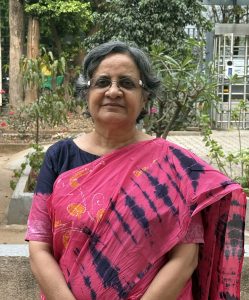
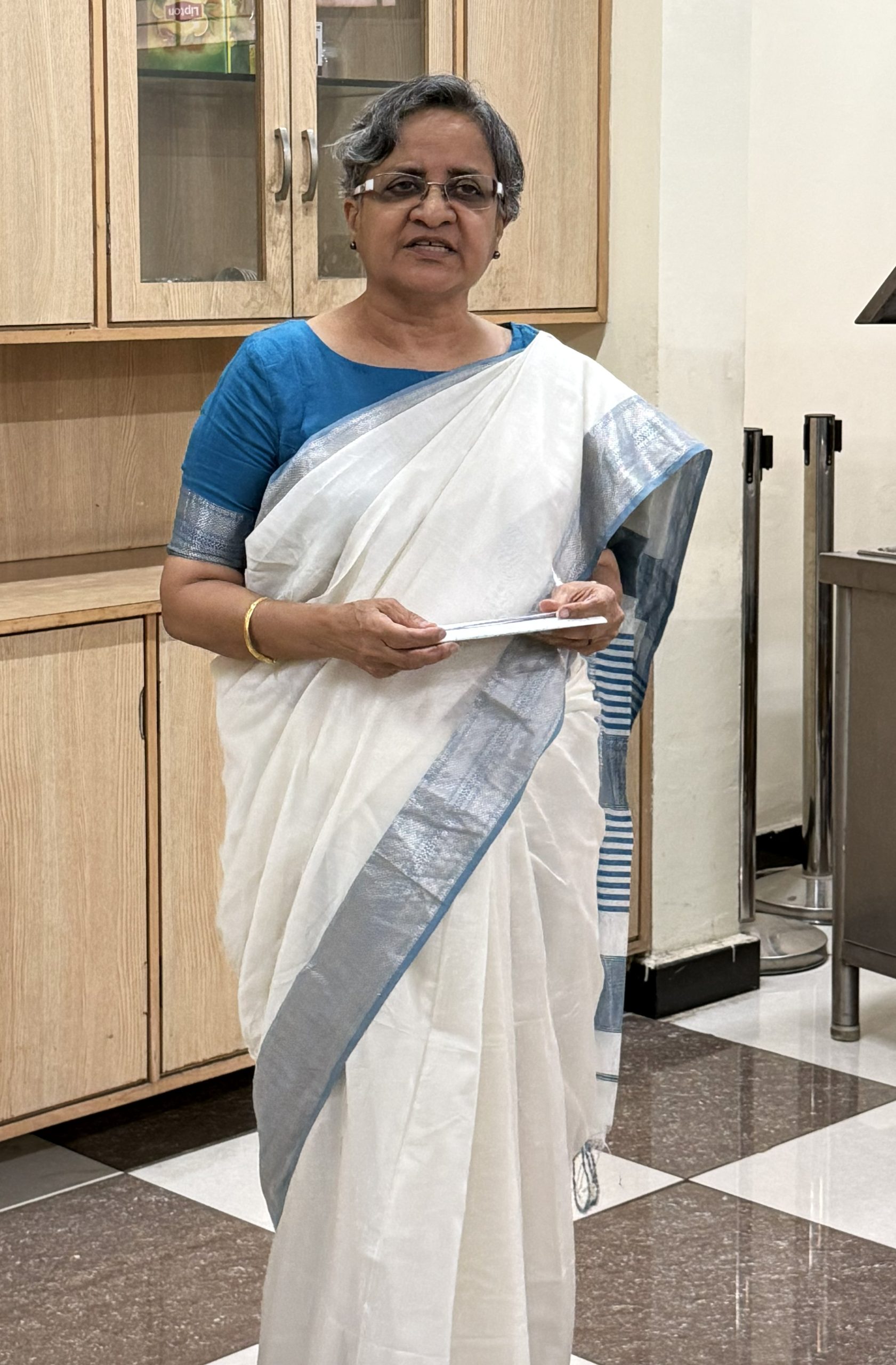
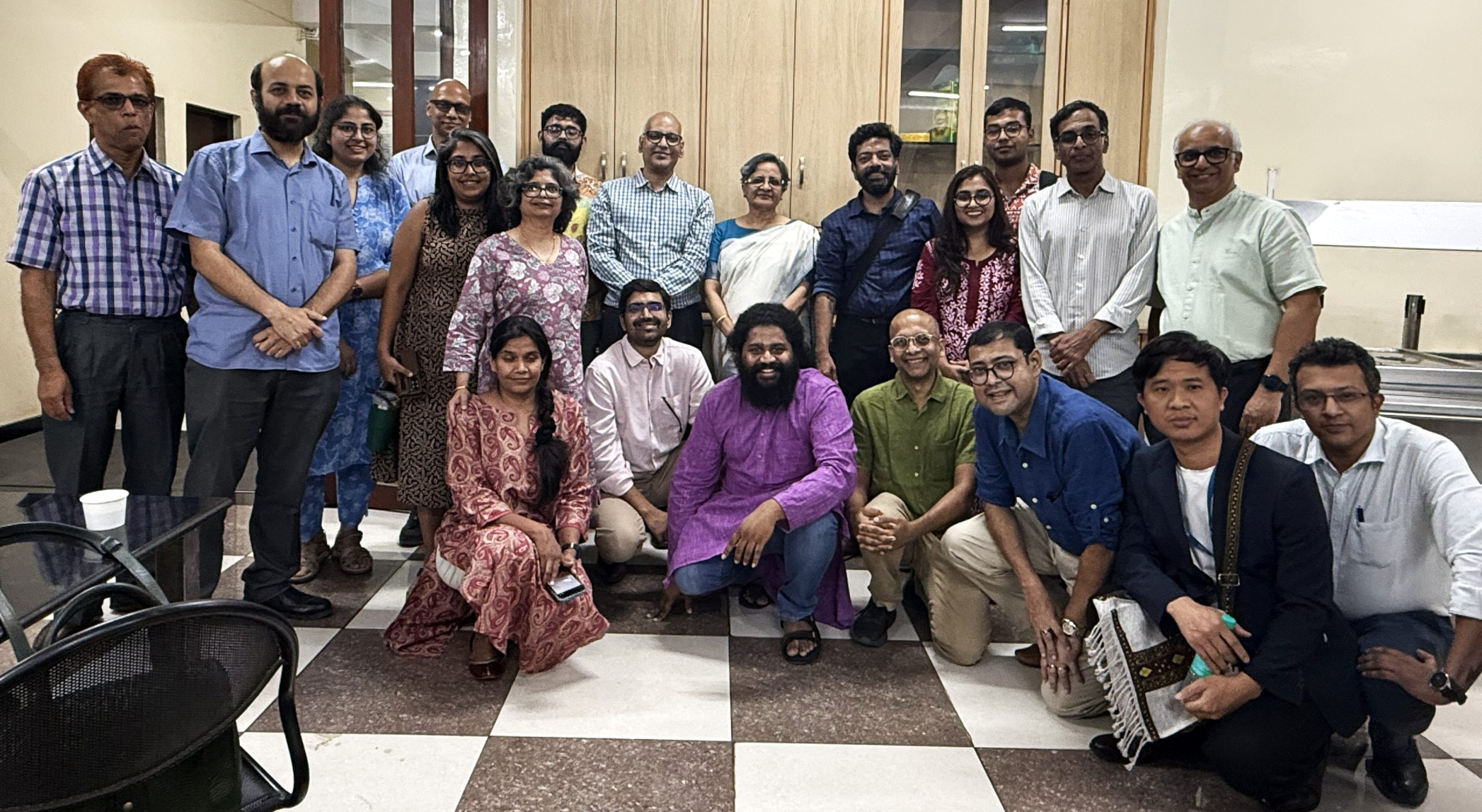
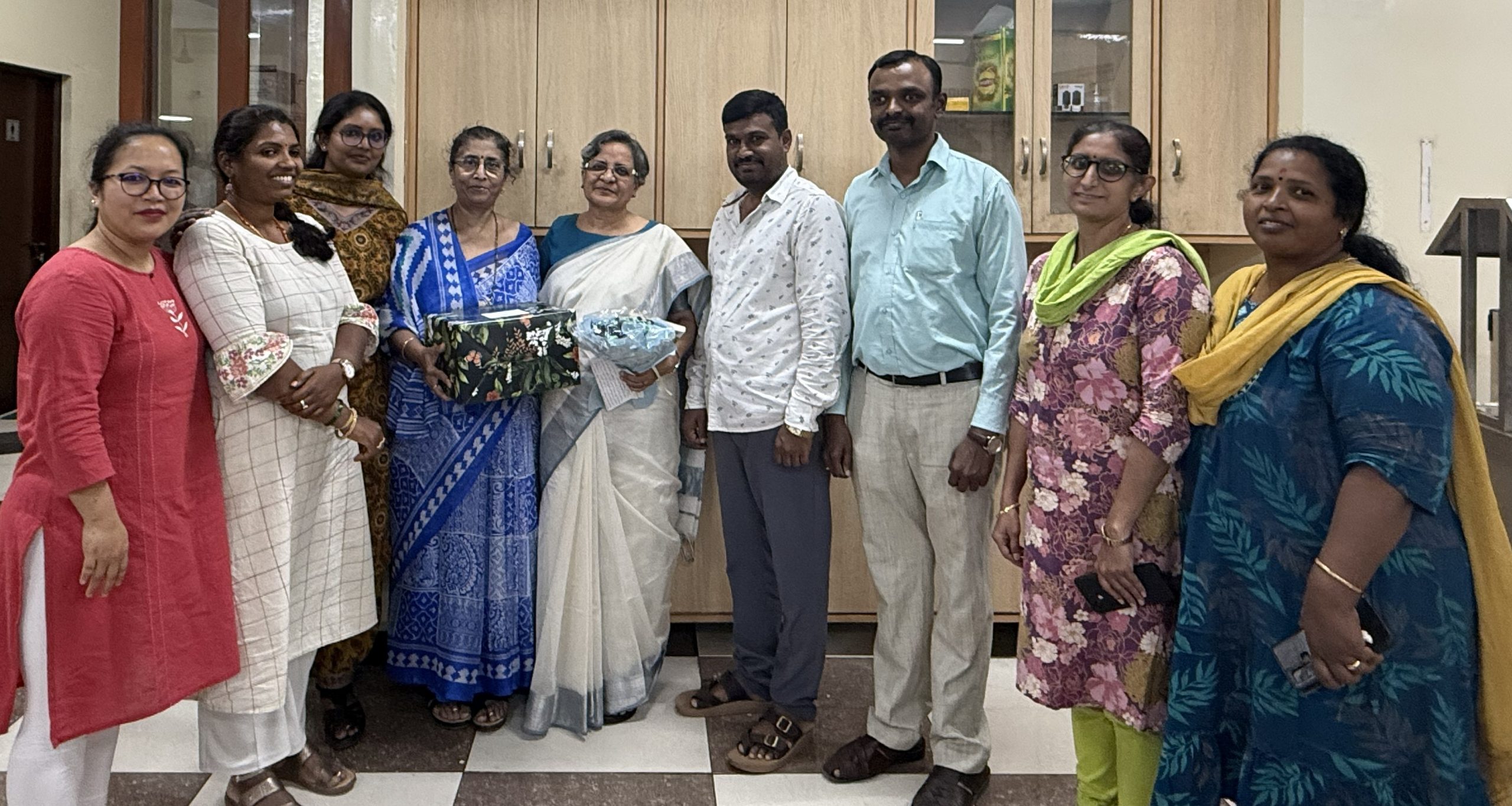
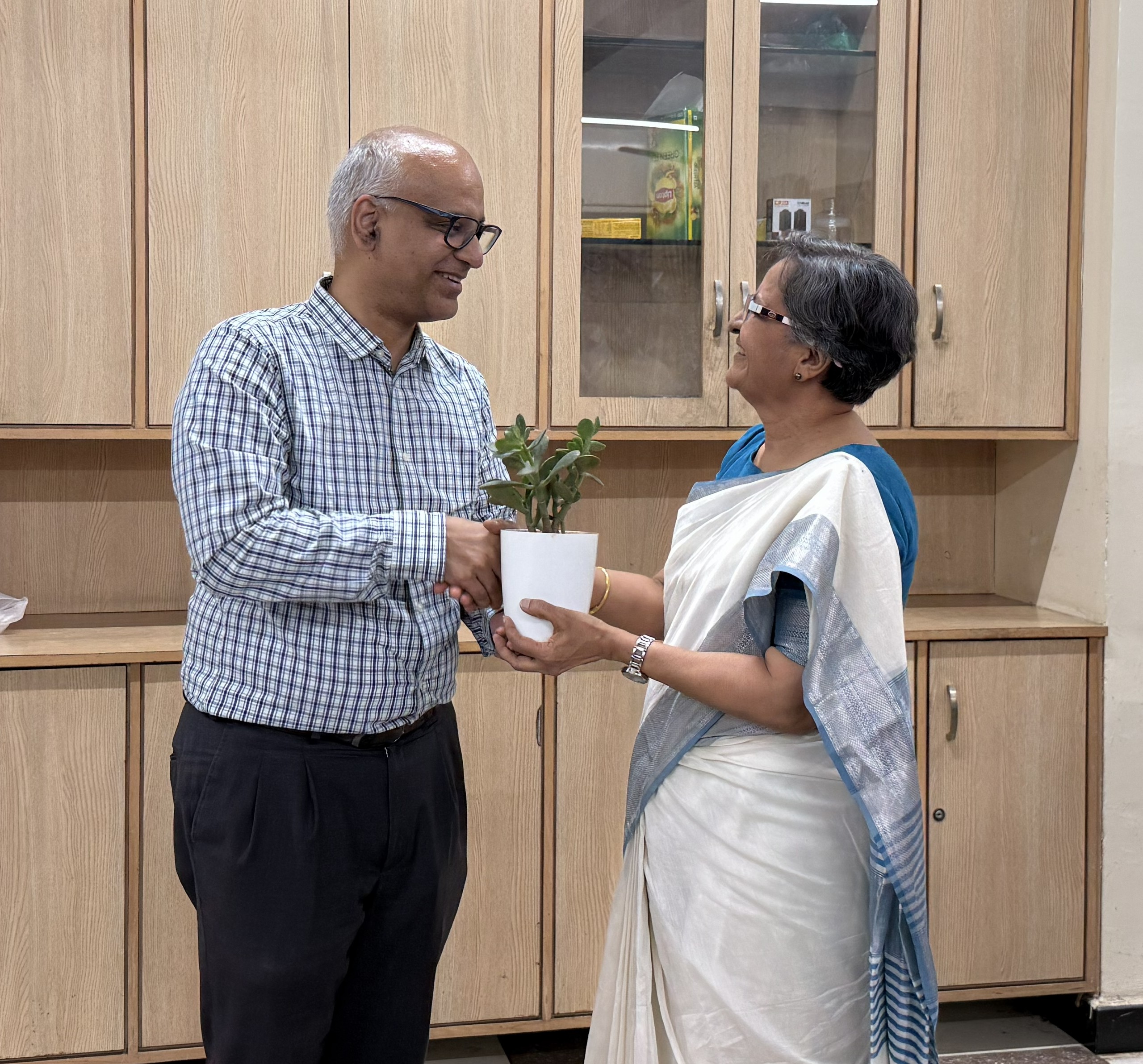
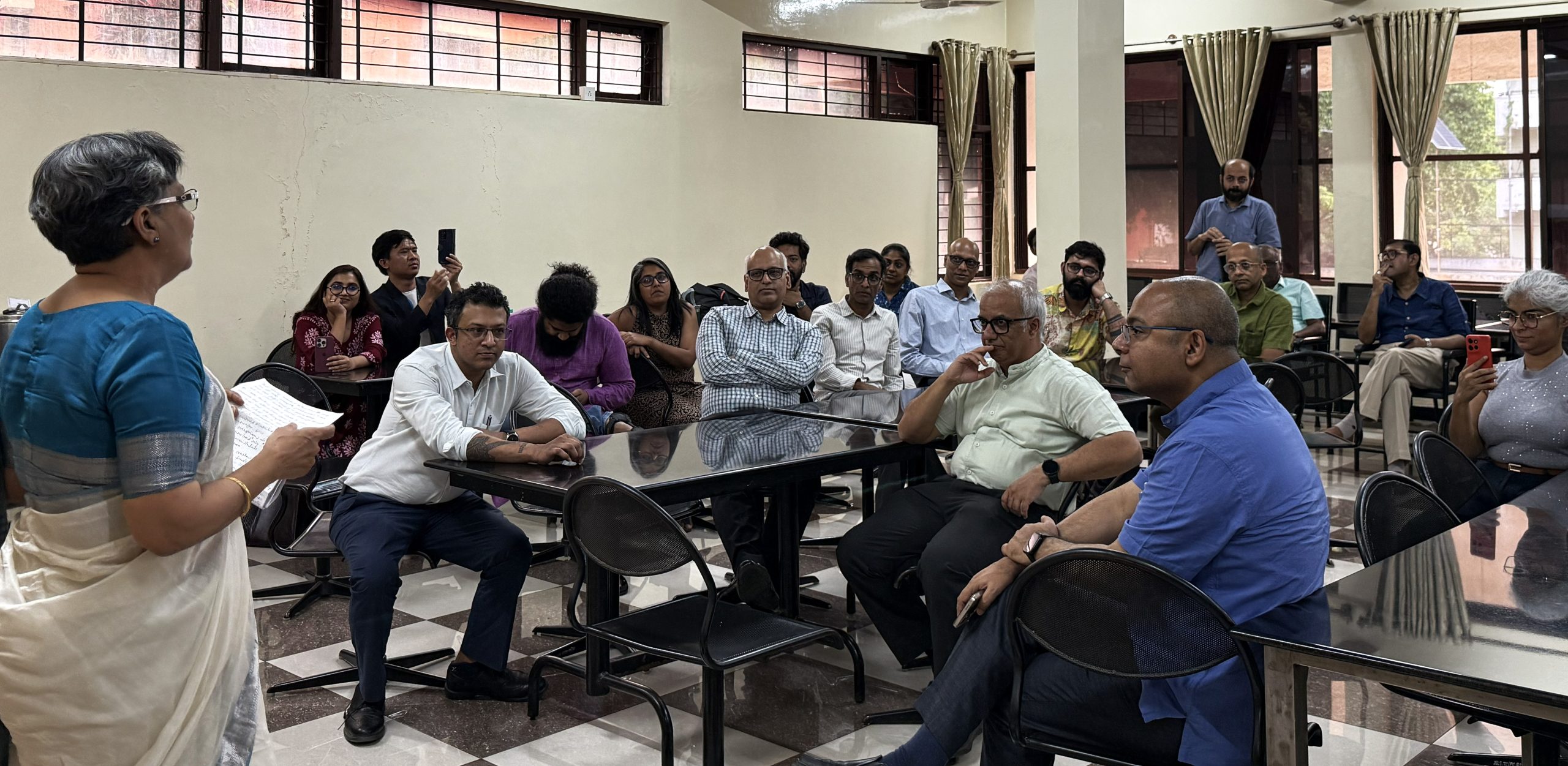
On February 28, 2026, Ms Gayathri Devi retired after more than 33 years of dedicated service to NLSIU. We thank her for her unwavering commitment, boundless enthusiasm, and exemplary work ethic, and wish her the very best in the years ahead. In this conversation, she reflects on her long association with the University and shares some of the many memories that marked her journey at NLSIU.
The NLS journey:
Ms Gayathri’s association with the University spans 33 years and six months. She joined NLS in August 1992 and retired in February 2026. She holds a Bachelor’s degree in Science and a Postgraduate Diploma in Computer Applications. Over the course of her long tenure, she witnessed and contributed to many of the technological and administrative developments that shaped the University’s growth.
Her journey at NLS began when she was appointed as a Library Assistant (Computer Applications) in 1992. From the beginning, her role evolved alongside the changing needs of the institution. Over the decades, she contributed to several important initiatives that supported the University’s academic and technological infrastructure.
One of her early contributions was initiating the deployment of the Library Catalogue using the UGC-sponsored library software CDS/ISIS, developed by UNESCO for university libraries. She also coordinated the publication of NLS entrance examination results for several years, until NLS became part of the CLAT Consortium. In addition, she coordinated the preparation of modules for the MBL programme.
During the early years of digital connectivity at the University, she coordinated the daily task of receiving text emails from IISc through the telephone network. This period also saw NLS beginning to establish its network infrastructure, when desktops with Internet connectivity were introduced across faculty offices and administrative departments.
As the University’s technological capabilities expanded, she was closely involved in hosting the NLS website and several institutional servers.
In 2005, Ms Gayathri was part of the NLS movement towards stronger digital infrastructure. More recently, she was part of the teams involved in implementing the University ERP system and the learning platform in 2022 and 2023, marking yet another phase in the University’s digital transformation. Through these decades of service, Ms Gayathri played a steady role in supporting the technological evolution of NLS and its academic programmes.
“On the whole, my tenure at NLS has been interesting,” she says.
Fond memories:
Some of my earliest memories with the University are conducting entrance exam and its evaluation. We used to form a group of staff and faculty together helping each other to evaluate thousands of answer booklets. This process was later automated with OMR readers. Working alongside my colleagues who made office feel like home is something I continue to cherish.
Convocation every year used to be our favourite event where we used to again join for the successful conduct of the convocation. This event brought everyone together and it felt more like a family hosted function.
Just at the window of Director office, there used to be a hibiscus plant. Prof. Nagaraj would often joke with the Director that by just seeing the hibiscus plant, director comes out with good research articles.
I have fond memories of different parts of the campus, the open air and the greenery around and the walk towards library, hostels used to be refreshing.
Prof. Mitra introduced LIC pension scheme and would say, now your life is protected, after retirement, we have protected your life. So, he used to question, what is there to worry?
Throughout my tenure, I have come across very nice people and this the greatest gift in my life.
I am going to miss company of my colleagues, tea-time chats and walks in the pathway of library and hostels.
Looking forward:
It’s been over three-decades of service and now I want to pursue my favourite hobbies like travelling, reading, and gardening.