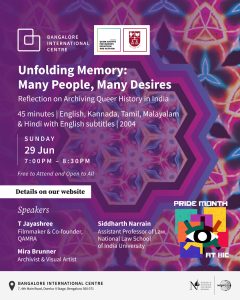
The Queer Archive for Memory Reflection and Activism (QAMRA), housed at NLSIU, is screening independent filmmaker T Jayashree’s ‘Many People, Many Desires’ (2004) on June 29, 2025. The screening will be followed by a panel discussion with T Jayashree and other members of QAMRA – Mira Brunner and Dr. Siddharth Narrain. The session is part of Bangalore International Centre’s Pride Programmes.
Session Timings: 7 to 8:30 PM
Screening Duration: 45 minutes Panel:
1. T Jayashree, Filmmaker & Co-Founder, QAMRA
2. Mira Brunner, Chief Archivist, QAMRA
3. Dr. Siddharth Narrain, Faculty In-charge, QAMRA, and Assistant Professor of Law, National Law School of India University, Bengaluru RSVP:Click here
About the film
‘Many People, Many Desires‘ is centred around the interviews of many members of the LGBTQ community in Bengaluru at the time of the shooting (2004). The film was shot entirely in a MiniDV tape format. Starting from an exploration of sexuality and human rights, it allows the viewer to hear the first-person narratives of some of those who were engaged with the sexuality movement of the time – whose work is instrumental for the fight for legal rights for queer people in India.
Using legal discrimination against sexual minorities as its starting point, the film explores the relationship between class, sexuality, and gender. The film captures early years in the movement against Section 377 of the Indian Penal Code, a colonial law which criminalized homosexual behaviour and has now, through efforts which included some of those interviewed in the film, been read down.
The panel will talk about what has changed, what has remained the same, and QAMRA’s (the Queer Archive of Memory, Reflection, and Activism) attempts to preserve this history. They will discuss their perspectives on archiving queer material and the responsibilities of preserving what is still in living memory.
About QAMRA
QAMRA is a multimedia archival project that chronicles and preserves the stories of communities marginalised on the basis of gender and sexuality in India. Its aim is to aid efforts in queer rights advocacy through archival activism, acting as a resource base for activists, students, educators, artists, and scholars working in the area of gender and sexuality. As a repository of narratives, it hopes to enable and further conversations around the history, present, and future of the Indian LGBTQIA+ community.
The Socio-Legal Review (SLR) was first published in 2005 by a group of students at the National Law School of India University (NLSIU). Emerging from the broader “law and society” movement, SLR was founded on the growing realisation that law cannot be meaningfully understood in isolation from social and political realities.
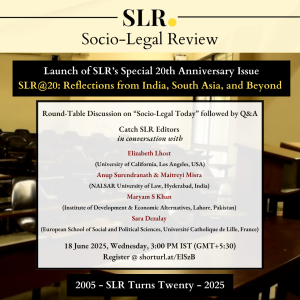
In 2025, SLR marks twenty years of this bold and continuing experiment in student-led legal scholarship with the launch of its Special 20th Anniversary Issue, titled: “SLR@20: Reflections from India, South Asia, and Beyond.” This Special Issue critically reviews the state of socio-legal scholarship today—both evaluating past trends and setting future lines of inquiry—through five contributions that reflect on what “socio-legal” means today in India, South Asia, and beyond, across disciplines, geographies, and methodologies.
To commemorate this milestone, we invite you to join us for a launch event featuring a roundtable discussion with the authors who have contributed to this ambitious and agenda-setting issue, followed by an audience Q&A.
In attendance:
Elizabeth Lhost
Programme Manager, Modern Endangered Archives Program, University of California, Los Angeles Library, USA
Anup Surendranath & Maitreyi Misra
Professor of Law and Executive Director; Director, Death Penalty Mitigation and Director, Mental Health and Criminal Justice, The Square Circle Clinic, NALSAR University of Law, Hyderabad, India
Maryam S Khan
Research Fellow, Institute of Development & Economic Alternatives (IDEAS), Lahore, Pakistan
Sara Dezalay
Professor of International Law and International Relations, European School of Social and Political Sciences (ESPOL), Université Catholique de Lille, France
This event is open to all and will be held online. Registration is mandatory. We look forward to your participation in celebrating two decades of socio-legal inquiry and critical scholarship at SLR.
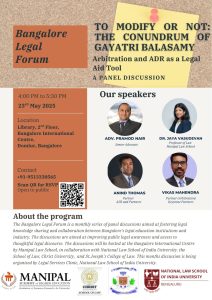
The Legal Services Clinic, NLSIU is co-hosting a discussion titled “To Modify or Not: The Conundrum of Gayatri Balasamy,” scheduled for Friday, May 23, 2025, from 4:00 PM to 6:00 PM, at the Bangalore International Centre, Domlur.
This panel is co-hosted by the Legal Services Clinic, NLSIU in collaboration with Manipal Law School, Bengaluru, under the aegis of the Bangalore Legal Forum—a joint initiative that curates public lectures and panels on pressing legal themes. Previous events in this series focused on Internet and Free Speech, also hosted at the BIC.
About the Panel
The event will consist of the following panelists:
Part I: The Propriety of Judicial Modification of Arbitral Awards
This segment will explore the recent Gayatri Balasamy decision, particularly the use of Article 142 in private law disputes. This will be a moderated discussion on whether courts should possess the power to modify arbitral awards.
Part II: Arbitration as a Tool of Access to Justice
This will be a roundtable discussion on India’s policy push to become a pro-arbitration jurisdiction (e.g., entry of foreign law firms in international arbitration, proposed amendments to the Arbitration Act), leveraging arbitration and ADR mechanisms for legal aid and access to justice; the ethical and practical implications of third-party funding in pro bono or low-resource arbitration contexts.
At this trimester’s last seminar, we have a presentation by Dr. Aniket Nandan, Assistant Professor, Sociology, on his paper titled ‘Caste, Resources, and Political Economy: Influence of Caste Associations in Post Liberalisation Bihar.’ The seminar will be held on May 21, 2025, in the Ground Floor Conference Hall at NLSIU’s Training Centre at 2:15 pm.
Abstract
This study critically examines the mechanisms and influence of associational structures of caste on the popular political economy of Bihar as they display intriguing interaction with market and politics in post liberalization India. Significant socio- anthropological literature on associational structures of caste have tended to emphasise on its role as a socio-political organization. Subsequently, functions of caste associations were observed to be (re)shaped by several forms of cultural and political assertive mechanisms. However, in contemporary context, effects of associational structures of caste are found to be pervasive in everyday economic relations and the business economy. In the post-liberalization era, caste associations, that continually influenced everyday economic relations and politics, have often constructed resources in the form of a network of opportunity hoarding and gatekeeping of professions. Therefore, for this study, imagination of associational structures of caste is revisited, beyond its religious ideology, political competition, and its prevalence in agrarian order. This study views caste associations not only as a mechanism of socio-political assertion and cultural guardian but also as a strategic dialogist for claim making over economic opportunities and advantageous professions.
The study is based on fieldwork during May 2018- Jan 2020 with regards to understanding functions and new forms of engagements of caste association of Bhumihars in Patna region of Bihar. Nonetheless, it gains immense insights from ethnographic data collected intermittently. Therefore, in its attempt to foreground corelation between caste associations and market relations and political influence the study revisits the concept of dominant caste and contests a few traditional understandings about the tenacity of caste in Indian context.
The Moot Court Society at NLSIU is pleased to announce the XVIIIth edition of the National Law School Trilegal International Arbitration Moot (NLS-TIAM) for the academic year 2024-25. The competition shall be conducted offline at the NLSIU Campus from May 16-18, 2025. As a part of the NLS-TIAM, the Moot Court Society is also pleased to host the VIth edition of the National Law School Trilegal International Arbitration Conference (NLS-TIAC) on May 17, 2025.
About NLS-TIAM
The National Law School–Trilegal International Arbitration Moot stands as NLSIU’s premier event focussing on international arbitration and commercial law. Recognised as India’s largest arbitration moot, it encompasses a wide array of arbitral law topics and showcases a multitude of perspectives. The diverse participation underscores the varying jurisprudential approaches to arbitration law. Over the years, we have had the privilege of engaging with esteemed arbitrators from both national and international arenas, including Mr. Steven Finzio and Honourable Retd. Justice B.N. Srikrishna and many others. We are equally excited this year as well to welcome dignitaries such as HMJ Hrishikesh Roy, and HMJ Tejas Karia for the event.
The problem for this year’s edition has been meticulously crafted by Mr. Mark Mangan (Founding Partner, Lindsay Francis & Mangan), Professor Claudio Finkelstein (Professor, Catholic University of São Paulo and Partner, Finkelstein Advogados) alongside Mr. Pranay Lekhi (Associate, A&O Shearman) and Mr. Sharad Bansal (Counsel, Bombay High Court). We had the opportunity to have on-board Professor Julian Lew KC (Queen Mary University of London), Mr. Niranjan Venkatesan (Barrister, One Essex Court) and Mr. Vivekananda Neelankantan (Registrar, Singapore International Arbitration Centre) as members in an advisory capacity.
We look forward to welcoming enthusiastic participation, robust competition, and thought-provoking discussions during this edition!
We are delighted to welcome our Finals Panel comprising of:
The National Law School Trilegal International Arbitration Conference is an annual event that takes place alongside the National Law School Trilegal International Arbitration Moot. The conference is in its sixth edition and provides a unique opportunity for students, researchers, arbitration professionals, lawyers, and corporate firms to engage on contemporary issues impacting international arbitration in the ever-evolving legal and economic environment. The conference also offers participants the chance to engage with arbitration experts, academics, and professionals on these important themes. This year’s concept note revolves around Anti-Suit Injunctions in International Commercial Arbitration. The discussion will focus on jurisdictional complexities, issues concerning the ‘proper place’ of arbitration, and the effectiveness and enforceability of anti-suit injunctions amidst conflicts with national laws.
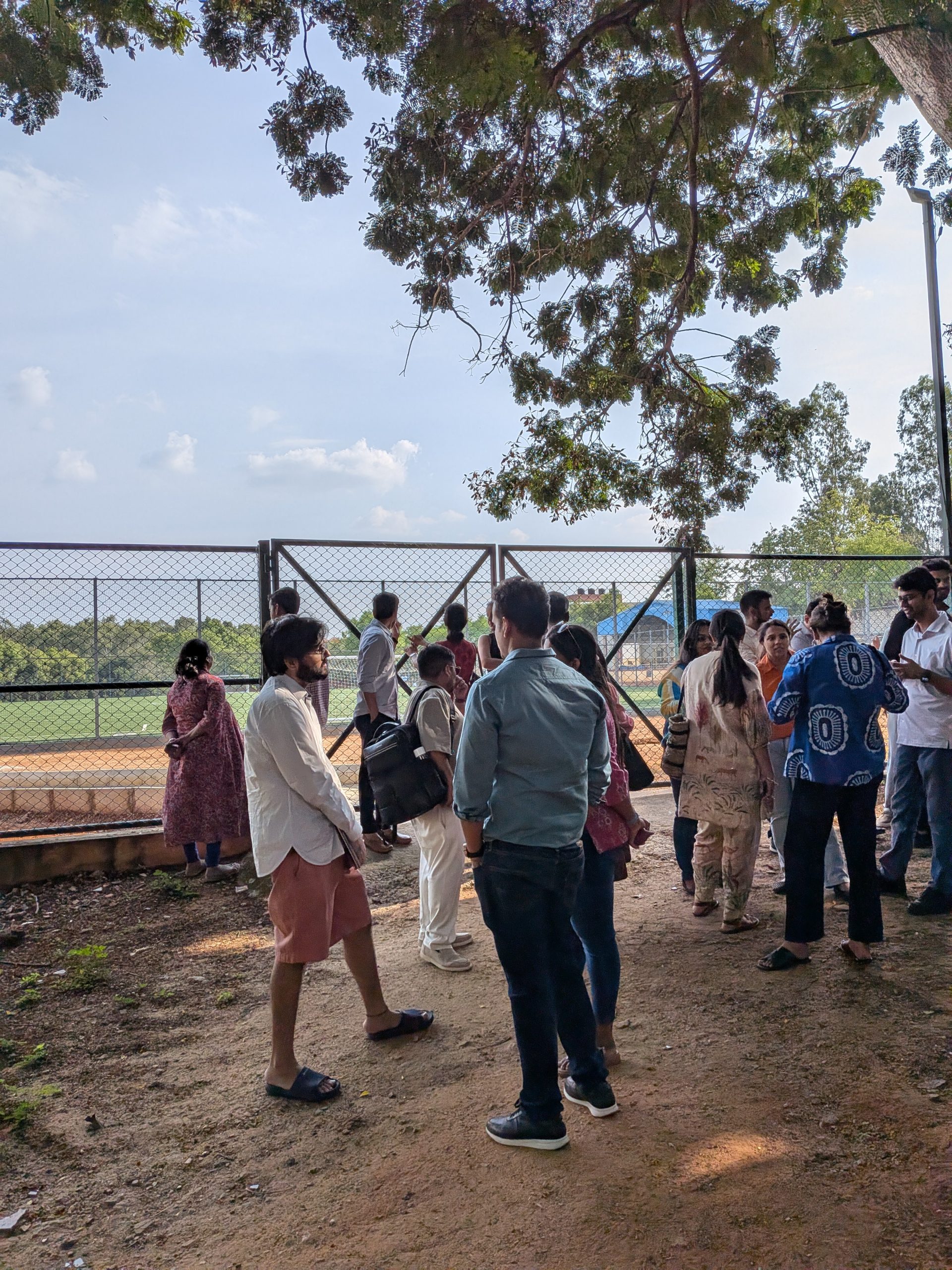
The National Law School of India University is excited to host a campus reunion for the class of 2010 this Saturday, May 17, 2025 as they celebrate 15 years of their graduation from law school.
Our alumni will be spending the day on campus re-connecting with batchmates, faculty, and other members of the NLS community, and celebrating their friendships and connections over the last decade.
Schedule
Time
Activity
11:00 am – 12:15 pm
Arrival
12:00 pm – 1:15 pm
Welcome Address + Batch Introduction
Interaction with Vice-Chancellor, Faculty and Batch members
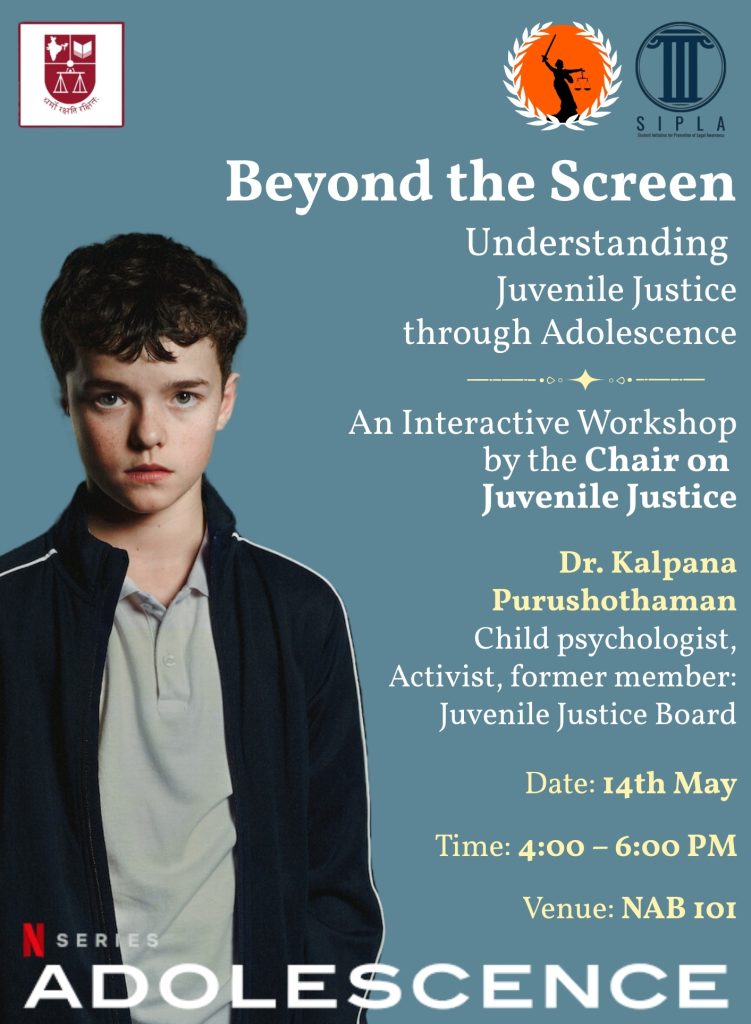
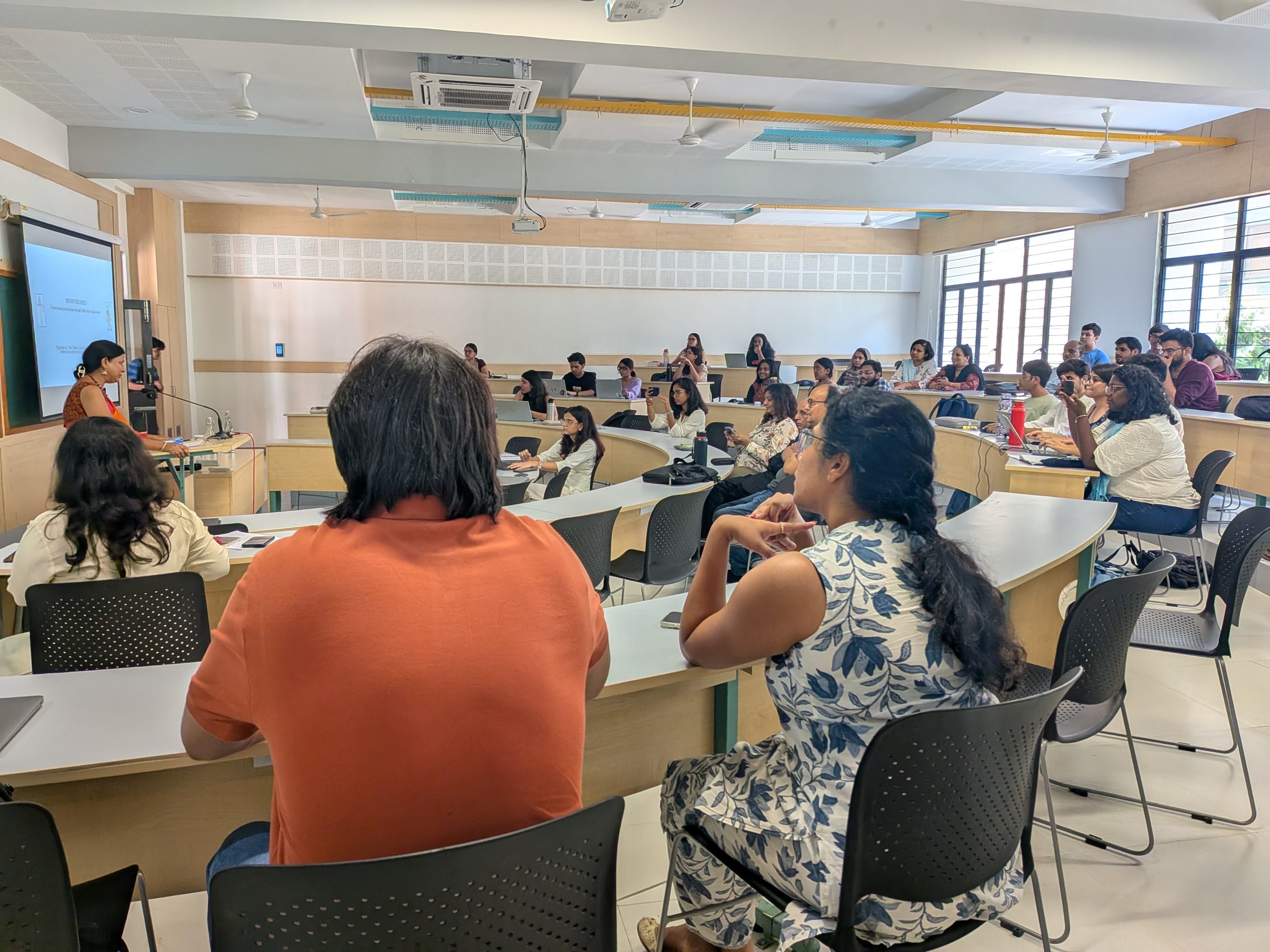
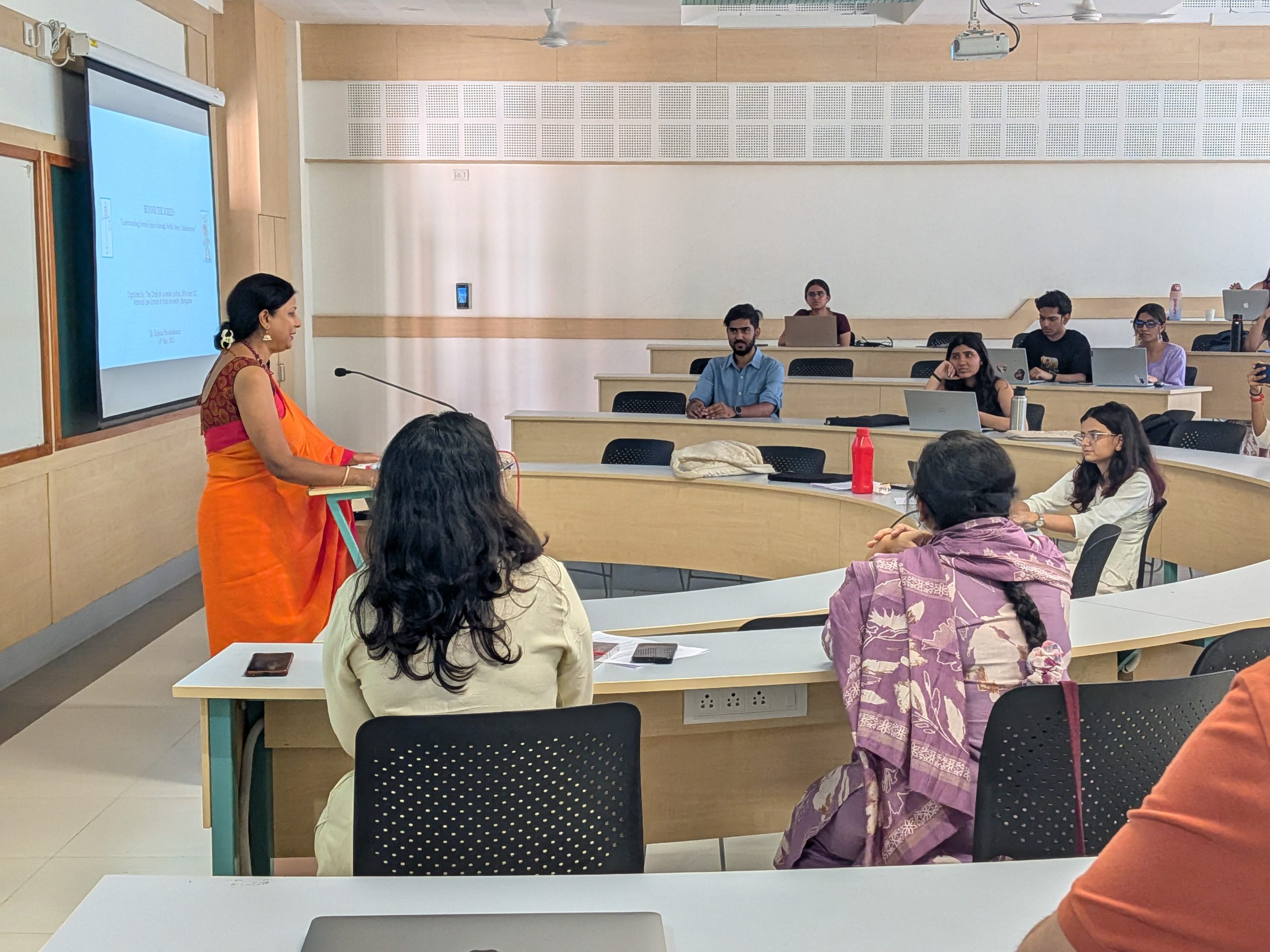
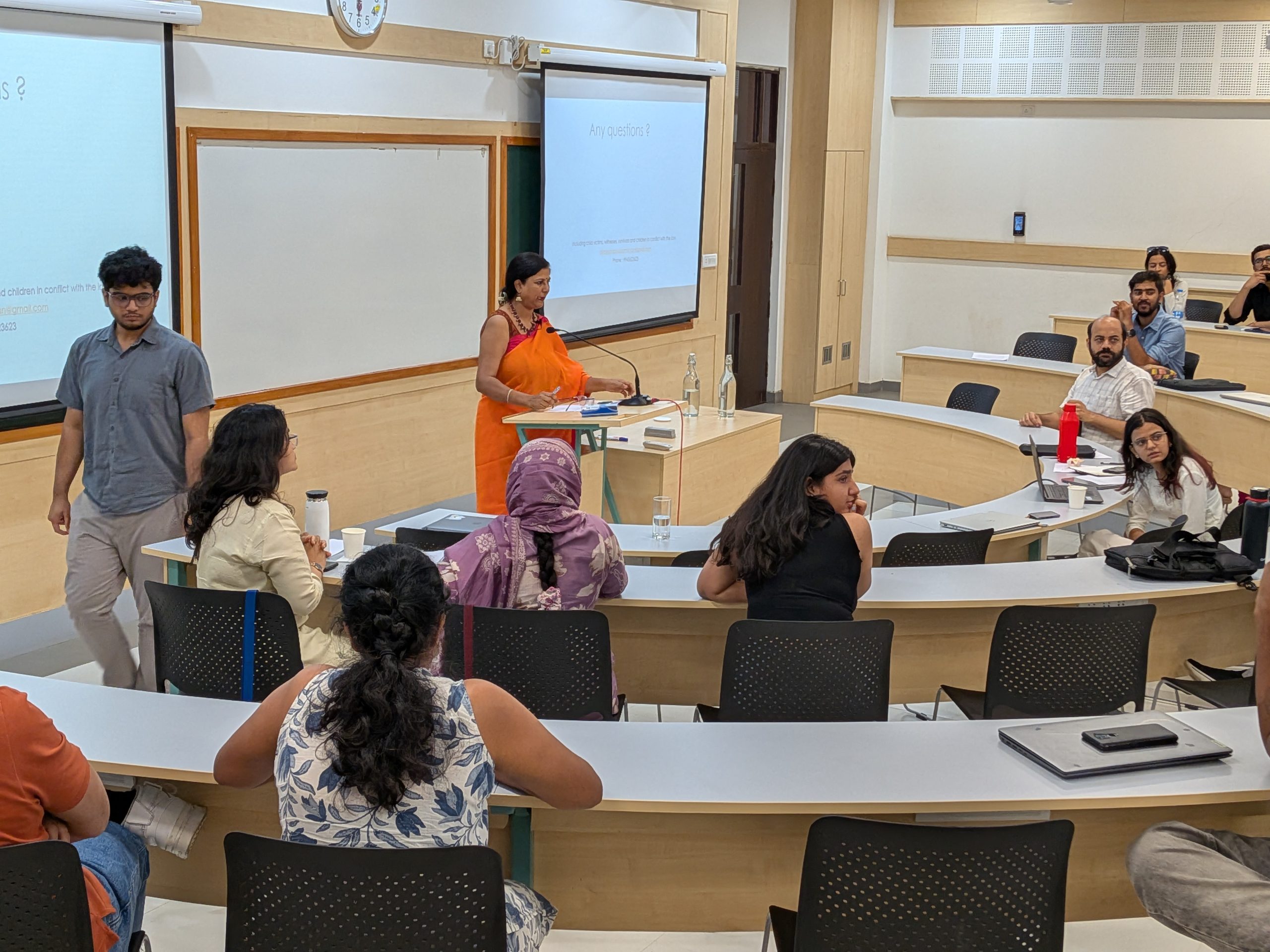
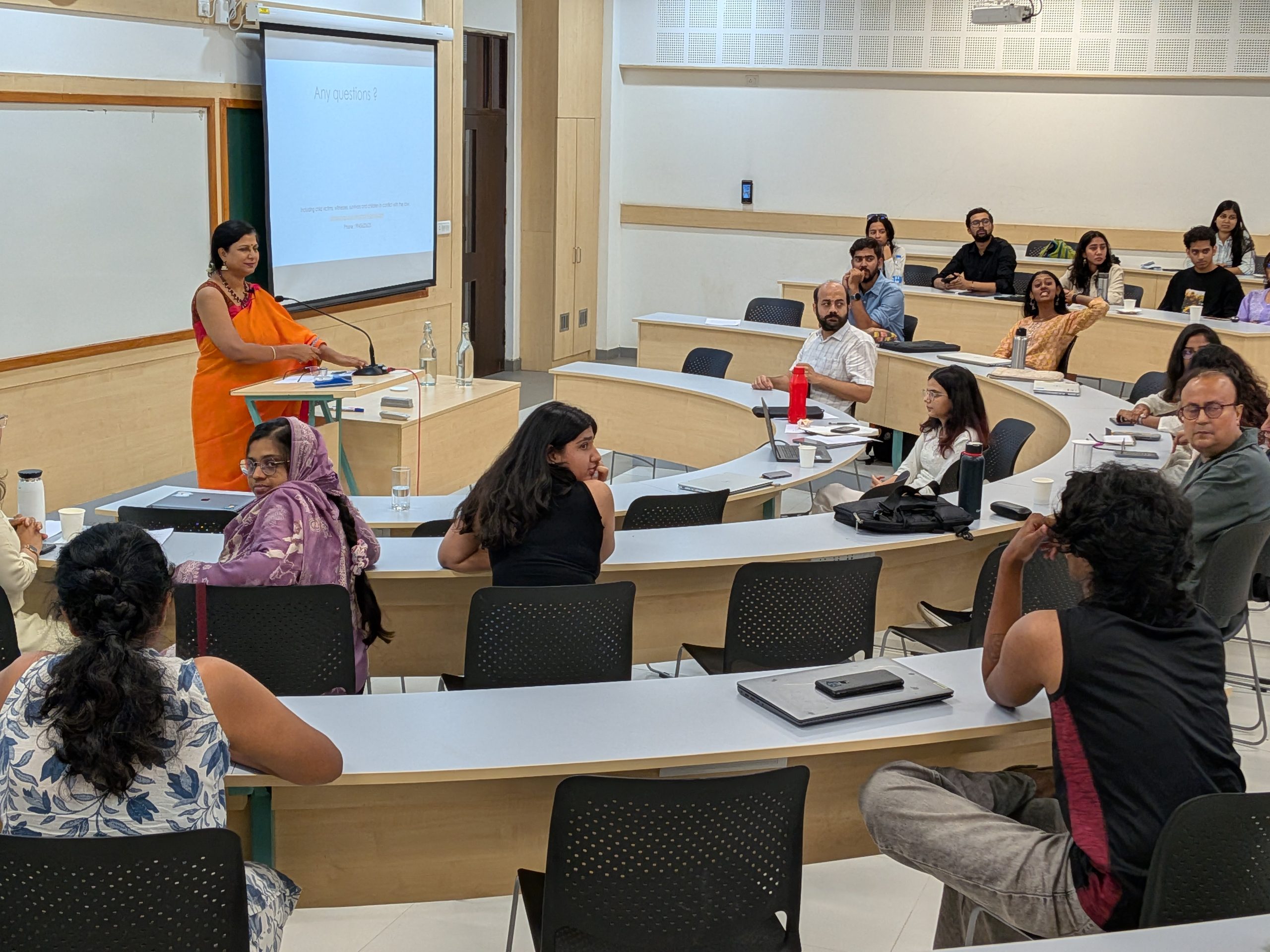
The session will be mediated by Dr. Kalpana Purushothaman, Professor, Psychologist, and Former Member of Juvenile Justice Board, Bangalore (Urban).
About the Session
Through this workshop, we aim to explore the juvenile justice system in India and delve into the complex realities of growing up in an era marked by social media saturation, digital overload, and emotional disconnect. While some may frame this as a generational divide—Gen Z vs. Millennials—the deeper truth is that the world around us has changed. The conflicts between our inner and outer worlds are real, and each of us is struggling to navigate this shift.
Using Adolescence as a lens, this session will serve as a space for dialogue, reflection, and deeper understanding of these critical issues.
Across different segments of the session, we will trace the journey of a child in conflict with law through the juvenile justice system. We begin with their entry into the system, looking at apprehension procedures, the role of the police, and access to legal aid. From there, we examine the realities of gendered bullying, the influence of social institutions, how victims and offenders are perceived, and the growing mental health challenges adolescents face in the age of social media. We also explore their interactions with psychologists, the preliminary assessments conducted under Section 15 of the Juvenile Justice (Care and Protection of Children) Act 2015. Finally, we delve into the triggers behind juvenile offences, including adverse childhood experiences and the broader social factors that influence adolescent behaviour.
Excerpts from the Session
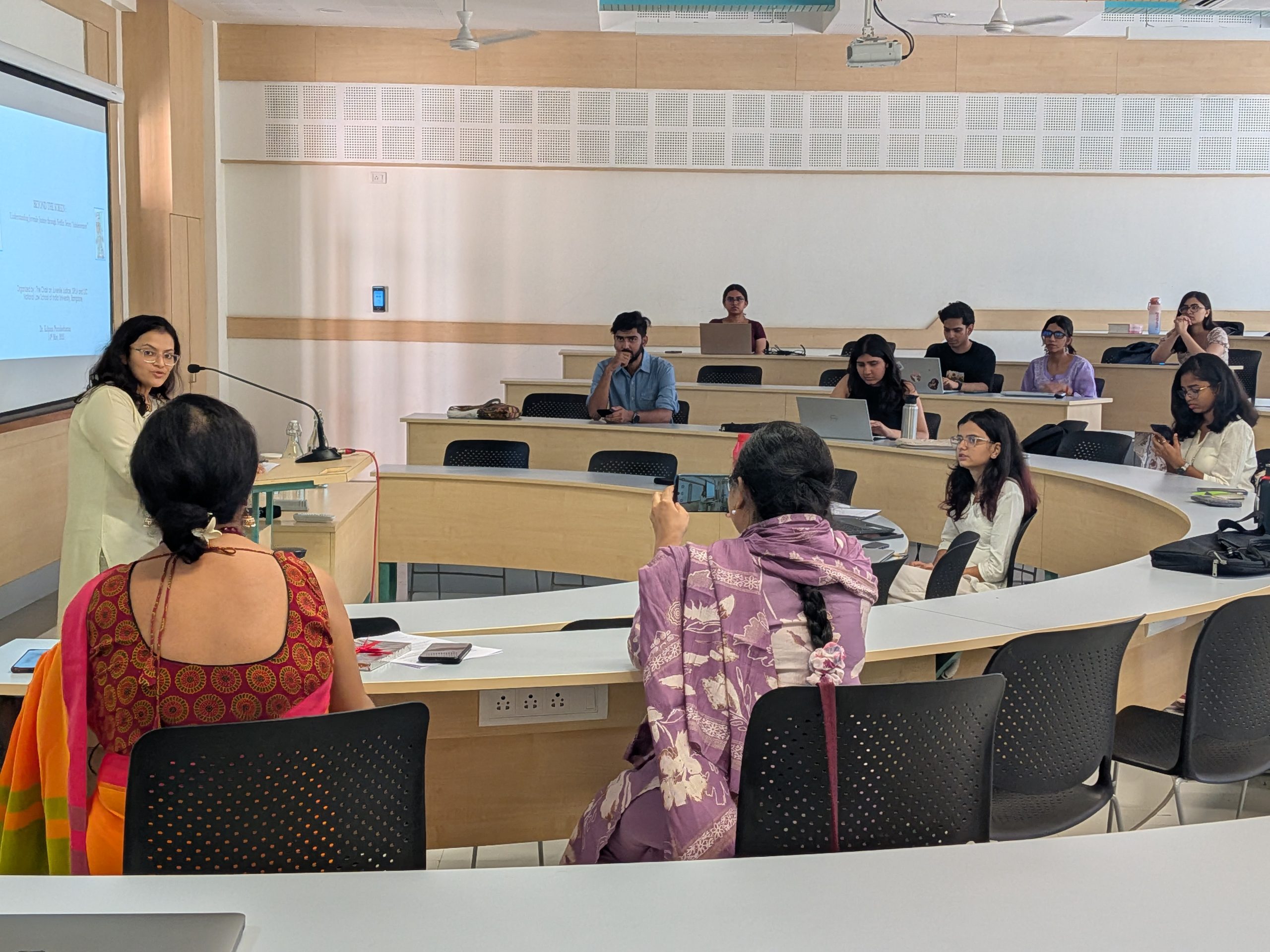
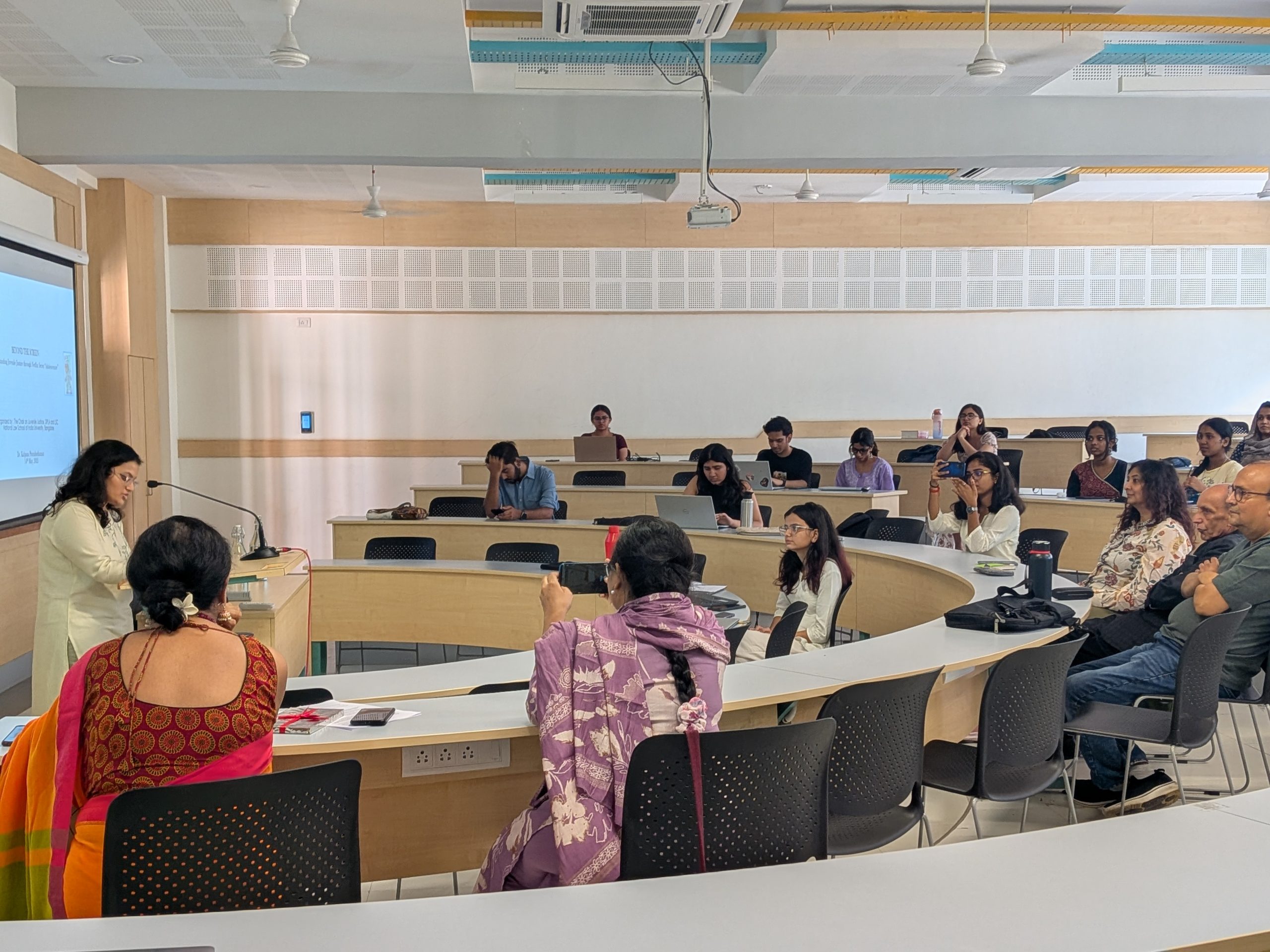
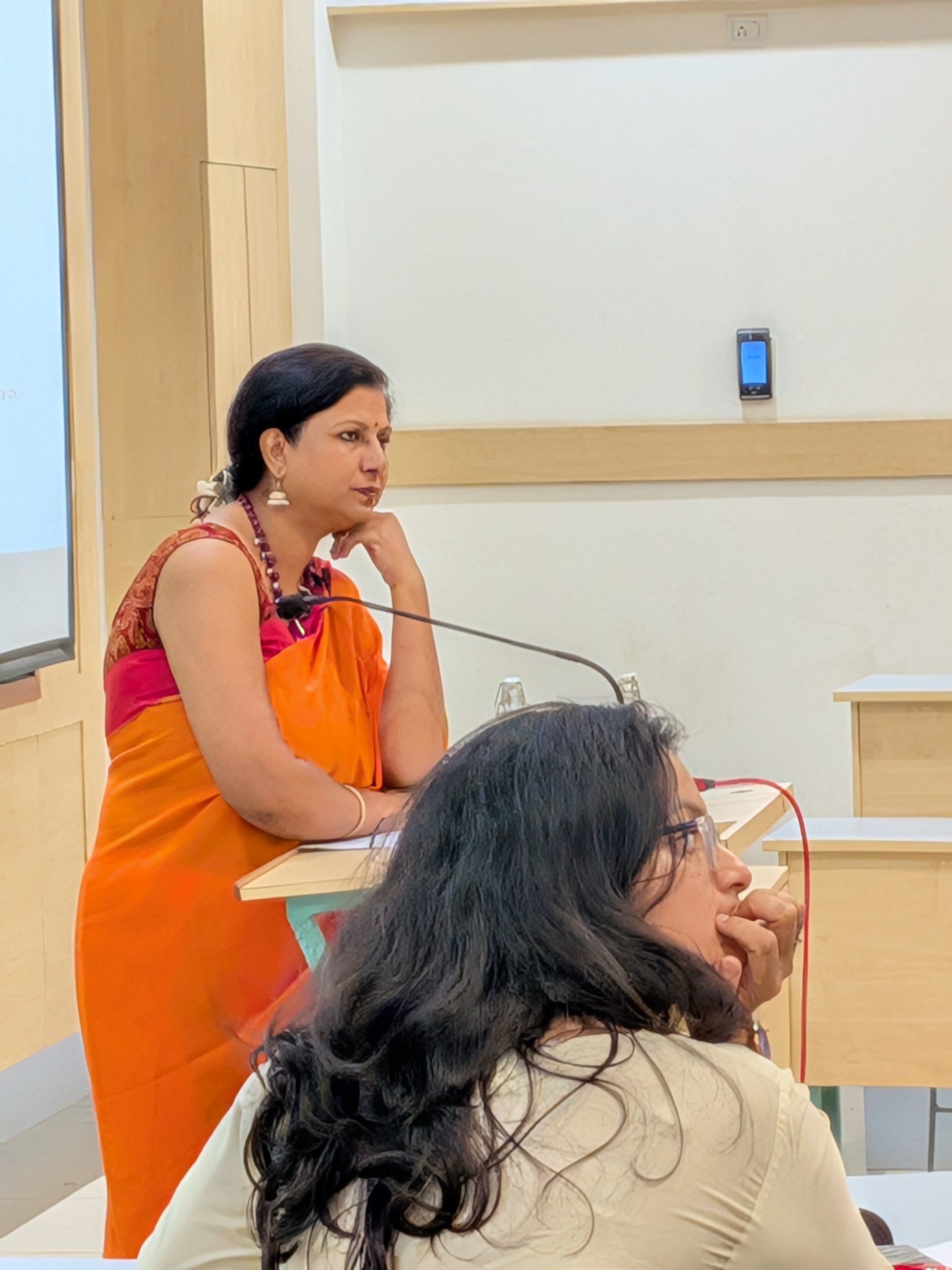
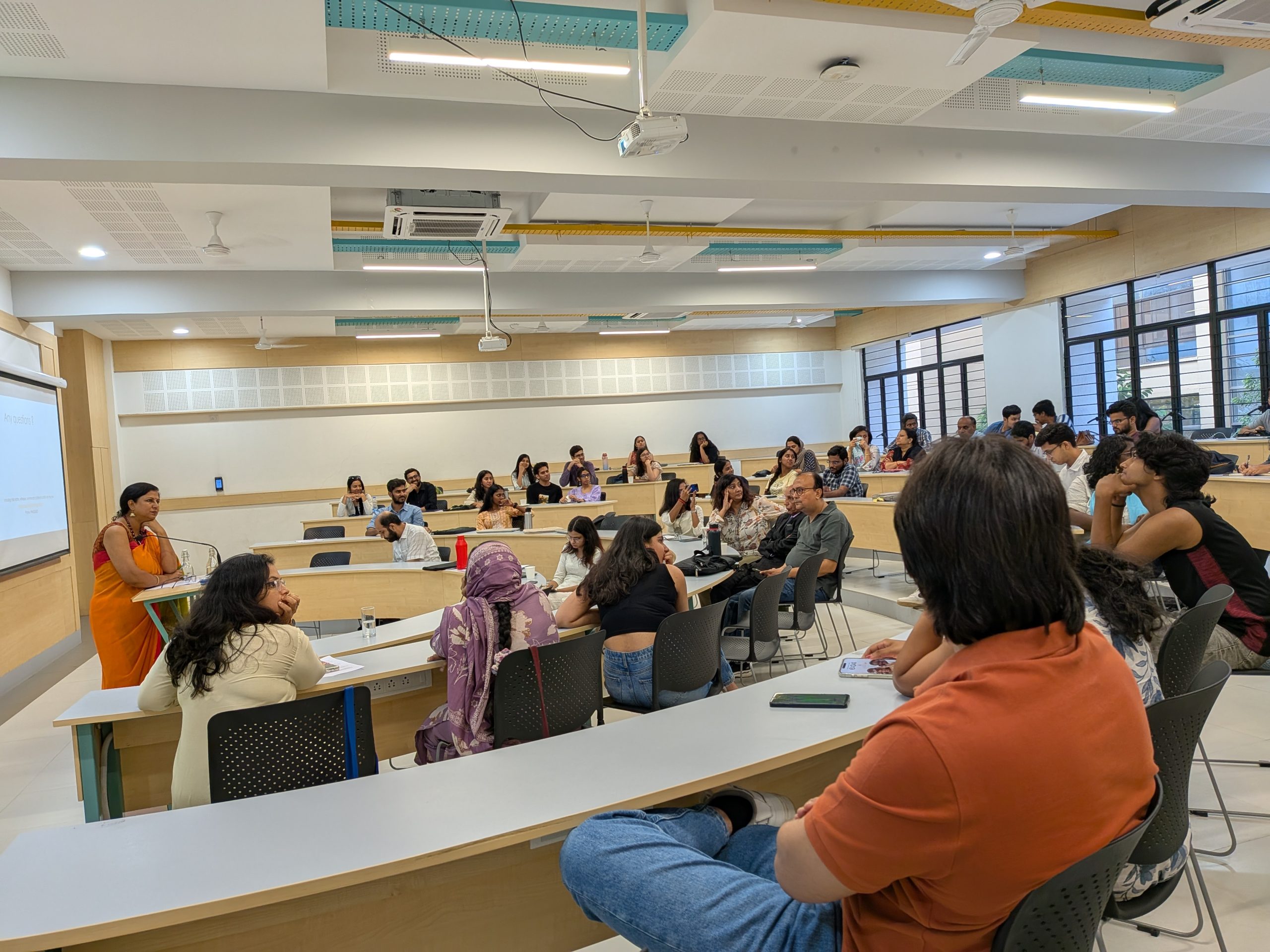
Dr. Kalpana Purushothaman began the session with the intention to help bridge the gaps between the world of law, the world of psychology and the world of children. Using the series as a starting point, she delved into what the justice system really looks like in the State/country, and the on-ground realities that are dealt with on a day-to-day basis.
On the importance of language: She stressed on the importance of semantics and the language used with a child in conflict with the law, an aspect that is also emphasised upon in the Juvenile Justice Act. She shared findings of data where upon entering the Juvenile Justice system, it was found that children in conflict with law feel ‘fear’ as the strongest emotion, be it fear of sexual abuse, or of violence. “Children in conflict with the law have the right to remain silent if they wish to and an answer need not be coerced or forced out of them by influence or fear through harsh language. What also needs to be avoided by any member of the JJ system is the labelling of these children in any manner,” she noted.
On awareness of rights: Dr. Kalpana highlighted the point that the child in conflict with the law is being informed of his rights at every point during the web series. However, she mentioned that on the ground, rights are sometimes treated “almost like a bad word.” “A huge difference I can see in the system here and the web series is that of solitary confinement of the child (which is shown in the web series). In the JJ system here in the State, the children interact with various members in the system at every stage which is a very important factor. Depriving a child of social interactions is like punishment even before the punishment actually begins,” she said.
On the quality of lawyering: Using the example of the lawyer in the series who ensures the child is aware of his rights and also his right to remain silent, Dr. Kalpana drew focus on the quality of lawyering in the system, and the impact it can have while dealing with cases pertaining to children in conflict with the law. She said that the JJ system was built with certain checks and balances in place so that no one should be above questioning, and the lawyers involved in the system need to ensure that this is followed.
On policing & counsellors: The session looked at the crucial role the thoroughness of the police investigation can play in such cases. “In the series, we see how thorough the documentation of evidence is. There is no violence, no voices raised and no threats thrown at the child. Instead, material evidence is produced even before the investigation begins. However, in reality, it takes much longer to produce any kind of documentation required for a case,” she said. The session also discussed the role of Psychologists and Counsellors in the JJ system, and the significant role that Adverse Childhood Experiences (ACEs) play in several cases dealing with children in conflict with the law. “Our research showed that several children in conflict with the law had experienced an average of 12 ACEs during their childhood,” she said.
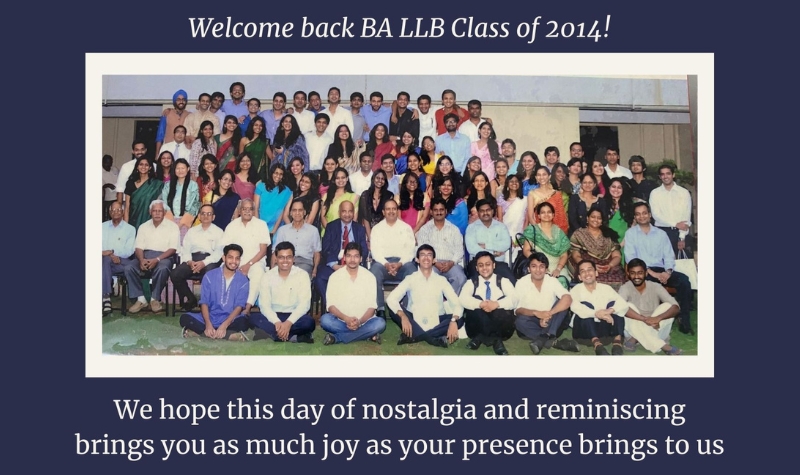
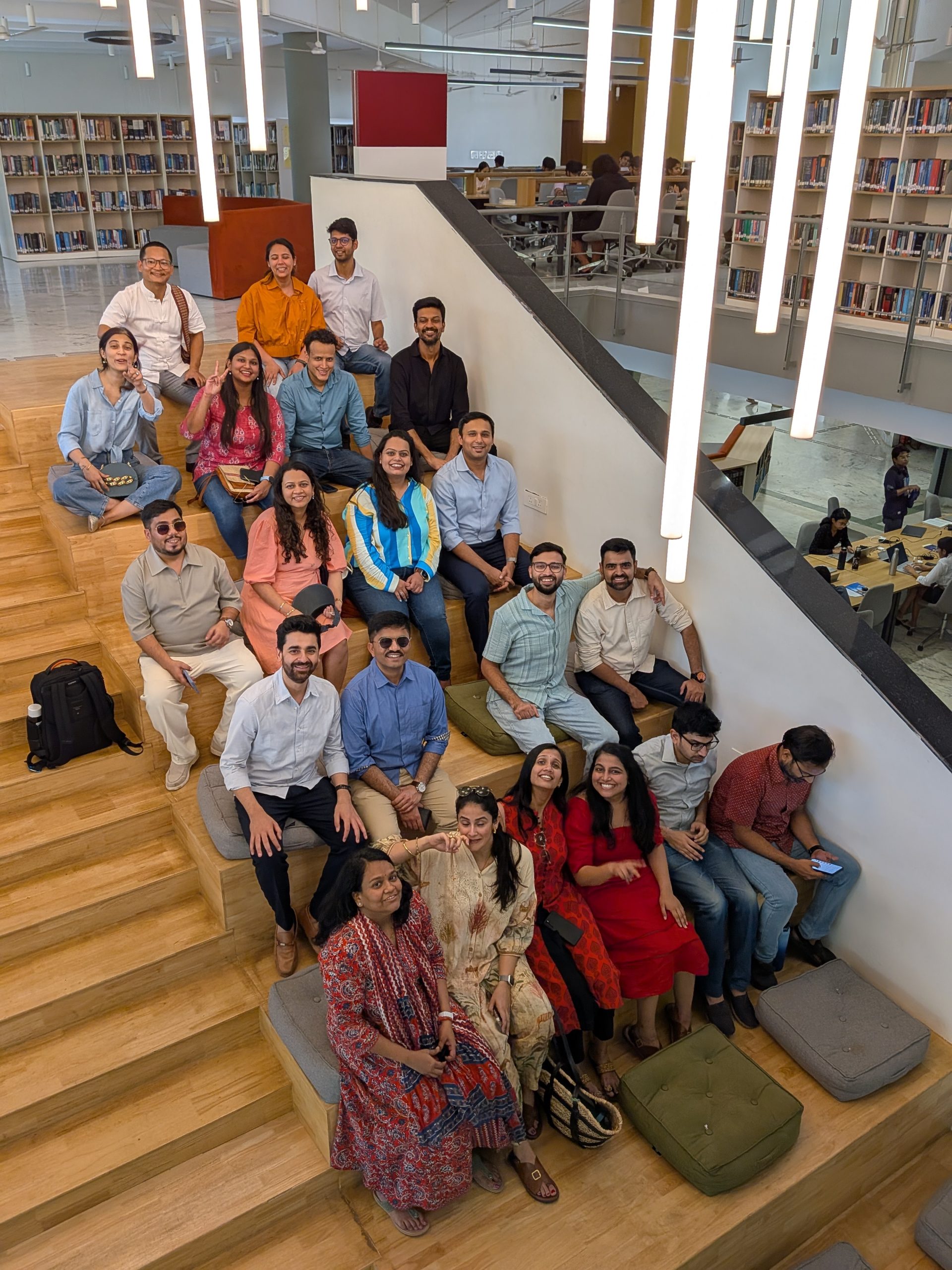
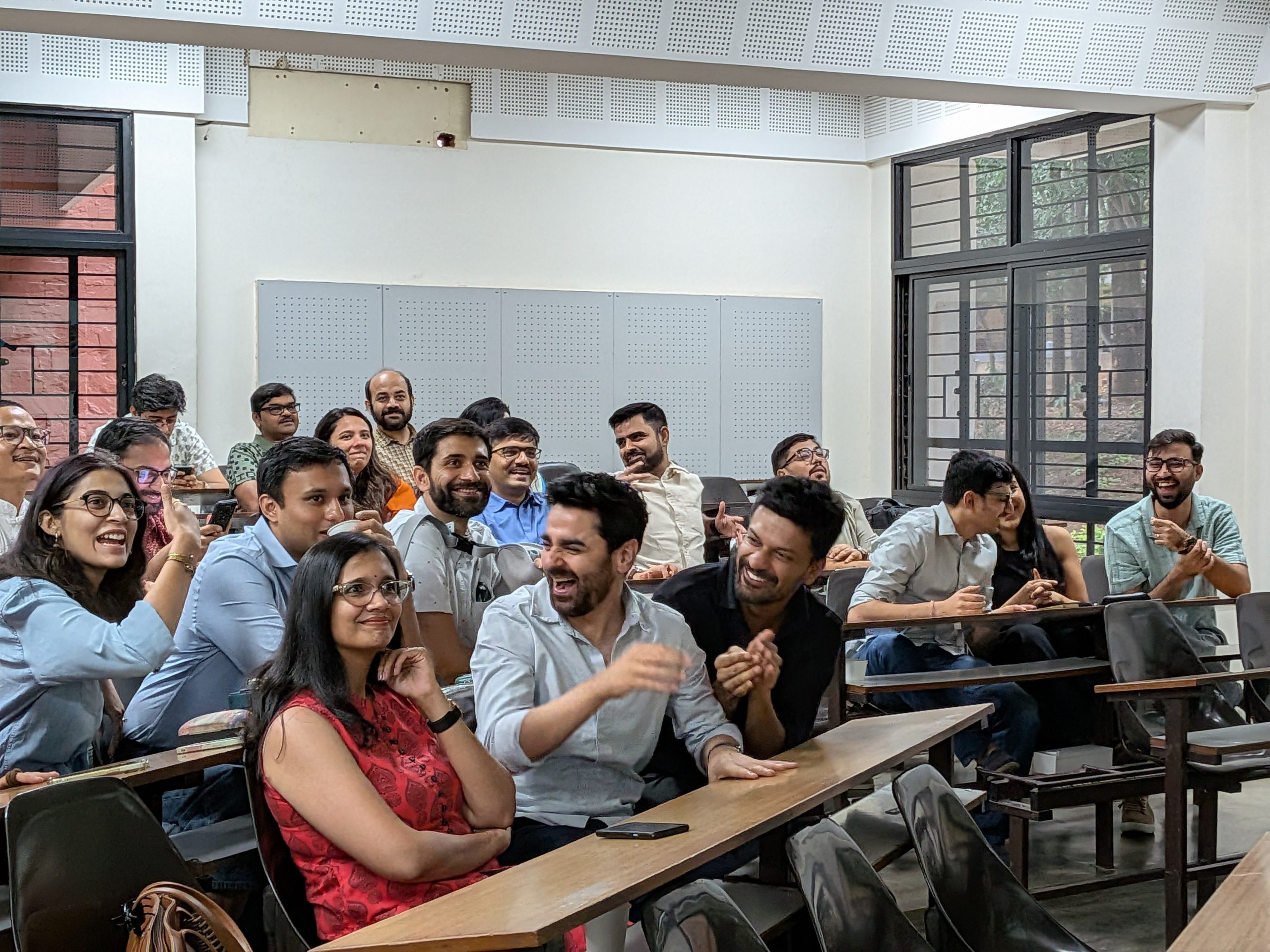
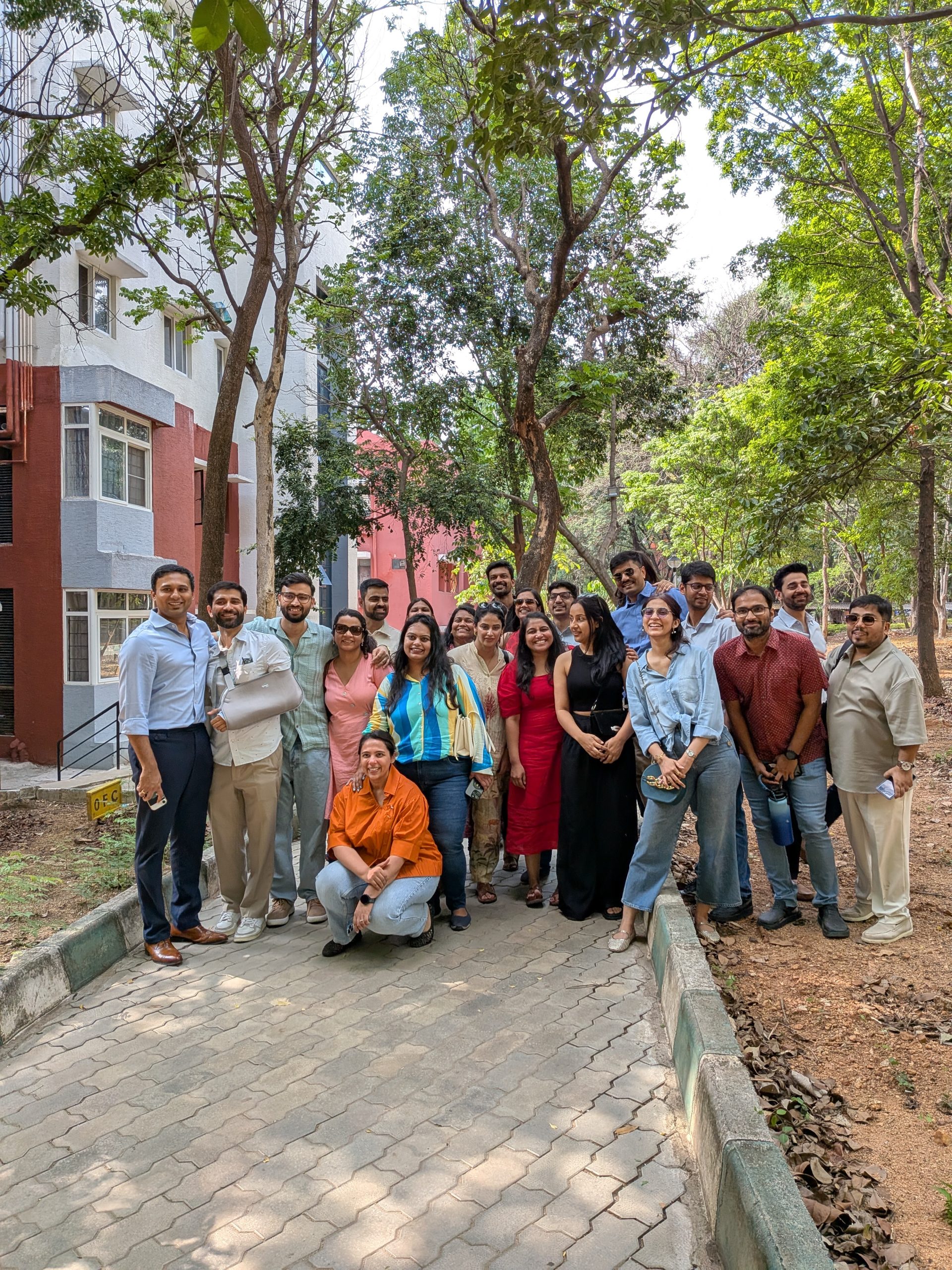
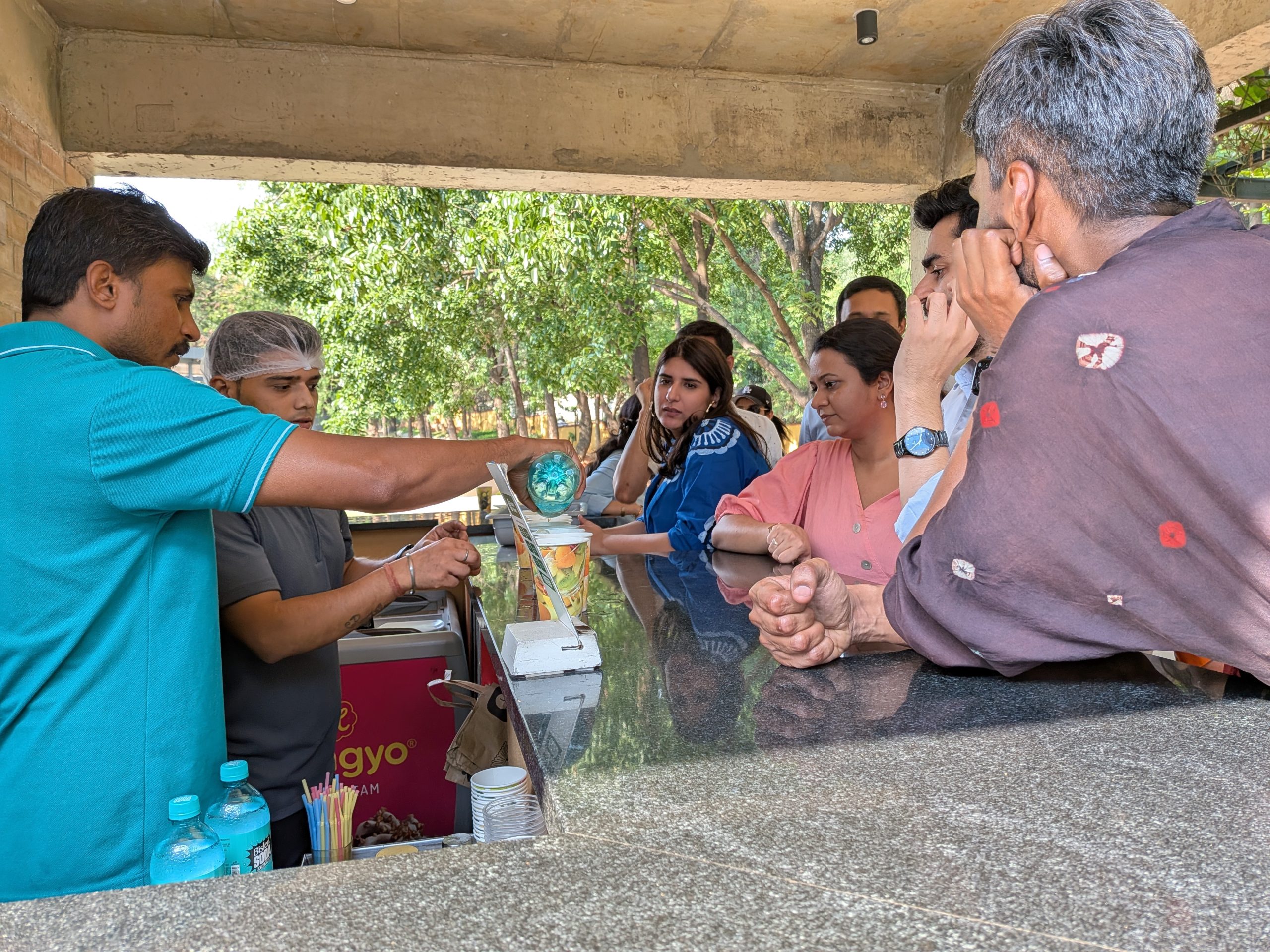
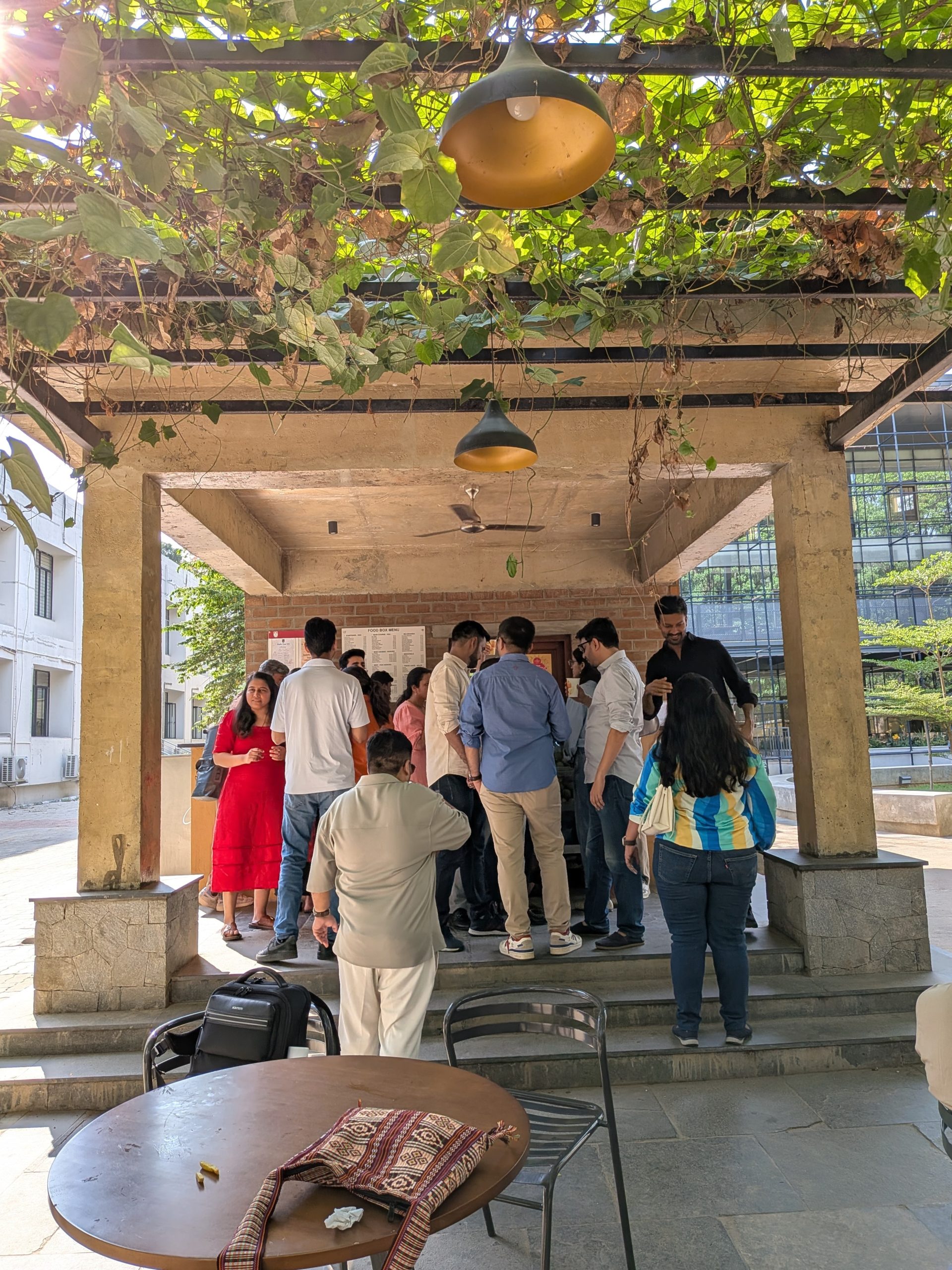
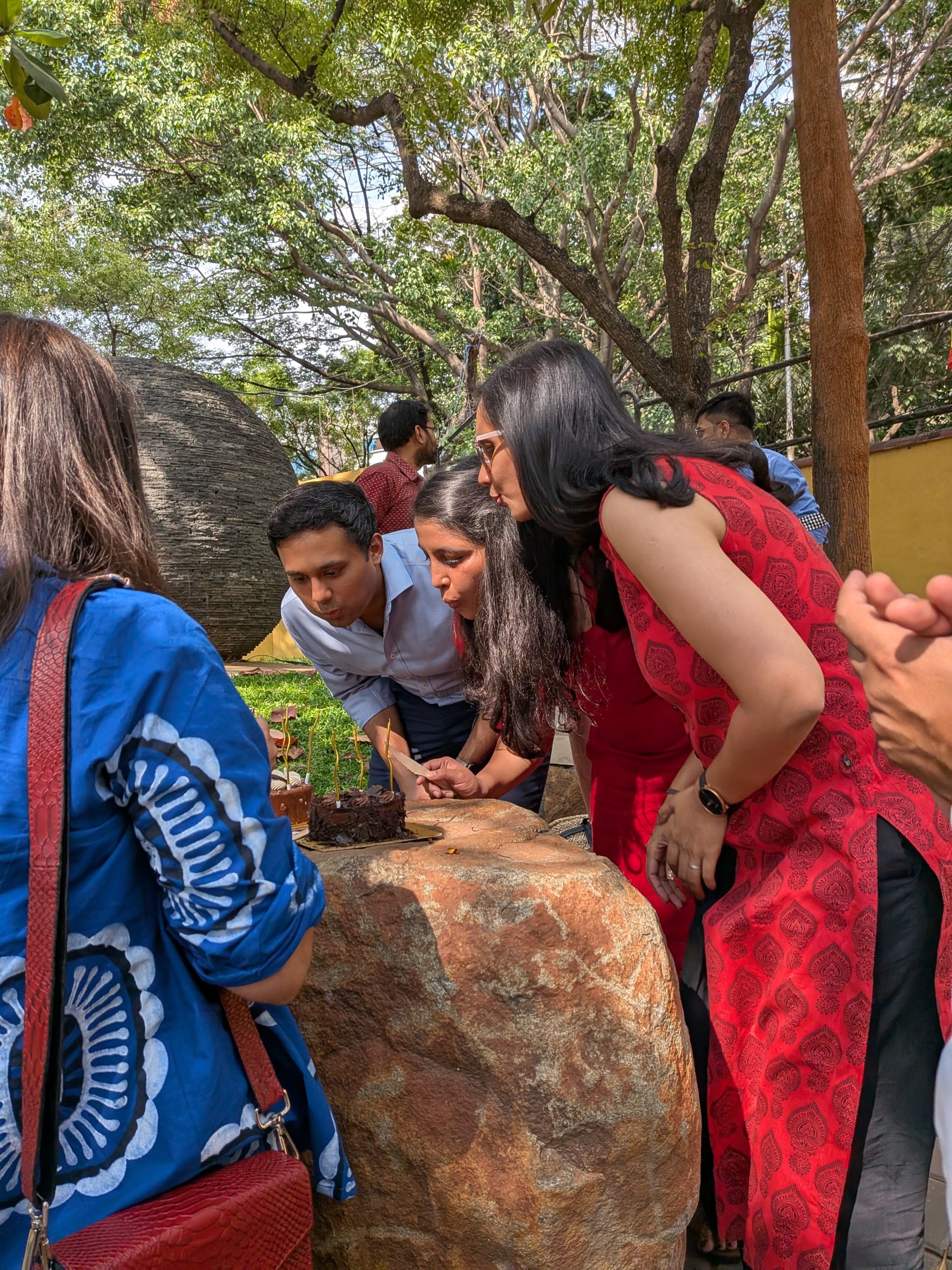
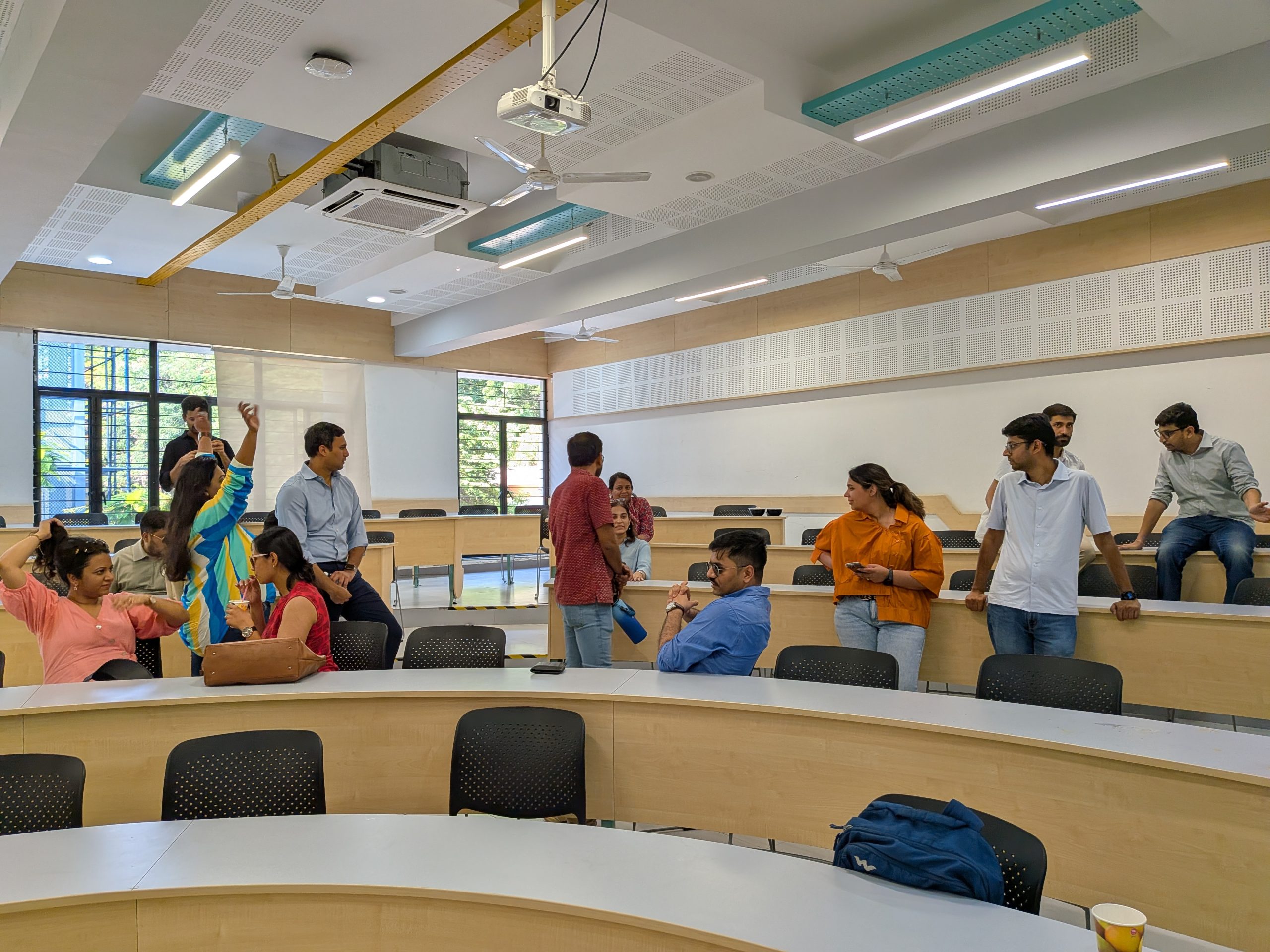
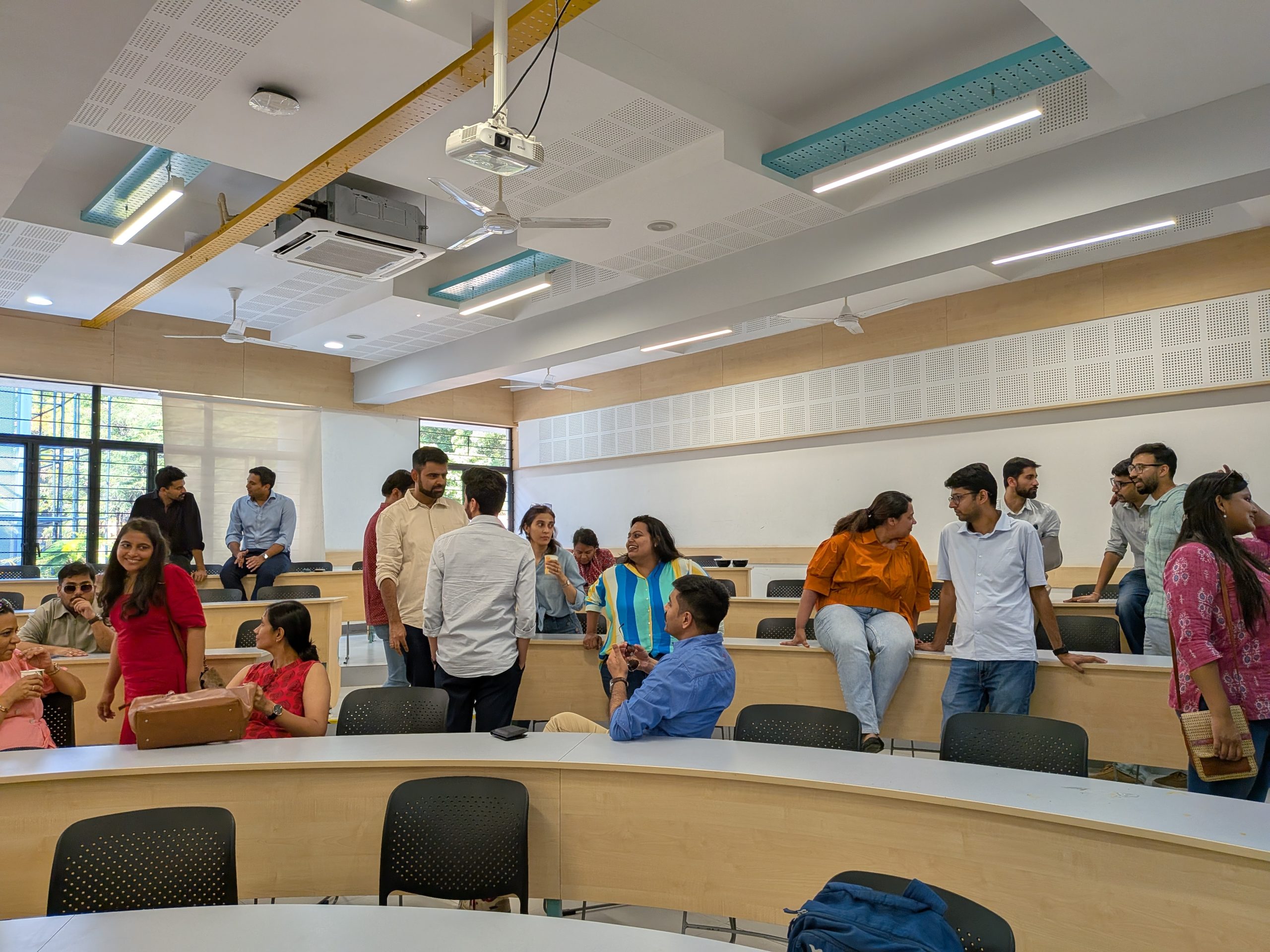
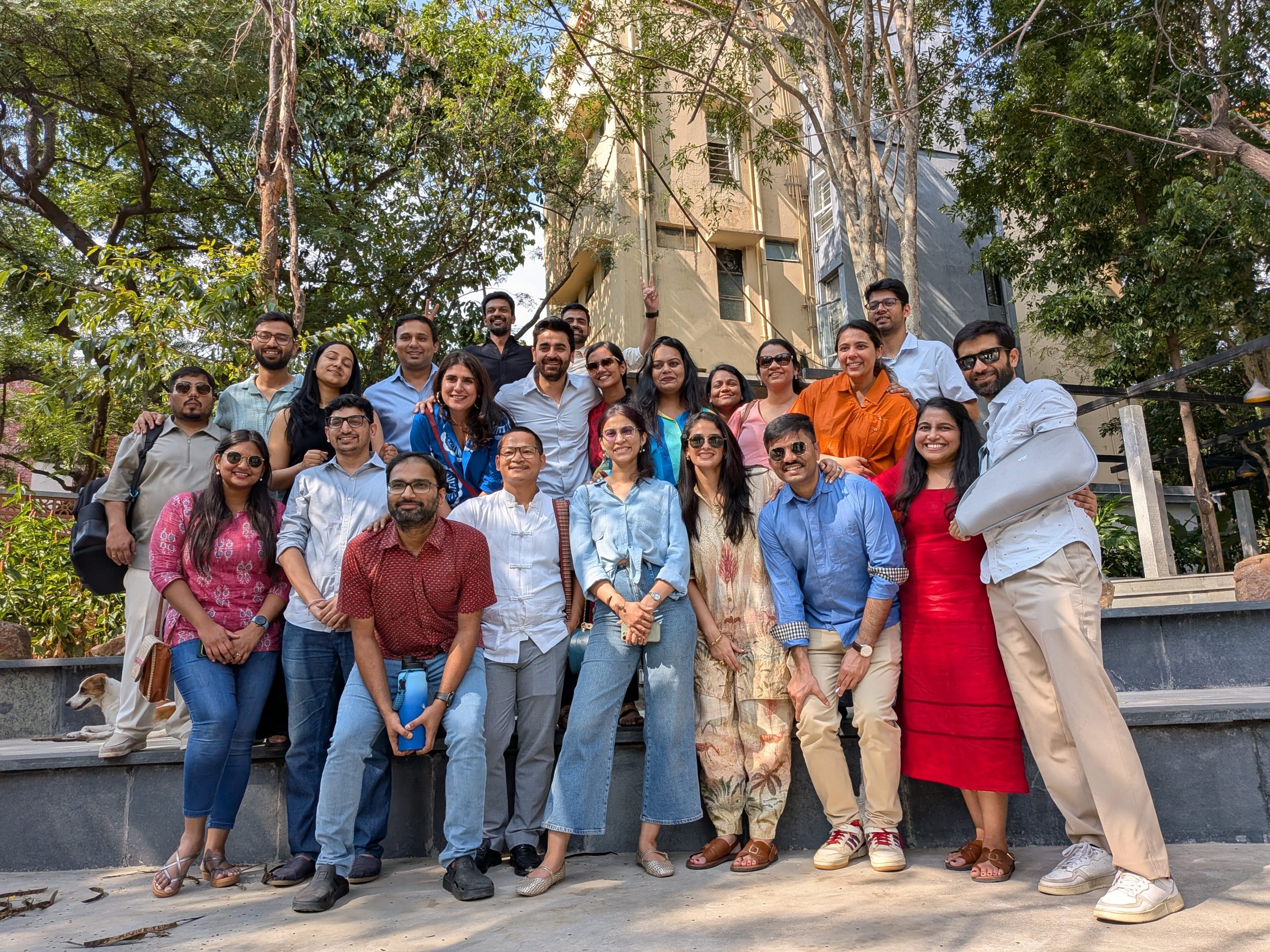
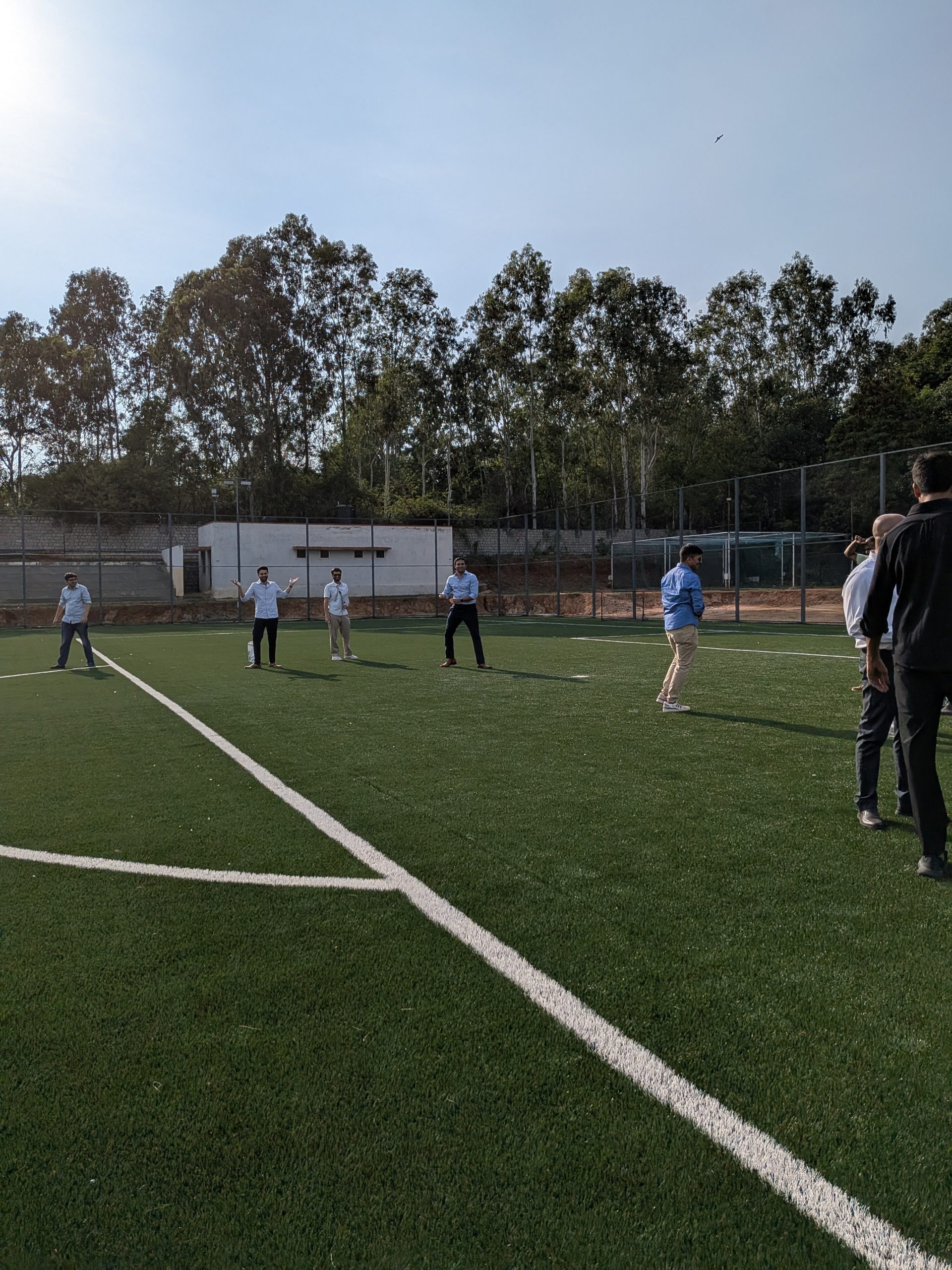
The National Law School of India University hosted a campus reunion for the batch of 2014 on May 10, 2025 as they celebrated 11 years of their graduation.
Our alumni spent the day on campus re-connecting with batchmates, faculty, and other members of the NLS community, and celebrating their friendships and connections over the last decade.
Schedule
Time
Activity
11:00 am – 12:00 pm
Arrival
12:00 pm – 12:15 pm
Introduction of Batch members (Venue: OAB-101)
12:15 pm – 1:30 pm
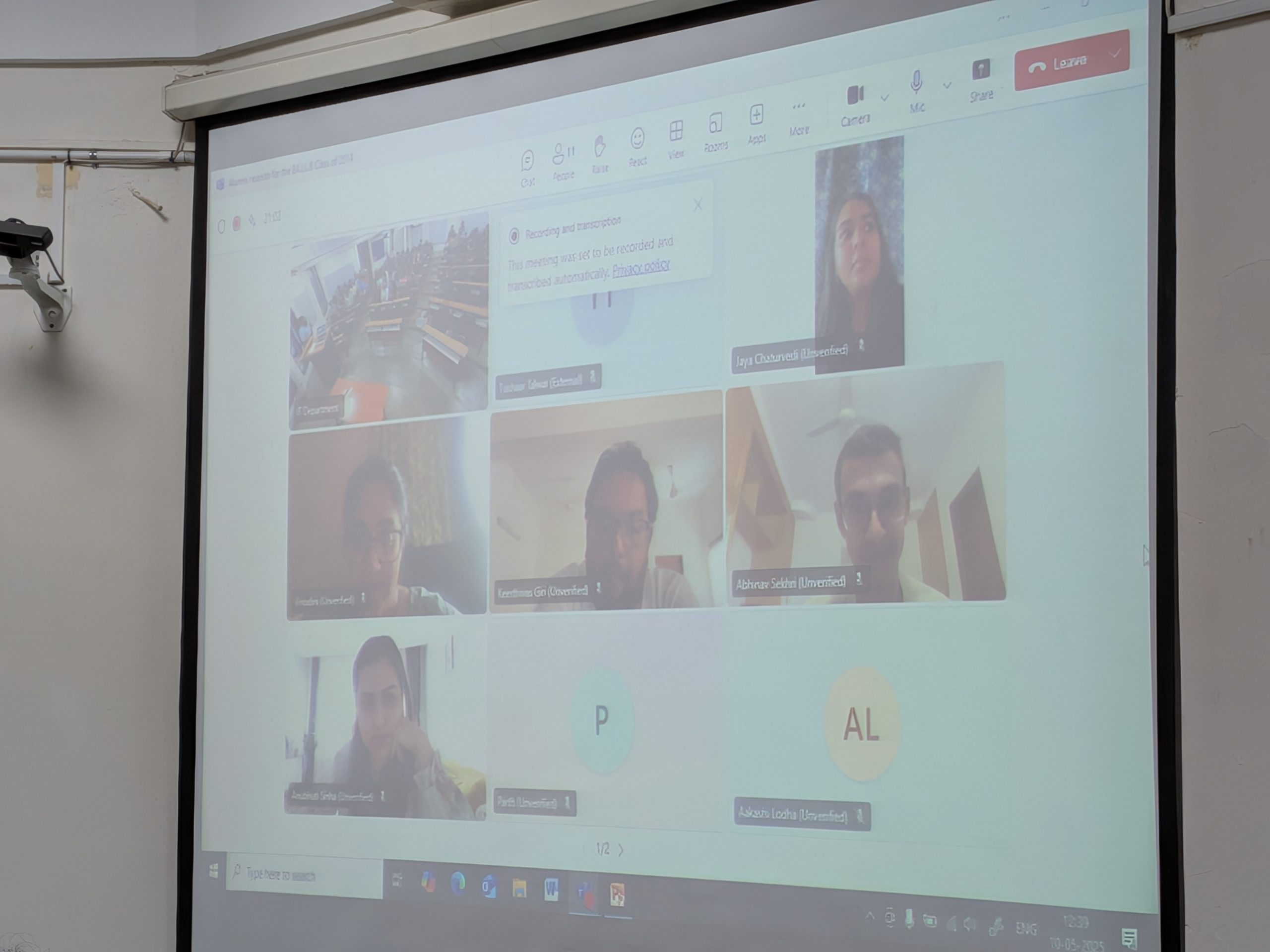
Interaction with Faculty and Batch members (Hybrid Mode)
1:30 pm – 2:30 pm
Networking Lunch (Training Centre)
2:30 pm – 4:00 pm
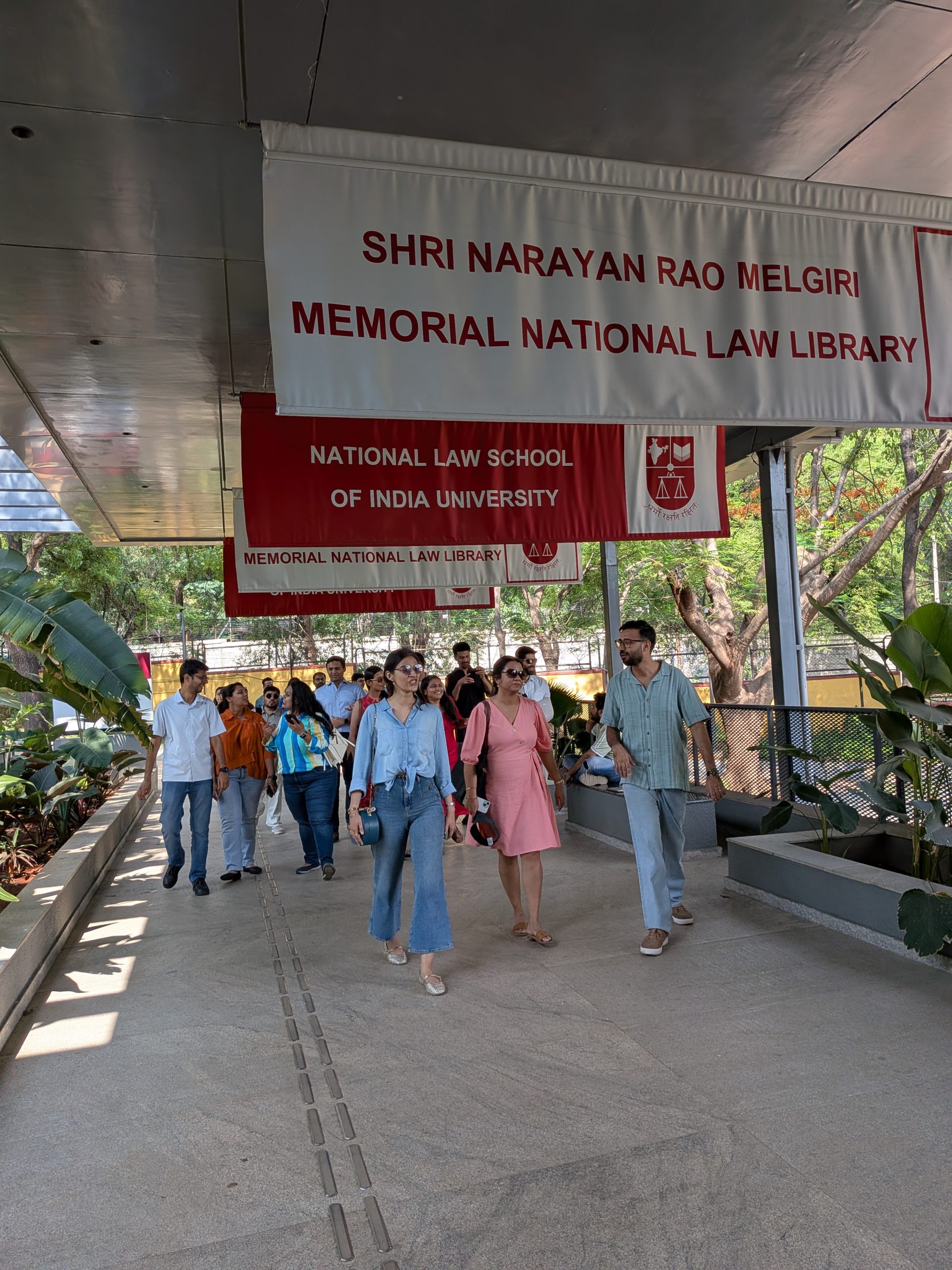
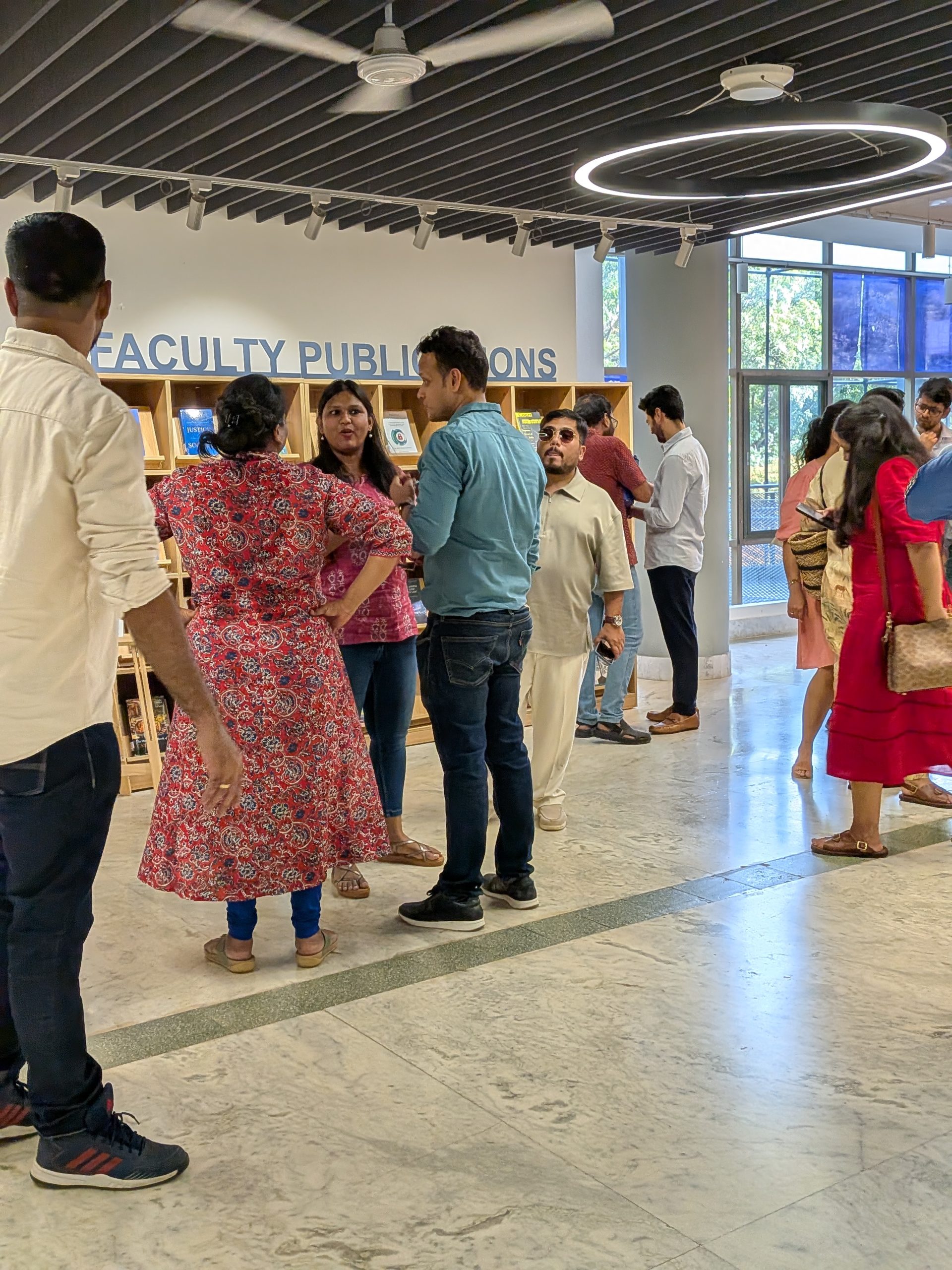
Campus Walk including visit to NAB
4:00 pm – 4:15 pm
Group Photo Session
Reflections from our Alums
Vikram Shah Freelance writer, editor, and content consultant “When I was in my third or fourth year at NLS, I had a sense that maybe a long-term legal career was not for me, though I did work for a law firm for a couple of years after I graduated. Since then, I’ve worked mostly in the media. I’ve worked at Mint as an editor of the features paper, Mint Lounge. I reported on and wrote several stories for Mint. Then I worked with the media startup called All Things Small where we put out a publication called fiftytwo.in which was long form journalism of 4,000 to 5,000 words. We would cover one different aspect of the subcontinent every week and that was a fantastic job. A dream job for me as a freelancer. I work part time with a legal journalistic outlet, but I also do corporate writing, corporate content writing. I’ve written scripts for videos. I have written an 11-part narrative podcast which was commissioned by the American podcast platform Luminary.
It’s NLSIU where I started reading novels. All those trips to Blossoms and the other amazing bookstores that are on Church Street. Here is where I met peers who encouraged this side of me. I started writing while I was in law school. The first time I got paid for a piece of writing was in my third year. I credit NLS with blowing open my mind to all sorts of possibilities, not just in terms of what’s possible career wise, but just in terms of ideas, which is an extremely important thing in my line of work.
And the other thing is that NLS was the first time that I truly understood the idea of India. At NLS, there were people literally from Kashmir to Kanyakumari to Arunachal. And it was the first time that I had a sense of what it means, how vast and wonderful our country is. And a lot of the journalism that I’ve worked on has been about that idea, and we need to preserve this idea. And NLS is where it started so I’m grateful for my time here.”
Megha Mathur Director, Pocket FM “It’s been so lovely to be back at NLS today after 10 years of having graduated. I think all of us loved our time here. It was five years that were transformative for most of us. We all came here when we were 17 or 18 years old. I had among the best years of our life here in Nagarbhavi. It’s been so lovely to see how much the campus has changed. We see some great new additions, and some conspicuous absences as well. Since my time after law school, I’ve worked mostly in tech companies across India. I worked at Zomato, then Meesho, and now I’m with Pocket FM. I don’t practice anymore as a lawyer. But I do think that my five years here were still foundational and helped me prepare for all of the different work that I’ve had the chance to do. So thank you so much for having us back here.”
Amshula Prakash Entertainment Lawyer “I’ve been working as a lawyer for artists since I graduated from NLS, and for the last couple of years I’ve also been working as an art curator. It’s very exciting to be back to a place that really formed us during the five years we spent here. It significantly shaped all of us. And I think I can speak on behalf of pretty much anyone who has been here. It has been bittersweet because there are a lot of changes on campus. It’s a mix of nostalgia and just not being able to see campus the way it was. Thanks to everybody at NLS for welcoming us so hospitably and we look forward to our 20th year reunion.”
Dheer Bhatnagar Corporate Lawyer
“My time at NLS was very formative. I think that’s how I look at it. It was fun and it was great and all of that, but when I look back, it’s the one keyword. It has really formed who I am today. Since I graduated, I’ve done a mix of corporate law and in-house roles. Now I’m in a sort of a business plus legal role at a startup. It feels really, really good to be back. I think the campus has retained a mix of the old and the new. I can see a lot of things that have changed. I think a lot of the old charm is still here, which I really like. I hope to come back more frequently and stay in touch with the folks here.”
Chetna Kumar Analyst, Bloomberg
“I think NLS is such an integral part of who I am. The rigour and the challenging environment we were in really tests you. Whatever I’ve accomplished since, the seeds were planted here. It’s so great to come back to most of the people who have this imprint on me.
Since I graduated, I moved away from the law very quickly. I worked in politics and now I work in geo-economics. I still feel like the skills I learned at NLS, in terms of lawyering and thinking critically, are what gave me an edge and helped me drive my own career in a different field. I think the education you get here actually makes you confident enough to go venture into new areas and be able to hold your own still.”
In this week’s faculty seminar, Samantha Chacko, a Fulbright-Nehru Scholar affiliated to NLS, presented her paper titled “Equality in Access: Reviewing India’s Legal Aid Framework.” The seminar was held on May 7, 2025, at 4 pm, in the Ground Floor Conference Hall at NLSIU’s Training Centre.
Abstract
Article 39(A) of the Indian Constitution guarantees citizens access to legal aid. At its core, this Article solidifies each citizen’s right to access justice. Often, the individuals seeking this kind of assistance are litigants preparing for cases addressing critical issues. Without proper access to legal aid, people can lose their homes, families, or livelihoods. In 2022, India’s government-based legal aid program, the National Legal Services Authority (NALSA), reported that only 61% of those who visited legal services clinics throughout India actually received legal assistance. Without proper access to justice, no legal system can be considered just.
There have been few studies that address the gender gap in legal aid services, and even fewer that exclusively focus on accessibility to legal resources and services categorized by demographic. One such study, however, the 2016 DAKSH Access to Justice survey, found that only 14% of all litigants in India are women. There is little explanation for this gender gap in legal participation, and it remains unclear whether women are actually receiving the legal assistance they are constitutionally entitled to and their subsequent ability to navigate the Indian justice system successfully. This research was designed to identify and contextualize the causal factors perpetuating the gender gap in access to justice within the Indian legal aid framework.
Reflections from the Speaker
“It was an honour to present my research at the Faculty Seminar at NLSIU. The faculty feedback was very insightful and will help me develop my paper and future research. I have learned so much as a Fulbright-Nehru Scholar at NLS. I am very grateful to my academic supervisor, Dr. VS Elizabeth, for all her support throughout my grant. Ultimately, I hope this research serves as a foundation for continued awareness about the status of accessibility to justice in India and the USA.”
At this week’s seminar, we have presentations by two NLS faculty – Padmini Baruah (Pakeezeh), Assistant Professor of Law and Dr. Anviksha Drall, Assistant Professor, Social Science. The seminar will be held on April 30, 2025, in the Ground Floor Conference Hall at NLSIU’s Training Centre at 3:45 pm.
Presentation 1
Title: ‘How are we supposed to survive like this?’: A Tale of Two Women’ by Padmini Baruah (Pakeezeh)
Abstract
In contrast to my usual academic writing, this piece presents a narrative non-fiction account of two Bengali-Muslim women in Assam, both detained in the state’s infamous ‘detention camps’. Citizenship in Assam is typically reconstructed through court documents, newspaper reports, and statistics, with the socio-legal challenges well-documented. However, such accounts often miss the precarious lives behind these abstractions.
I trace the experiences of two women who have endured the arbitrary processes of foreigners’ determination. Momiron Nessa (name changed) spent ten years in detention at Kokrajhar despite providing seventeen documents proving her citizenship. Detained while pregnant, she lost her child, was mistreated, separated from her family, and was not informed of her husband’s death. Though now released, she remains tethered to a punitive legal regime, reporting weekly to a distant police station from her remote char settlement. Her story reflects extraordinary resilience against systemic violence.
The second account follows Sahera Khatun, who, along with her husband and two young children, spent eighteen months in the Goalpara detention centre. Although eventually recognised as Indian citizens, the family continues to suffer from the lasting economic and health impacts of their incarceration.
Through these narratives, I highlight the everyday realities and intergenerational precarities fostered by Assam’s citizenship regime.We look forward to seeing you.
Presentation 2
Title: ‘Earning beyond Agriculture: Why the source of non-farm income Matters for technology uptake?’ by Dr. Anviksha Drall
Abstract
Owing to agro-climatic fluctuations, farmers’ diversification into multiple non-farm jobs has witnessed an increasing trend in developing economies, with India being no exception. Earnings from non-farm sources are often reinvested in modern machinery and productivity-enhancing agricultural inputs. In this context, the study explores various channels through which the impact of non-farm earnings on the adoption of farming technology could differ across households, depending on their migration status and hence the source of earnings. The magnitude of these differential impacts is empirically estimated in the Indian context, accounting for additional remittances earned by migrant households alongside local non-farm income. The empirical analysis is based on household micro-level panel data from Indian states in the Semi-arid Tropics (SAT) and Eastern regions for the years 2010–14, using a fractional response model to estimate the differential impact of non-farm sector earnings on the intensity of technology adoption. The results confirm that non-farm earnings have a positive and larger income effect on technology adoption for migrant households compared to non-migrant households, and that the impact varies across farmer categories, with the highest effects observed among large farmers. The study concludes that specific policies are needed to enhance non-farm sector opportunities, particularly by recognising migration as a vital component of non-farm activities.
 The Queer Archive for Memory Reflection and Activism (QAMRA), housed at NLSIU, is screening independent filmmaker T Jayashree’s ‘Many People, Many Desires’ (2004) on June 29, 2025. The screening will be followed by a panel discussion with T Jayashree and other members of QAMRA – Mira Brunner and Dr. Siddharth Narrain. The session is part of Bangalore International Centre’s Pride Programmes.
 QAMRA is a multimedia archival project that chronicles and preserves the stories of communities marginalised on the basis of gender and sexuality in India. Its aim is to aid efforts in queer rights advocacy through archival activism, acting as a resource base for activists, students, educators, artists, and scholars working in the area of gender and sexuality. As a repository of narratives, it hopes to enable and further conversations around the history, present, and future of the Indian LGBTQIA+ community.
 The Socio-Legal Review (SLR) was first published in 2005 by a group of students at the National Law School of India University (NLSIU). Emerging from the broader “law and society” movement, SLR was founded on the growing realisation that law cannot be meaningfully understood in isolation from social and political realities.
 The
The 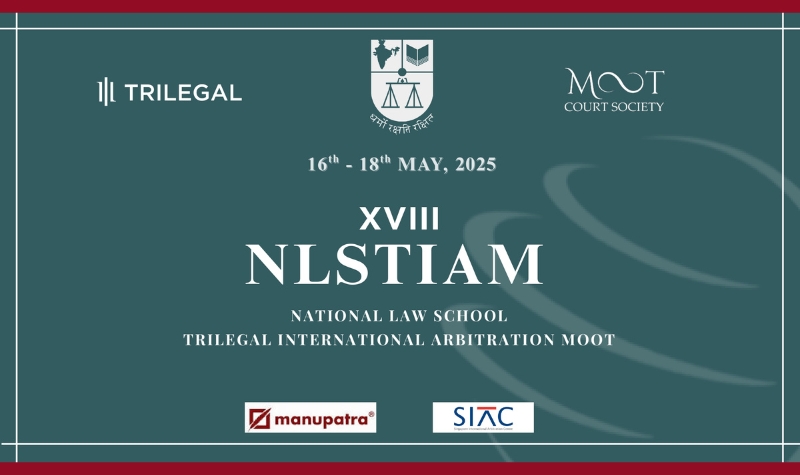 The Moot Court Society at NLSIU is pleased to announce the XVIIIth edition of the National Law School Trilegal International Arbitration Moot (NLS-TIAM) for the academic year 2024-25. The competition shall be conducted offline at the NLSIU Campus from May 16-18, 2025. As a part of the NLS-TIAM, the Moot Court Society is also pleased to host the VIth edition of the National Law School Trilegal International Arbitration Conference (NLS-TIAC) on May 17, 2025.
 In this week’s faculty seminar,