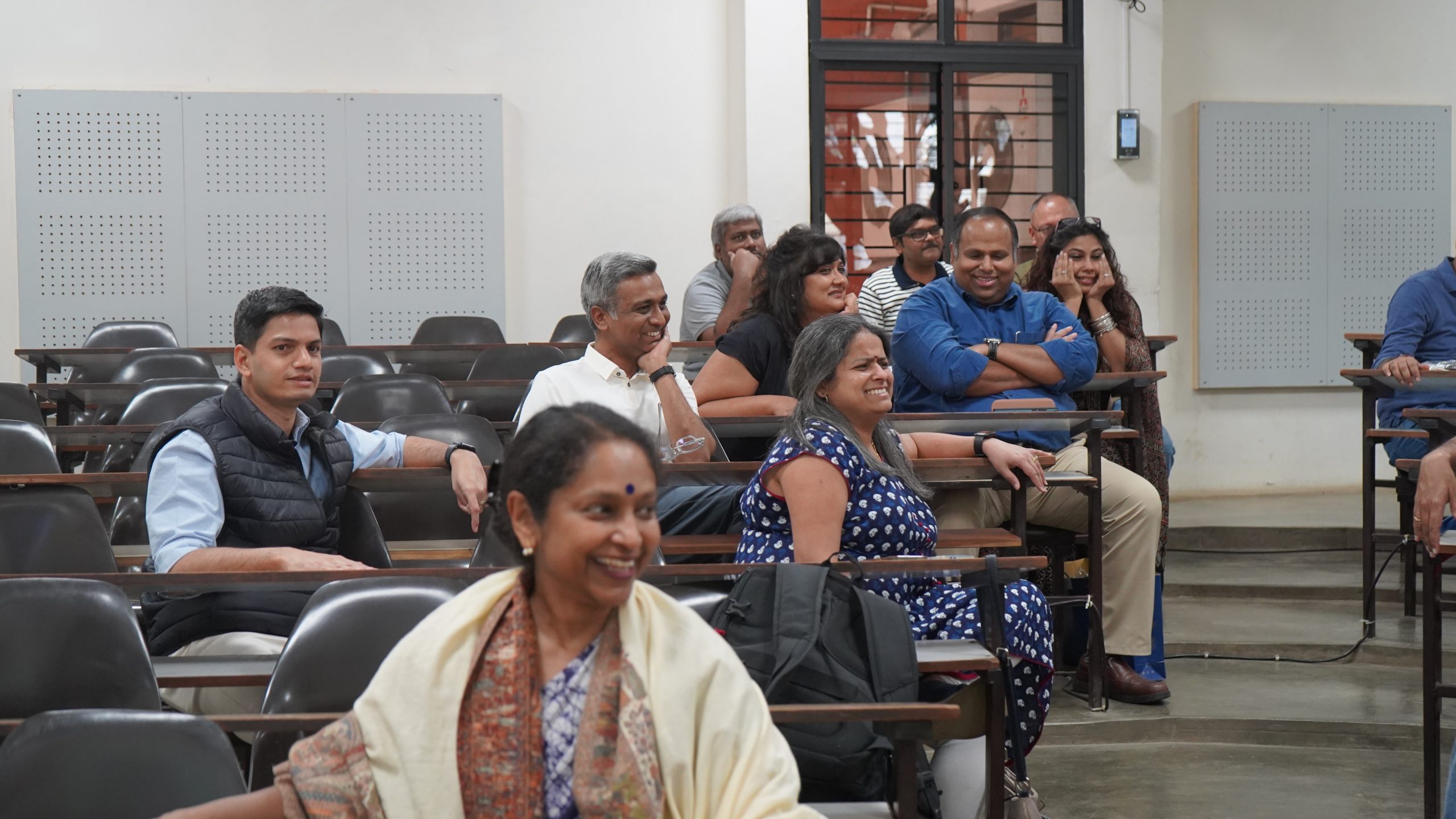
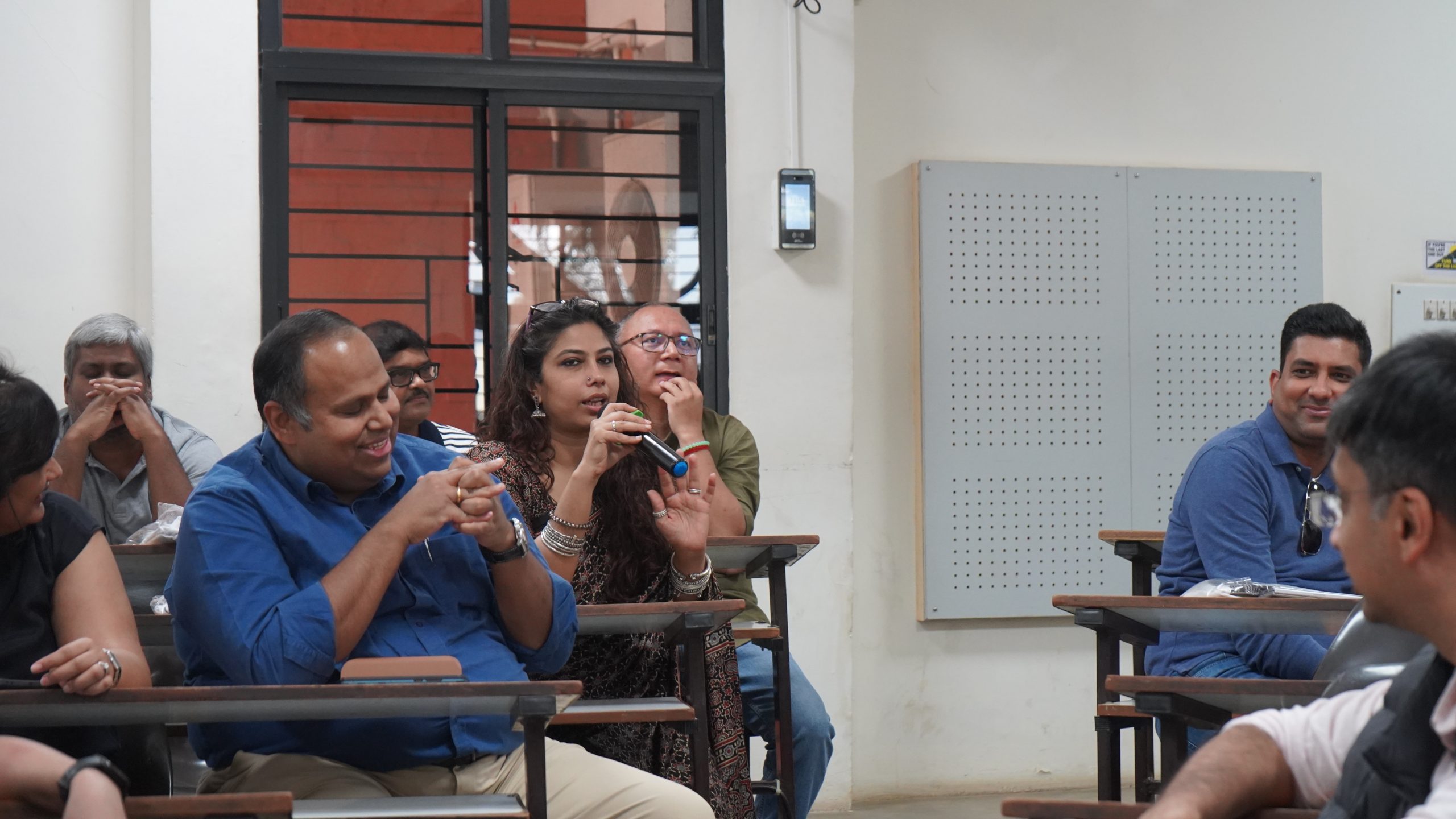
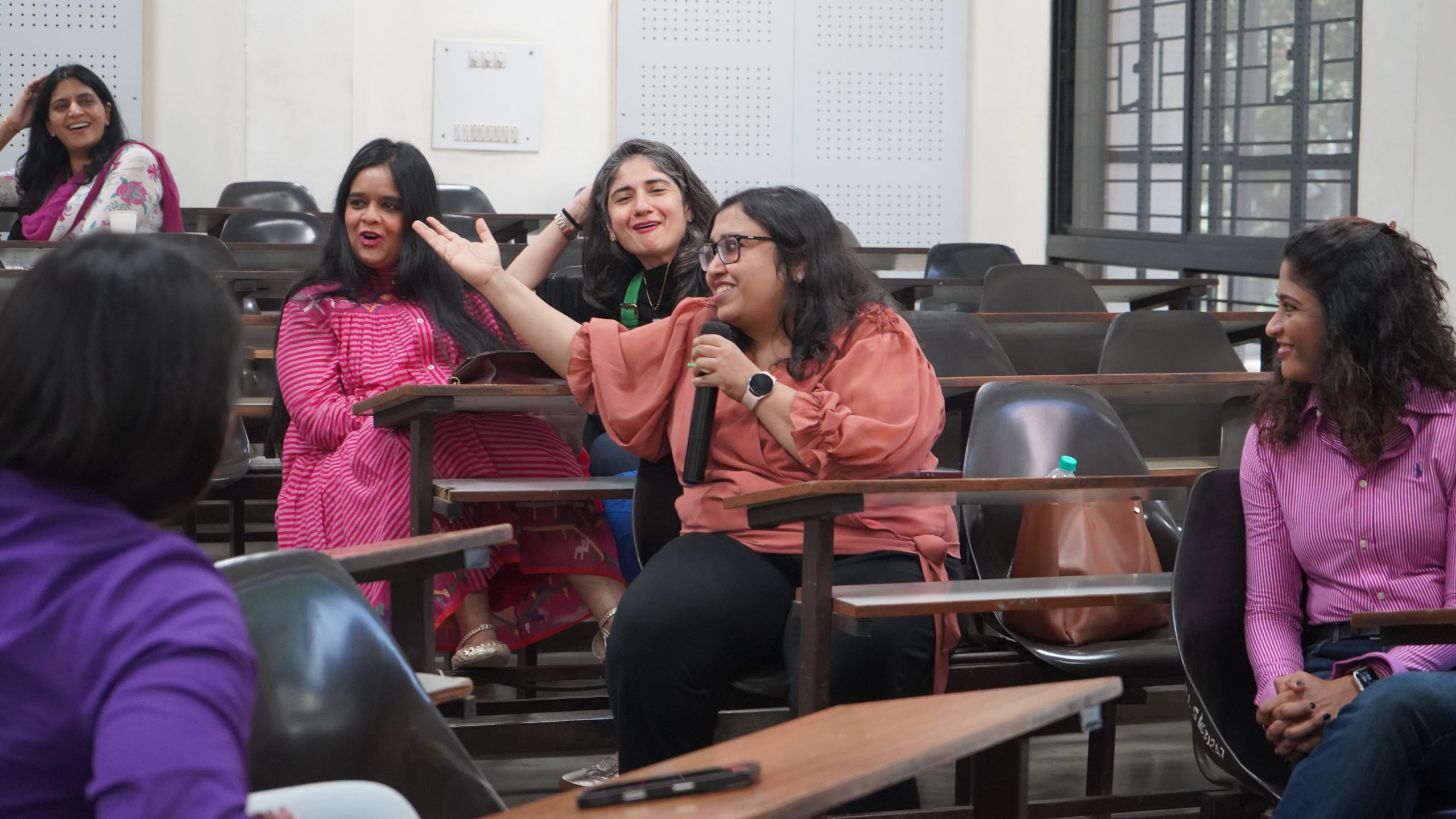
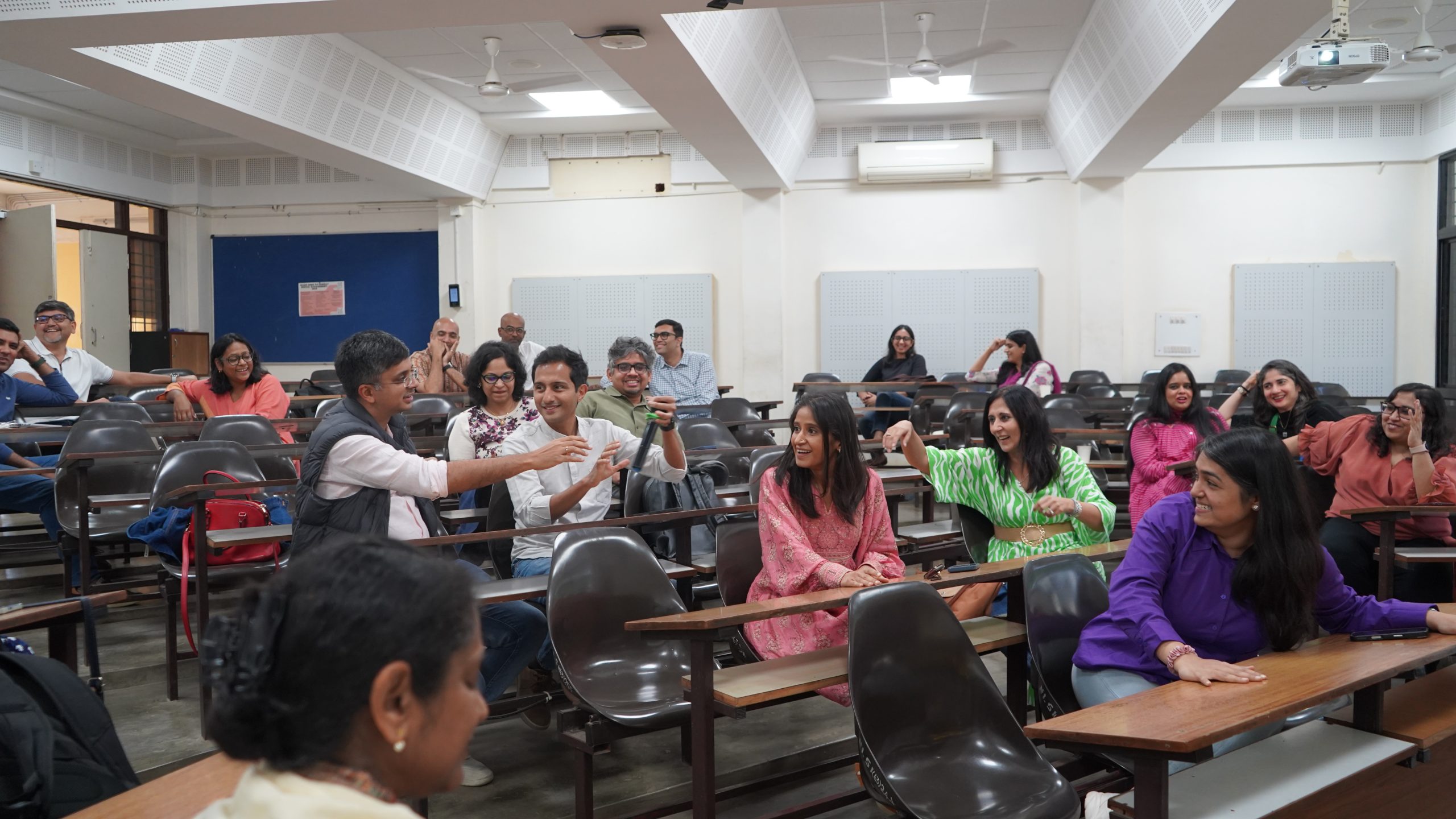
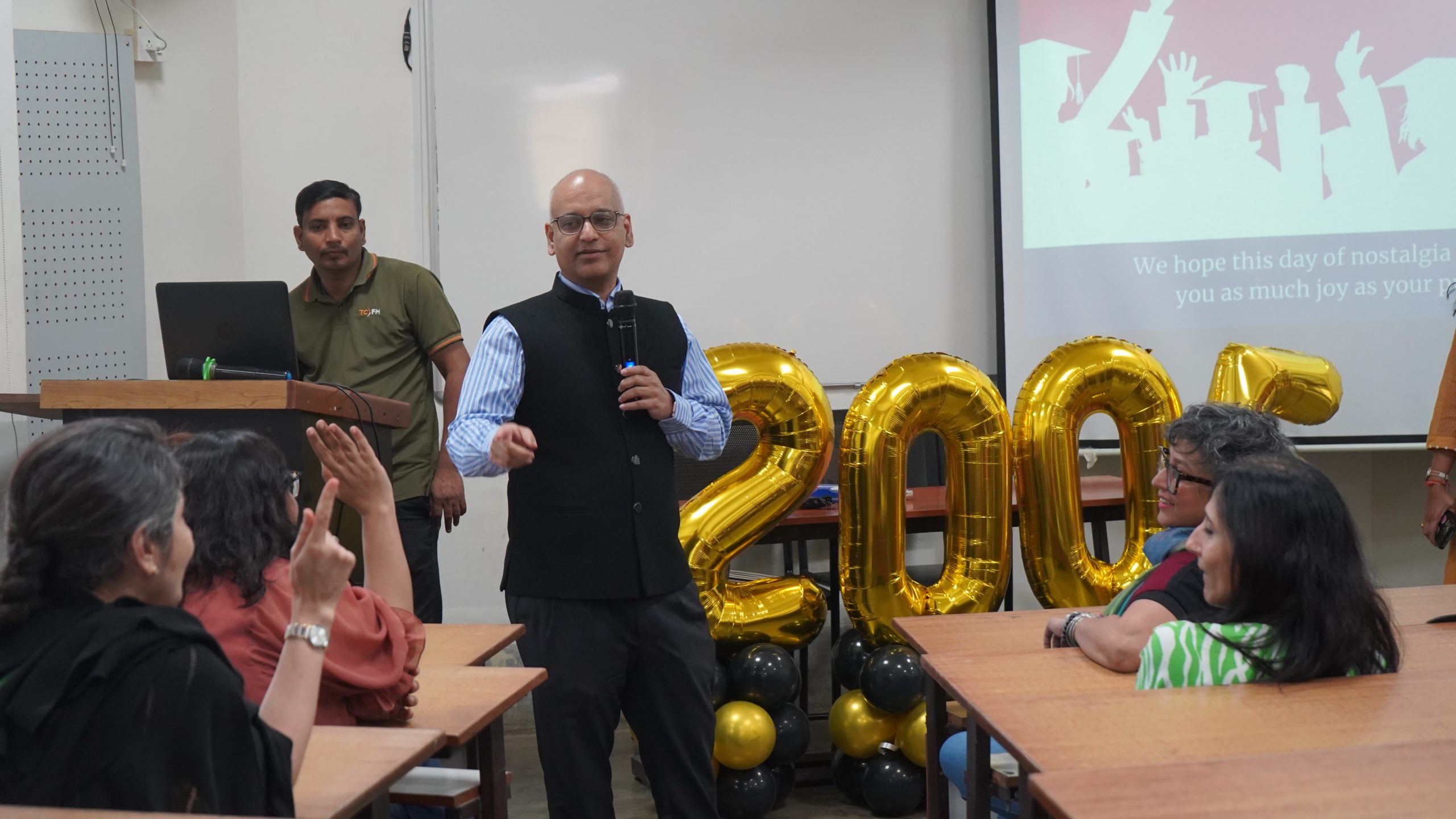
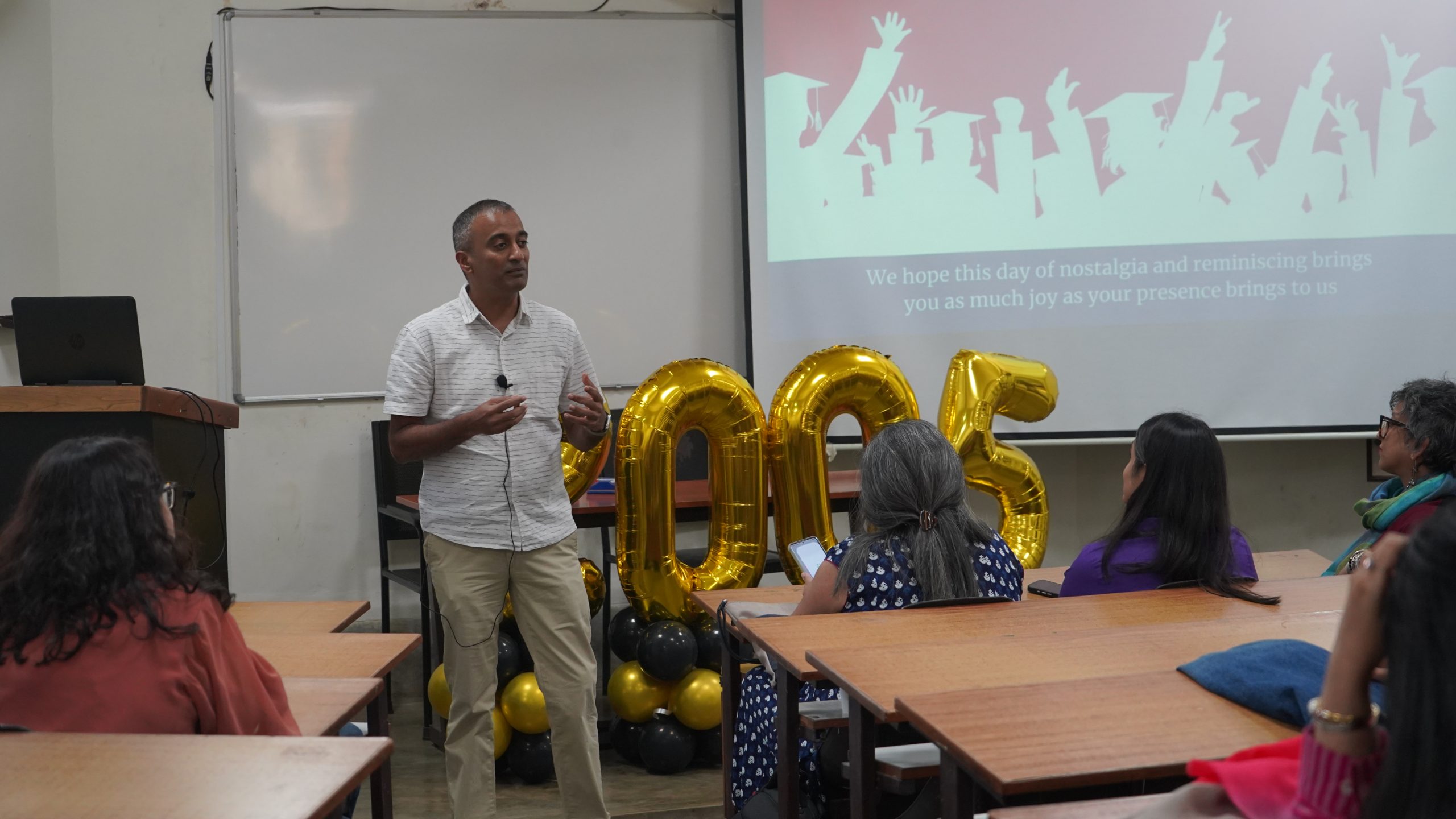
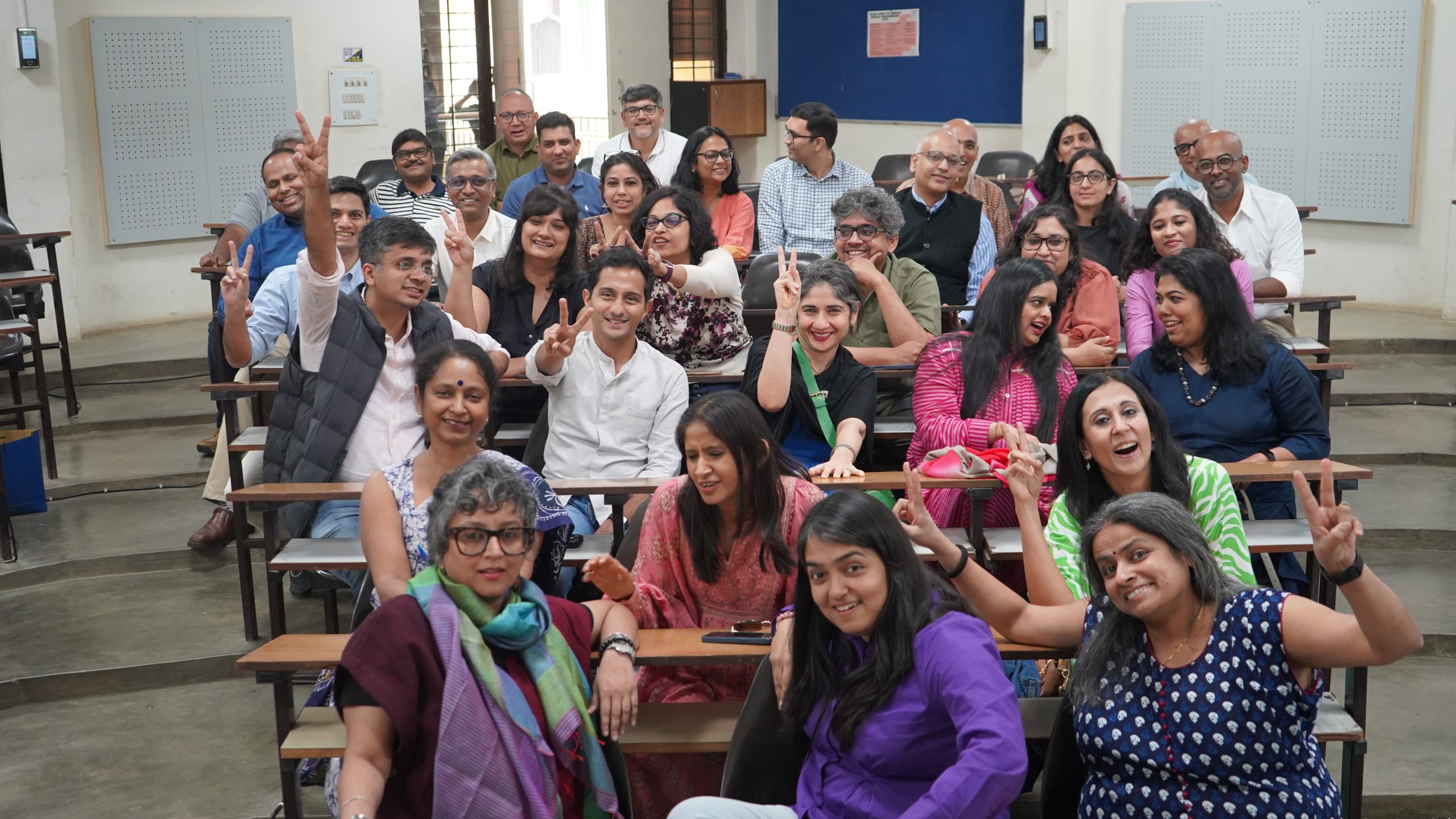
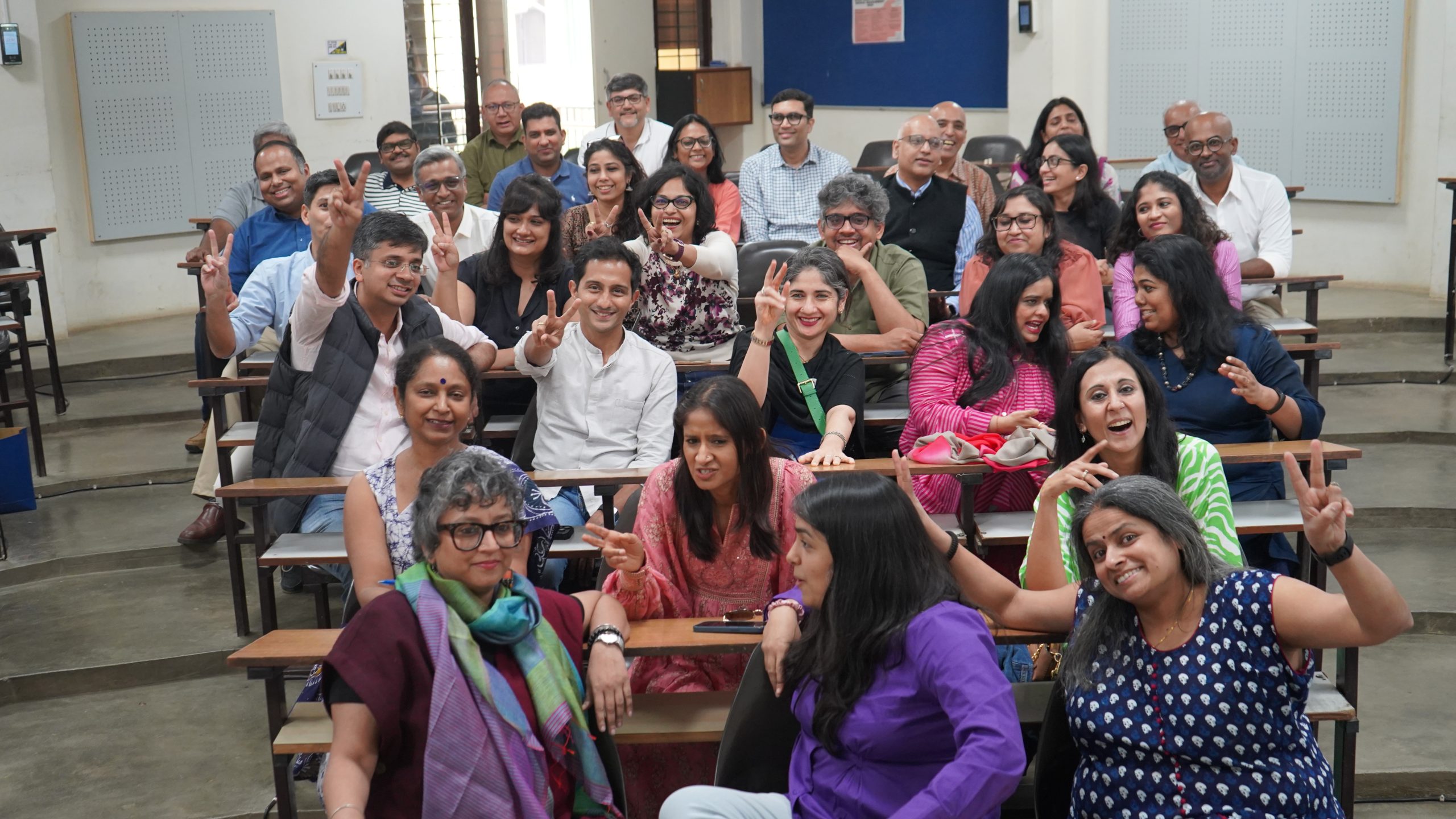
Book Talk | ‘Women and Colonial Law: A Feminist Social History’ by Prof. Janaki Nair

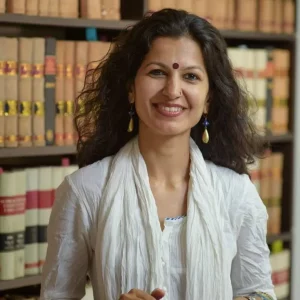
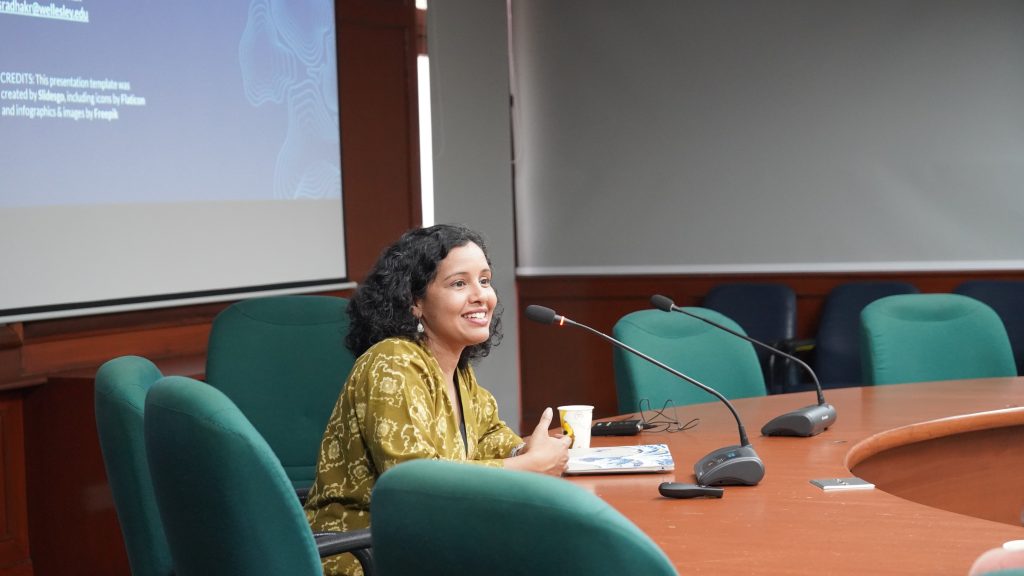
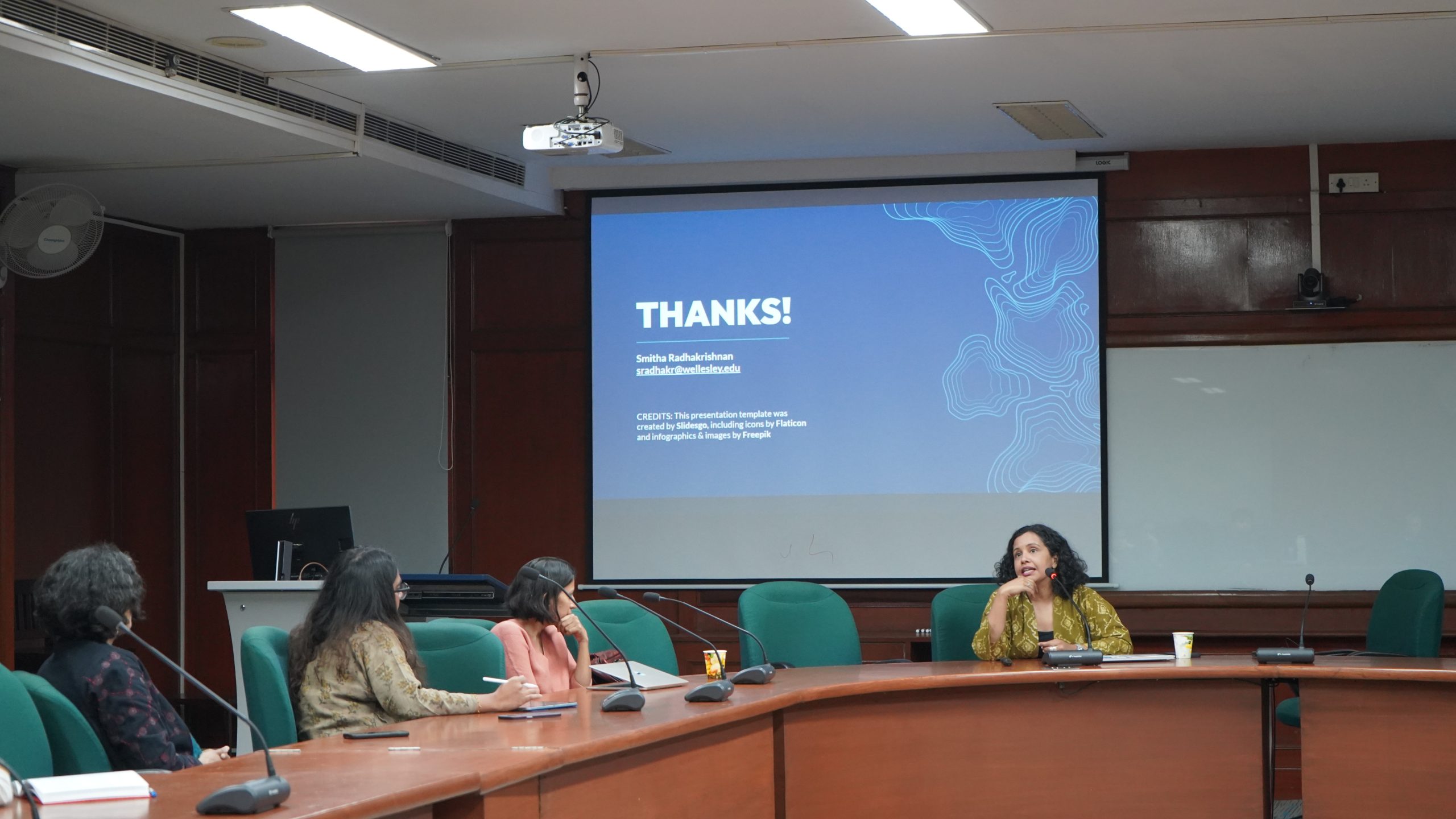
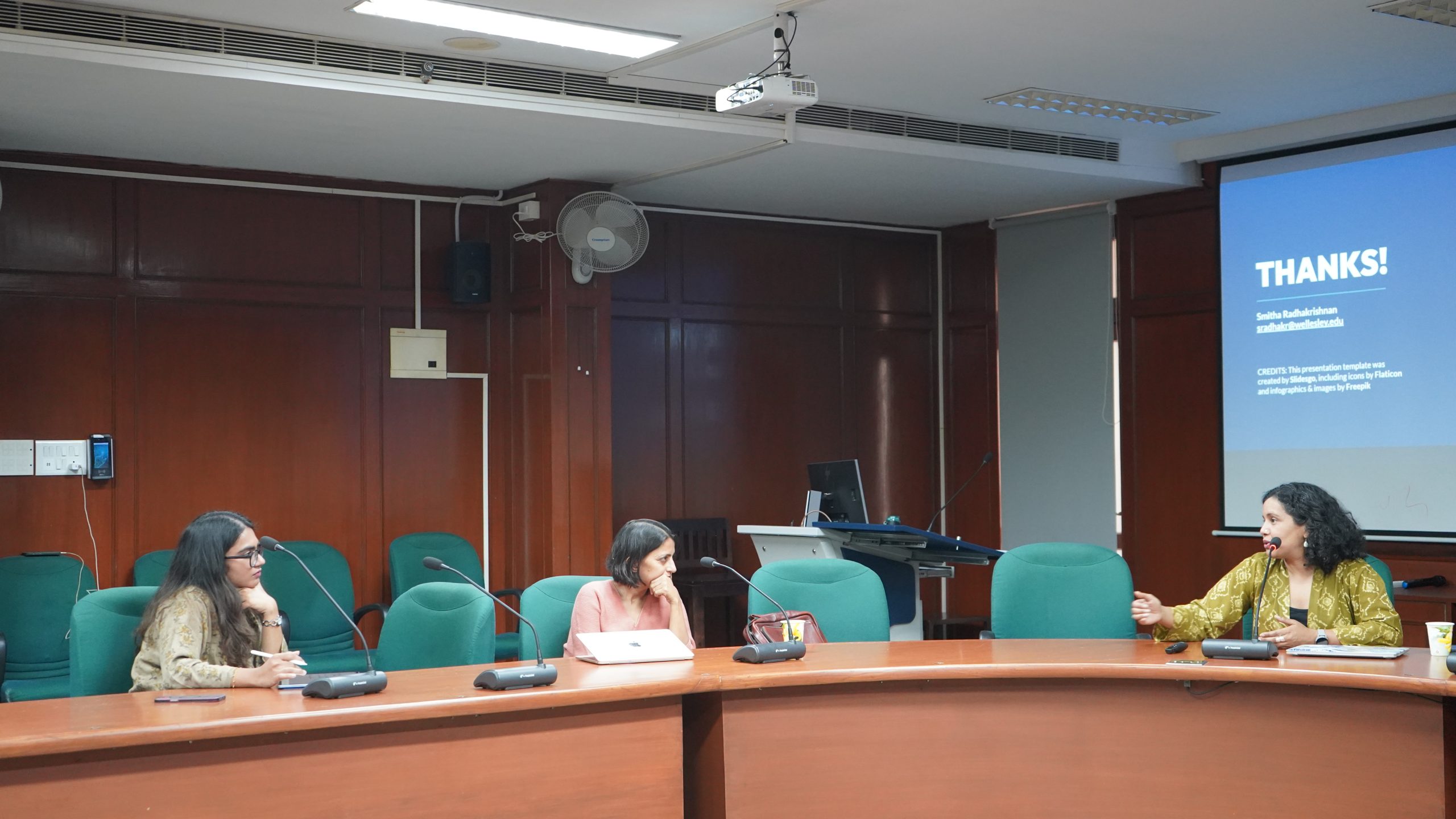
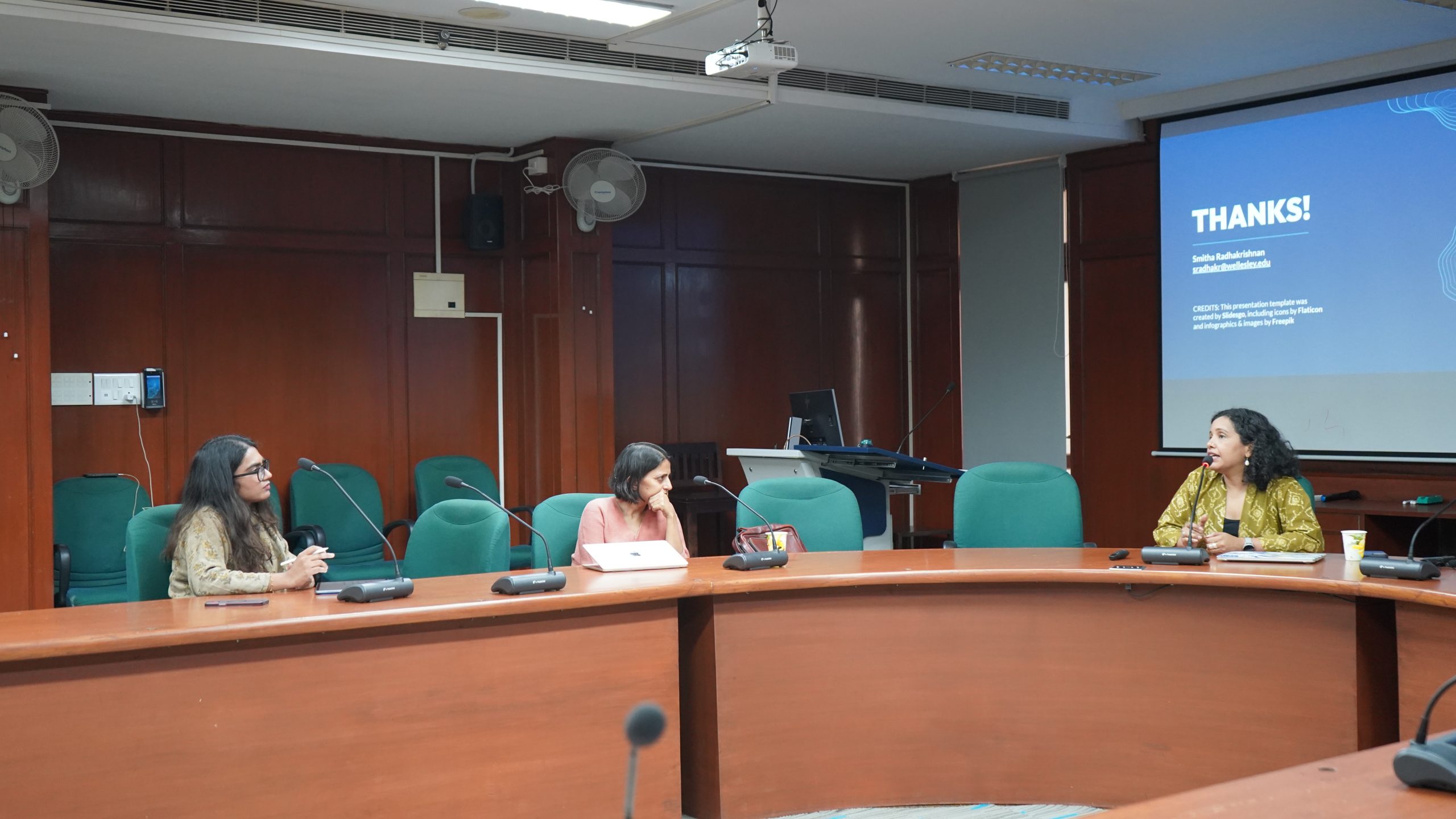
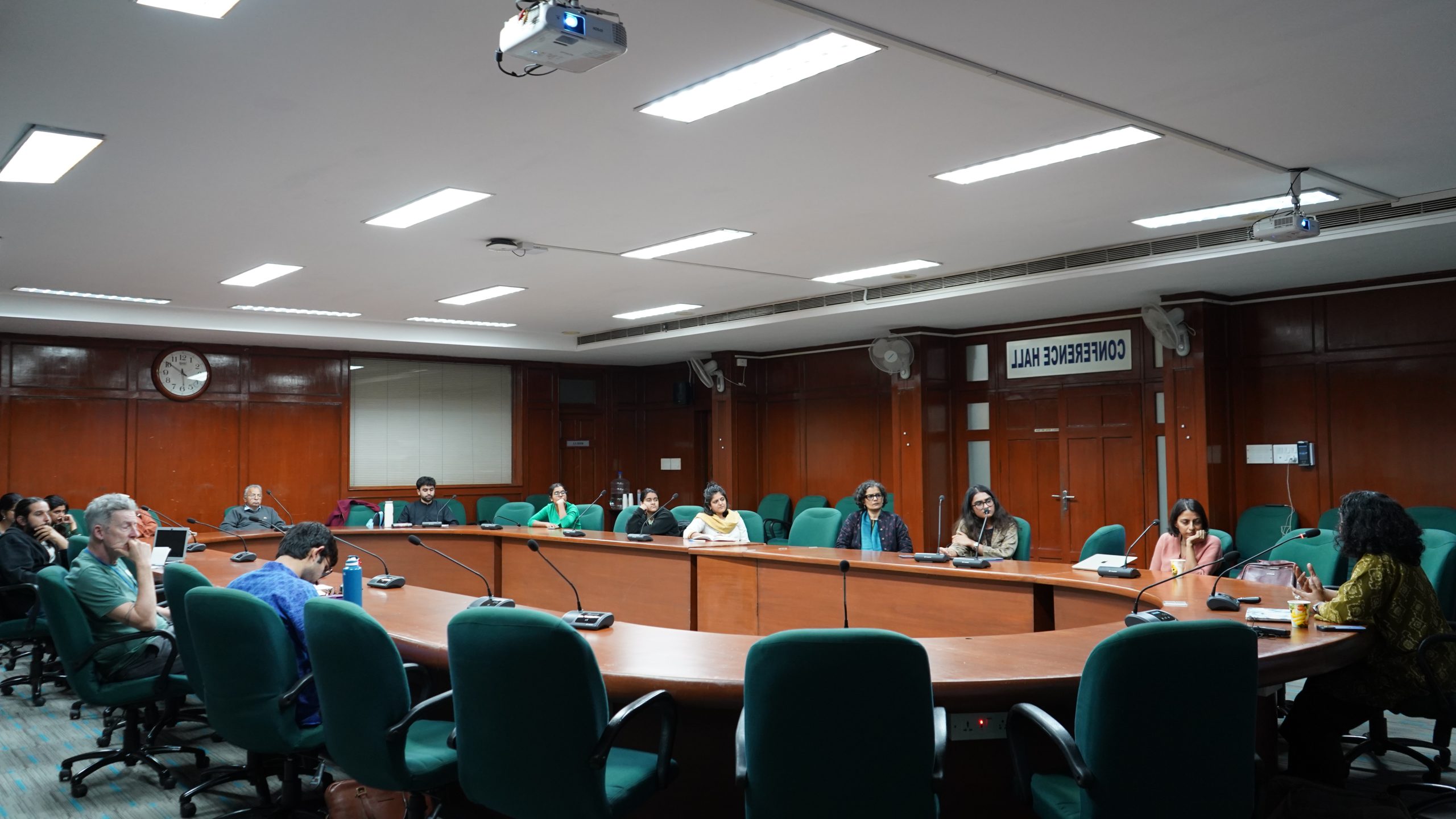
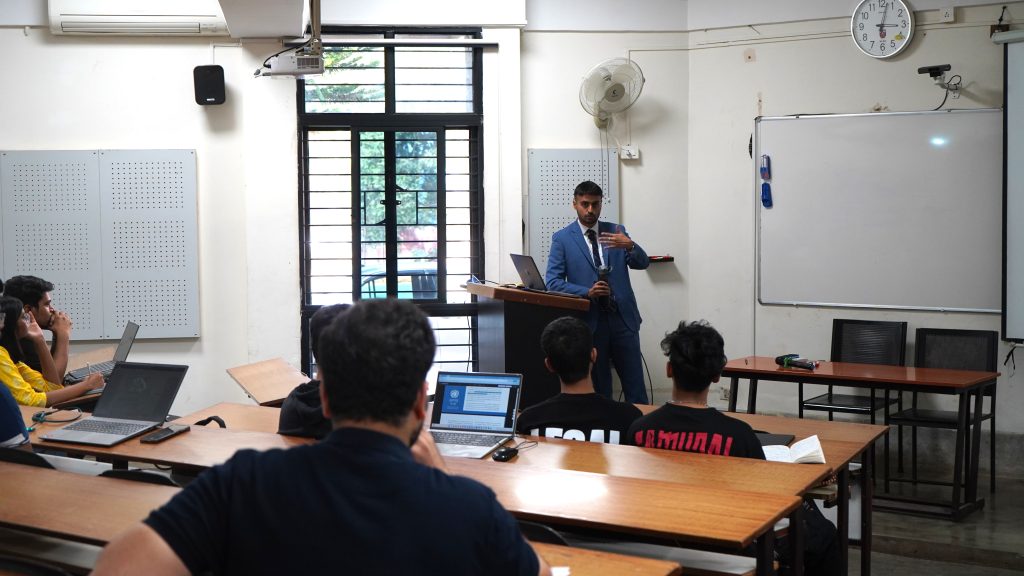
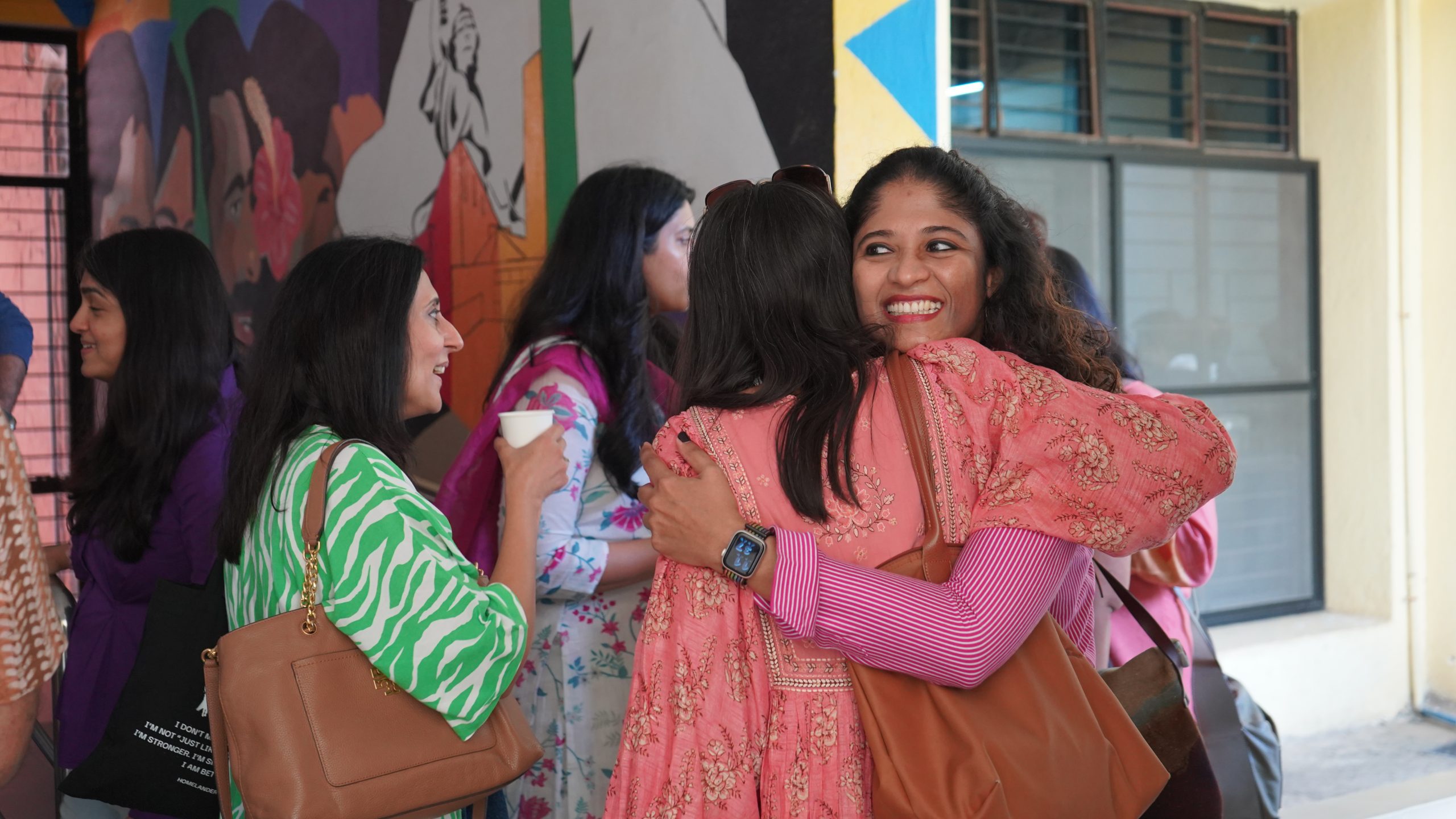
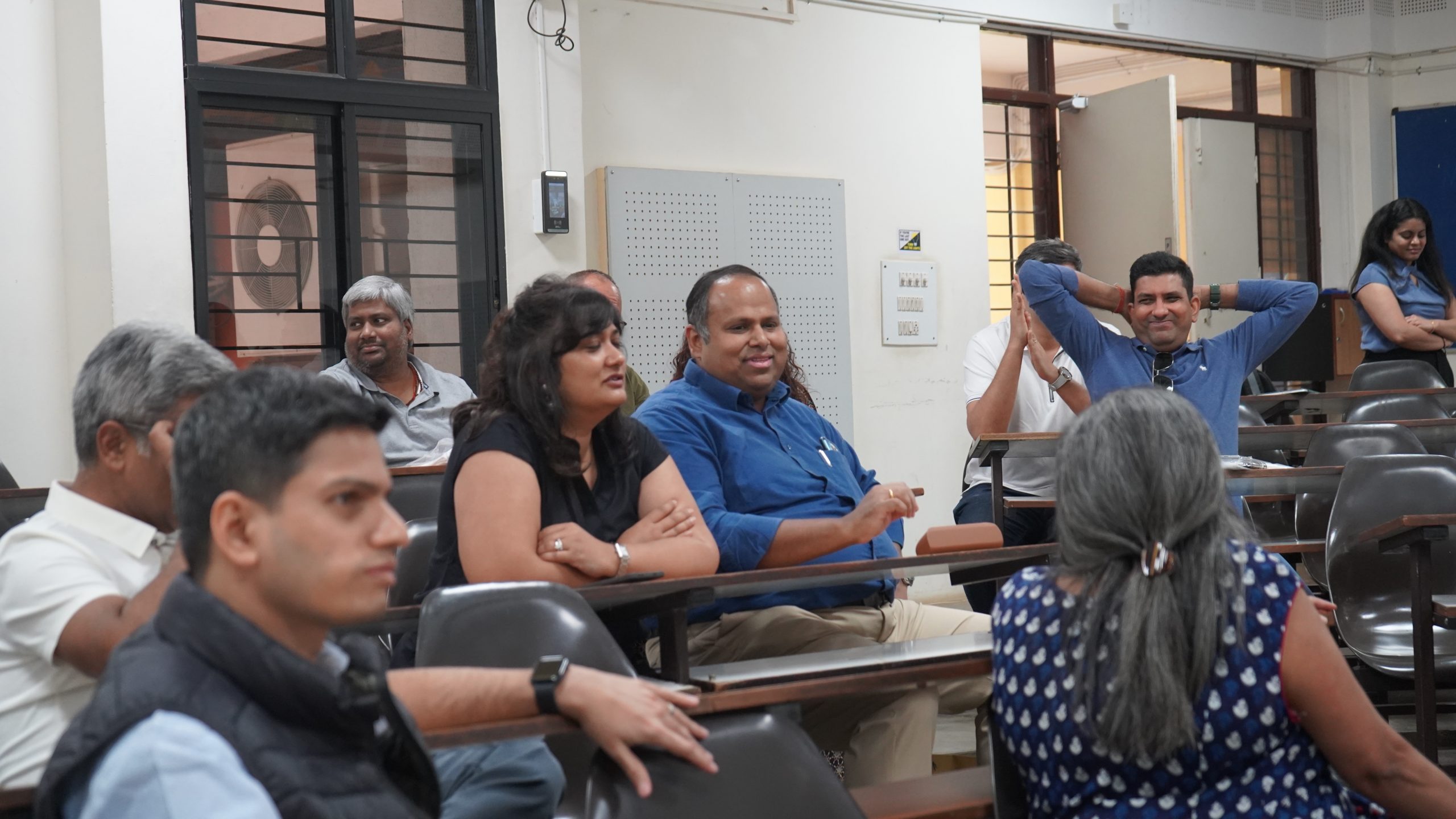
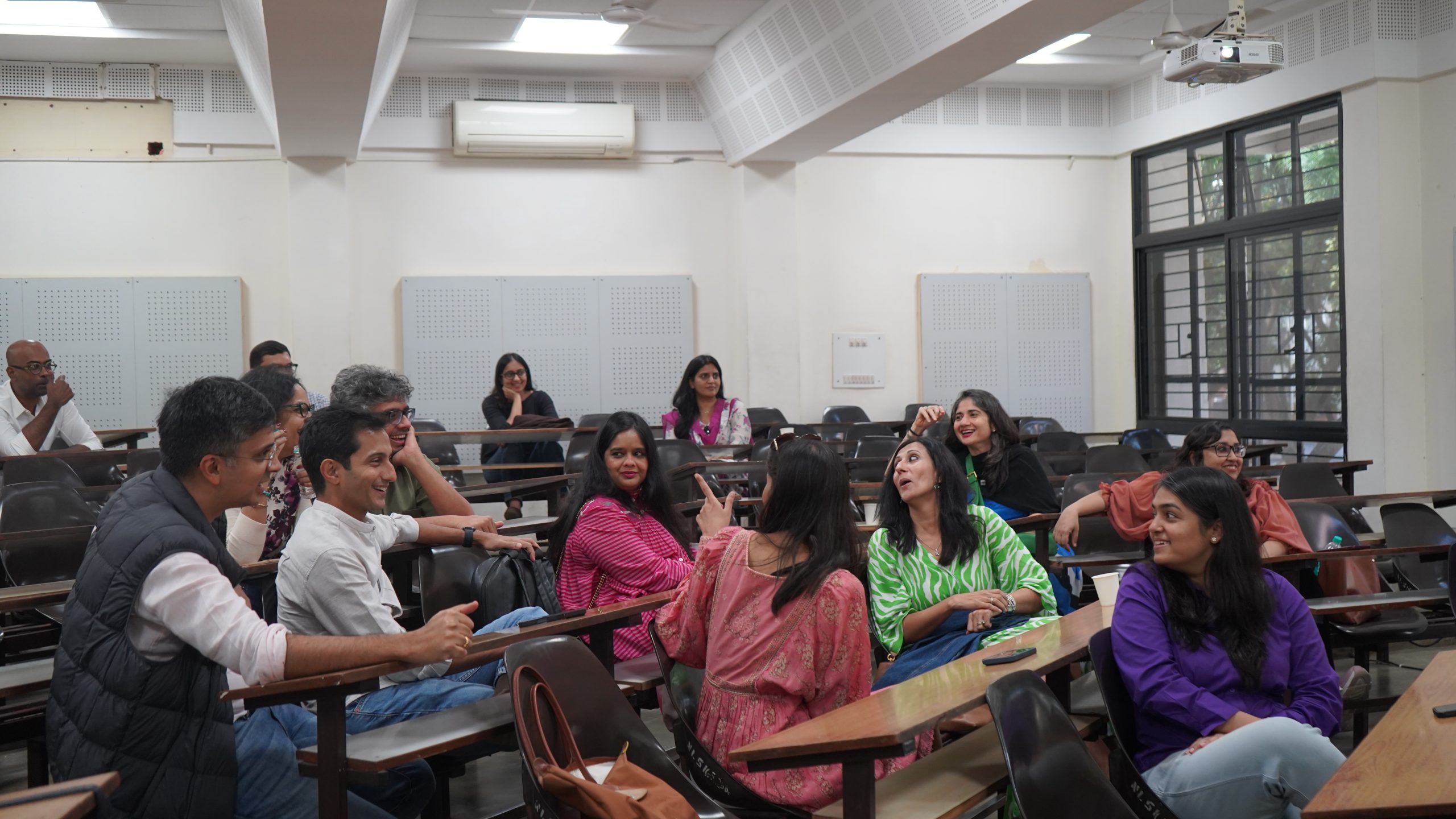
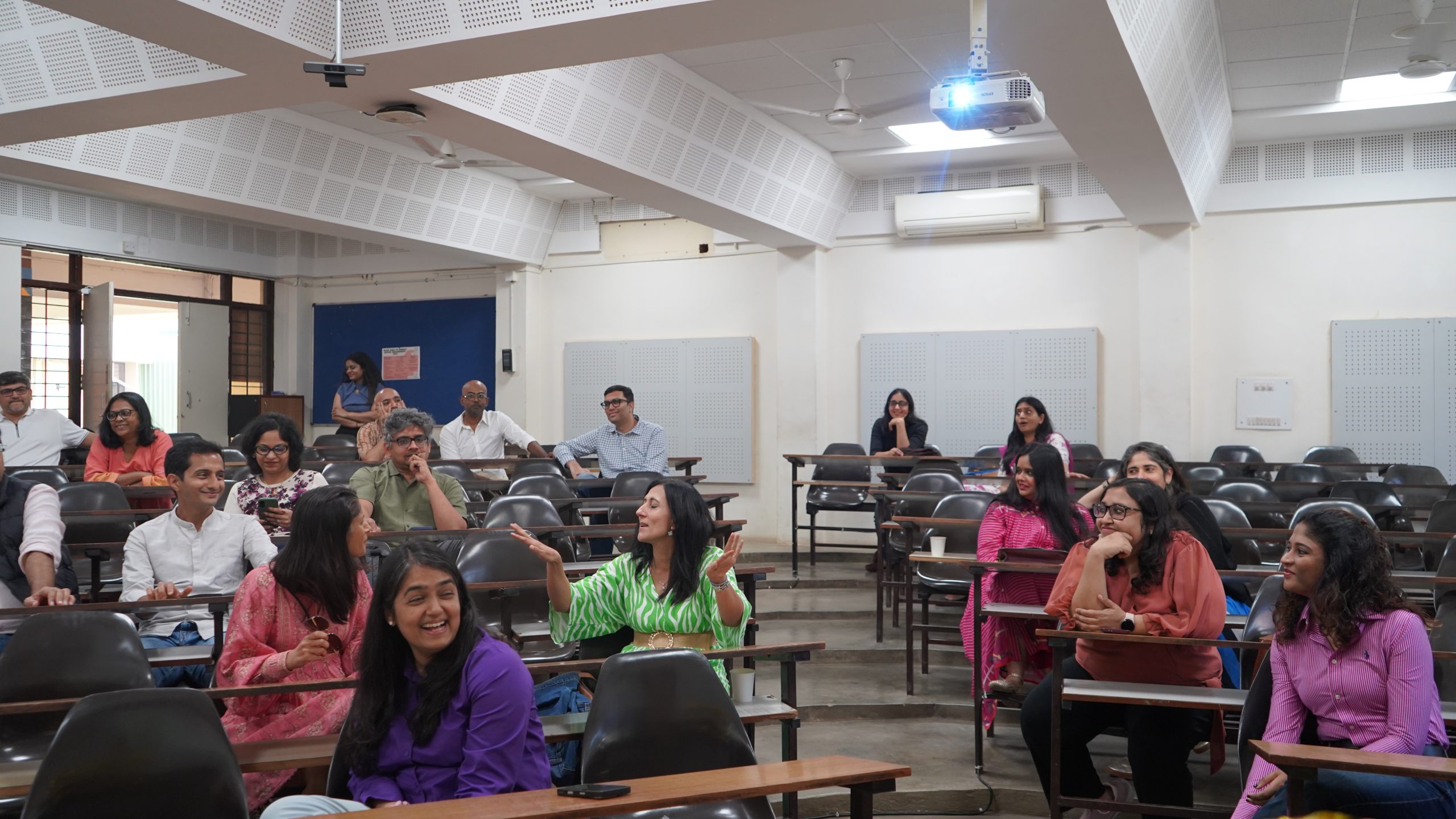
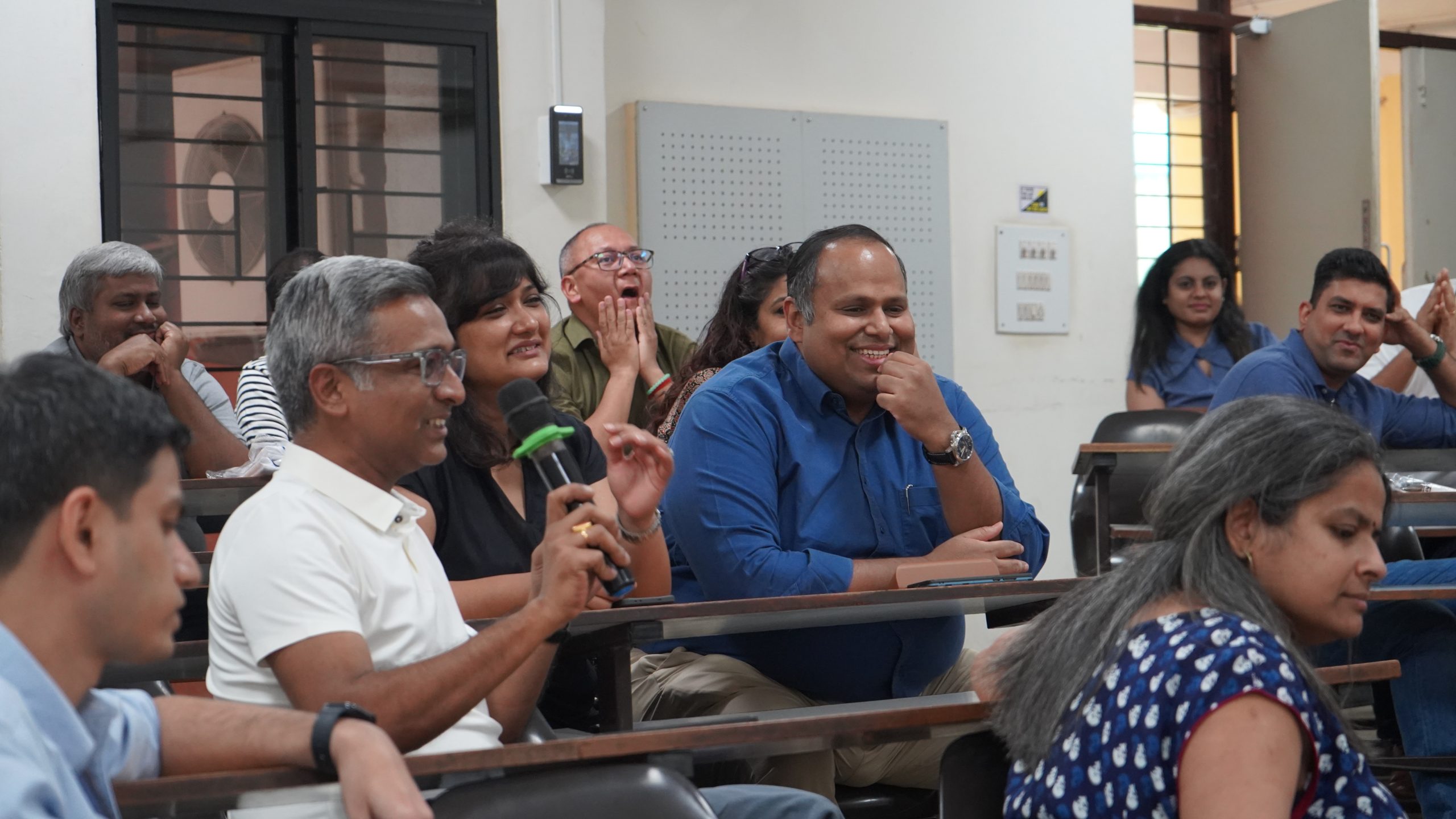
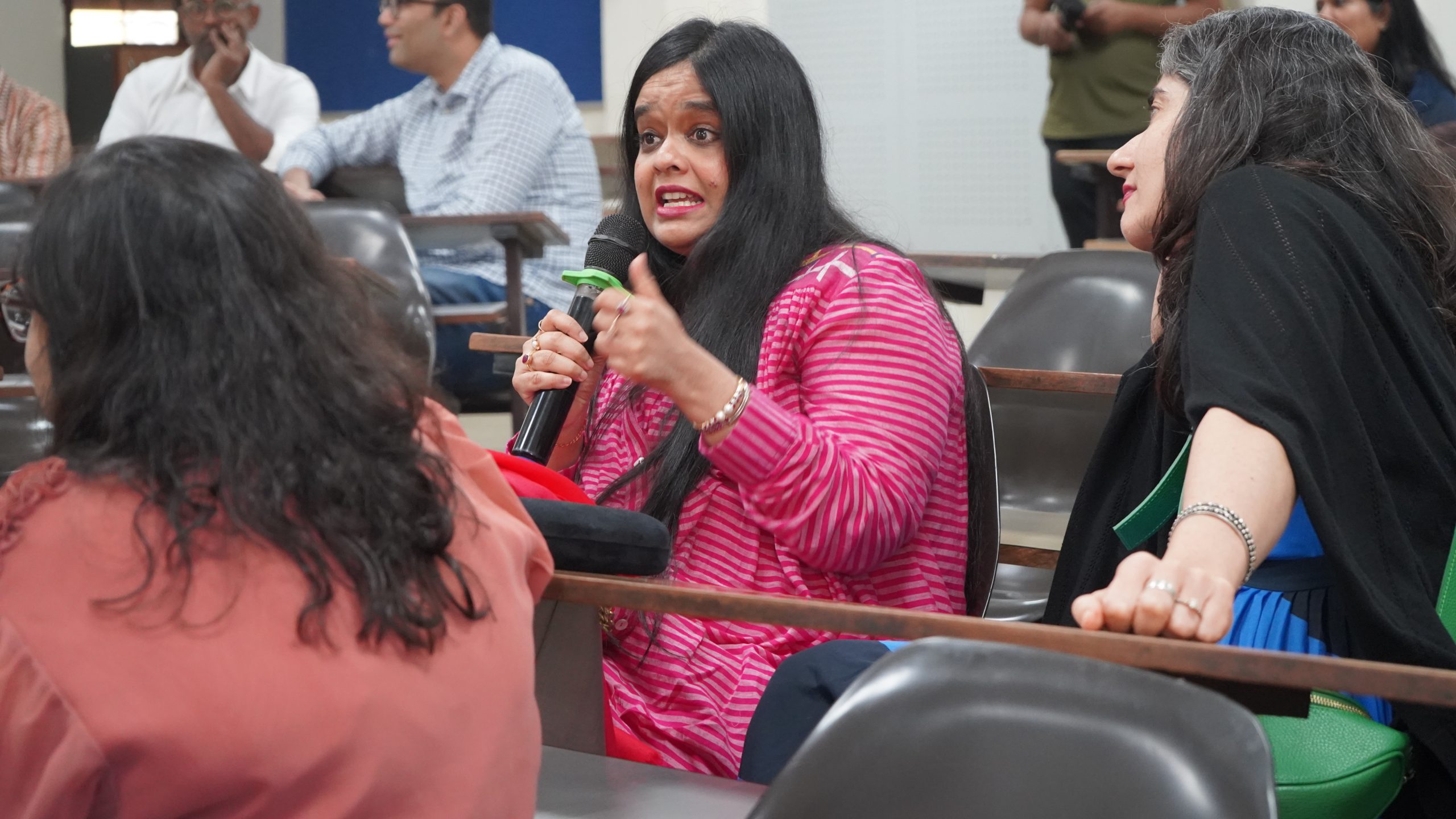
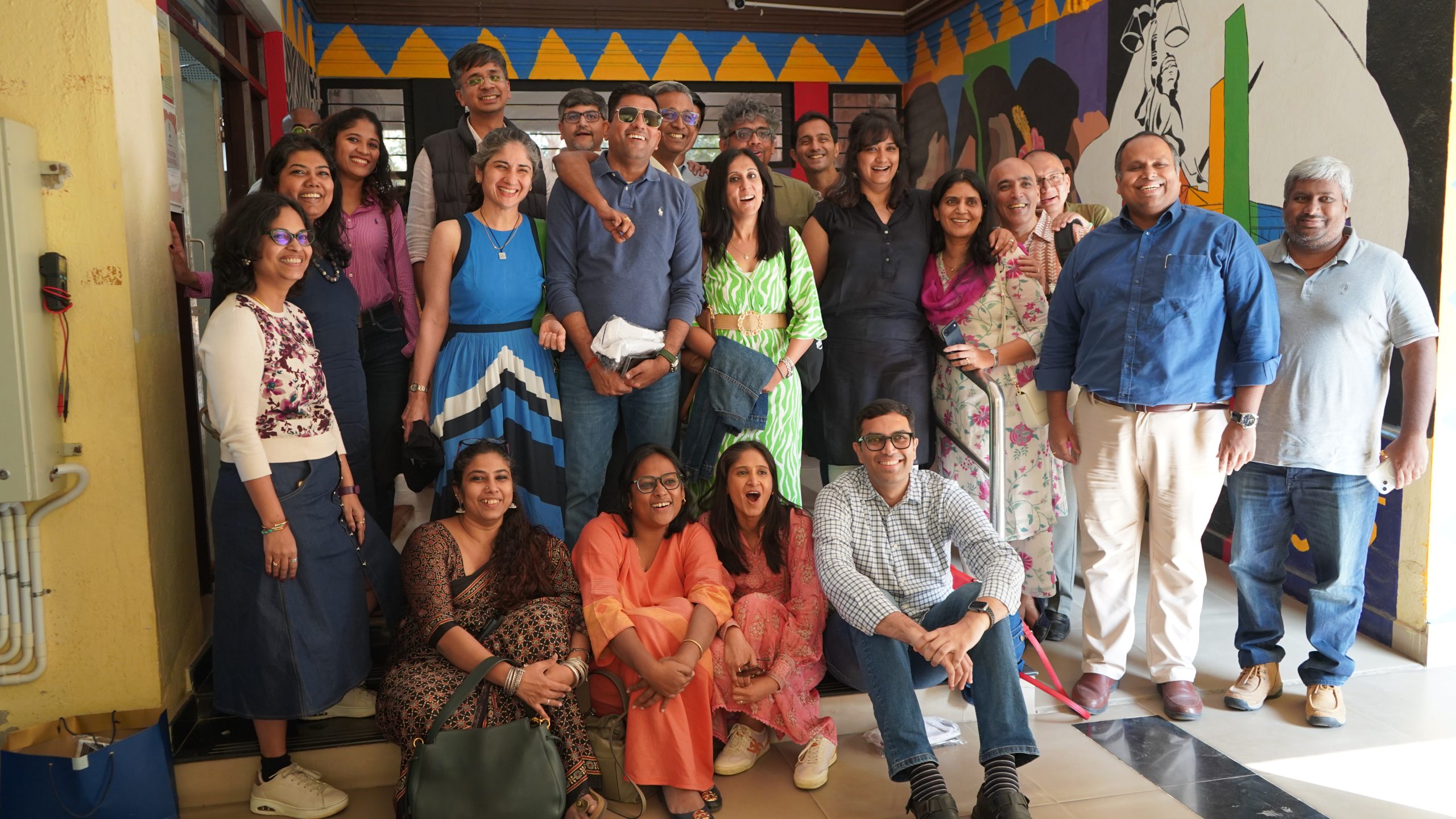
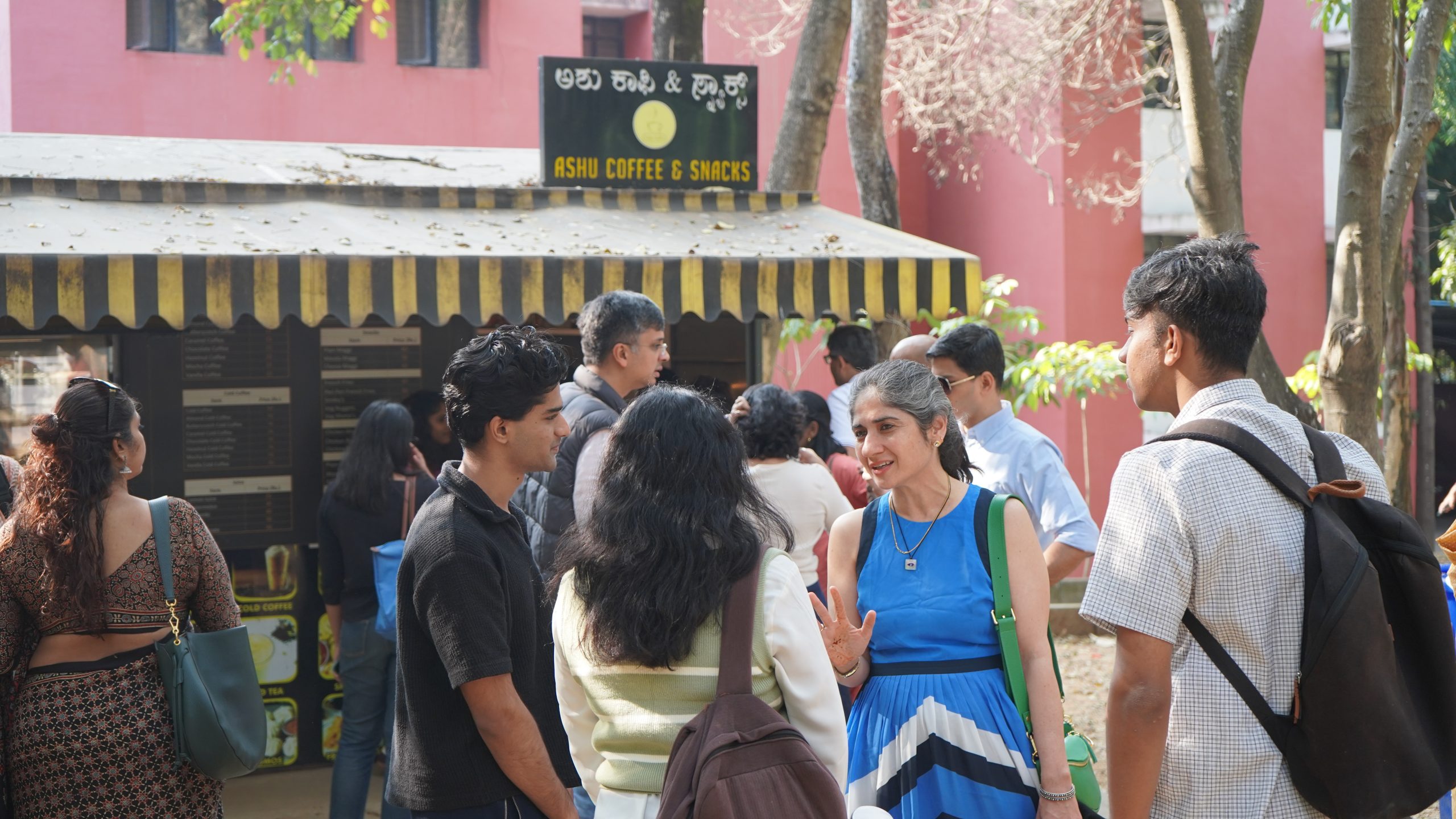
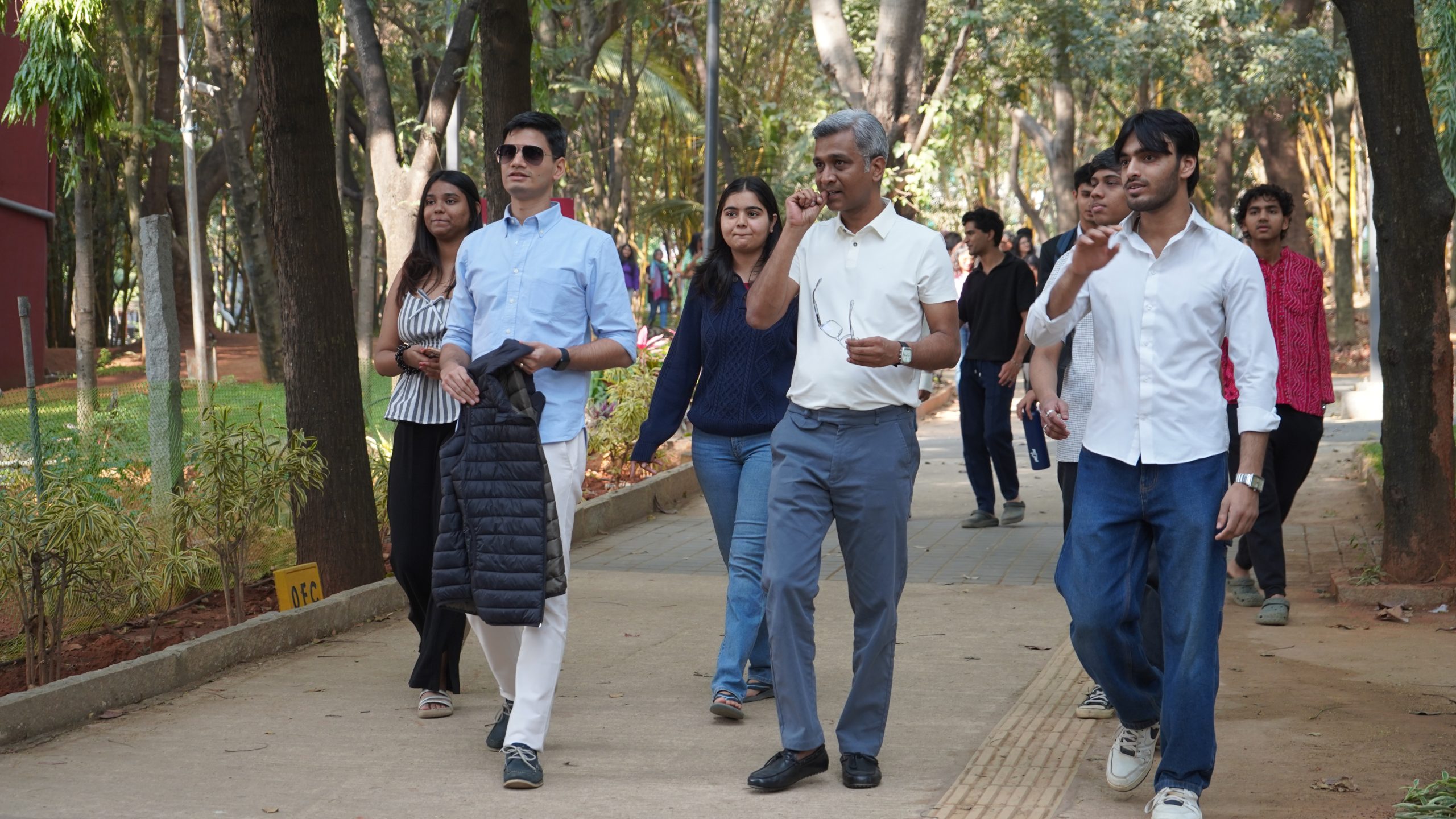
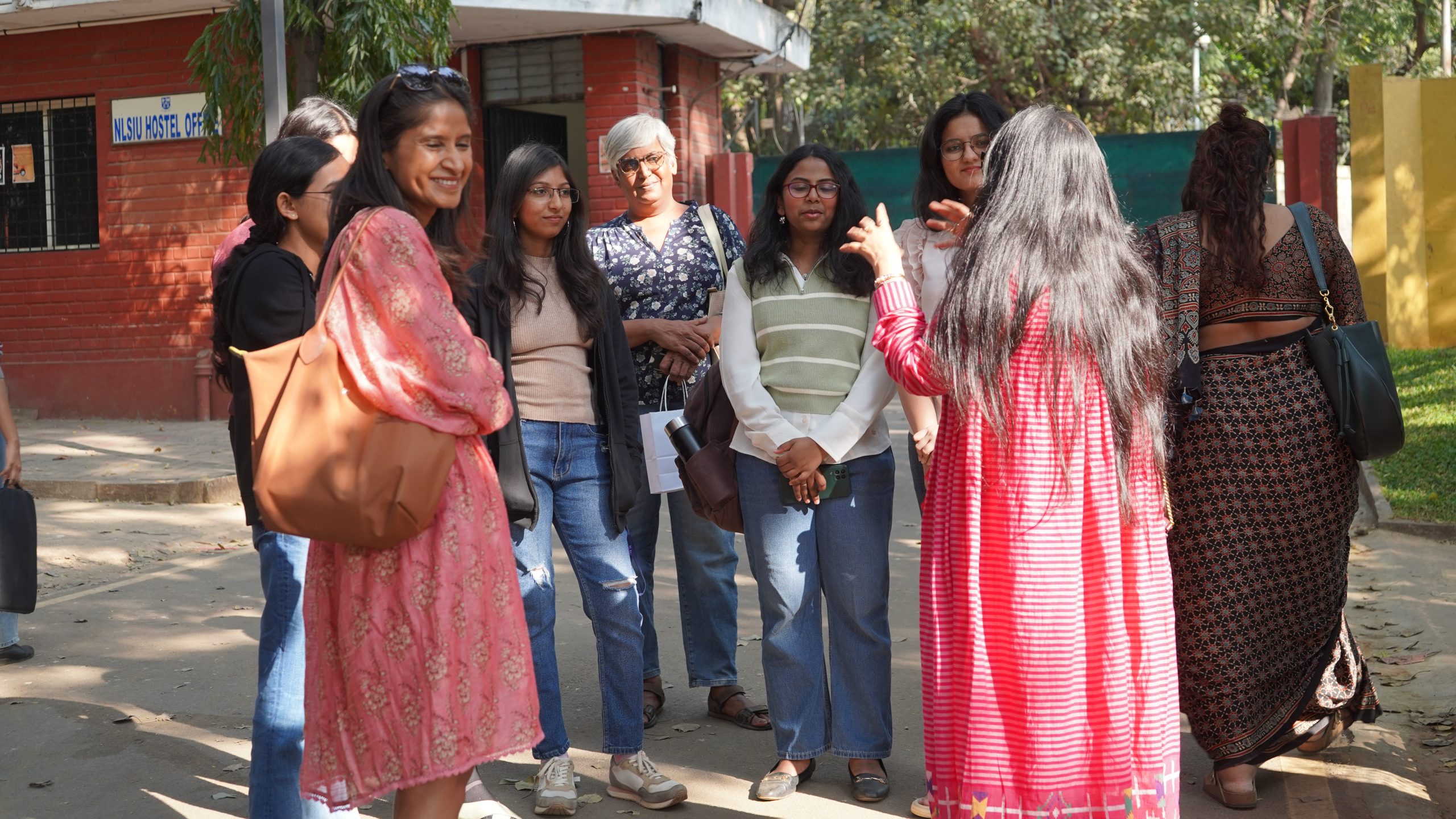
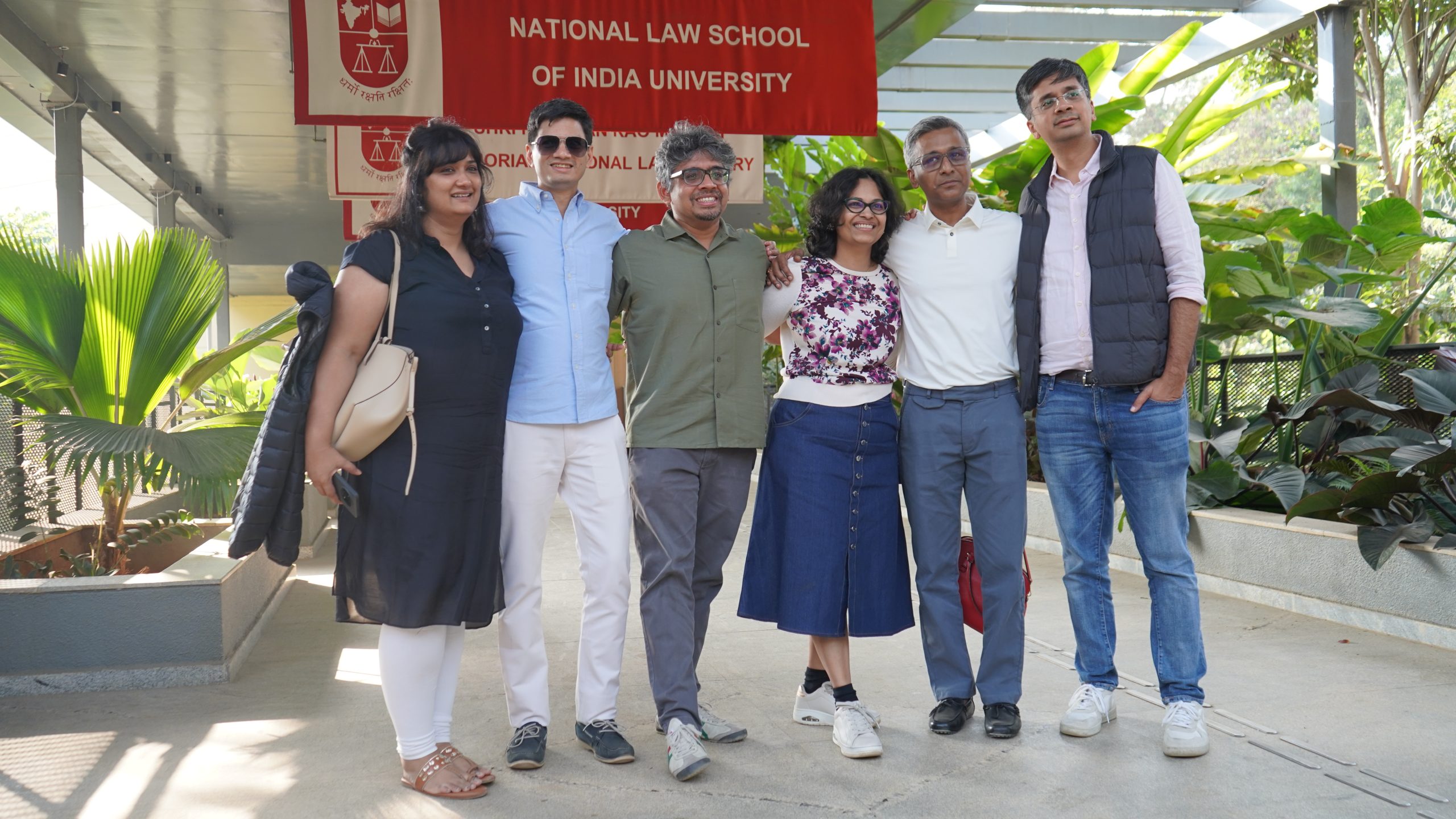
The NLS Law and Society Archives, in collaboration with the NLS Feminist Alliance (NLSFA), Socio Legal Review (SLR), and the Law and Society Collective (Law Soc), organised a book talk with Professor Janaki Nair on the revised edition of her book, ‘Women and Colonial Law: A Feminist Social History‘ (Cambridge University Press, 2025), on September 3, 2025. This important work was originally published in 1996 by Kali for Women in collaboration with NLSIU. We were delighted to welcome it “home,” so to speak! Three panellists from NLS joined Prof. Nair in conversation on the book, pedagogy, and feminist studies in India over the past three decades.

Discussants:

1. Dr. V. S. Elizabeth, Professor of History, NLSIU

2. Dr. Aparna Chandra, Professor of Law, NLSIU

3. Jyotika Tomar, Student Member, Socio-Legal Review (SLR) Board

About the Book

This book introduces students of law and history to key colonial moments that have shaped women’s legal status up to the present day. It introduces students and general readers to the critical events and legal decisions that determined the place of women under law. It also introduces readers to terms that are critical to understanding women’s legal status in India today. In addition to bringing together the latest developments in Indian historical research with advances in feminist legal studies, it tracks the shifts and changes that have occurred, especially over the last 30 years, to feminist standpoints on women and law. Using examples and cases from different regions of India, the book also weaves together a complex and nuanced account of colonial social history more generally. This title is available as Open Access on Cambridge Core.

About the Author

Janaki Nair was Professor of History at the Centre for Historical Studies, Jawaharlal Nehru University (JNU), Delhi until retirement in 2020. Her books include Women and Law in Colonial India (1996, Second Revised and Updated Edition, 2025), Miners and Millhands: Work Culture and Politics in Princely Mysore (1998), and The Promise of the Metropolis: Bangalore’s Twentieth Century (2005, which won the New India Foundation Book Prize) and Mysore Modern: Rethinking the Region under Princely Rule (2011/2012). She has published widely in national and international journals and has served on the editorial boards of the Journal of Women’s History and Urban History. She also writes for newspapers and journals on contemporary developments in Karnataka. She has held Visiting Appointments at the University of California, Berkeley;  University of Wuerzburg, Germany; German Historical Institute, London;  National Museum of Ethnology, Osaka, and Azim Premji University, Bengaluru. She currently serves on the Advisory Committee of the Karnataka State Education Commission and is a member of the Kerala Urban Policy Commission.
Gallery

Workshop on ‘Constituting Pregnancy: Rights, Reproduction and the Indian Constitution’ | By M.K. Nambyar Chair on Constitutional Law, NLSIU & University of Bristol

The M.K. Nambyar Chair on Constitutional Law, NLSIU and the University of Bristol, UK, organised a workshop on ‘Constituting Pregnancy: Rights, Reproduction and the Indian Constitution,’ a forthcoming monograph from Dr Gauri Pillai, on Saturday August 30, 2025. The day-long workshop was held at the Allen and Overy Hall, Training Centre, NLSIU.

About the Author

Dr. Gauri Pillai is a Lecturer-in-Law at the University of Bristol, UK. Previously, she was a Max Weber Post-Doctoral Fellow at the European University Institute, Florence and an Assistant Professor at the National Law School of India University, Bengaluru. She holds a Doctor of Philosophy from the University of Oxford, where she was Managing Editor of the Oxford Human Rights Hub Blog. She studies pregnancy and reproduction through the lens of public law, exploring core questions on constitutional rights and structures at a time of democratic backsliding and constitutional regression.

About the Workshop

The workshop engaged with the central arguments and insights from the forthcoming monograph with the Cambridge University Press. It brought together academicians, researchers, lawyers, and civil society members with expertise in constitutional law, gender justice, and sexual and reproductive health and rights. Each session focussed on specific chapters of the forthcoming monograph, using them as prompts for wider conversations on advocating reproductive justice within the contemporary legal and political climate in India and globally.

View the Schedule

About the Monograph

Constitutions are key battlegrounds for reproductive claims. Yet, most constitutions contain no explicit mention of pregnancy or reproduction. What do constitutions do, when faced with a claim concerning pregnancy on which they are silent? How is pregnancy – at once a unique bodily state and a marker of group vulnerability, a private expression of self and a socially valued function – characterised and adjudicated within these matrices? Can such a complex experience be captured by structures rarely built to contain it? In short, how is pregnancy constituted – and how should it be?

Constituting Pregnancy explores this question through the lens of the Constitution of India, mapping the beginnings of what could be a new chapter in India’s reproductive politics. It argues that pregnancy can and should be constituted by reading the rights to privacy and equality in synthesis, advancing Indian constitutional law, and simultaneously intervening in a pressing global debate on framing constitutional reproductive rights.

Gallery

Book Talk | ‘Tareekh Pe Justice: Reforms for India’s District Courts’ by LSC

The Legal Services Clinic is organising a book talk on ‘Tareekh Pe Justice: Reforms for India’s District Courts‘ with authors Prashant Reddy T (NLS BA LLB 2008) and Chitrakshi Jain (Author and Researcher). The session will be moderated by Varsha Aithala, Assistant Professor of Law, NLSIU.

About the session

The book presents a rare, evidence-based analysis of India’s district judiciary, tracing its colonial legacy, systemic shortcomings, and urgent reforms. As a legal aid body engaged with access to justice, LSC hosts this conversation to reflect on institutional reform at the grassroots. For a deeper look into the book’s core themes, please find the official introduction attached to this email. The session will begin with a presentation by the authors, followed by a panel discussion and an interactive Q&A with the audience.

Muse@NLS Library | Seminar on ‘Fiction, Justice and the Law’

NLSIU’s Library Committee organised a seminar on ‘Fiction, Justice and the Law’ by debut novelist Sonali Prasad on Saturday, August 23, 2025.

Drawing on Sonali’s ‘Glass Bottom,’ the seminar examined the consequences of environmental harm, the persecution of environmental defenders, the state’s power over the individual, and catastrophes that push beyond existing legal frameworks. Framing the planetary crisis as a crisis of conscience, and engaging with the tensions between natural law and human law, participants explored how literature and law together illuminate the boundaries of justice.

The seminar took place in the NLSIU Library Basement at 11 AM. Attendees were invited to bring a legal case or ruling that resonates with these themes and to contribute to a live, collaborative discussion that bridges jurisprudence, ethics and storytelling. NLS student Niveditha Prasad (Vth year BA LLB) moderated the event.

About the Author

Sonali Prasad was born and raised in New Delhi, India. Her journalism has appeared in publications such as The Guardian, The Washington Post, Hakai Magazine, Quartz, and Esquire Singapore. She has been awarded a Pulitzer Travelling Fellowship, Global TED Fellowship, MIT Knight Science Journalism Fellowship, Logan Science Journalism Fellowship and a Jan Michalski Writing Residency, among other grants and honours. Her debut novel, Glass Bottom, was published with Picador India (2024) as their “literary debut of the year”. It was listed in Telegraph India’s ‘The page turners of 2024: Fiction’ among esteemed writers such as Samantha Harvey, Jhumpa Lahiri and Percival Everett, and was shortlisted for the Kalinga Literary Festival Book Award in the category ‘Debut (English)’.

NLS Faculty Seminar | Reconciling Conflicts Between Fundamental Principles Of Public Law And Of Private Law Within Private Law Adjudication

In this week’s faculty seminar, Dr. Niamh Connolly, Associate Professor in the Faculty of Laws at University College London (UCL), presented her paper titled “Reconciling conflicts between fundamental principles of public law and of private law within private law adjudication.” The seminar was held on August 20, at 2:30 pm, in the Ground Floor Conference Hall at NLSIU’s Training Centre.

Abstract

How should private law respond when a legal dispute involves a conflict between important principles that originate in public law and private law respectively? This paper proposes an approach that involves, at its core, attaching due weight to the considerations of both public and private law. Neither sort of principle should be viewed as categorically more important. Nor are public law principles somehow beyond comprehension for those engaged in private law adjudication. Private law judges are fully capable in engaging in reasoning that takes into account rules governing the use of public power. It might seem that the fundamental principles and policies at issue are incommensurable and cannot be weighed against each other. However, it becomes possible to attach due weight to them when we focus on how each principle is actually engaged on the facts of each case. Just as we all make judgments that balance incommensurable considerations every day, the common law regularly balances competing principles and policies. There are several techniques that the law uses to achieve the appropriate compromises between competing considerations. Sometimes it constructs a route map of rules and exceptions that enables us to plot a path that takes due account of a range of salient factors. Sometimes, instead, the law allows judges to engage in evaluative decision-making that responds organically to the facts of each case. Either technique might enable us to achieving a balance between conflicting public law and private law considerations.

Gallery

Bangalore Little Theatre’s ‘The Prophet and the Poet’ | Performance at the NLS Campus

We are delighted to announce that Bangalore Little Theatre, the city’s oldest English-language theatre group, will be performing their acclaimed play ‘The Prophet and the Poet’.  The performance is being organised by NLSIU’s Student Bar Association as part of this year’s Independence Day celebrations on campus.

Synopsis

The Prophet and the Poet is based on the exchange of letters and articles between Mahatma Gandhi and Rabindranath Tagore over a 25 year period, with the Indian freedom struggle as the backdrop. The letters reveal how the two personalities differed significantly on the form and content of the freedom movement with their differences widening over the years. However, the depth of their personalities maintained genuine respect for each other in spite of deep differences on ideological grounds, reflecting the political maturity of those times in India.

Attendees are expected to be seated by 5:50 pm. Theatre etiquette will be followed, so all attendees are requested to keep their phones on silent mode and avoid disruptions once the performance begins.

With this performance, the University hopes to make this the start of a vibrant culture of theatre & drama at NLS!

Workshop on ‘Inequality and Governance’ | By NLSIU & Brown University

The Centre for the Study of Social Inclusion at NLSIU, in collaboration with Brown University, is hosting a workshop on ‘Inequality and Governance’ on August 14, 2025.

About the Workshop

This one day workshop will bring together a group scholars working on themes of inequality, development and governance to share ongoing research at various stages. These could be research proposals, article drafts and chapters from a book project. The workshop is being organised around two panels with four papers and a discussant assigned to each. Each presenter will have up to 20 minutes to present their work. This will be followed by 15 minutes for comments from the discussant and Q&A from other participants. In the final session, there will be a discussion on next steps for putting together a series of such workshops over the next two years, ideas for publications and other ideas for institutional collaborations.

Caste and Development 

The articulation of caste has played a critical role in shaping the development trajectory of modern and contemporary India. Far from being a static remnant of a premodern social order, caste is now increasingly recognised as a dynamic and enduring structure that interacts with, and often underpins, key aspects of India’s political economy. It is pertinent to note that caste should not be viewed as antithetical to capitalist modernity or the functioning of modern market economies. Rather, it remains a salient force that intersects with class, labour, and institutional arrangements in  complex and historically contingent ways.

Recent scholarship has significantly expanded the understanding of caste beyond its conventional framing within discourses of exclusion, discrimination, protest, and social reform. Contemporary studies have begun to examine caste as an active agent in India’s development experience—shaping and being shaped by processes such as capitalist modernisation, the expansion of welfare schemes, and the evolution of democratic governance. These works demonstrate how caste structures mediate access to state resources, economic mobility, and public representation, thereby influencing patterns of inclusion and inequality in the context of development. Moreover, this body of research situates caste within the broader historical frameworks of colonial rule and postcolonial state formation, analysing how institutional arrangements—from colonial bureaucracies to constitutional mandates—have both challenged and reinforced caste hierarchies. It also brings to light the ways in which caste continues to inform labour relations, patterns of employment, and market participation, particularly in informal and agrarian economies.

By reorienting the study of caste toward its entanglements with development, capitalism, and institutional governance, these contributions offer a more comprehensive and empirically grounded account of how social stratification persists and transforms in contemporary India. This expanded analytical approach enables a deeper understanding of how caste operates not simply as a cultural or social identity, but as a key axis of political economy and governance.

The workshop invites papers that explore the enduring influence of caste in shaping the trajectory of  development and social policy in contemporary India. It especially encourages papers focussed on empirically grounded studies, which examines how caste operates across rural and urban contexts, development programmes, and state interventions and across sectors such as education, health, employment, land, and welfare.

Governance and Local Democracy

Over the past three decades, India has undergone profound transformations in its governance architecture, marked by significant attempts at democratic deepening, social policy expansion, and reconfiguring of centre-state dynamics. This panel explores the evolving landscape of governance and democracy in India through the lens of decentralisation, fiscal federalism, and rights-based development, while grappling with contemporary challenges such as climate change and socioeconomic inequality.

The decentralisation reforms of the 1990s sought to institutionalise grassroots democracy through the Panchayati Raj system and urban local bodies. However their outcomes remain uneven, shaped by varying state capacities, elite capture, and the complexities of federal governance. The rights-based social policies of the early 2000s directed significant funds and functionaries downwards, introduced new platforms for citizen oversight and grievance redress and have been accompanied  by expanding financial inclusion infrastructure and large-scale digitalisation. This has increased the institutional presence of the local state and state-citizen interactions in myriad new ways. Fiscal federalism has played a central role in mediating these transformations, especially as demands on state and local governments have increased in the context of decentralisation and welfare delivery. The evolving role of institutions such as the Finance Commission and centrally sponsored schemes reflects ongoing tensions over resource sharing, autonomy, and accountability between the Centre and states. These challenges are further compounded by the climate crisis, which demands coordinated but locally embedded responses.

The papers in this panel study how complex interplays of routine and exception emerge amidst the institutional reforms and expanding terrain of formal entitlements alongside persistent inequalities and thriving informal structures of mediation. The papers will address the governance challenges  and encounters between the state and citizens through the lens of a specific social policy or set of policies or a cross-cutting institutional reform. Papers are also encouraged to pay particular attention to how governance structures respond to both social and ecological vulnerabilities. This panel invites papers that examine linkages between institutional reform and democratic deepening. How did decentralisation alter political competition and the exercise of citizenship at the local  level? To what extent did fiscal federalism enable states and local governments to adapt social policy to local needs? Did rights-based social policies reinforce or bypass local democratic institutions? What is the evolving role of local governments in an era of increasing centralisation and digital governance

Faculty Co-organisers

Agenda

Panel 1: Caste and Development | 10:15 AM  to 1 PM

  • Paper title: ‘Old Problem in a New Place: Redlining of Ex-Untouchable Ghettos’
    Presenter: Dr. Jusmeet Sihra, University of Cambridge
    Discussant: Dr. Sushmita Pati, NLSIU
  • Paper title: ‘Music as Political: Rethinking anti-caste politics through a cultural interface’
    Presenter: Dr. K Kalyani, Azim Premji University
    Discussant: Dr. Karthikeyan Damodaran, NLSIU
  • Paper title: ‘Entrepreneurship and marginalised social identities in India’
    Presenter: Dr. Angarika Rakshit, NLSIU
    Discussant: Dr. Aniket Nandan, NLSIU
  • Paper title: ‘Caste and Development: Tracking Dalit social mobility within the realm of Dravidian social justice’
    Presenter: Dr. Karthikeyen Damodaran, NLSIU
    Discussant: Dr. Swati Narayan, NLSIU

Panel 2: Governance and Local Democracy | 3 PM to 5 PM

  • Paper title: ‘The Political Economy of Federalism: Regional inequality and fiscal transfers in India’
    Presenter: Dr. A Kalaiyarasan, Madras Institute of Development Studies
    Discussant: Dr. Srikrishna Ayyangar, NLSIU
  • Paper title: ‘Planetary Temporalities: Framing ‘Urgency’ in Disaster Management’
    Presenter: Dr. Sudheesh RC, NLSIU
    Discussant: Dr. Anindita Adhikari, NLSIU
  • Paper title: ‘Forest rights, displacement and political economy of development: A qualitative analysis of relocated tribals from Satpura Tiger Reserve’
    Presenter: Dr. Shiuli Vanaja, NLSIU
    Discussant: Radhika Chitkara, NSLIU
  • Paper title: ‘Learning to Lead: The uneven advance of power-sharing in the panchayat’
    Presenter: Dr. Anisha George, Azim Premji University
    Discussant: Prof. Patrick Heller, Brown University

Reflections

Dr. Jusmeet Sihra, University of Cambridge

“I want to thank NLSIU, and especially Anindita and Aniket, for providing this platform and for their very warm hospitality! I spent two extremely stimulating days there and learnt so much on inequality across its various dimensions and how to govern it. I clearly see myself coming again at NLSIU in the near-future to interact more in detail with colleagues.
These intellectual interactions are quintessential for producing new, cutting-edge scholarship. Without such exchanges, we simply cannot thrive in academia. The possibilities for future collaboration are many now in various forms and formats such as panels in international conferences, edited volumes, special issues, and individual collaborations.”

Dr. K Kalyani, Azim Premji University

“I feel the workshop was well organized with an interesting set of interdisciplinary conversations that was facilitated. It was nice to have conversations with NLS faculties as well as with invited guests to meditate upon the diverse aspects of caste studies. Looking forward, I see this cohort growing facilitating more conversations. I appreciate the organisers’ time and effort to conduct this.”

Dr. Karthikeyan Damodaran, NLSIU

“The workshop was a great effort bringing in scholars who work on related themes but not confined to a particular discipline as the participants were from different disciplines. Another important aspect is that, most of them were from geographically closer regions, this provides the possibility of having such collaborations in the future too to read each other’s work, give valuable comments, suggestions and exchange ideas. It was also nice to have a veteran sociologist in the form of Patrick Heller who was very participative and approachable.”

Dr. Swati Narayan, NLSIU

“It was a wonderful exchange of ideas and hope it ignites the spark for many more.”

Related Event

Panel Discussion | Report on ‘Citizenship, Inequality and Urban Governance: A Study of Indian Cities’

Panel Discussion | Report on ‘Citizenship, Inequality and Urban Governance: A Study of Indian Cities’

NLSIU hosted a panel discussion with Prof. Patrick Heller, Prof. Ashutosh Varshney and Dr. Siddharth Swaminathan from Brown University, United States, in which they presented the findings from their latest report titled ‘Citizenship, Inequality and Urban Governance: A Study of Indian Cities.’

About the Report

Published by the Saxena Center for Contemporary South Asia at the Watson Institute for International and Public Affairs, Brown University, the report presents the results of a comparative study of 14 cities (and 31803 households) where it probes in detail two kinds of contemporary urban experiences in India. First, it explores how India’s urban citizens relate to the state and how the state provides basic public services to them, and second, how citizens interact with one another, whether their social interactions extend beyond their own caste and religious communities, their patterns of participation, and how they view issues of citizen equality and freedom.

Read the Report

About the Speakers

Panellists:

  1. Prof. Patrick Heller, Professor of International and Public Affairs and Sociology, Brown University
  2. Prof. Ashutosh Varshney, Professor of International Studies and the Social Sciences, Brown University
  3. Dr. Siddharth Swaminathan, Visiting Research Associate, Saxena Center for Contemporary South Asia, Brown University

Discussants:

  1. Dr. Sushmita Pati, Associate Professor, Social Science, NLSIU
  2. Dr. Angarika Rakshit, Assistant Professor, Social Science, NLSIU

Agenda

  • Welcome Remarks | 5 PM
  • Panel 1: Basic Service Delivery, Segregation and Inequality | 5:05 PM – 6:20 PM
    • Presentation by the Panellists (40 mins)
    • Comments by the Discussant: Dr. Angarika Rakshit, Assistant Professor, Social Science, NLSIU (20 mins)
    • Q&A (15 mins)
  • Tea/Coffee Break (10 mins)
  • Panel 2: Participation, Social Interactions and Governance | 6:30 PM – 8 PM
    • Presentation by the Panellists (40 mins)
    • Comments by the Discussant: Dr. Sushmita Pati, Associate Professor, Social Science, NLSIU (20 mins)
    • Q&A (15 mins)
  • Closing remarks (10 minus)

Related Event

Workshop on ‘Inequality and Governance’ | By NLSIU & Brown University

SLR Reading Circle | ‘Trials of Sovereignty’ by Alastair McClure

NLSIU’s Socio-Legal Review (SLR), an open-access, student-run journal, organised the second iteration of the SLR Reading Circle. This trimester, through the course of four sessions, the reading circle closely read and engaged with Alastair McClure’s recent book, ‘Trials of Sovereignty: Mercy, Violence, and the Making of Criminal Law in British India, 1857–1922.’

Sessions

Session 1: August 13, 2025 | 4:30 to 5: 30 PM
Speaker: Dr. Samyak Ghosh, Assistant Professor, Social Science, NLSIU
This session dived deep into chapter 1 of the book

Session 2: August 20, 2025 | 4 PM to 5 PM
Speaker: Dr. Mrinal Satish, Professor of Law & Dean – Research, NLSIU
This session focussed on chapter 3 of the book

Session 3: September 10, 2025 | 4:30 PM to 5:30 PM
Speaker: Alastair McClure, Assistant Professor, Department of History, The University of Hong Kong
This session was held virtually to discuss the book generally, with a specific focus on the introduction

About the Book

‘Trials of Sovereignty’ offers the first legal history of mercy and discretion in nineteenth and twentieth-century India. Through a study of large-scale amnesties, the prerogative powers of pardon, executive commutation, and judicial sentencing practices, Alastair McClure argues that discretion represented a vital facet of colonial rule. In a bloody penal order, officials and judges consistently offered reduced sentences and pardons for select subjects, encouraging others to approach state institutions and confer the colonial state with greater legitimacy. Mercy was always a contested expression of sovereign power that risked exposing colonial weakness. This vulnerability was gradually recognized by colonial subjects who deployed a range of legal and political strategies to interrogate state power and question the lofty promises of British colonial justice. By the early twentieth century, the decision to break the law and reject imperial overtures of mercy had developed into a crucial expression of anticolonial politics.

About the Author

Alastair McClure is a legal historian of modern South Asia and the British Empire with research interests that focus largely on the history of criminal law and state violence. His most recent publications have included studies of courtroom archives, corporal punishment, capital punishment, and censorship. This research has been supported by grants from the Arts and Humanities Research Council, the British Academy, and the University Grants Council, Hong Kong. Before joining the University of Hong Kong, he completed postdoctoral fellowships at McGill University and the University of Chicago. Between September to December of 2023 he was an ICAS:MP research fellow based in New Delhi. He also acts as the co-convenor of the Asian Legal History Seminar Series, hosted by the Department of History and the Faculty of Law, and is an associate editor for Law and History Review.

About SLR Reading Circle

This initiative explored the law as a lived, contested, and evolving institution—one that is shaped by and shapes a range of social, cultural, political, and economic forces. These sessions sought to not only foreground law’s multiple meanings but also questioned of method and discipline.

Gallery

NLS Faculty Seminar | ‘Can Making A Law Be Playful? A Case For Designing For Democratic Deliberation in India’

In this week’s faculty seminar Varsha Aithala, Assistant Professor of Law, presented a paper titled ‘Can making a law be playful? A case for designing for democratic deliberation in India,’ with co-authors Siddharth Peter de Souza and Saumya Varma.

Siddharth Peter de Souza is the founder of Justice Adda, a law and design social venture in India. He is also an Assistant Professor in AI and Society at the Centre for Interdisciplinary Methodologies, University of Warwick. Saumya Varma, a senior consultant with Justice Adda, is a public policy professional with a background in legislative research and strategic consulting.

Abstract

This paper explores the potential of legal design as an imaginative and playful approach to developing, understanding, and disseminating law. Through a case study that discusses the development of a board game project titled ‘Sabha’ which is the outcome of a multi-year project by Justice Adda developed in partnership with the Hanns Seidel Stiftung, the paper explores what design can do to build meaningful deliberation in democratic societies. ‘Sabha’ is designed as a print-and-play interactive multiplayer board game. It seeks to immerse players in the ‘world’ of the Indian Parliament, and to inform and educate players about Parliamentary procedures, the roles and responsibilities of parliamentary representatives, and the process of law-making. The paper contextualises the need for ‘Sabha’ within the evolution of the Indian parliament and its relationship with the people it represents. By discussing concepts of ‘playful’ pedagogy in the development of the game, the paper explains that the value of using legal design in this process of game design. It argues that such an approach is valuable to not only to think beyond the typical form of the law, but also to be free of the typical spaces of the law.

Gallery