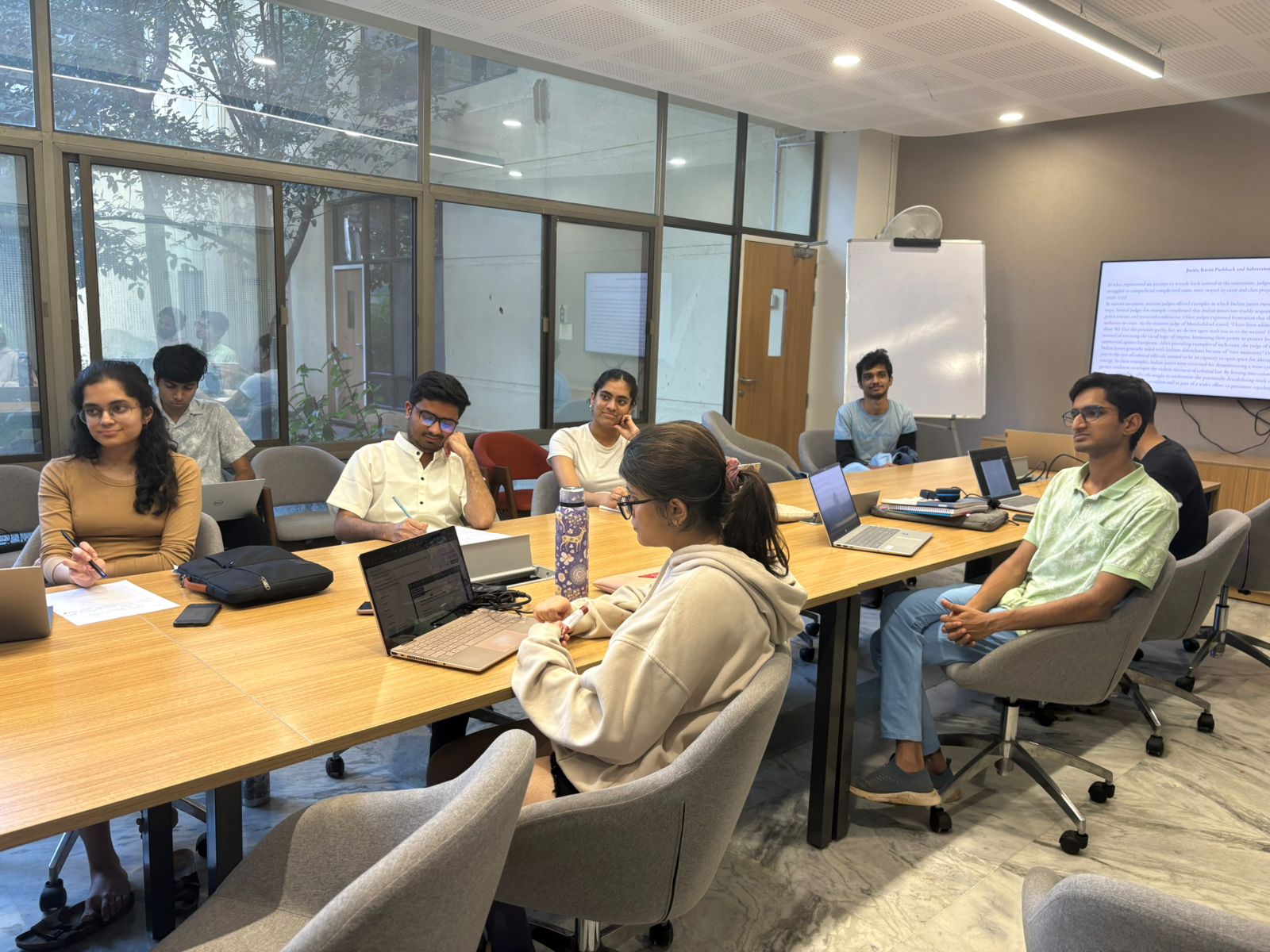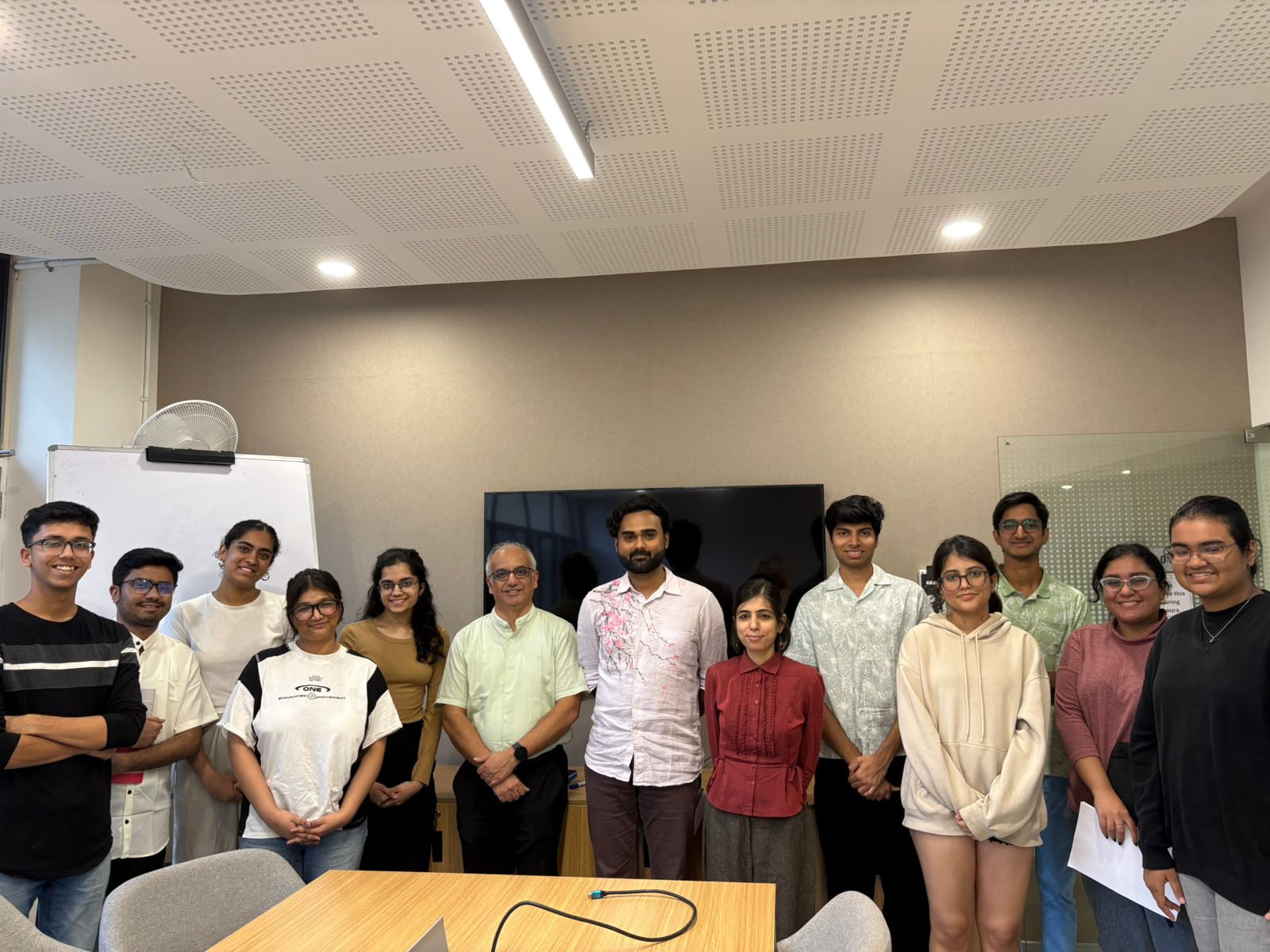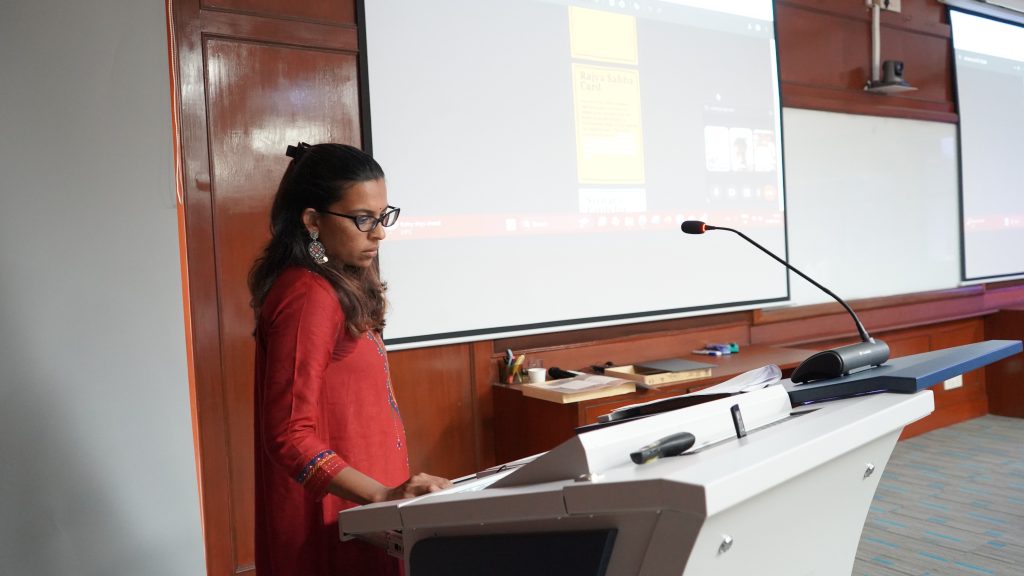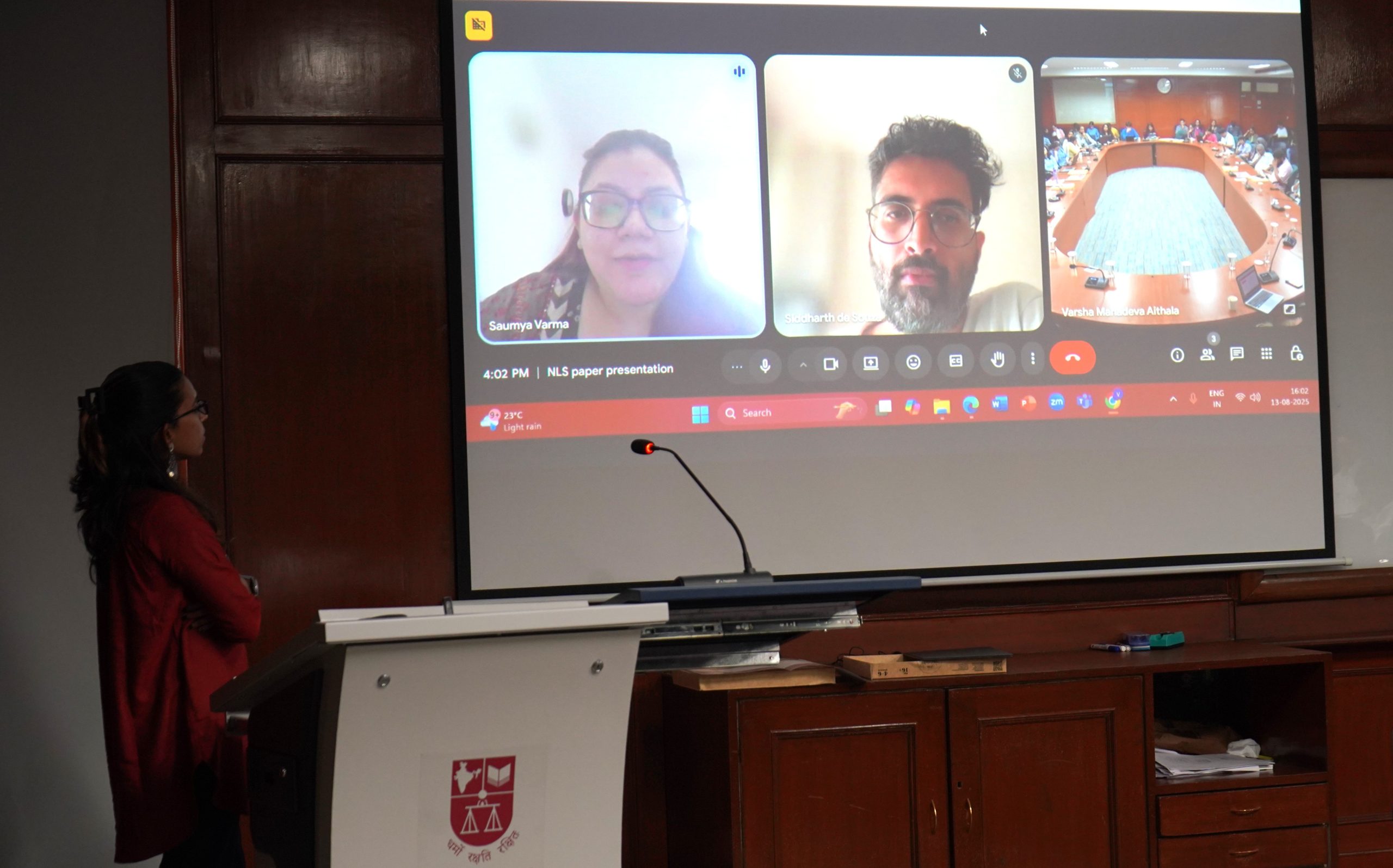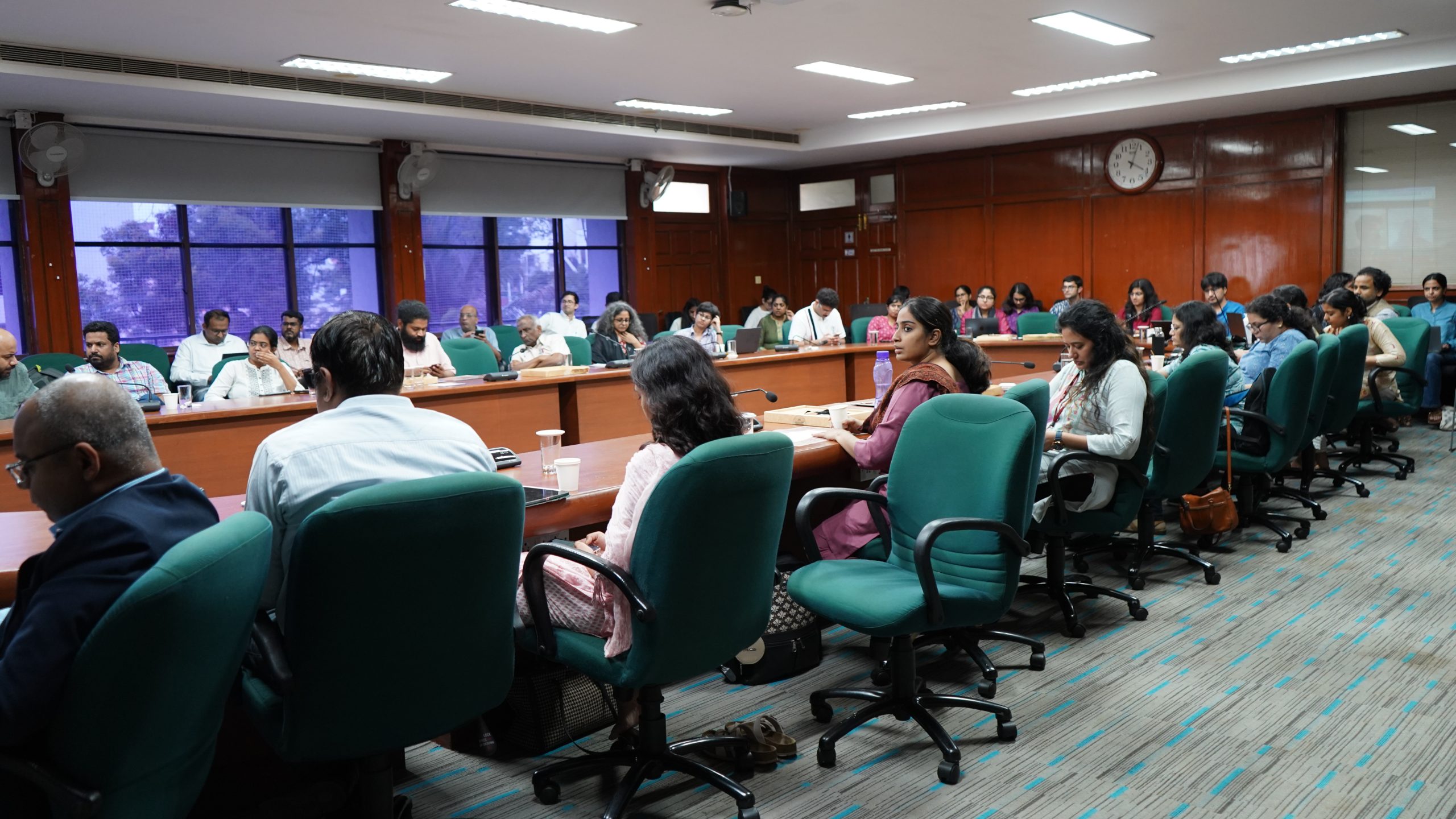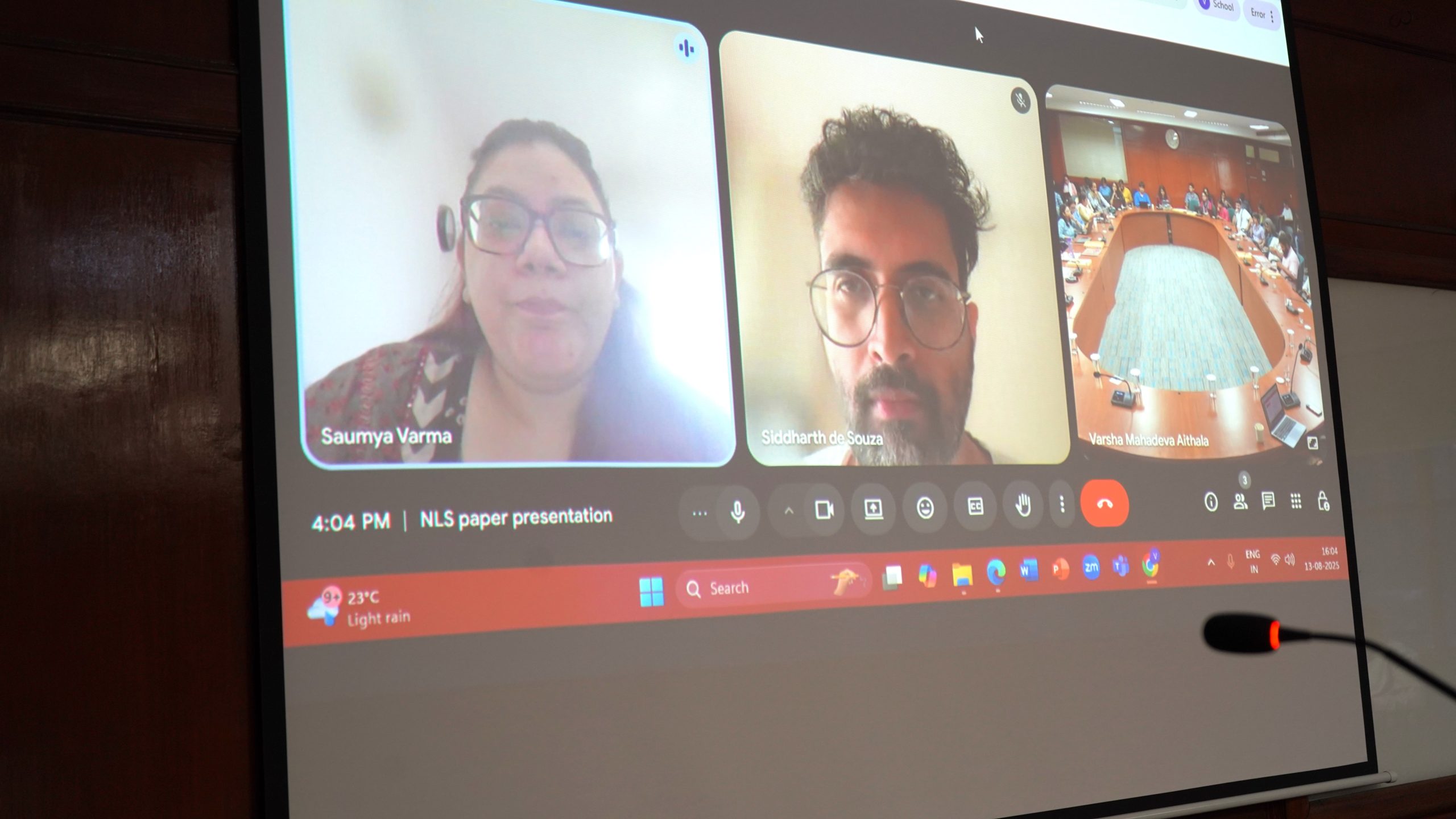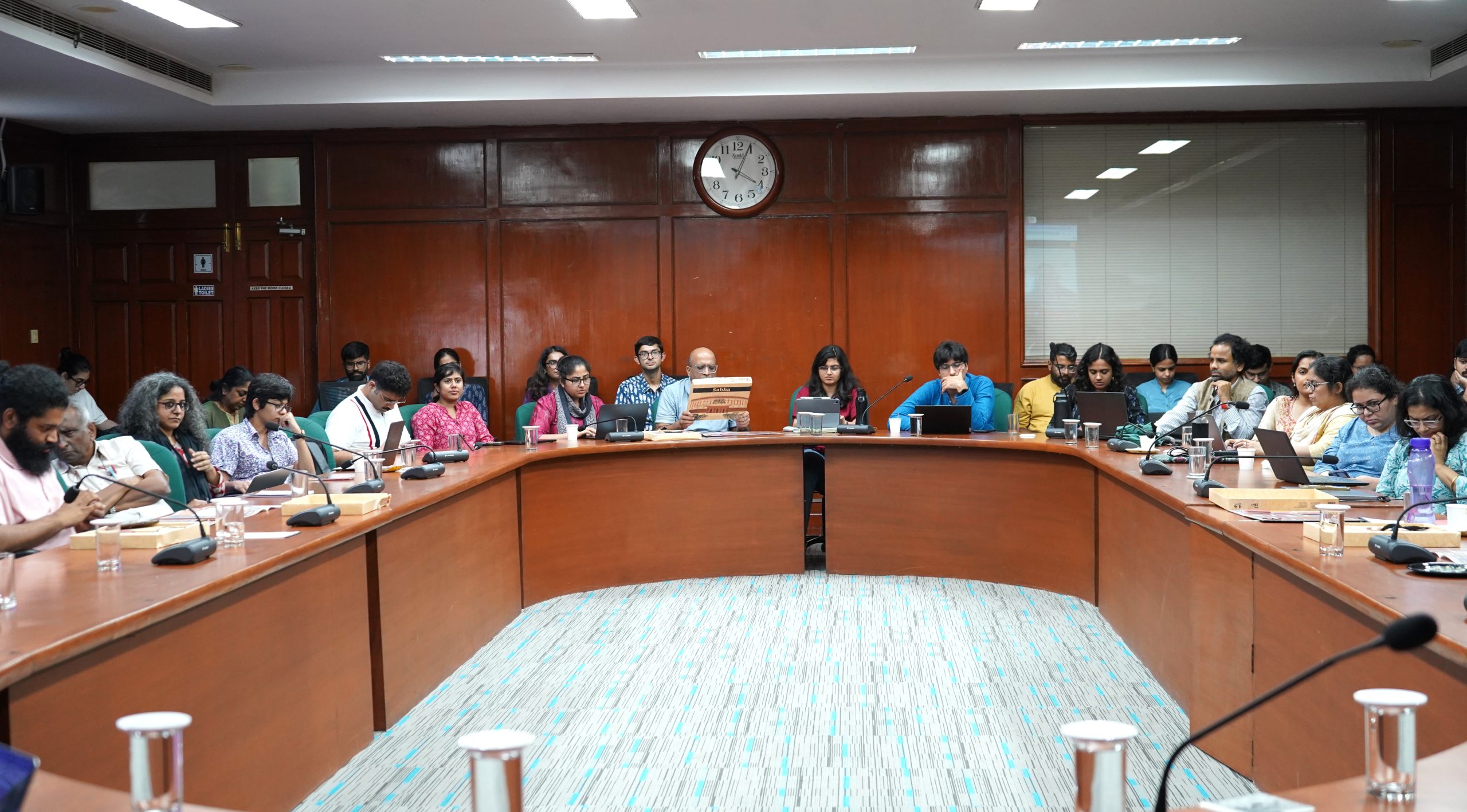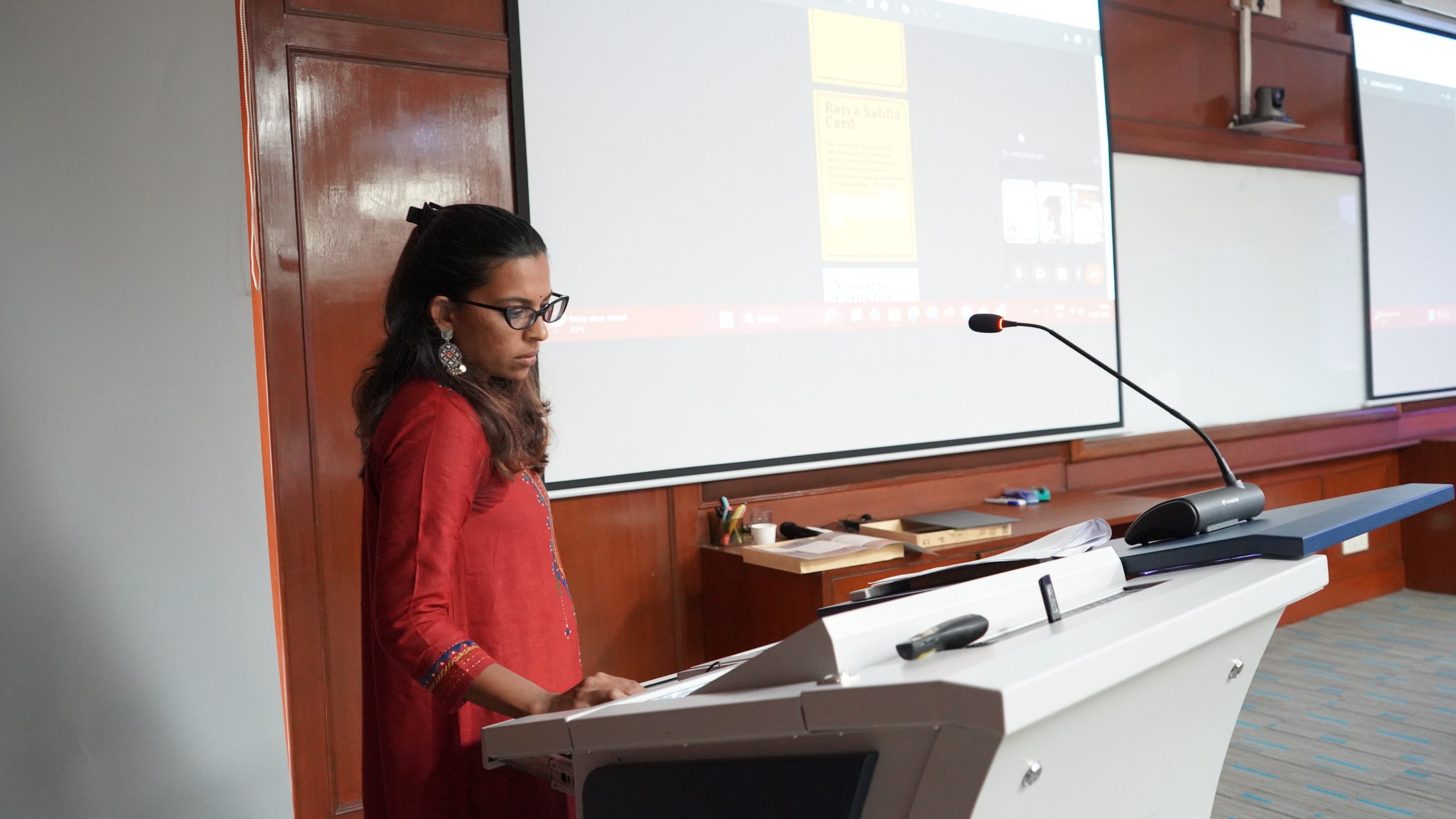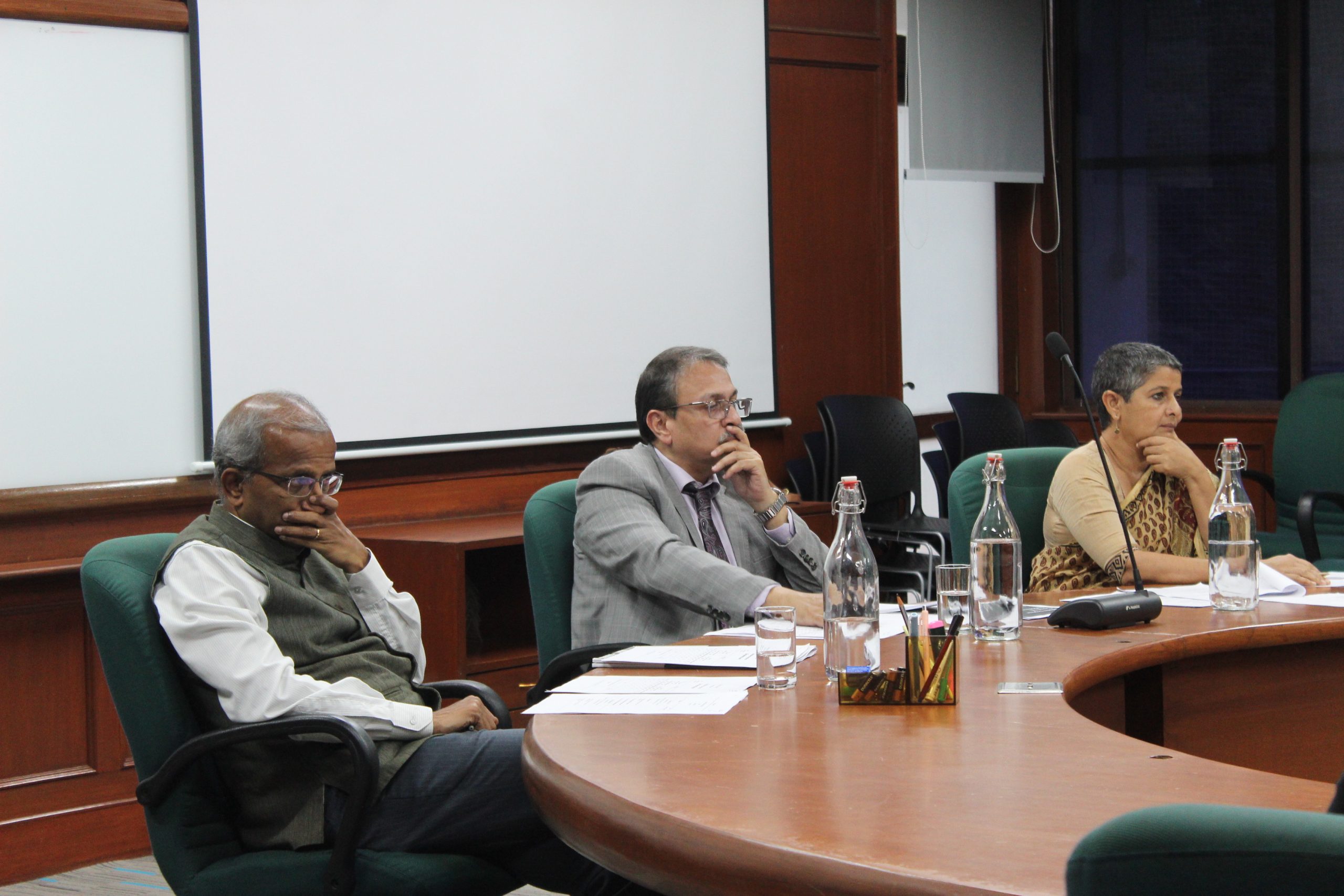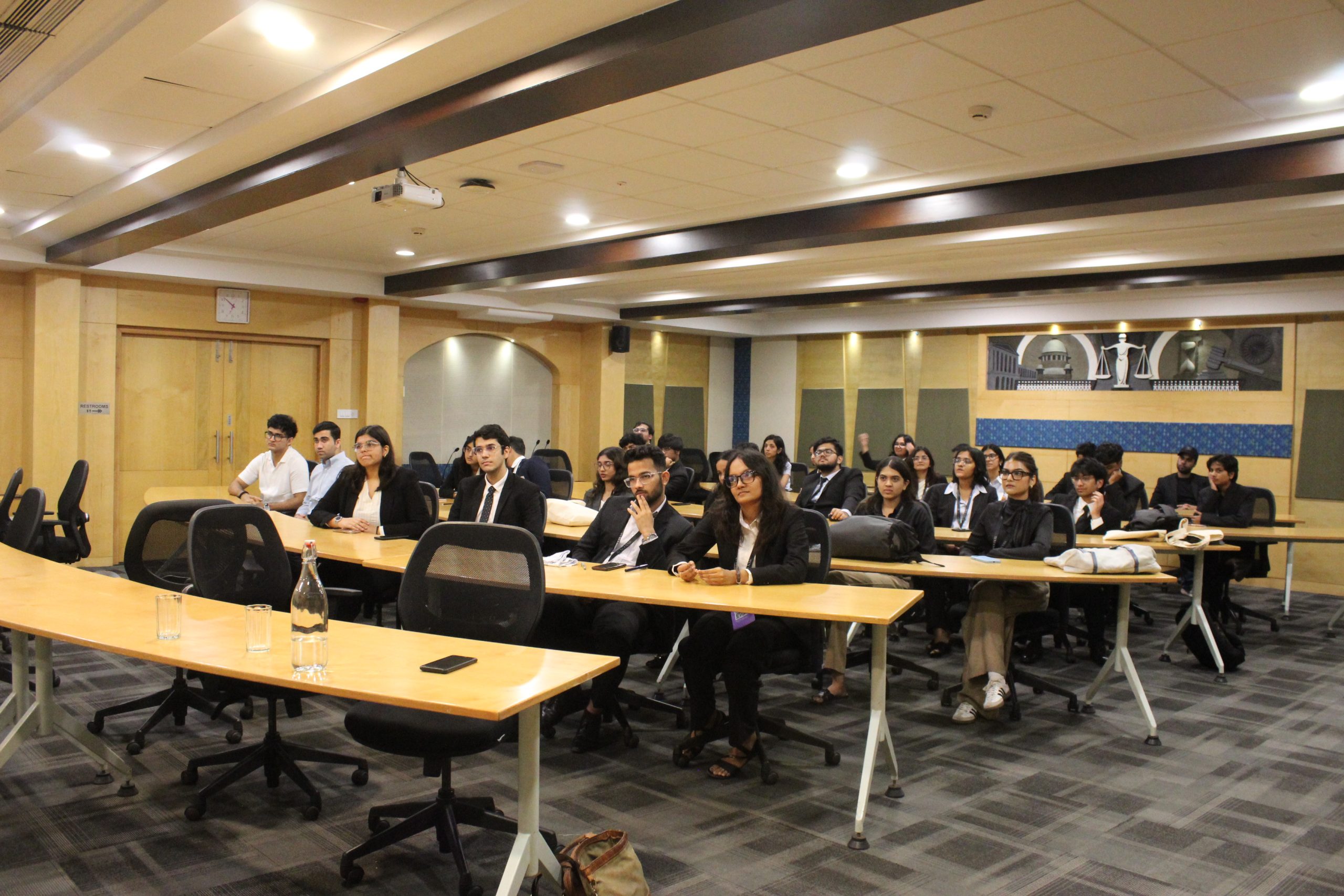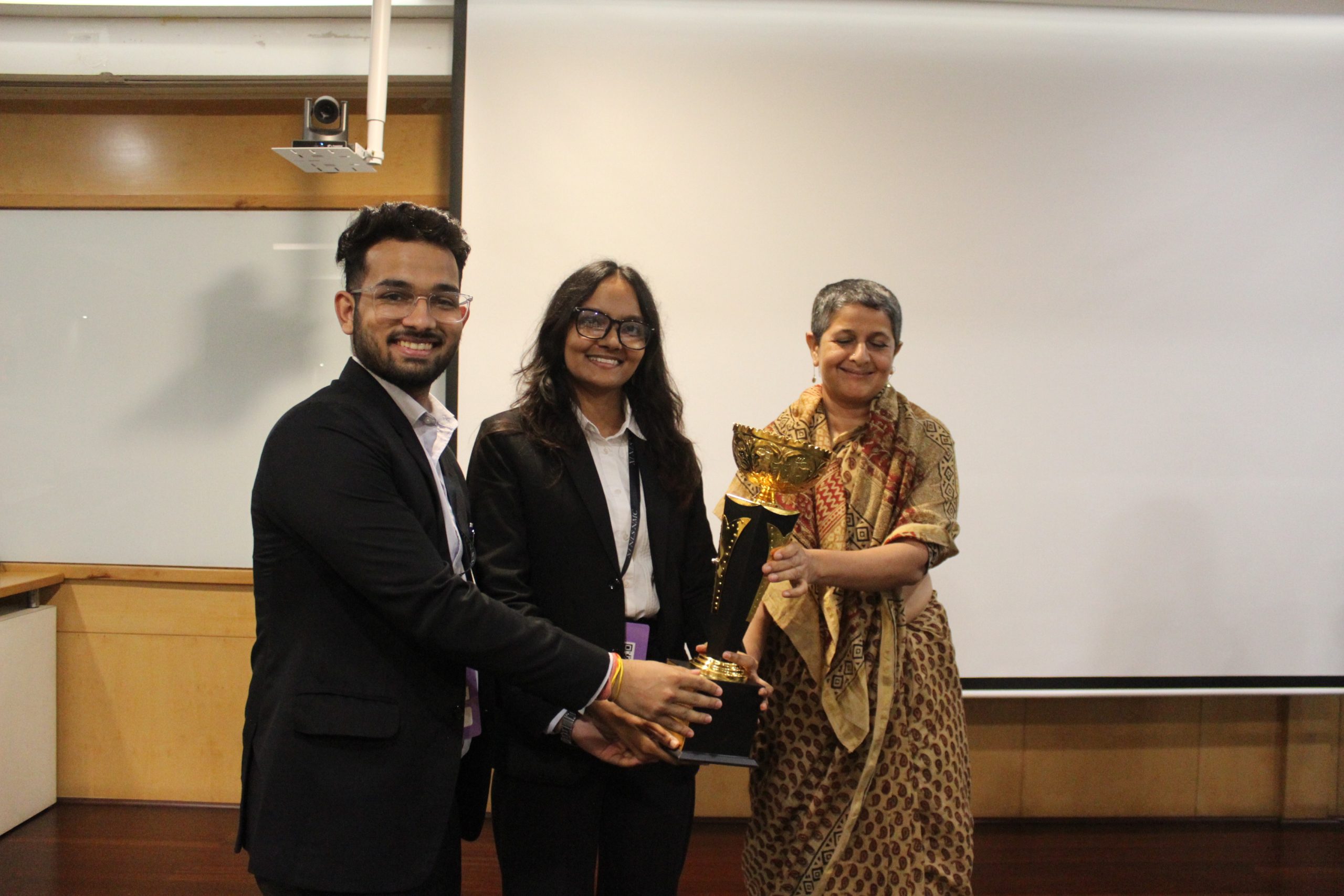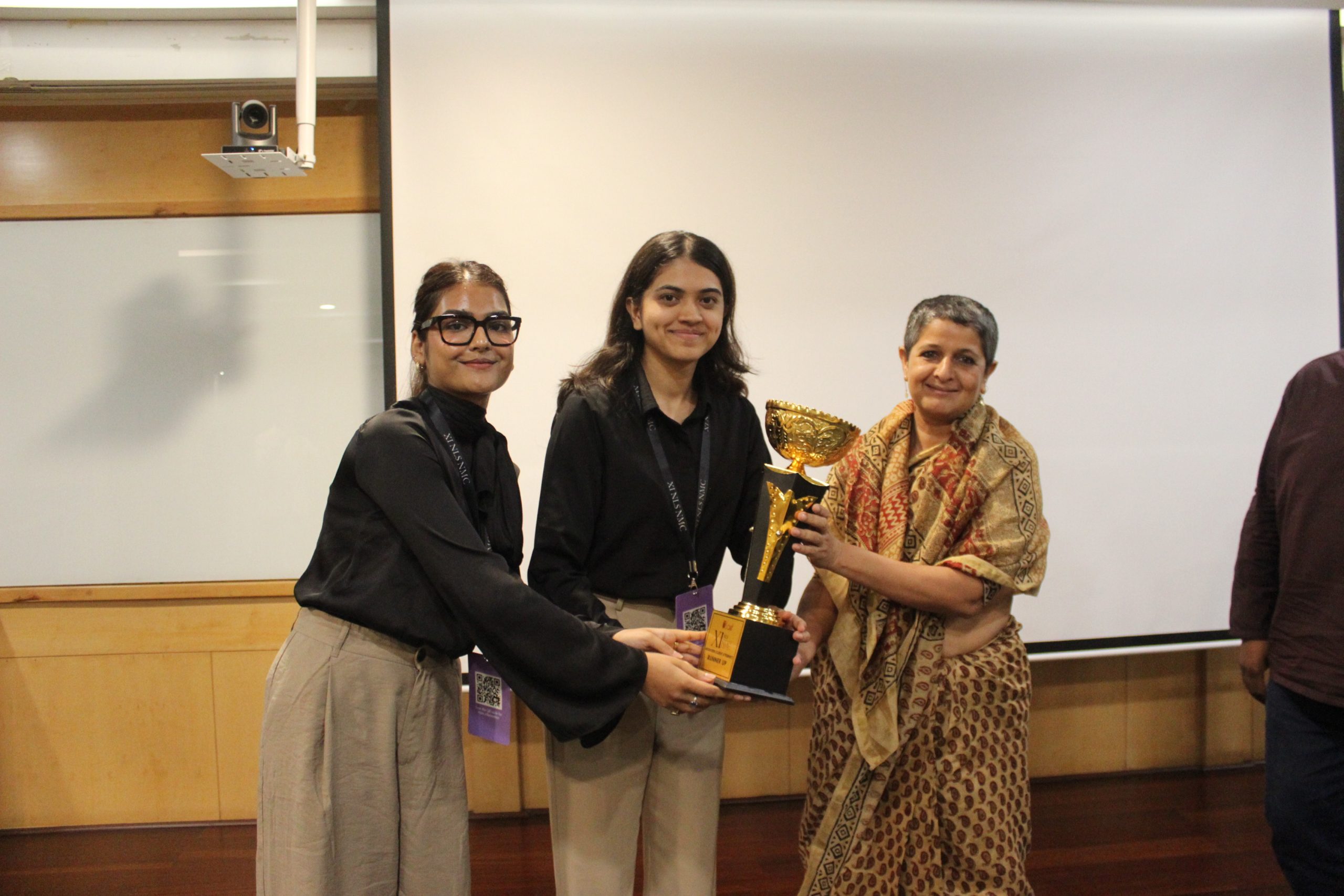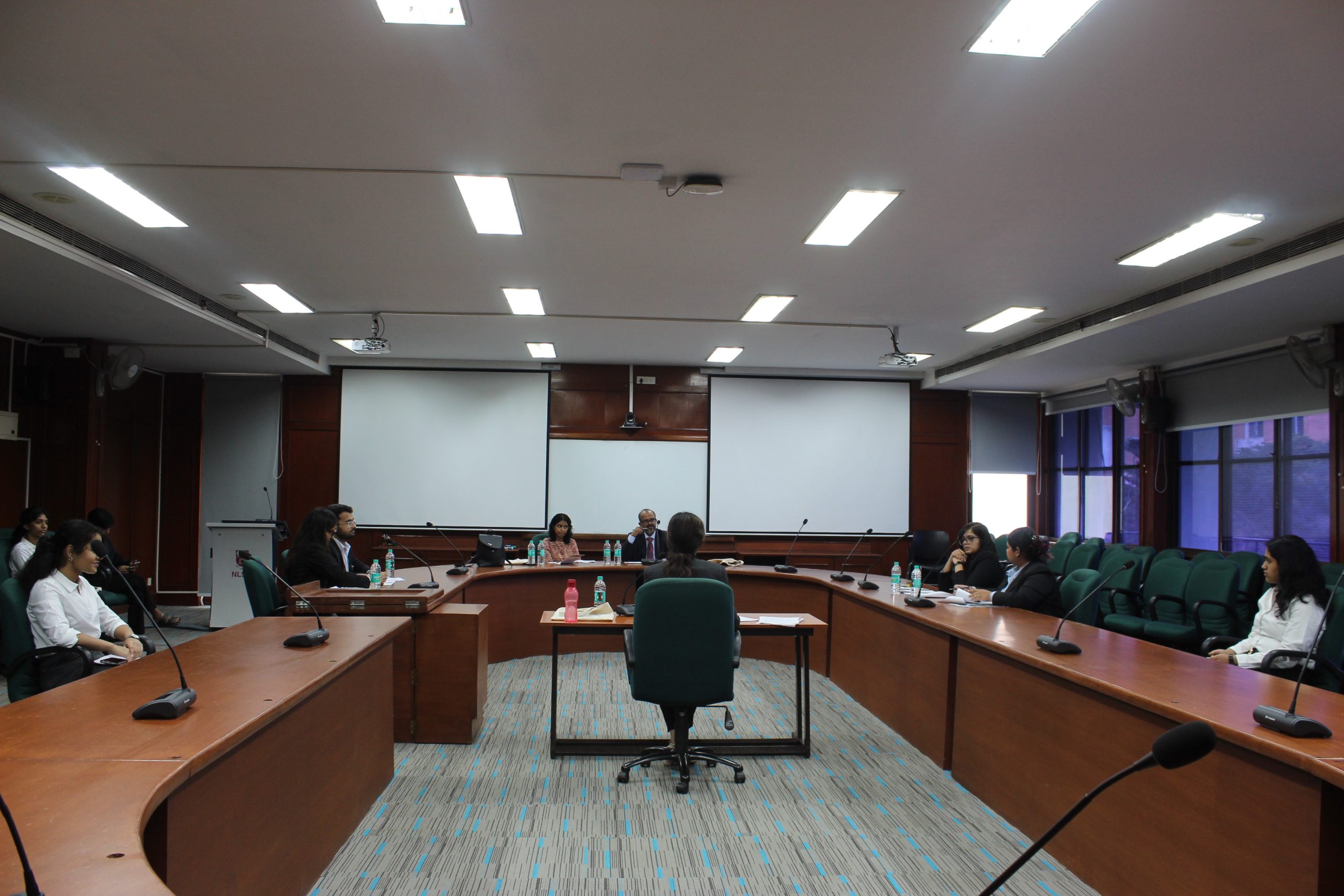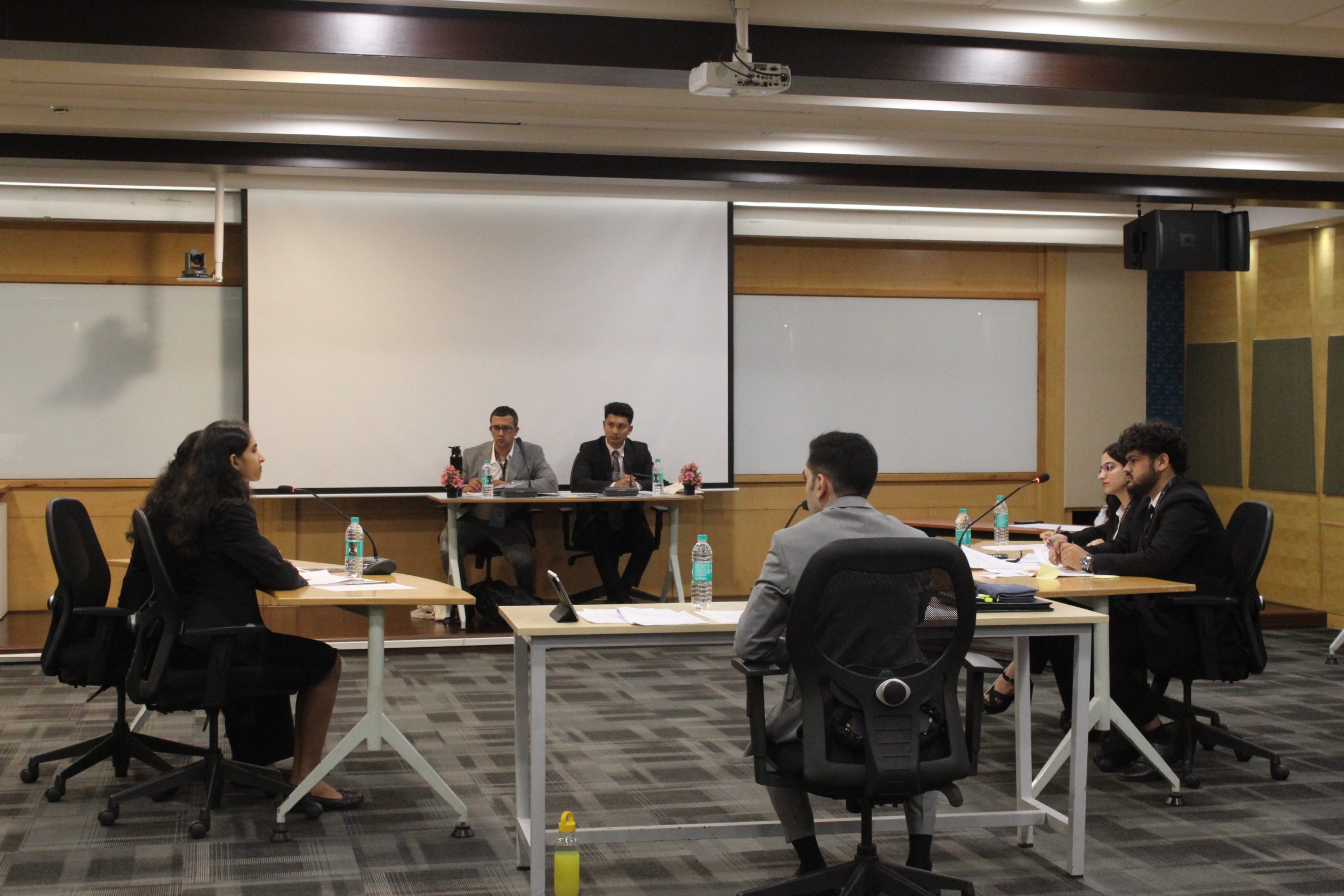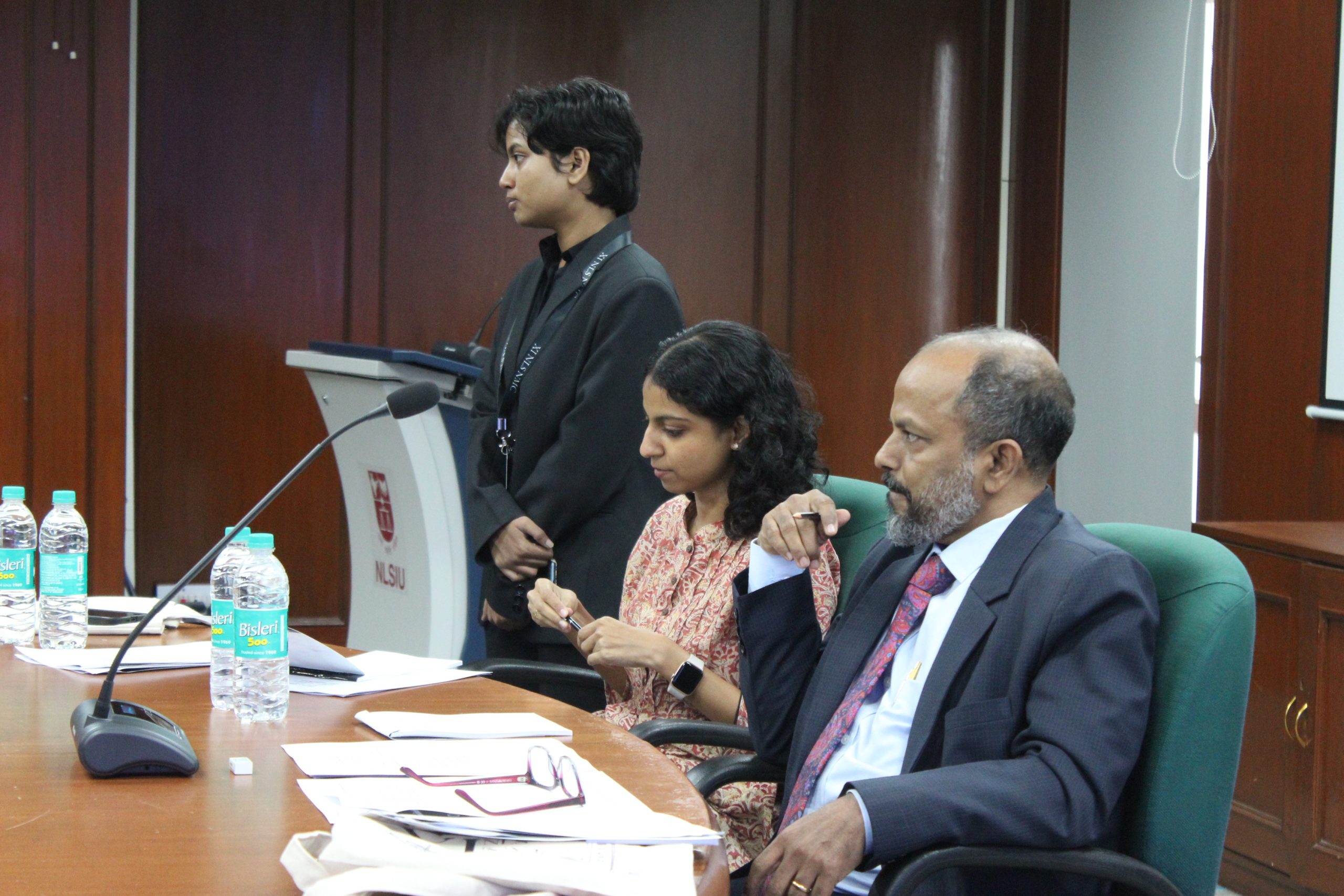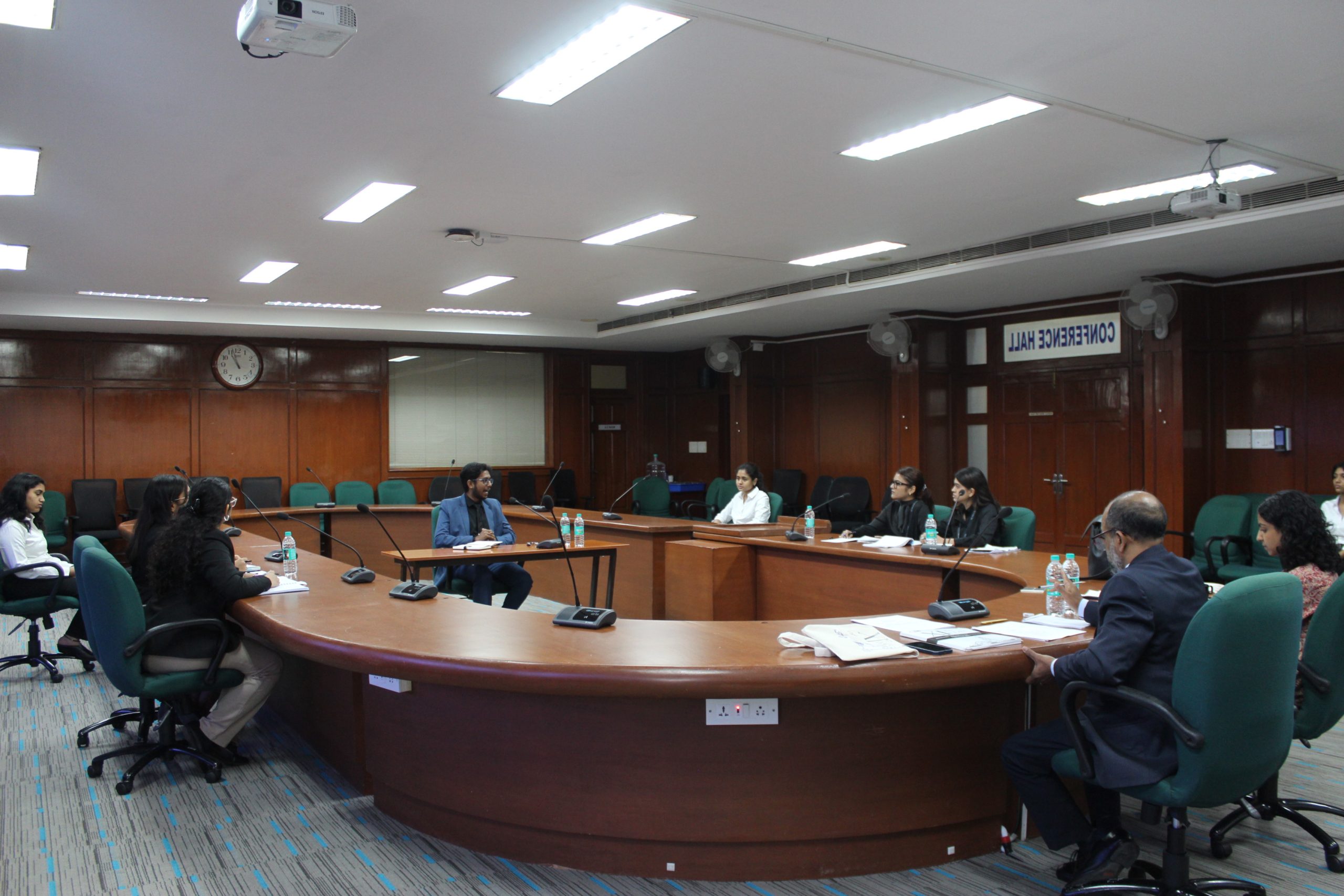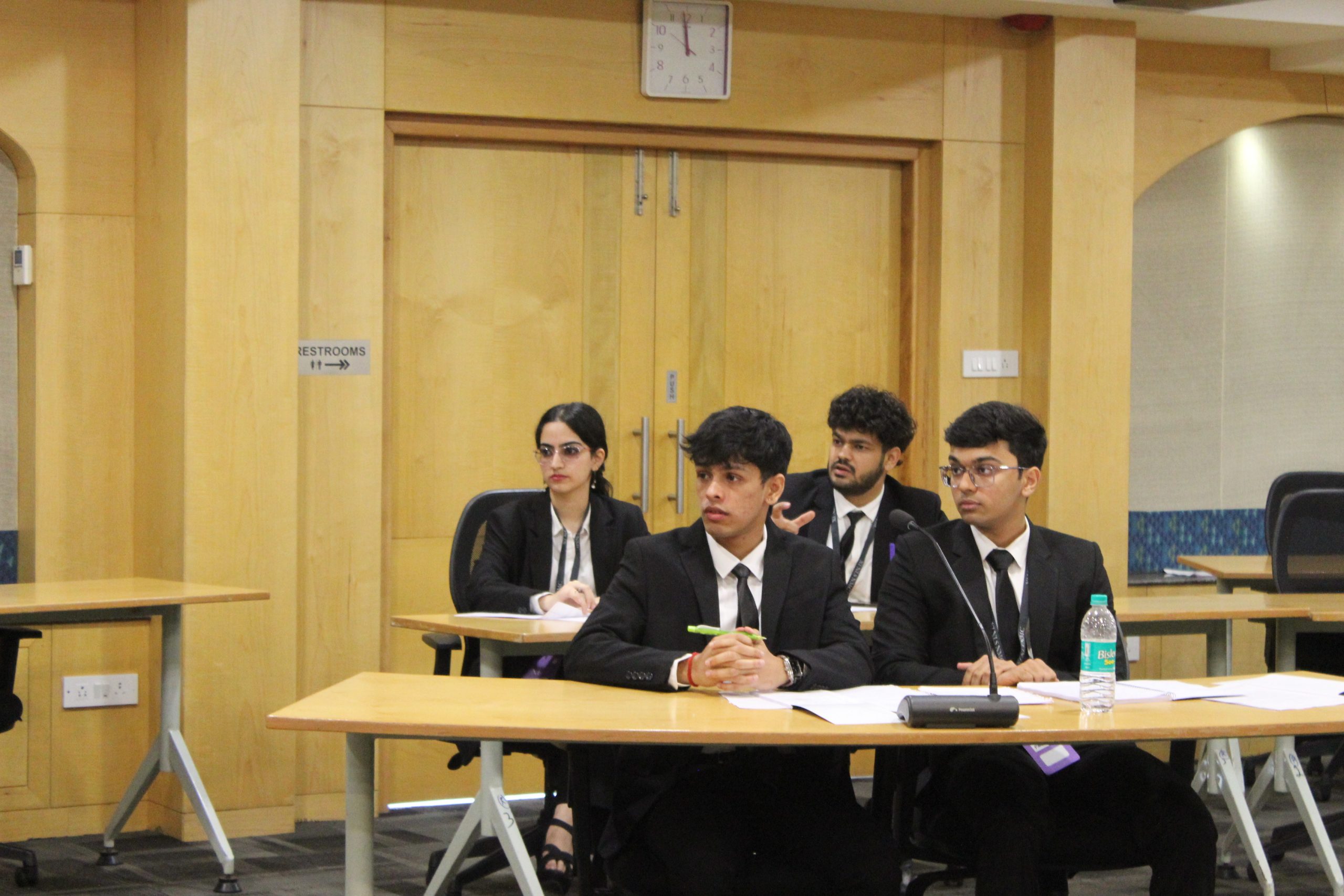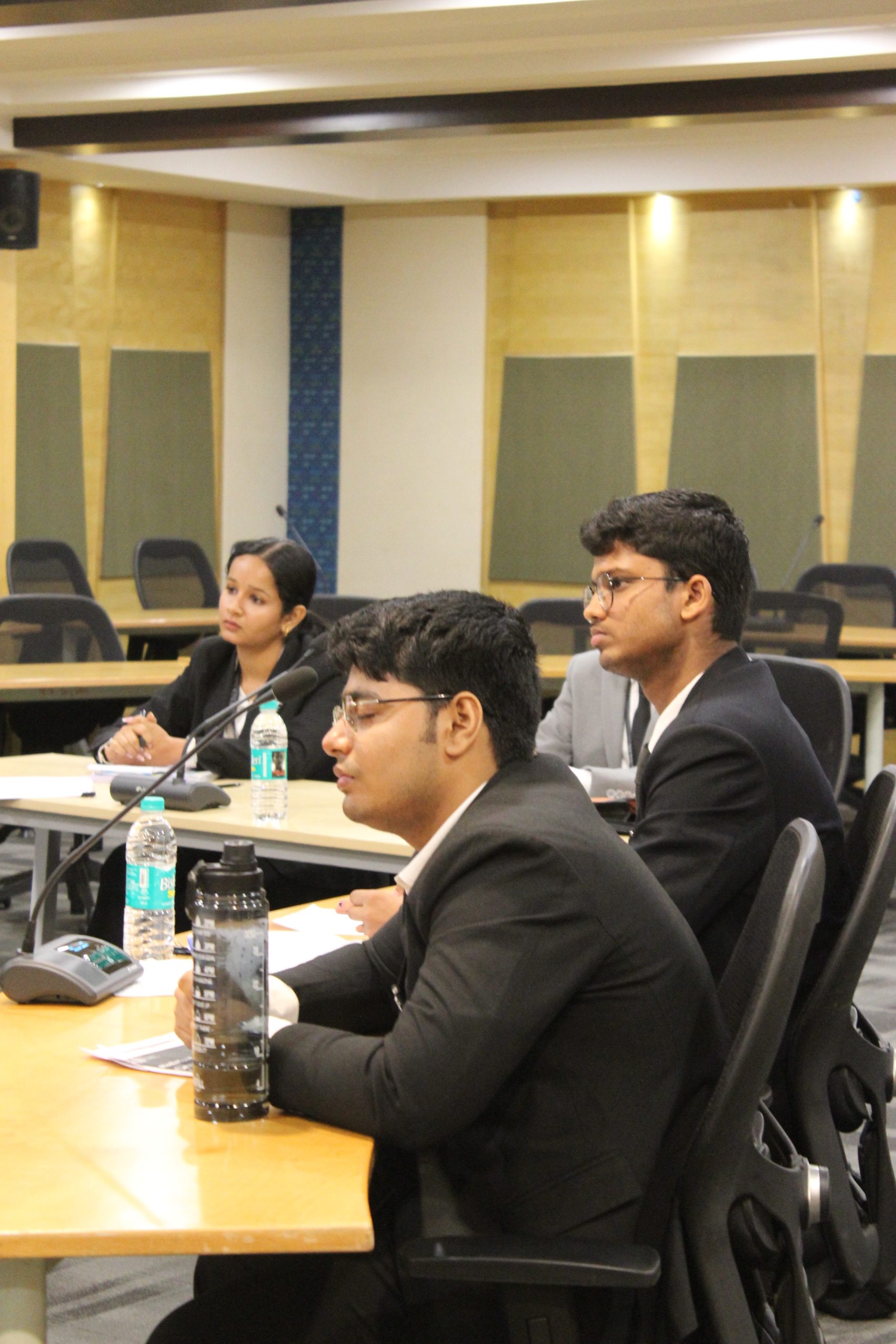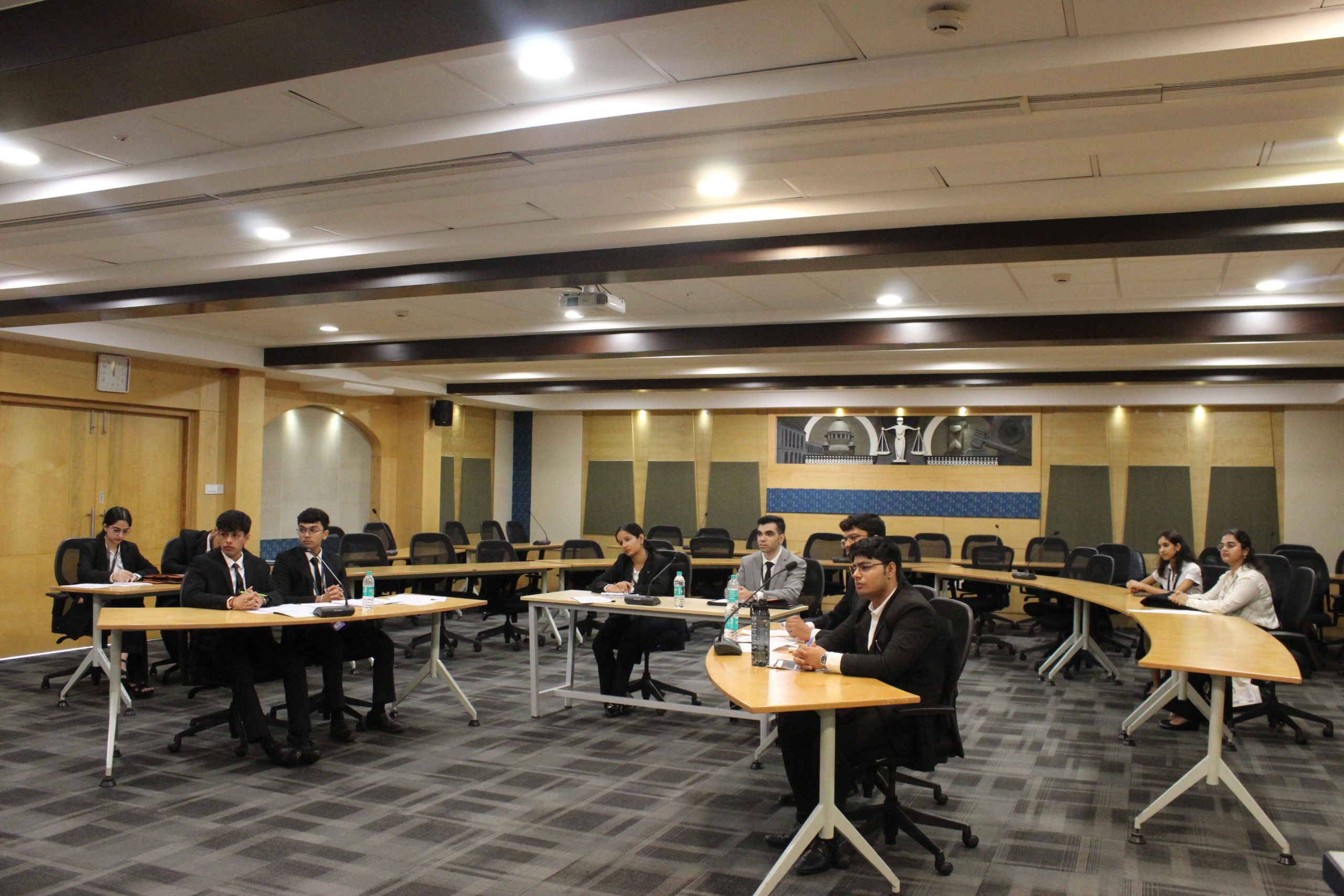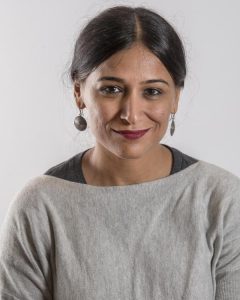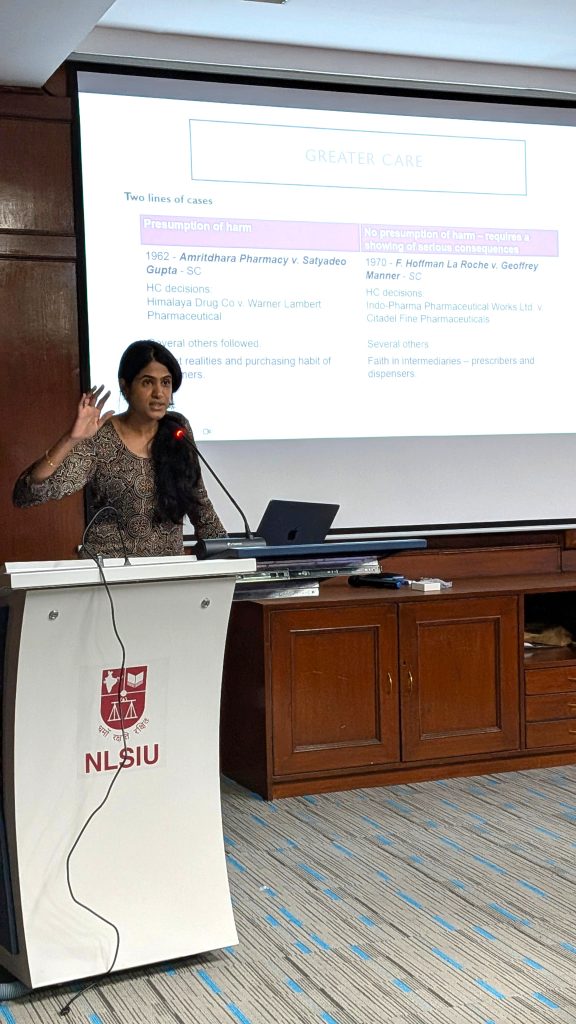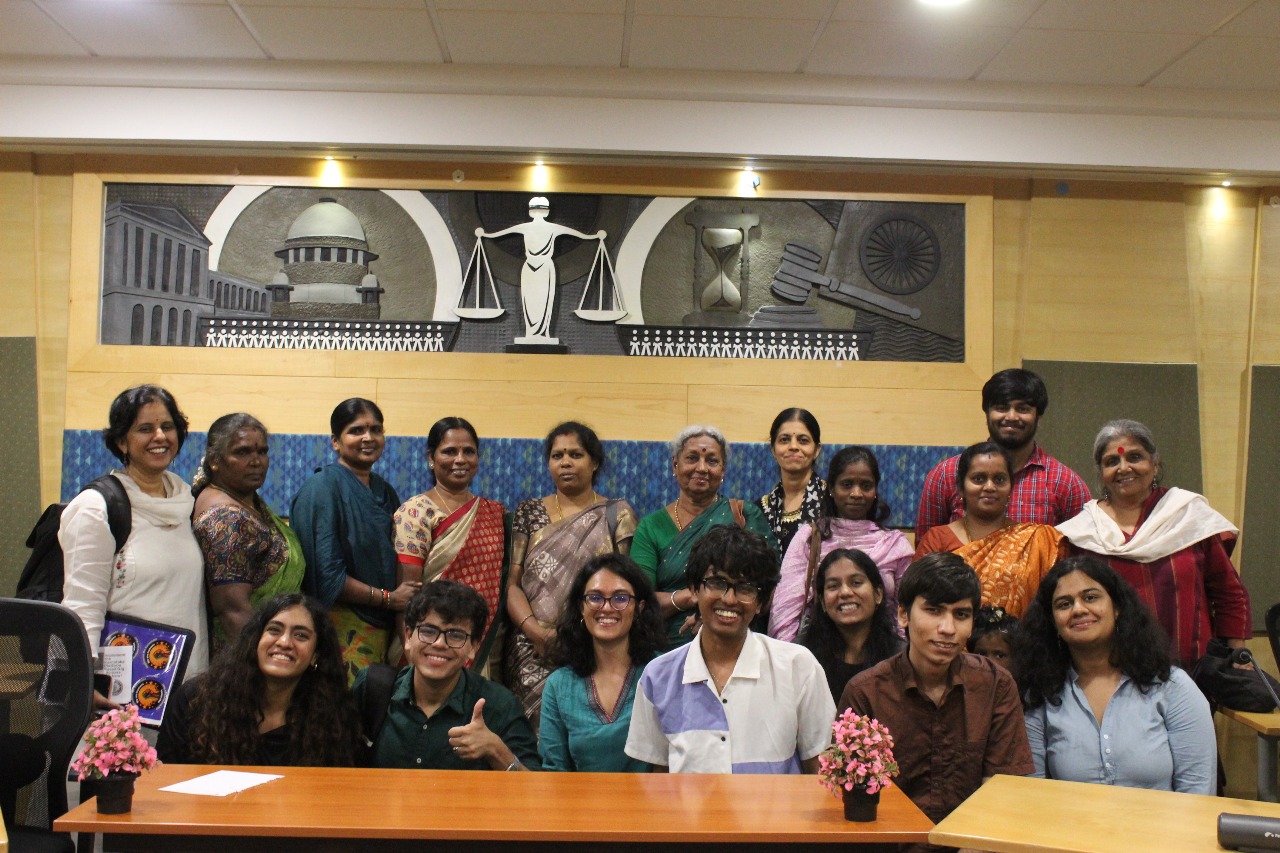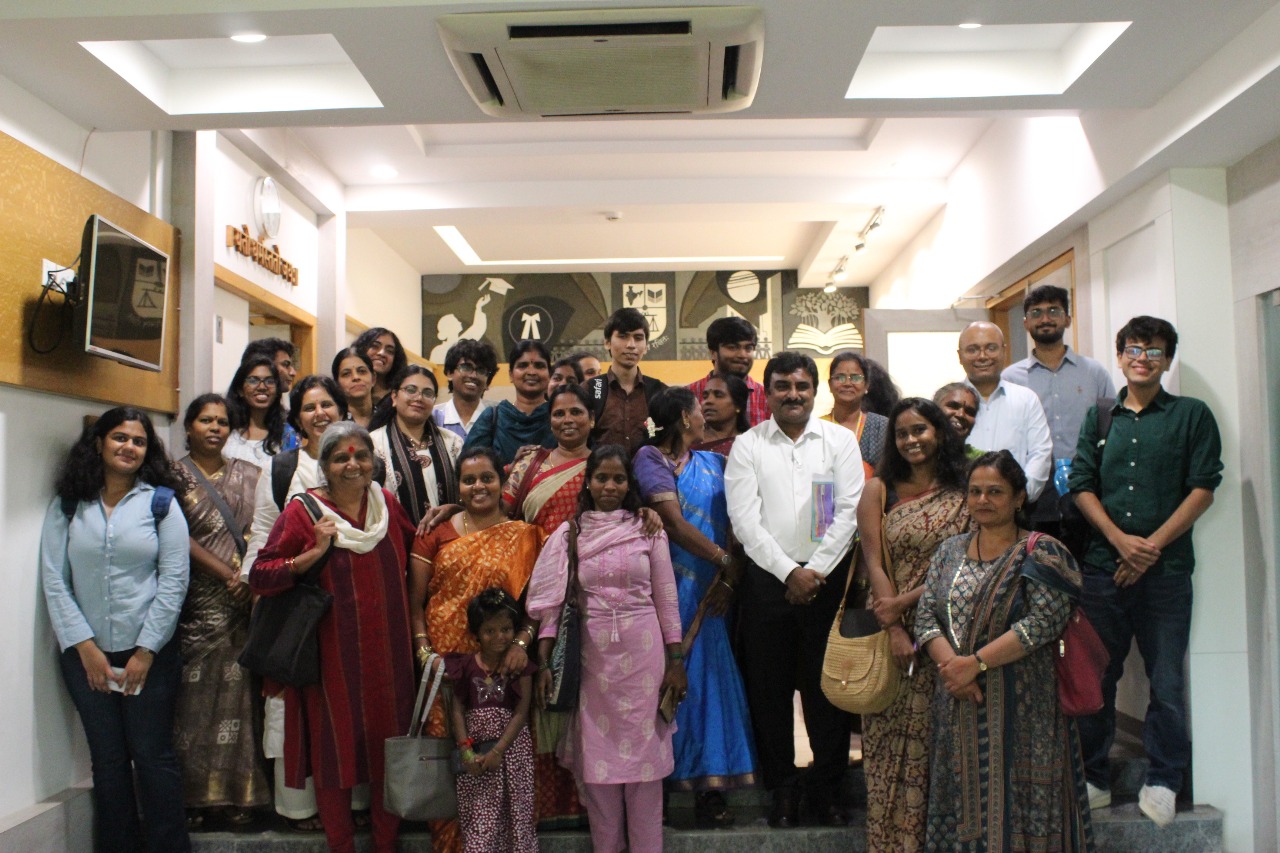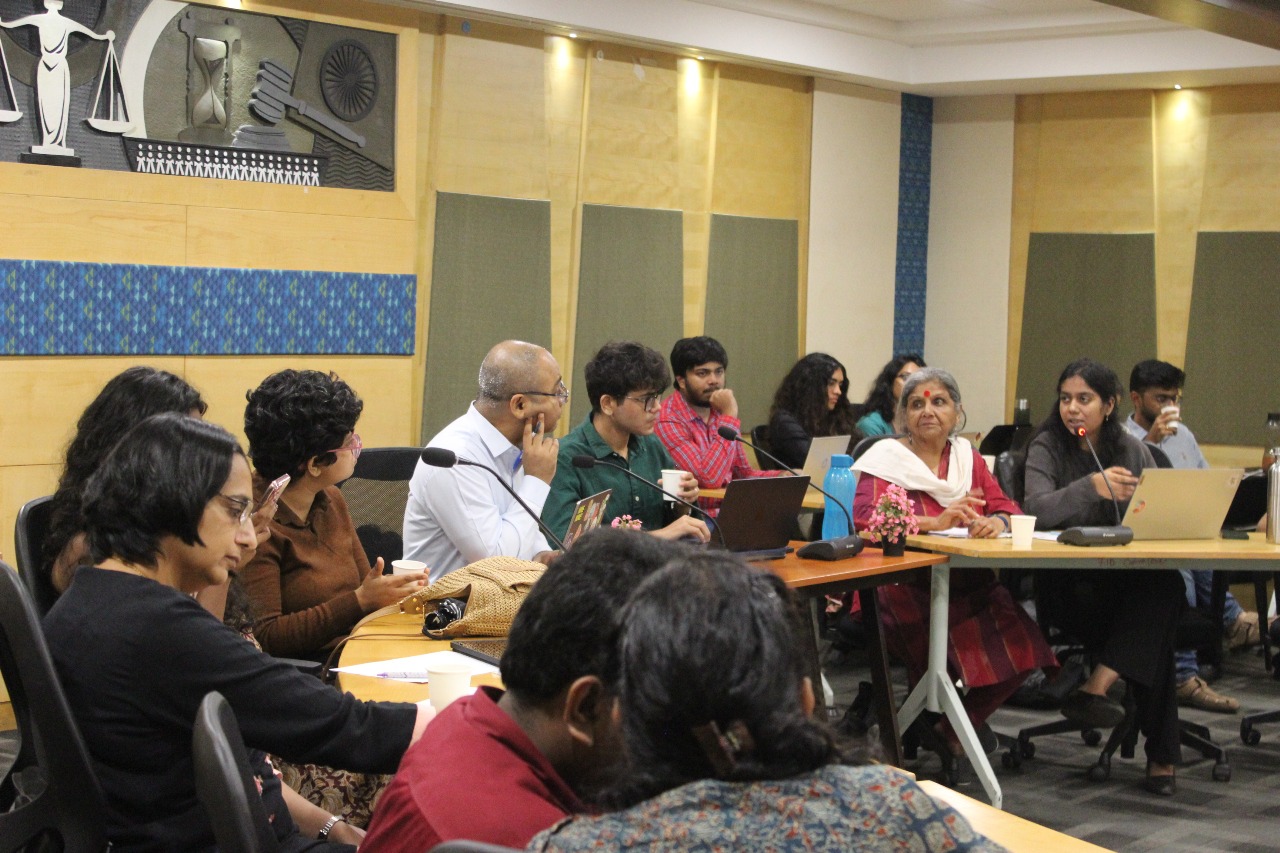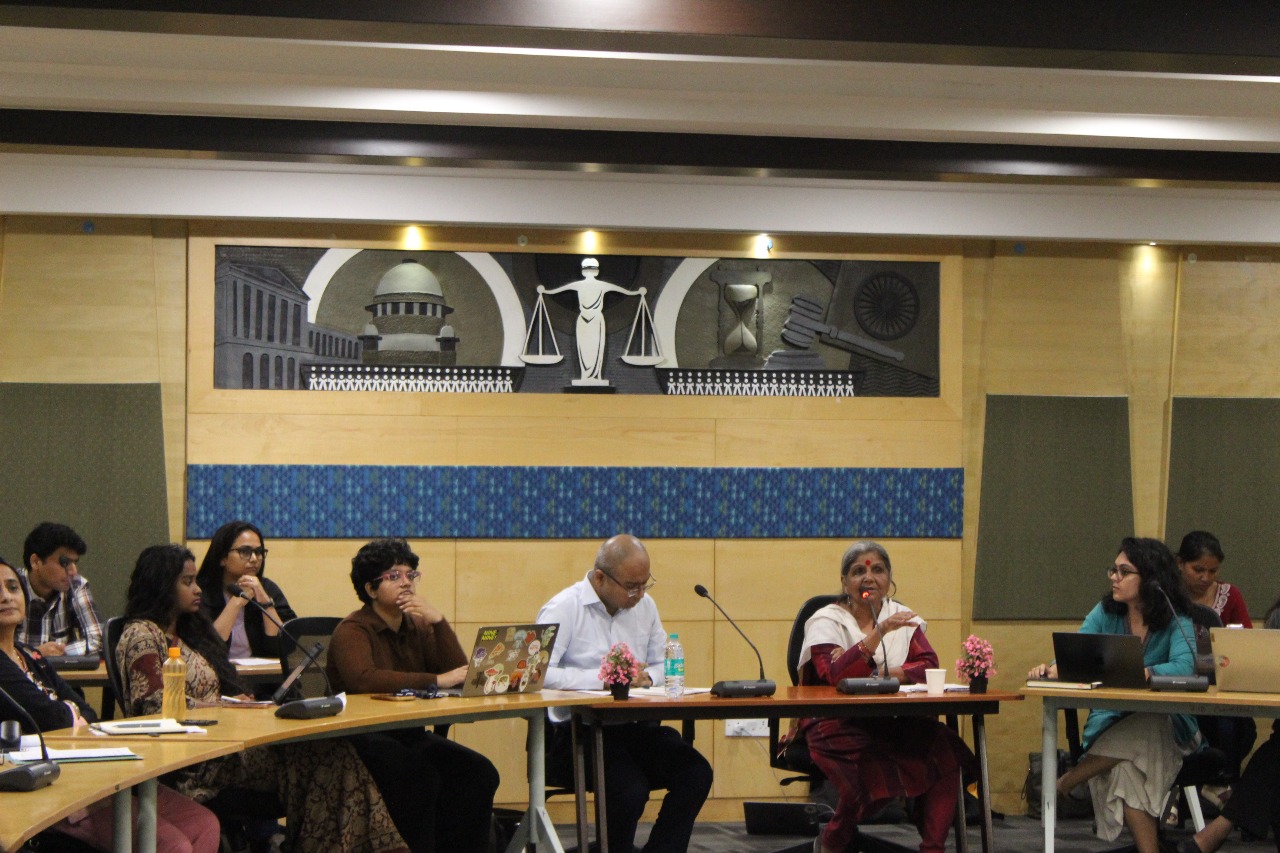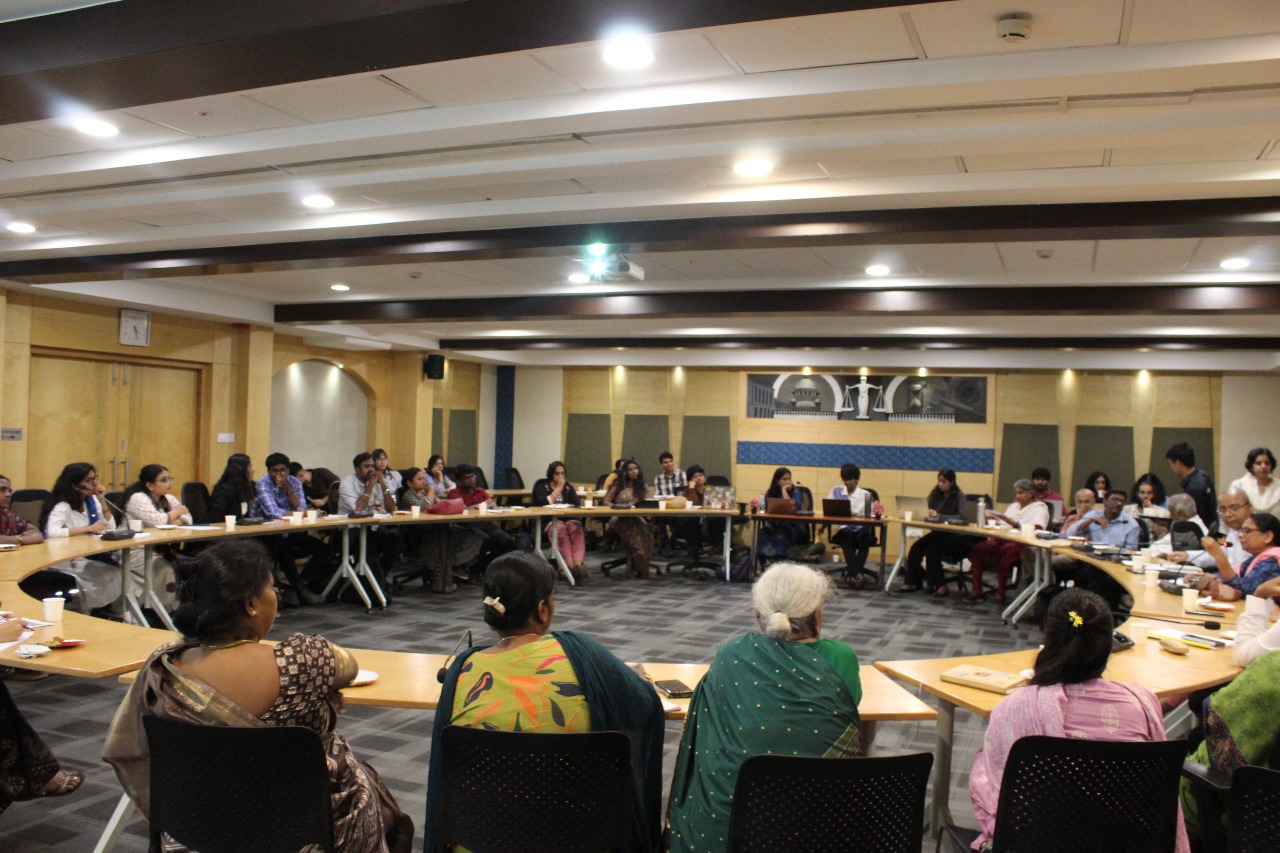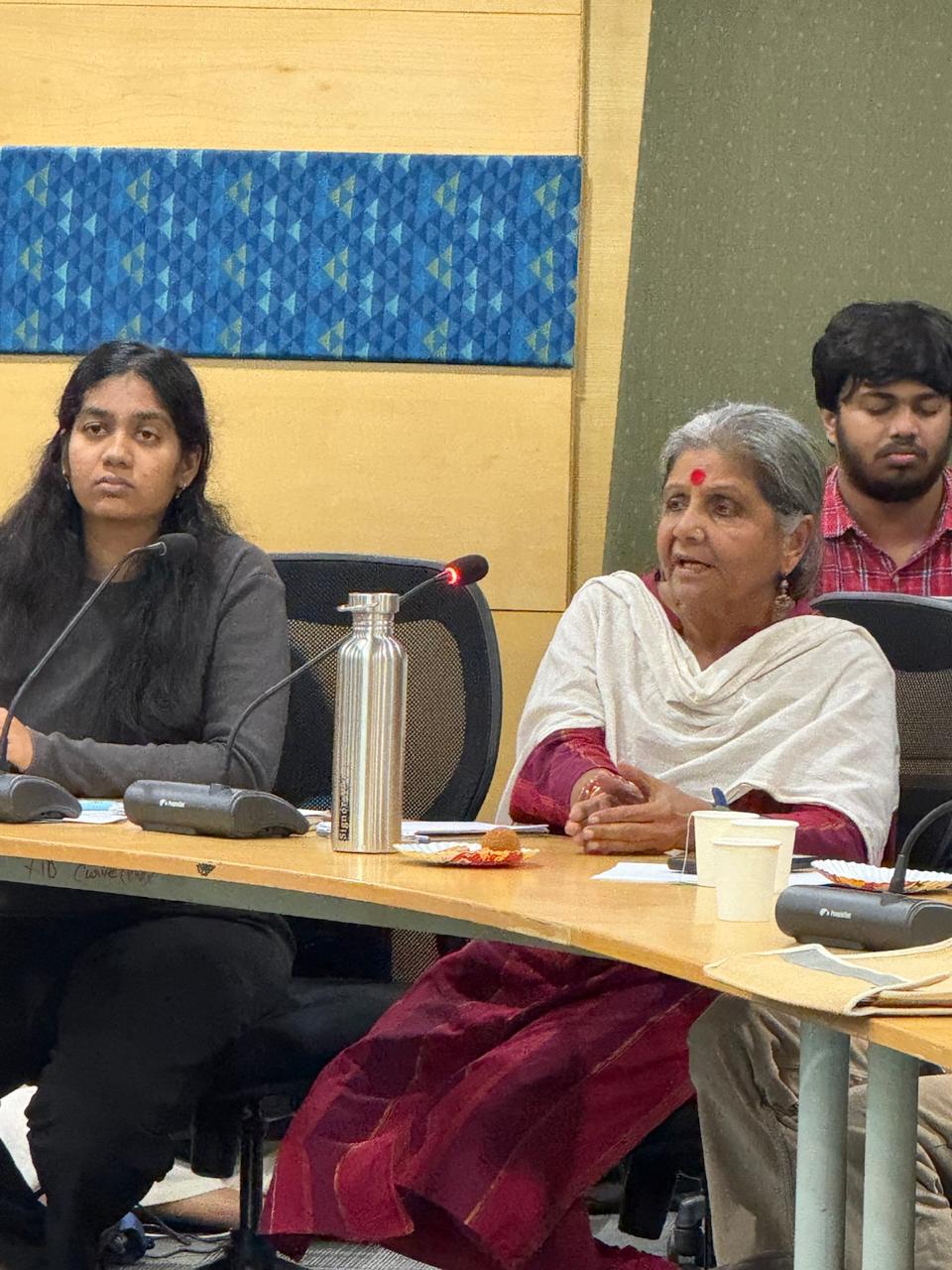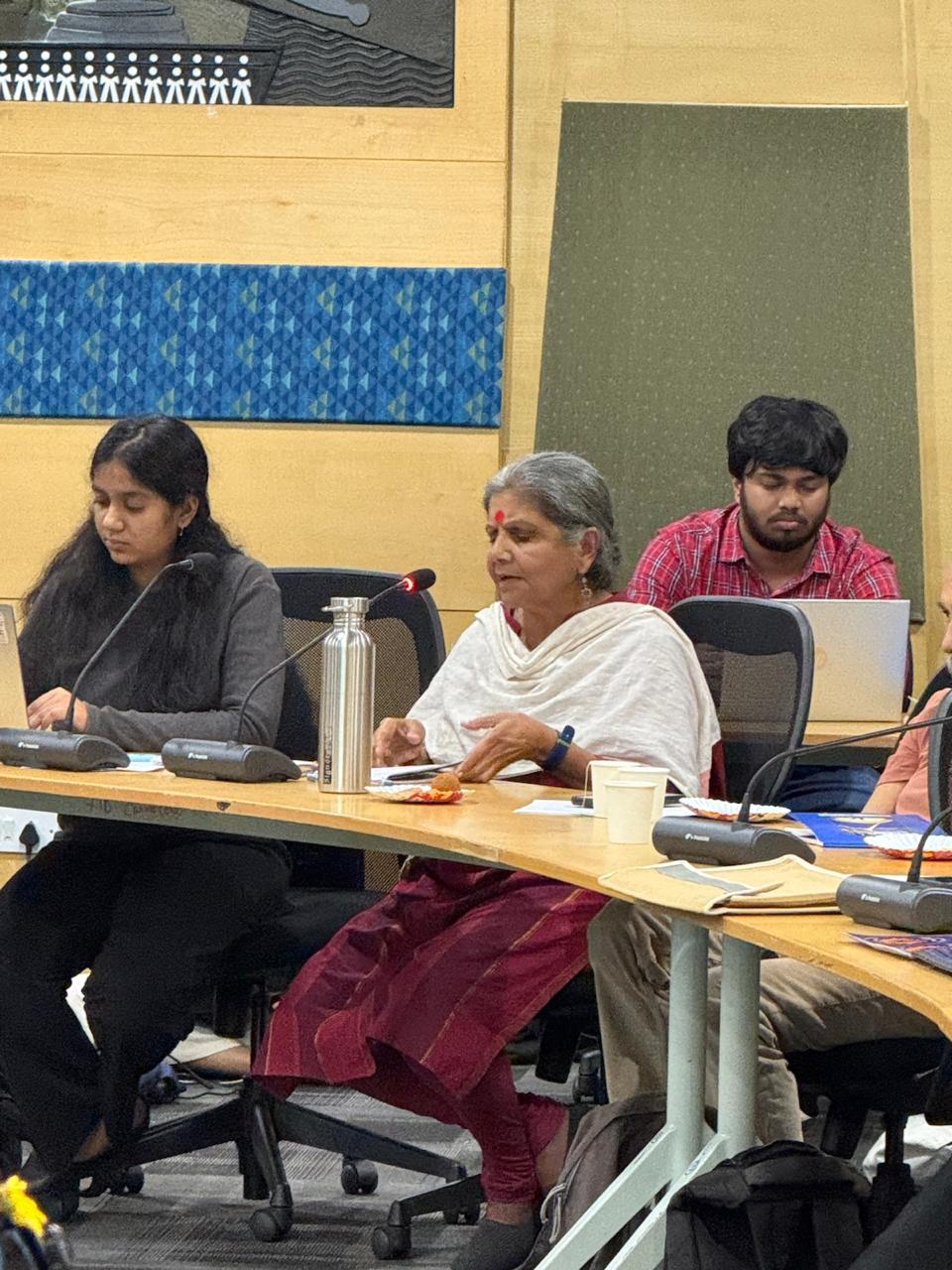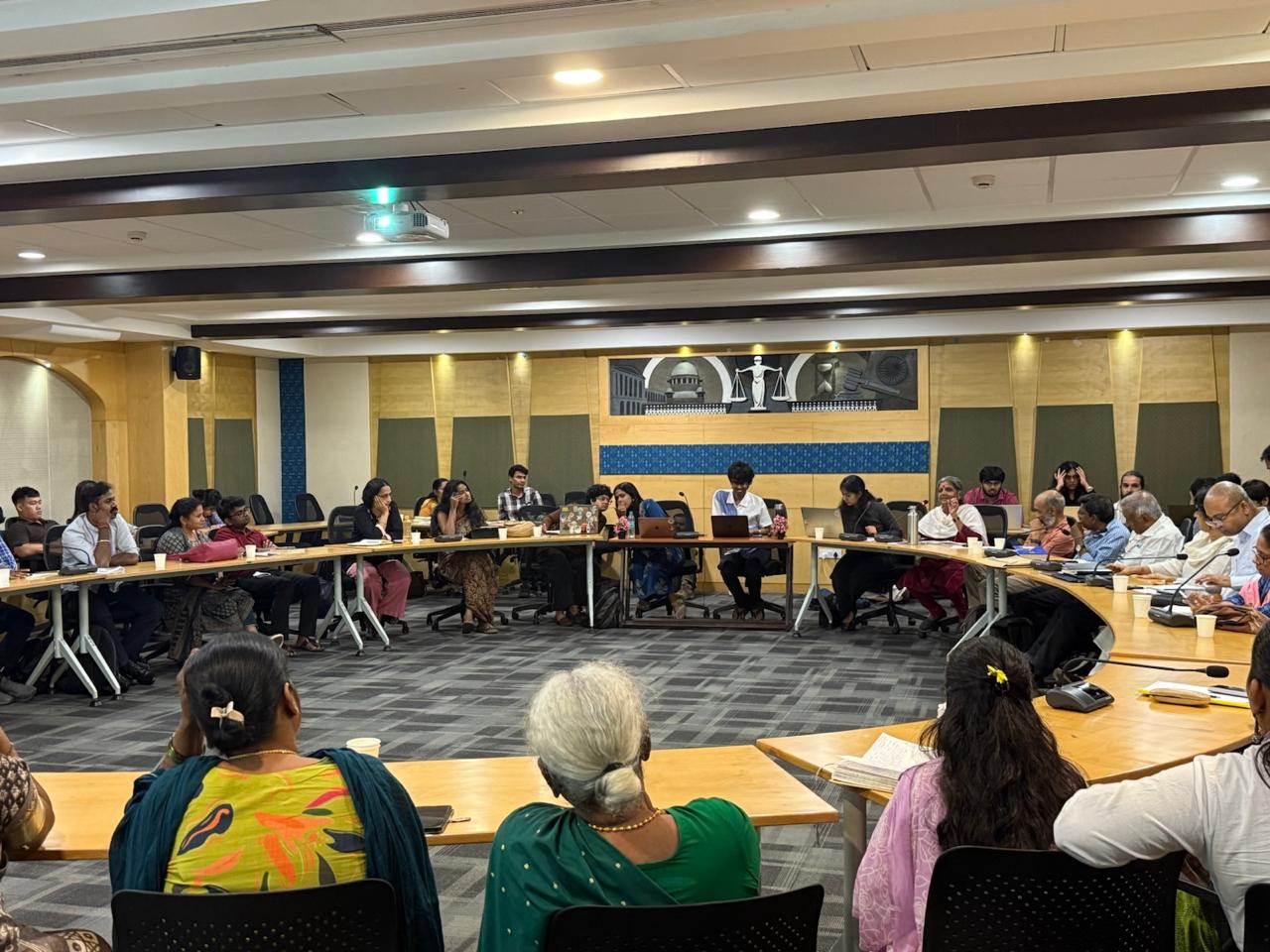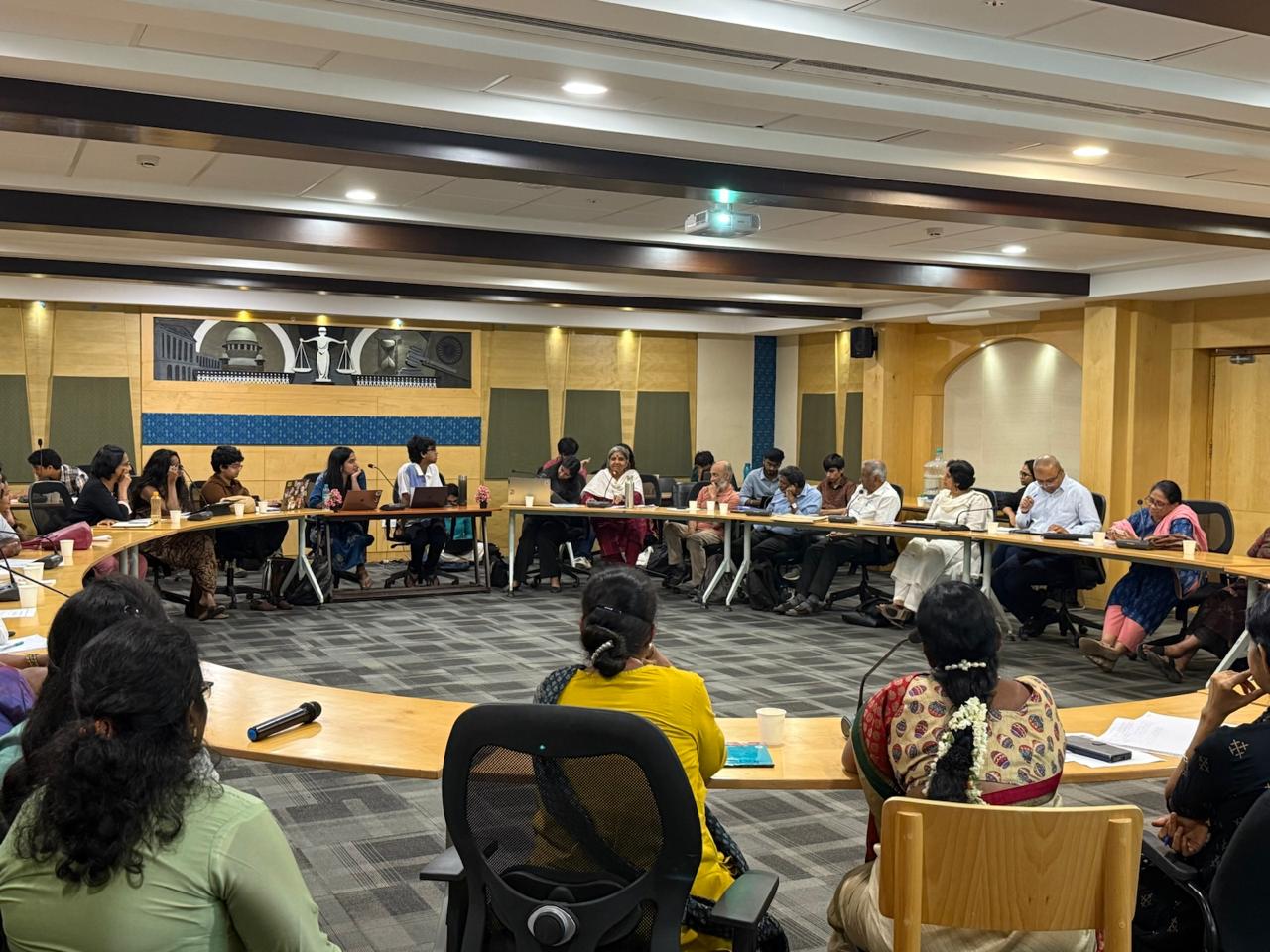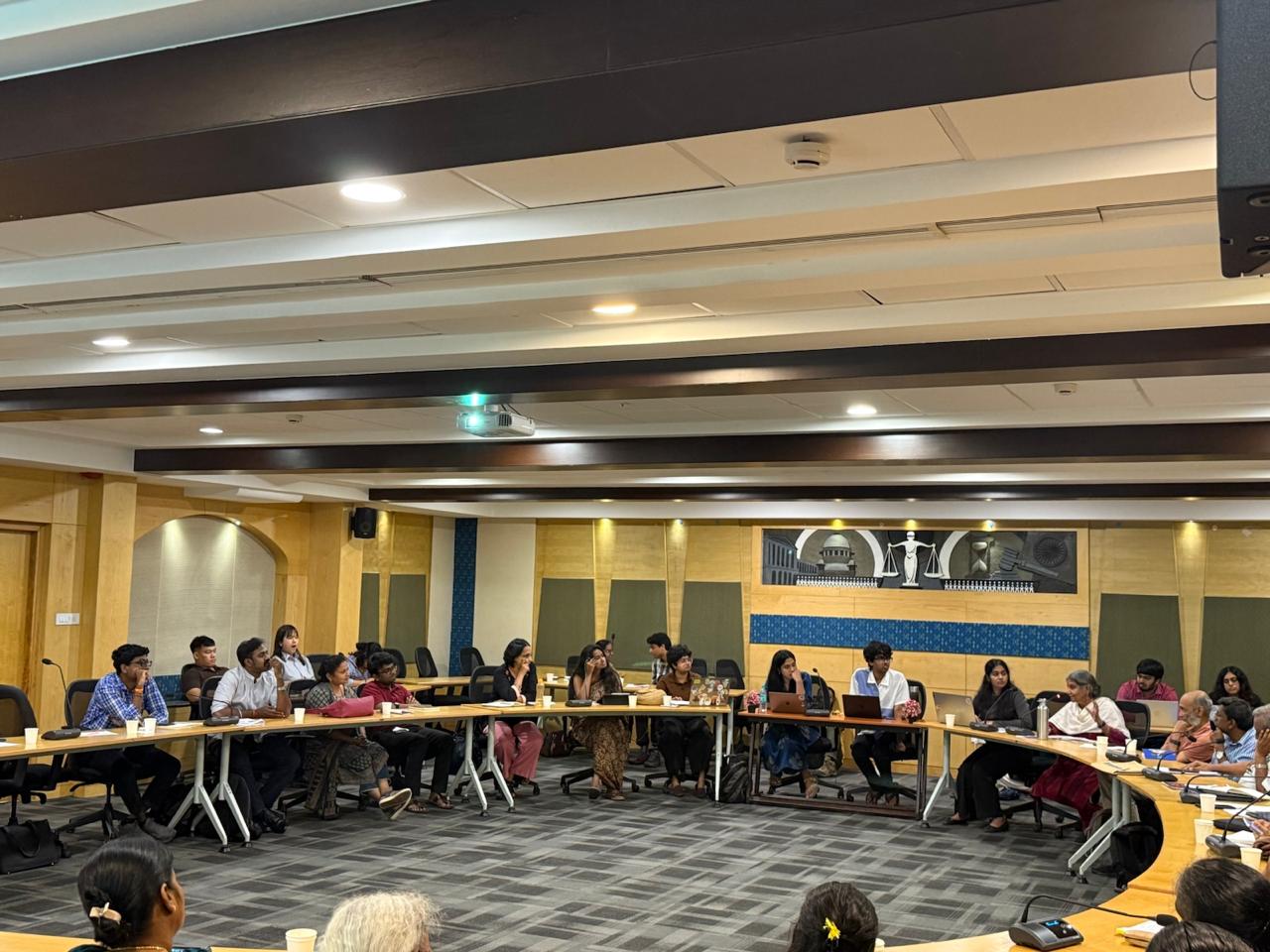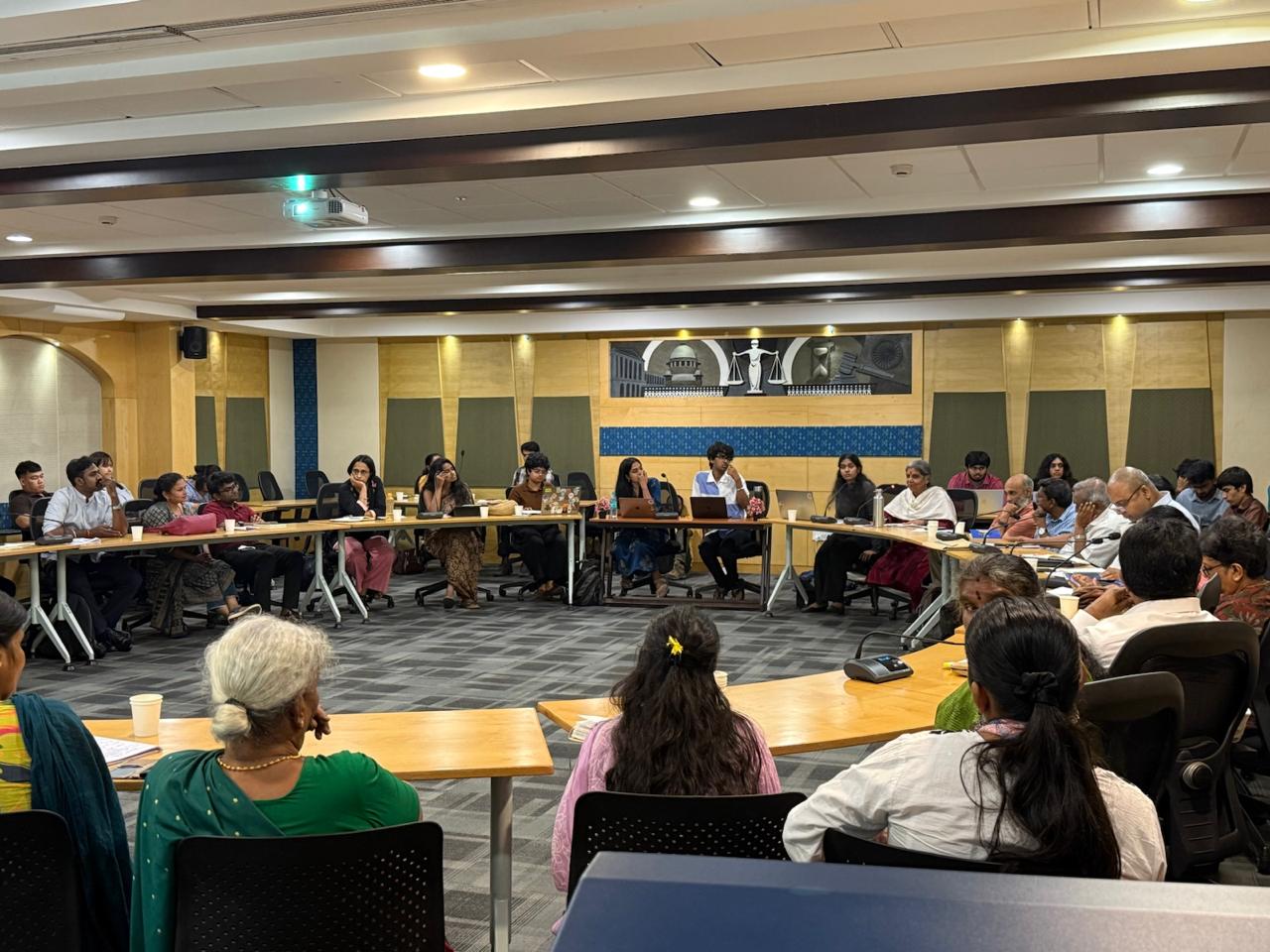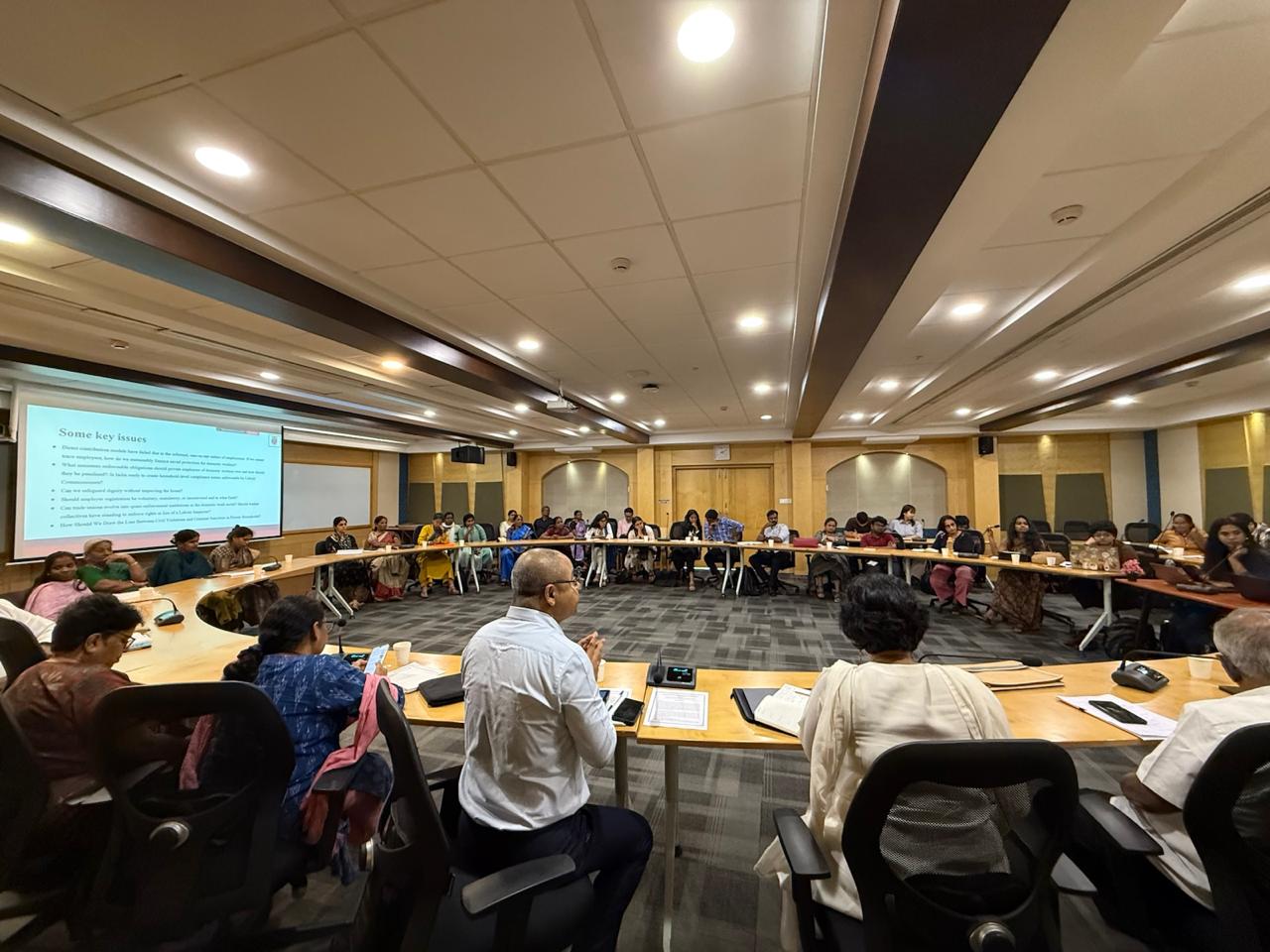
Dr. Vanya Vaidehi Bhargav, Assistant Professor, Social Science, NLSIU spoke at the third edition of the History Literature Festival (HLF) on March 2, 2025. She was part of a panel on ‘An Indian Renaissance: Vivekananda and Lajpat Rai’ with independent journalist Govind Krishnan and Pushkar Sohoni, Associate Professor – Humanities and Social Sciences, Indian Institute of Science Education and Research (IISER). The conversation touched on the themes of ‘Hindu-ness,’ ‘nationalism’ and more.
About the speaker
Dr. Vanya Vaidehi Bhargav is an intellectual historian of modern South Asia. She is interested in nationalism and secularism, and religious and political thought in general.
About the talk
Vanya will be speaking about her first book, ‘Being Hindu, Being Indian: Lala Lajpat Rai’s Ideas of Nationhood,’ which was published with Penguin Random House India in February 2024. Based on her doctoral research, the book examines the nationalist thought of Lala Lajpat Rai, and highlights the internal differentiation within ‘Hindu nationalism’. It also covers the themes of religion, majoritarianism, secularism and caste.
Vanya’s book has been longlisted for the 2024 Crossword Book Award (Non-fiction) and 2024 Literature Live Best First Book Award (Non-fiction).
About HLF
The History Literature Festival is a platform for diverse fields and voices to converge to share civilisational stories. It is designed to create spaces for historians, authors and attendees to immerse in and engage more closely with our shared history.
The Festival weaves together intimate baithaks, discussions, musical concerts and installations to bring history to life. (Source: historylitfest.com)
The conference aims to examine the complex interplay of housing, law, economics, and spatial justice in an unequal world, and we welcome scholars and practitioners to participate.
About the Conference
Housing affordability and urban land management have become a tumultuous challenge for countries that are rapidly urbanising. These challenges are reshaping the question of urban property. Established instruments of land management, such as zoning, tenure management, building obligations, taxation, expropriation, incentives and subsidies, land readjustment, land redistribution and reform, environmental and conservation regulation, different ownership models, financialisation of land and housing, and public land management have their scope and limits. In response, new innovations are emerging in both formal and informal land management. Hybrid spaces, technology-assisted cartographies and property registries, collective property ownership, and informal property regimes are among the approaches seeking to address the dual goals of equitable access and efficient management. The convergence of law, economics, and policy is critical in shaping the future of urban development. Yet, scholarship on the interface of law and spatial dimensions of the city is scant. Where such scholarship does exist, it is often confined to isolated case studies from the Global South, which are frequently dismissed as exceptions rather than being integrated into the broader global discourse on urban studies.
In many regions, in the Global North and the Global South, the expansion of urban centres has been marked by the commodification of land and housing, further deepening the divide between the wealthy and marginalised communities. Public policies and legal frameworks often struggle to keep pace with the complexities of this expanding urban fabric, leading to gaps in affordable housing provision and sustainable land management. While innovative solutions like collective ownership models and inclusive zoning regulations have shown promise, the questions remain are (1) How can these innovations be effectively scaled in a world marked by deep economic and social inequalities? (2) What governance changes are desirable to design a responsive urban land management?
To know more about the questions and topics that will be addressed in the conference, click here.
5.00-5.20 PM | NAB 101, NLSIU:
Welcome and Introductory Remarks
Opening of the Conference: Brief on Conference Objectives and Themes
Welcome Address by Prof. Dr. Sudhir Krishnaswamy, Vice-Chancellor, NLSIU
Welcome Address by Sunanda Nair-Bidkar, Director, South Asia, INET
5.20-6.30 PM | NAB 101, NLSIU:
Inaugural Lecture | Keynote Speaker: Alain Bertaud, Distinguished Visiting Scholar, Mercatus Center, George Mason University
Topic Tentative: Urban Land Management in an Unequal World
7.30 PM:
Welcome Dinner | (Invitation Only)
Day 2 | March 6, 2025
8.00-9.00 AM:
Breakfast | Training Centre Canteen
Registration | Seminar Room, Training Centre, Ground Floor
9.00-11.00 AM | Allen & Overy Hall, First Floor, Training Centre
Morning Session
Expert Panel 1: Housing and Urban Land Management in the Context of Inequality
Speakers:
Chetan Choithani, Assistant Professor, National Institute of Advanced Studies
Ashima Sood, Associate Professor, Director, Centre for Urbanism and Cultural Economics, Anant National University
Harsh Vardhan, CEO, CDD India
Moderator: Babu Mathew, Professor and Co-Director, Centre for Labour Studies, NLSIU
11.00-11.30 AM:
Tea & Networking Break
11.30 AM-1.00 PM | Allen & Overy Hall, First Floor, Training Centre
Mid-Morning Session | Young Scholar Session
Moderator: Manpreet Singh Dhillon, Assistant Professor, Public Policy, NLSIU
Theme: Informal Housing, Dispossession, and Politics of Space
– Politics of Policy Categories: Informal Settlements in Guwahati City – Bristi Bannerjee | Discussant: Anwesha Ghosh, Assistant Professor of Social Science, NLSIU
– Politics Shaping the Urban Governance Landscape in Zimbabwe: A Behavioural Interpretation of Migration and Social Change – Himani Pasricha | Discussant: Samson Simwanza
– Does Training Farmers on Multiple Technologies Improve Adoption? – Tinotenda Chidhawu | Discussant: Sattwick Dey Biswas, Independent Researcher
– Politics of Urban Formality: The Effects of Climate Change on Female Home-Based Workers in Delhi – Morvi Gupta | Discussant: Dhivya Janarthanan, Assistant Professor of Social Science, NLSIU
1.00-2.00 PM:
Lunch | Training Centre Canteen
2.00-3.30 PM | Allen & Overy Hall, First Floor, Training Centre
Afternoon Session | Young Scholar Session
Moderator – Aniket Nandan, Assistant Professor of Sociology, NLSIU
Theme: Capitalism, Real Estate, and Urban Governance
– Challenges in Low-Income Shared Rental Housing (LI-SRH) Markets in India: A Case Study of Two Formally Operated Shared Rental Housing Suppliers in Bengaluru – Sai Rama Raju Marella | Discussant: Chetan Choithani, Assistant Professor, National Institute of Advanced Studies
– Limits of the Growth Machine in the Periphery of Capitalism: Reflections on Conflicts in the Production of Urban Megaprojects in Rio De Janeiro and Johannesburg – Joao Paulo Constantino | Discussant: Sony Pellissery, Professor & Co-Director, Centre for the Study of Social Inclusion, NLSIU
– Tenurial Predicaments in a Spatially Polarized City: Housing Regulation, Tenure Security and the Politics of Informal Housing Production in India – Devansh Shrivastva | Discussant: Ashima Sood,Associate Professor, Director, Centre for Urbanism and Cultural Economics, Anant National University
3.30-4.00 PM:
Tea & Networking Break
4.00-6.00 PM
Visit to CDD – This is a voluntary studio event to understand nature based technology for wastewater management, we are organising a visit to https://cddindia.org/, which is six kilometers away from NLSIU
Day 3 | March 7, 2025
8.00-9.00 AM:
Breakfast | Training Centre Canteen
9.00-11.00 AM | Allen & Overy Hall, First Floor, Training Centre
Morning Session
Expert Panel 2: Social and Economic Dimensions of Urban Housing
Speakers:
Anjali Karol Mohan, Visiting Faculty, NLSIU
Tikender Singh Panwar, Visiting Senior Fellow, Impact and Policy Research Institute
Sheema Fatima
Jayprakash Chadchan, Professor, School of Architecture, CHRIST (Deemed to be University), Bangalore
Moderator: Sushmita Pati, Associate Professor of Social Science, NLSIU
11.00-11.30 AM:
Tea & Networking Break
11.30 AM-1.00 PM | Allen & Overy Hall, First Floor, Training Centre
Mid-Morning Session | Young Scholar Session
Moderator: Gayathri Naik, Assistant Professor of Law, NLSIU
Theme: Informal Housing, Gentrification, Urban Vacancy and Inclusive Development
– Creation of the ‘Other’ in Urban Discourse – A Case Study of Kochi City, Kerala – Shankar Verma | Discussant: Jayprakash Chadchan, Professor, School of Architecture, CHRIST (Deemed to be University), Bangalore
– Challenges of Gentrification and Housing Deprivation among Transgender Communities in Bengaluru, India – Swarupa Deb | Discussant: Sheema Fatima
– Waiting, Anxiety and Fear: (Re)Housing the Urban Poor through the Public-Private Partnership (PPP) Model in Contemporary Delhi– Raajorshi Chowdhury | Discussant: Anjali Karol Mohan, Visiting Faculty, NLSIU
1.00-2.00 PM:
Lunch | Training Centre Canteen
2.00-3.30 PM | Allen & Overy Hall, First Floor, Training Centre
Afternoon Session | Young Scholar Session
Moderator: Rinku Lamba, Associate Professor of Social Science, NLSIU
Theme: Housing Rights, Social Justice, and Economic Policy
– Illuminating Inequality: Intra-State Economic Convergence and Regional Disparities in Karnataka – Mohammed Hashim | Discussant: Sudheesh R C, Assistant Professor of Social Science, NLSIU
– Gender-based Property Tax Discounts: Role in bargaining power of women in household and intergenerational educational outcome – Faiyaz Julfikar | Discussant: Karthik Suresh, Assistant Professor of Law, NLSIU
– Unlocking Housing Capital: Semi-Legal Titles & Informal Credit in Delhi’s unauthorised colonies – Divya Sharma | Discussant: Neethi P, Senior Consultant – Academics & Research, IIHS
3.30-4.00 PM:
Tea & Networking Break
4.00-4.30 PM | Allen & Overy Hall, First Floor, Training Centre
YSI, INET & NLSIU: Fostering Inclusive Scholarship
4.30-5.45 PM | Allen & Overy Hall, First Floor, Training Centre
Valedictory Lecture | Speaker: Shailaja Fennell, Professor of Economic Security and Resilience; Deputy HoD, Department of Land Economy; Director, Centre of South Asian Studies; Fellow and Director of Studies, Jesus College University of Cambridge
Lecture Title: Urban Inclusion and Housing as a Form of Agency
NLSIU will be conducting a Live Information Session for prospective candidates of the NLS BA (Hons) on ‘Preparing for the NLSAT-BA’ examination. The live information session will be conducted on Thursday, Feb 12, 2026, from 6 PM to 7 PM IST.
This online session will provide information on preparing for the National Law School Admissions Test (NLSAT – BA) and the examination pattern. Faculty will also discuss sample questions during the session.
Panel of speakers:
Ammel Sharon, Assistant Professor, Social Sciences, NLSIU Dr. Anviksha Drall, Assistant Professor, Social Science, NLSIU
This information session is free and open to all candidates who are interested in the programme. To register for the information session,click here.
Sample Questions – Set II
The second set of sample questions for the NLSAT – BA is available on the application portal. Please note, the second set will be accessible by candidates who have completed their application form and paid the application fees.
To know more about the programme, visit the BA (Hons.) page. For further queries about the programme, write to .
NLSIU is hosting a Campus Visit Day for prospective candidates of the NLSAT-LLB and NLSAT-MPP on Saturday, March 8, 2025. This event is open to anyone interested in applying for the 3-Year LLB (Hons) and Master’s Programme in Public Policy programmes for the academic year 2025-26. It offers a unique opportunity to:
Attend demo classes conducted by NLSIU faculty.
Interact with members of the NLS community and gain insights into university life.
Explore the NLSIU campus through a guided campus tour.
Up to two guests are welcome to accompany applicants. Registration for the campus visit is mandatory. The schedule for the campus visit will be shared with registered attendees before the event.
Login to the application portal nlsatadmissions.nls.ac.into access the campus visit form and register!
📅 Deadline for registration: March 4, 2025 (11:59 pm)
NLSIU will be conducting four live information sessions on the new NLS BA (Hons.), the 3-Year LL.B. (Hons.) and the Master’s Programme in Public Policy (MPP)on February 14 and 15, 2025. These online sessions will provide information about the university, the structure of the respective programmes and the application process.
Feb 15, 2025 | 6 PM – 7 PM IST Speakers: 1. Dr. Betsy Rajasingh, LL.B. (Hons) Chair and Assistant Professor of Law, NLSIU
2. Dr. Rahul Hemrajani, LL.B. (Hons) Vice-Chair and Assistant Professor of Law, NLSIU Webinar Link
Session on the MPP Programme
Feb 14, 2025 | 6 PM – 7 PM IST Speakers:
1. Dr. Sneha Thapliyal, MPP Chair and Associate Professor, Economics, NLSIU
2. Dr. Devyani Pande, Assistant Professor, Public Policy. NLSIU Webinar Link
To apply for these programmes, visit nlsatadmissions.nls.ac.in. For further queries about the programmes, write to .
NLSIU will be conducting an information session on the 3-Year LL.B. (Hons.) Programme on Saturday, February 15, 2025, from 4:00 PM – 5:00 PM IST. This online information session will provide information about the university, the structure of the LL.B. (Hons.) programme and the application process.
Panel of speakers:
Dr. Betsy Rajasingh, LLB (Hons) Chair and Assistant Professor of Law, NLSIU
Dr. Rahul Hemrajani, LLB (Hons) Vice-Chair and Assistant Professor of Law, NLSIU
This information session is free and open to all candidates interested in the programme.
To register for the online information session, click here.
If you are planning to appear for the NLSAT – LLB, don’t forget to complete your registration (and payment) before March 23, 2025.
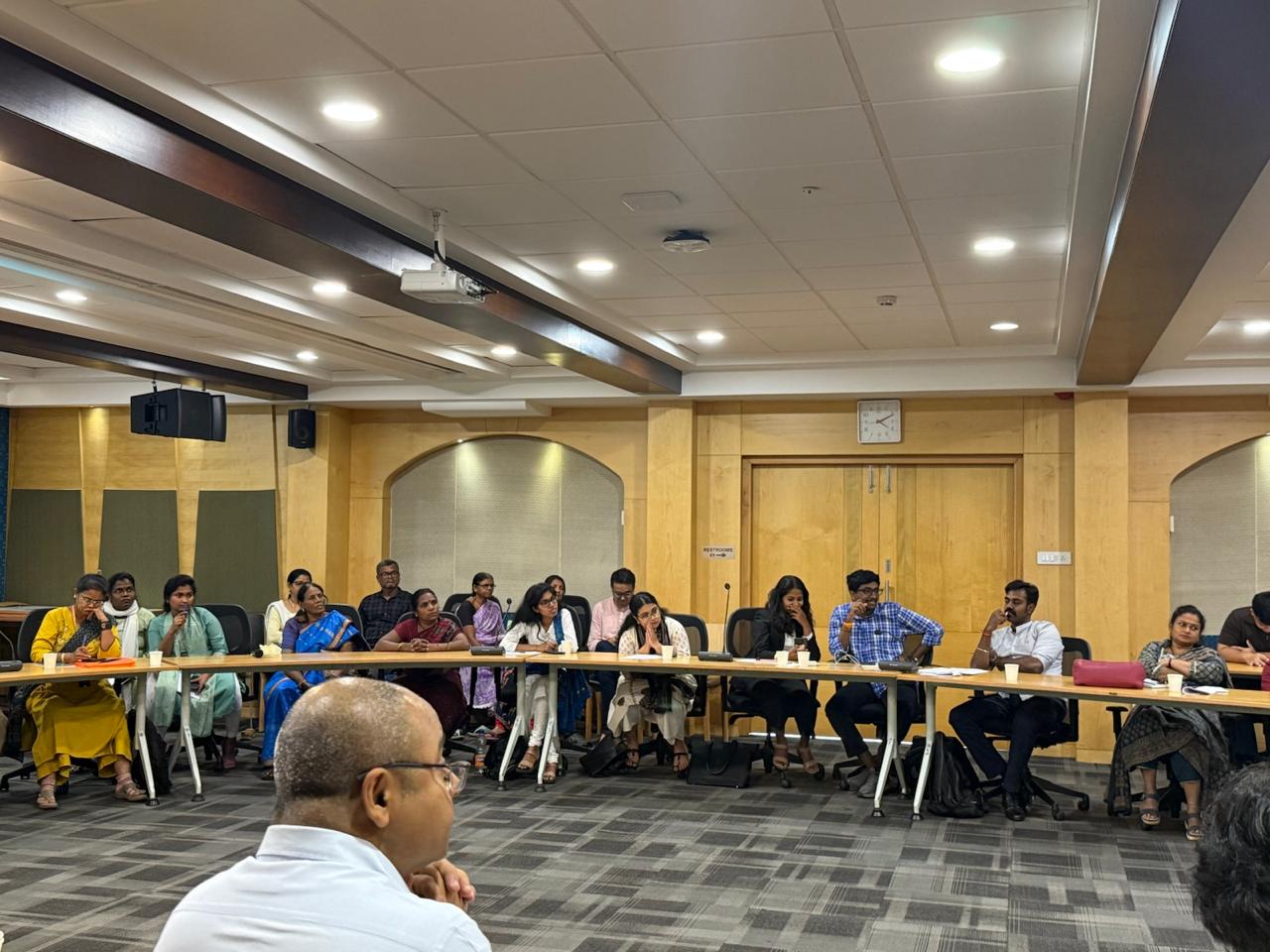
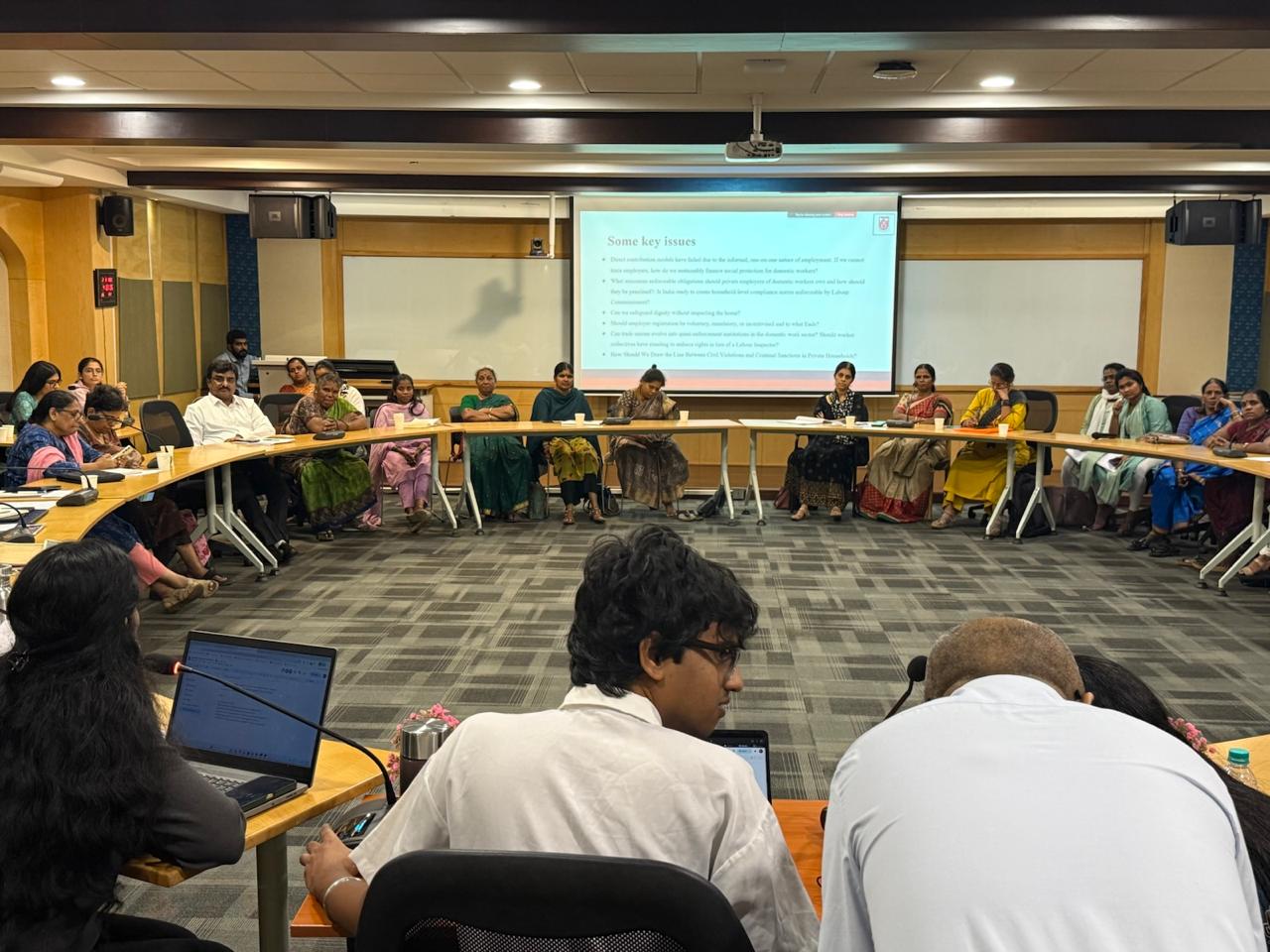
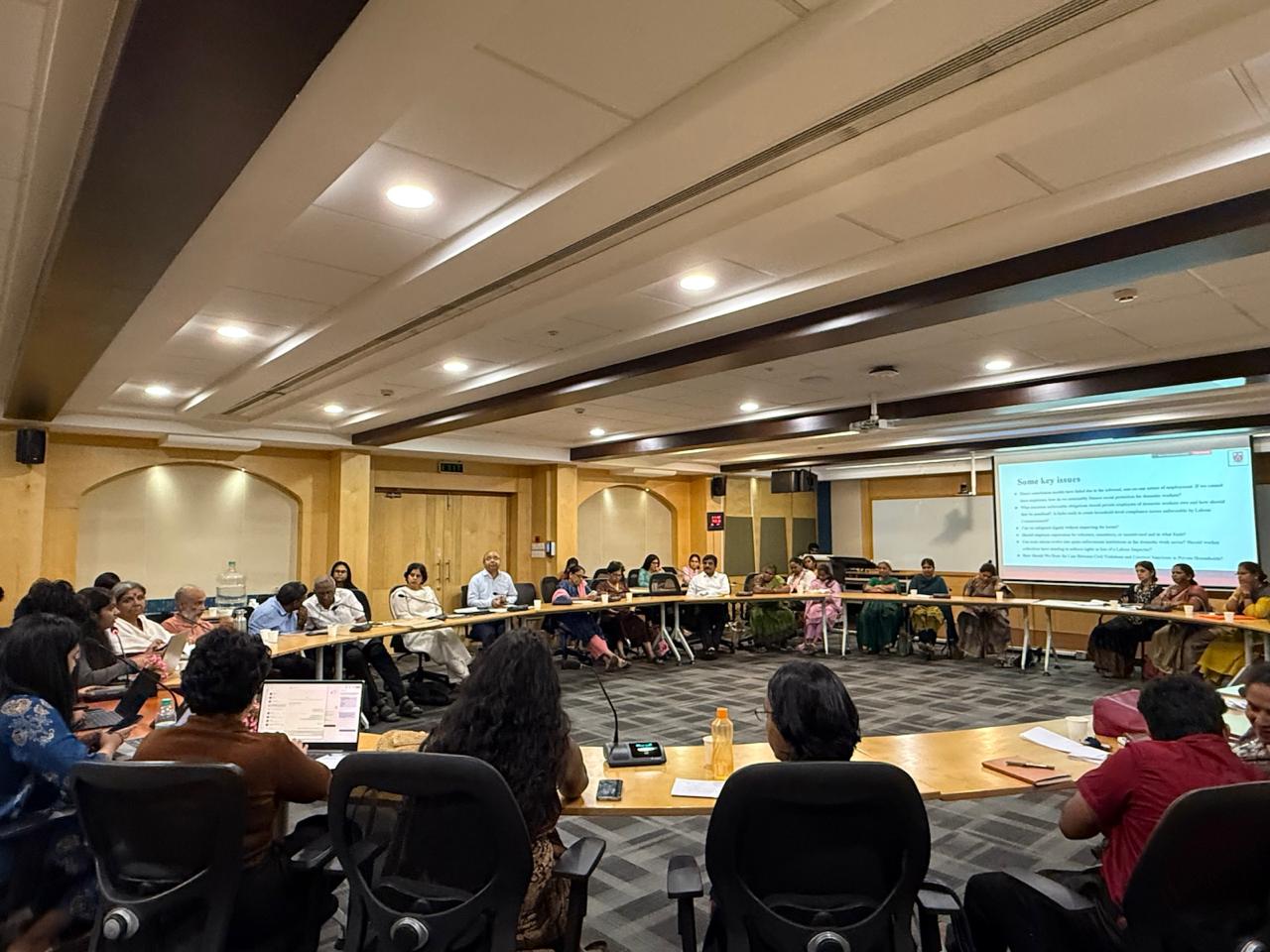
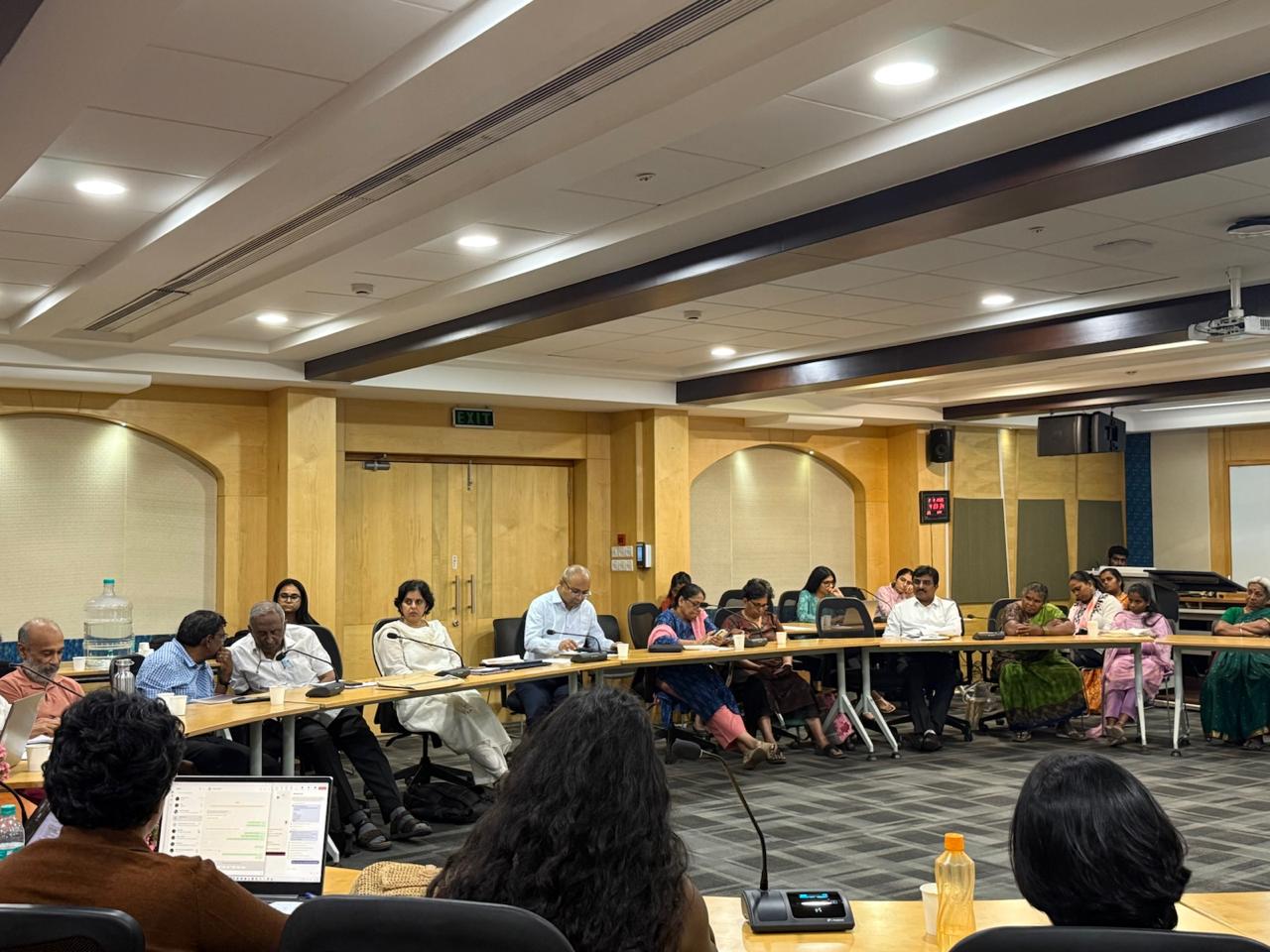
Guest speaker Dr. Natalie Sedacca of Durham University will present the fifth chapter of her book project at the faculty seminar on January 22, 2025, at the Ground Floor Conference Hall at NLSIU’s Training Centre.
Abstract
A central construction in the devaluation of domestic work is the presentation of paid domestic workers as akin to members of their employer’s family, which is highly gendered and masks deeply unequal relationships, overlapping with marginalisation based on factors like race / ethnicity, caste, migration status and class. This devaluation is manifested through legal frameworks excluding domestic workers from protections applicable to other sectors, including on minimum wages. This chapter examines devaluation and its manifestations in light of doctrinal and empirical material from four countries: Chile, the UK, South Africa, and India. It argues that while the familial discourse is complex and some workers may identify with it, its overall impact is to perpetuate devaluation, for example, in minimising workers’ demands for improvements and extracting additional work from them. It also examines how a lack of recognition of skills and complexity contribute to devaluation and discusses social reproduction theory as a route towards better valuation of domestic work.
The chapter assesses the extent of domestic workers’ exclusion from rights to minimum wage or key social security provisions applicable in other sectors, arguing that better regulation of these areas to include domestic work generally works against devaluation. Drawing on the case study material, it identifies three broad trends: the relatively strong regulatory framework with countervailing factors maintaining devaluation in Chile and South Africa; the familial discourse and relations of servitude in India; and devaluation based on an exemption from minimum wage that existed for some live-in domestic workers until recently in the UK. The final section explores the role and potential of human rights law in counteracting devaluation, including through recognition of the value of domestic work in findings of forced labour where pay has been denied, and challenges to exclusionary frameworks using indirect discrimination. Beyond equalisation with existing frameworks, I examine the arguably stronger right to a living wage and to fair pay, which is derived from social rights instruments, arguing for an approach to these rights that properly accounts for the value of feminised domestic work.
About the Speaker
Dr. Natalie Sedacca is an Assistant Professor in Employment Law at Durham University.
Her research focuses on human rights and labour law, with a particular interest in domestic workers and other marginalised workers, and in issues of gender and migration. Her PhD, completed at UCL in 2021, analysed the legal position of domestic workers and their frequent exclusion from protective labour law legislation in relation to two case studies, Chile and the UK, and criticised this from a human rights perspective. Natalie is now working on a book project arising from the PhD, which also includes case studies of South Africa and India.
Natalie has been a co-investigator on a funded project conducted as an equal partnership between NGOs and academics about the effects of conditions for agricultural and care work visas in the UK on workers’ vulnerabilities to trafficking and other forms of modern-day slavery. Natalie’s other research projects include: the human rights implications of the ‘hostile environment’ for migrant women; the rights of domestic and childcare workers in the ‘gig economy;’ and addressing violence and harassment at work.
Natalie is on the Research Committee for the Society of Legal Scholars and was previously the joint convenor for its Labour Law section from 2021 – 24. Natalie is a trustee for the migrant domestic worker NGO Kalayaan and is on the Executive Committee of Lawyers for Palestinian Human Rights.
Before entering academia, Natalie was a solicitor specialising in claims against the police and public authorities. She practised in this area for seven years post-qualification.
Reflections from the Speaker
“I am delighted to be visiting NSLIU, Bengaluru for the first time, and am very grateful to Dr. Saurabh Bhattacharjee and the Centre of Labour Studies for hosting me. I am currently working on a book project on the rights of domestic workers and the relevance of human rights law to challenging a lack of protection, which includes India as one of its case studies. I was introduced to NSLIU following a visit by my Durham colleague Dr. Clara Martins-Pereira and was particularly drawn to the Centre for Labour Studies, whose work overlaps in with my research interests on various topics such as informal work, precarious employment and forced labour. Since arriving at NSLIU, it has been very illuminating for me to meet with Centre members and hear more about their projects, which I hope will lead to future research collaborations.
In the Faculty Seminar on 22 January 2025, kindly organised by Ammel Sharon, I presented a draft of chapter five of my book project, entitled ‘The Devaluation of Domestic Work: Regulatory Reform and Challenges to the Perception of a ‘Family-Like’ Relationship.’ This chapter examines the ways in which a presentation of paid domestic workers as akin to members of their employer’s family devalues domestic work, overlapping with factors such as race, migration status and class. I examine how these discourses of devaluation overlap with regulatory regimes drawing on doctrinal and empirical material from four countries: Chile, the UK, South Africa, and India. The chapter also explores the role and potential of human rights law in counteracting devaluation and challenging exclusionary frameworks.
It was extremely helpful to receive feedback on my draft from legal academics and social scientists at NSLIU, ranging from technical comments on Indian law to conceptual questions on defining work and its value.”
The Queer Archive for Memory, Reflection, and Activism (QAMRA) Archival Project is organising an Open Day for the NLS Community on January 15, 2025, with an aim to engage with and reflect on the histories and lives of queer movements in India. Come by to look at archival materials on display, learn about QAMRA’s archival collections and the histories of queer activism and legal struggles in India.
About the Open Day
The Open Day will open with a short introduction to the archive, which will be hosted from 11 am to 11:30 am. The NLS Community is encouraged to come and interact with archival material and video footage between 11 am and 5 pm.
About QAMRA
The Queer Archive for Memory, Reflection, and Activism (QAMRA) chronicles the lives, reflections and memories of queer persons in India. It holds interconnected collections of individuals and organizations, whose work has had a demonstrable impact on Indian society and law, making it an archive of national and international significance.
Reflections from the QAMRA team
The Open Day hosted by QAMRA was met with a warm and thoughtful response from visitors, both from NLS and from beyond its community. It began by giving the guests an overview of QAMRA’s work as an archive, providing an overview of the display selection. The team spotlighted a variety of material, ranging from legal documents and personal interviews from the movement against Sec. 377, books and booklets with historical significance to queer life and activism, postcards celebrating queer joy and expression, and video clips from the queer movement over the years. The display also showcased photos and objects from the first and subsequent Bangalore Pride marches. A student-made chart from an elective course previously delivered by QAMRA was also on display, highlighting the archive’s engagement with the student body.
Visitors keenly and thoughtfully engaged with the material, expressing interest in wanting to visit again and spend more time closely looking at the archive’s holdings. As QAMRA, we look forward to further engagement with the NLS community.
The QAMRA Archive is located in the New Academic Block-113 (Ground Floor), and is open to visitors on Thursdays and Fridays (2:00pm – 5:30pm).
In this week’s faculty seminar, Noor Ameena, Assistant Professor of Law at NLSIU will be presenting on “Muslim Law and Legal Pluralism: Intersections of State and Community in Matrimonial Dispute Resolution among Muslims in Kerala.”
Abstract
Even though Muslim Personal Law occupies a disproportionate space in the Indian public sphere, the diversity of personal law practices is seldom explored. In this thesis, I intend to provide a field view of Muslim Personal Law through Family Courts, Mahal Committees and Qazi Offices. The study is set in Kerala. The study brings out the evolving jurisprudence of Muslim Personal Law through Family Courts. Within the framework of legal pluralism, the study examines the interaction between state and community systems of matrimonial dispute resolution, and how the rights and entitlements of the parties are mediated through these forums. It also studies how individuals, as well as the community, respond to the incursions by the state into their personal law. The study finds that the state and community systems of dispute resolution constantly collaborate with one another. The individuals engage with these systems by strategic inter-use to derive the desired results. There is a systemic and strategic integration of state and community systems. There is a constant process of secularization in this domain, however when this happens, the community is ‘holding on to religion’ in terms of substantive law, and ‘ceding to state’ in procedural law. In response to the incursions of state, the community law and systems are re-adjusting themselves into the boundaries set by the state, without completely losing their identity.
NLSIU will be conducting an information session on the NLS B.A. (Hons.) Programme on Friday, January 10, 2025, from 6:00 PM – 7:00 PM IST. This online information session will provide information about the university, the structure of the B.A. (Hons.) Programme and the application process.
The new BA (Hons.) is a 3-year programme with the option of an additional 4th year, being offered in the upcoming Academic Year 2025-26! The NLS BA is uniquely designed to include: Common Core Foundational Courses, Majors and Minors, Open Electives, Languages, Practice Courses and Internships.
Admission will be on the basis of an all-India National Law School Admission Test (NLSAT-BA).
Dr. Atreyee Majumder, BA (Hons) Committee Head and Associate Professor, Social Science, NLSIU
This information session is free and open to all candidates who have registered an interest in the programme. To register for the online information session, click here.
If you are planning to appear for the NLSAT – BA, don’t forget to complete your registration (and payment) at nlsatadmissions.nls.ac.in before March 23, 2025.