Prof Krishnaswamy spoke at a panel discussion on Monday, February 16, 2026, titled ‘The Governance Gap: Designing Global Standards for AI Advisory Boards,’ which was hosted by the Oversight Board. His co-panellists were Saurabh Karn, Founding Member, Saravm AI and Julie Owono, Executive Director, Internet Sans Frontières. The panel explored minimum requirements for AI governance bodies and how ethical decision-making structures can function across companies of all sizes. The session explored lessons on structural independence, transparency, and human rights frameworks.
NLSIU has been actively shaping conversations on AI governance in the lead-up to the Summit. It hosted two official pre-Summit events held at the University campus in Bengaluru in January.
The first event, held on January 17, featured a Keynote Address by Dr. Akash Kapur, Visiting Research Scholar and Lecturer, Princeton University. In his lecture titled “AI in the Global South: DPI as an AI Governance Approach,” he examined AI governance in the Global South, with a focus on India and how a DPI-led approach aligns with broader global regulatory models.
The second event, held on January 24, was a panel discussion on AI Governance in the Global South. The session reflected on India’s newly released AI guidelines and explored emerging governance patterns across the Global South, bringing together experts from industry, policy, and academia.
The programme also featured discussions on the transformation of the regulatory landscape, emergent use cases for generative AI tools in automation, and the ethical and professional responsibilities surrounding access and bias.
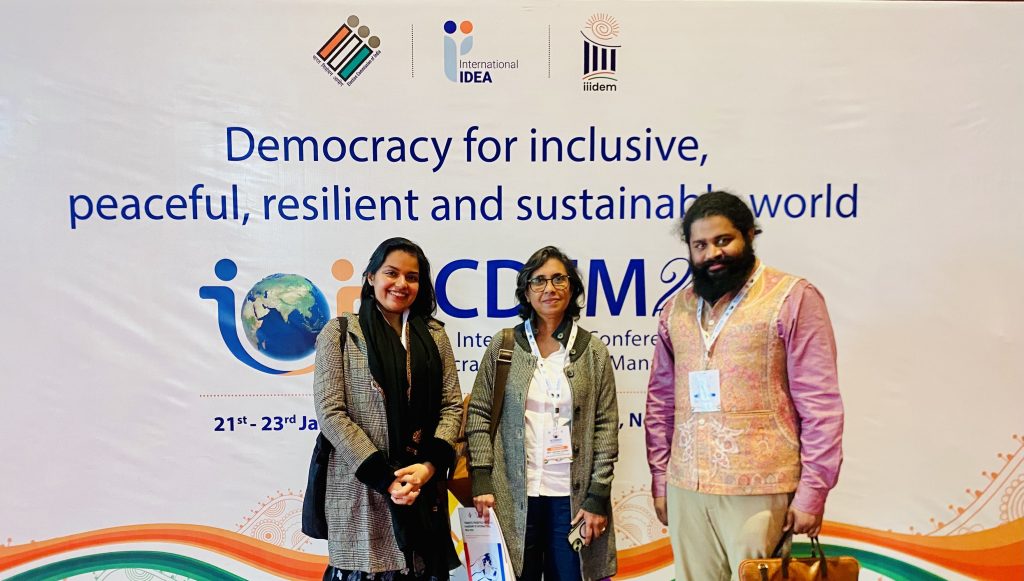
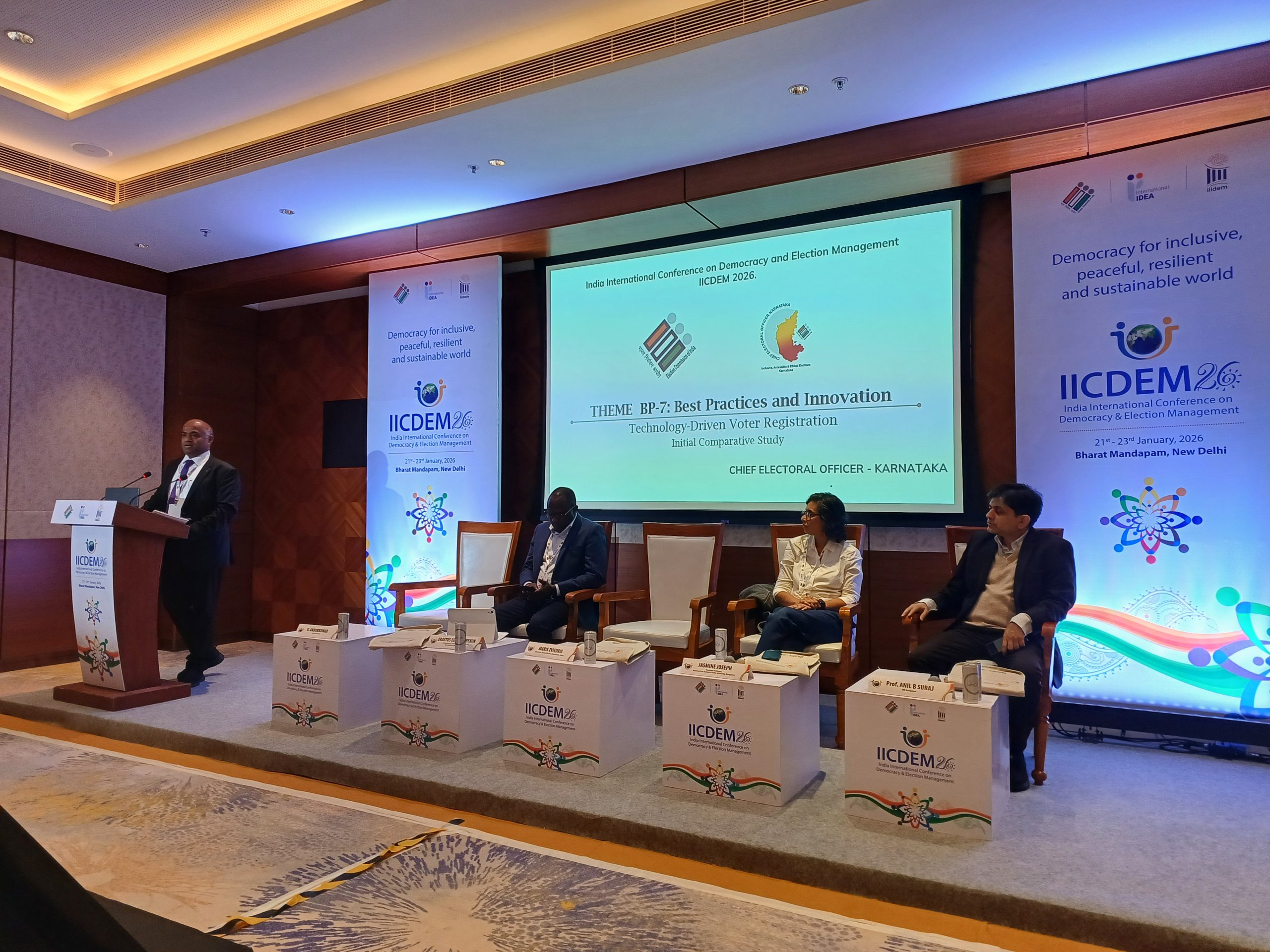
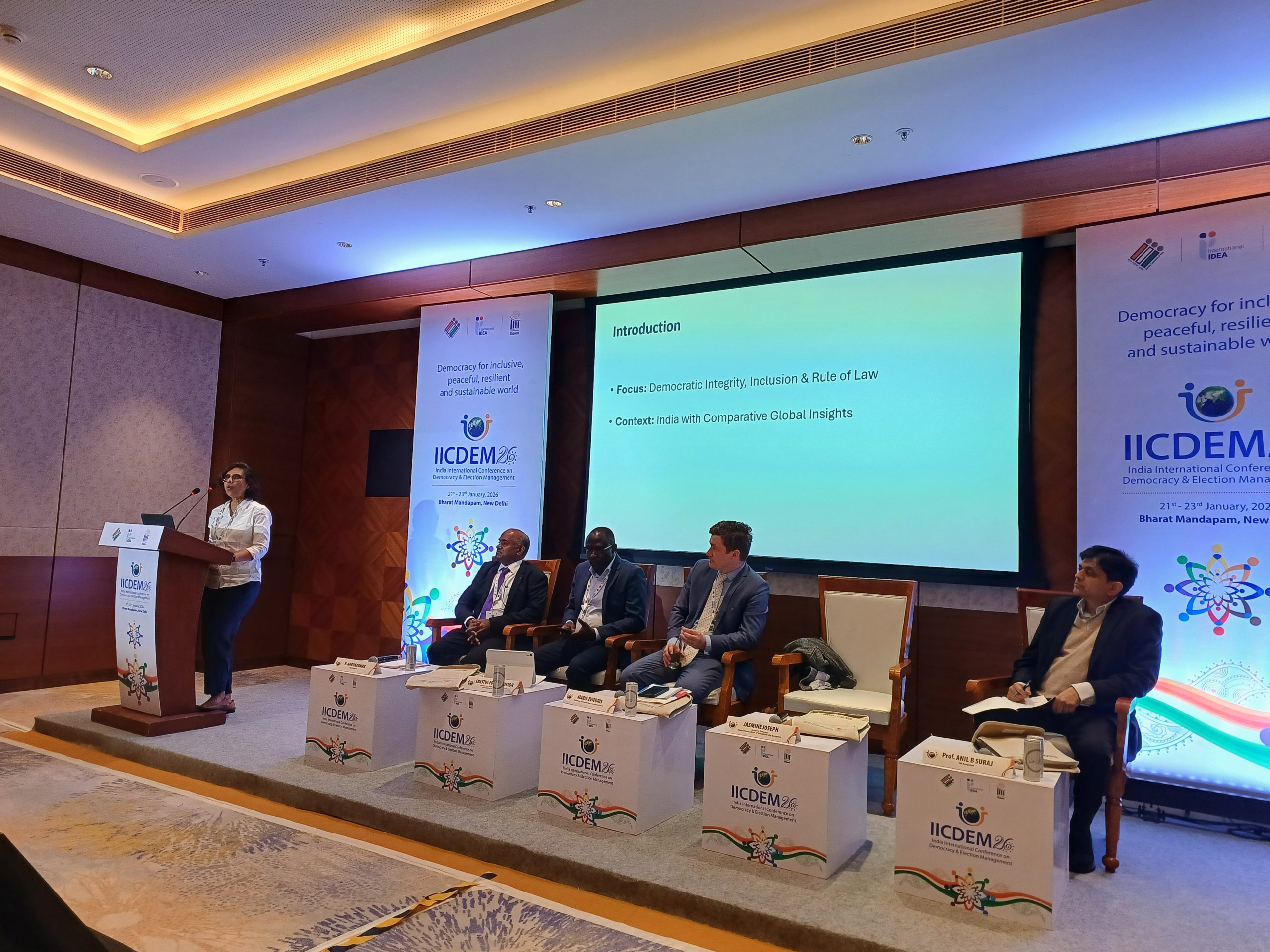
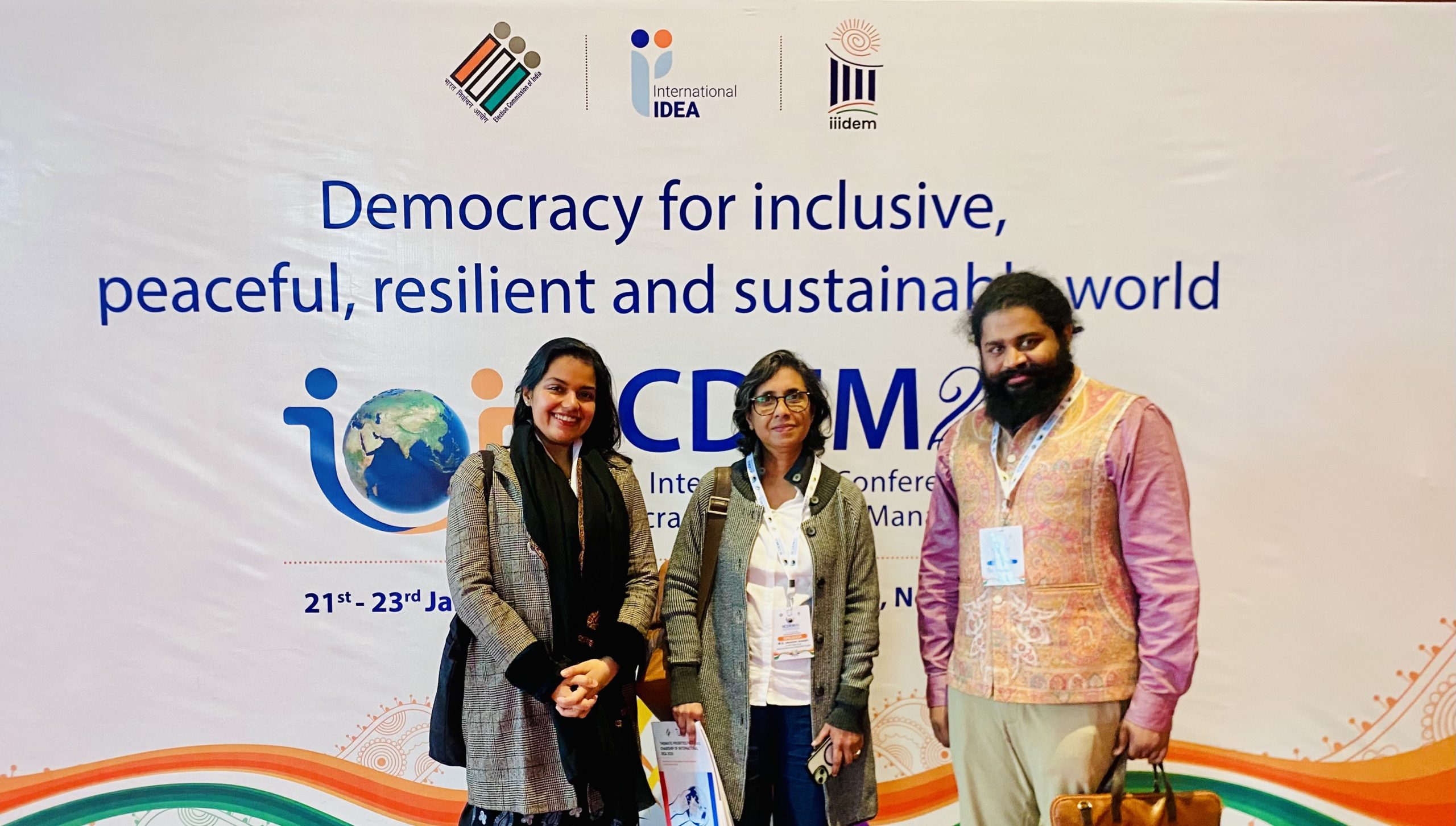
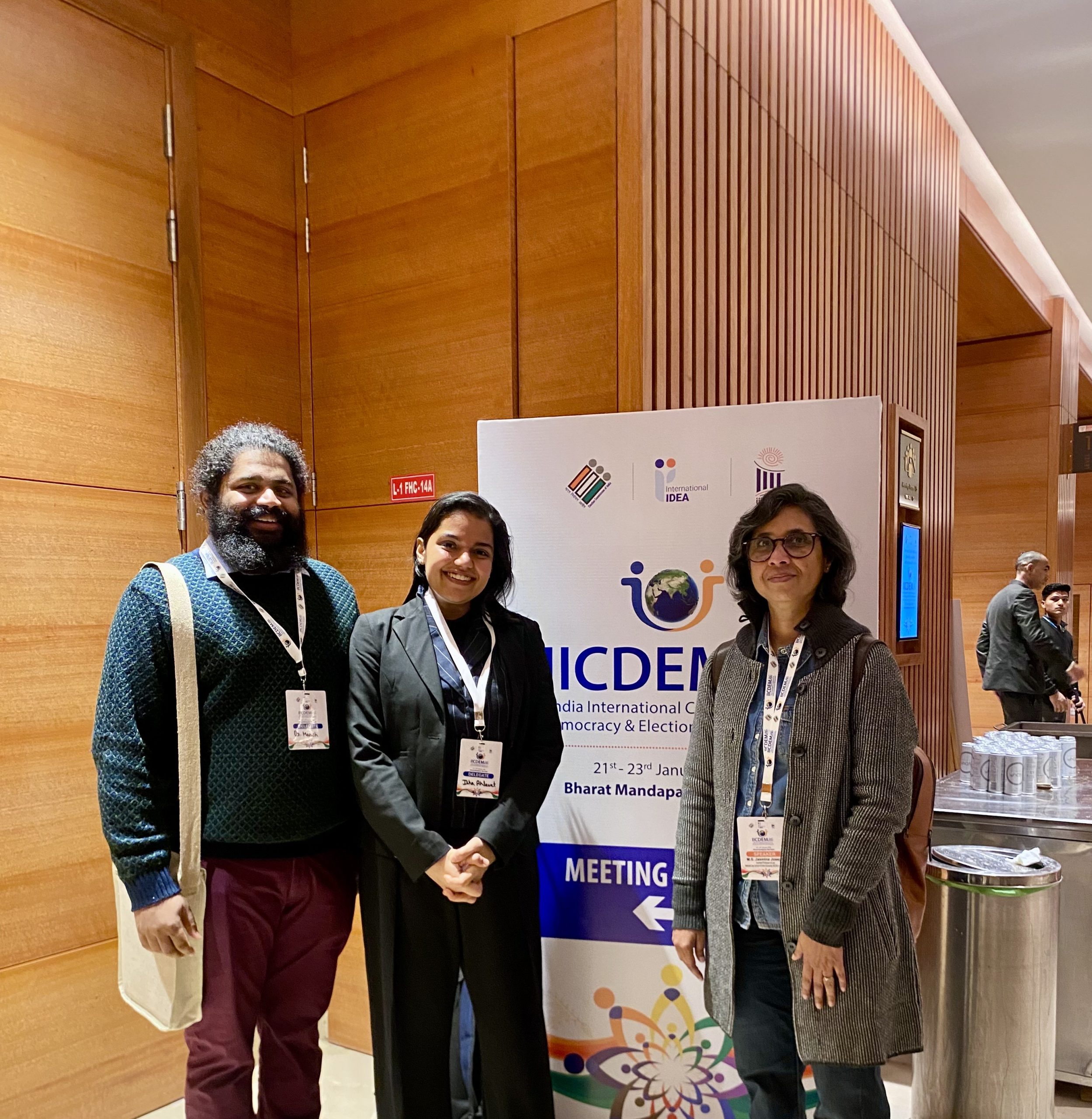
The NLSIU team participated in several discussions, including on ‘Purity of Electoral Rolls,’ ‘Technology-driven Voter Registration,’ ‘Artificial Intelligence and Elections,’ ‘Counting and Tabulating Results,’ and ‘Tackling Misinformation and Disinformation in Elections,’ and engaged with a range of stakeholders from the Election Commission of India and other institutions. Jasmine Joseph also made a presentation titled ‘Technology-driven Voter Registration: A Legal and Constitutional Perspective.’
About the Conference
IICDEM 2026 was the largest global conference of its kind hosted by India in the field of election management and democracy, attended by nearly 1,000 participants including 60 international delegates representing 42 Election Management Bodies (EMBs), Ambassadors/High Commissioners of 27 countries, senior officers of the ECI, and 36 Chief Electoral Officers (CEOs) from across India representing all 28 States and 8 Union Territories. The Conference was held to mark India’s assumption of the Chairship of the Council of Member States of International IDEA for the year 2026, anchored in the theme ‘Democracy for an inclusive, peaceful, resilient and sustainable world.’ Shri Gyanesh Kumar, Hon’ble Chief Election Commissioner, India presided over the gathering.
During IICDEM, 36 thematic groups, led by CEOs of States/UTs, supported by leading academic institutions, national and international academic experts, contributed to in-depth deliberations on cross-cutting global electoral themes, model international electoral standards, and best practices and innovations in electoral processes.
The Bhovi community in Karnataka continues to experience historical social exclusion, educational backwardness, economic vulnerability, and limited access to legal and constitutional awareness. Despite constitutional safeguards and multiple welfare legislations, the benefits of social justice laws and government schemes often fail to reach the community due to lack of awareness, legal literacy, and leadership capacity at the grassroots level.
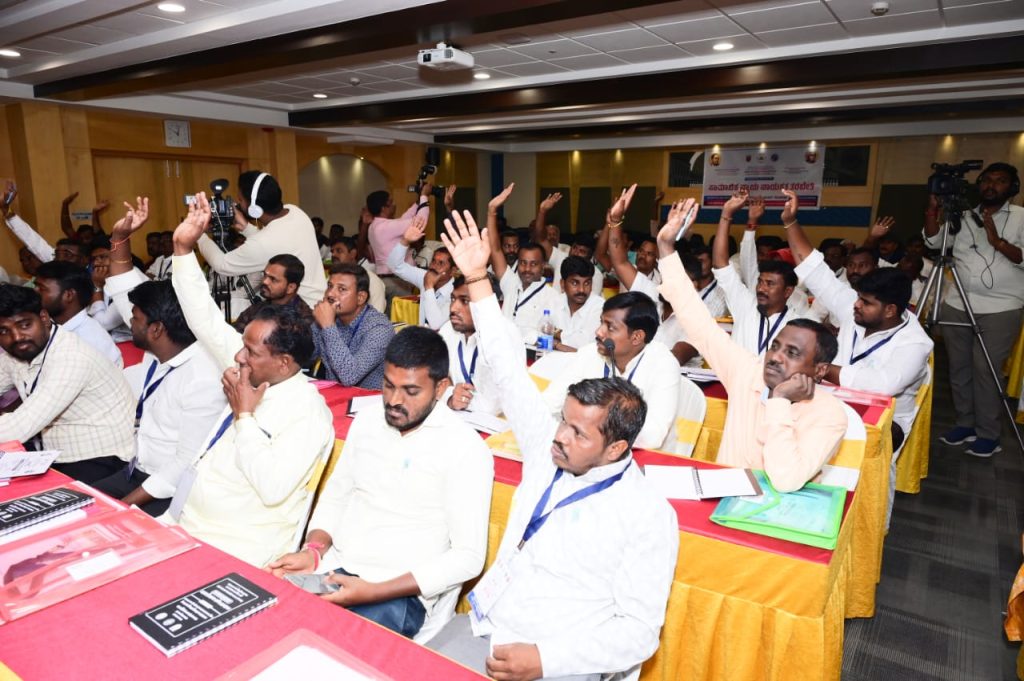
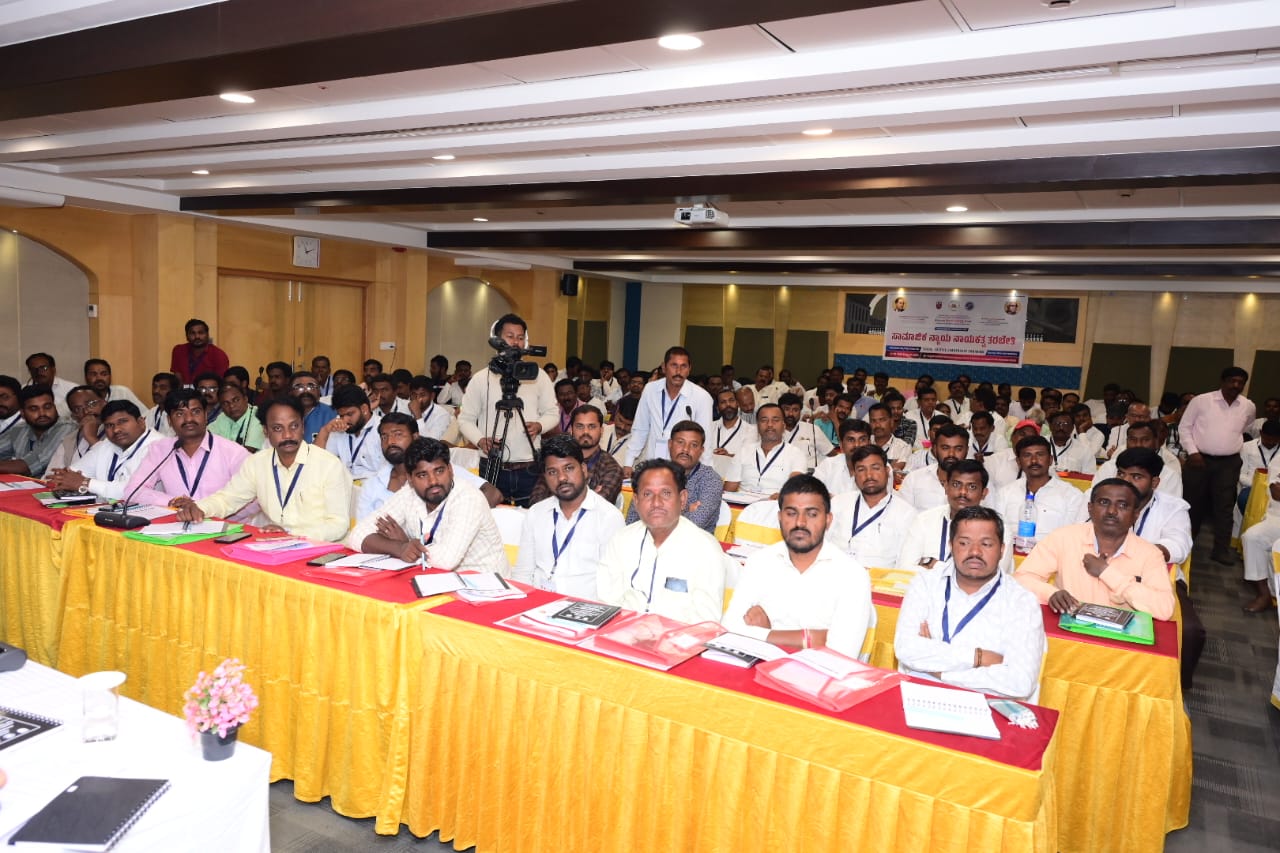
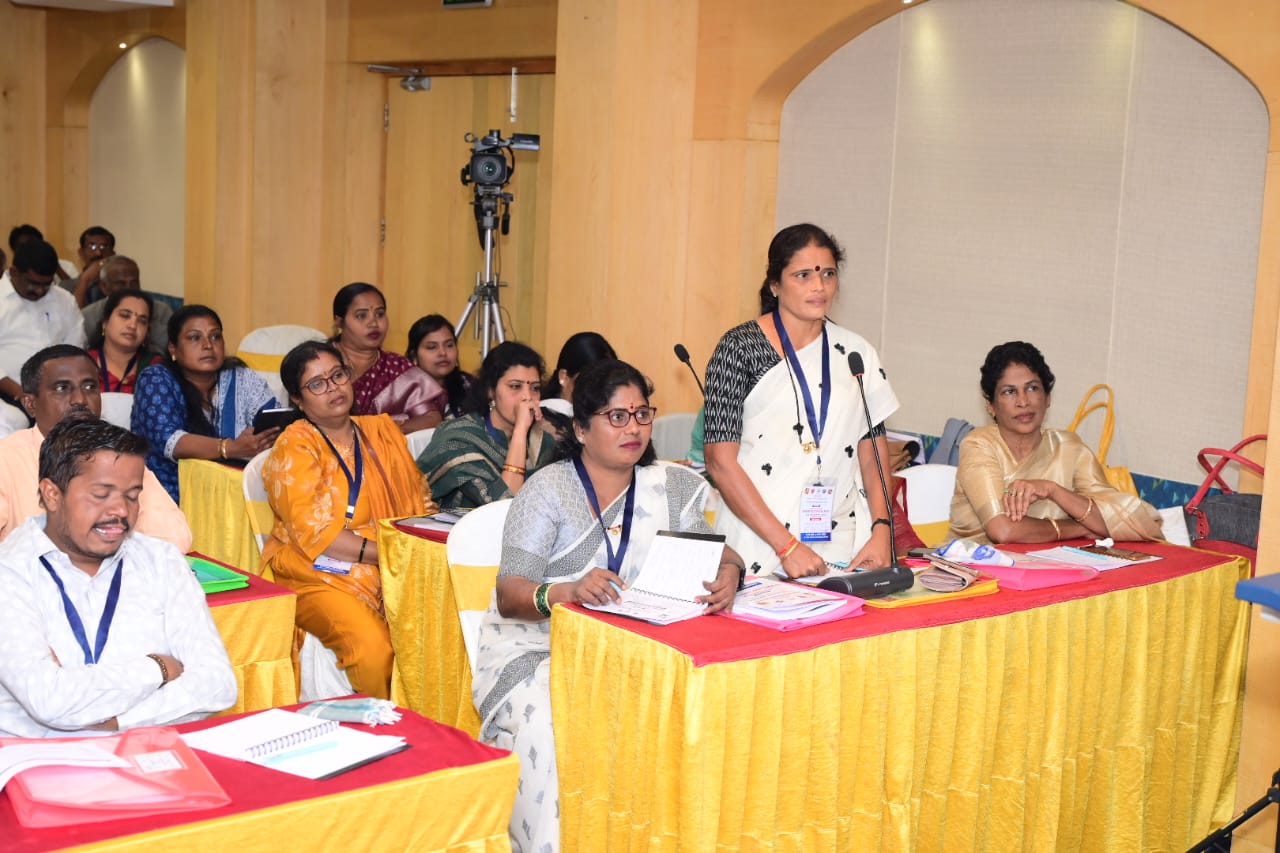
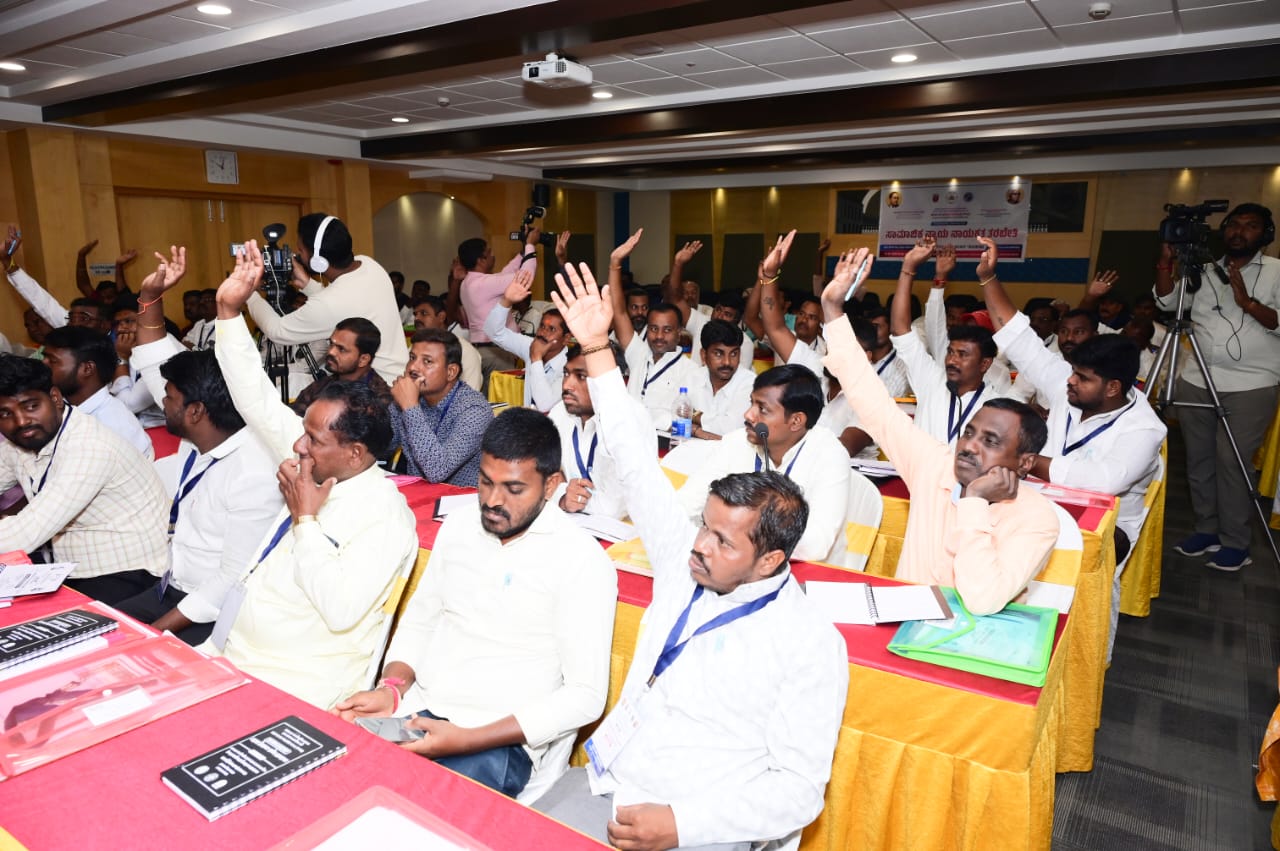
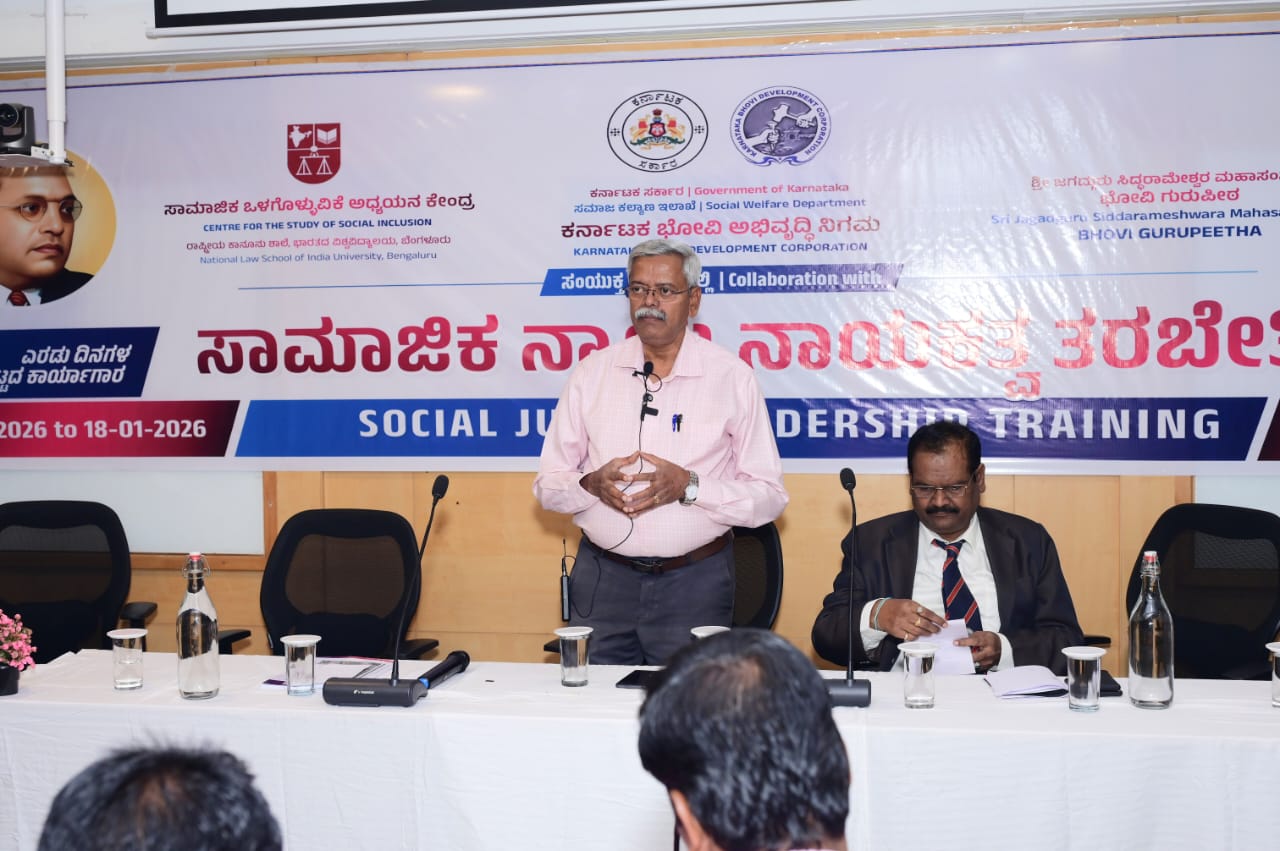
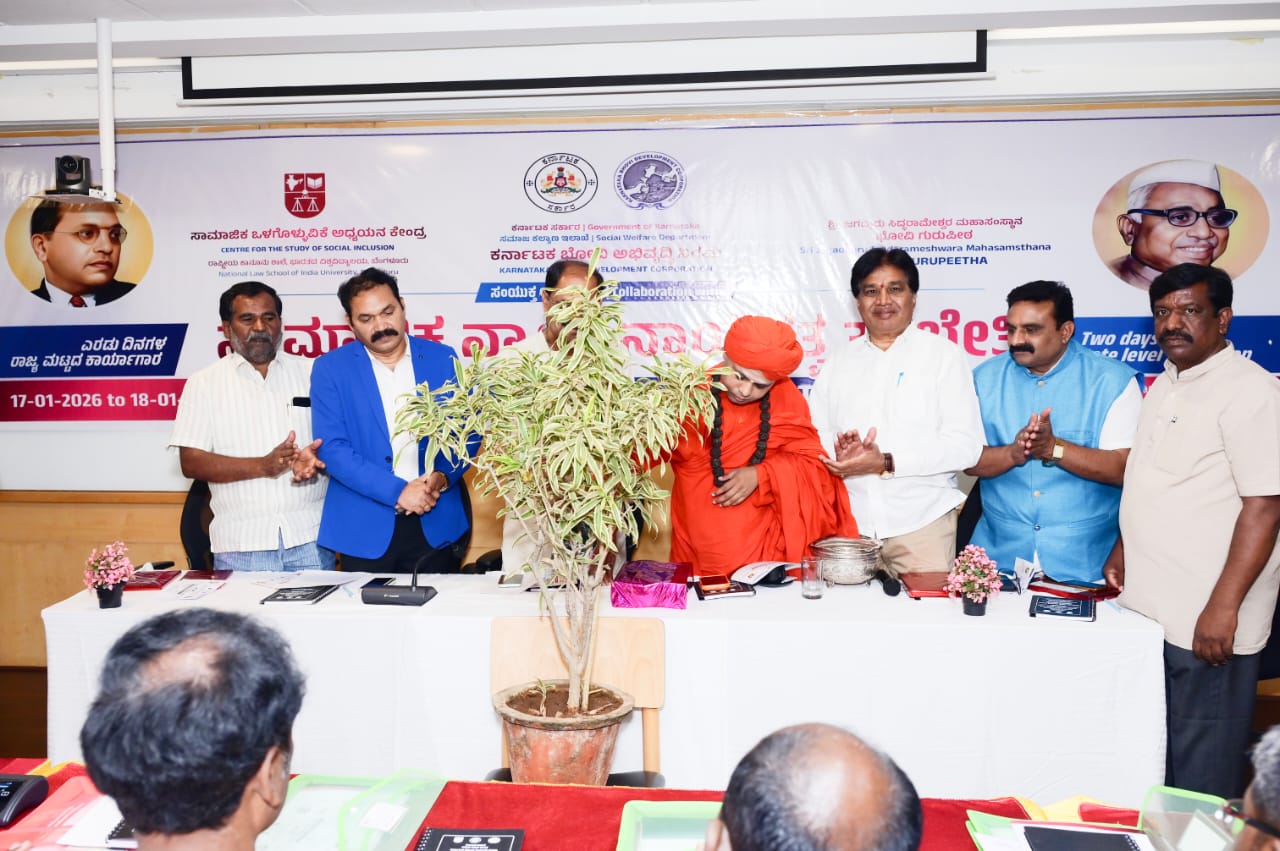
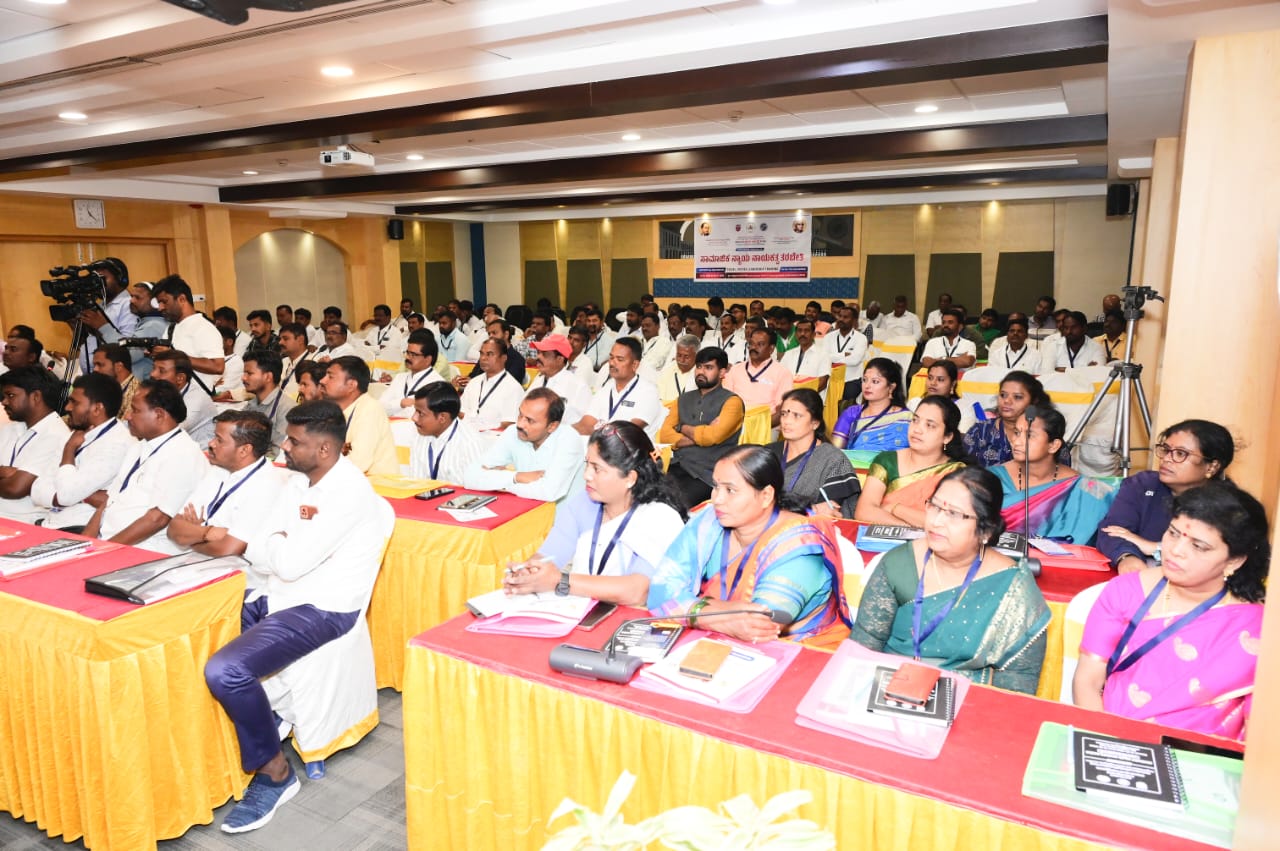
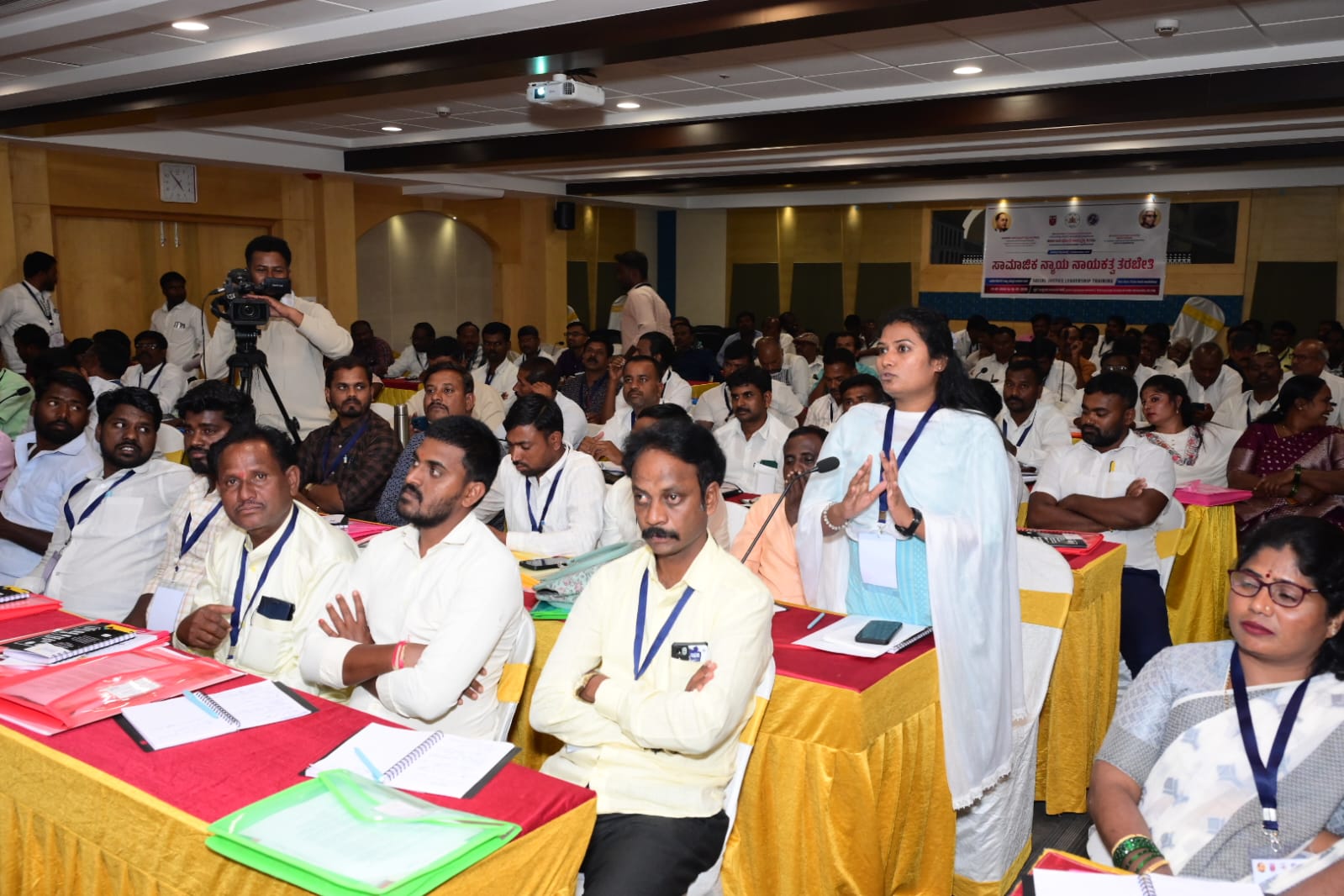
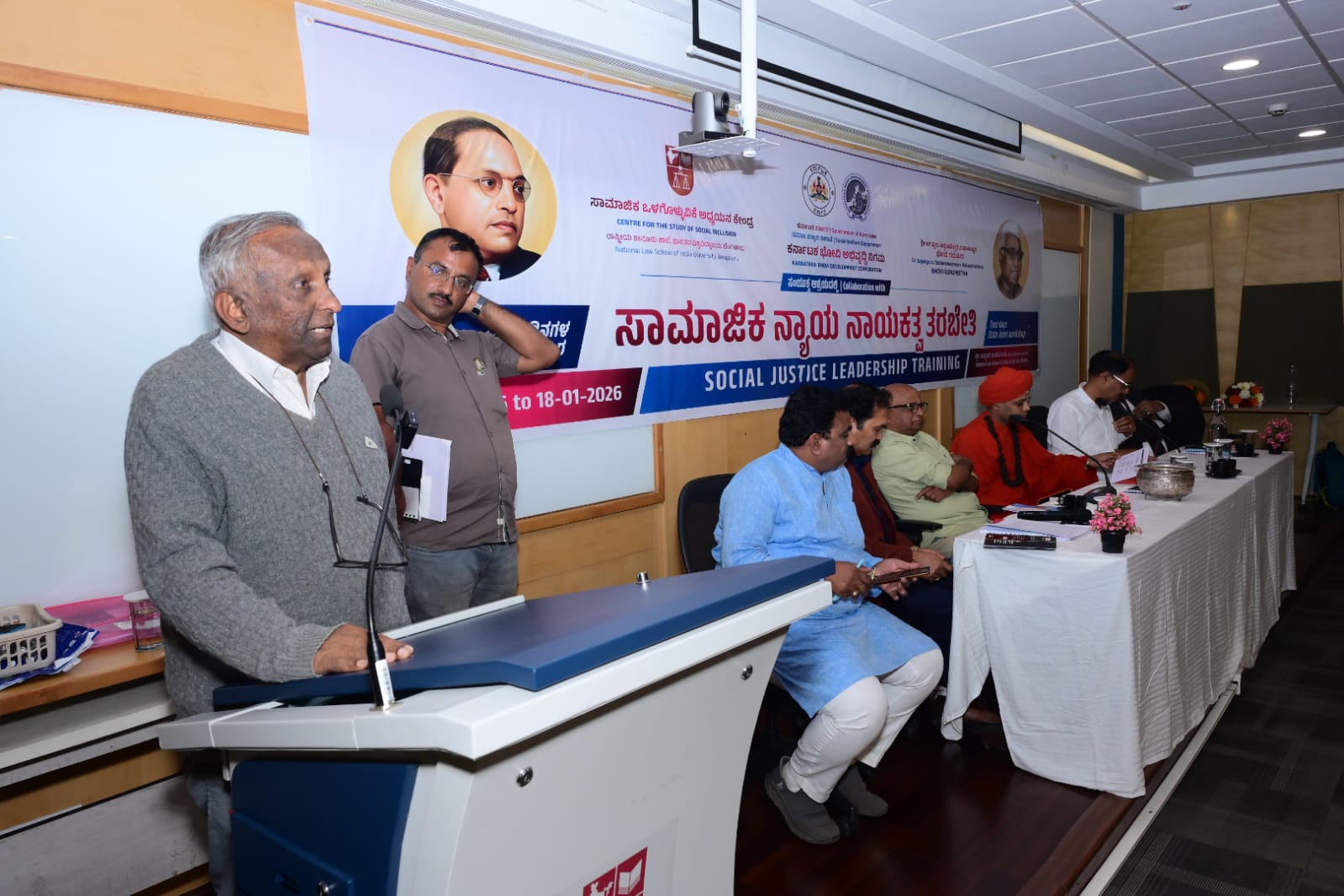
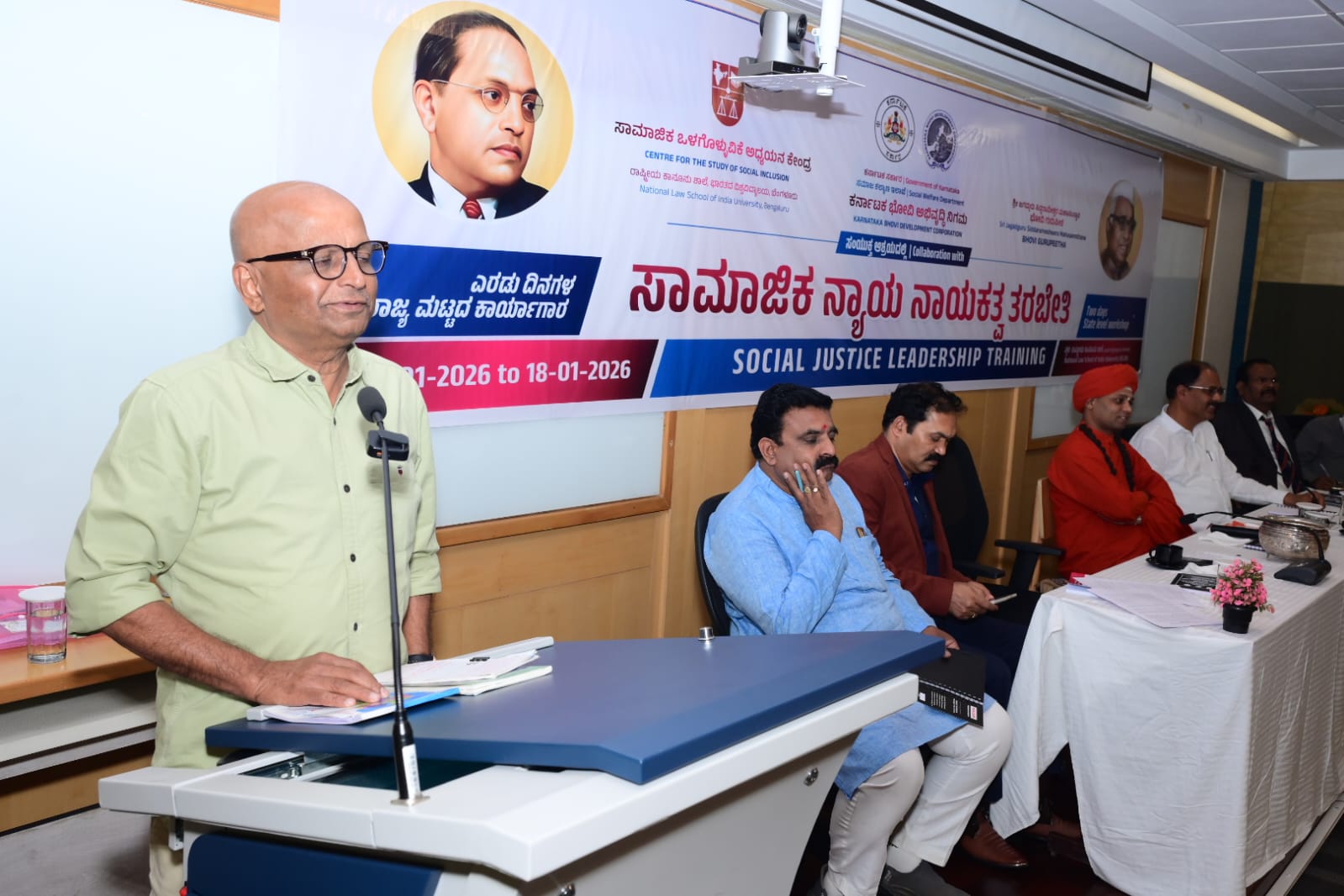
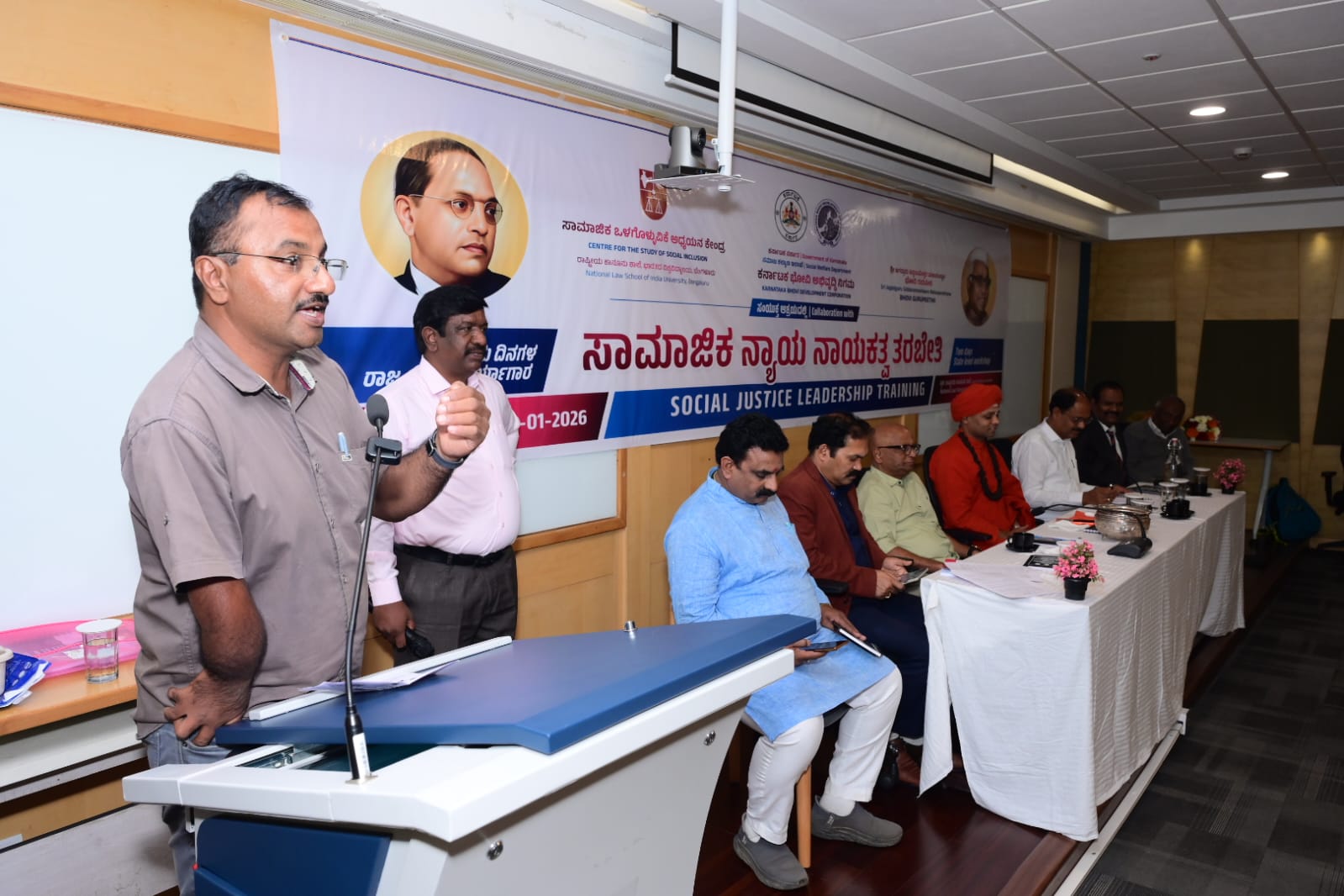
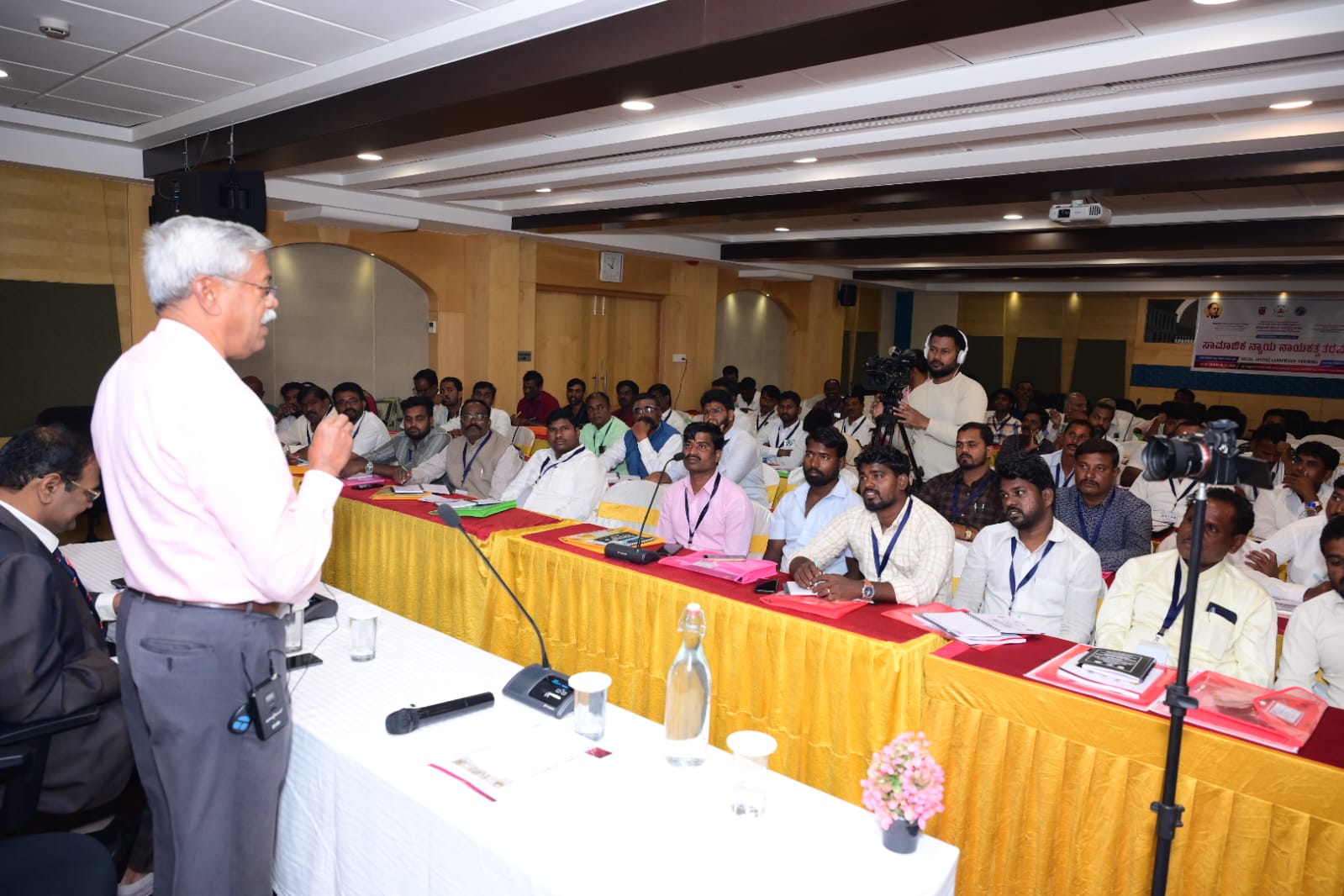
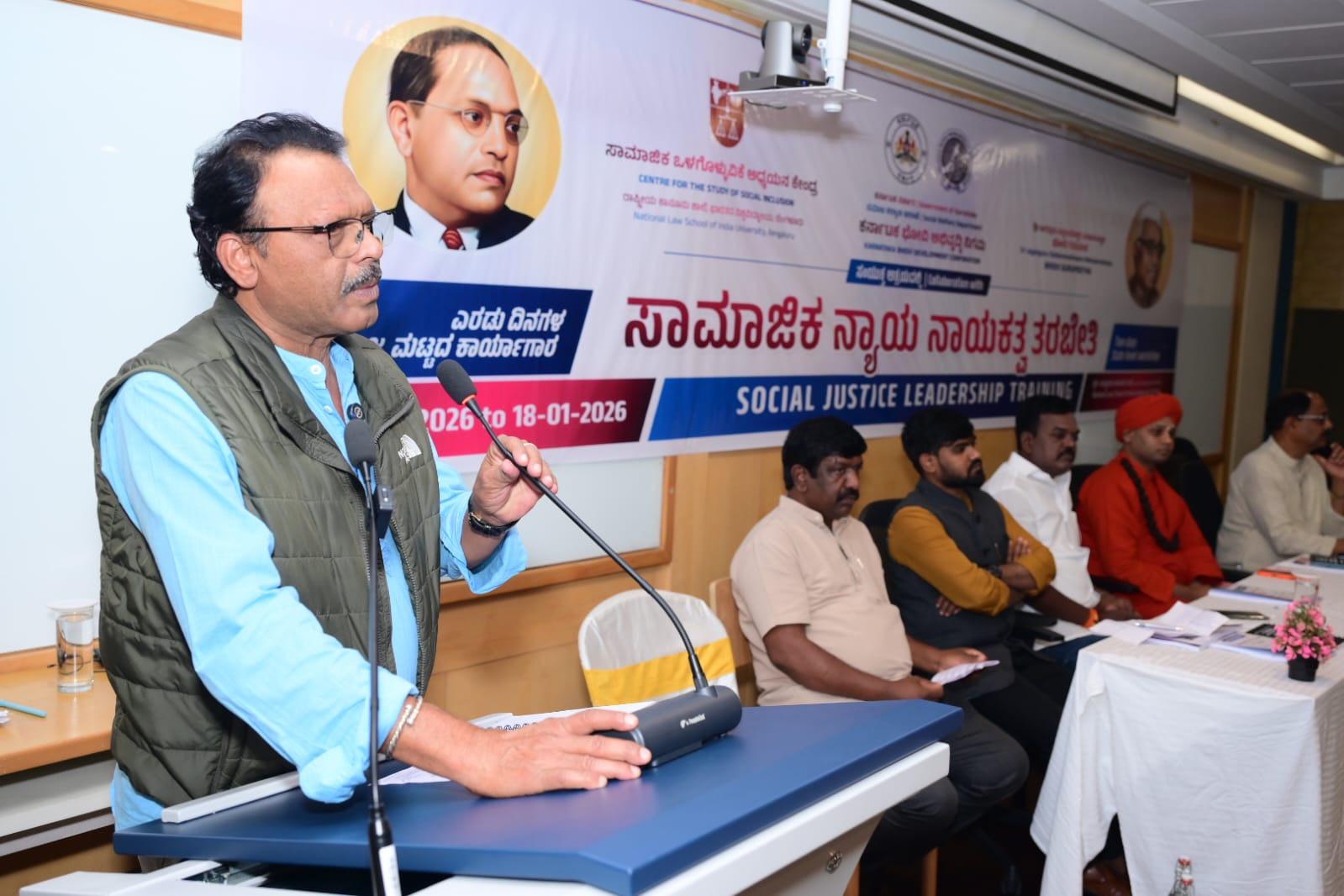
Recognising this critical gap, the Karnataka Bhovi Development Corporation, in collaboration with the Centre for the Study of Social Inclusion, National Law School of India University, conceived and implemented a state-level leadership training programme aimed at empowering Bhovi youth and community leaders with constitutional knowledge, legal awareness, and leadership skills. The workshop was held on January 17 and 18, 2026, at the NLSIU campus.
It is significant to note that even after 75 years of Independence, this was the first structured and comprehensive training programme focussed exclusively on the Constitution and social justice laws for the Bhovi community, marking it as a landmark and historic initiative.
Objectives of the Programme
The key objectives of the training programme were:
To create awareness among Bhovi community youth regarding constitutional values, fundamental rights, and social justice legislations.
To enhance understanding of education, health, economic and social development from a constitutional and rights-based perspective.
To disseminate information on government welfare schemes and development programmes relevant to Scheduled Castes.
To explain implementation challenges of social justice laws and identify practical remedies at the local level.
To develop community-level social justice leadership capable of guiding and supporting vulnerable groups.
To promote grassroots dissemination of legal awareness through trained youth leaders.
Participants:
Total Participants: 180 Bhovi community youth, community leaders, social workers and advocates.
The training programme comprised structured, theme-based sessions delivered by eminent subject experts drawn from the judiciary, academia, civil society, and legal practice. Each session combined conceptual grounding, statutory interpretation, and practical guidance, enabling participants to understand both the intent and implementation of social justice legislations.
Reservation Policy and Milestones of Social Justice
This session provided a historical and constitutional overview of reservation policy in India, tracing its evolution from pre-Independence social reform movements to post-Constitutional jurisprudence. The focus was on the role of reservation as an instrument of substantive equality, social inclusion, and redistribution of opportunity, rather than as a welfare concession.
Dr. Banjagere Jayaprakash, Cultural Thinker, elaborated on the philosophical foundations of social justice, the contributions of social reformers, and the ethical imperatives underlying affirmative action.
Mr. Dinesh Amin Mattu, Senior Journalist, examined contemporary debates on reservation, media narratives, and the importance of safeguarding constitutional guarantees for historically marginalised communities.
The session enabled participants to critically understand reservation as a constitutional right linked to dignity and social transformation.
Karnataka Scheduled Castes and Scheduled Tribes (Prohibition of Transfer of Certain Lands) Act, 1978
This session addressed one of the most critical issues affecting Scheduled Caste communities—alienation of granted lands and the legal remedies available for restoration.
Sri Mohan Kumar, Advocate, High Court of Karnataka, explained the objectives, key provisions, and judicial interpretations of the Act, including procedures for filing applications, limitation issues, and common implementation challenges.
Sri Venkatesh Varse, District Judge and Arbitrator, provided insights into adjudicatory processes, evidentiary requirements, and the role of revenue and judicial authorities in ensuring effective enforcement.
Participants gained practical clarity on land rights protection and legal recourse mechanisms under the Act.
Prohibition of Child Marriage Act, 2006 and Child Labour Laws
This session focused on the intersection of social customs, poverty, and child rights violations, with specific reference to child marriage and child labour.
Mr. Venkatesh T., Director, Spandana Women and Child Development Organisation, outlined the statutory framework, preventive and punitive provisions, and the roles of Child Marriage Prohibition Officers, labour departments, and local administration.
The session sensitised participants to early identification, reporting mechanisms, and community-based prevention strategies, emphasising the role of trained youth leaders in safeguarding children’s rights.
This session addressed the policy and fiscal dimensions of social justice through an in-depth discussion on targeted planning and resource allocation.
Dr. Pradeep Ramavath J., Associate Professor, Centre for Livelihood and Social Entrepreneurship, Tata Institute of Social Sciences (TISS), Guwahati, explained the objectives of the SCSP/TSP framework, statutory obligations of departments, budgeting processes, and monitoring mechanisms.
Participants were trained to understand how public resources are planned, allocated, and utilised, enabling them to engage with district and departmental authorities for effective implementation.
Bonded Labour System (Abolition) Act, 1976 and Human Trafficking
This session focused on forced labour, debt bondage, and human trafficking, which continue to affect vulnerable sections despite legal prohibitions.
Mr. William Christopher, Member, State High-Power Committee on Bonded Labour and Human Trafficking, explained the legal definitions, identification processes, rescue and rehabilitation protocols, and inter-departmental coordination mechanisms.
The session equipped participants with knowledge to identify cases of bonded labour and trafficking, facilitate reporting, and support rehabilitation measures at the grassroots level.
Scheduled Castes and Scheduled Tribes (Prevention of Atrocities) Act, 1989
This session dealt with one of the most significant protective legislations for Scheduled Castes, focussing on prevention, prosecution, and victim rehabilitation.
Mr. Shivamani, Advocate, elaborated on the scope of offences, procedural safeguards, and the importance of timely registration of cases.
Mr. Sriram, Advocate, discussed recent judicial interpretations, victim compensation schemes, and the responsibilities of police and district administrations.
Participants were sensitised to rights-based enforcement, legal remedies, and the importance of collective action in addressing caste-based violence and discrimination.
Labour Laws and Workers’ Rights
This session addressed the rights of workers in both organised and unorganised sectors, with particular relevance to migrant and informal labourers.
Prof. Babu Mathew, Director, Centre for Labour Studies, NLSIU, provided an overview of key labour legislations, wage protection, social security entitlements, and dispute resolution mechanisms.
The session enhanced participants’ understanding of labour rights as social justice issues, linking employment, dignity, and constitutional protections.
Overall Training Approach
Across all sessions, emphasis was placed on:
Translating law into practice
Encouraging community-level leadership and intervention
Strengthening the role of trained youth as local social justice facilitators
The comprehensive and interdisciplinary nature of the sessions significantly contributed to the capacity building and empowerment objectives of the programme.
Programme Coordination
The programme was coordinated by Dr. R. V. Chandrashekar, Centre for the Study of Inclusion Policy National Law School of India University, Bengaluru
Outcomes of the Programme
The following outcomes were achieved:
Enhanced legal and constitutional awareness among participants.
Improved understanding of social justice laws and welfare schemes.
Development of a cadre of trained youth leaders capable of community-level intervention.
Strengthened collaboration between government, academia, and community
Resolutions and Way Forward
Participants resolved to:
Conduct local-level awareness programmes in their villages and districts.
Assist community members in accessing legal remedies and government schemes.
Promote constitutional values and social justice principles at the grassroots.
Support victims of injustice through collective, organised action.
The Two-Day State-Level Social Justice Leadership Training Workshop stands as a model capacity-building initiative that effectively combined government support, academic expertise, and community participation. The programme has laid a strong foundation for grassroots leadership, legal empowerment, and social justice advocacy within the Bhovi community across Karnataka.
The National Law School of India University, Bangalore (NLSIU) invites quotations from eligible (individuals/firms/companies/establishments) for the ‘Miscellaneous Civil and Other Works at NLSIU.’ Interested parties are requested to submit their quotations in accordance with the terms and conditions outlined below:
Date of Issue of Quotation: January 28, 2026
Last Date for Submission: February 2, 2026
Evaluation and Awarding of Contract: On or before February 5, 2026 (Tentative)
Contract/Service Start Date: 1st Week of February 2026 or before (Tentative)
Please refer to the scope of work and other terms and conditions in the official notification here.
For Bill of Quantities, refer to Annexure 1 here.
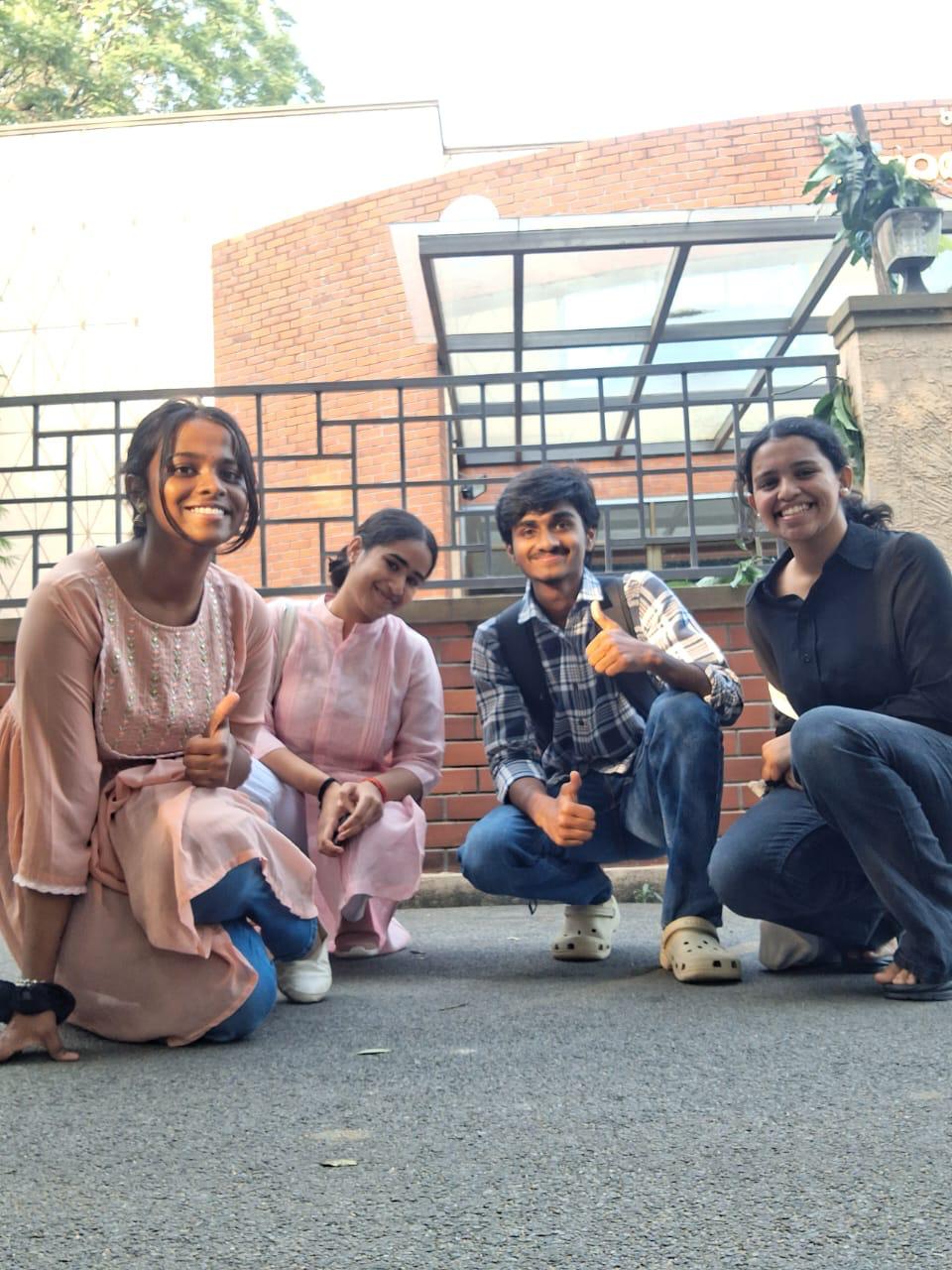
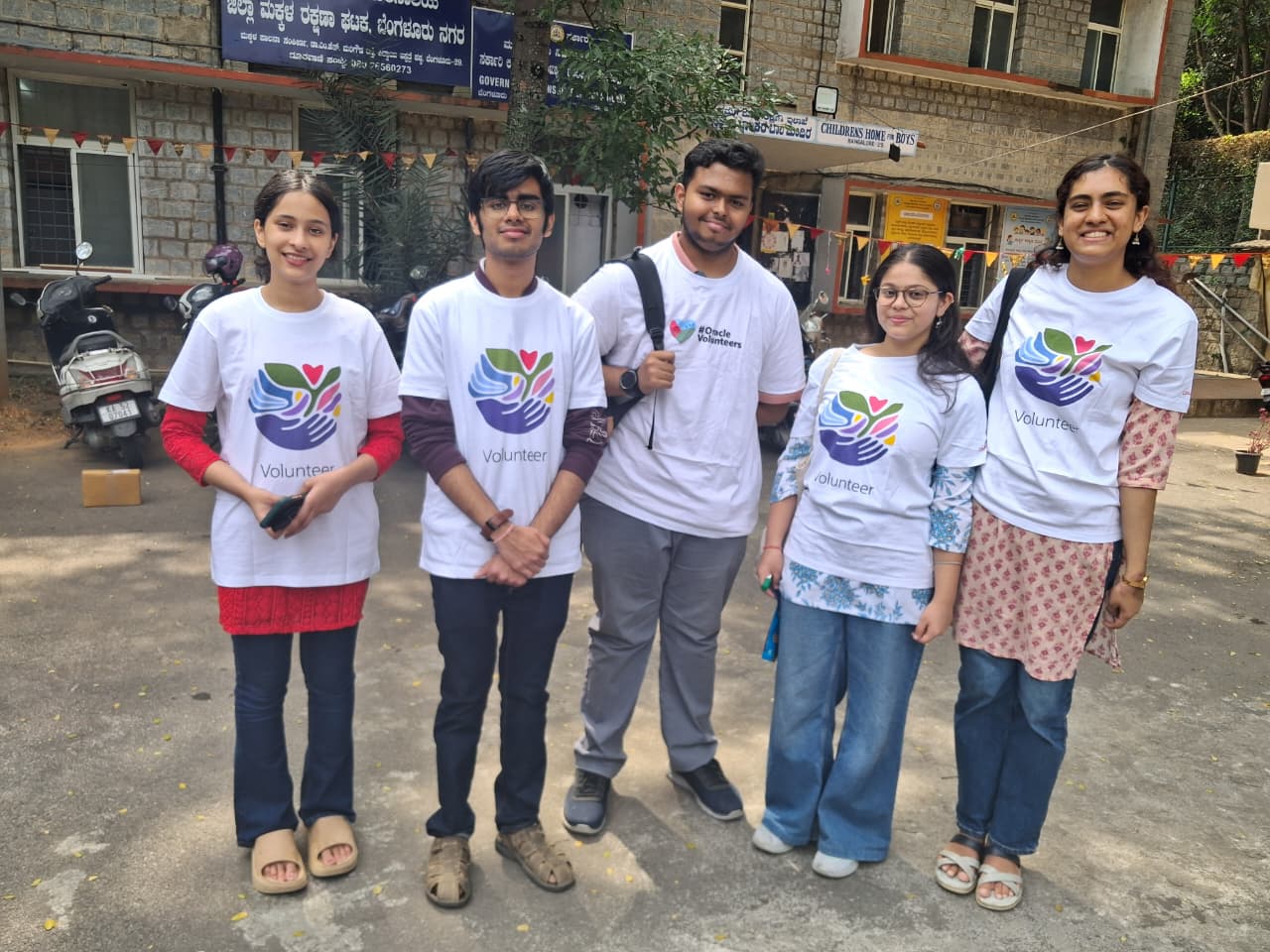
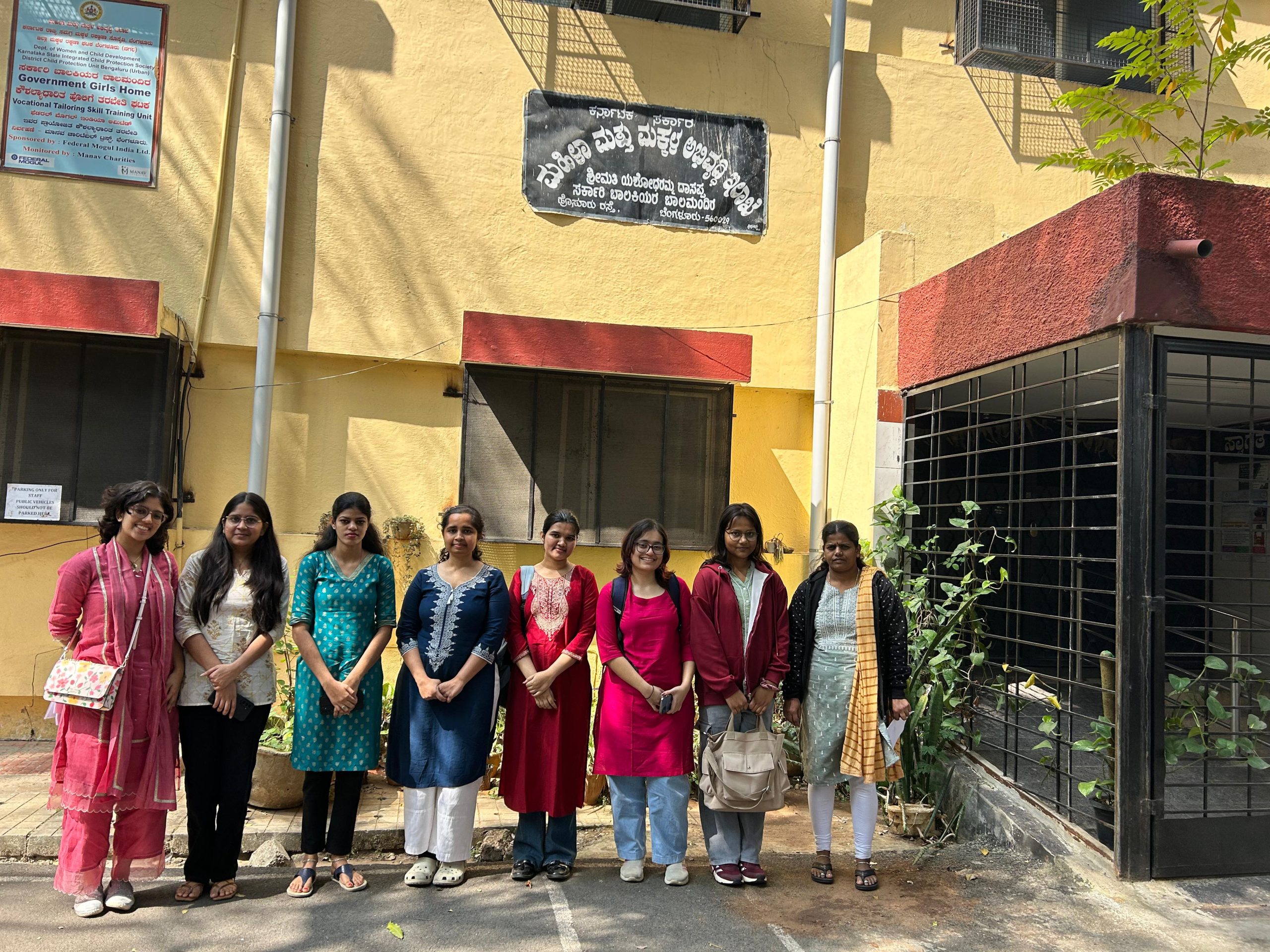
The Legal Services Clinic at NLSIU launched “Project Parihara,” an outreach initiative launched in collaboration with the District Child Protection Officer, Bangalore Urban, under the guidance of the ICare Foundation, from November to December 2025.
About the Project
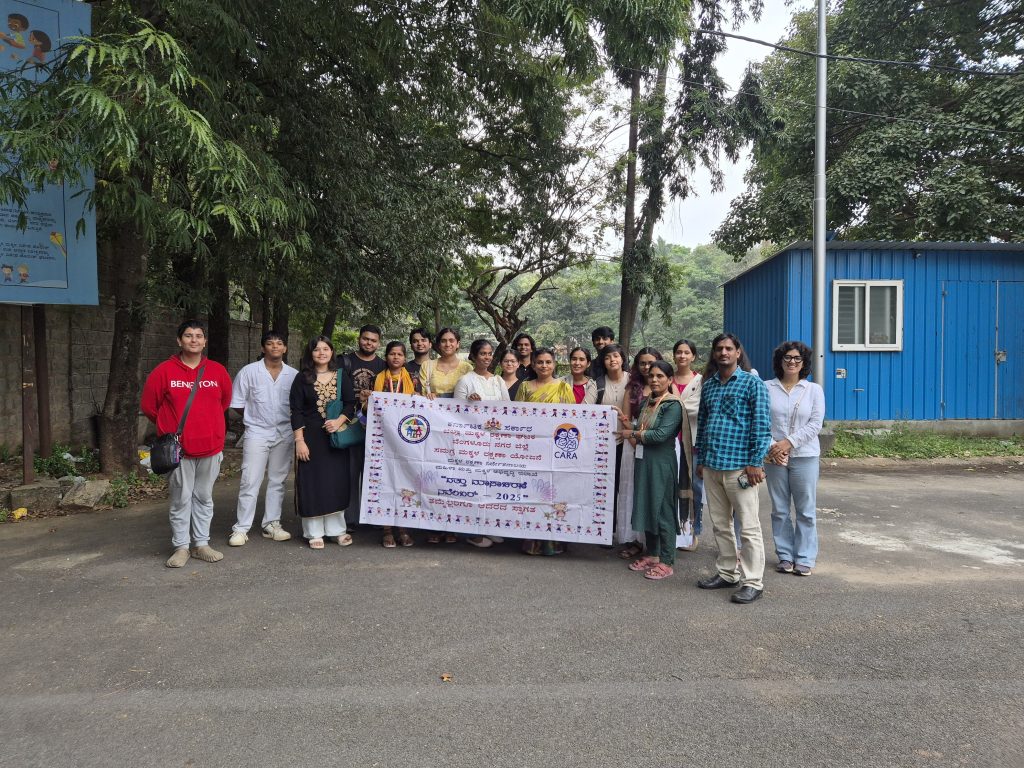
Project Parihara involved volunteers from the Legal Services Clinic organising weekly visits to the state-run Child Care Institutions (CCIs) Complex in Bangalore Urban. The initiative targets children in need of care and protection (CNCP) across three major institutions: Shishu Mandir (0-6 years), The State Girls’ Home (6-18 years), and The State Boys’ Home (6-18 years). During their visits, LSC volunteers conducted a series of interactive sessions that focused on life skills and legal awareness. Before undertaking the visits, all volunteers completed a sensitisation workshop on “Trauma-Informed Communication,” conducted by Dr. Madhubanti Sadhya (Professor in charge, Chair on Juvenile Justice, NLSIU) and Ms. Amaidhi Devaraj (Director, Centre for Child and the Law, NLSIU) on November 27, 2025.
The initial visits were observational, with volunteers attending the Children’s Day programme organised by the DCPO and spending time familiarising themselves with the institutional environment, children, and caregivers. On December 6, 2025, LSC volunteers joined employees from a corporate firm during a CSR visit to the institution. Subsequent visits shifted focus towards structured capacity-building. Bhavya, one of the volunteers, observed that the state houseparents and staff were ‘actively involved’ and driven by empathy, ensuring that the burden of their responsibilities did not reflect on the children’s upbringing.
On December 10, 2025, the volunteers conducted a financial literacy session at the State Girls’ Home. Through flashcards and role-playing, the session unpacked the distinction between needs and wants, introduced the income, expenditure, and savings cycle. Volunteers also addressed issues like fraud awareness, including the dangers of sharing OTPs and engaging with suspicious links. The session was marked by active participation. Neha Kumari, one of the LSC volunteers, noted that the girls participated enthusiastically in the games and emphasised that these sessions are “a vital way to educate and empower these bright young minds.” Neil Bruce and Yashasvi Bharadwaj, two of the LSC members, also had the opportunity to observe CWC proceedings on the same day.
Building on this, the visit on December 20 focussed on internet safety and cyber awareness. Volunteers discussed digital footprints, online boundaries, and the importance of safeguarding personal information. The final visit on December 24 brought the project to a close by combining practical life skills with a sense of festivity. Volunteers conducted a first aid workshop covering common emergencies such as nosebleeds, fainting, sprains, burns, and bee stings. The day concluded with Christmas carols, lending a celebratory cadence to the end of the project.
Takeaways
Collectively, Project Parihara offered LSC members a grounded understanding of state welfare beyond the classroom. The project sensitised volunteers to the importance of informed, patient, and respectful communication with children in institutional settings.
A Note of Gratitude
The LSC extends its gratitude to Ms Shilpa Spoorthy of ICare Foundation for her guidance and support throughout the initiative, to the staff of the District Child Protection Unit for their cooperation, and to all student volunteers whose commitment animated the project. We thank our coordinators, Mantrana Mahi Agarwal and Managya Sinha for leading the project, and all our volunteers (Akella Divya, Akshat Shraff, Aman Balhwan, Annie Mary Jacob, Anushka Ghatak, Asmita Sree, Bhavya Parameswaran Lakshmi, Daiwik Agarwal, Daiwik Agarwala, Disha GR, Izzuddin Qassam, Jigyasa, Kaushiki Pathak, Minchu B, Neil Bruce, Neha Kumari, Nischal Srinivasan, Pooja Rawat, Purva Pradeep, Sanketh GR, Siya Saurabh, Sneha Gupta, Sriya J Naik, Suchethna H, Tanisha Meena, Tushit Trijal, Yashaas B, Yashasvi Bhardwaj).
The National Law School of India University (NLSIU), Bengaluru invites applications for two Research Associate positions to work on Project Ability Empowerment – Regional Monitoring of Disability Rights and Care Institutions. These are full-time contractual positions for a period of six months (from the date of appointment), based in Bengaluru, with extensive field engagement across multiple States and Union Territories.
About the Project
Project Ability Empowerment – Regional Monitoring of Disability Rights and Care Institutions is a nationwide monitoring initiative mandated by the Hon’ble Supreme Court of India through its judgment dated September 12, 2025, in Reena Banerjee & Anr. v. Government of NCT of Delhi & Ors. The project seeks to:
Monitor State-run and private care institutions housing persons with cognitive and psychosocial disabilities; and
Assess the implementation of the Rights of Persons with Disabilities Act, 2016, the Mental Healthcare Act, 2017, and related constitutional and international obligations.
The Supreme Court has entrusted NLSIU, Bengaluru with regional monitoring responsibilities for the following jurisdictions:
States: Karnataka, Kerala, Tamil Nadu, Andhra Pradesh
Union Territories: Puducherry, Lakshadweep
The project is sponsored by the Department of Empowerment of Persons with Disabilities (DEPwD), Ministry of Social Justice and Empowerment, Government of India, in coordination with the Social Justice Departments of the concerned States and Union Territories.
Role Description
The Research Associates will work closely with the faculty supervisors at NLSIU and will be responsible for the following tasks in the target states:
Assisting in the planning and execution of field visits to State-run and private care institutions across assigned jurisdictions.
Conducting on-site data collection, including institutional mapping, interviews, and documentation reviews.
Analysing compliance with statutory and regulatory frameworks under the RPwD Act, Mental Healthcare Act, and allied rules and guidelines.
Preparing field reports, monitoring notes, and jurisdiction-specific briefs.
Assisting in the preparation of the consolidated regional report to be submitted to the Hon’ble Supreme Court of India.
Coordinating with State and Union Territory authorities, civil society organisations, and institutional administrators.
Supporting project-related documentation, presentations, and internal reviews.
Handling administrative and logistical responsibilities related to the project.
Qualifications
Essential
LL.B degree OR Master’s degree in Sociology, Social Work, Psychology, Public Policy, Development Studies, Disability Studies, or an allied discipline.
Demonstrated interest in disability rights, social justice, constitutional law, or institutional research.
Desirable
Demonstrable training/prior experience in field-based or empirical research.
Familiarity with disability law, mental health law, or social welfare legislation.
Experience working with government institutions, care facilities, or civil society organisations.
Ability to undertake intensive fieldwork across multiple locations.
Experience
Essential
0–5 years of work experience in academic research, policy and legal research , or social sector organisations, with demonstrable research and writing skills.
How to Apply
Interested candidates should apply through the Google Form here and upload the following documents:
An up-to-date CV
A statement of purpose (not exceeding 500 words) explaining motivation, suitability, and career relevance
Contact details and designation of two referees
A solo-authored writing sample (published or unpublished)
Compensation
Salary will be commensurate with qualifications and experience and will be in the range of ₹ 50,000 – ₹ 80,000 per month.
Queries
For any queries, please write to:
Deadline
The last date for submission of applications has been extended to February 6, 2026 by 5 pm (IST).
The National Law School of India University (NLSIU) invites applications (one position) for JSW Centre for the Future of Law Graduate Research Fellowship position for a period of one to two years.
About NLSIU
NLSIU was established in 1987 to be a pioneer in legal education. Over the last three decades the University has evolved as an innovative leader in law, social sciences, humanities, and public policy education and research in India. It has also been ranked first among the law universities in the National Institute Ranking Framework (NIRF) for the last eight years.
About the JSW Centre for the Future of Law
The JSW Centre for the Future of Law was established in 2024 at NLSIU, Bengaluru, with the support of the JSW Foundation. The purpose of the Centre is to expand academic learning, advance research, and inform policy debates on issues related to law, technology, and system reform. Through partnerships across academia, governments, regulators, civil society and industry, the Centre aims to promote a robust and interdisciplinary understanding of issues such as the interface between health and regulation; the environment and the law; corporate governance; and the impact of new technologies on the future of the legal system, the legal profession and legal education.
It commenced research activities during the Academic Year 2025-2026.
About the JSW Graduate Research Fellowships
The Centre aims to pioneer innovative models of legal regulation and to nurture technologies that drive systemic reform and expand access to justice. Towards this end, it is pleased to announce research fellowships to support exceptional young scholars for a period of 1-2 years. To start with, applications are invited for one fellowship on the thematic priority areas of the Centre, which include:
Law and artificial intelligence;
Data governance and regulation;
Health, biotechnology and ethics;
Risk regulation and regulatory design;
Climate, biodiversity and ecological justice;
Technology and legal system reform.
More information about the centre and its thematic priority areas can be found here.
Responsibilities
The Fellow will be expected to:
Develop and execute a research programme (including developing proposals, concept/background notes for workshops and seminars, and cultivating research collaborations) around a topic related to one of the centre’s thematic priority areas;
Publish at least 1 peer-reviewed journal article each year;
Publish at least 4 short-form pieces, such as blog articles, policy briefs, case briefs, and/or commentaries for the NLS Scholarship Repository and/or opinion pieces or commentaries in popular media each year;
Present at a faculty seminar or research colloquium on campus;
Assist with research in an ongoing project under the supervision of the Centre’s Directors, provided such assistance shall not be more than 20% of a Fellow’s time per month;
Teach one elective course in their field of research each academic year (subject to the approval of the Academic Review Committee);
Fellow will need to show satisfactory progress to be eligible for the second year of the fellowship.
Other Terms of the Fellowships
The Fellows will:
Be based out of NLSIU campus in Bangalore and work at the JSW-CFL.
Be guided by the Centres’ Visiting Director and Faculty Director.
Get an opportunity to be part of NLSIU’s rich intellectual environment, participate in its workshops and seminars, avail of its extensive library and digital resources, and publish widely, including for NLS platforms (NLSIU blogs, peer-reviewed journals, and website).
Qualifications
Essential
Bachelor’s degree in any discipline
1-3 years of research experience (with a Bachelor’s degree) or Master’s degree in any discipline
Desirable
Demonstrated education or professional expertise in at least one of the centres’ thematic priority areas.
Up-to-date understanding of the technology and its implications in at least of the centres’ thematic priority areas.
Proven research activity, including at least one publication or equivalent output.
Excellent writing and editing skills across academic, policy, and public-facing formats.
Strong analytical, collation/synthesis, communication (written and oral), technical, and time-management skills.
Self-driven and collaborative, with the ability to work independently.
How To Apply
Please use the Google form here, and include the following documents:
An up-to-date CV
A statement of purpose (not more than 500 words) or a short video (not more than three minutes submitted via YouTube link) outlining your research proposal and your suitability to undertake it
A research proposal (not more than 1000 words) on one of the six themes of the centre, explaining the scope, significance, methods and timeline of the proposed research
One writing sample, preferably a solo-authored published piece
Contact details and designation of two referees
For any queries, please write to
Compensation
Salary will be commensurate with qualification and experience and will be in the range of Rs. 55,000 to 70,000 per month.
Deadline
The last date for submission of applications is February 3, 2026 at 5 PM (IST).
The National Law School of India University (NLSIU) invites applications for one full-time role at the Centre for the Future of Law at NLSIU based out of the University campus for a period of one year (extendable). This position will be based in Bengaluru.
About the JSW Centre for the Future of Law
The JSW Centre for the Future of Law was established in 2024 at NLSIU, Bengaluru, with the support of the JSW Foundation. The purpose of the Centre is to expand academic learning, advance research, and inform policy debates on issues related to law, technology, and system reform. Through partnerships across academia, governments, regulators, civil society and industry, the Centre aims to promote a robust and interdisciplinary understanding of issues such as the interface between health and regulation; the environment and the law; corporate governance; and the impact of new technologies on the future of the legal system, the legal profession and legal education.
It commenced research activities during the Academic Year 2025-2026. More information about the centre and its activities can be found here.
Responsibilities
The Project Manager will work closely with the Faculty Director, the Centre’s Advisory Board, and the Dean (Research) at NLS to incubate the Centre’s mandate and activities. Specifically, the Project Manager will be responsible for:
Developing a plan for the Centre with details on its objectives, specific areas of focus, staffing requirements and main activities over five years, based on consultations with civil society, government, industry and academia;
Organising regular planning, review and strategy meetings with the Advisory Board;
Preparing research outputs including briefs, short articles and blogs related to the centres research areas;
Developing a database of subject experts drawn from academia, industry, civil society, and government to share regular updates and disseminate various outputs;
Coordinating social media outreach on the Centre’s work including developing and maintaining a webpage on NLS website;
Liaising with the JSW Foundation for regular updates and review of documents as required;
Maintaining detailed records and proper accounts of the Centre’s activities;
Managing fellowship programmes with the centre;
Coordinating events at the centre including its annual lecture, research workshops, stakeholder consultations and meetings as required.
Qualifications
Essential
A Master’s degree in any discipline.
At least 3 years of Post-Qualification experience in research and/or project management roles.
A proven ability to collaborate with varied stakeholders.
Desirable
Demonstrable experience in strategy roles preferably in Higher Educational Institutions.
Prior experience in the incubation of a research centre.
Excellent communication and writing skills.
Strong execution rigour and operational skills.
Strong presentation and time management skills.
How To Apply?
Please use the Google form here, and include the following documents:
An up-to-date CV
A statement of purpose (not more than 500-800 words)
1 sole authored writing sample – published/unpublished
Contact details and designation of two professional references
Compensation
Salary will be commensurate with qualification and experience and will be in the range of Rs. 70,000 – Rs 90,000 per month.
For any queries, please write to
Deadline
The last date for submission of applications is February 3, 2026 by 5 PM (IST)
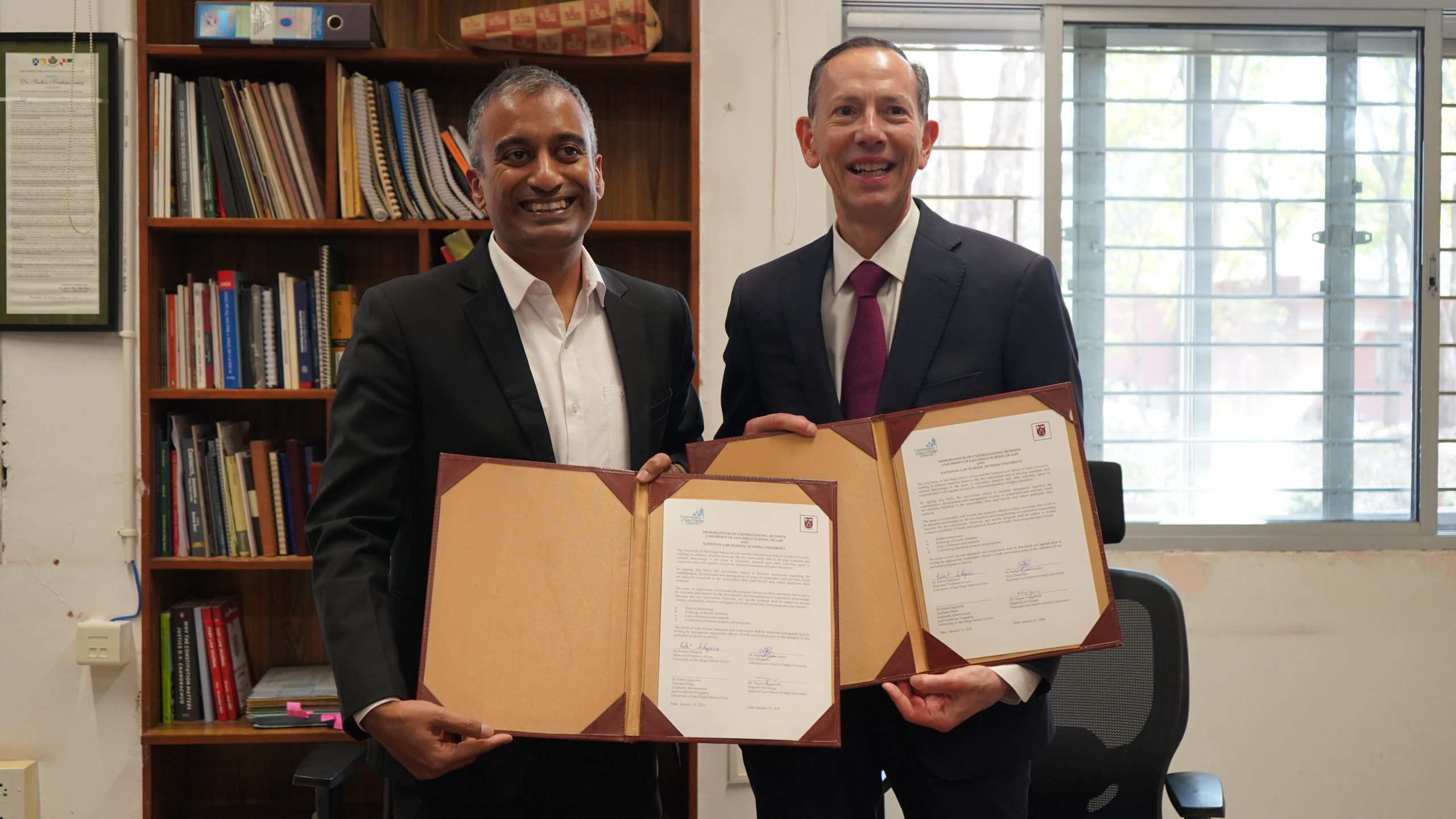
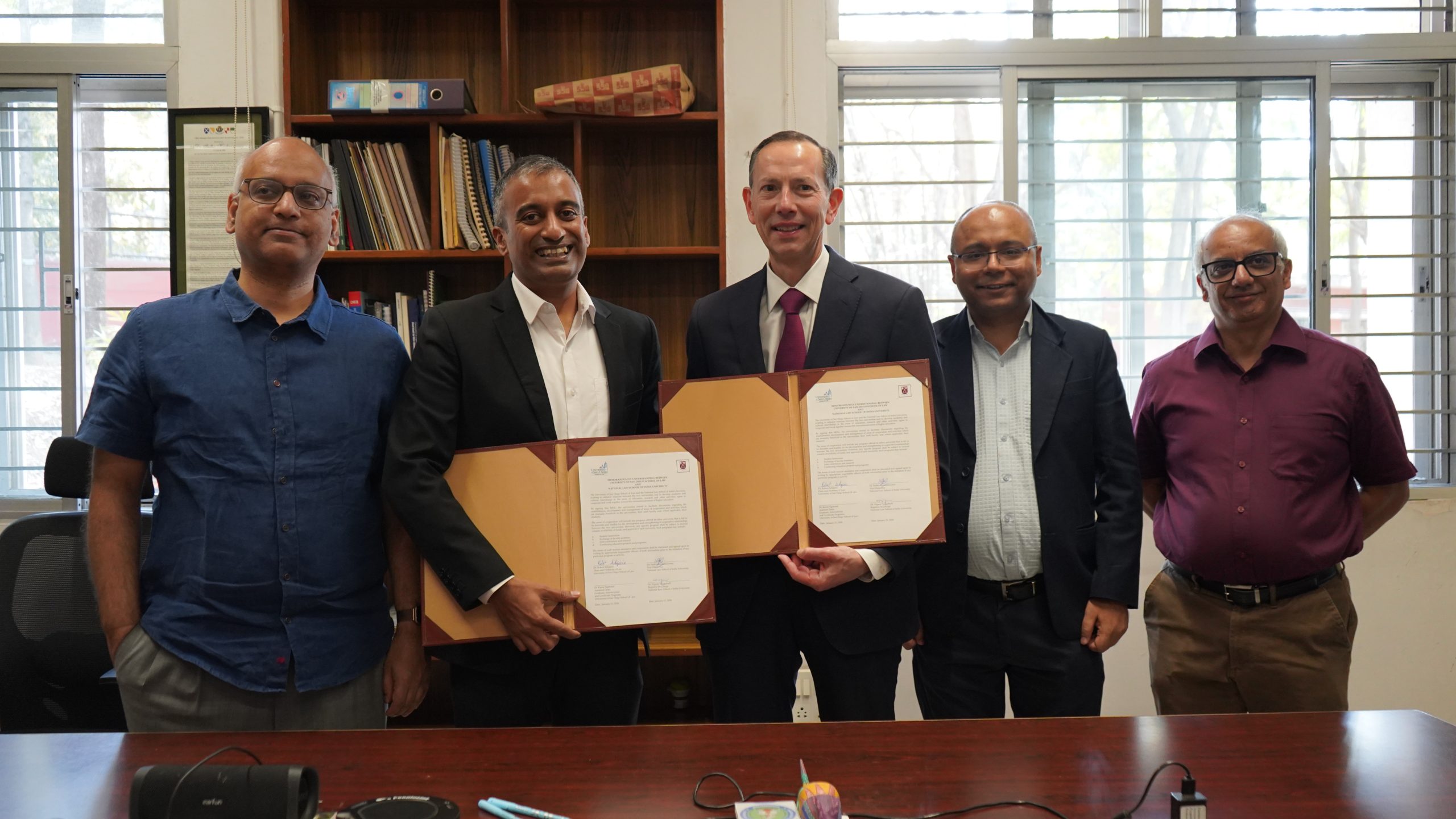
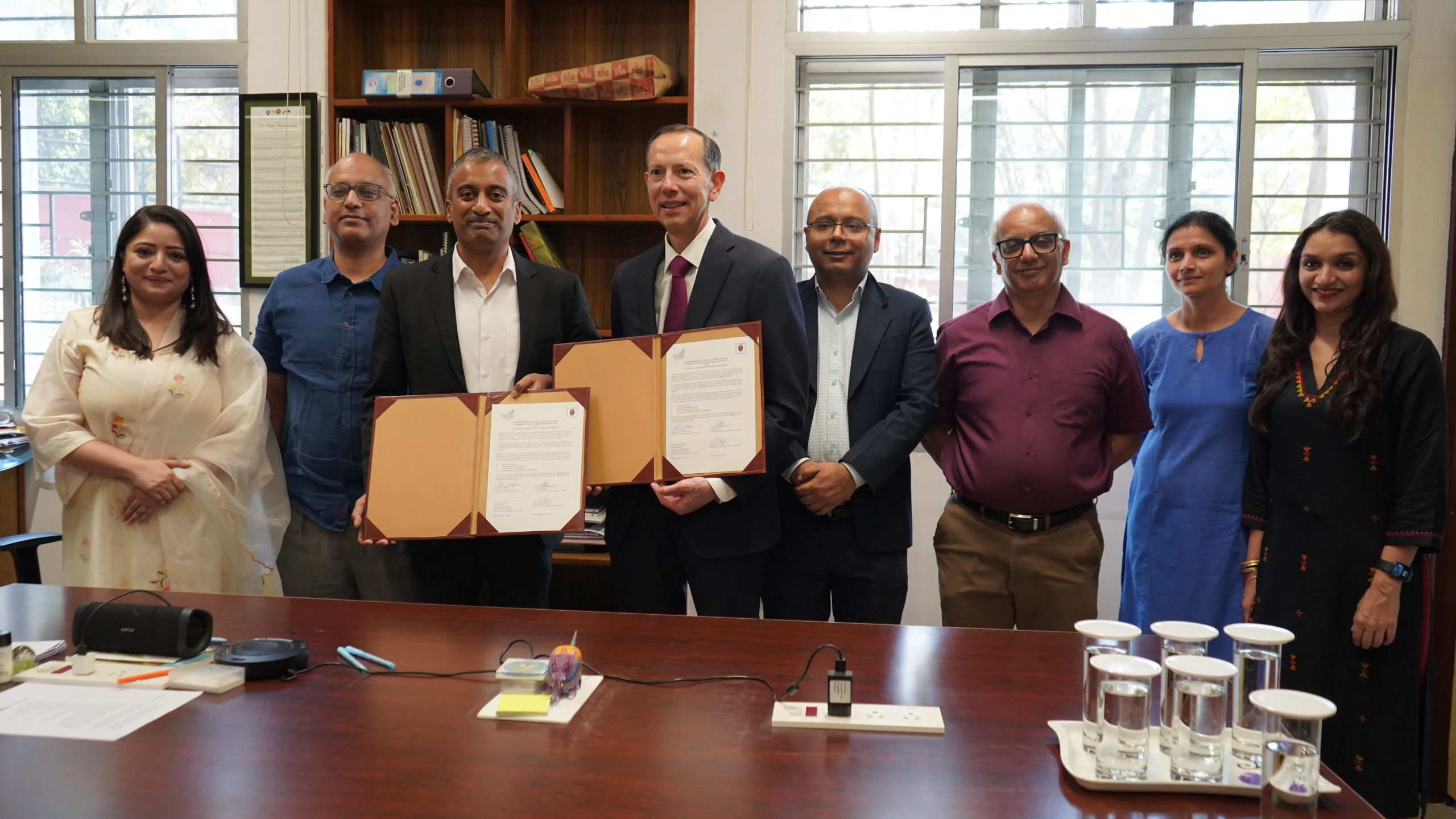
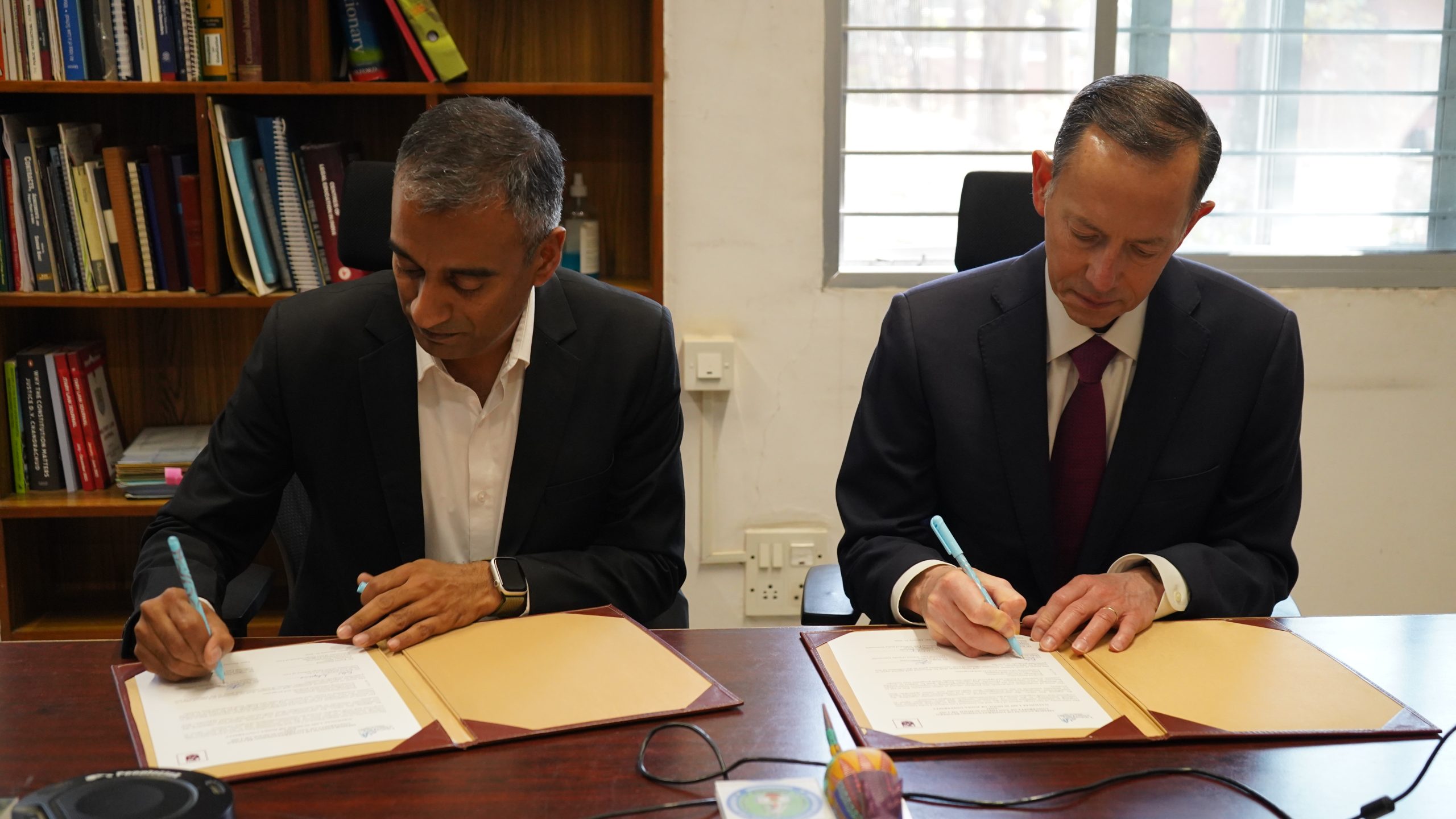
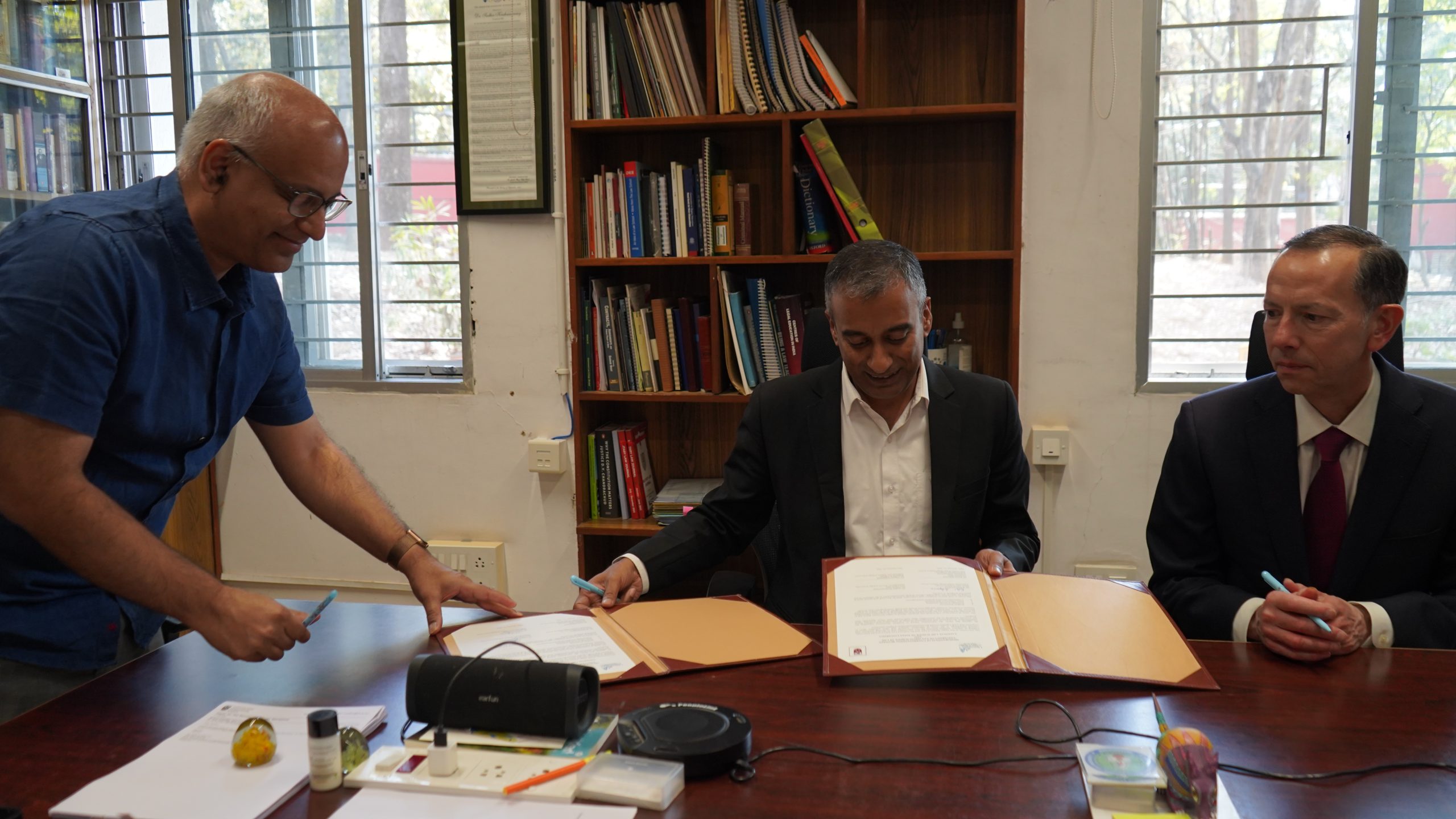
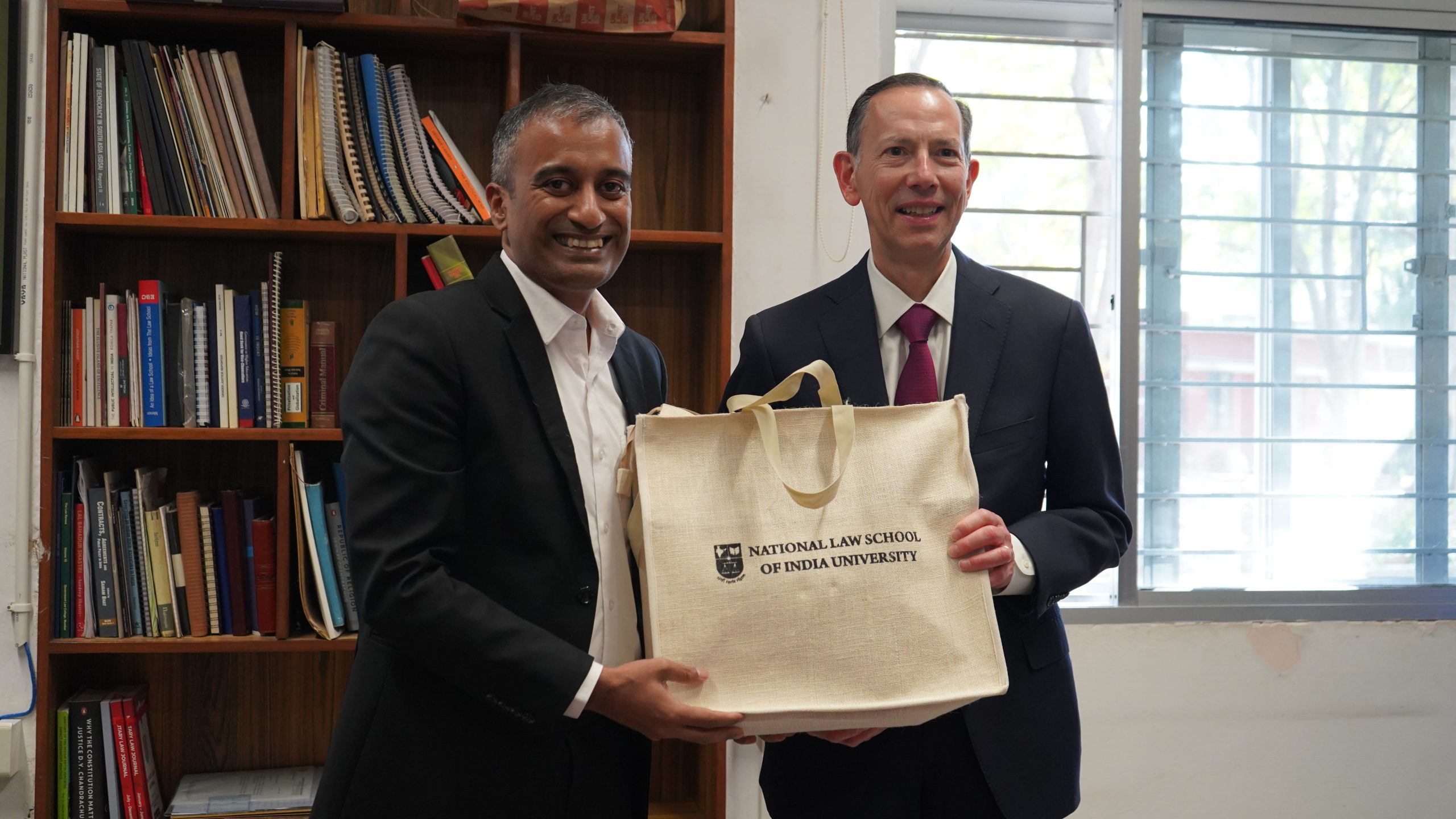
The National Law School of India University (NLSIU) and University of San Diego (USD) have signed an MoU to explore academic cooperation and collaboration.
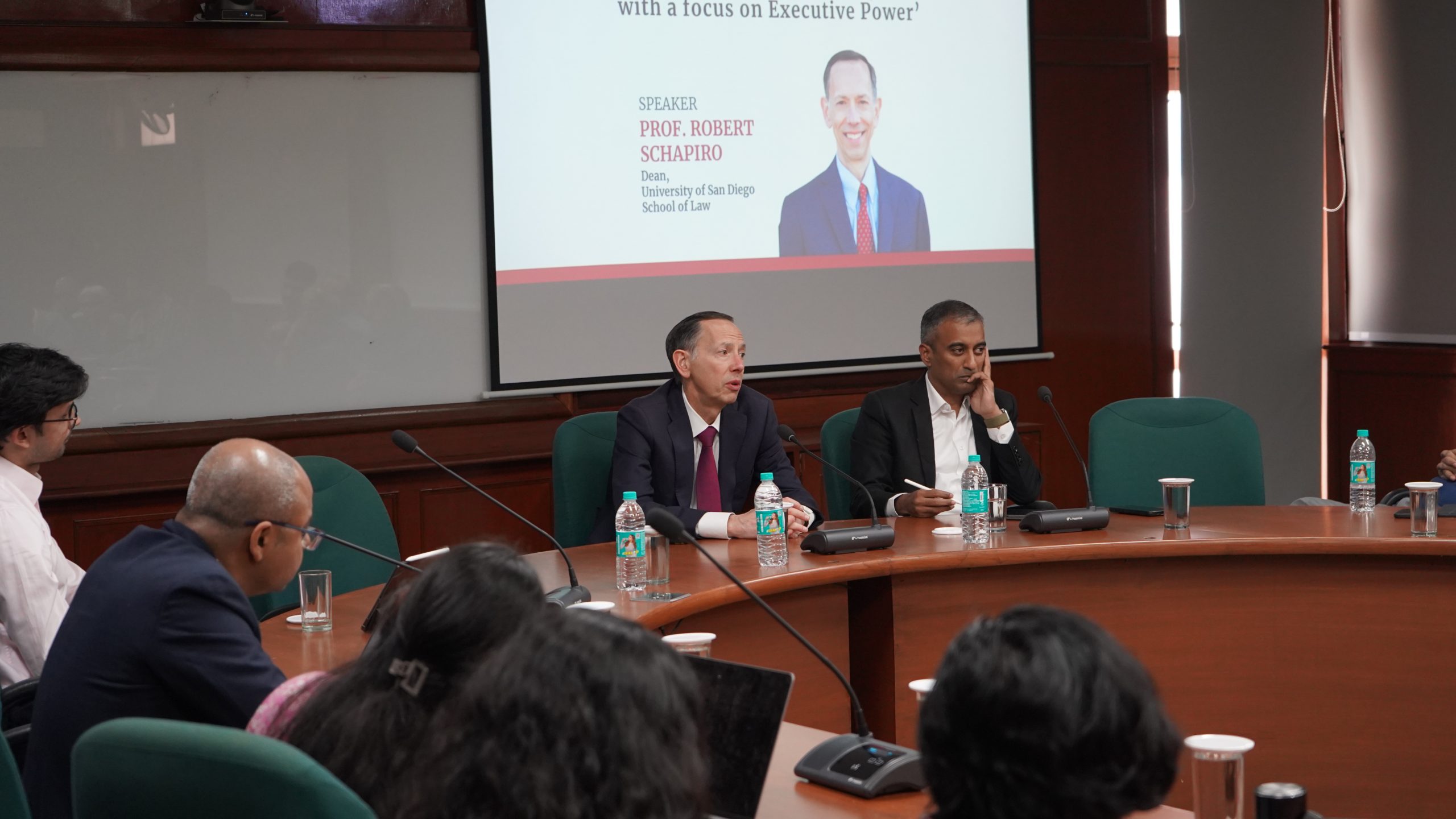
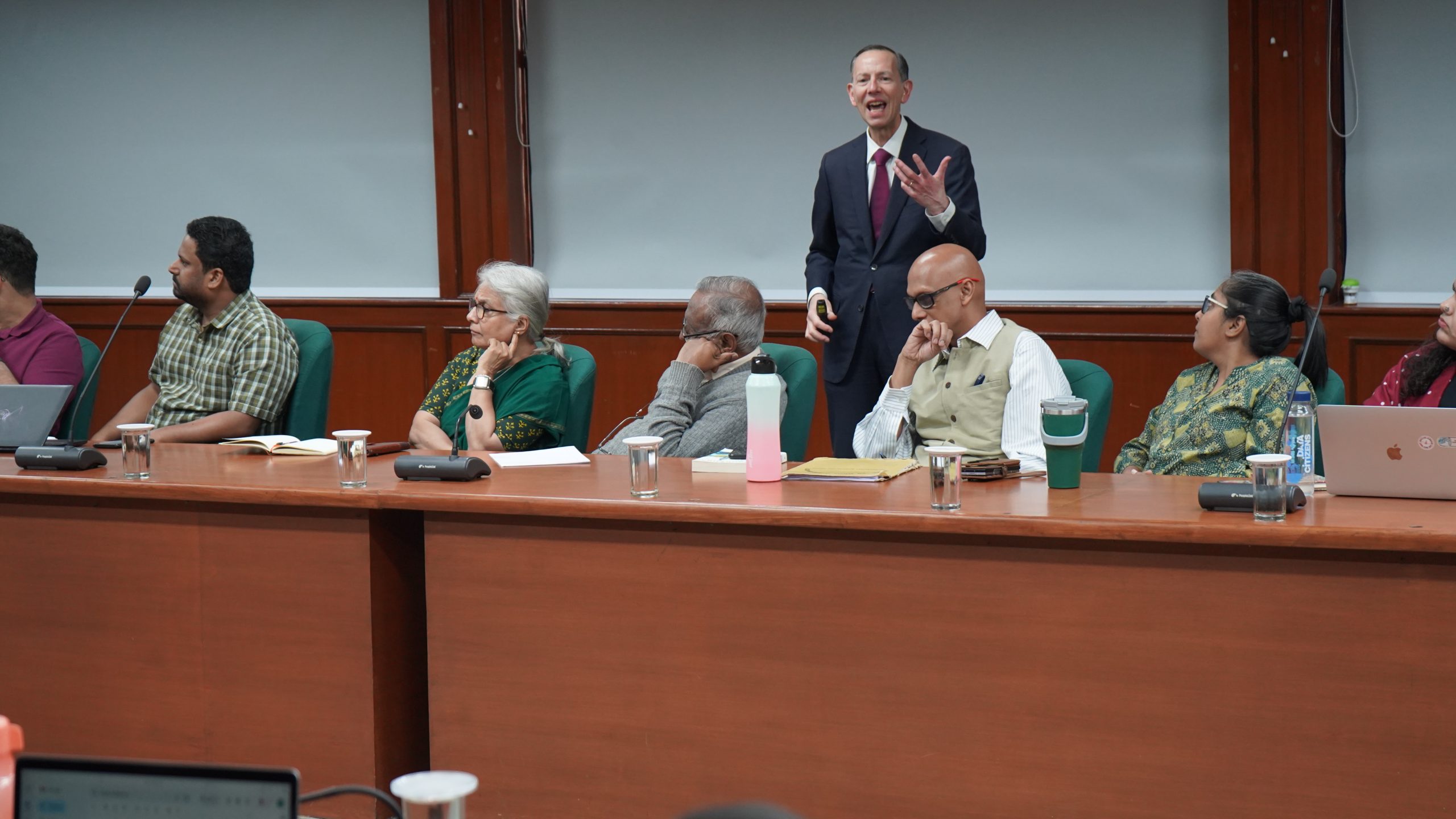
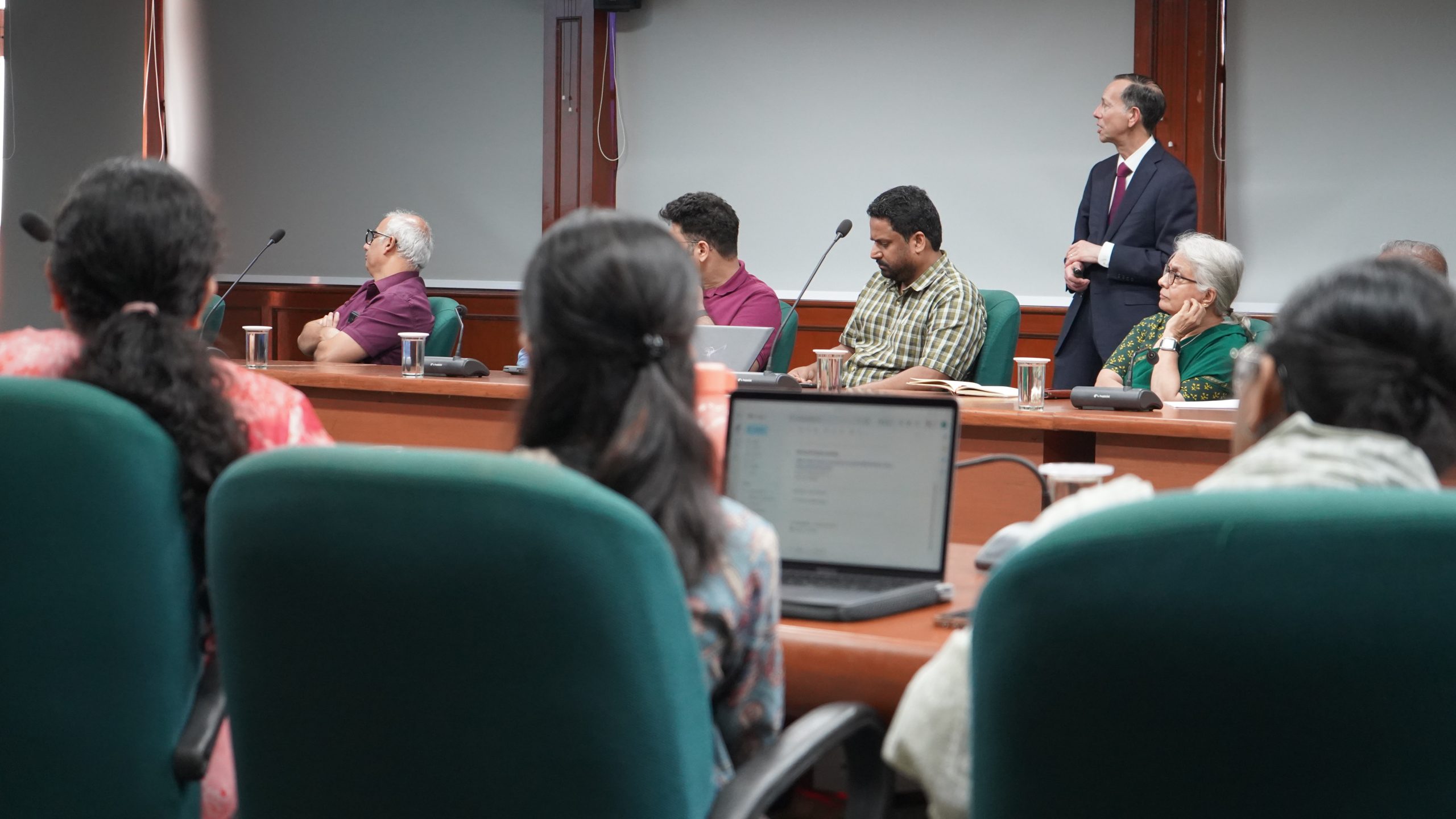
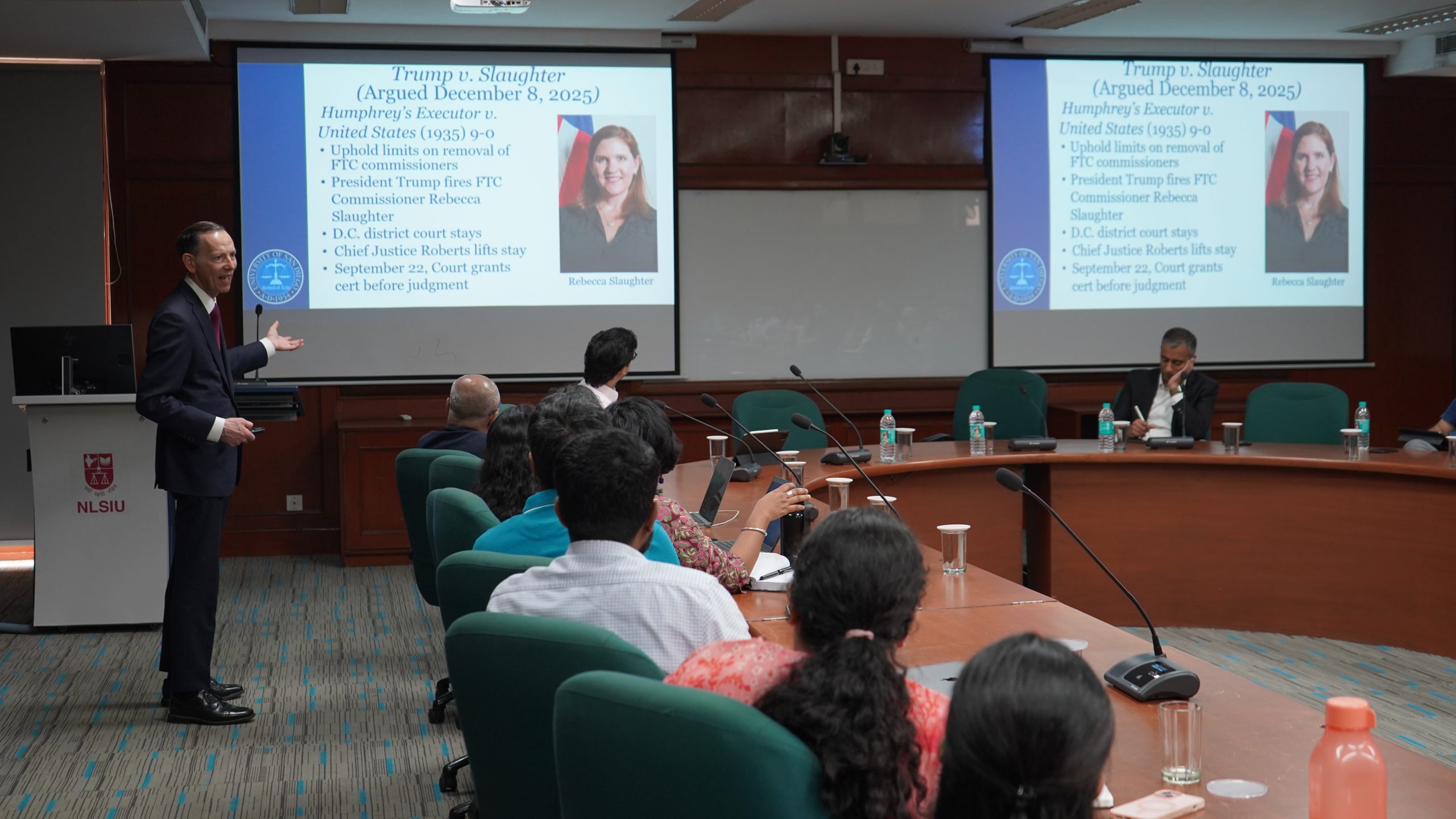
During the visit, Prof. Schapiro also delivered a lecture to faculty members on “Recent Developments in US Constitutional Law, with a Focus on Executive Power.”
About University of San Diego (USD), School of Law
The University of San Diego (USD) School of Law is an ABA-accredited, globally recognised institution dedicated to educating principled, practice-ready lawyers and leaders. Known for its collegial and forward-looking approach to legal education, USD School of Law combines academic rigour, ethical leadership, and experiential learning within a collaborative and supportive community.
Located in San Diego, one of the most innovative and entrepreneurial regions in the United States, USD School of Law is at the intersection of law, business, technology, and public policy. The institution’s geographic proximity to an international border further enriches the academic environment, offering students exposure to cross-border legal issues, international commerce, migration, and comparative governance. USD School of Law serves as a vital intellectual and policy resource for Southern California and the broader global legal community.
Deeply committed to fostering a diverse and inclusive academic community, USD School of Law believes that diversity of thought, experience, and perspective strengthens legal reasoning, sharpens critical judgment, and prepares students for leadership in an increasingly complex legal landscape. Consisting of internationally recognized scholars and accomplished practitioners whose scholarship is published in leading legal journals, the faculty is renowned for its accessibility, commitment to mentorship, interdisciplinary engagement, and meaningful collaboration.
Through its nationally respected legal clinics, among the oldest on the West Coast, students represent real clients in real cases, integrating theory with practice while serving the community. The research centers and institutes further support advanced legal scholarship and student engagement with pressing legal and policy challenges. Guided by a distinguished Board of Visitors and supported by comprehensive administrative and career-development services, USD School of Law ensures that students are prepared to succeed professionally and lead with integrity, competence, and compassion throughout their careers.
About The Speaker
The Dean and C. Hugh Friedman Professor of Law at the University of San Diego School of Law, Dean Robert A. Schapiro, is widely regarded as a leading authority on federalism, constitutional structure, and inter-systemic governance. Dean Schapiro has a distinguished career spanning legal scholarship, academic leadership, and public engagement.
Dean Schapiro’s scholarship has been published in premier law journals, including the Stanford Law Review, Virginia Law Review, Cornell Law Review, and Northwestern University Law Review. He is the author of Polyphonic Federalism: Toward the Protection of Fundamental Rights, a seminal work that has shaped contemporary thinking on constitutional protection and the interaction between legal systems.
Before joining the University of San Diego, Dean Schapiro served as Dean of Emory University School of Law and co-directed the Center on Federalism and Intersystemic Governance. A graduate of Yale Law School, he was Editor-in-Chief of the Yale Law Journal and clerked for Judge Pierre N. Leval of the U.S. District Court for the Southern District of New York, followed by a clerkship with Justice John Paul Stevens of the United States Supreme Court. He is a member of the American Law Institute and a recipient of multiple honors recognizing his contributions to legal education and leadership.
As a public intellectual, Dean Schapiro is frequently sought out by local, national, and international media for expert commentary on U.S. Supreme Court decisions, constitutional developments, and evolving legal frameworks. Known for his ability to translate complex legal issues into accessible, globally relevant insights, particularly at the intersection of law, technology, and international practice, Dean Schapiro is a trusted legal expert for leading U.S. media outlets and academic platforms.
His Supreme Court clerkship, dual-dean leadership experience, and deep scholarly credentials place him among a rare group of legal academics who have shaped both U.S. constitutional discourse and modern legal education.
The National Law School of India University (NLSIU) invites applications for one full-time Research Associate position to work on the Just Transitions on Indian Streets (JusTIS) project. The position is up to March 2027 and will be based in Bengaluru.
The project is the recipient of The British Academy’s Knowledge Frontiers: International Interdisciplinary Research Projects Award for 2025-27 in collaboration with the University of Oxford. Research Associates will report to the project’s co-investigator, Dr. Anwesha Ghosh, who is faculty at NLSIU.
About the Project
Just Transitions on Indian Streets (JusTIS) is a collaborative research project that explores how Indian cities can respond to climate change in ways that are fair and inclusive for street-based workers. These workers—such as street vendors, platform workers, and informal transport operators—play a vital role in everyday urban life but are often excluded from decisions that shape the cities they help sustain. As India undertakes major urban and climate transitions, the project seeks to centre the voices, experiences, and knowledge of these workers in planning for more equitable and sustainable urban futures.
The project views the street not just as a space of mobility and commerce but as a key site where climate impacts are directly experienced, where everyday survival strategies are practiced, and where struggles for workers’ rights are played out. JusTIS develops a critical decolonial praxis of dignity and recognition, addressing the systemic invisibility and misrecognition faced by street-based workers in both climate and urban policies. By documenting workers’ knowledge, practices, and histories, the project aims to challenge top-down approaches to climate action and promote more grounded, inclusive alternatives.
With an aim to develop a deeper understanding of how cultures of misrecognition and systemic invisibility affect street-based workers, JusTIS takes a comparative approach to understanding the impacts of climate change on streets in major Indian cities. By examining the experiences of these workers in Bengaluru, Delhi, and Kolkata, the project explores how social injustices and climate vulnerability intersect with each other. The research uses an interdisciplinary methodology, including surveys, oral histories, archival research, and workshops, to capture a comprehensive picture of these issues.
Role Description
The Research Associate will be responsible for:
Conducting qualitative fieldwork in Bengaluru, including visits to various archives.
Preparing detailed notes on the qualitative data from fieldwork.
Organising an academic workshop for the project.
Undertaking comprehensive literature reviews on relevant topics.
Attending meetings and reading groups organised by the PI and/or Co-Is.
Maintain monthly progress reports on the activities and budget.
Assist in any other tasks as required.
Qualifications
Essential
Master’s degree in social sciences, law, public policy, or allied disciplines
Desirable
Academic background in urban studies, environmental history, mobilities research or cognate fields
Early career research scholars awaiting PhD defence will be considered
Experience
Essential
At least 2 years of post-qualification work experience in conducting qualitative research in Bengaluru
Demonstrable academic interest in issues of informal workers, livelihood, and justice
Experience in organising academic conferences or workshops
Desirable
Familiarity with academic debates on the topics of just transitions, decolonisation, and environmental justice
Experience of contributing to research publications
Experience in working within a research team
Skills and Competencies
Excellent communication and writing skills
Strong execution rigour and operational skills
Strong presentation and time management skills
How To Apply?
Please use the Google form here, and include the following documents:
An up-to-date CV
A statement of purpose (not more than 500 words)
Contact details and designation of one reference
We will request a sample of academic writing, up to a maximum of 8,000 words (including references), at the interview stage if the candidate is selected for the next round.
Compensation
Salary will be commensurate with qualification and experience and will be in the range of Rs. 60,000 – Rs 70,000 per month.
For any queries, please write to
Deadline
The last date for submission of applications is February 2, 2026 by 5 pm (IST).
 The Election Commission of India (ECI) invited the National Law School of India University, Bengaluru, to participate in the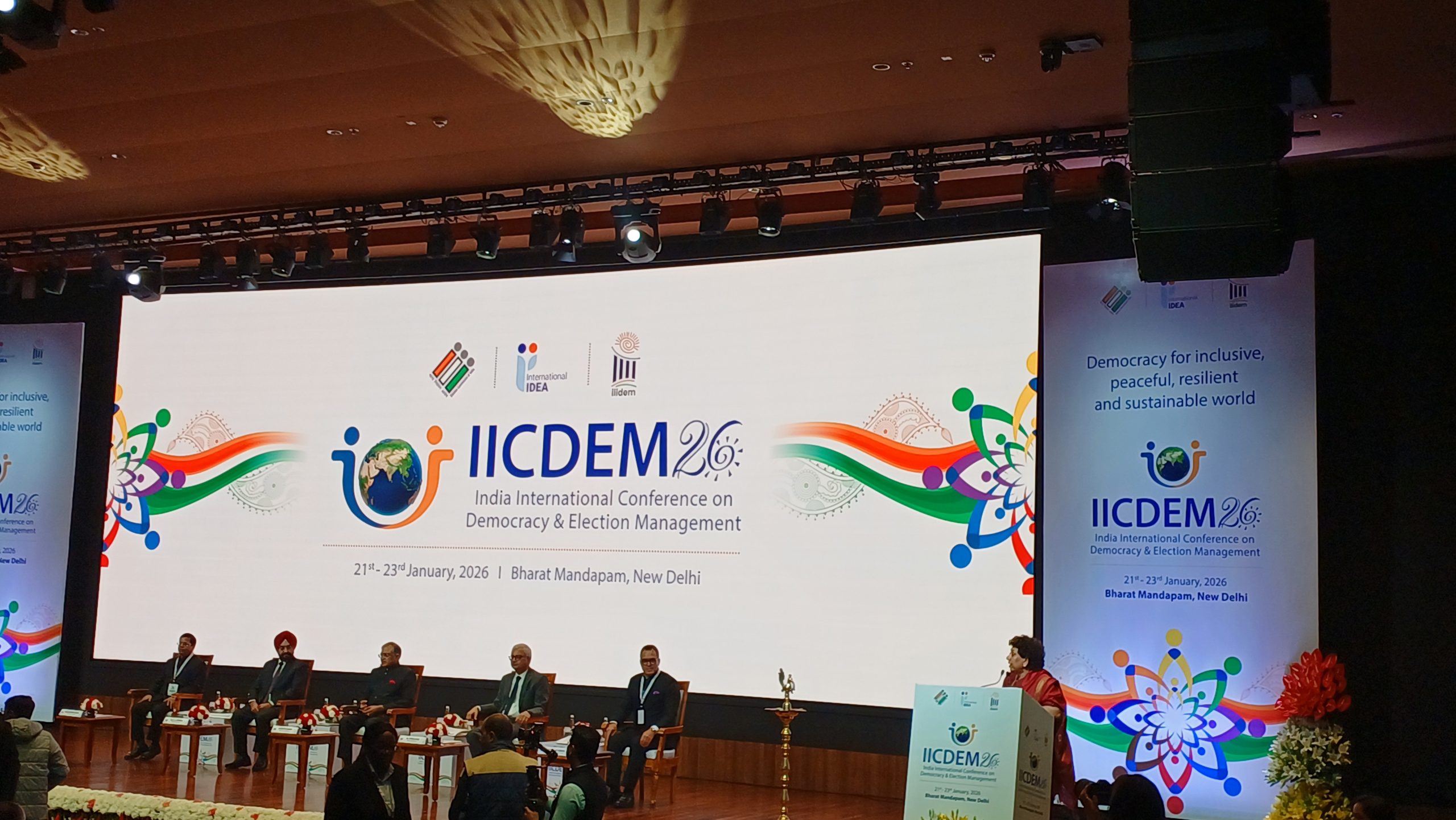
 The Bhovi community in Karnataka continues to experience historical social exclusion, educational backwardness, economic vulnerability, and limited access to legal and constitutional awareness. Despite constitutional safeguards and multiple welfare legislations, the benefits of social justice laws and government schemes often fail to reach the community due to lack of awareness, legal literacy, and leadership capacity at the grassroots level.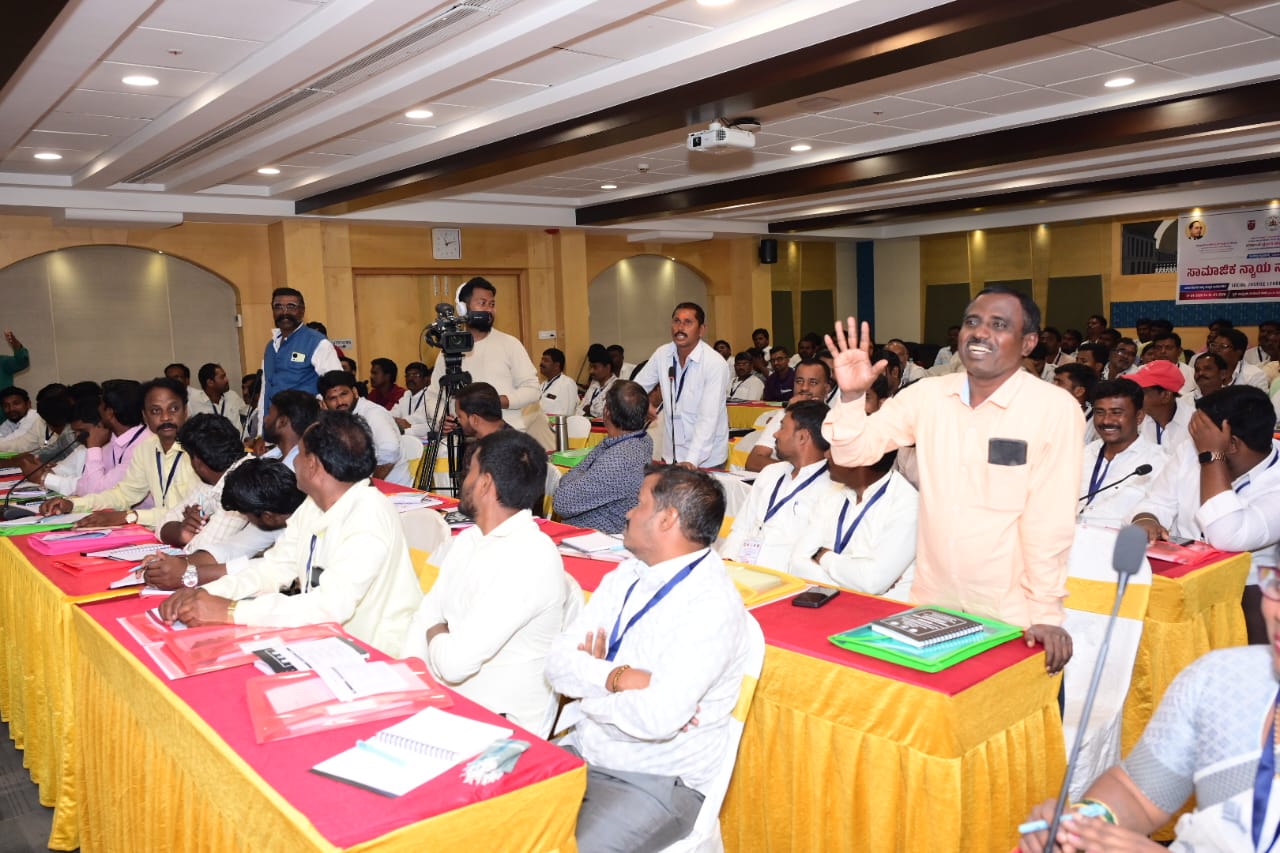
 The
The 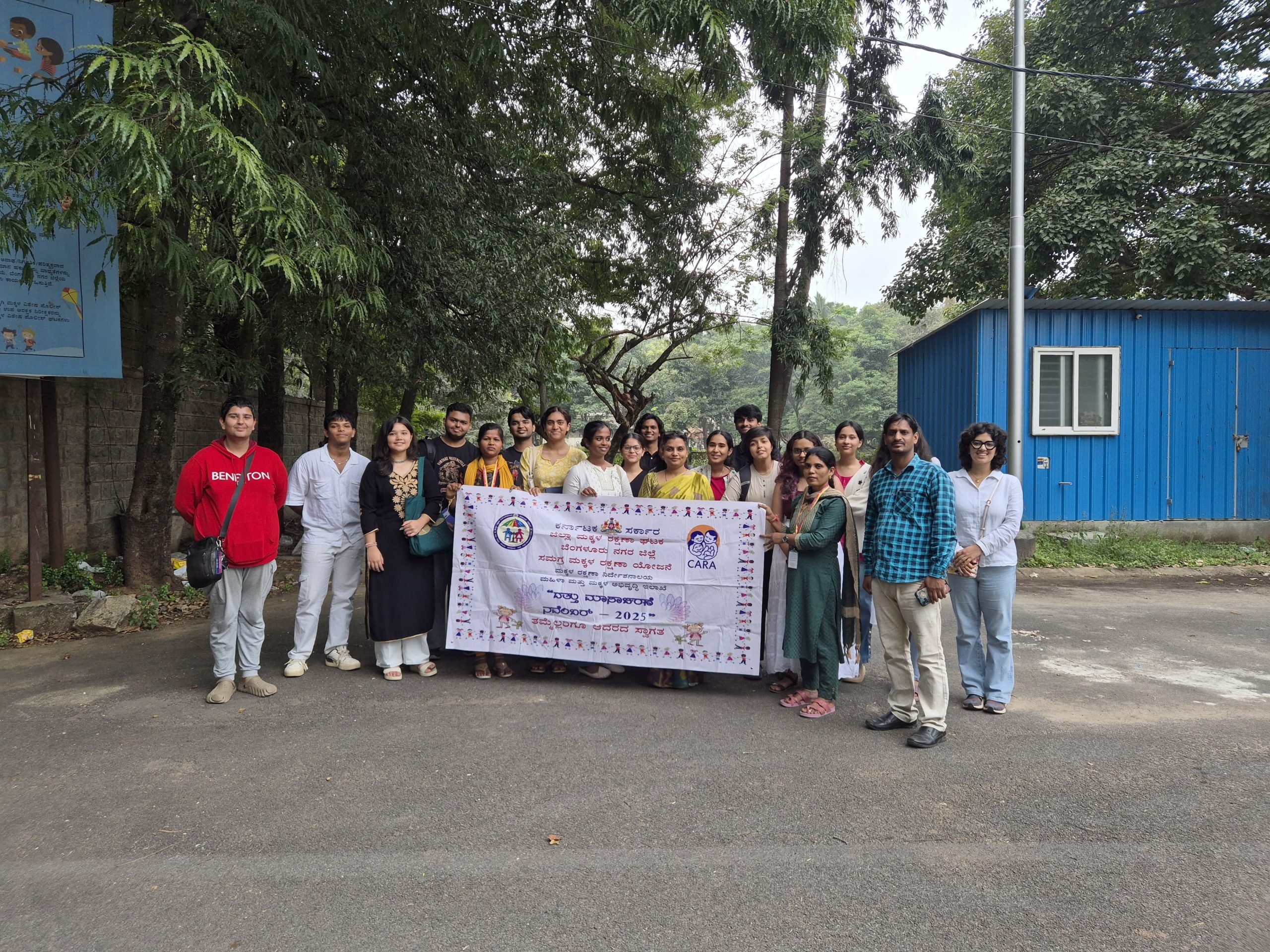

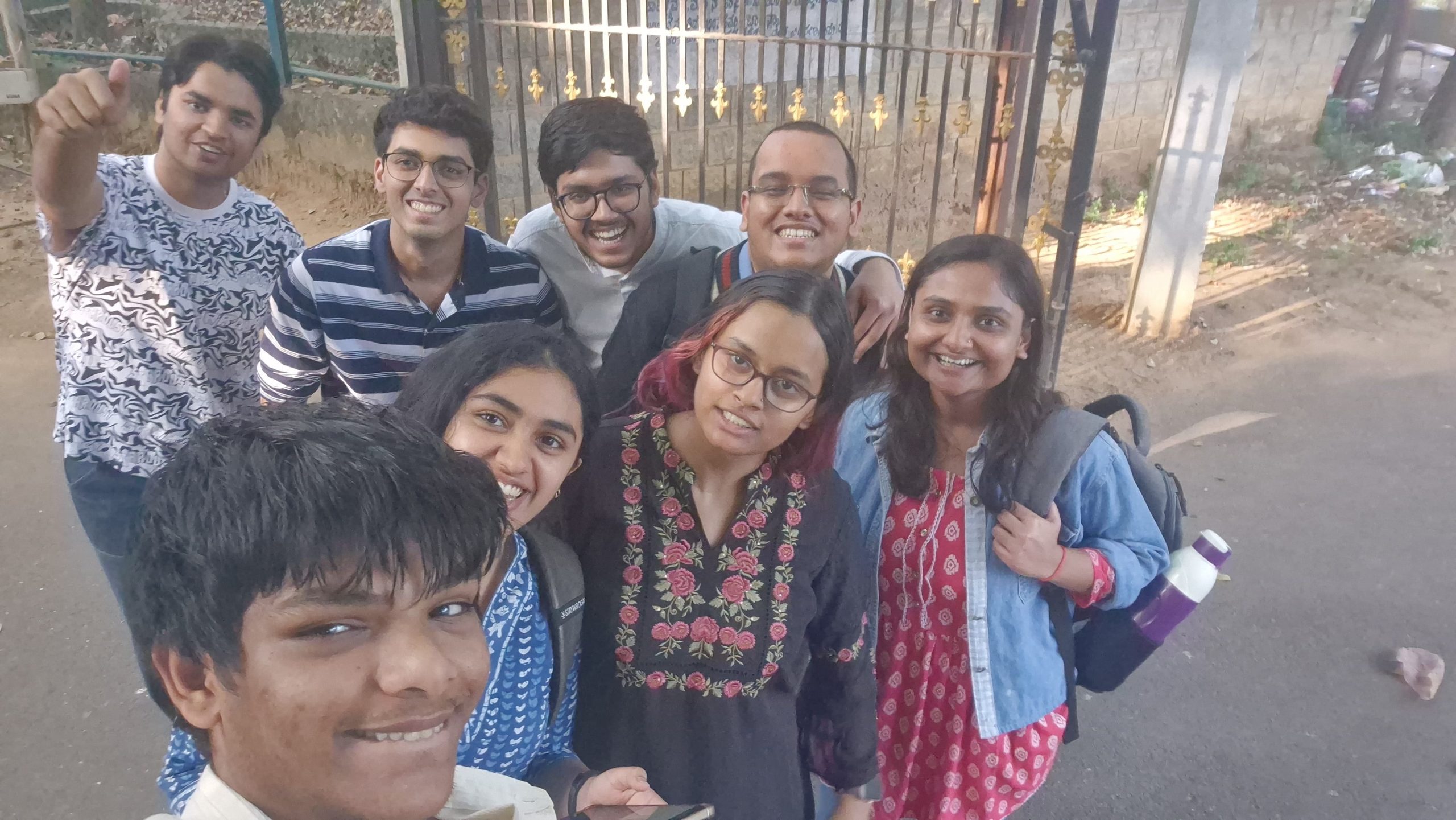
 The Dean and C. Hugh Friedman Professor of Law at the University of San Diego School of Law, Dean Robert A. Schapiro, is widely regarded as a leading authority on federalism, constitutional structure, and inter-systemic governance. Dean Schapiro has a distinguished career spanning legal scholarship, academic leadership, and public engagement.