NLSIU will be hosting a Live Information Session for prospective candidates of the NLSAT – LLB (Hons) programme titled ‘Discussion with Alumni of the 3-Year LLB Programme‘. The live information session will be conducted on Saturday, February 21, 2026, from 4 PM to 5 PM IST.
The session will take place on Saturday, 21 February 2026, from 4:00 PM to 5:00 PM IST.
Panel of speakers:
Sanyukta Chowdhury, Assistant Professor of Law and Chair of the LLB (Hons.), NLSIU
Ayushi Jain, Associate, Shardul Amarchard Mangaldas and Alumna, NLSIU
Nishtha Jindal, Associate, Chambers of Aakashi Lodha and Ravi Raghunath, Advocates-on-Record and Alumna, NLSIU
Harshal Baviskar, Associate, Anagram Partners and Alumnus, NLSIU
This will be an interactive conversation between the alumni of NLSIU’s 3-Year LLB (Hons.) programme and the programme Chair on what the course is really like: academics, classroom experience, internships, campus life, and career pathways after graduation. The panel will also reflect on who the programme is best suited for, how to make the most of the three years, and what they wish they had known before joining. We will also have a live Q&A.
This information session is free and open to all candidates who are interested in the programme. To register for the information session, click here.
To know more about the programme, please visit the LLB (Hons.) page. For further queries, please feel free to write to us at .
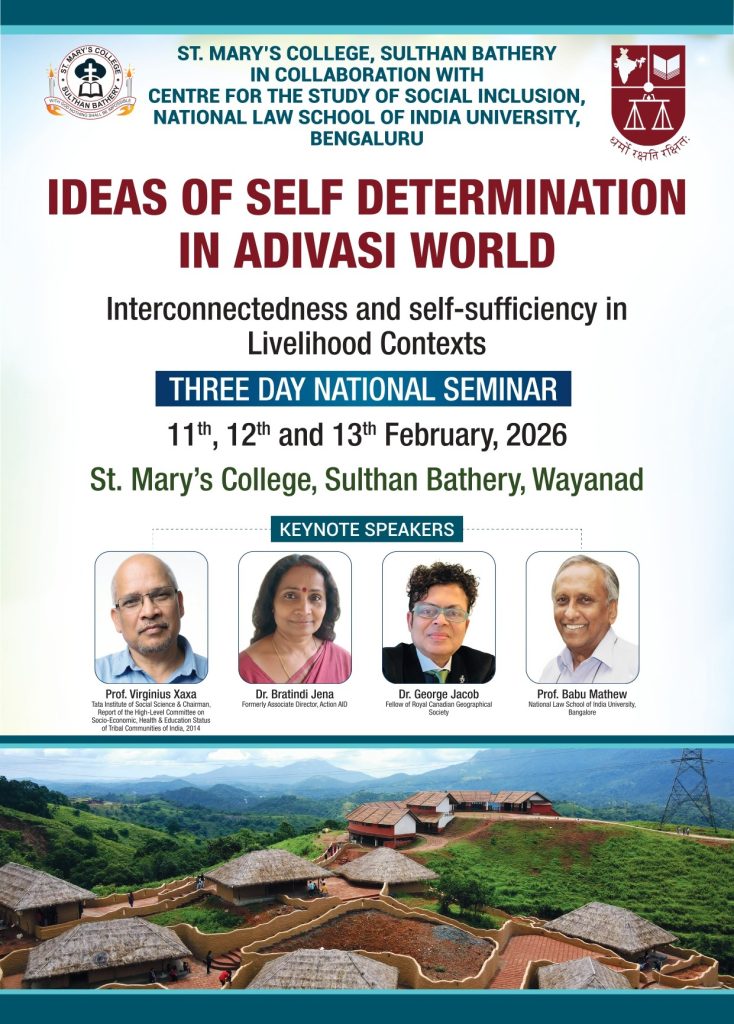
The National Law School of India University (NLSIU), Bengaluru, in collaboration St. Mary’s College, Sulthan Bathery, Wayanad, is organising a three-day national seminar on ‘Ideas of Self Determination in Adivasi World’ between February 11 and 13, 2026.
About the Seminar
Research, literature and discourses have presented Adivasi communities as passive victims to contemporary changes in the market society. Very few post-colonial literature has focused on the resistance by Adivasi groups on the development models imposed on them. Apart from constitutionally mandated reservation provisions for jobs and political representation, predicaments of Adivasi communities are determined by several contemporary changes in society and market. Often research has focused on traditional institutions and governance system. Question on welfare research has been limited to how adivasi communities access government programmes. However, an inquiry into market and technological changes would be able to show how the ideas of self-determination has changed through emerging aspirations.
This seminar would like to take note and document positive elements of resilience and adaptation towards technology and market from Adivasi communities across country. These changes are marked by the nature of interaction between settlers and Adivasi communities. Some of these changes are monetization of natural resources (primarily land but also other natural resources of jal-jungle), penetration of English medium schools, modern health care facilities, tourism, availability of fast-moving consumer goods, exposure to media that shapes the demands internally, new modes of entertainments through alcohol and drug, and changes to transcendental institutions such as religion. How are Adivasi communities responding to these contemporary changes? How is technological adoption, and changes to traditional livelihoods taking place in the context of market penetration? This is the key question that a three day national seminar to be held at St. Mary’s College, Sultan Bathery will be addressing
Schedule
The seminar will include panel discussions on the following themes:
Legal Services in Adivasi Areas
Transformative Practices on Livelihood Promotion
Mobility Aspirations of Adivasi Youth
Apart from paper presentations from across the country, there will also be visits and cultural programmes to familiarise with Adivasi communities in the Western Ghats.
The first higher education aided institution in Wayanad, St. Mary’s College, Sulthan Bathery was established in 1965. Founded by Rev. Fr. Mathai Nooranal to throw light of education to the back ward district of Wayanad, it has 11 undergraduate and 9 post-graduate programmes. The College also has four Research Centres. SMC is also a study-centre for two open universities namely IGNOU and Sree Narayana Guru Open University. The research facilities include DST-FIST Instrumentation Facility, dedicated research scholar’s hub and state-of-the-art Library. The college renders invaluable service to the holistic transformation of Wayanad and its people. The college was reaccredited with” A+” grade by NAAC in 2023.
About National Law School of India University (NLSIU), Bengaluru
NLSIU was the first National Law University established in India in 1986. The premier law school was set up with a mis sion to pioneer legal education reforms, and to anchor the transformation of the Indian legal system through research and policy interventions. Consequently, NLSIU was one of the first institutions in the country to introduce the five-year integrated law degree at the undergraduate level from 1988 onwards. Since then, the University has irrefutably remained a leader in the field of legal education in the country. This long-standing record has been possible due to the strong collaborations between legal academics, the Bar, the Bench and the State Government of Karnataka.
The JSW Centre for the Future of Law at NLSIU is organising an online presentation by Bhavin Patel, Programme Director, TrustBridge Rule of Law Foundation. The talk on his paper titled ‘Can Technology Augment Order Writing Capacity At Regulators?’ will be held on February 27, 2026, at 4:00 PM IST.
The discussant for the talk will be Kashish Makkar, Regulatory Lawyer (UK and India).
The discussion is part of our series of presentations on contemporary scholarship by leading academics. This is an online presentation open to all, register here if you would like to attend.
Abstract
This paper critically examines the opportunities and challenges of using technology, in particular Large Language Models (LLMs), to assist regulatory order writing in quasi-judicial settings, with a focus on the Indian context. The paper proposes augmenting rather than replacing human decision-makers, aiming to improve regulatory order writing practice through responsible use of LLMs. It identifies the core principles of administrative law that must be upheld in these settings — such as application of mind, reasoned orders, non-arbitrariness, rules against bias, and transparency — and analyses how inherent limitations of LLMs, including their probabilistic reasoning, opacity, potential for bias, confabulation, and lack of metacognition, may undermine these principles.
A joint effort by civil society organisations and the ‘Theory and Practice of Social Accountability Project‘ at the National Law School of India University to reflect on the practical interventions that strengthen public accountability in governance and access to justice—from social audits and grievance redress to proactive disclosure and transparency.
This consultation is to reflect on the practical interventions that strengthen public accountability in governance and access to justice—from social audits and grievance redress to proactive disclosure and transparency. The event will bring together practitioners, researchers, bureaucrats, frontline functionaries, and citizens to share experiences and develop a shared agenda for action and research to strengthen citizen oversight mechanisms.
The Format
To facilitate deep engagement and collective planning, we have opted for a format that is, unlike conventional conferences is centered on collaborative roundtables and workshops:
Roundtables: These 90-minute sessions allow each speaker 7–8 minutes to present their work, followed by a collective discussion. The brief for each of these round tables is for participants to consider the following:
What is the current status of the sector/area vis-a-vis audits, disclosures and grievance redress?
What are the questions and/or plan for action to which participants are expected to contribute in the conference?
Workshops: These are 90-minute sessions that will build on the roundtables to develop common action plans focused on audits, disclosure, and grievance redress. Round tables with similar themes have been grouped together in the same workshop so facilitate a wider discussion.
Social Accountability Forum for Action and Research (SAFAR)
Mazdoor Kisan Shakti Sangathan (MKSS)
LibTech India
Foundation for Ecological Security (FES)
Centre for Financial Accountability (CFA)
Land Conflict Watch (LCW)
Alternative Law Forum (ALF)
Campaign for Judicial Accountability & Judicial Reforms (CJAR)
National Campaign on Dalit Human Rights (NCDHR)
Schedule
Session
Session 1
Session 2
Session 3
Session 4
Session 5
Session 6
Time
10:00 AM-11:30 AM
11:45 AM-01:15 PM
02:00 PM-03:30 PM
03:45 PM-04:45 PM
05:00 PM-06:00 PM
06:30 PM-07:30 PM
DAY 1
Opening Remarks by Prof. (Dr.) Sudhir Krishnaswamy, Vice-Chancellor, NLSIU
_______________________________________________________________________________
Plenary panel on Oversight Institutions
Parallel session 1: Algorithmic Accountability in Welfare and Identity Systems
Parallel session 1: Ecological Accountability: Who Decides, Who Benefits, Who Bears the Costs?
Workshop 1:
Financial Accountability
Workshop 4: Ecological Accountability
Performance by Shilpa Mudbi and Kalaburgi Kala Mandali
Parallel session 2: Electoral Accountability: Social Audits of Electoral Rolls and Protecting Voter Rights
Parallel session 2: Financial Accountability: Reclaiming Oversight of Public Credit and Ethical Investment
Workshop 2: Electoral Accountability
Workshop 5:
Judicial Accountability
Parallel session 3: Frontlines of Social Accountability: Everyday practices, patterns and potential effects on empowerment and local governance
Parallel session 3: Judicial Accountability: How can people hold judges and the judiciary accountable?
Workshop 3: Algorithmic Accountability
Parallel session 4: Grievance Redress Systems and The Right to be Heard
Workshop 6: Grievance Redress Systems and The Right to be Heard
Session
Session 1
Session 2
Session 3
Session 4
Session 5
Session 6
Time
9:00 AM-10:30 AM
10:45 AM-12:15 PM
12:30 PM-2:00PM
3:00PM-4:00PM
4:15 PM-5:15PM
5:30 PM-6:30PM
DAY 2
Summary of Day 1 (09:00 to 09:30) Plenary panel: International Experiences with Social Accountability
Parallel session 1: RTI, DPDPA, and the Integrity of Public Data
Parallel session 1: Governance and Technology Design Failures in Aadhaar: Legal and Welfare Implications
Workshop 1: RTI, DPDPA, and the Integrity of Public Data
Workshop 4:
Governance and Technology Design Failures in Aadhaar
Closing Plenary
Parallel session 2: Police Accountability: Community Actions to Safeguard Civil Liberties
Parallel session 2: Accountability for Nomadic & DNT communities
Workshop 2: Police Accountability
Workshop 5:
Nomadic and DNT communities
Parallel session 3: Forest Rights Act and the Future of Democratic Forest Governance
Parallel session 3: Tenant and Women Farmers, Misplaced Benefits, and the Accountability Crisis in Agriculture
Workshop 3:
Forest Governance
Workshop 6:
Accountability in Agriculture
Session Details
Day 1
Plenary Panel on Oversight Institutions
Speakers:
Hon’ble Justice Dr. Ashok B. Hinchigeri, Chairman, Law Commission of Karnataka
Rebecca Mathai, Deputy Comptroller & Auditor General
Yashovardhan Jha Azad, Ex IPS and Central Information Commissioner
Beena Pallical, NCDHR
Algorithmic Accountability in Welfare and Identity Systems
Organisers: Nutgraph Social Data Lab
Digital technologies increasingly mediate access to welfare, rights, and citizenship in India. From biometric authentication and automated eligibility scoring to database-driven exclusions, algorithmic systems now shape access to food rations, pensions, healthcare, and social protection. While presented as tools for efficiency and leakage reduction, these systems often operate with limited transparency, weak grievance redress, and minimal democratic oversight, raising urgent questions of accountability, due process, and constitutional governance.
Evidence from welfare and identity systems across states demonstrates how algorithmic decision-making can systematically exclude vulnerable populations: elderly persons, migrant workers, persons with disabilities, rural households, and those living in areas with poor connectivity or data errors. Automated deletions, opaque scoring logics, and rigid authentication protocols frequently translate into denial of entitlements, with affected citizens required to repeatedly “prove eligibility” rather than systems being held accountable for failure.
As the state increasingly governs through databases, platforms, and code, traditional accountability tools such as social audits, disclosures, and grievance mechanisms, remain poorly equipped to interrogate algorithmic power. This session places algorithmic governance firmly within the social accountability tradition, asking how democratic oversight must adapt when decisions are automated and responsibility is diffused across state agencies and private technology vendors.
Existing accountability mechanisms focus largely on financial flows, coverage numbers, and procedural compliance. Social audits rarely examine algorithmic rules, data architectures, exclusion thresholds, or system error rates. Disclosure norms do not require transparency around how welfare technologies make decisions or classify beneficiaries.
Grievance redress systems remain fragmented and individualised, often shifting the burden of correction onto beneficiaries rather than addressing systemic design flaws. Responsibility is further obscured when technology vendors operate core systems without public accountability.
Emerging jurisprudence on digital rights, privacy, and constitutional protections provides important entry points, but operational accountability frameworks remain underdeveloped.
The round table will bring together practitioners, researchers, technologists, lawyers, and grassroots organisations to:
*Map how algorithmic systems function across welfare and ID programmes
*Identify recurring failure points leading to exclusion and harm
*Examine gaps in audit, disclosure, and grievance frameworks
*Share grounded experiences of documenting and contesting algorithmic exclusions. The discussion will surface both structural challenges and emerging accountability practices.
Electoral Accountability: Social audit of electoral rolls and protecting voter rights
Organiser: Alternative Law Forum (ALF)
In the context of eroding independence and integrity of constitutional bodies set up to protect the right to vote, it is crucial that we revisit the existing legal framework that ensures universal adult franchise. In order to protect the constitutional values that uphold this fundamental right, we must hold authorities like the Election Commission of India accountable to the core tenets of the Representation of People Act and the Rules thereby notified.
No eligible voter must be excluded from the electoral rolls of India. We therefore propose to examine how social audits of electoral rolls empowers people to demand for transparency in the preparation of electoral rolls as well as hold the authorities accountable. We hope that the conference can help in conceptualising pilot social audits, with the active participation of civil society organisations and voters in a limited number of booths.
As an alternative to the SIR, we propose to examine how social audits of electoral rolls empowers people to demand for transparency in the preparation of electoral rolls as well as hold the authorities accountable. We hope that the conference can help in conceptualising pilot social audits, with the active participation of civil society organisations and voters in a limited number of booths.
Frontlines of Social Accountability: Everyday practices, patterns and potential effects on empowerment and local governance
Organiser: Sham Kashyap
Social accountability mechanisms like Right to Information, grievance redressal protocols and Social Audits need several local actors to work together to be implemented effectively. The local is not only the site of information seeking and scrutiny of service provision by citizens but also involves several technocratic and social processes of community mobilisation, documentation and compilation of implementation related information, presentation of evidence, interpretation and final action based on these processes. Together with local officials and rights holders, several stakeholders like social audit personnel, local politicians, development practitioners and other bureaucrats are involved in engendering these processes and making them effective. Thus, everyday practices of social accountability need consistent effort and resources. The public nature of these practices and the local and immediate stakes involved mean that social accountability can lead to significant political and social impact at the local level.
This round table brings together front-line functionaries, social auditors, elected representatives and citizens in conversation about these everyday practices of social accountability policies. The questions for the participants range from how Right to Information applications are written, processed and used at the local level, the practices related to transparency in local planning and implementation and the bureaucratic, social and political processes of grievance redressal. Key questions related to conducting social audits like disclosure of information, the mechanisms of evidence compilation, the role of frontline functionaries and elected representatives in social audits and processes of follow up action on social audit findings shall also be asked to the participants. Further, there would be questions related to time, resources and capacity and the direct and indirect effects of social accountability practices on local governance.
While sharing their perspectives and personal experiences, the practitioners in this round table also shed light on local factors that make social accountability practices translate into empowerment of rights holders and improved service delivery: the nature of development issues, the supply capacity and demand for service delivery, community participation in planning of development activities, the availability of accurate information in local government offices, the timing and language of information provision and the conviction of local communities in demanding their rights and entitlements. Based on their collective experiences and perspectives, the round table provides an opportunity to explore the pathways and incentive configurations at the local level that make social accountability policies effective for collective welfare schemes as well as for the new forms of individualised entitlements delivered through direct benefit transfers.
Ecological Accountability: Who Decides, Who Benefits, Who Bears the Costs?
Organiser: Foundation for Ecological Security
Ecological systems, from forests, rivers, and wetlands to urban ecologies, form the basis of how societies live their present and produce their futures. Yet decision-making processes may not always reflect the complexity of these lived, pluriversal social-ecological relationships. This is evident, for instance, when urban planning treats floodplains as vacant, ‘idle’ land, when grasslands are approached through afforestation strategies, or simply when ‘wasteland’ exists and persists as an official land classification.
Public policy is often required to balance economic, environmental, and social priorities under conditions of uncertainty/constraint. This has led to the adoption of approaches like market-based conservation or state-led protection which, in many contexts, have had uneven outcomes and, at times, marginalised both human and non-human entities. For non-human life, the marginalisation is further complicated by the fact that their interests cannot be easily articulated and are, inadvertently, represented by proxies who themselves are shaped by power. The gap deepens when looked at temporally, as decisions taken in the present produce uneven, often irreversible, consequences for future generations.
In parallel, scholarship and practice often place the responsibility of care and protection on local communities. Yet, actors who are not engaged in the everyday labour of care and protection often define what counts as “good conservation”, how ecologies should be valued and valuated, or how coexistence must be ensured. “Community” itself is a contested and uneven space in this context, shaped by hierarchies and skewed socio-economic and political conditions, like gender and caste, under which everyday care is actually carried out.
In these realities, ecological accountability offers a powerful lens/framework to understand how responsibility and power are distributed and legitimised for the socio-ecological systems. Cutting across dimensions such as restoration, conversion, and stewardship, and bringing together practitioners and scholars, these sessions will explore: Who gets to decide how ecosystems are used, shaped, or conserved? Who benefits? How are burdens and responsibilities distributed across social groups, institutions, and generations? Where and why do they fall short? Finally, how might forms of ecological accountability be reimagined to enable inter-species, inter-generational, and intra-generational justice?
Financial Accountability: Reclaiming Oversight of Public Credit and Ethical Investment
Organiser: CFA (Centre for Financial Accountability)
The socially embedded banking framework has been steadily dismantled over the recent decades. Priority sector norms have been diluted, share of agricultural credit has fallen, rural branches have shrunk, depositors’ interest rates have dwindled, staffing levels in public sector banks have stagnated, and large-scale mergers have weakened the banks’ local presence and accountability. Instead of regulatory mechanisms that could hold banks accountable towards the margins, norms have been eased only to favour the market. The focus of lending has shifted decisively away from small loans towards large corporate borrowers, while mechanisms like the IBC and NCLT have often resulted in significant haircuts that socialise losses while privatising gains. At the same time, banks have been encouraged to lend to NBFCs, effectively outsourcing retail and small-ticket credit to more expensive intermediaries that charge exorbitant rates and practice inhuman recovery practices that function under nearly no accountability or regulatory oversight.
While we see accountability towards depositors and small creditors eroding on one end, alongside we also see the erosion of the notion of accountability when it comes to investments by the same banks. Big ticket investments by banks on large scale projects and activities remains shrouded in opaqueness and devoid of responsibility towards their adverse impacts on people and ecology. Is profitability the sole purpose of banks or should there be a moral ethical compass that ought to determine where it puts its money? Given that it is public money that runs these banks, should there not be a sense of accountability on where it is invested? There ought to be a public watch upon whether banks are investing in projects that destroy livelihoods, ecology and sustainability. In an age of climate crisis it is also imperative that climate sensitivity also governs banks’ investment plans. While the jargon of “green” in recent years is found dotted across the RBI’s documents, the social and ecological accountability mechanisms and safeguards are not yet adequately institutionalised.
The round table would foreground the notion of accountability on both ends of the spectrum – credit/deposit as well as investment/financing. It would speak of concrete mechanisms and policy prescriptions that can hold financial institutions to account from a people-centric lens.
Judicial Accountability: How people can hold judges and the judiciary accountable?
Organiser: Campaign for Judicial Accountability and Reforms (CJAR)
The judiciary possesses neither the power of the purse or the sword but still wields enormous power in India’s constitutional system. It is the protector of fundamental rights and holds the government accountable to the law and Constitution. However, there are very few mechanisms to hold the judiciary and Supreme Court and High Court judges accountable to the public. The constitutional mechanism to insulate judges from the executive and legislature can sometimes stand in the way of citizens holding judges accountable for failing to do their duties properly in accordance with the law and constitution.
However, accountability of judges is not only ensured by the threat of removal or criminal sanction. The law and the Constitution provide multiple avenues for citizens to demand accountability from both individual judges and from the judiciary as a whole. This session is intended to provide a primer to civil society members and the general public on how to hold judges and the judiciary accountable.
The session on judicial accountability will look to:
*Identify the existing legal framework on judicial accountability (defined as accountability of HC and SC judges and accountability of HCs and SCs)
*Hear from civil society organisations on the challenges the lack of judicial accountability is posing to their work
*Come up with actionable ideas on better enforcing accountability through the law and legal mechanisms
*Prepare a primer for civil society organisations on legal mechanisms and strategies to hold judges and the judiciary accountable
Day 2
International Experiences with Social Accountability
Organiser: International Social Accountability Hub, VOCAL Africa
This round table explores international practices of social accountability, with a focus on mutual learning and action-research among civil society, governments, and international organizations. While social audits are often associated with India, comparable approaches have emerged globally. Experiences from Kenya, Sri Lanka and Nepal demonstrate the use of social audits to monitor public funds and service delivery. Participants leading these efforts in their countries will aim to highlight common principles, methods, and enabling practices that underpin effective social audits, while also examining the challenges that constrain their implementation and sustainability. These challenges include legal and policy frameworks, sector-specific requirements, civil society capacity, and state capacity at organizational, sectoral, and national levels. Insights generated through global practitioner interactions will inform the development of a shared framework and an international resource hub on social audits. The discussion also seeks to strengthen mutual support networks within India and internationally, contributing to knowledge sharing, advocacy, and the broader dissemination of participatory social accountability practices.
RTI, DPDPA, and the Integrity of Public Data
Organisers: SAFAR and MKSS
This session examines the implications of the Digital Personal Data Protection Act (DPDPA) on people’s access to information and democratic rights. The roundtable will include discussions on significant provisions of the Act to understand its implications on the wider field of social accountability. While the Act claims to safeguard individual privacy, its design raises serious concerns for the future of proactive disclosure, investigative journalism, and the Right to Information.
The roundtable will critically examine how existing practices, such as accessing public records through existing statutes, conducting public and social audits, grievance registration drives, and investigative journalism, will be impacted. The session will also discuss how the DPDPA will (or will not) protect the right to privacy, which the Supreme Court of India has guaranteed as a fundamental right.
Beyond the legal hurdles of the DPDPA, this dialogue addresses a growing crisis regarding the quality and integrity of public data. There is a deep concern that data currently released in the public domain—from census figures to welfare statistics—is often fragmented, politically managed, or designed to obscure the lived realities of marginalized groups. We will interrogate the politics of proactive disclosure: Is the data being put out actually helpful for democratic oversight, or does it facilitate a form of “transparency without accountability”?
The dialogue aims to identify strategic ways forward to respond to the DPDPA’s restrictions while demanding not just more data, but reliable and meaningful data that can withstand technical and political scrutiny. Ultimately, the session seeks to build a people’s framework that balances the right to privacy with a robust assertion of the right to transparency.
Police Accountability: Community Action to Safeguard Civil Liberties
Organisers: Ameya Bokil and Devyani Srivastava
Concerns regarding police conduct in India, particularly the use of force, procedural irregularities, and accountability, have been documented through recent empirical research. Studies analysing encounter deaths, conviction rates, First Information Reports, arrest practices, and the experiences of undertrial prisoners highlight persistent gaps between legal safeguards and everyday policing practices. Judicial interventions over the past three decades, including guidelines on arrests, custodial safeguards, oversight mechanisms, and the installation of CCTV cameras, have sought to strengthen accountability frameworks. These reforms have often been advanced through litigation supported by civil society organisations and affected communities.
Despite these developments, enforcement remains uneven at the level of police stations and trial courts, where individuals frequently encounter the police in situations marked by power asymmetry. At the same time, new forms of public access to information such as online FIRs, arrest records, crime data, court databases, and records generated by oversight bodies, have created opportunities for systematic monitoring of police practices.
This roundtable focuses on accountability at the police station level, where oversight is most immediate and consequential. It aims to examine what is currently known about police practices, identify priority areas for intervention, and explore collective strategies for monitoring and accountability. The discussion will bring together community representatives, legal practitioners, researchers, and academics to reflect on the use of data, institutional pathways to accountability, and the practical and safety considerations involved in such efforts.
Forest Rights Act and the Future of Democratic Forest Governance
Organisers: Land Conflict Watch
Nearly two decades after the enactment of the Forest Rights Act (FRA), 2006, the law remains one of India’s most transformative yet contested governance frameworks. FRA reimagines forests not as centrally administered resources, but as democratically governed landscapes rooted in community rights, Gram Sabhas, and collective decision-making. However, implementation has largely reduced the law to a welfare or titling exercise, sidelining its deeper vision of self-governance.
As India expands infrastructure, conservation initiatives, and climate mitigation efforts in forested regions, conflicts around forest diversion, evictions, and consent continue to intensify. These are not isolated failures but reflect persistent resistance to transferring authority from forest bureaucracies to rights-holding communities.
This session/theme revisits FRA as a governance law and asks: once rights are recognised, how should forests be governed, and what accountability mechanisms are required to uphold community authority?
FRA implementation remains uneven across states, with low recognition of Community Forest Resource (CFR) rights, limited institutional support to Gram Sabhas, and weak transparency in decisions related to forest diversion, conservation, and compensatory afforestation.
Audit mechanisms focus narrowly on claim processing and approvals, rarely examining post-recognition governance such as decision-making by Gram Sabhas, the quality of consent, or conflicts with forest departments. Grievance redress processes are slow, inaccessible, and often ineffective, while rejected claims and evictions frequently proceed without due process. Recent amendments to forest and conservation laws further risk undermining FRA safeguards, making robust accountability frameworks increasingly urgent.
The round table will focus on re-centering Governance under FRA:
*Reframing FRA as a governance framework, not merely a rights-distribution law
*Identifying institutional and political barriers to community-led forest governance
*Examining how audits and disclosures can capture violations beyond titles
*Learning from regions where CFR governance has meaningfully taken root
Governance and Technology Design Failures in Aadhaar: Legal and Welfare Implications
Organiser: Libtech
Aadhaar, the world’s largest biometric digital identity system, was conceived as an instrument to streamline access to welfare entitlements, eliminate duplication, and provide legal identity to individuals lacking formal documentation. Established in 2009 by executive order under the Planning Commission, the Unique Identification Authority of India (UIDAI) was entrusted with enrolling residents and maintaining the Central Identities Data Repository (CIDR). The Aadhaar (Targeted Delivery of Financial and Other Subsidies, Benefits and Services) Act, 2016, subsequently provided statutory backing to the system and formally integrated Aadhaar into the delivery architecture of welfare schemes, primarily through biometric authentication and Direct Benefit Transfers (DBT).
This roundtable aims to critically examine Aadhaar as a mode of governance, with a particular focus on its design, implementation practices, and the legal implications for rights and welfare delivery. While the State has justified Aadhaar as a tool for efficiency, inclusion, and accountability, its expanding use has revealed systemic vulnerabilities. These include biometric authentication failures, exclusion errors, wrongful deletions from beneficiary databases, payment rejections, and procedural complexities– failures that disproportionately affect marginalised populations, including rural, tribal, elderly, disabled, and migrant communities. The legitimacy of Aadhaar as a centralised repository of identity has been contested since its inception. Early constitutional challenges, notably the petitions filed by Justice K.S. Puttaswamy (Retd.), Aruna Roy, and others, raised concerns regarding privacy and data security. Subsequent jurisprudence has recognised privacy as a fundamental right while simultaneously permitting Aadhaar-based welfare delivery.
Drawing on field-level experiences and interventions by civil society organisations, this roundtable foregrounds the gap between Aadhaar’s normative claims and its lived realities. It situates Aadhaar within broader debates, wherein complex social identities and entitlements are flattened into legible, governable data. The discussion will interrogate how procedural design, technological architecture, and institutional incentives interact to produce exclusion, and how responsibility for such failures is diffused across administrative and technical layers. While the primary focus remains Aadhaar-linked welfare delivery, the roundtable will also reflect on the implications of Aadhaar’s integration into other domains of governance, including education, healthcare, financial services, and law enforcement. In doing so, it aims to contribute to ongoing conversations on digital accountability, and the future of rights-based welfare in an increasingly data-driven State.
THEMES FOR DISCUSSION:
The roundtable will address, but not be limited to, the following themes:
* Aadhaar and the State’s Rationality of Governance: Critically examining the lens of administrative rationality and state legibility underpinning Aadhaar, including the logic behind biometric identification.
*Technology Design and Procedural Failures: Analysis of authentication mechanisms, enrolment and update procedures, grievance redressal systems, and the legal invisibility of technological error.
*Welfare Delivery and Socio-Economic Contexts: Differential impacts of Aadhaar-linked welfare across regions and populations, with emphasis on exclusion and barriers to access.
*Legal and Institutional Accountability: Questions of liability, accountability, and remedies in cases of Aadhaar-related denial of Entitlements.
*Civil Society Interventions and Pathways Forward Field-based insights, advocacy strategies, and policy recommendations aimed at reducing exclusion and strengthening rights-based welfare delivery.
Accountability for Nomadic and DNT communities
Organiser: Olakhaan
Despite their significant contributions to pastoral-based livelihoods, traditional services, arts, trade activities, the freedom movement, and socio-cultural life, nomadic, semi-nomadic, and denotified communities continue to face widespread social and institutional exclusion. Lack of secure housing, weak legal identity, social stigma, caste discrimination, administrative invisibility, and the loss of traditional livelihoods deprive these communities of basic rights such as identity documents, housing leases, education, health, livelihoods, and social security.
This roundtable is being organised with the aim of reviewing the accountability gaps in the implementation of constitutional, welfare and rights-based provisions relating to nomadic, semi-nomadic and denotified communities. The roundtable will focus specifically on the cultural contributions of nomadic, semi-nomadic and denotified communities, social stigma, current socio-economic status, deprivation of constitutional rights and the role of government institutions. It will discuss important issues such as identification of nomadic, semi-nomadic and freed families, ensuring access to government schemes, prevention of discrimination and inclusion in local planning processes.
The roundtable will invite participants to share practices and experiences related to documentation, housing, livelihoods and advocacy. Furthermore, the potential for social audits and participatory accountability mechanisms to improve transparency and service delivery will be discussed.
Tenant and Women Farmers, Misplaced Benefits, and the Accountability Crisis in Agriculture
Organiser: Rhythu Swaraj Vedika and Kisan Mitra
Across India, agricultural governance continues to recognise landowners as the primary farmers, even though cultivation is increasingly carried out by tenant farmers, women cultivators, sharecroppers, and landless producers. This foundational mismatch underlies large-scale exclusion from public support, misdirected subsidies and entitlements, and deepening agrarian distress.
A lack of transparent data on benefit delivery- who receives what and why- compounds exclusion and incentivises accumulation of subsidies by a few actors who may not actively cultivate land but are recognised in official systems. Experience from handling grievances reveals how public support often flows to landowners, not actual cultivators, despite significant agriculture budgets at both Union and State levels. The Union agriculture budget in recent years has run into lakhs of crores, yet coverage and targeting remain opaque and misaligned with ground realities. Agrarian distress and suicide are national phenomena: official data show over 10,000 farmers and agricultural labourers died by suicide in 2023 alone, with distress concentrated in several states but reflective of systemic risk across the country. NCRB data also indicate that agricultural suicides(heavily undercounted) often account for a significant share of all suicides nationally.
At a time when States are adopting land title guarantee laws and digital farmer identification systems, agricultural governance is increasingly linking benefits to formal land records. This roundtable focuses on accountability for farmers by examining how such frameworks risk excluding actual cultivators, particularly tenants and sharecroppers. It reframes farmer identification as a governance challenge: how to recognise real cultivators, assign institutional responsibility, and design digital systems that deliver benefits equitably. The discussion will assess historical and legal approaches to cultivator recognition, the implications of landowner-centric digitisation for subsidies and compensation, and the role of transparent public data in enabling cultivators to claim entitlements and collective voice.
Grievance Redress Systems and The Right to Be Heard
Organiser: SAFAR
This roundtable will map and compare ongoing innovations in grievance redress and accountability systems across states and sectors. The discussion will reflect on practical interventions that strengthen accountability, democratic oversight, and access to justice by focusing on the right to be heard and the right to timebound redress. Participants will share insights from the ongoing research studies and state-level platforms and procedures such as Telangana’s decentralised CM Prajavani, Rajasthan’s Sampark, Karnataka’s IPGRS, Bihar PGRA and Saral Haryana. Sectoral experiences will include NFSA grievance redress and learnings from a helpline to address farmer distress and grievances. The discussion will also bring in engagement with independent oversight institutions (e.g., Human Rights Commissions, Ombudspersons, BoCW Boards, Legal Services Authorities) to draw lessons on institutional design, responsiveness, and citizen oversight. By comparing diverse models, the round table will identify conditions for success, barriers, and collective priorities for strengthening and scaling up these systems.
The JSW Centre for the Future of Law at NLSIU is organising an online presentation by Rebecca Williams, Professor of Public Law and Criminal Law at Pembroke College, University of Oxford. The talk on ‘The HP Sauce Problem: Social Scoring And The Law’s Response’ will be held on January 30, 2026, at 4:00 PM IST.
The discussion is part of our series of presentations on contemporary scholarship by leading academics. This is an online presentation open to all, register here if you would like to attend.
Abstract
While much attention has been given to questions of algorithmic fairness in terms of bias, relatively little attention has been given to broader aspects of fairness including the use of data from one context to reach decisions in another. The increasing ability of big data to reveal connections between apparently unrelated data points has resulted in various regulatory and legislative initiatives to control the use of such connections. This paper argues that these initiatives are so far too vague to provide guardrails in specific instances, but also that they fall wide of the mark. Instead, the paper proposes a new framework to guide generalised or predictive decision-making in its application to individuals.
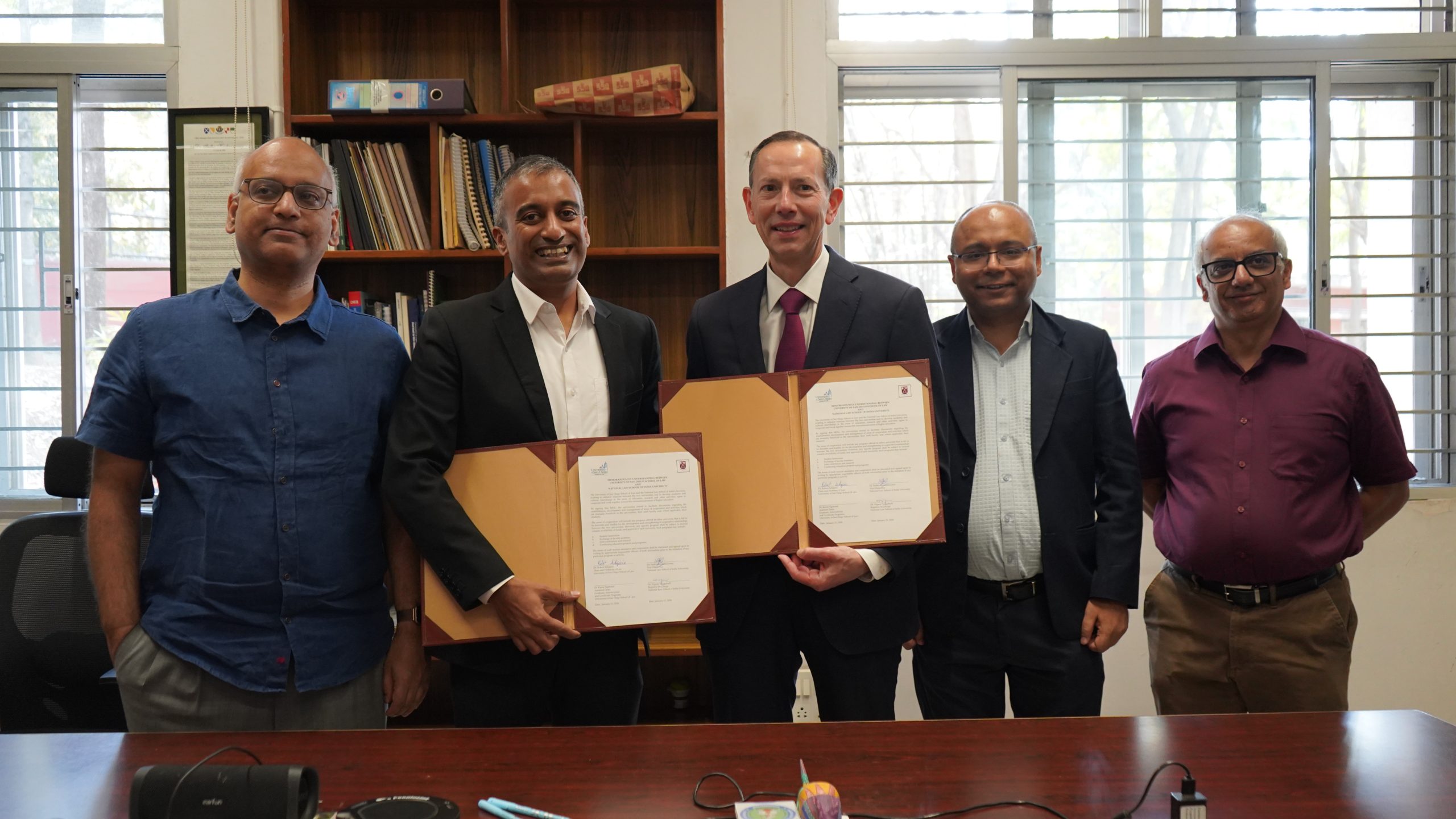
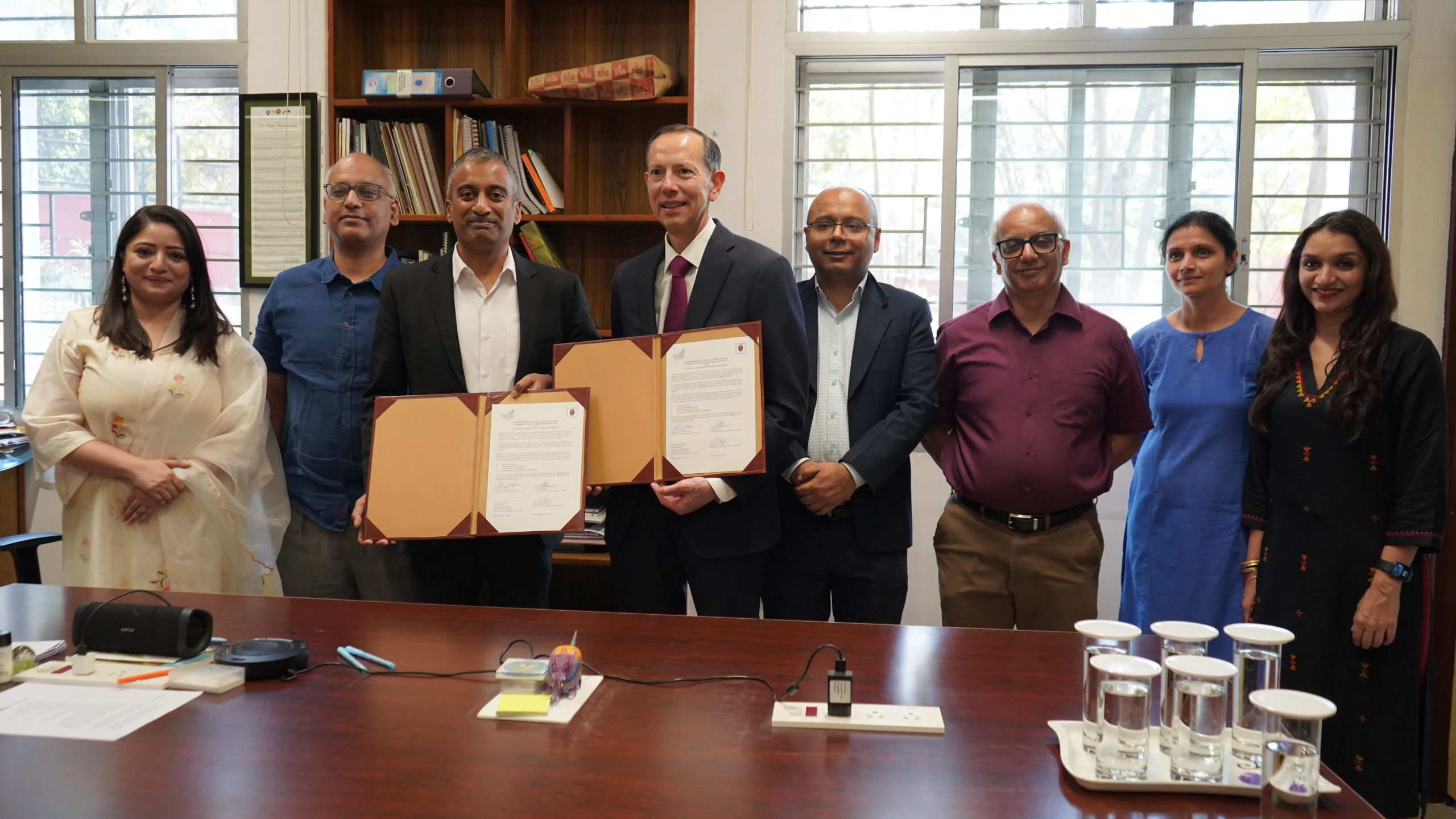
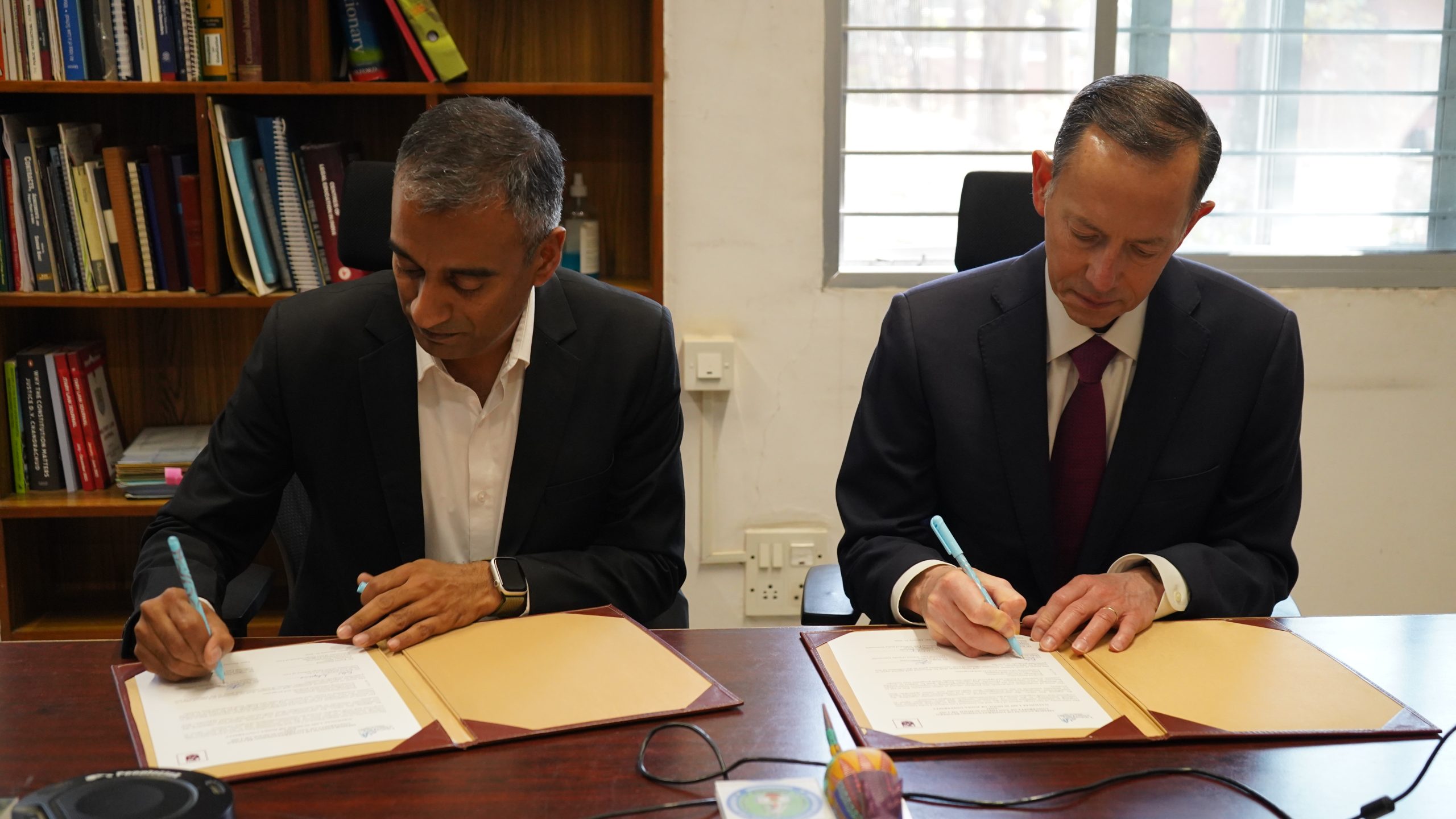
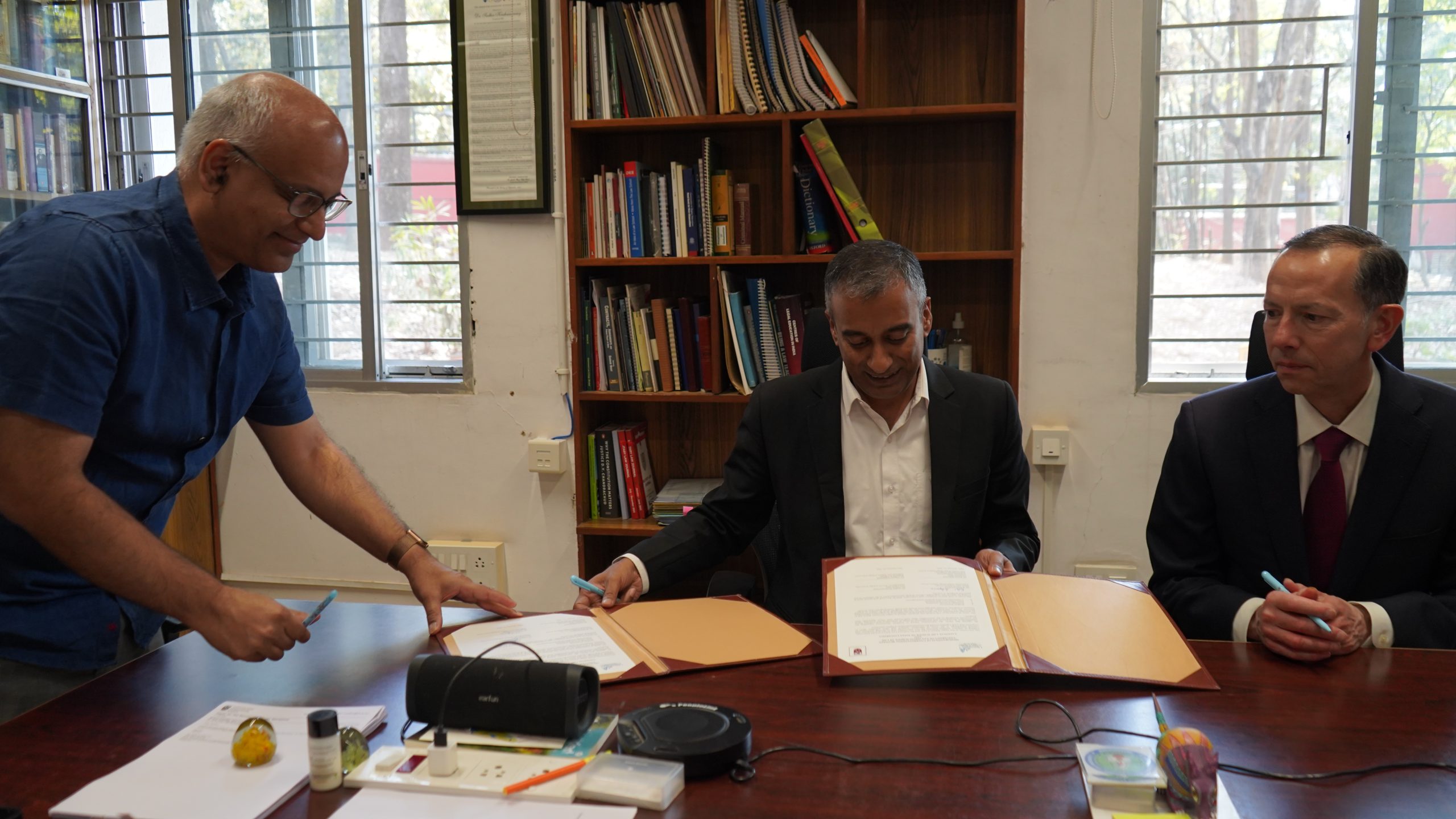
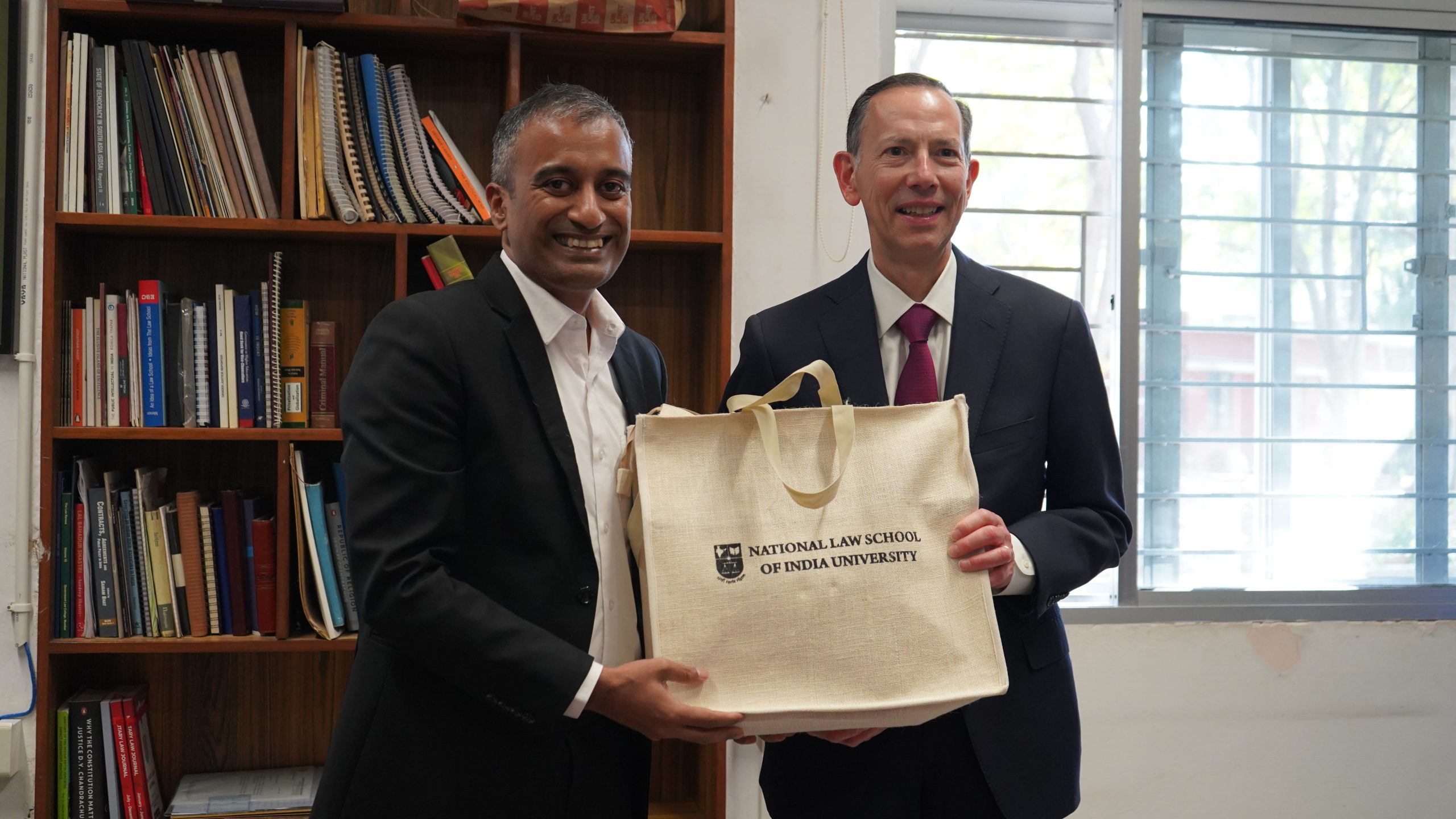
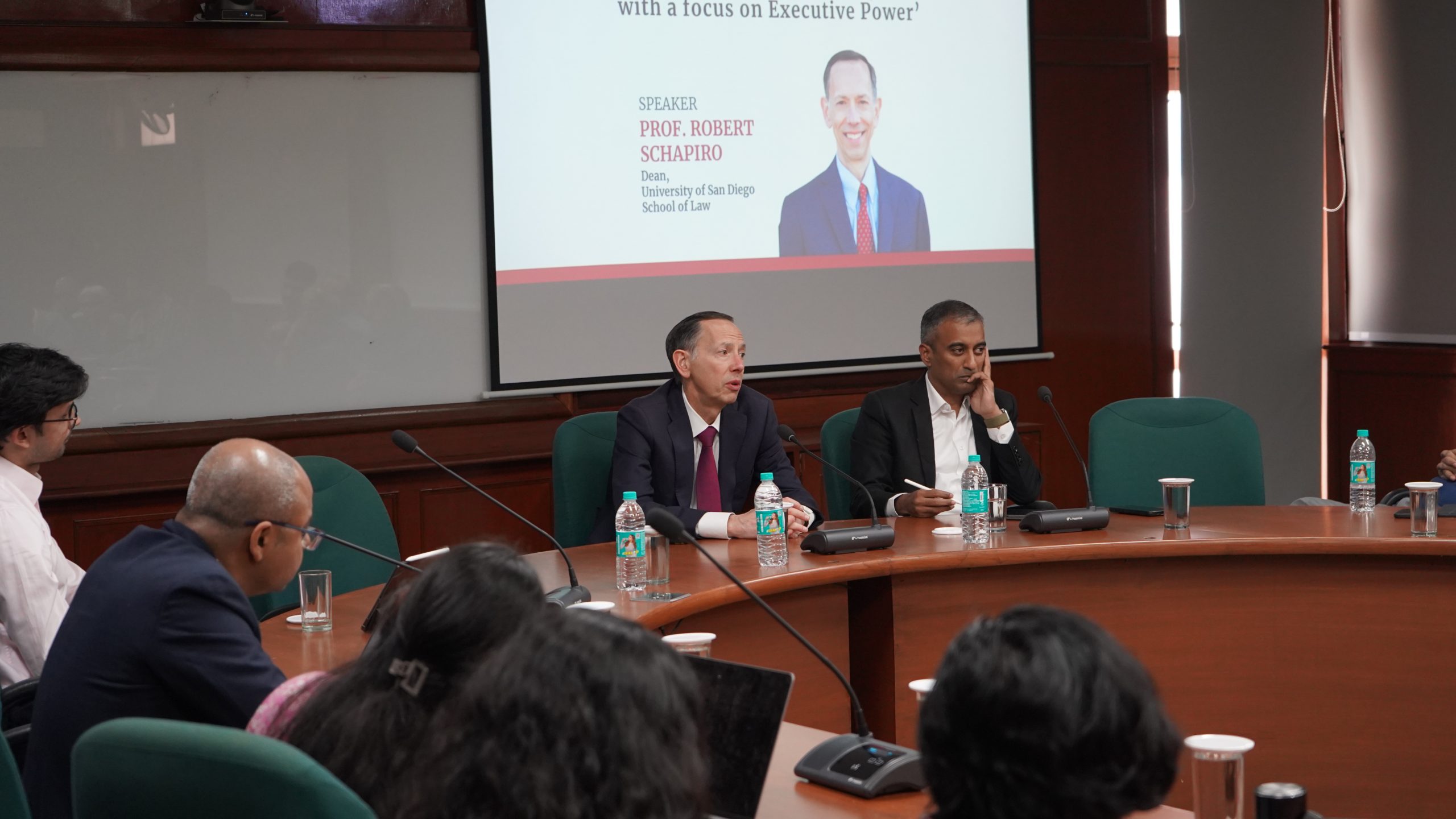
The National Law School of India University (NLSIU) and University of San Diego (USD) have signed an MoU to explore academic cooperation and collaboration.
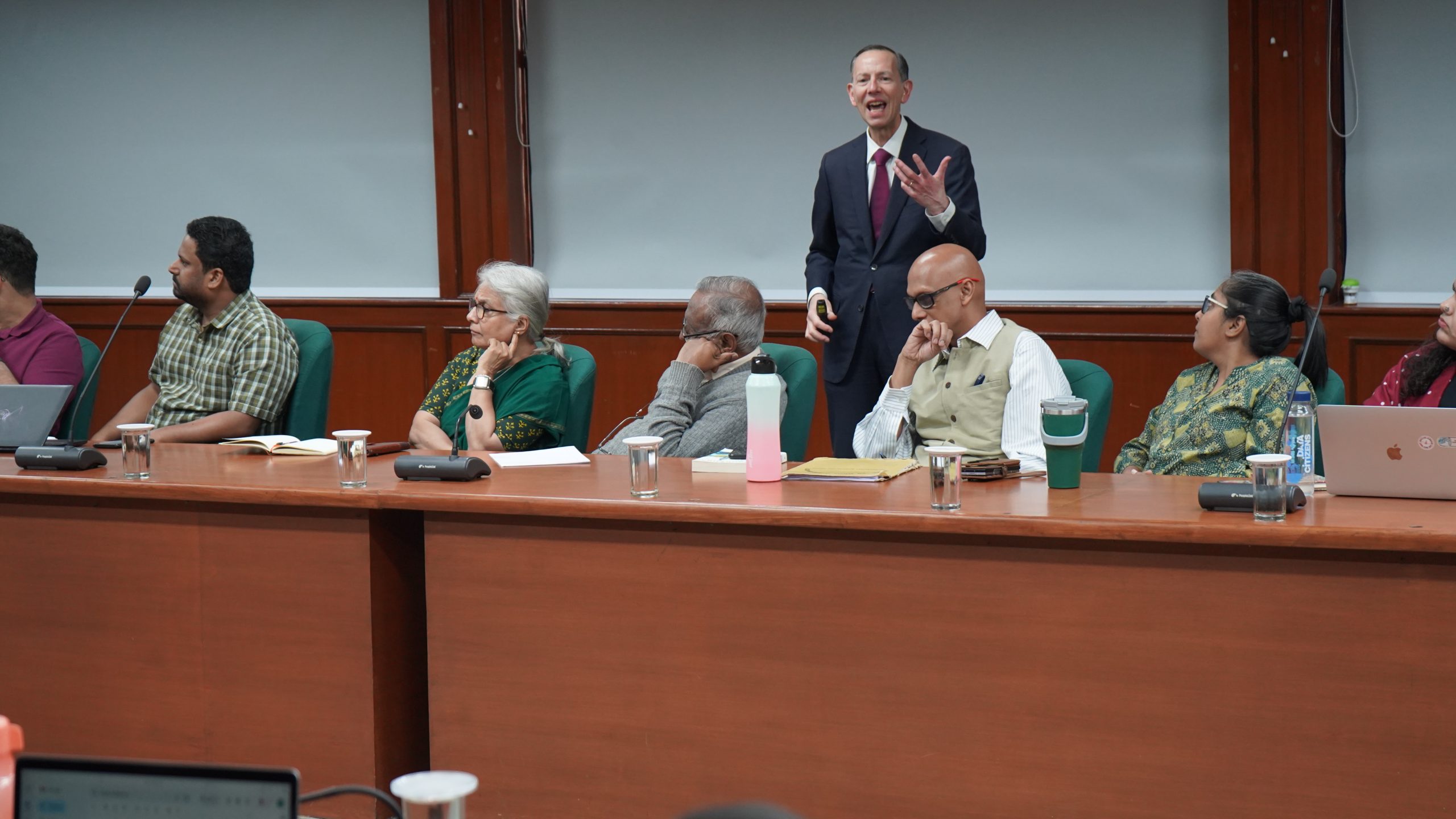
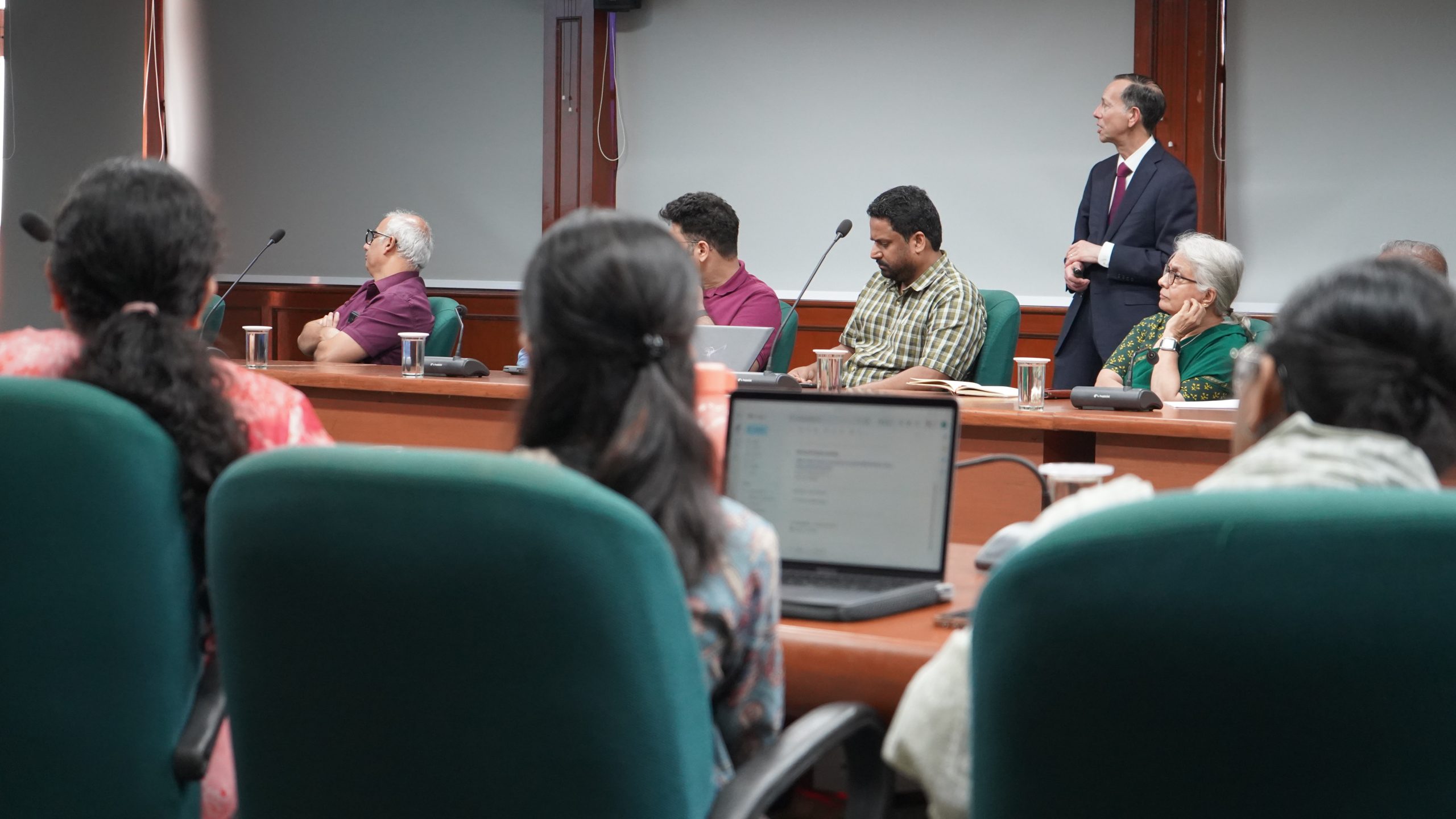
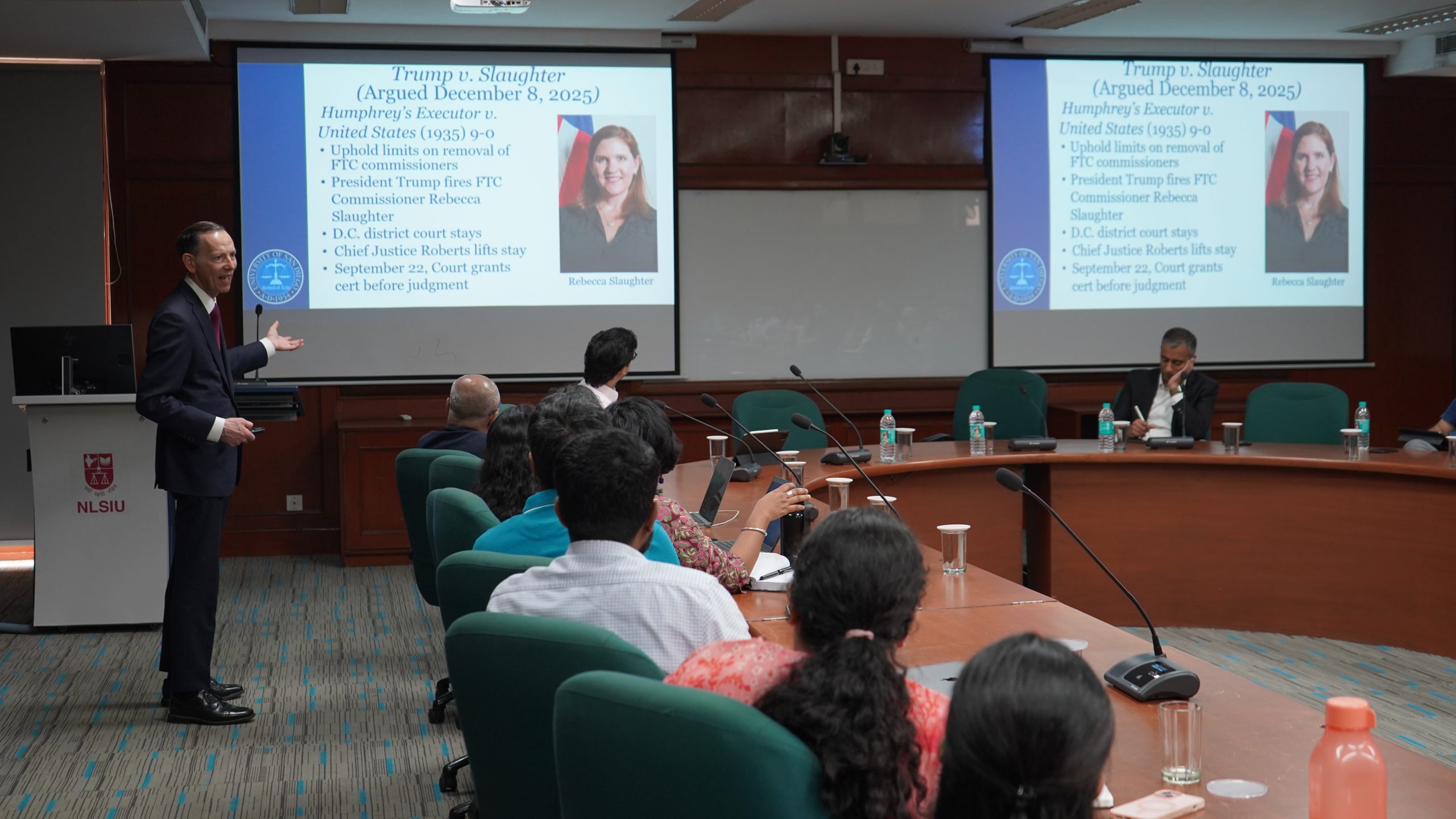
During the visit, Prof. Schapiro also delivered a lecture to faculty members on “Recent Developments in US Constitutional Law, with a Focus on Executive Power.”
About University of San Diego (USD), School of Law
The University of San Diego (USD) School of Law is an ABA-accredited, globally recognised institution dedicated to educating principled, practice-ready lawyers and leaders. Known for its collegial and forward-looking approach to legal education, USD School of Law combines academic rigour, ethical leadership, and experiential learning within a collaborative and supportive community.
Located in San Diego, one of the most innovative and entrepreneurial regions in the United States, USD School of Law is at the intersection of law, business, technology, and public policy. The institution’s geographic proximity to an international border further enriches the academic environment, offering students exposure to cross-border legal issues, international commerce, migration, and comparative governance. USD School of Law serves as a vital intellectual and policy resource for Southern California and the broader global legal community.
Deeply committed to fostering a diverse and inclusive academic community, USD School of Law believes that diversity of thought, experience, and perspective strengthens legal reasoning, sharpens critical judgment, and prepares students for leadership in an increasingly complex legal landscape. Consisting of internationally recognized scholars and accomplished practitioners whose scholarship is published in leading legal journals, the faculty is renowned for its accessibility, commitment to mentorship, interdisciplinary engagement, and meaningful collaboration.
Through its nationally respected legal clinics, among the oldest on the West Coast, students represent real clients in real cases, integrating theory with practice while serving the community. The research centers and institutes further support advanced legal scholarship and student engagement with pressing legal and policy challenges. Guided by a distinguished Board of Visitors and supported by comprehensive administrative and career-development services, USD School of Law ensures that students are prepared to succeed professionally and lead with integrity, competence, and compassion throughout their careers.
About The Speaker
The Dean and C. Hugh Friedman Professor of Law at the University of San Diego School of Law, Dean Robert A. Schapiro, is widely regarded as a leading authority on federalism, constitutional structure, and inter-systemic governance. Dean Schapiro has a distinguished career spanning legal scholarship, academic leadership, and public engagement.
Dean Schapiro’s scholarship has been published in premier law journals, including the Stanford Law Review, Virginia Law Review, Cornell Law Review, and Northwestern University Law Review. He is the author of Polyphonic Federalism: Toward the Protection of Fundamental Rights, a seminal work that has shaped contemporary thinking on constitutional protection and the interaction between legal systems.
Before joining the University of San Diego, Dean Schapiro served as Dean of Emory University School of Law and co-directed the Center on Federalism and Intersystemic Governance. A graduate of Yale Law School, he was Editor-in-Chief of the Yale Law Journal and clerked for Judge Pierre N. Leval of the U.S. District Court for the Southern District of New York, followed by a clerkship with Justice John Paul Stevens of the United States Supreme Court. He is a member of the American Law Institute and a recipient of multiple honors recognizing his contributions to legal education and leadership.
As a public intellectual, Dean Schapiro is frequently sought out by local, national, and international media for expert commentary on U.S. Supreme Court decisions, constitutional developments, and evolving legal frameworks. Known for his ability to translate complex legal issues into accessible, globally relevant insights, particularly at the intersection of law, technology, and international practice, Dean Schapiro is a trusted legal expert for leading U.S. media outlets and academic platforms.
His Supreme Court clerkship, dual-dean leadership experience, and deep scholarly credentials place him among a rare group of legal academics who have shaped both U.S. constitutional discourse and modern legal education.
NLSIU is organising an online conversation with global policy experts on the theme ‘Can knowing the law make better public policy?’ on February 8, 2026 from 6 to 7 pm.
About the Session
Effective ideas and interventions in public policy attract financial resources, people and the time to organise operations. But the question that confronts them is who, how and why should the government authorize such actions, if we want to scale? Acceptance is easier than authorisation. Having garnered the evidence, is knowing the law an important but often ignored step to transition from theory to practice?
Join this conversation with three experts in the policy field – a public policy educator with a global development policy expert and a corporate and tech policy leader – to unpack this question. This webinar will particularly be useful to law students, professionals and other students looking to transition to public policy practice.
Srikrishna Ayyangar, is the Chair of the Master’s in Public Policy Programme at NLSIU, Bengaluru. Trained as a political scientist, he has been a public policy educator for more than a decade in India, having graduated from the Maxwell School at Syracuse University. His interests are in populism and case study methodologies. He is also the co-convenor of the Comparative Case Study Group at the Methods.Net community hosted by the University of Louvain, Belgium.
Ronald co-founded IDinsight and led the first decade of growth for its India office. Today, IDinsight’s 250+ staff across Asia and Africa help governments and nonprofits use data and evidence to make better decisions.
Ronald is currently building Veeraa, a crowdfunding and growth platform for India’s community leaders. He has also served as CEO of Jan Suraaj Foundation (JSF) and under his leadership, JSF built an active network of over 25,000 youth across Bihar. Earlier in his career, Ronald worked with Pratham, India’s largest education nonprofit, coordinating the Annual Status of Education Report (ASER) and co-leading a statewide learning program with the Government of Punjab.
Ronald holds a BA (Honours) in Economics from St. Stephen’s College, Delhi University, and an MPA in International Development (MPA/ID) from Harvard Kennedy School.
Ms. Shimal Kapoor
Shimal Kapoor is a law and public policy professional with nearly a decade of experience working at the intersection of governance, regulation, and technology. Shimal began her career as a LAMP Fellow at the Parliament of India and later served as a Judicial Clerk at the Supreme Court of India, before contributing to governance projects at the World Bank during her Master’s in Public Policy at the Harvard Kennedy School. Since her Master’s, Shimal has worked on public policy engagements for leading technology companies like Meta and Probo, focussing on privacy, content regulation, online safety, online gaming, telecom laws, AI governance, and digital competition.
NLSIU is organising a talk on ‘Closing the Gap between Rights and Justice’ by Prof. Maya Unnithan, Professor of Social and Medical Anthropology at the University of Sussex on January 16, 2026 at 11.10 am.
Abstract
A human rights-based approach provides a significant framework with which to conceptualise and advance change in systems where gender inequality and injustice permeate. However, there are often gaps between a rights-based approach and the realisation of justice. In the talk, Professor Unnithan will draw on insights from on-the-ground engagement with legal processes and reproductive rights, feminist scholarship on justice, as well as Amartya Sen’s ideas on the moral basis of justice, to suggest new ways of imagining rights which capture everyday complexities in an inclusive frame of reproductive justice.
About the Speaker
Maya Unnithan is a Professor of Social and Medical Anthropology at the University of Sussex, working at the intersections of reproduction, global health, international development, and human rights. Her early scholarship, articulated in the monograph Gender, Poverty and Identity: New Perspectives on Caste and Tribe in Rajasthan (1997), provides a rich ethnographic account of the kinship, caste and gender politics in northern India. From 2000s onwards, her research has focussed on biopolitics, notions of body-self, and bodily autonomy in the reproductive life course, health governance and activism in India and UK (with reference to infertility, contraception, assisted reproductive technologies, surrogacy, abortion, and prenatal sex selection). These concerns are developed in her later monograph Fertility, Health and Reproductive Politics: Reimagining Rights in India (2019).
At the University of Sussex, she also leads the Centre for Cultures of Reproduction, Technologies and Health (CORTH).
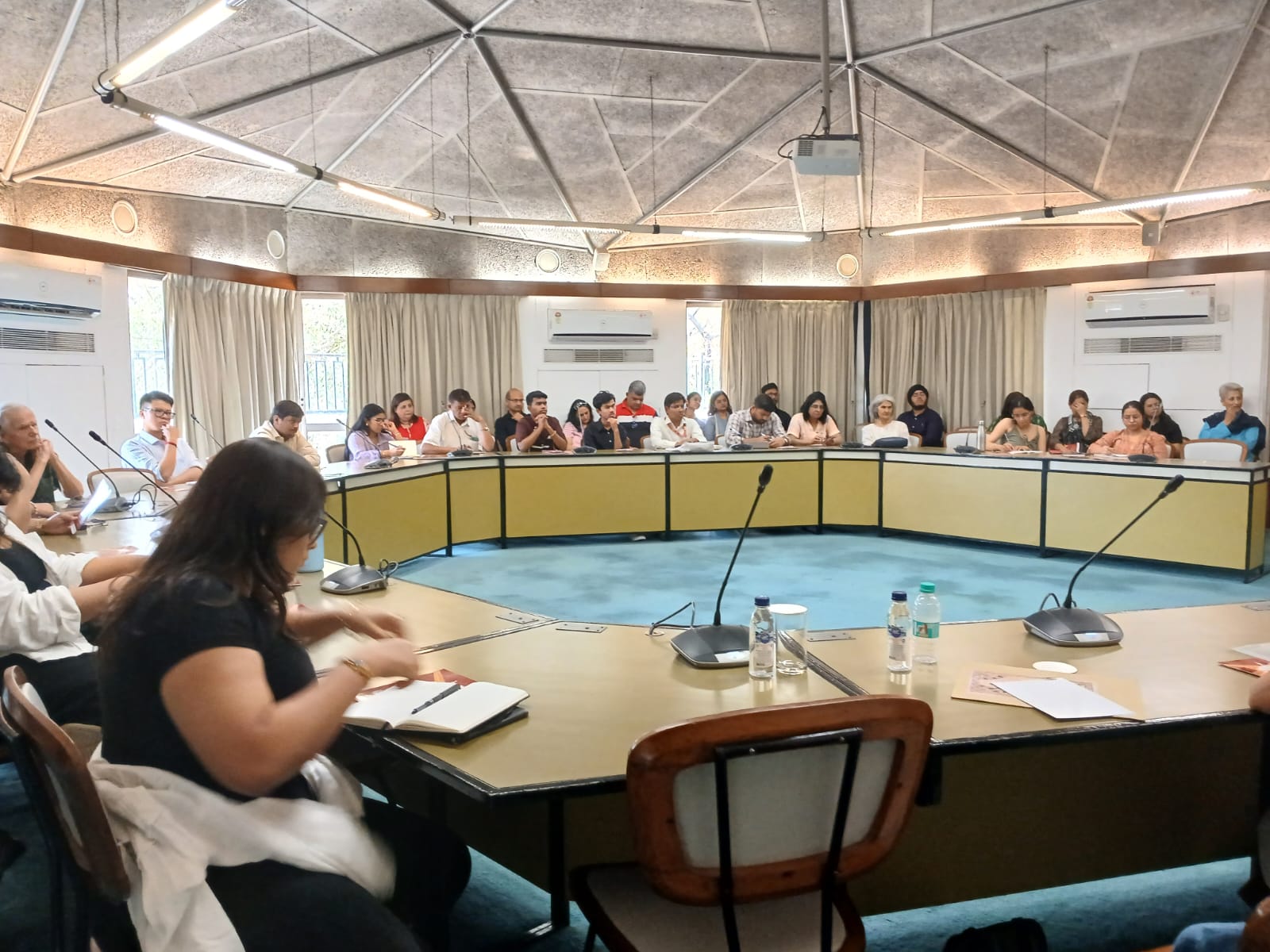
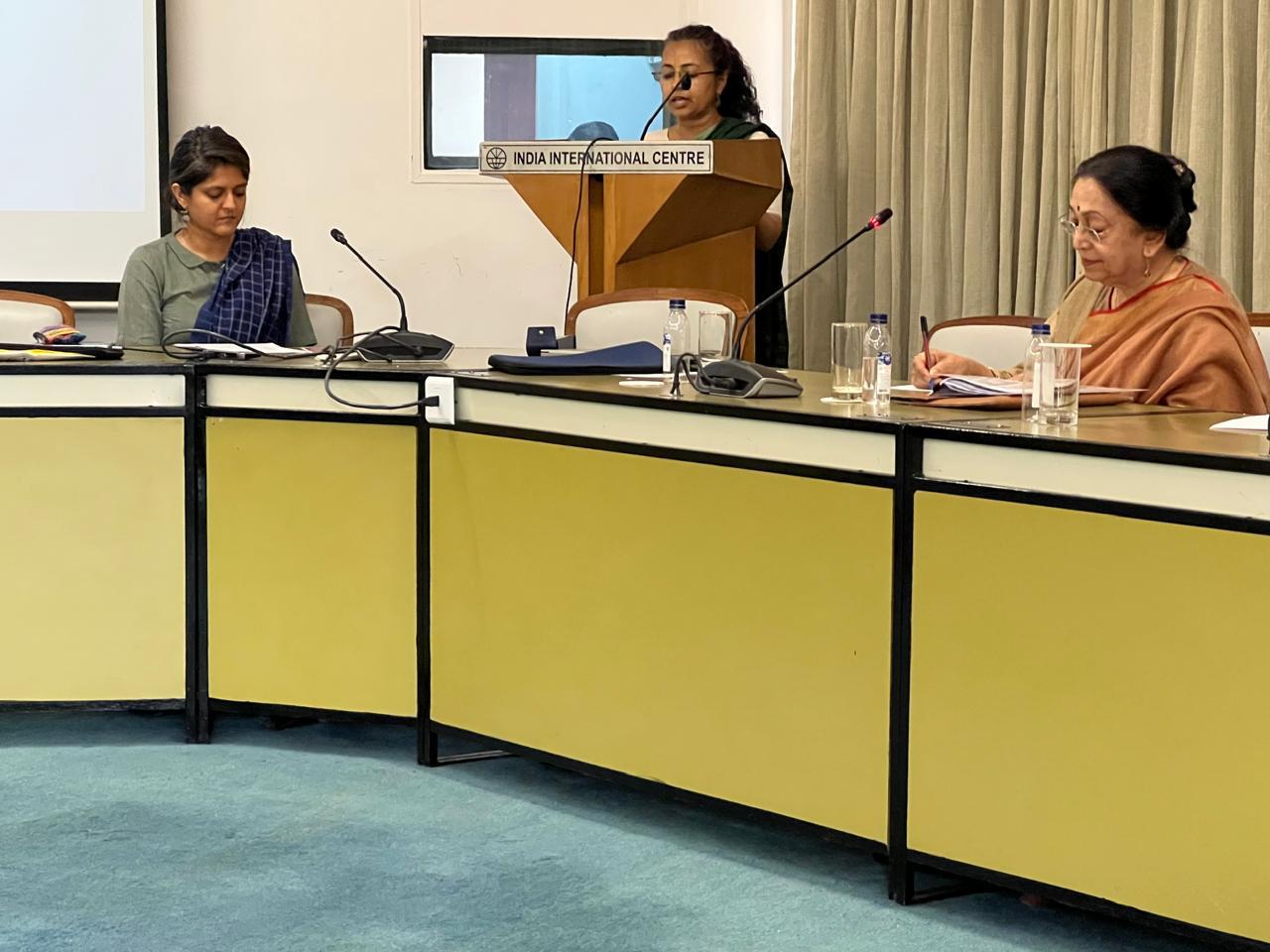
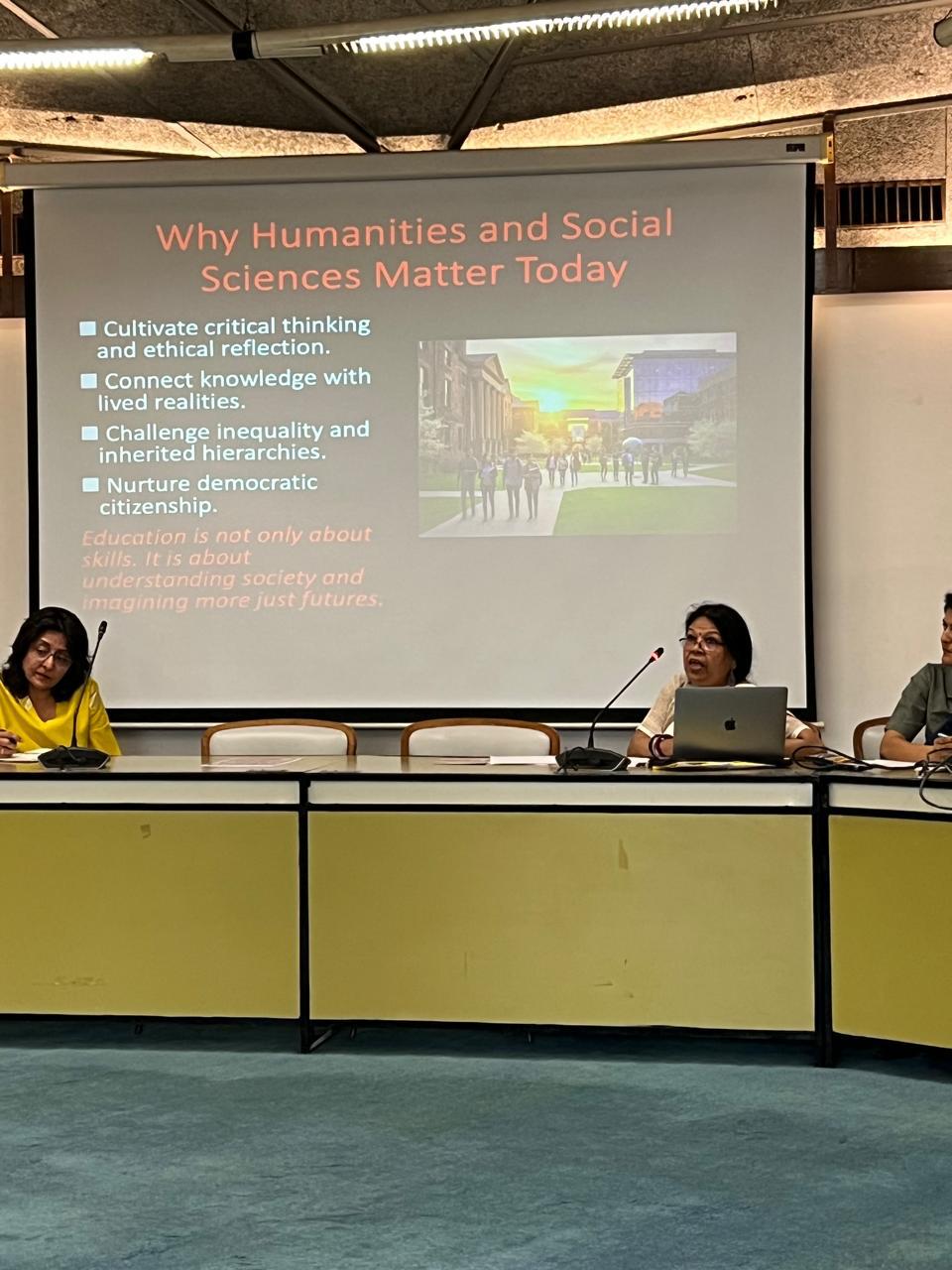
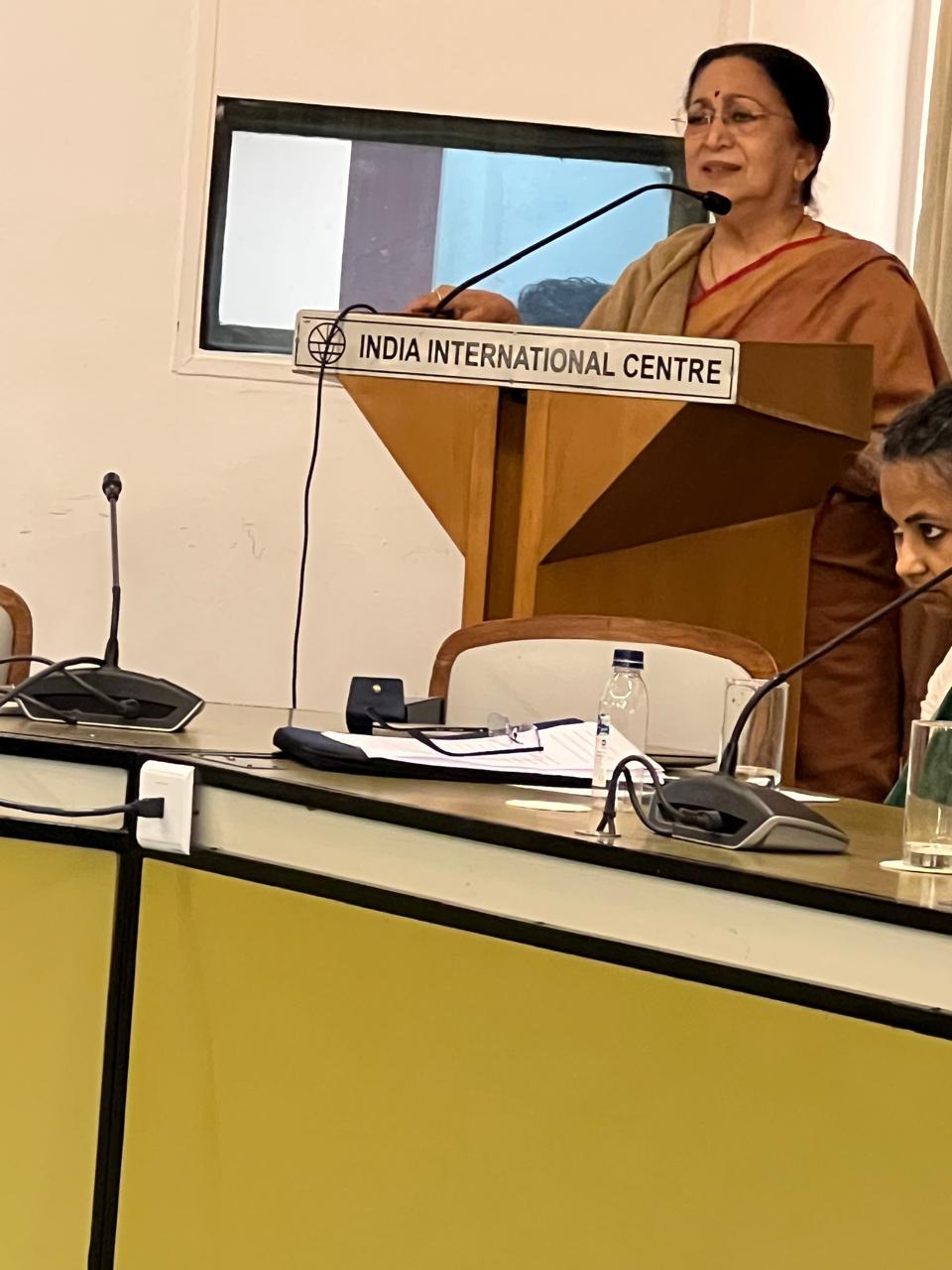
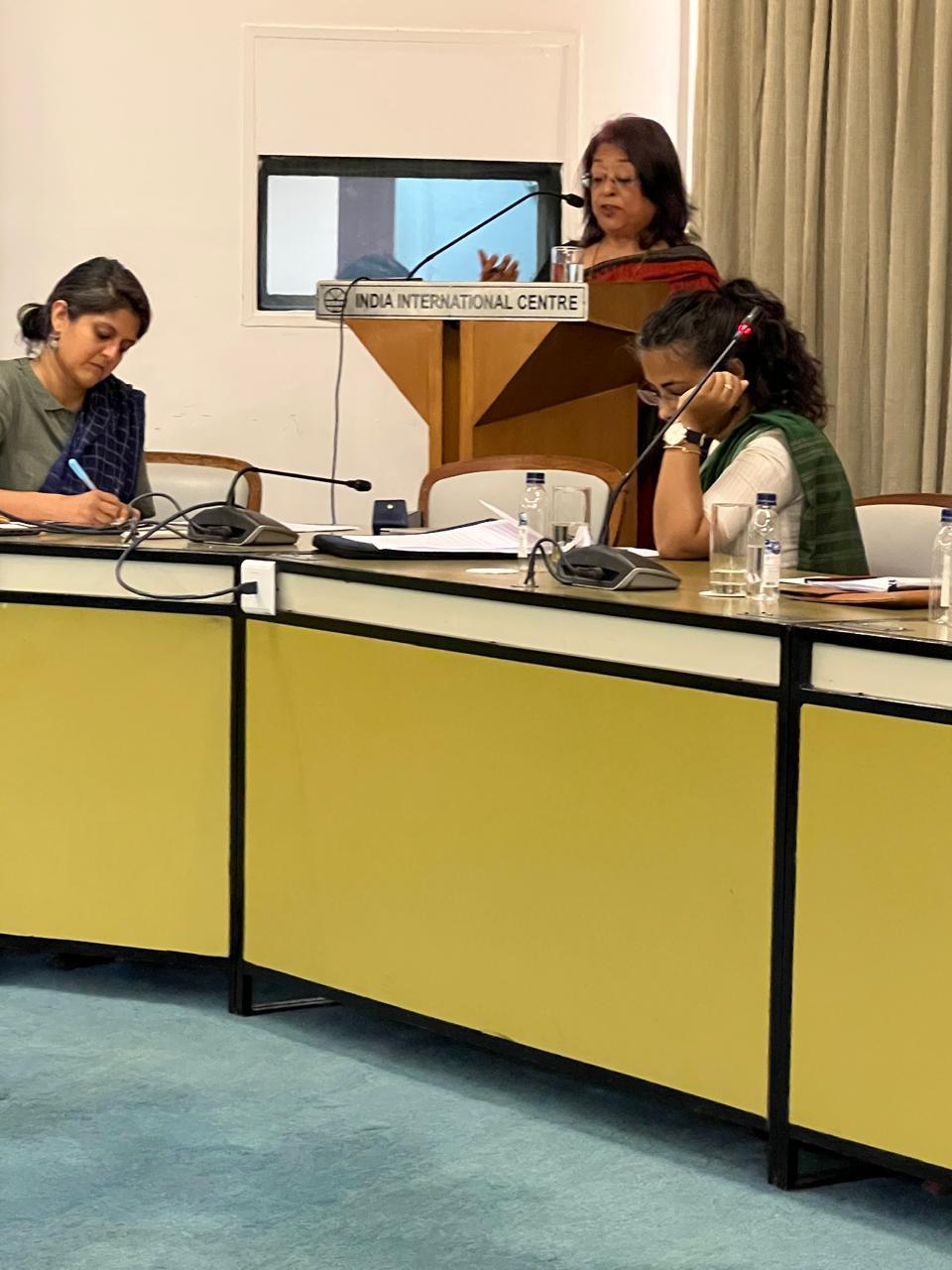
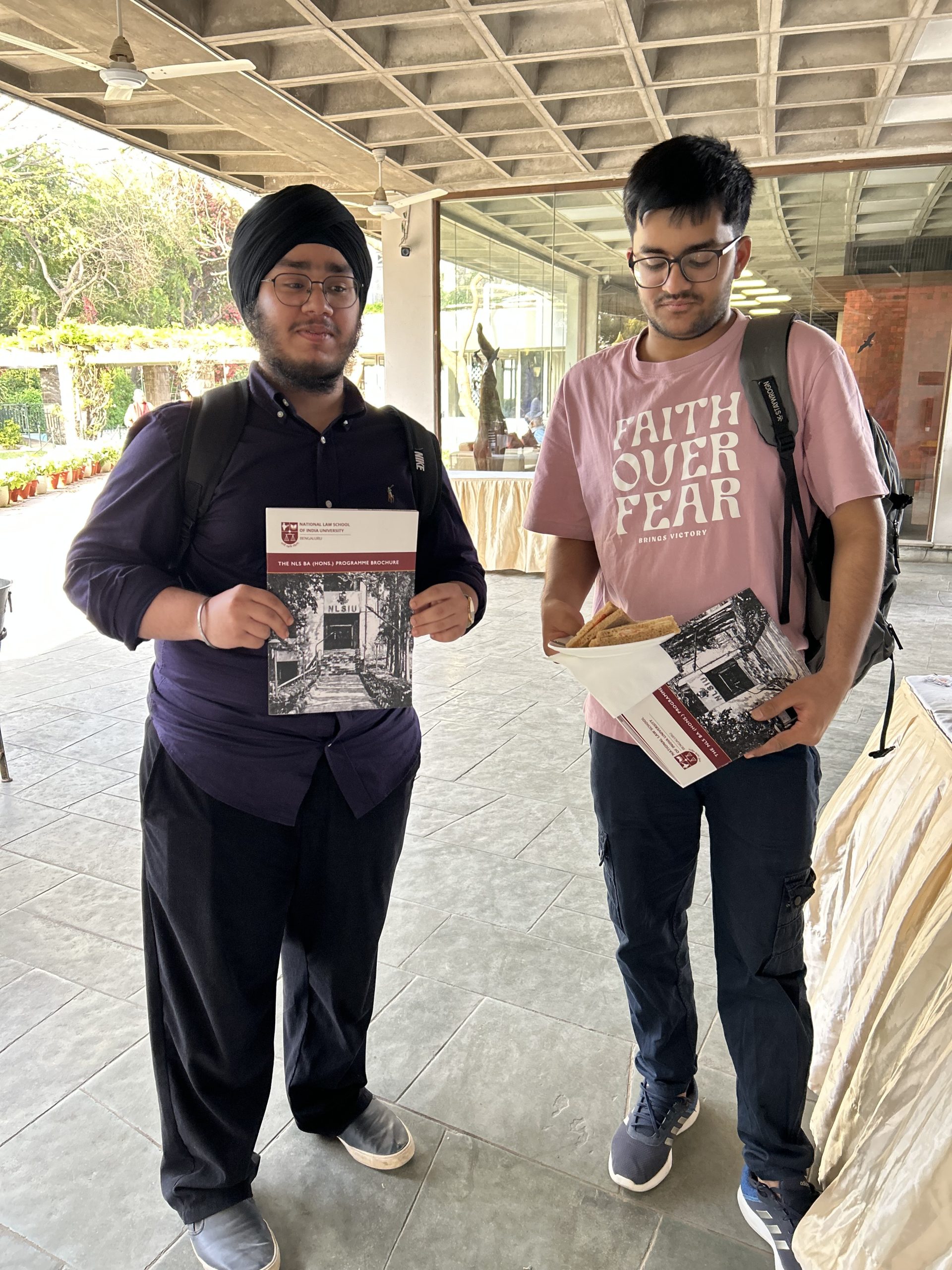
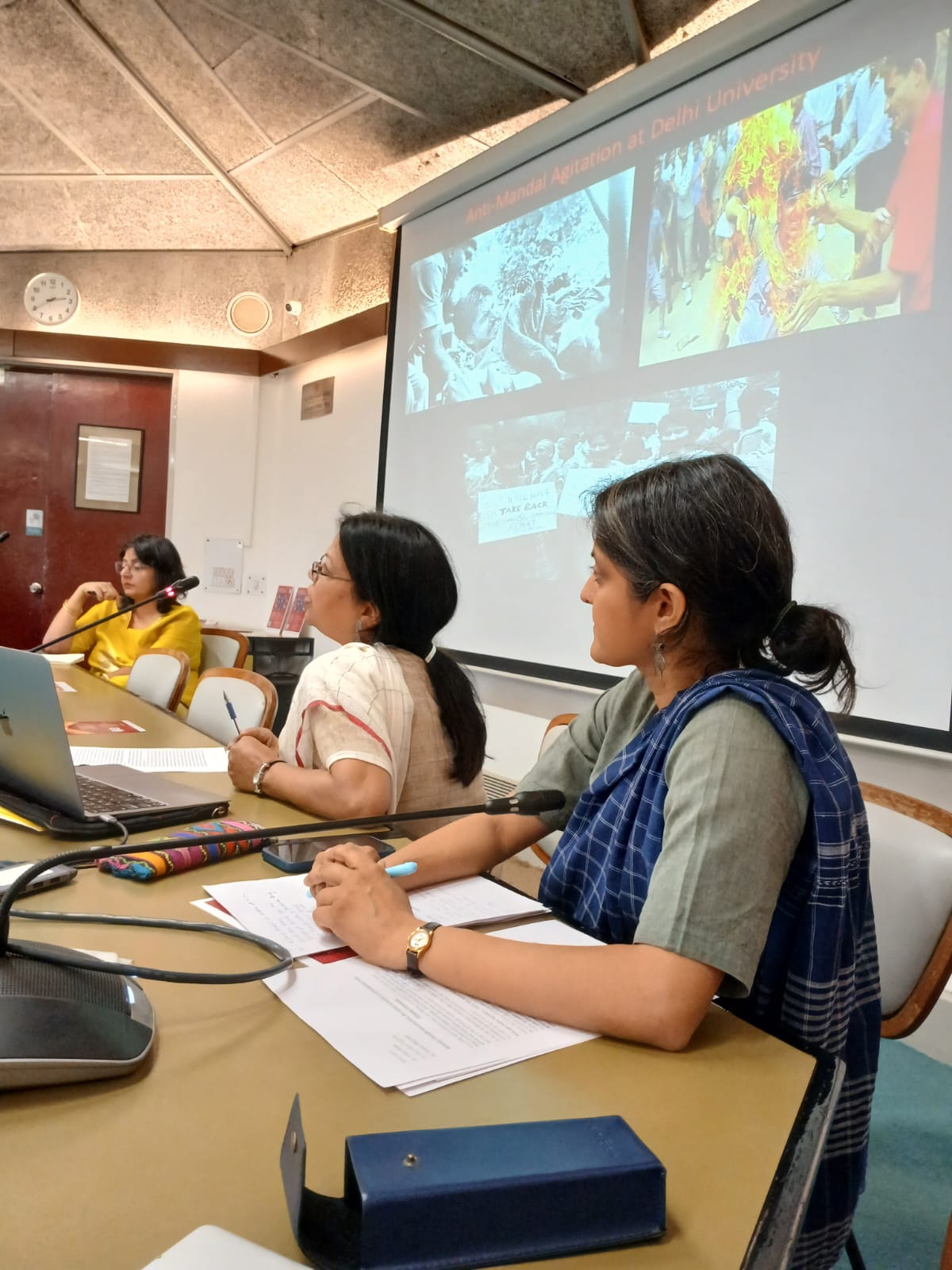
NLSIU organised a panel discussion on March 15, 2026, at the India International Centre (IIC, Conference Room II), Delhi. This event was organised under the larger theme of ‘Between Thought and Practice: The Humanities and Social Sciences in Contemporary India’ and included individual presentations by panellists followed by a moderated Q&A session.
Programme Schedule
1:30 – 2:00 PM | Registration
2:00 – 2:15 PM | Welcome Address
2:15 – 4:15 PM | Panel Discussion:Between Thought and Practice: The Humanities and Social Sciences in Contemporary India
4:15 – 4:45 PM | Tea Break
4:45 – 5:30 PM: Faculty Interaction session – An open interaction with members of the audience who would like to know more about the NLS BA (Hons.) programme
Panellists | The Humanities and Social Sciences in Contemporary India:
Prof. Charu Gupta – Senior Professor, University of Delhi
Dr. Meenakshi Gopinath – Indian educationist and former Principal, Lady Shri Ram College for Women
Ms. Abha Adams – Former Founding Director, The Shri Ram Schools and Adviser
January 17, 2026 | 10:30 AM – 12:00 PM | Conference Hall, Training Centre
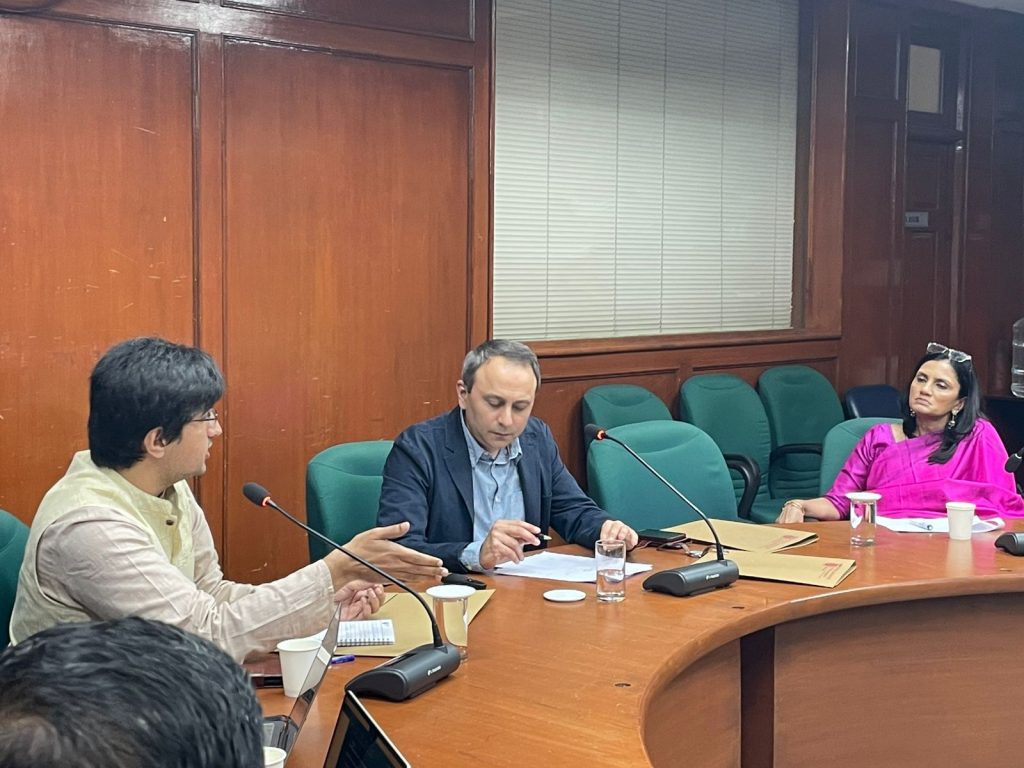
Keynote Address by Dr. Akash Kapur, Visiting Research Scholar and Lecturer, Princeton University Hybrid mode | Open to the public
In this session titled “AI in the Global South: DPI as an AI Governance Approach,” Dr. Akash Kapurspoke about AI Governance in the Global South, with a focus on India and how a DPI-led approach to AI fits into overall global approaches.
About the Speaker
Dr. Akash Kapur is a Visiting Research Scholar and Lecturer whose work at Princeton focusses on digital public infrastructure (DPI). As part of this work, he examines the global dissemination of technology and governance frameworks for digital identity, payments, and data exchange. He is researching the intersections of DPI and artificial intelligence (AI), in particular by considering open source and public models. Kapur is also a Senior Fellow at The GovLab, where he works on data policy and Internet governance; and a Senior Fellow at New America, where he focusses on global AI governance.
He’s also a former columnist for the New York Times, and has written for various publications, including The New Yorker, the Wall Street Journal, The Atlantic, The Economist, Granta, Foreign Policy, The Hindu, Outlook, and more. Among other topics, he writes about utopia, technology policy and regulation, and tennis.
Watch the Full Talk
January 24, 2026 | 10:30 AM – 12:30 PM | Conference Hall, Training Centre
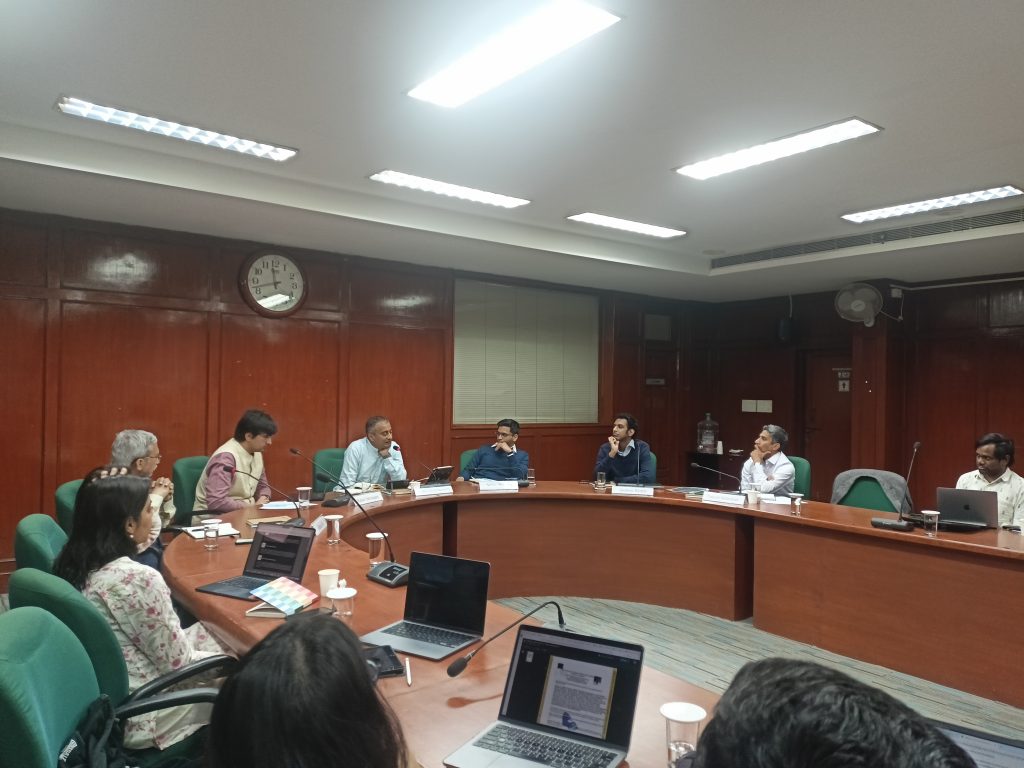
Panel discussion on AI Governance in the Global South Hybrid mode | Open to the public
The Centre hosted a panel on adoption of the India AI Governance Guidelines and the Global South. The session focussed on AI Governance in light of the new Guidelines released in India. The discussion also looked at broader AI Governance patterns in the global south with experts across industry, policy and academia.
The programme also featured allied discussions on the transformation of the regulatory landscape covering emergent use cases for Generative AI tools in automation, and address ethical and professional responsibilities regarding access and bias.

 The National Law School of India University (NLSIU), Bengaluru, in collaboration St. Mary’s College, Sulthan Bathery, Wayanad, is organising a three-day national seminar on ‘Ideas of Self Determination in Adivasi World’ between February 11 and 13, 2026.
 The
The 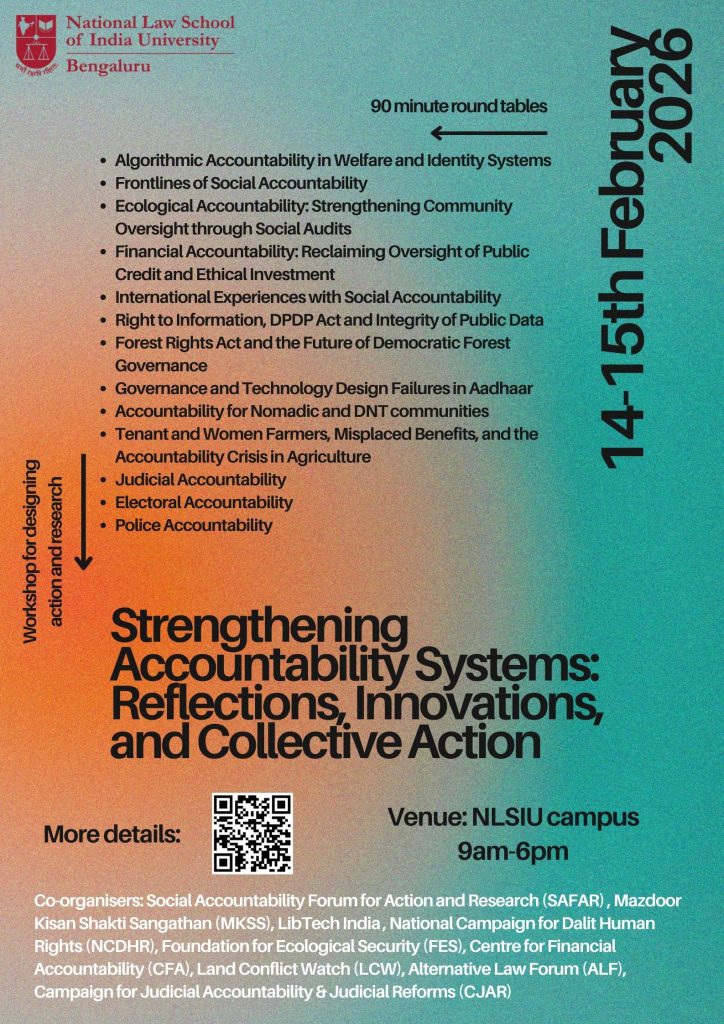 A joint effort by civil society organisations and the ‘
 The
The  The Dean and C. Hugh Friedman Professor of Law at the University of San Diego School of Law, Dean Robert A. Schapiro, is widely regarded as a leading authority on federalism, constitutional structure, and inter-systemic governance. Dean Schapiro has a distinguished career spanning legal scholarship, academic leadership, and public engagement.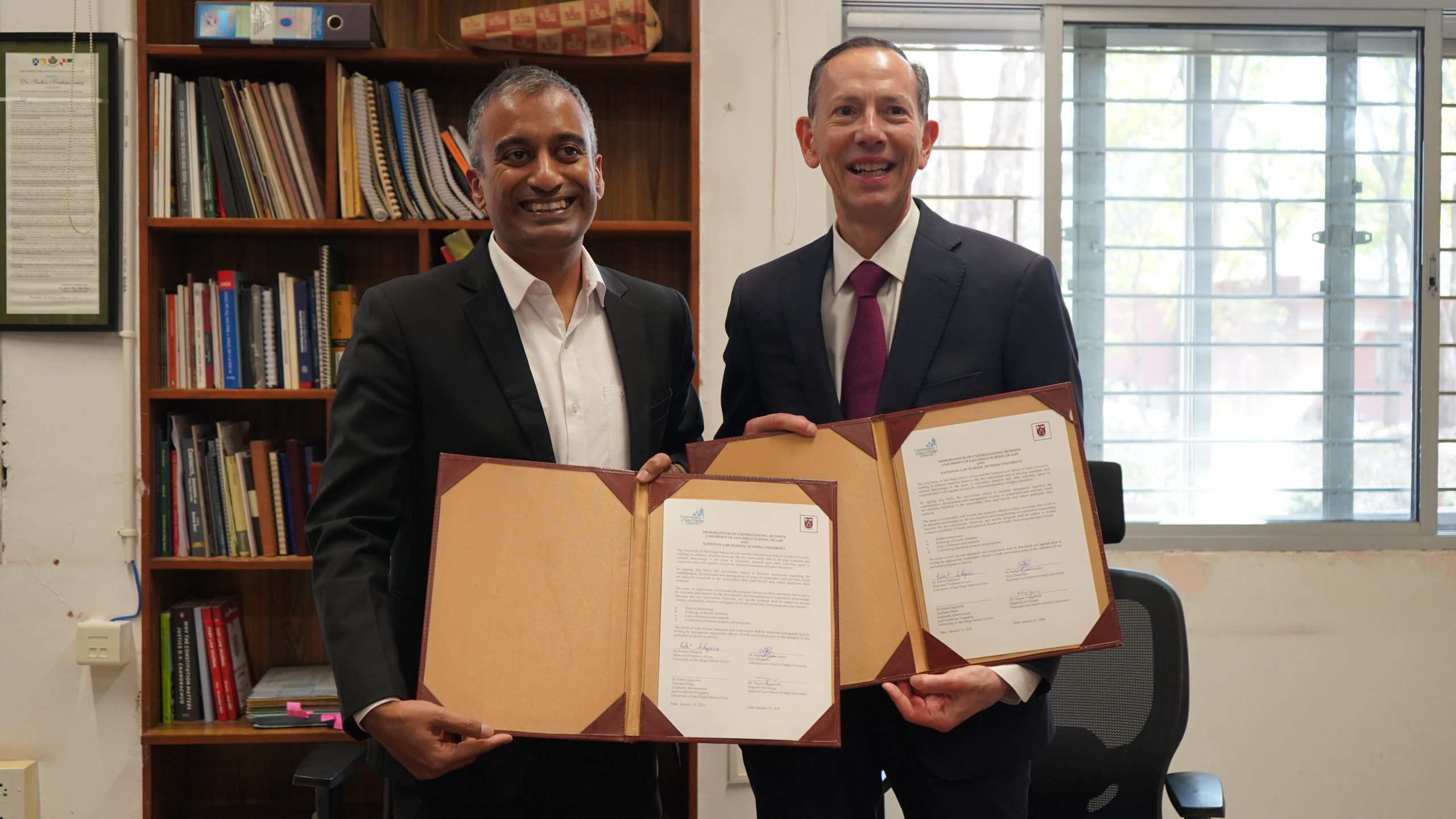


 Ms. Shimal Kapoor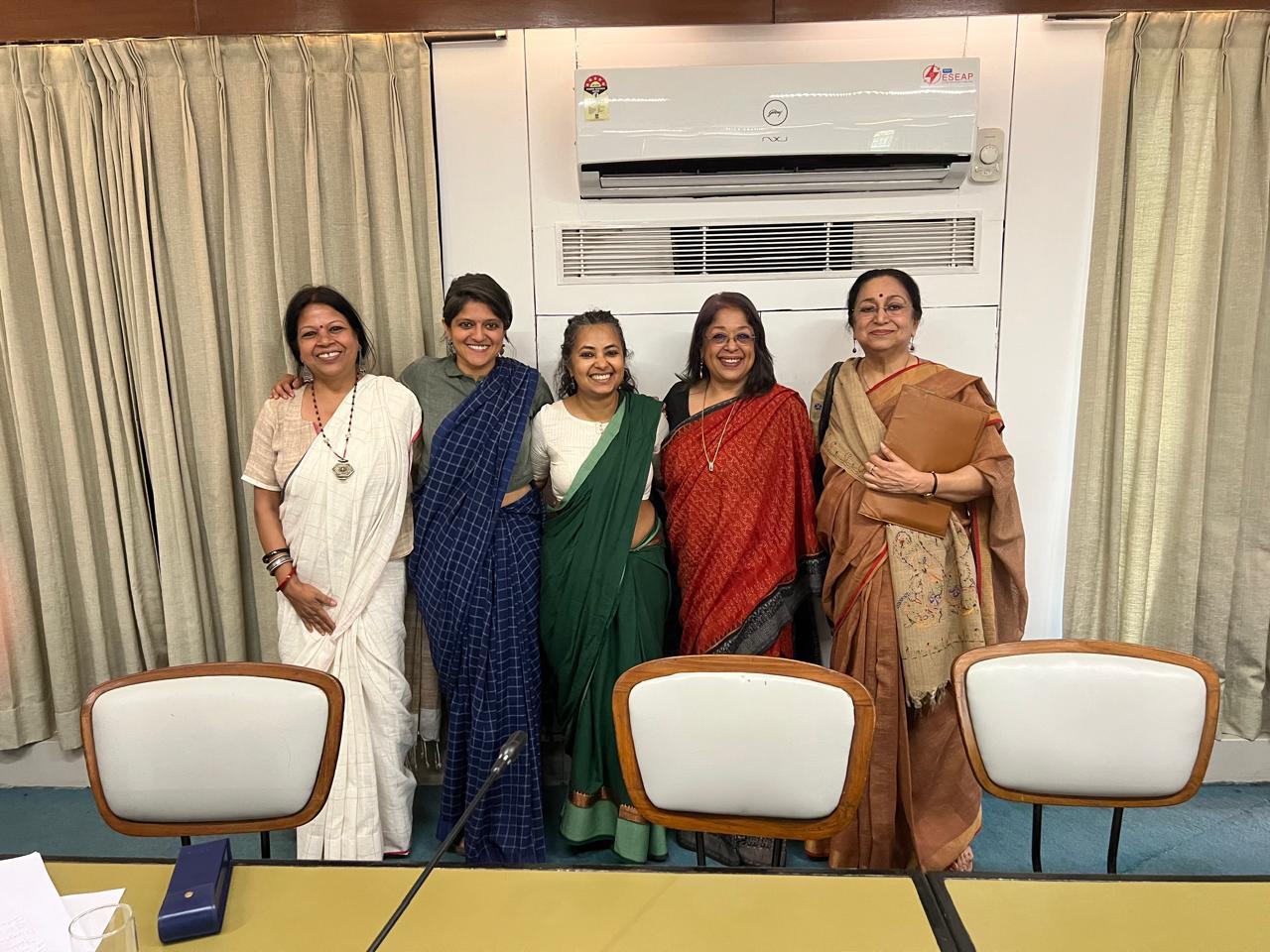
 Keynote Address by Dr. Akash Kapur, Visiting Research Scholar and Lecturer, Princeton University
 Panel discussion on AI Governance in the Global South